Lens and Runway
Mastering the Art and Business of Fashion and Editorial Photography
In a world saturated with images, standing out as a fashion and editorial photographer can seem like an insurmountable challenge.
315 pages16 chaptersAug 9, 2025Photography
About this book
You've mastered the technical aspects of photography, but translating that skill into a thriving career in the fast-paced world of fashion and editorial work feels just out of reach. "Lens and Runway" is your comprehensive guide to bridging that gap. This book delves deep into the nuances of fashion and editorial photography, providing you with the insider knowledge and advanced techniques needed to elevate your work from impressive to unforgettable. From mastering complex lighting setups that bring your vision to life, to developing a signature style that sets you apart in a competitive industry, this book covers every aspect of becoming a successful fashion and editorial photographer. You'll learn how to curate a portfolio that speaks volumes, plan and execute conceptual photoshoots that tell compelling stories, and navigate the business side of the industry with confidence. Whether you're looking to create breathtaking editorial spreads, collaborate with top designers, or see your work grace the pages of prestigious fashion magazines, "Lens and Runway" equips you with the tools, techniques, and insights to turn your passion into a thriving professional career.
Table of contents
- IntroductionThe Current Landscape of Fashion and Editorial Photography, What This Book Will Cover, Your Journey from Hobbyist to ProfessionalRead below
- Chapter 1: Mastering the Art of LightAdvanced Studio Lighting Setups, Harnessing Natural Light for Fashion Shoots, Creating Mood and Atmosphere Through Lighting, Essential Lighting Gear for Fashion Photography
- Chapter 2: Developing Your Unique Visual StyleExploring Different Photographic Styles, Creating Your Signature Look, Balancing Consistency and Versatility, Evolving Your Style Over Time
- Chapter 3: Advanced Composition TechniquesBreaking the Rules of Composition, Framing Techniques for Fashion Photography, Creating Visual Balance in Complex Scenes, Using Composition to Enhance Storytelling
- Chapter 4: Digital Workflow and Editing MasteryAdvanced RAW Processing Techniques, Color Grading for Fashion Photography, High-End Retouching Techniques, Streamlining Your Digital Workflow
- Chapter 5: Planning and Executing Conceptual PhotoshootsFrom Idea to Concept: Developing Shoot Themes, Creating Effective Mood Boards, Collaborating with Stylists, MUAs, and Art Directors, Bringing Your Concept to Life on Set
- Chapter 6: The Art of Editorial Spread DesignPrinciples of Editorial Layout Design, Creating a Visual Narrative Across Spreads, Integrating Typography with Fashion Images, Preparing Editorial Spreads for Magazine Submission
- Chapter 7: Fashion History and Its Impact on PhotographyIconic Fashion Eras and Their Visual Languages, How Fashion History Influences Contemporary Photography, Referencing Historical Styles in Modern Shoots, The Evolution of Fashion Photography Techniques
- Chapter 8: Mastering Color Theory in Fashion PhotographyThe Psychology of Color in Fashion, Creating Harmonious Color Palettes, Using Color Contrast to Create Impact, Working with Seasonal Color Trends
- Chapter 9: The Art of Model DirectionAdvanced Posing Techniques for Fashion, Effective Communication with Models, Eliciting Emotion and Expression, Directing Multiple Models in Group Shots
- Chapter 10: On-Location Fashion PhotographyThe Art of Location Scouting, Overcoming Environmental Challenges, Lighting Techniques for Location Shoots, Handling Permits and Logistics for Location Shoots
- Chapter 11: Visual Storytelling in Fashion PhotographyCrafting Compelling Visual Narratives, Developing Thematic Photo Series, Creating Emotional Connections Through Images, Storytelling for Fashion Brands
- Chapter 12: Gear Mastery for Fashion PhotographyChoosing the Right Lenses for Fashion, Optimal Camera Settings for Fashion Shoots, Mastering Tethered Shooting Techniques, Maintaining and Caring for Your Equipment
- Chapter 13: The Business of Fashion PhotographyCurating a Standout Fashion Portfolio, Attracting and Retaining Fashion Clients, Pricing Your Work and Negotiation Skills, Understanding Contracts and Image Rights
- Chapter 14: Networking and Collaboration in the Fashion IndustryNavigating Fashion Industry Events, Building Relationships with Designers and Brands, Working with Modeling and Creative Agencies, Leveraging Social Media for Industry Connections
- Chapter 15: Building Your Digital PresenceCreating an Impactful Online Portfolio, Developing a Social Media Strategy, Starting and Maintaining a Fashion Photography Blog, SEO for Photographers: Increasing Your Online Visibility
- Chapter 16: Emerging Trends and the Future of Fashion PhotographyThe Impact of New Technologies on Fashion Photography, Sustainable Practices in Fashion Photography, Embracing Diversity and Inclusion in Your Work, Staying Relevant in a Rapidly Changing Industry
- Conclusion
- Glossary of Fashion Photography Terms
- Further Resources and Reading
Introduction
Welcome to the captivating world of fashion and editorial photography. As you embark on this journey from advanced hobbyist to professional, you're about to discover the intricate blend of artistry, technical prowess, and business acumen that defines success in this dynamic field. The path ahead is both challenging and exhilarating, filled with opportunities to push creative boundaries, master cutting-edge techniques, and make your mark in an industry that thrives on innovation and visual storytelling.
Fashion and editorial photography is more than just capturing beautiful images of clothing and accessories. It's about creating visual narratives that resonate with audiences, conveying emotions, and translating abstract concepts into tangible visual experiences. As you delve deeper into this realm, you'll find that your scientific background and technical skills provide a solid foundation, but the journey ahead will challenge you to expand your artistic vision, refine your aesthetic sensibilities, and develop a keen understanding of the fashion industry's nuances.
Throughout this book, we'll explore the multifaceted nature of fashion and editorial photography, equipping you with the knowledge, skills, and insights needed to transition from a highly skilled hobbyist to a sought-after professional. From mastering advanced lighting techniques to developing your unique visual style, from planning conceptual shoots to navigating the business landscape, each chapter is designed to elevate your craft and prepare you for the demands of the professional world.
As we begin this exploration, it's important to recognize that the fashion and editorial photography landscape is constantly evolving. Technological advancements, shifting cultural paradigms, and changing consumer behaviors all play a role in shaping the industry. Your ability to adapt, innovate, and stay ahead of these trends will be crucial to your success. With that in mind, let's dive into the current state of fashion and editorial photography, setting the stage for the transformative journey that lies ahead.
The Current Landscape of Fashion and Editorial Photography
The fashion and editorial photography industry of today is a vibrant, fast-paced, and highly competitive environment that bears little resemblance to its origins. What began as a means to document and showcase clothing has evolved into a powerful medium for artistic expression, cultural commentary, and brand storytelling. In the current landscape, photographers are not just technicians behind the camera but visionaries who shape trends, influence consumer behavior, and contribute to the global dialogue on style, identity, and culture.
One of the most significant shifts in recent years has been the democratization of fashion imagery. The rise of social media platforms, particularly Instagram, has transformed how fashion is consumed and created. No longer confined to the pages of glossy magazines, fashion photography now permeates our daily lives through a constant stream of digital content. This shift has opened up new opportunities for photographers but has also intensified competition, making it more crucial than ever to develop a distinctive voice and style.
The digital revolution has not only changed how images are shared but has also revolutionized the creative process itself. Advanced digital cameras, sophisticated editing software, and AI-powered tools have expanded the possibilities of what can be achieved in fashion photography. Today's photographers must be as proficient in post-production techniques as they are in capturing images, blurring the lines between photography and digital art. This technological evolution has raised the bar for image quality and creativity, pushing photographers to continually innovate and refine their skills.
Another defining characteristic of the current landscape is the increasing emphasis on diversity and inclusivity. The fashion industry, long criticized for promoting narrow beauty standards, is undergoing a transformation. Photographers now play a crucial role in challenging stereotypes and showcasing a broader spectrum of beauty, body types, ethnicities, and gender identities. This shift requires not just a change in who is photographed but also in how they are portrayed, demanding a more nuanced and empathetic approach to fashion imagery.
Sustainability has also emerged as a critical concern in the fashion world, and this extends to photography practices. There's a growing awareness of the environmental impact of fashion shoots, from the resources used in production to the messages conveyed through imagery. Photographers are increasingly expected to consider sustainability in their work, whether through eco-friendly production practices or by creating images that promote sustainable fashion.
The business model of fashion photography has also evolved. While traditional paths through magazine editorials and advertising campaigns still exist, many photographers now find success through a diverse portfolio of work that might include social media content creation, e-commerce photography, and collaborations with emerging designers and brands. The ability to adapt to different formats and platforms has become essential, as has the skill to market oneself effectively in a crowded digital landscape.
Despite these changes, or perhaps because of them, the core essence of fashion photography remains the same: the power to inspire, provoke, and captivate through visual storytelling. The most successful photographers in today's landscape are those who can balance technical expertise with creative vision, adapt to new technologies and platforms, and bring a unique perspective to their work. They understand that fashion photography is not just about showcasing clothes but about creating images that resonate on an emotional and cultural level.
As you navigate this complex and evolving landscape, it's important to stay informed about industry trends, technological advancements, and cultural shifts. Subscribing to fashion photography magazines, following industry leaders on social media, and attending photography exhibitions and fashion events can help you stay connected to the pulse of the industry. Resources like "The Business of Fashion" website and "WWD" (Women's Wear Daily) offer valuable insights into the fashion industry's latest developments and can help you understand the context in which your work will be viewed and valued[1].
Understanding the current landscape is just the first step in your journey to becoming a professional fashion and editorial photographer. It provides the context for the skills you'll need to develop, the challenges you'll face, and the opportunities you'll encounter. As we move forward, we'll delve into the specific techniques, creative approaches, and business strategies that will help you thrive in this dynamic field. The landscape may be complex, but with the right knowledge and skills, you'll be well-equipped to make your mark in the world of fashion and editorial photography.
What This Book Will Cover
"Lens and Runway: Mastering the Art and Business of Fashion and Editorial Photography" is designed to be your comprehensive guide to elevating your photography from advanced hobbyist to professional level in the fashion and editorial realm. This book is structured to provide a holistic approach to your development, covering not just the technical aspects of photography, but also the creative, artistic, and business elements that are crucial for success in this competitive field. Let's take a closer look at what you can expect to learn from each section of this book.
We'll begin by diving deep into the art of lighting, which is fundamental to creating mood and atmosphere in fashion photography. Chapter 1, "Mastering the Art of Light," will explore advanced studio lighting setups, techniques for harnessing natural light, and methods for creating specific moods through lighting. You'll learn how to manipulate light to flatter your subjects, emphasize textures in clothing, and create the dramatic effects that are often sought after in high-end fashion editorials. This chapter will also guide you through the essential lighting gear for fashion photography, helping you make informed decisions about equipment investments.
Developing your unique visual style is crucial for standing out in the fashion photography world, and Chapter 2 is dedicated to this topic. You'll explore various photographic styles, learn how to create your signature look, and understand how to balance consistency with versatility in your work. This chapter will challenge you to push your creative boundaries and find innovative ways to express your artistic vision through your photography.
Chapters 3 and 4 focus on advanced composition techniques and digital workflow mastery, respectively. You'll learn how to break traditional composition rules effectively, create visual balance in complex scenes, and use composition to enhance storytelling in your images. The digital workflow section will cover advanced RAW processing techniques, color grading specifically for fashion photography, and high-end retouching techniques that are industry standards. You'll also learn how to streamline your workflow for efficiency, an essential skill when working on tight deadlines in the professional world.
Planning and executing conceptual photoshoots is a critical skill for fashion and editorial photographers, and Chapter 5 is dedicated to this process. You'll learn how to develop shoot themes, create effective mood boards, collaborate with stylists, makeup artists, and art directors, and bring your concepts to life on set. This chapter will help you transition from capturing images to creating comprehensive visual stories that align with brand identities and editorial visions.
Understanding the art of editorial spread design is crucial for photographers who aspire to see their work in print magazines. Chapter 6 covers the principles of editorial layout design, creating visual narratives across spreads, integrating typography with fashion images, and preparing editorial spreads for magazine submission. This knowledge will not only help you create more cohesive series of images but also make your work more attractive to magazine editors and art directors.
Fashion history and its impact on photography is the focus of Chapter 7. You'll explore iconic fashion eras and their visual languages, understand how fashion history influences contemporary photography, and learn how to reference historical styles in modern shoots. This knowledge will add depth and context to your work, allowing you to create images that are not just visually striking but also culturally and historically relevant.
Color theory, covered in Chapter 8, is a crucial element of fashion photography. You'll delve into the psychology of color in fashion, learn to create harmonious color palettes, use color contrast for impact, and work with seasonal color trends. This chapter will enhance your ability to make deliberate and effective color choices in your shoots, whether you're working with clothing, backgrounds, or post-production color grading.
The art of model direction, explored in Chapter 9, is a skill that separates amateur photographers from professionals. You'll learn advanced posing techniques specific to fashion, effective communication with models, methods for eliciting emotion and expression, and techniques for directing multiple models in group shots. This chapter will help you create more dynamic, expressive images and ensure smoother, more productive photoshoots.
On-location fashion photography presents its own set of challenges and opportunities, which we'll address in Chapter 10. From the art of location scouting to overcoming environmental challenges, handling permits and logistics, and mastering lighting techniques for location shoots, this chapter will prepare you for the unpredictable nature of on-location work.
Visual storytelling, covered in Chapter 11, is at the heart of compelling fashion and editorial photography. You'll learn how to craft compelling visual narratives, develop thematic photo series, create emotional connections through images, and tell stories for fashion brands. This chapter will help you elevate your work from individual beautiful images to cohesive, impactful visual stories.
Chapter 12 focuses on gear mastery, covering topics such as choosing the right lenses for fashion, optimal camera settings, mastering tethered shooting techniques, and maintaining your equipment. While gear isn't everything, understanding how to choose and use your tools effectively is crucial for achieving professional-quality results consistently.
The business side of fashion photography is just as important as the creative side, and Chapters 13 and 14 are dedicated to this aspect. You'll learn how to curate a standout fashion portfolio, attract and retain clients, price your work, negotiate effectively, understand contracts and image rights, navigate industry events, build relationships with designers and brands, work with agencies, and leverage social media for networking. These chapters will equip you with the business acumen needed to turn your passion into a sustainable career.
In today's digital age, having a strong online presence is crucial for photographers. Chapter 15 covers building your digital presence, including creating an impactful online portfolio, developing a social media strategy, maintaining a photography blog, and optimizing your online visibility through SEO techniques.
Finally, Chapter 16 looks to the future, exploring emerging trends in fashion photography. You'll learn about the impact of new technologies, sustainable practices in fashion photography, the importance of embracing diversity and inclusion in your work, and strategies for staying relevant in a rapidly changing industry.
Throughout the book, you'll find case studies, interviews with successful fashion photographers, and practical exercises to help you apply what you've learned. By the end of this book, you'll have a comprehensive understanding of both the art and business of fashion and editorial photography, and you'll be equipped with the skills and knowledge needed to launch and sustain a successful career in this exciting field.
Your Journey from Hobbyist to Professional
The transition from a highly skilled hobbyist to a professional fashion and editorial photographer is an exciting and challenging journey. It's a path that requires not just technical mastery and creative vision, but also perseverance, adaptability, and a deep understanding of the industry. As you embark on this journey, it's important to recognize that success in this field is not just about taking great photographs—it's about becoming a well-rounded professional who can navigate the complex world of fashion, manage client relationships, and run a sustainable business.
Your background in life sciences and your experience as a serious hobbyist photographer provide you with a unique perspective and a solid foundation of technical skills. The analytical thinking and attention to detail that come with a scientific background can be invaluable assets in the meticulous world of fashion photography. However, the journey ahead will require you to expand beyond these skills and develop new competencies that are specific to the fashion and editorial photography industry.
One of the first steps in your journey will be to refine and expand your technical skills. While you may already be comfortable with your camera and basic lighting setups, professional fashion photography often requires more complex and nuanced techniques. You'll need to master advanced lighting setups that can create specific moods and effects, learn to work with a variety of lighting conditions both in studio and on location, and become proficient with the latest post-production techniques. This technical growth will be an ongoing process throughout your career, as new technologies and techniques continually emerge in the field.
Equally important to technical skill is the development of your artistic vision. Fashion and editorial photography is fundamentally about storytelling and creating images that evoke emotion and convey concepts. You'll need to cultivate your unique style and learn to translate abstract ideas into visual narratives. This process involves not just honing your eye for composition and color, but also developing a deep understanding of fashion itself—its history, current trends, and the cultural context in which it exists. Reading fashion magazines, attending fashion shows, and immersing yourself in the world of fashion will be crucial steps in this part of your journey.
Another critical aspect of your transition will be learning to work collaboratively. While hobbyist photography is often a solitary pursuit, professional fashion and editorial photography typically involves working with a team of professionals, including models, makeup artists, hair stylists, fashion stylists, and art directors. You'll need to develop strong communication skills and learn how to direct a team to bring your vision to life. This collaborative aspect of the work can be one of the most rewarding parts of the job, but it also requires patience, diplomacy, and the ability to make quick decisions under pressure.
Building a professional network will be a crucial part of your journey. The fashion industry is often described as a "small world," and many opportunities come through personal connections. Attending industry events, participating in photography workshops, and engaging with the fashion community on social media can all help you build the relationships that will be vital to your career. Remember that networking isn't just about promoting yourself—it's about building genuine relationships and contributing to the community.
As you build your skills and network, you'll also need to focus on creating a strong portfolio that showcases your best work and reflects your unique style. Your portfolio will be your primary marketing tool, and it should evolve as your skills and focus develop. In the beginning, this might involve doing test shoots or collaborating with up-and-coming designers or models who are also building their portfolios. As you progress, you'll want to continually update your portfolio with your strongest and most recent work.
The business aspect of your journey cannot be overlooked. Transitioning to a professional career means learning to price your work appropriately, negotiate contracts, manage your finances, and market your services effectively. You'll need to understand the different revenue streams available to fashion photographers, from editorial work to commercial campaigns, and develop strategies for building a sustainable business. This might involve taking business courses, working with a mentor, or gradually building your business skills through experience.
It's important to recognize that the journey from hobbyist to professional is rarely a straight line. There will likely be setbacks and moments of doubt along the way. Resilience and a willingness to learn from both successes and failures will be key to your progress. Remember that even the most successful photographers in the industry faced challenges and rejections early in their careers. What sets professionals apart is their ability to persist, learn, and continually improve their craft.
As you progress on this journey, it's crucial to stay connected with your passion for photography. The demands of running a business and meeting client expectations can sometimes overshadow the creative joy that drew you to photography in the first place. Make time for personal projects and experimentation, even as you build your professional career. These personal projects can often lead to new ideas and opportunities in your professional work.
Finally, remember that becoming a professional is not the end of your journey, but rather the beginning of a new phase of continuous growth and learning. The fashion industry is constantly evolving, and successful photographers are those who continue to adapt, innovate, and push the boundaries of their craft throughout their careers.
The path ahead is challenging, but with dedication, creativity, and the right guidance, you have the potential to transform your passion for photography into a successful career in the dynamic world of fashion and editorial photography. This book is designed to be your guide on this journey, providing you with the knowledge, skills, and insights you need to navigate the transition from hobbyist to professional. As you read through the following chapters, remember that each concept and technique you learn is a step forward on this exciting path. Embrace the challenges, celebrate the successes, and above all, never stop learning and growing as a photographer and as a professional.
Notes
Introduction
- 1. The Business of Fashion, The State of Fashion Photography, 2021
This is the end of the free sample. The full book has 16 chapters.
Want this book written for you?
Tell us your goals and background, and get your own version of this book, tailored by AI to you.


Benefits of AI-tailored books
- Read one book, not ten:
- all the Photography knowledge you need, gathered into a single book.
- Save days of learning:
- tell us your goals, choose your topics, and the whole book is built around them.
- Learn effortlessly:
- Photography book written for your specific background and expertise.
- Understand at a glance:
- includes charts, tables, timelines, checklists, decision trees, and more.
- Stay current:
- written the day you order it, not years ago.
- Trust what you read:
- every book is checked for accuracy, with real research when your subject needs it.
Create your unique book in 3 steps
- 1. Select your focus
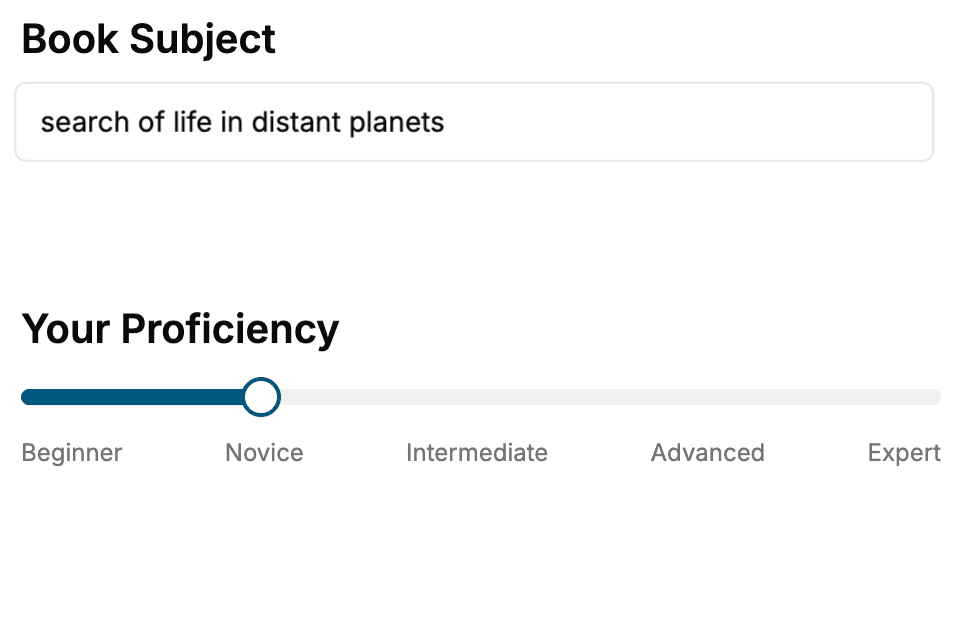
Select the focus of your Photography book and share your background
- 2. Personalize your book
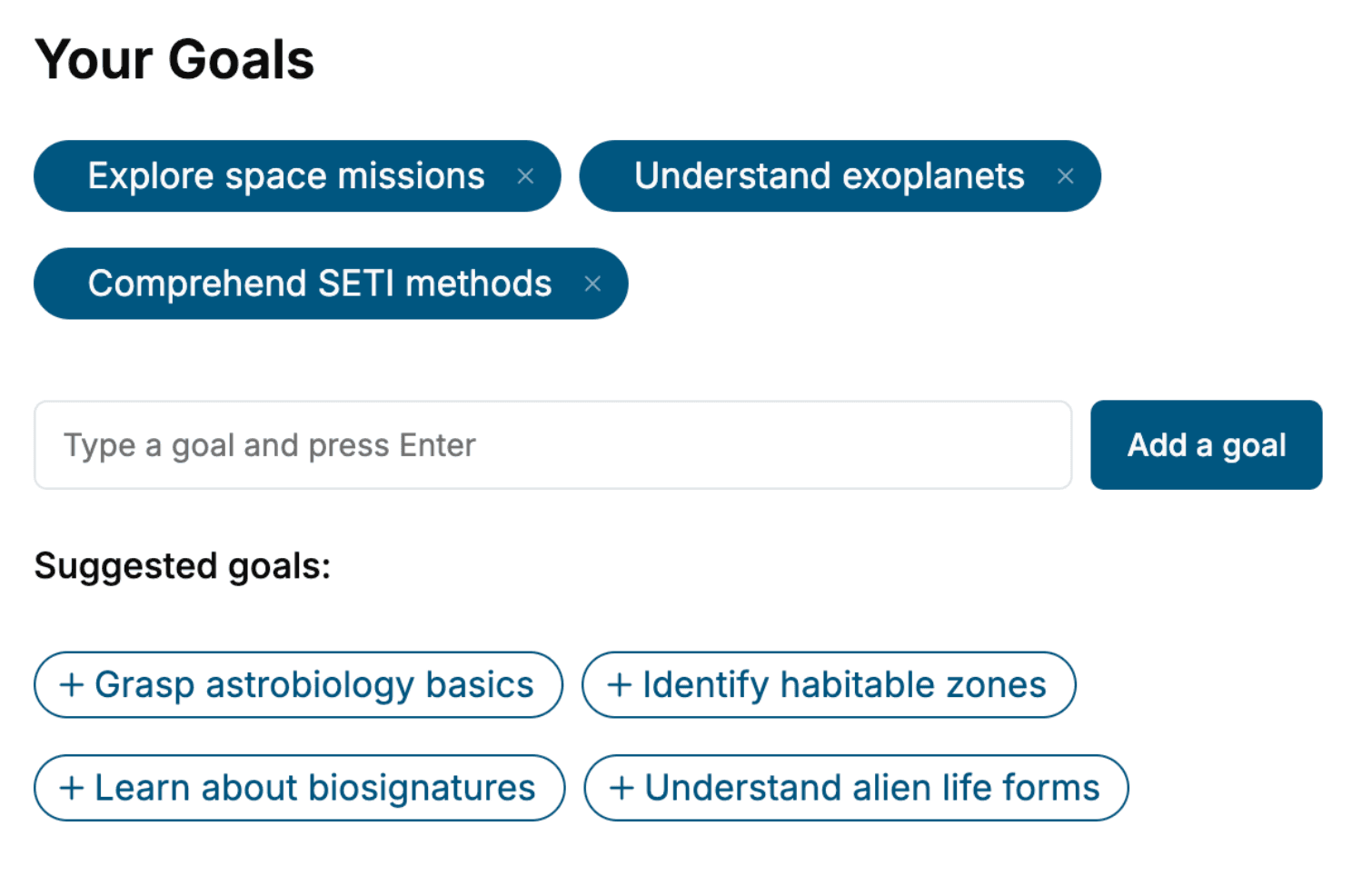
Specify your goals and choose sub-topics to include
- 3. Get your tailored book
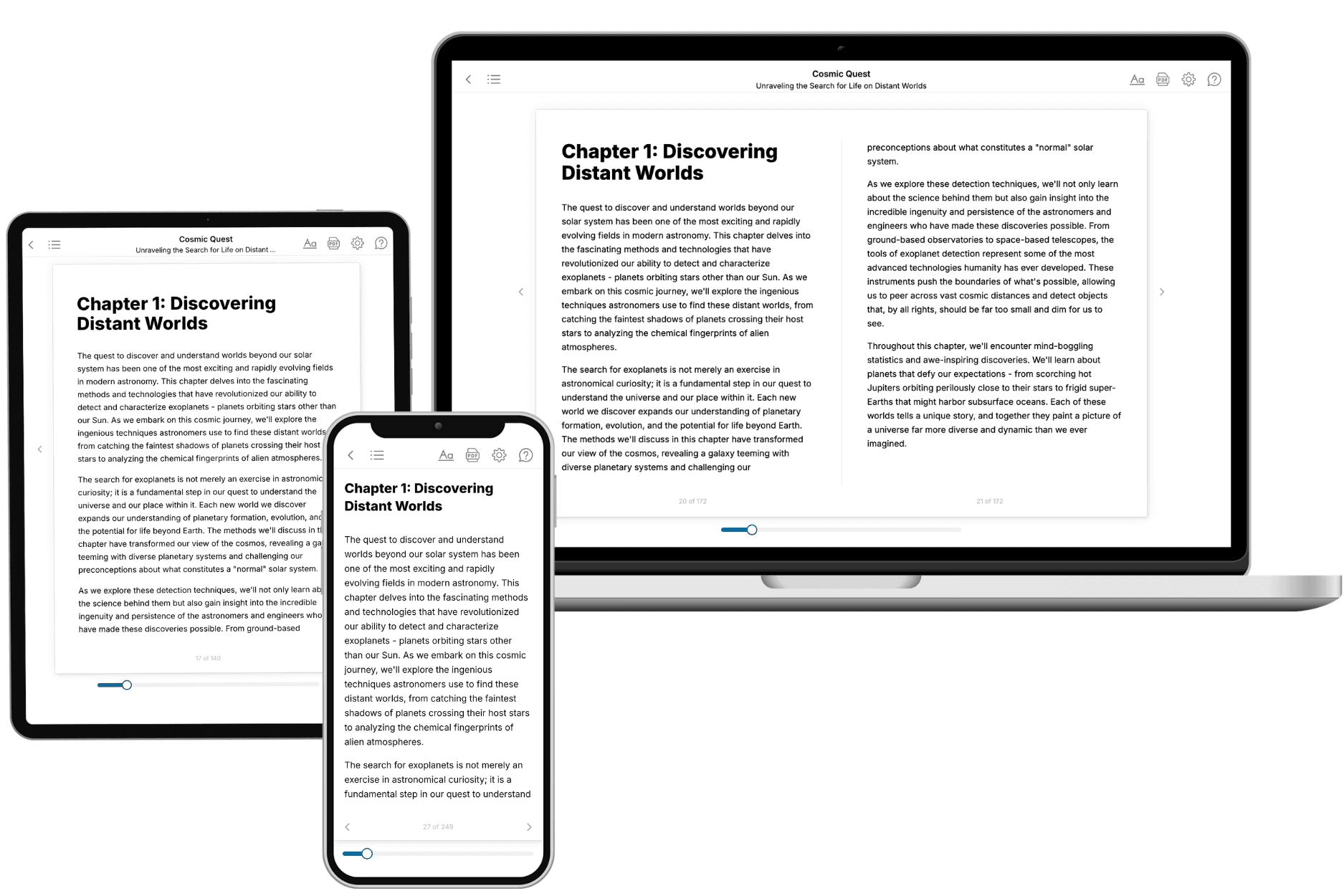
Your book is ready in 10 minutes. Read it online, download as EPUB or PDF, or send to Kindle.
Frequently asked questions
- What is TailoredRead?
TailoredRead creates complete, full-length nonfiction ebooks, written specifically for you. Tell us what you want to learn and why, and TailoredRead writes you a complete ebook on it, with charts, tables, and diagrams throughout. Read it online, on Kindle, or on any e-reader, or download it as a PDF or EPUB. Every book is written fresh the day you order it.
- How is the book tailored to me?
Before anything is written, you answer a few short questions about your goals, your background, and the topics you care about. Your book is then planned around your answers: written at your level, focused on your goals, and covering the topics you chose, instead of the one-size-fits-all book a store sells everyone.
- Will it read like generic AI content?
No. Your book isn't a chat transcript: it's planned chapter by chapter before a single word is written, told in a clear book voice, and explains ideas visually with charts, tables, and diagrams. After writing, every book goes through an editorial pass that polishes chapters so the book reads consistent from start to finish. Judge for yourself: browse thousands of sample books on our Explore Books page.
- How accurate is the content?
Our AI first checks whether your subject needs live research. Niche and fast-moving subjects are researched before writing, and the book plan and chapters are grounded in what it finds. After writing, every book goes through a quality pass that checks its facts and consistency, and researched books list their sources in a Notes section at the back.
- How long is the book?
You choose the length: Comprehensive (250-300 pages), Detailed (150-200 pages), Essential (70-100 pages), or Short (30-50 pages).
- Does the book include visuals?
Yes. Every book includes charts, tables, and diagrams: timelines, checklists, step-by-step guides, decision trees, comparison tables, matrices, and bar charts. A typical book includes dozens of these visual elements.
- Can I read it on Kindle? What formats can I download?
Yes. Every book can be read in our online reader or downloaded as a PDF or EPUB. The EPUB can be opened with Kindle, Apple Books, Kobo, and any e-reader. The Commercial and Author licenses also include an editable Word (DOCX) and Markdown download.
- How much does it cost?
About the price of a regular ebook. The exact price depends on your book's length and complexity, from $2 for the shortest books to $35 for the most comprehensive, and it's shown when you review your book, before you commit to anything. Each book is a one-time purchase, yours to keep, no subscription. Licenses that let you share, teach, or publish your book range from $35.99 to $49.99.
- Can I preview the book before purchasing?
Before you pay, you'll see what your book will cover: the title, a detailed description, the estimated length, and the complete chapter-by-chapter table of contents, so you know what you're getting before you decide. The full text itself is written after you purchase.
- How long does it take to create a book?
About 10 minutes. You can start reading the opening chapters while the rest is still being written.