The Longevity Code
Science-Based Nutrition Strategies to Optimize Your Health and Extend Your Lifespan
Most people believe that eating "healthy" means following generic dietary guidelines—but this approach ignores the cutting-edge science of how specific nutrients, timing, and food combinations actually extend lifespan and prevent cognitive decline.
145 pages7 chaptersApr 4, 2026Nutrition
About this book
The latest longevity research reveals that what matters isn't just what you eat, but how your body absorbs, utilizes, and synergizes those nutrients at the cellular level. This book translates complex nutritional science into practical daily strategies you can implement immediately. You'll discover how to assess and optimize nutrient density in every meal, leverage intermittent fasting protocols that activate cellular repair, enhance nutrient absorption through bioavailability science, and strategically time protein and micronutrients to support cognitive function and quality sleep. Whether you're looking to boost energy, prevent age-related decline, or simply eat with purpose, this guide provides the evidence-based framework to personalize your nutrition for maximum longevity impact.
Table of contents
- IntroductionWhy Nutrition Science Has Changed, How to Use This Book for Maximum ImpactRead below
- Chapter 1: Nutrient Density: The Foundation of Longevity EatingMoving Beyond Calorie Counting, Nutrient Density Scoring Systems, Building Your Nutrient-Dense Plate
- Chapter 2: Cellular Health and Mitochondrial OptimizationUnderstanding Mitochondrial Health, NAD+ Boosting Compounds and Cellular Energy, Anti-Inflammatory Foods for Cellular Protection
- Chapter 3: Intermittent Fasting and Autophagy ProtocolsHow Autophagy Activates Cellular Repair, Evidence-Based Fasting Protocols, Personalizing Your Fasting Approach
- Chapter 4: Bioavailability and Nutrient SynergyThe Science of Nutrient Absorption, Nutrient Synergy Combinations That Amplify Benefits, Food Preparation Methods for Maximum Bioavailability
- Chapter 5: Sleep Quality and Cognitive Function Through DietMagnesium Sleep Optimization Strategies, Preventing Cognitive Decline Through Nutrition, Meal Timing for Sleep and Mental Performance
- Chapter 6: Metabolic Health and Energy OptimizationOptimizing Your Metabolic Rate, Ketogenic Diet Science and Metabolic Flexibility, Protein Timing and Amino Acid Strategies
- Chapter 7: Micronutrient Mastery and Mineral AbsorptionIdentifying and Addressing Micronutrient Gaps, Mineral Absorption Strategies and Optimization, Collagen Synthesis Nutrition for Tissue Health
- ConclusionCreating Your Personalized Longevity Strategy
Introduction
There is a quiet revolution happening in nutritional science, and most people are missing it entirely. For decades, the dominant conversation around food has centered on calories, macronutrients, and weight management. Eat less, move more. Count your carbs. Watch your fat intake. These ideas are so deeply embedded in popular culture that questioning them feels almost radical. But the latest research tells a very different story, one where the quality of what you eat at the cellular level matters far more than the quantity, and where specific nutrients, timing, and food combinations can meaningfully influence how long you live and how well you function along the way.
Longevity science has accelerated dramatically over the past two decades. Researchers studying populations like the Okinawans in Japan, the Sardinians in Italy, and the Seventh-day Adventists in Loma Linda, California, have identified dietary patterns that consistently correlate with longer, healthier lives.[1] At the same time, molecular biology has given scientists tools to observe what happens inside cells when specific nutrients are present or absent. The findings are striking. Certain compounds activate cellular repair pathways. Others suppress chronic inflammation. Some nutrients work synergistically to produce effects that neither could achieve alone. This is not fringe science. It is published in peer-reviewed journals and increasingly shapes how forward-thinking clinicians approach preventive medicine.
This book exists because that research deserves to be translated into practical, daily action. The gap between what scientists know about nutrition and longevity and what most people actually do at the dinner table is enormous. That gap is not due to a lack of interest. Most health-conscious people are genuinely motivated to eat well. The problem is that the information available to them is either oversimplified to the point of being useless, or so technically dense that it requires a graduate degree to parse. The goal here is to bridge that gap, to take the most robust, reproducible findings from longevity nutrition research and turn them into strategies you can implement starting today, without a laboratory or a medical team.
What you will find in these pages is not a diet plan in the traditional sense. There are no rigid meal schedules, no forbidden food lists, and no promises of dramatic weight loss in thirty days. Instead, this is a framework for thinking about food differently, as information your cells receive and respond to, as a lever you can pull to influence your energy, your cognitive sharpness, your sleep quality, and your long-term disease risk. The strategies are evidence-based, meaning they are grounded in research rather than trend cycles. They are also designed to be personalized, because biology is individual and what works optimally for one person may need adjustment for another.
Why Nutrition Science Has Changed
For most of the twentieth century, nutrition science operated on a relatively simple model. Researchers identified essential vitamins and minerals, established minimum daily requirements to prevent deficiency diseases, and built dietary guidelines around those thresholds. The goal was to prevent scurvy, rickets, and pellagra. That was genuinely important work. But it set a low bar. Preventing deficiency disease is not the same as optimizing health, and the field is only now catching up to that distinction in a meaningful way.
The shift began accelerating in the 1990s and 2000s as researchers started examining not just whether nutrients were present in the diet, but how they were absorbed, how they interacted with each other, and what they actually did inside cells. This is where the concept of bioavailability became central. Two people can eat the same amount of iron, for example, and absorb dramatically different quantities depending on what else they ate at the same meal, the health of their gut lining, and their individual genetic variants affecting iron transport proteins.[2] The number on a nutrition label tells you almost nothing about what your body actually receives.
Epigenetics added another layer of complexity and possibility. Research in this field has demonstrated that dietary compounds can switch genes on or off without changing the underlying DNA sequence. Sulforaphane, a compound found in broccoli and other cruciferous vegetables, activates a genetic pathway called Nrf2 that upregulates the body's own antioxidant defense systems.[3] Resveratrol, found in red grapes and certain berries, activates sirtuins, a family of proteins associated with cellular stress resistance and longevity. These are not abstract mechanisms. They are measurable, reproducible effects that occur in human cells in response to specific foods.
The gut microbiome has also transformed how researchers think about nutrition. The trillions of bacteria living in the digestive tract do not just passively process food. They actively produce compounds that influence inflammation, mood, immune function, and even gene expression throughout the body. What you eat shapes the composition of that microbial community, and that community in turn shapes how your body responds to everything else you consume. A diet rich in diverse plant fibers, for instance, supports a more diverse microbiome, which research consistently associates with better metabolic health and lower rates of chronic disease.[4]
Perhaps the most significant development in recent years has been the science of autophagy, the cellular self-cleaning process that won Yoshinori Ohsumi the Nobel Prize in Physiology or Medicine in 2016. Autophagy is the mechanism by which cells identify and break down damaged components, recycling them into raw materials for repair and renewal. It is essentially the body's quality control system at the cellular level. Research has shown that specific dietary patterns, particularly those involving periods of fasting or significant caloric restriction, can activate autophagy in ways that may reduce the accumulation of cellular damage associated with aging and chronic disease.[5]
What all of this means practically is that the old model of nutrition, focused on hitting minimum thresholds for a handful of nutrients, is no longer sufficient as a framework for optimizing health. The new model is more complex, but also more empowering. It recognizes that food is not just fuel. It is a collection of biological signals that interact with your genes, your gut bacteria, your mitochondria, and your cellular repair systems in ways that accumulate over time to either accelerate or slow the aging process. Understanding even a fraction of that complexity gives you tools that generic dietary guidelines simply cannot provide.
It is also worth acknowledging what this shift means for how you evaluate nutrition information going forward. The field moves quickly, and not every study deserves equal weight. A single observational study showing a correlation between a food and a health outcome is very different from a randomized controlled trial demonstrating a causal mechanism. Throughout this book, the emphasis is on findings that have been replicated across multiple study types and populations, that have plausible biological mechanisms, and that have been reviewed and discussed in the broader scientific community. That does not mean every recommendation here is the final word. Science is iterative. But it does mean the strategies presented are grounded in the best available evidence rather than in marketing or trend cycles.
A useful frame: Think of nutrition science not as a set of rules to follow, but as a growing map of how food interacts with your biology. The map is incomplete, but it is far more detailed than it was twenty years ago, and acting on what is already known can produce meaningful results.
One more important shift deserves mention: the move toward personalized nutrition. Population-level dietary guidelines are averages. They describe what tends to work for most people most of the time. But individual variation in genetics, gut microbiome composition, metabolic rate, stress levels, sleep patterns, and existing health conditions means that optimal nutrition looks somewhat different for each person. This book provides frameworks and principles rather than one-size-fits-all prescriptions, specifically because the goal is to help you develop a personalized approach rather than simply follow someone else's template.
How to Use This Book for Maximum Impact
This book is organized around the core pillars of longevity nutrition, each building on the last. You can read it straight through from beginning to end, which will give you the most complete picture of how the different strategies interconnect. Alternatively, if you have a specific priority, such as improving sleep quality or understanding intermittent fasting, you can navigate directly to the relevant chapter and still find actionable, self-contained guidance. The chapters are designed to be useful both as part of the whole and as standalone references.
Here is a brief map of what each chapter covers and how they connect:
- Chapter 1 (Nutrient Density): Establishes the foundational framework for evaluating food quality beyond calories. This is the lens through which everything else in the book should be viewed.
- Chapter 2 (Cellular Health): Explains how specific dietary compounds support mitochondrial function and reduce the chronic inflammation that drives most age-related disease.
- Chapter 3 (Fasting and Autophagy): Covers the science of cellular repair through fasting protocols, including how to choose and personalize an approach that fits your lifestyle.
- Chapter 4 (Bioavailability): Addresses the often-overlooked question of how much of what you eat your body actually absorbs, and how food combinations and preparation methods dramatically affect that number.
- Chapter 5 (Sleep and Cognition): Explores the dietary factors that most directly influence sleep quality and cognitive function, including magnesium, meal timing, and specific neuroprotective nutrients.
- Chapter 6 (Metabolic Health): Examines how diet composition and meal timing affect metabolic rate, insulin sensitivity, and energy levels across the lifespan.
- Chapter 7 (Micronutrients): Provides a systematic approach to identifying and addressing the micronutrient gaps that are far more common than most people realize, even among those who eat relatively well.
As you work through the material, you will notice that certain themes recur across chapters. Chronic inflammation, for example, appears in discussions of cellular health, cognitive decline, metabolic function, and micronutrient absorption. That repetition is intentional. It reflects the fact that these systems are deeply interconnected in the body, and that the most powerful dietary strategies tend to address multiple pathways simultaneously. A meal rich in omega-3 fatty acids, leafy greens, and colorful vegetables is not just doing one thing. It is reducing inflammation, supporting mitochondrial function, providing bioavailable micronutrients, and feeding beneficial gut bacteria all at once.
To get the most out of this book, consider approaching it with a few practical habits in mind. First, take notes on the strategies that feel most relevant to your current situation. Not every chapter will be equally urgent for every reader. If your sleep is already excellent but your energy levels are inconsistent, Chapter 6 may deserve more of your immediate attention than Chapter 5. Second, implement changes incrementally rather than all at once. The research on behavior change consistently shows that gradual, sustainable shifts produce better long-term outcomes than dramatic overhauls that are difficult to maintain.[6] Pick one or two strategies from each chapter and practice them until they feel natural before adding more.
Third, pay attention to your own responses. This book provides evidence-based frameworks, but your body is the ultimate feedback system. If a particular eating pattern leaves you feeling energized and mentally sharp, that is meaningful data. If another approach leaves you fatigued or irritable despite theoretical support, that is also meaningful data. The goal is not to follow the science rigidly but to use it as a guide for informed experimentation with your own biology.
A practical starting point: Before reading further, consider doing a simple audit of your current eating patterns. For three days, note what you eat, when you eat it, and how you feel two to three hours afterward. This baseline will make the strategies in each chapter far more concrete and personally relevant when you encounter them.
It is also worth setting realistic expectations about timelines. Some of the strategies in this book produce noticeable effects relatively quickly. Improving magnesium intake, for example, can influence sleep quality within days to weeks for people who are deficient. Others, like the cumulative effects of a consistently anti-inflammatory diet on cellular aging markers, operate over months and years. Both timescales matter. The short-term wins are motivating and often signal that deeper changes are underway. The long-term changes are the ones that most directly influence lifespan and healthspan.
A note on supplementation: this book discusses specific nutrients and compounds in detail, including contexts where supplementation may be relevant. However, the emphasis throughout is on food-first strategies, for good reason. Whole foods contain nutrients in forms and combinations that supplements rarely replicate, and the research on isolated supplements is far more mixed than the research on dietary patterns. Where supplementation is discussed, it is framed as a targeted tool for addressing specific gaps, not as a replacement for a nutrient-dense diet. Any decisions about supplementation should ideally involve a conversation with a qualified healthcare provider who can assess your individual needs.
Finally, this book does not ask you to be perfect. Longevity nutrition is not about eliminating every processed food or optimizing every meal to laboratory precision. It is about shifting the overall pattern of your eating in directions that the evidence consistently supports. A diet that is nutrient-dense, anti-inflammatory, and timed thoughtfully most of the time will produce meaningful benefits even if it includes occasional meals that do not fit the framework. The goal is progress, not perfection, and the strategies here are designed with that reality in mind.
What follows is a practical, science-grounded guide to eating in a way that supports not just a longer life, but a more energetic, cognitively sharp, and resilient one. The research is compelling. The strategies are actionable. And the potential return on investment, measured in years of healthy function rather than dollars, is among the highest available to anyone willing to engage seriously with the evidence. The next chapter begins where all good nutrition thinking should: with the question of what it actually means for food to be healthy, and why the answer is more interesting and more useful than most people expect.
Notes
Introduction
- 1. D. Buettner, The Blue Zones: Lessons for Living Longer from the People Who've Lived the Longest, National Geographic Society, 2008
- 2. R. Hurrell and I. Egli, "Iron bioavailability and dietary reference values," American Journal of Clinical NutritionS-1467S, 2010
- 3. J. W. Fahey and others, "Broccoli sprouts," Proceedings of the National Academy of Sciences, 1997
- 4. J. L. Sonnenburg and F. Bäckhed, "Diet-microbiota interactions as moderators of human metabolism," Nature, 2016
- 5. B. Levine and G. Kroemer, "Autophagy in the pathogenesis of disease," Cell, 2008
- 6. J. O. Prochaska and W. F. Velicer, "The transtheoretical model of health behavior change," American Journal of Health Promotion, 1997
This is the end of the free sample. The full book has 7 chapters.
Want this book written for you?
Tell us your goals and background, and get your own version of this book, tailored by AI to you.


Benefits of AI-tailored books
- Read one book, not ten:
- all the Nutrition knowledge you need, gathered into a single book.
- Save days of learning:
- tell us your goals, choose your topics, and the whole book is built around them.
- Learn effortlessly:
- Nutrition book written for your specific background and expertise.
- Understand at a glance:
- includes charts, tables, timelines, checklists, decision trees, and more.
- Stay current:
- written the day you order it, not years ago.
- Trust what you read:
- every book is checked for accuracy, with real research when your subject needs it.
Create your unique book in 3 steps
- 1. Select your focus
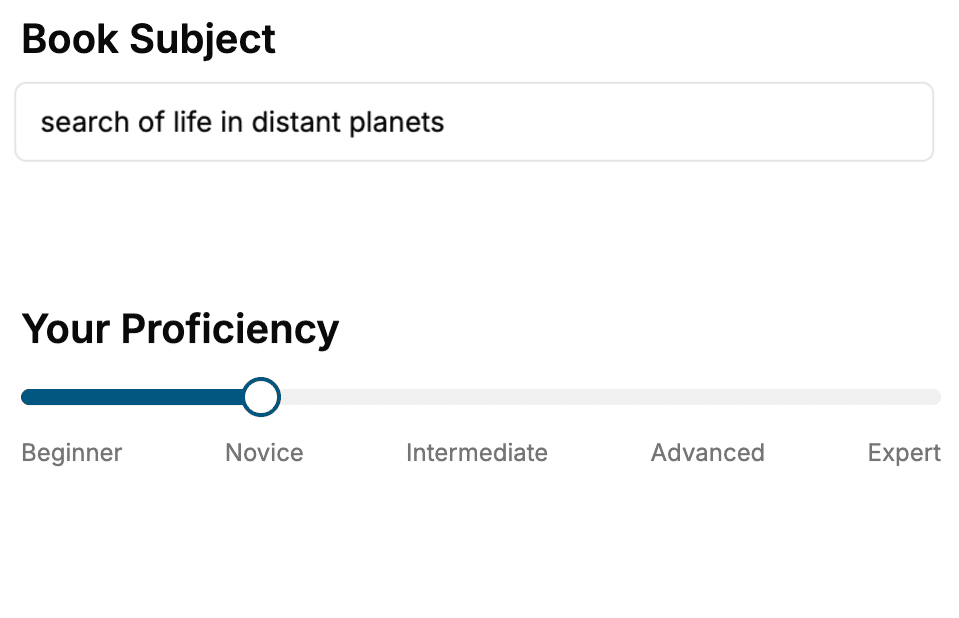
Select the focus of your Nutrition book and share your background
- 2. Personalize your book
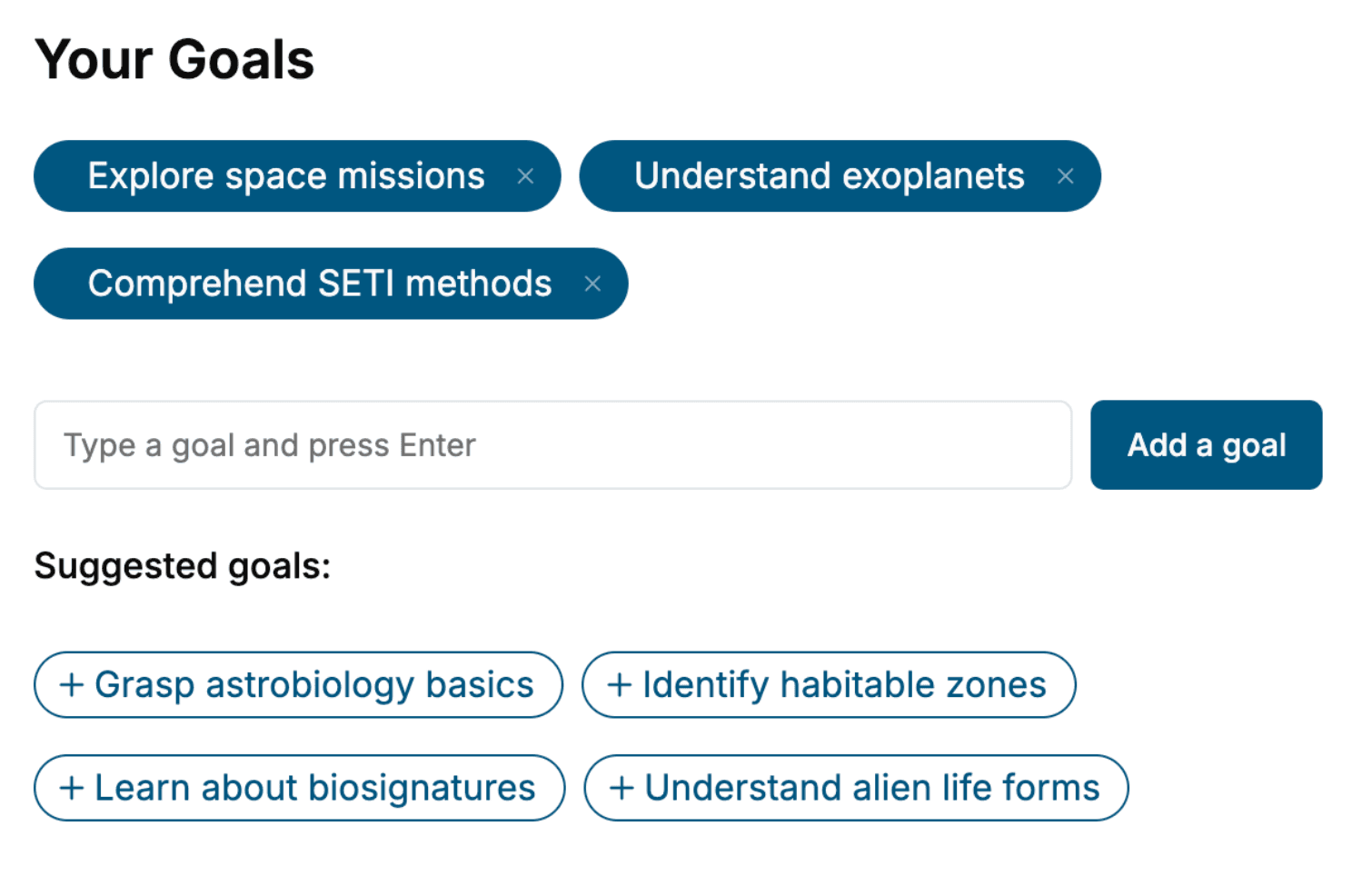
Specify your goals and choose sub-topics to include
- 3. Get your tailored book
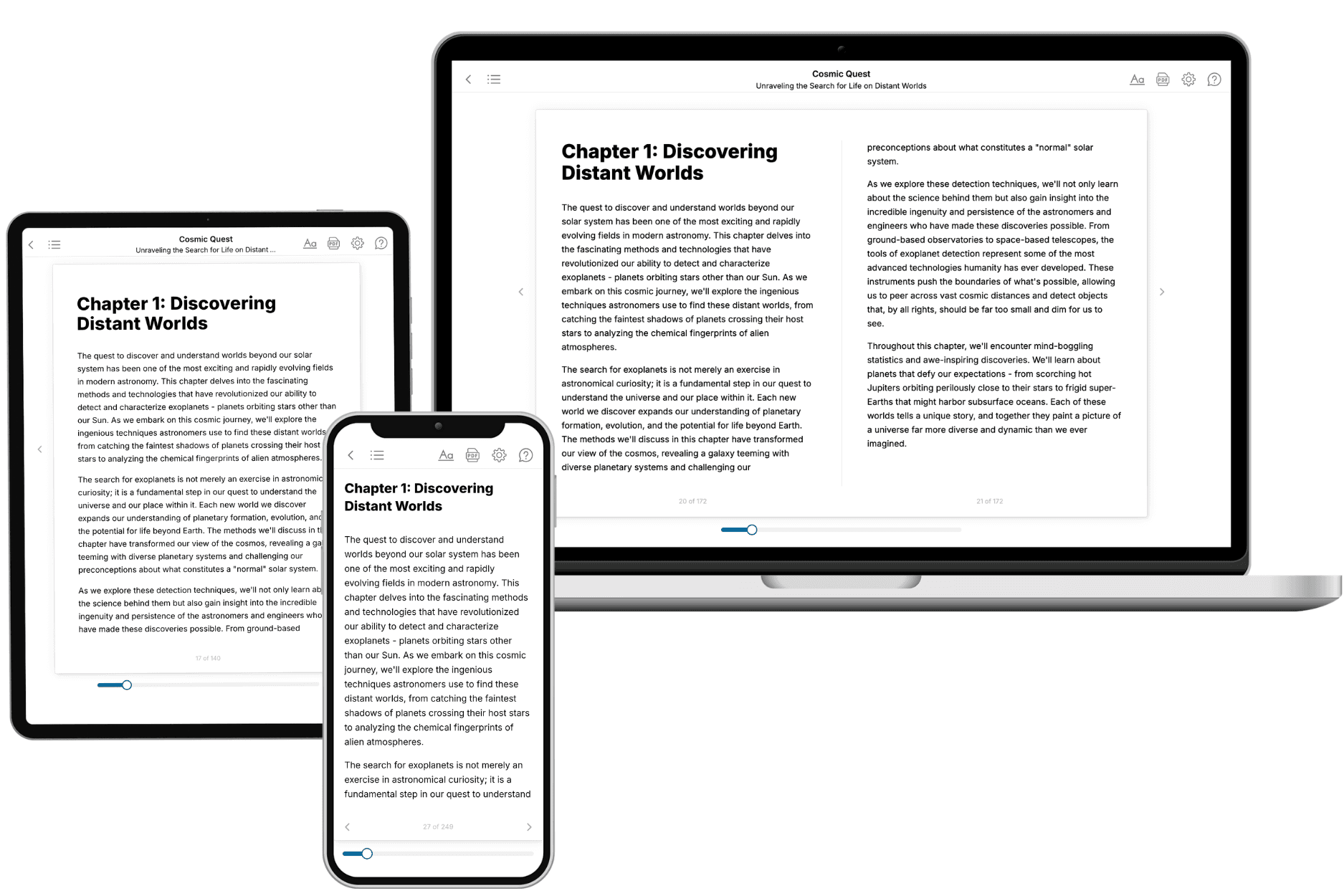
Your book is ready in 10 minutes. Read it online, download as EPUB or PDF, or send to Kindle.
Frequently asked questions
- What is TailoredRead?
TailoredRead creates complete, full-length nonfiction ebooks, written specifically for you. Tell us what you want to learn and why, and TailoredRead writes you a complete ebook on it, with charts, tables, and diagrams throughout. Read it online, on Kindle, or on any e-reader, or download it as a PDF or EPUB. Every book is written fresh the day you order it.
- How is the book tailored to me?
Before anything is written, you answer a few short questions about your goals, your background, and the topics you care about. Your book is then planned around your answers: written at your level, focused on your goals, and covering the topics you chose, instead of the one-size-fits-all book a store sells everyone.
- Will it read like generic AI content?
No. Your book isn't a chat transcript: it's planned chapter by chapter before a single word is written, told in a clear book voice, and explains ideas visually with charts, tables, and diagrams. After writing, every book goes through an editorial pass that polishes chapters so the book reads consistent from start to finish. Judge for yourself: browse thousands of sample books on our Explore Books page.
- How accurate is the content?
Our AI first checks whether your subject needs live research. Niche and fast-moving subjects are researched before writing, and the book plan and chapters are grounded in what it finds. After writing, every book goes through a quality pass that checks its facts and consistency, and researched books list their sources in a Notes section at the back.
- How long is the book?
You choose the length: Comprehensive (250-300 pages), Detailed (150-200 pages), Essential (70-100 pages), or Short (30-50 pages).
- Does the book include visuals?
Yes. Every book includes visual elements such as timelines, checklists, step-by-step guides, decision trees, comparison tables, and matrices, and many include bar charts. A typical book includes dozens of these visual elements.
- Can I read it on Kindle? What formats can I download?
Yes. Every book can be read in our online reader or downloaded as a PDF or EPUB. The EPUB can be opened with Kindle, Apple Books, Kobo, and any e-reader. The Commercial and Author licenses also include an editable Word (DOCX) and Markdown download.
- How much does it cost?
About the price of a regular ebook. The exact price depends on your book's length and complexity, from $2 for the shortest books to $35 for the most comprehensive, and it's shown when you review your book, before you commit to anything. Each book is a one-time purchase, yours to keep, no subscription. Licenses that let you share, teach, or publish your book range from $35.99 to $49.99.
- Can I preview the book before purchasing?
Before you pay, you'll see what your book will cover: the title, a detailed description, the estimated length, and the complete chapter-by-chapter table of contents, so you know what you're getting before you decide. The full text itself is written after you purchase.
- How long does it take to create a book?
About 10 minutes. You can start reading the opening chapters while the rest is still being written.