Mastering the Art of Outdoor Photography
Advanced Techniques for Capturing Nature's Splendor
Picture yourself standing before a breathtaking landscape, your camera poised to capture not just an image, but an emotion.
253 pages13 chaptersDec 22, 2024Photography
About this book
The golden light of dawn bathes the scene, and you know exactly how to harness its power. Wildlife moves in the distance, and you're ready, understanding their behavior and how to frame the perfect shot. This is the mastery you'll achieve. "Mastering the Art of Outdoor Photography" is your definitive guide to elevating your outdoor photography skills from advanced to expert level. Drawing from years of field experience and cutting-edge techniques, this book delves deep into the intricacies of landscape, wildlife, and macro photography. You'll learn to see the world through a photographer's eye, understanding how to use light, composition, and technical skills to create images that truly stand out. From mastering the exposure triangle to perfecting focus stacking methods, from capturing the elusive golden hour to creating stunning timelapses, this comprehensive guide covers it all. You'll discover how to select the right gear for every situation, how to approach wildlife without disturbing their natural behavior, and how to use post-processing techniques to bring out the best in your RAW files. Whether you're aiming to capture the grand vistas of landscapes, the intimate details of macro subjects, or the majesty of wildlife in their natural habitats, this book will equip you with the knowledge and techniques to take your photography to the next level. Get ready to create images that not only document the beauty of the natural world but also express your unique artistic vision.
Table of contents
- IntroductionOverview of the Book, Your Photography Journey, Essential Gear for Outdoor Photography, Developing the Right MindsetRead below
- Chapter 1: Mastering the Exposure TriangleAperture and Depth of Field, Shutter Speed and Motion, ISO and Noise Management, Mastering Exposure Compensation
- Chapter 2: Harnessing Natural LightGolden Hour Magic, Blue Hour Techniques, Working with Harsh Midday Light, Backlighting Techniques
- Chapter 3: Advanced Composition TechniquesBeyond the Rule of Thirds, Using Leading Lines Effectively, Natural Framing in Landscapes, Minimalist Compositions in Nature
- Chapter 4: Landscape Photography MasteryWide-Angle Landscape Techniques, Telephoto Landscapes: Compression and Intimacy, Creating Stunning Panoramas, Capturing the Essence of Seasons
- Chapter 5: Water in Landscape PhotographyMastering Water Reflections, Long Exposure Water Effects, Waterfall Photography Techniques, Coastal and Seascape Photography
- Chapter 6: Wildlife Photography EssentialsChoosing the Right Gear for Wildlife, Understanding Animal Behavior, Wildlife Tracking Techniques, Ethical Considerations in Wildlife Photography
- Chapter 7: Advanced Wildlife PhotographyCapturing Action and Movement, Low Light Wildlife Photography, Camouflage and Concealment Techniques, Creating Compelling Wildlife Portraits
- Chapter 8: Macro Photography in NatureMacro Lens Techniques and Gear, Lighting for Macro Subjects, Focus Stacking Methods, Composition in the Macro World
- Chapter 9: Nightscape and AstrophotographyCapturing Star Trails, Milky Way Photography, Lunar Photography Techniques, Light Painting in Night Landscapes
- Chapter 10: Advanced Photography TechniquesHigh Dynamic Range (HDR) Photography, Creating Stunning Timelapses, Infrared Nature Photography, Multiple Exposure Techniques
- Chapter 11: Weather and Outdoor PhotographyWeather Forecasting for Photographers, Capturing Fog and Mist, Photographing Storms and Lightning, Snow and Ice Photography
- Chapter 12: Color Theory in Nature PhotographyUnderstanding the Color Wheel in Nature, Creating Color Harmony in Your Images, Working with Seasonal Color Palettes, The Psychology of Color in Nature Photos
- Chapter 13: Advanced Post-Processing TechniquesDeveloping a RAW Processing Workflow, Mastering Local Adjustments, Color Grading for Nature Photography, Advanced Noise Reduction Techniques, Sharpening Workflows for Various Subjects
- ConclusionDeveloping Your Personal Style, The Importance of Continuous Learning, Final Thoughts and Inspiration
- AppendixComprehensive Gear Checklist, Global Photography Location Guide, Additional Learning Resources
Introduction
Welcome to "Mastering the Art of Outdoor Photography: Advanced Techniques for Capturing Nature's Splendor." This comprehensive guide is designed to elevate your outdoor photography skills from advanced to expert level, focusing on the intricate details and techniques that separate good photographs from truly exceptional ones. As you embark on this journey, you'll discover new ways to see the world through your lens, capturing not just images, but emotions and stories that resonate with viewers.
Throughout this book, you'll delve deep into the realms of landscape, wildlife, and macro photography, learning how to harness the power of natural light, master complex compositional techniques, and utilize advanced technological tools to create stunning images. Whether you're aiming to capture the grand vistas of sweeping landscapes, the intimate details of the macro world, or the majestic beauty of wildlife in their natural habitats, this guide will equip you with the knowledge and techniques to take your photography to the next level.
As a retired IT professional with a strong technical background and a passion for outdoor photography, you're uniquely positioned to appreciate and apply the advanced concepts and techniques presented in this book. Your existing skills provide a solid foundation, and this guide will build upon that knowledge, introducing you to cutting-edge methods and creative approaches that will push the boundaries of your photographic abilities.
In the following chapters, you'll explore a wide range of topics, from mastering the exposure triangle for perfect shots in any condition to developing an eye for composition that elevates your images from good to extraordinary. You'll learn advanced techniques like focus stacking and long exposure, gain proficiency in wildlife photography, including tracking and behavior prediction, and perfect your macro photography skills to reveal the hidden world of nature.
Moreover, you'll discover how to optimize your gear selection for various outdoor photography scenarios, master post-processing techniques to bring out the best in your RAW files, and understand and apply color theory to enhance the mood and impact of your nature photos. By the end of this book, you'll have developed a workflow that ensures consistent, high-quality results both in the field and during post-processing.
So, grab your camera, lace up your hiking boots, and prepare to embark on an exciting journey into the world of advanced outdoor photography. Let's begin by exploring an overview of what lies ahead in this comprehensive guide.
Overview of the Book
"Mastering the Art of Outdoor Photography" is structured to provide a logical progression through the various aspects of advanced outdoor photography. Each chapter builds upon the previous ones, allowing you to gradually develop your skills and understanding. The book is divided into several key sections, each focusing on a specific area of expertise that will contribute to your overall mastery of outdoor photography.
We begin with a deep dive into the fundamental technical aspects of photography, starting with mastering the exposure triangle. This crucial chapter will help you understand how to perfectly balance aperture, shutter speed, and ISO to achieve optimal exposure in any lighting condition. You'll learn how to use these settings creatively to control depth of field, freeze or blur motion, and manage noise in your images.
Following this, we explore the art of harnessing natural light. Light is the essence of photography, and understanding how to work with it is crucial for creating stunning outdoor images. You'll discover techniques for capturing the magical qualities of golden hour light, learn how to work with challenging midday sun, and explore creative approaches to using backlighting to add drama and depth to your photographs.
The book then delves into advanced composition techniques, moving beyond the basic rules to explore more sophisticated approaches to framing and arranging elements within your images. You'll learn how to use leading lines, natural framing, and minimalist compositions to create visually compelling photographs that draw viewers in and guide their eyes through the scene.
Subsequent chapters focus on specific genres of outdoor photography. In the landscape photography section, you'll explore techniques for capturing wide-angle vistas, creating intimate telephoto landscapes, and stitching together breathtaking panoramas. You'll also learn how to effectively photograph water in various forms, from reflective lakes to dynamic waterfalls and dramatic seascapes.
The wildlife photography chapters cover everything from selecting the right gear to understanding animal behavior and ethical considerations. You'll learn advanced techniques for capturing action shots, working in low light conditions, and creating compelling wildlife portraits. These skills will enable you to photograph animals in their natural habitats with confidence and creativity.
Macro photography is given special attention, with detailed instruction on lens techniques, lighting for small subjects, and the art of focus stacking. You'll discover how to reveal the intricate details of the natural world that often go unnoticed by the naked eye, creating images that are both scientifically interesting and artistically beautiful.
The book also covers specialized areas of outdoor photography, including nightscape and astrophotography. You'll learn how to capture star trails, photograph the Milky Way, and use light painting techniques to add interest to your night landscapes. These chapters will open up a whole new world of photographic possibilities, allowing you to continue creating even after the sun has set.
Advanced techniques such as HDR photography, timelapse creation, and infrared photography are explored in depth, providing you with tools to push your creative boundaries and produce unique and striking images. You'll also learn how to work with various weather conditions, from fog and mist to storms and snow, turning challenging situations into opportunities for dramatic photographs.
Color theory is given its own chapter, helping you understand how to use color effectively in your nature photography. You'll learn about color harmonies, seasonal palettes, and the psychological impact of color choices in your images. This knowledge will allow you to create photographs with greater emotional resonance and visual appeal.
Finally, the book concludes with a comprehensive section on advanced post-processing techniques. You'll develop a robust workflow for processing RAW files, master local adjustments, learn color grading techniques specific to nature photography, and explore advanced methods for noise reduction and sharpening. These skills will ensure that your final images accurately reflect your creative vision and technical expertise.
Throughout the book, you'll find practical exercises, case studies, and real-world examples that illustrate the concepts being discussed. These hands-on elements will help you apply what you've learned and see immediate improvements in your photography. By the end of this book, you'll have a comprehensive understanding of advanced outdoor photography techniques and the confidence to apply them in the field.
Your Photography Journey
As a retired IT professional with a passion for outdoor photography, you've already embarked on an exciting journey of visual exploration and creativity. Your technical background provides you with a unique advantage in understanding the complex interplay of camera settings, digital processing, and the ever-evolving technology that drives modern photography. This book is designed to build upon that foundation, taking your skills from advanced to expert level.
Your journey in photography likely began with a fascination for the natural world and a desire to capture its beauty. Perhaps you started with simple landscapes or snapshots of wildlife encountered during hikes or travels. Over time, you've honed your skills, invested in better equipment, and developed a keen eye for composition. Now, you're ready to take that next significant step – to elevate your work from capturing good images to creating truly exceptional photographs that stand out in the competitive world of nature photography.
This transition from advanced amateur to expert photographer is a significant one. It involves not just mastering technical skills, but also developing a unique creative vision, understanding the subtle nuances of light and color, and learning to tell compelling visual stories through your images. It's about moving beyond merely documenting what you see to interpreting and presenting the natural world in ways that evoke emotion and inspire viewers.
Throughout your journey, you've likely encountered various challenges. Perhaps you've struggled with capturing the perfect exposure in high-contrast situations, or found it difficult to achieve sharp focus when photographing fast-moving wildlife. Maybe you've grappled with the complexities of post-processing, trying to bring out the best in your RAW files without over-editing. These challenges are common, even among experienced photographers, and this book aims to address them head-on, providing you with the tools and techniques to overcome these obstacles.
As you progress through this book, you'll find that many of the skills you've developed in your IT career will serve you well in your photographic pursuits. Your analytical mindset will help you troubleshoot technical issues and optimize your workflow. Your attention to detail will be invaluable in composing intricate macro shots or fine-tuning post-processing adjustments. And your ability to learn and adapt to new technologies will allow you to quickly master the advanced techniques presented in these pages.
But beyond the technical aspects, this book will also encourage you to explore the artistic side of photography. You'll learn to see the world in new ways, to find beauty in unexpected places, and to express your unique perspective through your images. This balance of technical mastery and creative expression is what separates good photographers from great ones, and it's a journey that never truly ends.
As you work through the chapters, you'll find your skills improving rapidly. You'll start to see light differently, noticing subtle variations in quality and color that you may have overlooked before. Your compositions will become more intentional and impactful. You'll develop a deeper understanding of animal behavior, allowing you to anticipate and capture decisive moments in wildlife photography. Your macro work will reveal worlds within worlds, showcasing the intricate beauty of nature's smallest details.
Moreover, you'll find that your post-processing skills will advance significantly. You'll learn to work with RAW files in ways that bring out their full potential, using advanced techniques to enhance color, contrast, and detail while maintaining a natural look. This will allow you to realize your creative vision fully, producing images that accurately reflect what you saw and felt when you pressed the shutter.
Remember that becoming an expert photographer is not just about acquiring knowledge, but also about putting that knowledge into practice. Each chapter in this book includes practical exercises and assignments designed to help you apply what you've learned. It's crucial that you take the time to complete these exercises, as they will help solidify your understanding and improve your skills in real-world situations.
As you progress on your photographic journey, you may also find that your relationship with nature deepens. The act of photographing the natural world often leads to a greater appreciation for its beauty and fragility. Many nature photographers become passionate advocates for conservation, using their images to raise awareness about environmental issues. This book will touch on the ethical considerations of nature photography, encouraging you to practice your craft in ways that respect and protect the subjects you photograph.
Finally, remember that photography is both a personal and a shared experience. While much of your time will be spent alone in nature, waiting for the perfect light or the right moment, the images you create have the power to connect with others, sharing your experiences and perspective with a wider audience. As you develop your skills, consider joining photography clubs, participating in workshops, or sharing your work online. These interactions can provide valuable feedback, inspiration, and opportunities for growth.
Your journey from advanced to expert photographer is an exciting one, full of challenges and rewards. This book is your guide, providing you with the knowledge, techniques, and inspiration to take your outdoor photography to the next level. Embrace the journey, stay curious, and never stop learning. The natural world is full of wonders waiting to be captured through your lens, and with dedication and practice, you'll be amazed at what you can achieve.
Essential Gear for Outdoor Photography
As an advanced photographer transitioning to expert level, you likely already have a solid foundation of photographic equipment. However, outdoor photography often demands specialized gear to meet the unique challenges of shooting in diverse and sometimes harsh environments. This section will discuss the essential gear for outdoor photography, focusing on items that will help you capture the highest quality images in various natural settings.
The cornerstone of any photographer's kit is the camera body. For outdoor photography, a weather-sealed DSLR or mirrorless camera is ideal. These cameras offer robust build quality to withstand the elements and provide the advanced features needed for expert-level work. Look for a camera with a high dynamic range to capture details in both highlights and shadows, crucial for landscape photography. A fast and accurate autofocus system is essential for wildlife photography, while high ISO performance will serve you well in low-light situations. Some top choices include the Canon EOS R5, Nikon Z7 II, or Sony A7R IV, but the specific model will depend on your brand preference and budget[1].
Lenses are perhaps the most critical component of your kit, as they directly influence the types of shots you can achieve. For landscape photography, a wide-angle lens (16-35mm range) is essential for capturing expansive vistas. A mid-range zoom (24-70mm) offers versatility for various scenes, while a telephoto lens (70-200mm or longer) is crucial for compressing distant elements in landscapes and for wildlife photography. For macro work, a dedicated macro lens (typically 100mm or 105mm) will allow you to capture intricate details of small subjects. Prime lenses, while less versatile, often offer superior image quality and wider apertures, making them excellent choices for specific scenarios like astrophotography.
A sturdy tripod is indispensable for outdoor photography. It allows for sharp images in low light conditions, enables long exposures for creative effects with water or clouds, and is essential for techniques like focus stacking and panorama stitching. Look for a tripod that balances weight and stability – carbon fiber models offer an excellent compromise, being both lightweight for easy transport and rigid enough to support heavy camera setups. A ball head offers flexibility in composition, while a geared head provides precise adjustments for landscape work.
Filters are powerful tools for outdoor photographers. A circular polarizer is perhaps the most versatile, reducing glare and reflections, enhancing colors, and increasing contrast in skies. Neutral Density (ND) filters allow for long exposures even in bright conditions, enabling creative effects with moving water or clouds. Graduated ND filters help balance exposure in high-contrast scenes, such as sunset landscapes. Consider investing in a square filter system, which allows for easier stacking and positioning of graduated filters.
For wildlife photography, additional specialized gear may be necessary. A longer telephoto lens (300mm, 400mm, or even 600mm) allows you to capture close-up shots of animals without disturbing them. A teleconverter can extend the reach of your telephoto lenses, though at the cost of some light. A sturdy gimbal head for your tripod makes handling large telephoto lenses much easier, allowing for smooth panning and tracking of moving subjects.
Macro photography also requires some specialized equipment. In addition to a macro lens, consider investing in a ring light or macro flash for even illumination of close subjects. Extension tubes can increase the magnification capabilities of your existing lenses, offering a cost-effective way to experiment with macro photography before committing to a dedicated macro lens.
For landscape and astrophotography, a remote shutter release or intervalometer is crucial. It allows you to trigger the camera without introducing vibration, essential for long exposures and time-lapse sequences. Some advanced cameras have these features built-in, but an external device offers more flexibility and can be used with multiple camera bodies.
Don't overlook the importance of a good camera bag or backpack. When shooting outdoors, you'll often need to carry your gear over long distances or in challenging terrain. Look for a bag that offers comfort, weather protection, and easy access to your equipment. Some bags designed for outdoor photography also include space for essentials like water, snacks, and extra layers of clothing.
Additional accessories that can prove invaluable in the field include a rocket blower and cleaning kit to keep your sensor and lenses free of dust, extra batteries and memory cards, a headlamp for early morning or late evening shoots, and a rain cover for your camera and lens. A GPS device or smartphone app can be useful for location scouting and recording the exact locations of your shots.
For post-processing, a color-calibrated monitor and a graphics tablet can significantly improve your workflow and the accuracy of your edits. While not strictly "outdoor" gear, these tools are essential for bringing out the best in the images you capture in the field.
Remember, while having the right gear is important, it's your skill and creativity that ultimately make great photographs. The best camera is the one you have with you, and even the most expensive equipment won't guarantee amazing images without the knowledge of how to use it effectively. As you progress through this book, you'll learn techniques that will help you make the most of whatever gear you have, while also guiding you in making informed decisions about future equipment purchases.
Lastly, consider renting equipment before making significant purchases. This allows you to test different lenses or camera bodies in real-world conditions, ensuring that they meet your needs before you invest. Many camera stores and online services offer rental options, making it easy to experiment with high-end gear without the long-term commitment.
Developing the Right Mindset
As you embark on your journey to master the art of outdoor photography, it's crucial to understand that technical skills and top-notch gear are only part of the equation. Equally important, if not more so, is developing the right mindset. This mental approach will not only enhance your ability to capture stunning images but will also enrich your overall experience as a photographer and your connection with the natural world.
First and foremost, cultivate patience and persistence. Nature doesn't always cooperate with your photographic vision, and the perfect shot often requires waiting for the right moment. This might mean rising before dawn to catch the golden light of sunrise, spending hours observing wildlife for that perfect behavioral shot, or returning to the same location multiple times to capture it in ideal conditions. Renowned landscape photographer Ansel Adams once said, "Sometimes I do get to places just when God's ready to have somebody click the shutter." This quote encapsulates the importance of patience in outdoor photography[2].
Develop a keen sense of observation. Train yourself to notice details that others might overlook – the way light filters through leaves, the patterns in rock formations, or the subtle behaviors of animals. This observational skill will help you find unique compositions and capture moments that tell compelling stories. Start by spending time in nature without your camera, simply observing and mentally framing shots. This practice will sharpen your eye and help you react more quickly when you do have your camera in hand.
Embrace continuous learning and experimentation. The field of photography is constantly evolving, with new techniques and technologies emerging regularly. Stay curious and open to trying new approaches. Don't be afraid to fail – some of the most innovative and striking images come from pushing boundaries and taking risks. Read photography books and magazines, attend workshops, and engage with other photographers to keep expanding your knowledge and skills.
Cultivate mindfulness and presence in the moment. While it's important to plan and prepare for your shoots, it's equally crucial to be fully present when you're in the field. Immerse yourself in your surroundings, using all your senses to connect with the environment. This mindful approach not only leads to better photographs but also deepens your appreciation for the natural world and can be a meditative, stress-reducing experience.
Develop resilience and adaptability. Outdoor conditions can be unpredictable and challenging. Be prepared to adapt your plans when the weather doesn't cooperate or when you encounter unexpected obstacles. Sometimes, these challenges can lead to unique photographic opportunities if you remain flexible and open-minded. As the saying goes, "There's no such thing as bad weather, only bad clothing." With the right mindset, even seemingly unfavorable conditions can yield remarkable images.
Foster a spirit of respect and conservation for the natural world. As an outdoor photographer, you have the privilege of witnessing and documenting the beauty of nature. With this comes a responsibility to minimize your impact and to use your images to promote conservation efforts. Follow the principles of Leave No Trace, respect wildlife by maintaining a safe distance, and use your photography to raise awareness about environmental issues. This ethical approach not only preserves the subjects of your photography but also adds depth and purpose to your work.
Cultivate creativity and personal vision. While it's valuable to study the work of other photographers and learn established techniques, it's equally important to develop your unique style and perspective. Don't be afraid to break the rules and experiment with unconventional approaches. Your personal vision is what will set your work apart and make it truly meaningful. As you progress, focus not just on capturing beautiful images, but on creating photographs that express your individual way of seeing the world.
Embrace the journey, not just the destination. While it's natural to focus on the end result – the perfect image – remember that the process of creating that image is equally valuable. The experiences you have, the challenges you overcome, and the moments of awe and connection with nature are all part of what makes outdoor photography so rewarding. Enjoy the entire process, from planning your shoots to post-processing your images.
Develop a growth mindset. Believe in your ability to improve and evolve as a photographer. View challenges and setbacks not as failures, but as opportunities to learn and grow. Celebrate your progress, no matter how small, and use constructive criticism as a tool for improvement rather than discouragement. Remember that even the most accomplished photographers were once beginners, and that mastery is a continuous journey, not a final destination.
Practice gratitude and humility. Be thankful for the opportunities you have to witness and capture the beauty of the natural world. Recognize that sometimes, the most breathtaking moments can't be fully captured by a camera – and that's okay. These experiences enrich your life and inform your photography, even if they don't result in a tangible image.
Finally, maintain your passion and sense of wonder. Never lose sight of what drew you to outdoor photography in the first place – likely a love of nature and a desire to share its beauty with others. Let this passion fuel your dedication to improving your craft and inspire you to keep exploring and creating, even when faced with challenges or setbacks.
By cultivating these mindsets, you'll not only improve as a photographer but also enrich your overall experience of connecting with nature through your lens. Remember, great outdoor photography is as much about the journey and the experience as it is about the final image. As you progress through this book and apply its techniques, let these mindsets guide you towards becoming not just a skilled photographer, but a thoughtful and passionate visual storyteller of the natural world.
This is the end of the free sample. The full book has 13 chapters.
Want this book written for you?
Tell us your goals and background, and get your own version of this book, tailored by AI to you.


Benefits of AI-tailored books
- Read one book, not ten:
- all the Photography knowledge you need, gathered into a single book.
- Save days of learning:
- tell us your goals, choose your topics, and the whole book is built around them.
- Learn effortlessly:
- Photography book written for your specific background and expertise.
- Understand at a glance:
- includes charts, tables, timelines, checklists, decision trees, and more.
- Stay current:
- written the day you order it, not years ago.
- Trust what you read:
- every book is checked for accuracy, with real research when your subject needs it.
Create your unique book in 3 steps
- 1. Select your focus
Select the focus of your Photography book and share your background
- 2. Personalize your book
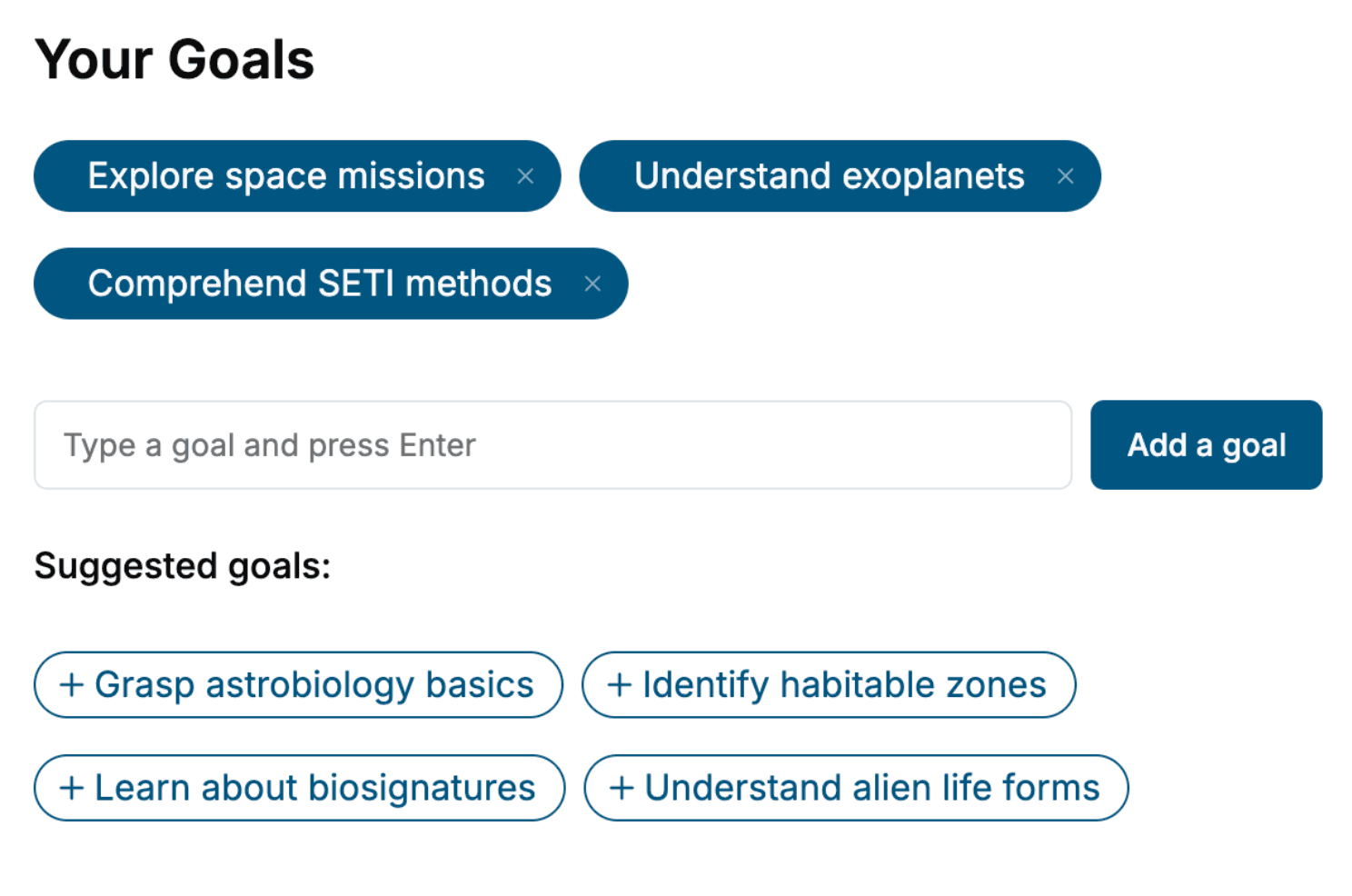
Specify your goals and choose sub-topics to include
- 3. Get your tailored book
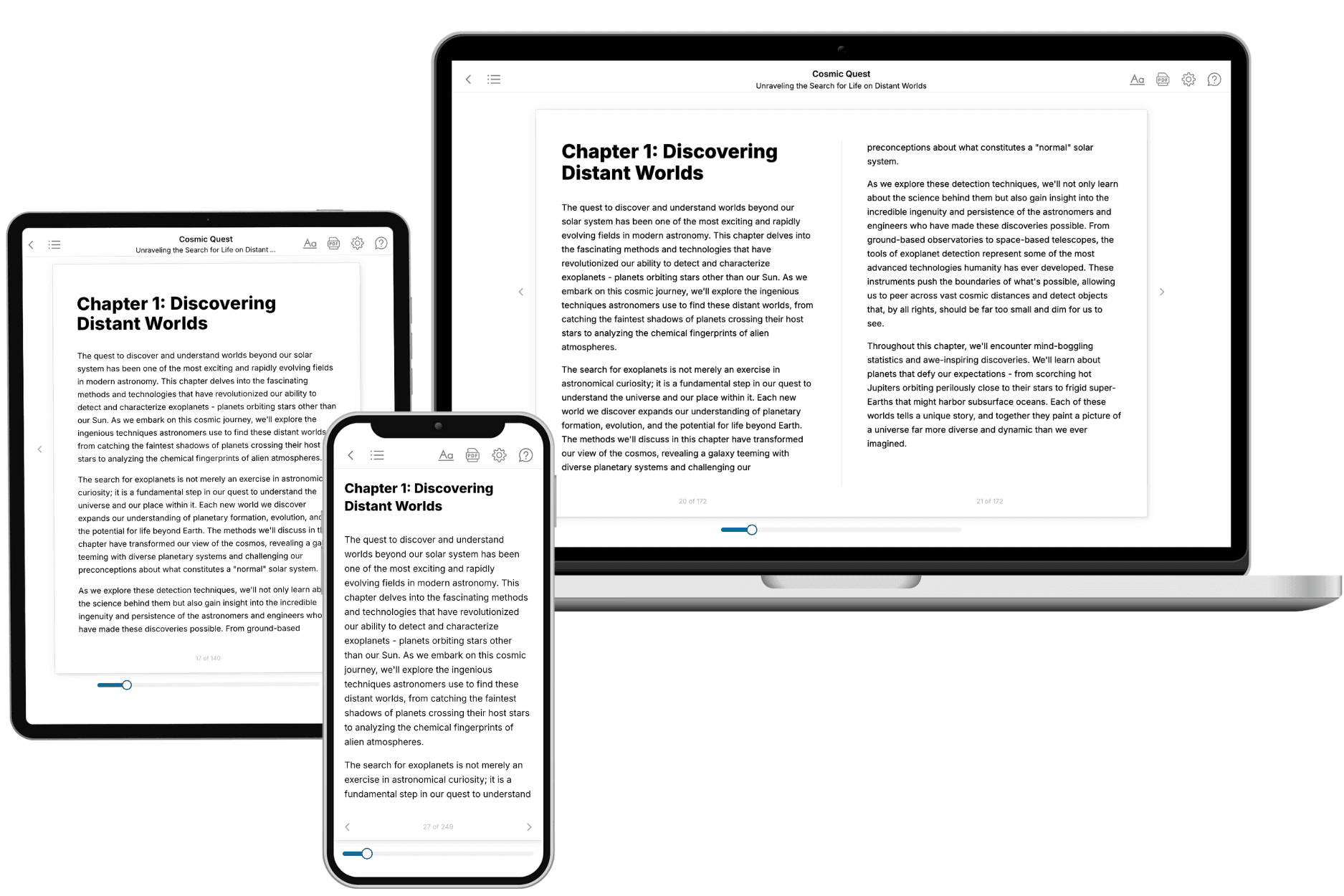
Your book is ready in 10 minutes. Read it online, download as EPUB or PDF, or send to Kindle.

Frequently asked questions
- What is TailoredRead?
TailoredRead creates complete, full-length nonfiction ebooks, written specifically for you. Tell us what you want to learn and why, and TailoredRead writes you a complete ebook on it, with charts, tables, and diagrams throughout. Read it online, on Kindle, or on any e-reader, or download it as a PDF or EPUB. Every book is written fresh the day you order it.
- How is the book tailored to me?
Before anything is written, you answer a few short questions about your goals, your background, and the topics you care about. Your book is then planned around your answers: written at your level, focused on your goals, and covering the topics you chose, instead of the one-size-fits-all book a store sells everyone.
- Will it read like generic AI content?
No. Your book isn't a chat transcript: it's planned chapter by chapter before a single word is written, told in a clear book voice, and explains ideas visually with charts, tables, and diagrams. After writing, every book goes through an editorial pass that polishes chapters so the book reads consistent from start to finish. Judge for yourself: browse thousands of sample books on our Explore Books page.
- How accurate is the content?
Our AI first checks whether your subject needs live research. Niche and fast-moving subjects are researched before writing, and the book plan and chapters are grounded in what it finds. After writing, every book goes through a quality pass that checks its facts and consistency, and researched books list their sources in a Notes section at the back.
- How long is the book?
You choose the length: Comprehensive (250-300 pages), Detailed (150-200 pages), Essential (70-100 pages), or Short (30-50 pages).
- Does the book include visuals?
Yes. Every book includes charts, tables, and diagrams: timelines, checklists, step-by-step guides, decision trees, comparison tables, matrices, and bar charts. A typical book includes dozens of these visual elements.
- Can I read it on Kindle? What formats can I download?
Yes. Every book can be read in our online reader or downloaded as a PDF or EPUB. The EPUB can be opened with Kindle, Apple Books, Kobo, and any e-reader. The Commercial and Author licenses also include an editable Word (DOCX) and Markdown download.
- How much does it cost?
About the price of a regular ebook. The exact price depends on your book's length and complexity, from $2 for the shortest books to $35 for the most comprehensive, and it's shown when you review your book, before you commit to anything. Each book is a one-time purchase, yours to keep, no subscription. Licenses that let you share, teach, or publish your book range from $35.99 to $49.99.
- Can I preview the book before purchasing?
Before you pay, you'll see what your book will cover: the title, a detailed description, the estimated length, and the complete chapter-by-chapter table of contents, so you know what you're getting before you decide. The full text itself is written after you purchase.
- How long does it take to create a book?
About 10 minutes. You can start reading the opening chapters while the rest is still being written.