Mastering Java Exception Handling
Build Resilient Applications with Proven Strategies and Best Practices
What if the way you're currently handling exceptions is actually making your code harder to maintain and debug?
176 pages8 chaptersDec 3, 2025Java
About this book
Most developers treat exception handling as an afterthought—a necessary evil to satisfy the compiler. But exception handling is actually a critical design decision that shapes how your entire application behaves under stress. This book reveals how to transform exception handling from a defensive chore into a strategic advantage. You'll discover how to design exception hierarchies that communicate intent, implement logging and monitoring that turns errors into insights, and apply modern Java features that make your code cleaner and more resilient. Whether you're building microservices, enterprise applications, or high-performance systems, you'll learn proven patterns and anti-patterns that separate production-ready code from fragile systems. By the end, you'll understand not just how to catch exceptions, but how to architect systems that handle failures gracefully and recover intelligently.
Table of contents
- IntroductionWhy Exception Handling Matters More Than You Think, What You'll Learn in This Book, How to Use This Book EffectivelyRead below
- Chapter 1: Exception Fundamentals and the JVMUnderstanding the JVM Exception Model, The Throwable Hierarchy: Errors, Exceptions, and RuntimeExceptions, Checked vs. Unchecked Exceptions: Design Philosophy and Trade-offs
- Chapter 2: Exception Handling MechanicsTry-Catch-Finally: The Foundation, Try-With-Resources: Modern Resource Management, Multi-Catch Blocks and Exception Grouping, Exception Propagation and Stack Unwinding
- Chapter 3: Designing Custom Exception HierarchiesWhen and Why to Create Custom Exceptions, Building Effective Exception Hierarchies, Capturing Context: Information That Matters
- Chapter 4: Logging and ObservabilityLogging Strategies for Different Exception Types, Structured Logging: Making Exceptions Machine-Readable, Monitoring and Alerting on Exception Patterns, Distributed Tracing in Microservices Environments
- Chapter 5: Exception Handling Patterns and Anti-PatternsCommon Anti-Patterns: Silent Failures and Swallowing Exceptions, Recovery Patterns: Retry, Circuit Breaker, and Fallback, Exception Translation and Wrapping Strategies
- Chapter 6: Performance ConsiderationsUnderstanding Exception Overhead on the JVM, Optimization Techniques for High-Throughput Systems, Profiling and Measuring Exception Impact
- Chapter 7: Modern Java Features and Sealed ExceptionsSealed Classes for Controlled Exception Hierarchies, Using Records to Simplify Exception Data, Pattern Matching for Exception Handling
- Chapter 8: Exception Handling in Different ArchitecturesException Handling in Microservices, Exception Handling in Reactive and Async Code, Enterprise Application Exception Strategies
- ConclusionKey Takeaways and Next Steps
- Appendix: Quick Reference GuideException Handling Checklist for Code Reviews, Common JVM Exceptions and Their Causes
Introduction
Exception handling is one of those topics that every Java developer encounters early in their journey, yet few truly master. You've probably written countless try-catch blocks, declared throws clauses to satisfy the compiler, and maybe even created a custom exception or two. But if you're honest with yourself, how often have you treated exception handling as a strategic design decision rather than a necessary chore? The reality is that most developers approach exceptions reactively—adding handlers when the compiler complains or when something breaks in production. This reactive mindset leads to fragile systems where failures cascade unpredictably, debugging becomes a nightmare, and production incidents reveal gaps in your error handling strategy that you never anticipated.
The way your application handles exceptions fundamentally shapes its behavior under stress. When everything works perfectly, exception handling code sits dormant and invisible. But the moment something goes wrong—a network connection drops, a database query times out, or invalid data enters your system—your exception handling strategy determines whether your application recovers gracefully or crashes spectacularly. Production systems face countless edge cases and failure scenarios that never appear during development. A missing file, an exhausted connection pool, a third-party API returning unexpected data—these aren't hypothetical problems. They're daily realities that separate robust, production-ready applications from fragile systems that require constant firefighting. Your exception handling code is the safety net that catches these failures before they become customer-facing disasters.
This book takes a fundamentally different approach to exception handling. Rather than treating it as a defensive programming technique to prevent crashes, you'll learn to view exceptions as a communication mechanism—a way for your code to express what went wrong, why it matters, and what should happen next. You'll discover how to design exception hierarchies that make your code more expressive, implement logging and monitoring strategies that transform raw errors into actionable insights, and apply modern Java features that make exception handling cleaner and more maintainable. Whether you're building microservices that need to handle distributed failures, enterprise applications with complex business logic, or high-performance systems where exception overhead matters, this book provides the patterns, practices, and principles you need to handle exceptions like a professional.
Why Exception Handling Matters More Than You Think
Consider a typical scenario: you're building an e-commerce application, and a customer attempts to place an order. Behind the scenes, your code needs to validate inventory, process payment, update the database, and send confirmation emails. At each step, dozens of things could go wrong. The inventory service might be temporarily unavailable. The payment gateway could timeout. The database connection might fail mid-transaction. The email service could reject your request due to rate limiting. Without thoughtful exception handling, any of these failures could leave your system in an inconsistent state—charging the customer without reserving inventory, or reserving inventory without charging the customer. Worse, the customer might see a generic error message that provides no useful information, while your logs contain no context about what actually failed or why.
The cost of poor exception handling extends far beyond immediate failures. When exceptions are swallowed silently or logged without context, debugging becomes an archaeological expedition through log files, trying to reconstruct what happened from fragmentary evidence. When exceptions propagate without translation, implementation details leak across architectural boundaries, creating tight coupling between layers that should be independent. When exception handling is inconsistent across your codebase, developers waste time figuring out the local conventions in each module rather than focusing on business logic. These problems compound over time, turning what should be straightforward maintenance into complex, risky changes that require extensive testing and careful coordination.
Production systems reveal the true importance of exception handling. A study of major software outages found that inadequate error handling was a contributing factor in over 40% of incidents[1]. These weren't cases where the primary failure was unavoidable—a hardware failure or network partition—but rather situations where poor exception handling transformed a recoverable error into a system-wide outage. For example, a single failed request might exhaust a thread pool because exceptions weren't properly handled, causing the entire application to become unresponsive. Or a transient database error might trigger a cascade of retries without backoff, overwhelming the database and preventing recovery. These scenarios aren't theoretical—they're patterns that repeat across organizations and technologies because exception handling is treated as an afterthought rather than a core design concern.
Exception handling also directly impacts your ability to operate and maintain systems at scale. Modern observability practices depend on structured, contextual information about failures. When your exception handling strategy includes capturing relevant context—user IDs, transaction IDs, request parameters, system state—you can quickly identify patterns and root causes. When exceptions are logged with appropriate severity levels and categorization, you can set up meaningful alerts that notify you of genuine problems without drowning you in noise. When your exception hierarchy reflects your domain model, you can implement targeted recovery strategies for different failure types. These capabilities aren't luxuries—they're necessities for teams managing production systems where downtime has real business consequences.
The relationship between exception handling and code maintainability is often underestimated. Well-designed exception handling makes your code's failure modes explicit and understandable. When a method declares that it throws InsufficientInventoryException, callers immediately understand one way the operation can fail and can make informed decisions about how to handle it. When your exception hierarchy mirrors your domain concepts, new team members can understand error scenarios without diving into implementation details. When exception handling follows consistent patterns across your codebase, developers can focus on the unique aspects of each component rather than deciphering local conventions. This clarity reduces onboarding time, makes code reviews more effective, and decreases the likelihood of introducing bugs during maintenance.
Performance considerations add another dimension to exception handling's importance. While Java's exception mechanism is highly optimized, exceptions still carry overhead—stack trace construction, object allocation, and stack unwinding all consume resources. In high-throughput systems processing thousands or millions of requests per second, inefficient exception handling can become a bottleneck. Using exceptions for control flow, throwing exceptions in tight loops, or creating exceptions with deep stack traces in performance-critical paths can degrade system performance significantly. Understanding these performance characteristics and knowing when to optimize exception handling is crucial for building systems that scale. The key is balancing the clarity and safety that exceptions provide with the performance requirements of your specific use case.
Modern distributed systems introduce additional complexity that makes exception handling even more critical. When your application spans multiple services, processes, or even data centers, failures become distributed too. A timeout in one service might be caused by a failure in a downstream dependency, which itself might be experiencing issues due to a third service. Tracing these failure chains requires exception handling that preserves context across service boundaries, integrates with distributed tracing systems, and provides enough information to reconstruct the failure path. Without this capability, debugging distributed systems becomes nearly impossible, and you're left guessing about root causes based on incomplete information. The exception handling patterns you'll learn in this book address these distributed system challenges directly, providing practical strategies for maintaining visibility and control in complex architectures.
What You'll Learn in This Book
This book is structured to take you from foundational concepts to advanced patterns, building your understanding progressively while providing practical, actionable guidance at every step. You'll start by developing a deep understanding of how exceptions work on the JVM—not just the syntax of try-catch blocks, but the underlying mechanisms that make exception handling possible. You'll explore the Throwable hierarchy and understand why Java distinguishes between checked and unchecked exceptions, along with the design philosophy and trade-offs behind this distinction. This foundation is essential because many exception handling mistakes stem from misunderstanding these fundamentals. When you understand how the JVM handles exceptions at a mechanical level, you can make informed decisions about exception design and handling strategies.
The book then progresses to exception handling mechanics, covering both traditional and modern approaches. You'll master try-catch-finally blocks, understanding not just how to write them but when each construct is appropriate and what pitfalls to avoid. You'll learn how try-with-resources revolutionized resource management in Java, eliminating entire categories of resource leaks and making code cleaner and more maintainable. Multi-catch blocks and exception grouping will show you how to handle multiple exception types efficiently without code duplication. You'll also explore exception propagation and stack unwinding, understanding how exceptions flow through your call stack and what happens at each level. These mechanics form the toolkit you'll use throughout your career, and mastering them enables you to write exception handling code that's both correct and elegant.
Designing custom exception hierarchies is where exception handling becomes a strategic design activity rather than a tactical coding task. You'll learn when creating custom exceptions adds value versus when standard exceptions suffice. The book provides concrete guidance on building exception hierarchies that reflect your domain model, making your code more expressive and easier to understand. You'll discover how to capture the right context in your exceptions—not too little, which makes debugging difficult, and not too much, which creates maintenance burdens and potential security issues. Through detailed examples, you'll see how well-designed exception hierarchies improve code clarity, enable targeted error handling, and make your application's failure modes explicit and manageable.
Logging and observability transform exceptions from isolated failures into insights about system behavior. This book dedicates substantial attention to logging strategies for different exception types, helping you determine what to log, at what level, and with what context. You'll learn about structured logging approaches that make exceptions machine-readable, enabling automated analysis and alerting. The book covers monitoring and alerting patterns that help you detect exception patterns before they become outages, including techniques for setting meaningful thresholds and avoiding alert fatigue. For distributed systems, you'll explore how distributed tracing integrates with exception handling to provide end-to-end visibility across service boundaries. These observability practices are what separate systems that are merely functional from systems that are truly operable at scale.
Understanding patterns and anti-patterns is crucial for developing good judgment about exception handling. The book catalogs common anti-patterns like silent failures, exception swallowing, and using exceptions for control flow, explaining why these patterns are problematic and how to recognize them in code reviews. You'll learn recovery patterns including retry logic with exponential backoff, circuit breakers that prevent cascading failures, and fallback strategies that maintain partial functionality during failures. Exception translation and wrapping strategies show you how to maintain clean architectural boundaries while preserving diagnostic information. Each pattern includes concrete examples showing both the problem it solves and how to implement it effectively in Java. This pattern language gives you a vocabulary for discussing exception handling with your team and a toolkit for addressing common scenarios.
Performance considerations receive dedicated coverage because exception handling can significantly impact application performance when not handled carefully. You'll learn about the actual overhead of exceptions on the JVM, including stack trace construction costs, object allocation patterns, and the impact of exception frequency on JIT compilation. The book provides optimization techniques for high-throughput systems, including strategies for reducing exception creation, minimizing stack trace depth, and using alternative error signaling mechanisms when appropriate. You'll also learn how to profile and measure exception impact in your specific application, using tools like JMH for microbenchmarking and production profilers for identifying exception-related bottlenecks. This knowledge helps you make informed trade-offs between code clarity and performance based on actual measurements rather than assumptions.
Modern Java features have introduced powerful new capabilities for exception handling that many developers haven't fully adopted. The book explores sealed classes and how they enable controlled exception hierarchies with exhaustive handling guarantees. You'll see how records simplify exception data management, reducing boilerplate while maintaining immutability and clarity. Pattern matching for exceptions, introduced in recent Java versions, provides more expressive and type-safe exception handling that reduces casting and improves code readability. These modern features aren't just syntactic sugar—they enable exception handling patterns that were previously difficult or impossible to implement cleanly. Understanding and applying these features will make your code more maintainable and position you to take advantage of future Java enhancements.
The final major section addresses exception handling in different architectural contexts, recognizing that strategies effective in monolithic applications may not work in microservices, and patterns suitable for synchronous code may fail in reactive systems. You'll learn specific patterns for microservices exception handling, including how to handle distributed failures, implement service-level error responses, and maintain observability across service boundaries. Reactive and asynchronous code introduces unique challenges because traditional try-catch blocks don't work with asynchronous operations—you'll learn how to handle exceptions in reactive streams, CompletableFutures, and other async constructs. Enterprise application patterns address scenarios like transaction management, security exceptions, and integration with frameworks like Spring. This architectural perspective ensures you can apply exception handling principles effectively regardless of your system's architecture.
How to Use This Book Effectively
This book is designed for intermediate Java developers who already understand basic exception handling syntax but want to deepen their expertise and learn production-ready patterns. If you can write a try-catch block and understand the difference between checked and unchecked exceptions at a basic level, you're ready for this book. You don't need to be an expert in advanced Java features or have years of production experience—the book builds from fundamentals to advanced topics progressively. However, you should be comfortable reading Java code and have some experience building applications beyond simple tutorials. The examples assume familiarity with common Java libraries and frameworks, though specific framework knowledge isn't required since the principles apply broadly across the Java ecosystem.
The book is structured to support multiple reading approaches depending on your goals and time constraints. If you're looking for comprehensive understanding, read the chapters sequentially from beginning to end. Each chapter builds on concepts from previous chapters, and the progression is designed to develop your understanding systematically. This approach works well if you're preparing for a new project, conducting a learning initiative with your team, or simply want to master exception handling thoroughly. Plan to spend time with the examples, trying them in your own development environment and experimenting with variations. The concepts become clearer when you see them in action and experience the problems they solve firsthand.
If you're facing specific challenges or need to solve particular problems quickly, the book supports targeted reading. Each chapter is relatively self-contained, with cross-references when concepts from other chapters are relevant. The table of contents and chapter introductions help you identify which sections address your specific needs. For example, if you're struggling with exception handling in a microservices architecture, you can jump directly to Chapter 8 and focus on those patterns, referring back to earlier chapters as needed for foundational concepts. If performance is your primary concern, Chapter 6 provides focused coverage of optimization techniques. This approach works well when you're in the middle of a project and need practical guidance on specific aspects of exception handling.
The code examples throughout the book are designed to be practical and realistic rather than minimal or toy examples. Each example demonstrates a real scenario you might encounter in production code, with enough context to understand the problem being solved. You'll find examples showing both problematic approaches and improved solutions, helping you recognize anti-patterns in existing code and understand why the recommended approaches are better. The examples use modern Java syntax and features, typically targeting Java 17 or later, though most concepts apply to earlier versions as well. You can find all code examples in a companion repository, organized by chapter, with additional variations and extended examples that didn't fit in the book's page constraints.
To get maximum value from this book, actively apply what you learn to your own codebase. After reading each chapter, identify areas in your current projects where the concepts apply. Look for exception handling code that exhibits the anti-patterns discussed, and consider how you might refactor it using the patterns presented. Discuss the concepts with your team, particularly when they relate to architectural decisions or coding standards. Exception handling is most effective when applied consistently across a codebase, so building shared understanding within your team multiplies the book's impact. Consider conducting code reviews specifically focused on exception handling, using the patterns and principles from the book as evaluation criteria.
The book includes exercises and reflection questions at the end of most chapters, designed to deepen your understanding and help you apply concepts to your specific context. These aren't just academic exercises—they're prompts to think critically about your own code and systems. Take time to work through them, even if just mentally. The questions often ask you to evaluate trade-offs or consider how patterns apply in different scenarios, developing the judgment you need to make good exception handling decisions in novel situations. If you're reading this book as part of a team learning initiative, these exercises work well as discussion topics for group sessions, helping your team develop shared understanding and conventions.
Keep this book as a reference after your initial reading. Exception handling challenges often arise during code reviews, debugging sessions, or architectural discussions, and having a comprehensive reference helps you quickly find relevant patterns and guidance. The appendix includes quick reference materials like exception handling checklists for code reviews and a catalog of common JVM exceptions with their typical causes. These references are designed for quick consultation when you need specific information without reading entire chapters. Over time, you'll develop intuition about exception handling, but having a reference to consult ensures you don't miss important considerations or fall back into anti-patterns under pressure.
Finally, remember that mastering exception handling is a journey, not a destination. The patterns and principles in this book represent current best practices, but the field continues to evolve as Java adds new features and as architectural patterns shift. Stay curious about how exception handling works in different contexts, learn from production incidents and debugging sessions, and continuously refine your approach based on experience. The goal isn't to memorize every pattern or apply every technique in every situation—it's to develop the judgment to choose appropriate exception handling strategies for your specific context, balancing clarity, maintainability, performance, and operational requirements. With the foundation this book provides, you'll be well-equipped to make those decisions confidently and build systems that handle failures gracefully.
Notes
Introduction
- 1. H. S. Gunawi and others, Why Does the Cloud Stop Computing?, Lessons from Hundreds of Service Outages. ACM Symposium on Cloud Computing, 2014
This is the end of the free sample. The full book has 8 chapters.
Want this book written for you?
Tell us your goals and background, and get your own version of this book, tailored by AI to you.


Benefits of AI-tailored books
- Read one book, not ten:
- all the Java knowledge you need, gathered into a single book.
- Save days of learning:
- tell us your goals, choose your topics, and the whole book is built around them.
- Learn effortlessly:
- Java book written for your specific background and expertise.
- Understand at a glance:
- includes charts, tables, timelines, checklists, decision trees, and more.
- Stay current:
- written the day you order it, not years ago.
- Trust what you read:
- every book is checked for accuracy, with real research when your subject needs it.
Create your unique book in 3 steps
- 1. Select your focus
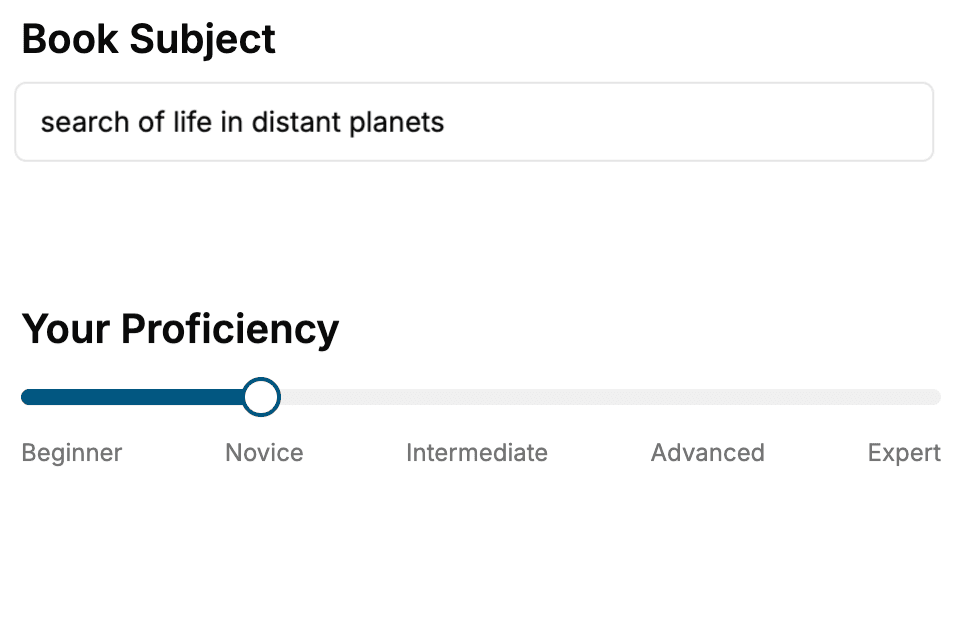
Select the focus of your Java book and share your background
- 2. Personalize your book
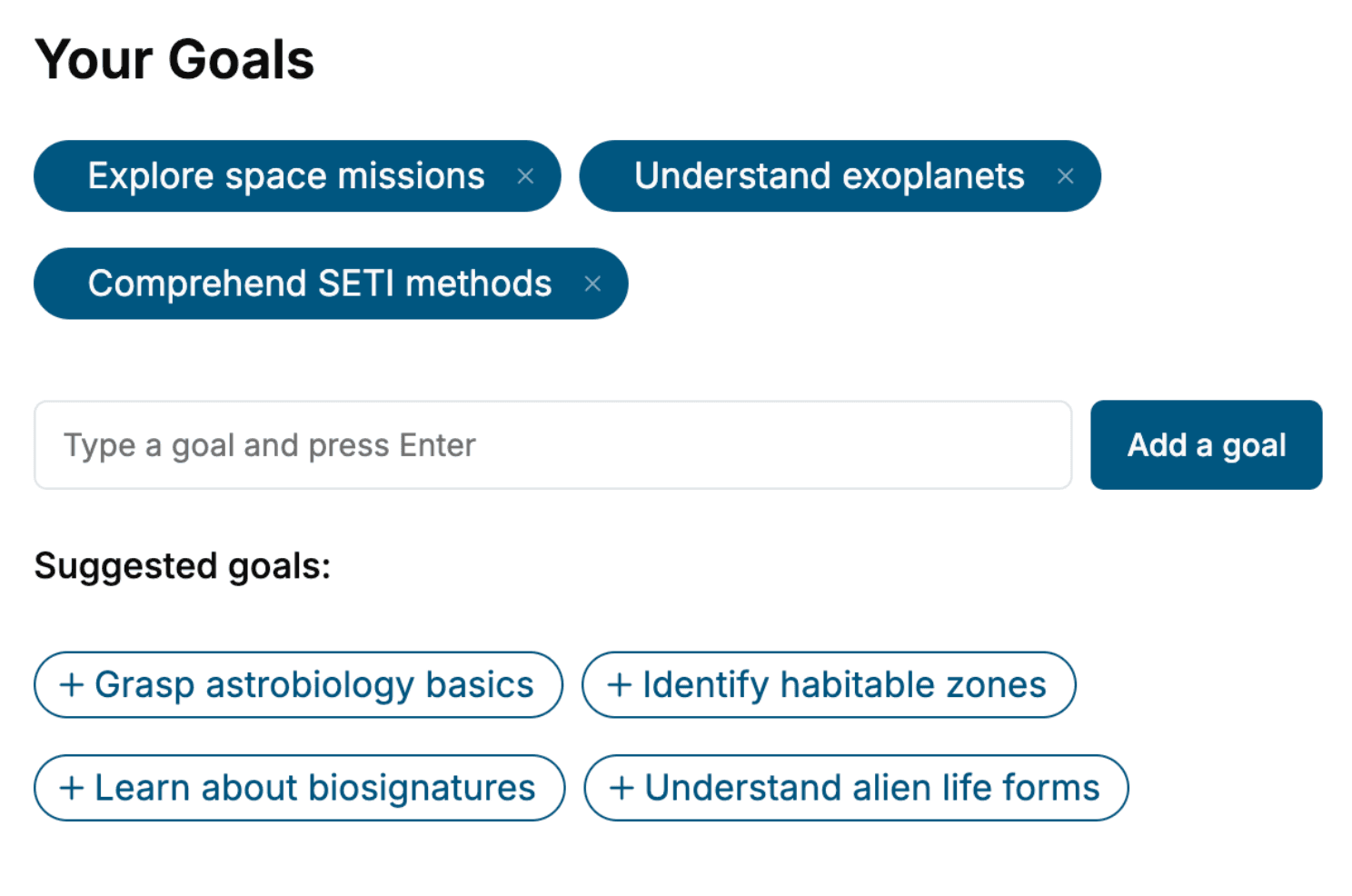
Specify your goals and choose sub-topics to include
- 3. Get your tailored book
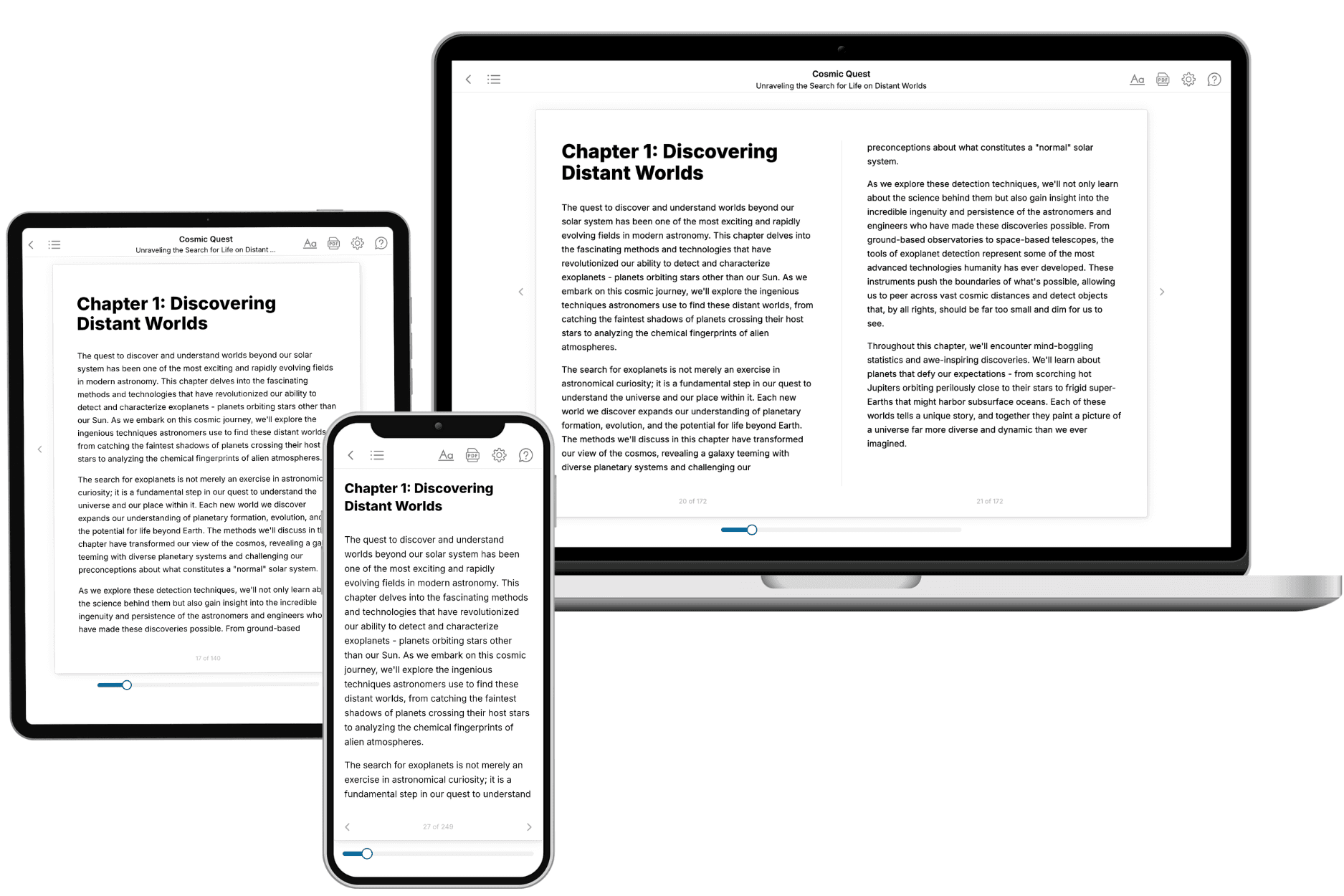
Your book is ready in 10 minutes. Read it online, download as EPUB or PDF, or send to Kindle.
Frequently asked questions
- What is TailoredRead?
TailoredRead creates complete, full-length nonfiction ebooks, written specifically for you. Tell us what you want to learn and why, and TailoredRead writes you a complete ebook on it, with charts, tables, and diagrams throughout. Read it online, on Kindle, or on any e-reader, or download it as a PDF or EPUB. Every book is written fresh the day you order it.
- How is the book tailored to me?
Before anything is written, you answer a few short questions about your goals, your background, and the topics you care about. Your book is then planned around your answers: written at your level, focused on your goals, and covering the topics you chose, instead of the one-size-fits-all book a store sells everyone.
- Will it read like generic AI content?
No. Your book isn't a chat transcript: it's planned chapter by chapter before a single word is written, told in a clear book voice, and explains ideas visually with charts, tables, and diagrams. After writing, every book goes through an editorial pass that polishes chapters so the book reads consistent from start to finish. Judge for yourself: browse thousands of sample books on our Explore Books page.
- How accurate is the content?
Our AI first checks whether your subject needs live research. Niche and fast-moving subjects are researched before writing, and the book plan and chapters are grounded in what it finds. After writing, every book goes through a quality pass that checks its facts and consistency, and researched books list their sources in a Notes section at the back.
- How long is the book?
You choose the length: Comprehensive (250-300 pages), Detailed (150-200 pages), Essential (70-100 pages), or Short (30-50 pages).
- Does the book include visuals?
Yes. Every book includes charts, tables, and diagrams: timelines, checklists, step-by-step guides, decision trees, comparison tables, matrices, and bar charts. A typical book includes dozens of these visual elements.
- Can I read it on Kindle? What formats can I download?
Yes. Every book can be read in our online reader or downloaded as a PDF or EPUB. The EPUB can be opened with Kindle, Apple Books, Kobo, and any e-reader. The Commercial and Author licenses also include an editable Word (DOCX) and Markdown download.
- How much does it cost?
About the price of a regular ebook. The exact price depends on your book's length and complexity, from $2 for the shortest books to $35 for the most comprehensive, and it's shown when you review your book, before you commit to anything. Each book is a one-time purchase, yours to keep, no subscription. Licenses that let you share, teach, or publish your book range from $35.99 to $49.99.
- Can I preview the book before purchasing?
Before you pay, you'll see what your book will cover: the title, a detailed description, the estimated length, and the complete chapter-by-chapter table of contents, so you know what you're getting before you decide. The full text itself is written after you purchase.
- How long does it take to create a book?
About 10 minutes. You can start reading the opening chapters while the rest is still being written.