Mastering Java Serialization
A Complete Guide to Object Persistence, Data Transfer, and JVM Serialization Techniques
Your applications handle complex object graphs, distributed communications, and data persistence challenges every day.
300 pages17 chaptersOct 7, 2025Java
About this book
This comprehensive guide takes you deep into Java serialization mechanisms, from fundamental concepts to advanced optimization techniques that will elevate your development skills. You'll discover how to implement robust serialization strategies that handle version compatibility, security concerns, and performance bottlenecks. Through practical examples and real-world scenarios, you'll learn to navigate the intricacies of custom serialization, alternative frameworks, and modern serialization patterns that power today's enterprise applications. Whether you're building microservices, implementing caching solutions, or designing data persistence layers, this book provides the knowledge and tools you need to make informed decisions about serialization approaches. You'll gain confidence in troubleshooting serialization issues, optimizing performance, and implementing secure serialization practices. By the end of this journey, you'll have mastered the art and science of Java serialization, equipped with practical skills to handle any serialization challenge your applications may encounter.
Table of contents
- IntroductionThe Modern Serialization Landscape, Why Serialization Matters in Today's Applications, How This Book Is Structured, Setting Up Your Development EnvironmentRead below
- Chapter 1: Serialization FundamentalsWhat Is Serialization?, JVM Serialization Basics, The Serializable Interface, Understanding the Serialization Process, Your First Serialization Example
- Chapter 2: Working with Object StreamsObjectOutputStream Deep Dive, ObjectInputStream Deep Dive, Stream Operations and Best Practices, Resource Management and Cleanup
- Chapter 3: Serialization MechanicsThe Serialization Algorithm, Handling Object Graphs, Circular References and Object Identity, Primitive Types and Wrapper Classes
- Chapter 4: Custom Serialization MethodsImplementing writeObject(), Implementing readObject(), Using readObjectNoData(), Custom Serialization Patterns
- Chapter 5: Version Compatibility and EvolutionUnderstanding serialVersionUID, Compatible and Incompatible Changes, Versioning Strategies, Data Migration Techniques
- Chapter 6: Transient Fields and Selective SerializationThe transient Keyword, When to Use Transient Fields, Reconstructing Transient Data, Selective Serialization Strategies
- Chapter 7: Inheritance and SerializationSerializable Class Hierarchies, Non-Serializable Parent Classes, Constructor Behavior During Deserialization, Inheritance Best Practices
- Chapter 8: Security ConsiderationsDeserialization Vulnerabilities, Input Validation and Filtering, Secure Coding Practices, Security Frameworks and Tools
- Chapter 9: Performance OptimizationIdentifying Performance Bottlenecks, Optimization Techniques, Memory Usage Considerations, Benchmarking Serialization Performance
- Chapter 10: ExternalizationThe Externalizable Interface, Implementing writeExternal() and readExternal(), Externalization vs. Standard Serialization, Externalization Design Patterns
- Chapter 11: Serialization ProxiesThe Serialization Proxy Pattern, Implementing Serialization Proxies, Benefits and Trade-offs, Common Use Cases for Proxies
- Chapter 12: Collections and SerializationSerializing Standard Collections, Custom Collection Serialization, Collection Serialization Performance, Collection Serialization Patterns
- Chapter 13: Enum SerializationEnum Serialization Basics, Enum Evolution and Compatibility, Enum Serialization Best Practices, Alternatives to Enum Serialization
- Chapter 14: Alternative Serialization FormatsJSON Serialization with Jackson, XML Serialization Approaches, Binary Serialization Formats, Comparing Serialization Formats
- Chapter 15: Protocol Buffers and AvroProtocol Buffers Fundamentals, Apache Avro Introduction, Schema Evolution Strategies, Integration with Java Applications
- Chapter 16: Testing SerializationUnit Testing Strategies, Version Compatibility Testing, Performance Testing Approaches, Testing Tools and Frameworks
- Chapter 17: Troubleshooting and DebuggingCommon Serialization Errors, Debugging Techniques, Diagnostic Tools and Utilities, Error Recovery Strategies
- ConclusionKey Takeaways, Future Trends in Serialization
Introduction
Serialization sits at the heart of modern Java applications, quietly powering everything from distributed microservices to caching layers and data persistence mechanisms. Every time your application saves an object to a database, sends data across a network, or stores state in a cache, serialization transforms complex object graphs into streams of bytes that can be stored, transmitted, and reconstructed. Despite its fundamental importance, serialization remains one of the most misunderstood aspects of Java development, leading to performance bottlenecks, security vulnerabilities, and compatibility nightmares that could have been easily avoided with proper understanding.
The challenges you face with serialization are real and immediate. Version compatibility breaks when you deploy new code that can't deserialize data from previous versions. Performance suffers when inefficient serialization strategies create unnecessary overhead in high-throughput systems. Security vulnerabilities emerge when deserialization processes accept untrusted input without proper validation. These issues compound in distributed systems where multiple services must coordinate object state across network boundaries, making robust serialization strategies essential for system reliability and maintainability.
This book bridges the gap between basic serialization knowledge and the deep expertise needed to handle complex real-world scenarios. You'll discover not just how Java serialization works, but why it works the way it does, enabling you to make informed architectural decisions and implement solutions that stand the test of time. Through practical examples, performance analysis, and security considerations, you'll develop the skills to design serialization strategies that enhance rather than hinder your application's capabilities.
The journey ahead covers everything from fundamental concepts to advanced optimization techniques, alternative serialization frameworks, and modern patterns used in enterprise applications. You'll learn to navigate the intricacies of custom serialization methods, handle version evolution gracefully, and implement security measures that protect against deserialization attacks. By the end of this exploration, you'll possess the knowledge and confidence to tackle any serialization challenge your applications may encounter.
The Modern Serialization Landscape
The serialization landscape has evolved dramatically since Java's early days, driven by the demands of distributed computing, cloud architectures, and high-performance applications. Traditional Java serialization, while powerful and deeply integrated into the JVM, now competes with numerous alternatives designed for specific use cases and performance requirements. Modern applications often employ multiple serialization strategies within the same system, choosing the most appropriate approach for each component's needs. Understanding this diverse ecosystem helps you make informed decisions about which serialization approach best fits your specific requirements and constraints.
Cloud-native architectures have fundamentally changed how we think about serialization, emphasizing cross-language compatibility, schema evolution, and performance optimization. Microservices communicate across network boundaries using various protocols and formats, from traditional Java serialization for internal JVM-to-JVM communication to JSON and Protocol Buffers for inter-service communication. Container orchestration platforms like Kubernetes require efficient serialization for configuration management and state persistence. These architectural patterns demand serialization solutions that can handle:
- Cross-platform compatibility for polyglot microservice environments
- Schema evolution to support rolling deployments and backward compatibility
- Performance optimization for high-throughput, low-latency requirements
- Security hardening against deserialization attacks in distributed systems
The rise of big data processing frameworks has introduced new serialization requirements focused on throughput and storage efficiency. Apache Kafka relies heavily on efficient serialization for message streaming, while Apache Spark uses serialization for distributed computing tasks across cluster nodes. These frameworks often provide their own serialization mechanisms optimized for specific workloads, such as Kryo for Spark or Avro for Kafka. Understanding how these specialized serialization systems work helps you optimize data processing pipelines and avoid common performance pitfalls in distributed computing environments.
Enterprise applications increasingly adopt hybrid serialization strategies that combine multiple approaches within the same system. A typical enterprise architecture might use Java serialization for caching with Redis, JSON for REST API communication, Protocol Buffers for internal service communication, and Avro for data lake storage. This complexity requires developers to understand not just individual serialization technologies, but how they interact and where each approach provides the most value. The key lies in matching serialization strategies to specific use cases rather than adopting a one-size-fits-all approach.
Performance considerations have become paramount as applications scale to handle millions of requests per second and petabytes of data. Modern serialization frameworks focus on minimizing CPU overhead, reducing memory allocation, and optimizing network bandwidth usage. Techniques like object pooling, zero-copy serialization, and schema-based code generation help achieve these performance goals. However, these optimizations often come with trade-offs in terms of flexibility, ease of use, or compatibility, requiring careful evaluation of your application's specific performance requirements and constraints.
Security has emerged as a critical concern in the serialization landscape, particularly following high-profile deserialization vulnerabilities that have affected major applications and frameworks. The ability to execute arbitrary code through crafted serialized payloads has made secure deserialization practices essential for any application that processes untrusted input. Modern serialization approaches incorporate security considerations from the ground up, providing features like:
- Input validation and filtering mechanisms
- Whitelist-based deserialization to restrict allowed classes
- Sandboxing and isolation for deserialization processes
- Cryptographic signatures to ensure data integrity and authenticity
The future of serialization points toward even greater specialization and optimization, with emerging technologies like GraalVM native images requiring serialization approaches that work with ahead-of-time compilation. Machine learning applications demand efficient serialization of complex model data structures, while IoT devices require lightweight serialization suitable for resource-constrained environments. Understanding current trends and emerging technologies helps you make architectural decisions that will remain viable as your applications evolve and scale.
Developer tooling and ecosystem support have become crucial factors in serialization technology adoption. Modern serialization frameworks provide comprehensive tooling for schema management, code generation, and compatibility testing. IDE integration, build tool plugins, and testing frameworks reduce the friction of adopting new serialization approaches. The availability of community support, documentation, and third-party integrations often determines the long-term viability of serialization technologies in enterprise environments.
Why Serialization Matters in Today's Applications
Serialization forms the invisible backbone of modern application architecture, enabling the fundamental operations that make distributed systems possible. Every time your application persists user sessions, caches computed results, or communicates with remote services, serialization transforms complex object states into portable data formats. Without efficient serialization mechanisms, applications would be limited to single-process, in-memory operations, unable to scale beyond the constraints of individual JVM instances. The quality of your serialization implementation directly impacts application performance, reliability, and maintainability across the entire system lifecycle.
Distributed systems rely on serialization to maintain consistency and enable communication across network boundaries. Consider a typical e-commerce application where user shopping carts must persist across multiple server instances, product catalogs synchronize between different geographic regions, and order processing involves coordination between inventory, payment, and shipping services. Each of these operations requires serialization to convert object states into formats suitable for network transmission or persistent storage. Poor serialization choices can introduce latency bottlenecks, compatibility issues, and data corruption risks that cascade throughout the entire system.
Caching strategies, essential for application performance, depend heavily on efficient serialization implementations. Modern applications use multiple caching layers, from in-memory caches like Caffeine to distributed caches like Redis or Hazelcast. Each caching layer requires serialization to store and retrieve complex objects, and the efficiency of these operations directly impacts cache hit rates and overall application responsiveness. A poorly designed serialization strategy can negate the performance benefits of caching, while an optimized approach can dramatically improve application throughput and user experience.
Data persistence mechanisms across the entire spectrum of storage solutions involve serialization at some level. While object-relational mapping frameworks like Hibernate abstract much of the serialization complexity, understanding the underlying mechanisms helps you optimize database interactions and troubleshoot performance issues. NoSQL databases often store serialized objects directly, making serialization efficiency crucial for storage costs and query performance. Event sourcing architectures serialize domain events for long-term storage, requiring careful consideration of schema evolution and backward compatibility.
Microservices architectures amplify the importance of serialization by increasing the frequency and variety of inter-service communication. A single user request might trigger dozens of service interactions, each requiring serialization and deserialization of request and response objects. The cumulative overhead of inefficient serialization can significantly impact system performance and resource utilization. Additionally, microservices often evolve independently, making schema compatibility and version management critical concerns that must be addressed through careful serialization design.
Real-time applications and streaming data processing place unique demands on serialization systems, requiring low-latency, high-throughput processing of continuous data streams. Financial trading systems, IoT data processing, and real-time analytics applications cannot tolerate the overhead of inefficient serialization. These applications often require specialized serialization approaches that minimize garbage collection pressure, reduce CPU utilization, and optimize memory usage. The choice of serialization strategy can mean the difference between meeting strict latency requirements and failing to deliver acceptable performance.
Security implications of serialization have become increasingly important as applications process untrusted data from various sources. Deserialization vulnerabilities can allow attackers to execute arbitrary code, access sensitive data, or disrupt application operations. Understanding serialization security helps you implement proper input validation, choose secure serialization formats, and design systems that are resilient against deserialization attacks. This knowledge is particularly crucial for applications that process data from external sources or operate in multi-tenant environments.
Development productivity and maintainability are significantly impacted by serialization choices made early in the application lifecycle. Well-designed serialization strategies enable smooth schema evolution, simplify testing and debugging, and reduce the complexity of data migration tasks. Conversely, poor serialization decisions can create technical debt that becomes increasingly expensive to address as applications grow and evolve. Understanding serialization principles helps you make architectural decisions that support long-term maintainability and team productivity.
The economic impact of serialization extends beyond technical considerations to affect infrastructure costs, development timelines, and operational complexity. Efficient serialization reduces bandwidth requirements, storage costs, and computational overhead, directly impacting the total cost of ownership for cloud-based applications. Additionally, serialization choices affect development velocity by influencing how easily teams can implement new features, integrate with external systems, and maintain backward compatibility during system evolution.
How This Book Is Structured
This book follows a carefully designed progression that builds your serialization expertise from fundamental concepts to advanced implementation techniques and real-world optimization strategies. The structure reflects the natural learning path that experienced developers follow when mastering serialization, starting with core concepts and gradually introducing more sophisticated topics as your understanding deepens. Each chapter builds upon previous knowledge while remaining focused on practical, actionable content that you can immediately apply to your current projects. The organization allows you to either read sequentially for comprehensive coverage or jump to specific topics based on your immediate needs.
The foundational chapters establish essential knowledge that underpins all subsequent topics, covering serialization fundamentals, object streams, and the core mechanics of how Java transforms objects into byte streams. These chapters provide the conceptual framework necessary to understand more advanced topics and make informed decisions about serialization strategies. You'll learn not just what happens during serialization, but why it happens, giving you the insight needed to troubleshoot issues and optimize performance. The examples in these chapters use realistic scenarios that demonstrate common patterns and potential pitfalls.
The intermediate chapters dive deep into customization and optimization techniques that separate competent developers from serialization experts. You'll explore custom serialization methods, version compatibility strategies, and inheritance considerations that are crucial for building robust, maintainable systems. These chapters address the real-world challenges that arise when applications evolve over time, requiring careful management of schema changes and backward compatibility. The content includes:
- Custom serialization implementation patterns for fine-grained control
- Version management strategies for long-term maintainability
- Inheritance handling techniques for complex object hierarchies
- Selective serialization approaches for performance optimization
The advanced chapters tackle sophisticated topics that are essential for high-performance, secure, and scalable applications. Security considerations receive detailed treatment, reflecting the critical importance of protecting against deserialization vulnerabilities in modern applications. Performance optimization techniques help you identify and eliminate bottlenecks that can severely impact application scalability. These chapters also cover externalization and serialization proxies, advanced patterns that provide maximum control over the serialization process when standard approaches are insufficient.
The specialized topics section explores serialization in specific contexts that are increasingly important in modern application development. Collections serialization addresses the unique challenges of persisting complex data structures efficiently. Enum serialization covers best practices for handling enumerated types that frequently change during application evolution. These chapters provide targeted guidance for common scenarios that developers encounter in enterprise applications, with specific recommendations for different use cases and performance requirements.
The alternative formats section broadens your perspective beyond traditional Java serialization to include modern approaches like JSON, XML, Protocol Buffers, and Apache Avro. This coverage reflects the reality that most applications use multiple serialization formats, each optimized for specific use cases. You'll learn when to choose each format, how to integrate them effectively, and how to manage the complexity of hybrid serialization strategies. The comparison framework provided helps you evaluate new serialization technologies as they emerge.
The practical implementation chapters focus on testing, troubleshooting, and debugging serialization code, skills that are essential for maintaining production systems. Testing strategies cover unit testing, compatibility testing, and performance testing approaches that help you catch serialization issues before they impact users. Troubleshooting techniques provide systematic approaches for diagnosing and resolving serialization problems, while debugging guidance helps you understand what's happening inside the serialization process when things go wrong.
Throughout the book, code examples progress from simple demonstrations to complex, production-ready implementations that illustrate best practices and common patterns. Each example includes detailed explanations of design decisions, potential alternatives, and trade-offs involved in different approaches. The examples are designed to be immediately useful in your own projects while demonstrating broader principles that apply across different contexts and requirements.
Cross-references and connections between chapters help you understand how different serialization concepts relate to each other and work together in complete systems. This interconnected approach reflects the reality that serialization decisions rarely exist in isolation but must be considered as part of broader architectural and design choices. The book's structure supports both linear reading and reference use, with comprehensive indexing and clear section organization that makes it easy to find specific information when needed.
Setting Up Your Development Environment
Establishing a proper development environment is crucial for following along with the examples and experimenting with different serialization approaches covered throughout this book. The setup process involves configuring your Java development environment, installing necessary tools and libraries, and preparing a workspace that supports both basic serialization experiments and advanced performance testing. A well-configured environment enables you to immediately test concepts as you learn them, reinforcing theoretical knowledge with hands-on experience. The following setup instructions assume you're working with a modern Java development environment but include alternatives for different configurations and preferences.
Java version selection significantly impacts serialization behavior and available features, making it important to choose an appropriate JDK version for your learning and development needs. Java 8 remains widely used in enterprise environments and provides all the core serialization features covered in this book, making it a safe baseline choice. However, newer Java versions include performance improvements, security enhancements, and additional features that are relevant to modern serialization practices. For comprehensive coverage, consider setting up multiple Java versions using a version manager like SDKMAN or jenv:
- Java 8 (LTS) for baseline compatibility and enterprise scenarios
- Java 11 (LTS) for improved performance and security features
- Java 17 (LTS) for the latest long-term support features
- Latest Java version for exploring cutting-edge capabilities
Your integrated development environment (IDE) should provide robust support for Java development, debugging, and profiling capabilities that are essential for understanding serialization behavior. IntelliJ IDEA, Eclipse, and Visual Studio Code all offer excellent Java support with features specifically useful for serialization development. Key IDE features to configure include debugger settings that allow you to inspect serialized data, profiling tools for performance analysis, and plugins that support alternative serialization frameworks. Consider installing these essential plugins and extensions:
For IntelliJ IDEA: Java Bytecode Decompiler, JProfiler integration, and Protocol Buffer support plugins enhance your ability to analyze and debug serialization code.
Build tool configuration plays a crucial role in managing dependencies and running serialization examples effectively. Maven and Gradle both provide excellent support for Java serialization projects, with Maven being slightly more common in enterprise environments and Gradle offering more flexibility for complex build scenarios. Your build configuration should include dependencies for core Java serialization, testing frameworks, and alternative serialization libraries. Here's a basic Maven configuration that supports the examples throughout this book:
<dependencies>
    <dependency>
        <groupId>junit</groupId>
        <artifactId>junit</artifactId>
        <version>4.13.2</version>
        <scope>test</scope>
    </dependency>
    <dependency>
        <groupId>com.fasterxml.jackson.core</groupId>
        <artifactId>jackson-databind</artifactId>
        <version>2.15.2</version>
    </dependency>
    <dependency>
        <groupId>com.google.protobuf</groupId>
        <artifactId>protobuf-java</artifactId>
        <version>3.24.0</version>
    </dependency>
</dependencies>
Testing and benchmarking tools are essential for validating serialization implementations and measuring performance characteristics. JUnit provides the foundation for unit testing serialization code, while JMH (Java Microbenchmark Harness) offers precise performance measurement capabilities that are crucial for optimization work. Additional tools like TestContainers can help you test serialization in realistic distributed environments, while profiling tools like JProfiler or YourKit provide detailed insights into serialization performance and memory usage patterns.
Version control and project organization become particularly important when working with serialization code because compatibility testing often requires maintaining multiple versions of the same classes. Git provides excellent support for managing different versions of serialized data and test cases. Consider organizing your learning projects with clear separation between different serialization approaches and version compatibility tests. A suggested project structure includes:
- src/main/java for core serialization examples and implementations
- src/test/java for unit tests and compatibility tests
- src/test/resources for serialized test data and configuration files
- benchmarks for performance testing and optimization experiments
Documentation and reference materials should be easily accessible from your development environment to support learning and troubleshooting. Bookmark the official Java serialization documentation, relevant API documentation, and community resources that provide additional examples and best practices. Consider setting up local documentation servers or using tools like Dash (macOS) or Zeal (Windows/Linux) for offline access to documentation. Having quick access to reference materials significantly improves your learning efficiency and helps you understand the reasoning behind different serialization approaches.
Logging and monitoring configuration helps you understand what happens during serialization and deserialization processes, particularly when troubleshooting issues or optimizing performance. Configure your logging framework (such as Logback or Log4j) to provide detailed information about serialization operations when needed. JVM flags like -Djava.io.serialization.debug=true can provide additional insights into the serialization process, though they should be used judiciously due to performance impact. Understanding how to enable and interpret serialization debugging information is crucial for advanced troubleshooting scenarios.
Finally, consider setting up a simple continuous integration environment, even for learning projects, to practice version compatibility testing and automated serialization validation. Tools like GitHub Actions or Jenkins can automatically run compatibility tests when you make changes to serializable classes, helping you understand how schema evolution affects existing serialized data. This practice reinforces the importance of compatibility testing and provides hands-on experience with the challenges of maintaining serialization compatibility in real-world development scenarios.
This is the end of the free sample. The full book has 17 chapters.
Want this book written for you?
Tell us your goals and background, and get your own version of this book, tailored by AI to you.


Benefits of AI-tailored books
- Read one book, not ten:
- all the Java knowledge you need, gathered into a single book.
- Save days of learning:
- tell us your goals, choose your topics, and the whole book is built around them.
- Learn effortlessly:
- Java book written for your specific background and expertise.
- Understand at a glance:
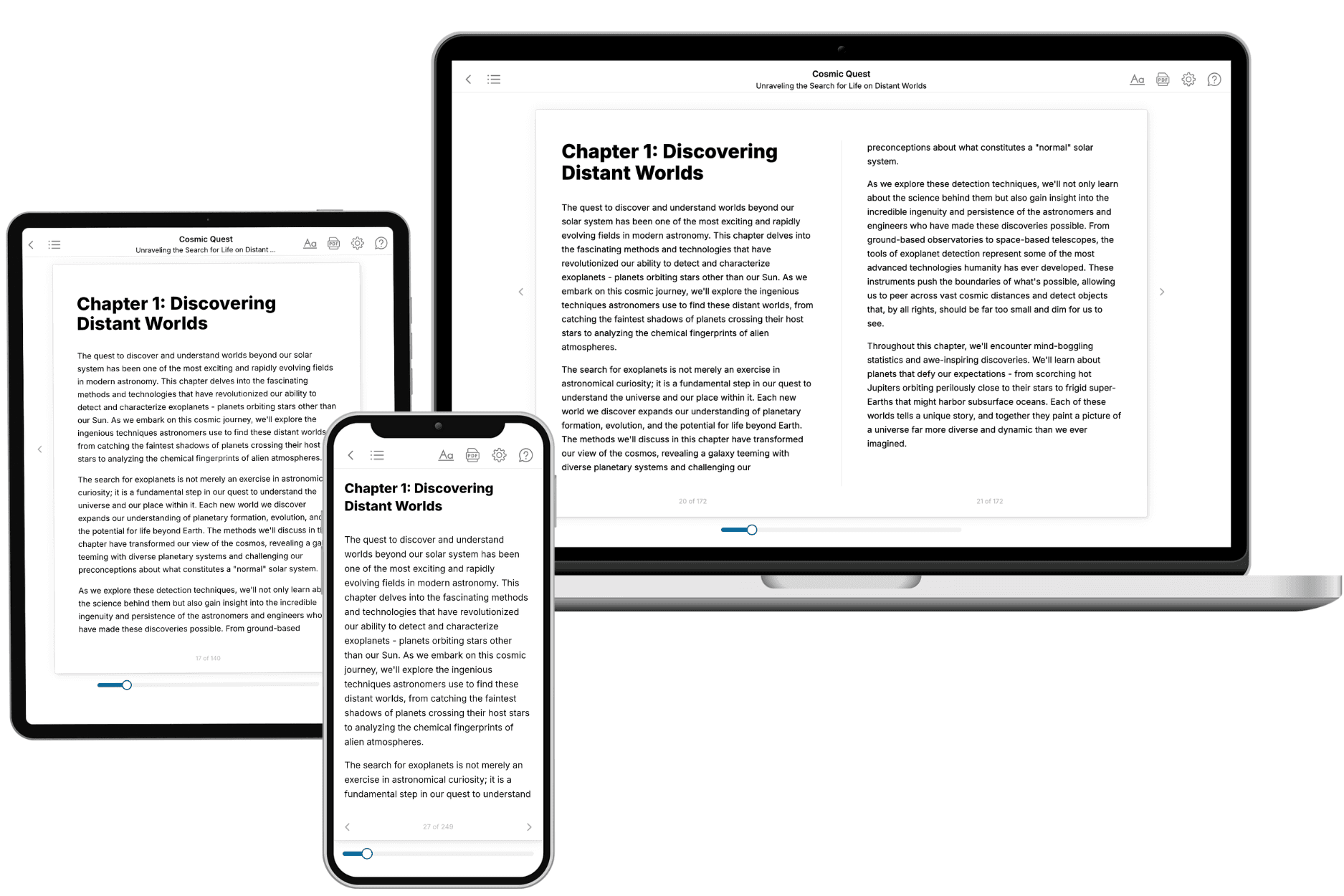
- includes charts, tables, timelines, checklists, decision trees, and more.
- Stay current:
- written the day you order it, not years ago.
- Trust what you read:
- every book is checked for accuracy, with real research when your subject needs it.
Create your unique book in 3 steps
- 1. Select your focus
Select the focus of your Java book and share your background
- 2. Personalize your book
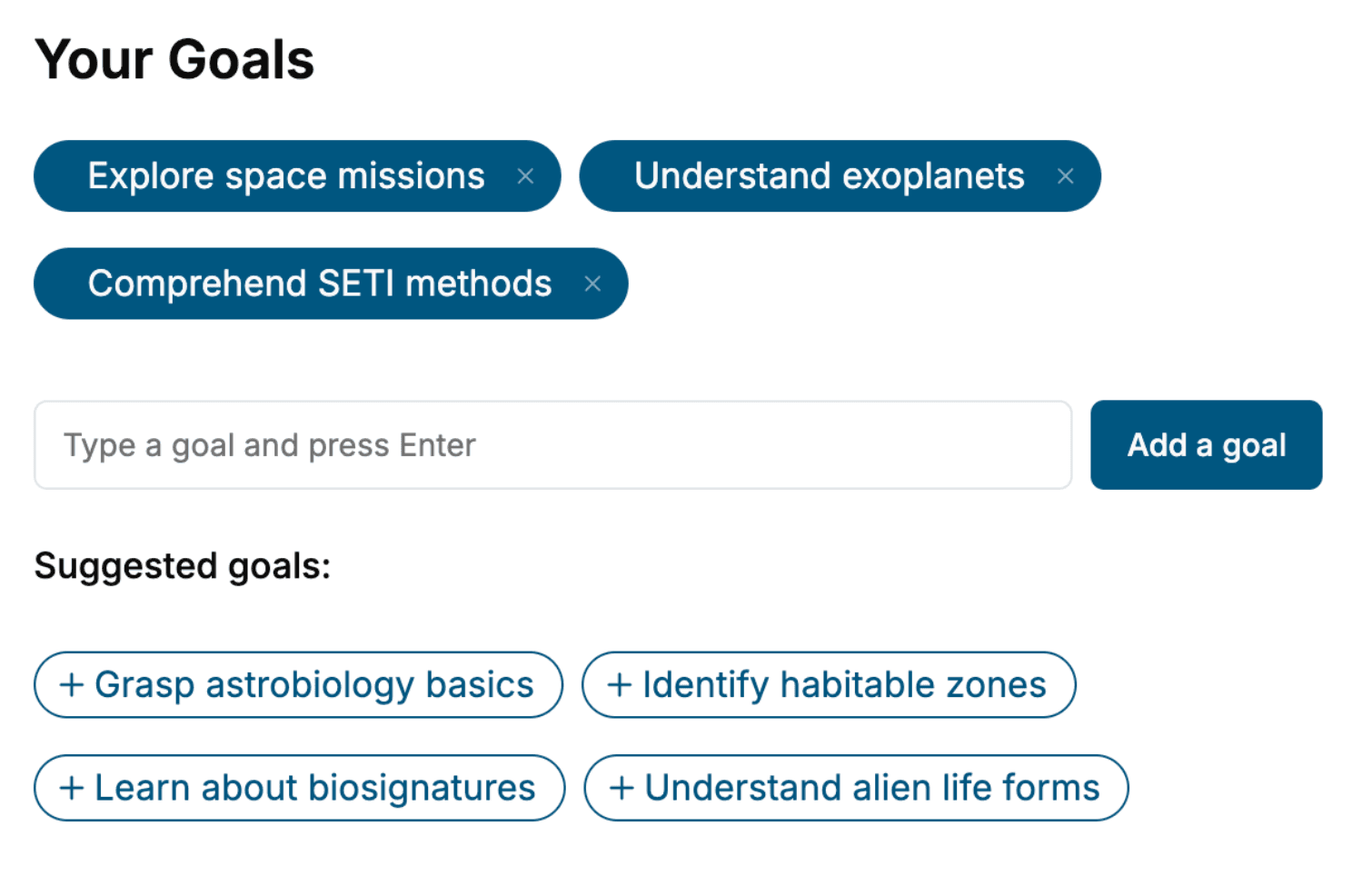
Specify your goals and choose sub-topics to include
- 3. Get your tailored book
Your book is ready in 10 minutes. Read it online, download as EPUB or PDF, or send to Kindle.

Frequently asked questions
- What is TailoredRead?
TailoredRead creates complete, full-length nonfiction ebooks, written specifically for you. Tell us what you want to learn and why, and TailoredRead writes you a complete ebook on it, with charts, tables, and diagrams throughout. Read it online, on Kindle, or on any e-reader, or download it as a PDF or EPUB. Every book is written fresh the day you order it.
- How is the book tailored to me?
Before anything is written, you answer a few short questions about your goals, your background, and the topics you care about. Your book is then planned around your answers: written at your level, focused on your goals, and covering the topics you chose, instead of the one-size-fits-all book a store sells everyone.
- Will it read like generic AI content?
No. Your book isn't a chat transcript: it's planned chapter by chapter before a single word is written, told in a clear book voice, and explains ideas visually with charts, tables, and diagrams. After writing, every book goes through an editorial pass that polishes chapters so the book reads consistent from start to finish. Judge for yourself: browse thousands of sample books on our Explore Books page.
- How accurate is the content?
Our AI first checks whether your subject needs live research. Niche and fast-moving subjects are researched before writing, and the book plan and chapters are grounded in what it finds. After writing, every book goes through a quality pass that checks its facts and consistency, and researched books list their sources in a Notes section at the back.
- How long is the book?
You choose the length: Comprehensive (250-300 pages), Detailed (150-200 pages), Essential (70-100 pages), or Short (30-50 pages).
- Does the book include visuals?
Yes. Every book includes charts, tables, and diagrams: timelines, checklists, step-by-step guides, decision trees, comparison tables, matrices, and bar charts. A typical book includes dozens of these visual elements.
- Can I read it on Kindle? What formats can I download?
Yes. Every book can be read in our online reader or downloaded as a PDF or EPUB. The EPUB can be opened with Kindle, Apple Books, Kobo, and any e-reader. The Commercial and Author licenses also include an editable Word (DOCX) and Markdown download.
- How much does it cost?
About the price of a regular ebook. The exact price depends on your book's length and complexity, from $2 for the shortest books to $35 for the most comprehensive, and it's shown when you review your book, before you commit to anything. Each book is a one-time purchase, yours to keep, no subscription. Licenses that let you share, teach, or publish your book range from $35.99 to $49.99.
- Can I preview the book before purchasing?
Before you pay, you'll see what your book will cover: the title, a detailed description, the estimated length, and the complete chapter-by-chapter table of contents, so you know what you're getting before you decide. The full text itself is written after you purchase.
- How long does it take to create a book?
About 10 minutes. You can start reading the opening chapters while the rest is still being written.