Sorting Algorithms Explained and Applied
Comparison, divide-and-conquer, parallel and external techniques covered
Is your code running slower than expected?
284 pages14 chaptersDec 8, 2024Algorithms
About this book
You might be overlooking the power of efficient sorting algorithms. Many programmers underestimate the impact that choosing the right sorting algorithm can have on their software's performance. Mastering Sorting Algorithms takes you on a deep dive into the world of data organization. You'll explore a wide range of sorting techniques, from the simple bubble sort to the more complex quicksort and beyond. This book doesn't just teach you how these algorithms work; it shows you when and why to use them in real-world scenarios. Through clear explanations and practical examples, you'll learn how to implement these algorithms in various programming languages and understand their time and space complexities. You'll discover how to optimize your code for different data sets and requirements, giving you the tools to make informed decisions that can significantly boost your software's efficiency. By the end of this book, you'll have a solid grasp of sorting algorithms that will allow you to write faster, more efficient code. Whether you're preparing for technical interviews or looking to optimize your current projects, Mastering Sorting Algorithms will be your go-to resource for mastering this crucial aspect of computer science.
Table of contents
- IntroductionThe Importance of Sorting in Computer Science, Overview of the Book, How to Use This Book, Prerequisites and AssumptionsRead below
- Chapter 1: Fundamentals of SortingWhat is Sorting?, Why Do We Need to Sort Data?, Key Terminology in Sorting, Comparison-based vs. Non-comparison-based Sorting
- Chapter 2: Complexity Analysis of Sorting AlgorithmsUnderstanding Big O Notation, Time Complexity in Sorting Algorithms, Space Complexity in Sorting Algorithms, Best, Average, and Worst-Case Scenarios
- Chapter 3: Simple Sorting AlgorithmsBubble Sort, Selection Sort, Insertion Sort, Comparing Simple Sorting Algorithms
- Chapter 4: Divide and Conquer Sorting AlgorithmsMerge Sort, Quicksort, Heapsort, Comparing Divide and Conquer Algorithms
- Chapter 5: Non-Comparison Sorting AlgorithmsCounting Sort, Radix Sort, Bucket Sort, Use Cases for Non-Comparison Sorting
- Chapter 6: Hybrid Sorting AlgorithmsIntrosort, Timsort, Advantages of Hybrid Algorithms, Creating Your Own Hybrid Algorithms
- Chapter 7: Parallel Sorting AlgorithmsParallel Merge Sort, Parallel Quicksort, Bitonic Sort, Challenges in Parallel Sorting
- Chapter 8: External Sorting AlgorithmsExternal Merge Sort, Polyphase Merge, Replacement Selection, Applications of External Sorting
- Chapter 9: Sorting in Various Data StructuresSorting Arrays, Sorting Linked Lists, Sorting in Trees, Sorting in Graphs
- Chapter 10: Specialized Sorting TechniquesTopological Sort, Lexicographical Sort, Pancake Sorting, Sorting Networks
- Chapter 11: Optimizing Sorting AlgorithmsOptimizing Pivot Selection in Quicksort, Cache-Friendly Sorting Techniques, Efficient Sorting for Small Arrays, Adaptive Sorting Algorithms
- Chapter 12: Sorting in Programming Languages and LibrariesC++ Standard Library Sorting, Java Collections Framework Sorting, Python's Sorting Functions and Methods, Implementing Custom Comparators
- Chapter 13: Real-World Applications of Sorting AlgorithmsSorting in Database Indexing, Sorting in Search Engines, Sorting in Compression Algorithms, Sorting in Computer Graphics
- Chapter 14: The Future of Sorting AlgorithmsQuantum Sorting Algorithms, AI-assisted Sorting Techniques, Sorting on Emerging Hardware Architectures, Open Problems in Sorting Algorithms
- Conclusion
- Glossary
- Further Reading
Introduction
Welcome to "Mastering Sorting Algorithms: A Practical Guide to Efficient Data Organization." This book is designed to be your comprehensive guide to understanding, implementing, and optimizing sorting algorithms in computer science. Whether you're a student looking to deepen your knowledge or a professional aiming to enhance your coding skills, this book will provide you with the tools and insights needed to master this fundamental aspect of computer science and software development.
Sorting is a cornerstone of computer science and plays a crucial role in countless applications across various domains. From organizing data in databases to optimizing search algorithms and enhancing user interfaces, the ability to efficiently sort data is an essential skill for any computer scientist or software developer. Throughout this book, you'll discover how mastering sorting algorithms can significantly improve the performance and efficiency of your code, leading to faster and more scalable applications.
As you progress through the chapters, you'll explore a wide range of sorting techniques, from simple algorithms like bubble sort to more complex methods such as quicksort and beyond. You'll not only learn how these algorithms work but also gain a deep understanding of when and why to use them in real-world scenarios. By the end of this journey, you'll be equipped with the knowledge to make informed decisions about which sorting algorithm to use based on your specific data sets and requirements.
This introduction will set the stage for your exploration of sorting algorithms by discussing their importance in computer science, providing an overview of the book's contents, explaining how to make the most of this resource, and outlining the prerequisites for getting started. Let's begin this exciting journey into the world of sorting algorithms and data organization.
The Importance of Sorting in Computer Science
Sorting is a fundamental operation in computer science that forms the backbone of numerous algorithms and applications. Its importance cannot be overstated, as efficient sorting can dramatically improve the performance of many computational tasks. At its core, sorting is the process of arranging data elements in a specific order, typically ascending or descending, based on one or more criteria. This seemingly simple operation has far-reaching implications across various domains of computer science and software development.
One of the primary reasons sorting is so crucial is its role in optimizing search operations. When data is sorted, searching becomes significantly more efficient. For instance, binary search, which has a time complexity of O(log n), can only be applied to sorted data. This logarithmic time complexity is a vast improvement over the linear time complexity of searching unsorted data, especially when dealing with large datasets. In real-world applications, this can mean the difference between a search operation taking milliseconds versus several seconds or even minutes.
Sorting also plays a vital role in database management systems. Indexes, which are essential for quick data retrieval in databases, rely heavily on sorting algorithms. By maintaining data in a sorted order, databases can perform operations like range queries, joins, and aggregations much more efficiently. This is particularly important in today's data-driven world, where businesses and organizations rely on quick access to vast amounts of information to make critical decisions.
In the realm of algorithm design, sorting is often used as a preprocessing step to simplify complex problems. Many algorithms become more straightforward and efficient when operating on sorted data. For example, the problem of finding the kth smallest element in an unsorted array has a linear time solution if the array is first sorted. Similarly, algorithms for detecting duplicates, merging datasets, and finding the median all benefit from working with sorted data.
Sorting algorithms also serve as excellent case studies for algorithm analysis and design techniques. They showcase important concepts such as divide-and-conquer, recursion, and the trade-offs between time and space complexity. Understanding sorting algorithms provides insights into algorithmic thinking that can be applied to a wide range of problem-solving scenarios in computer science.
In the field of computer graphics and visualization, sorting plays a crucial role in rendering and display algorithms. The painter's algorithm for hidden surface removal, for instance, relies on sorting objects based on their depth. Z-buffering, another technique used in 3D graphics, involves sorting fragments based on their depth values. These applications demonstrate how sorting extends beyond traditional data processing into visual computing.
Sorting is also fundamental in many areas of scientific computing and numerical analysis. For example, in computational geometry, algorithms for problems like convex hull construction and closest pair of points often begin with a sorting step. In numerical methods, sorting is used in algorithms for eigenvalue computation and in maintaining priority queues for simulations.
The importance of sorting extends to everyday software applications as well. File systems use sorting to organize files and directories. Text editors employ sorting for features like alphabetizing lists or arranging lines. Even in user interfaces, sorting is crucial for presenting information in a meaningful and accessible way, such as displaying search results or organizing items in e-commerce platforms.
As data volumes continue to grow exponentially in the age of big data and cloud computing, the efficiency of sorting algorithms becomes even more critical. Distributed and parallel sorting algorithms are being developed to handle massive datasets that don't fit into a single machine's memory. These advanced sorting techniques are essential for processing and analyzing the vast amounts of data generated by modern applications, from social media platforms to scientific simulations.
Understanding and implementing efficient sorting algorithms is not just an academic exercise; it's a practical skill that can significantly impact the performance and scalability of software systems. As you delve deeper into this book, you'll discover how mastering sorting algorithms can empower you to write more efficient code, optimize data processing pipelines, and solve complex computational problems more effectively.
Overview of the Book
"Mastering Sorting Algorithms" is structured to provide a comprehensive and practical understanding of sorting algorithms, from fundamental concepts to advanced techniques and real-world applications. This book is designed to take you on a journey through the world of sorting, building your knowledge incrementally while providing practical insights and hands-on examples along the way. Let's take a closer look at what you can expect from each chapter of this book.
The book begins with the fundamentals of sorting in Chapter 1, "Fundamentals of Sorting." This chapter lays the groundwork for your understanding by defining what sorting is, explaining why it's necessary, and introducing key terminology. You'll learn about the distinction between comparison-based and non-comparison-based sorting algorithms, setting the stage for more detailed explorations in later chapters.
Chapter 2, "Complexity Analysis of Sorting Algorithms," delves into the critical concept of algorithmic complexity. You'll gain a solid understanding of Big O notation and how it applies to sorting algorithms. This chapter will equip you with the tools to analyze and compare different sorting algorithms based on their time and space complexities, considering best, average, and worst-case scenarios. This knowledge is crucial for making informed decisions about which sorting algorithm to use in different situations.
In Chapter 3, "Simple Sorting Algorithms," you'll explore the most basic sorting techniques: bubble sort, selection sort, and insertion sort. While these algorithms are not typically used in production environments due to their inefficiency with large datasets, understanding them is crucial as they form the basis for more complex algorithms and often appear in coding interviews. You'll implement these algorithms, analyze their performance, and compare their strengths and weaknesses.
Chapter 4, "Divide and Conquer Sorting Algorithms," introduces you to more efficient sorting techniques that employ the divide-and-conquer strategy. You'll study merge sort, quicksort, and heapsort in depth, implementing each algorithm and understanding their unique characteristics. This chapter will highlight how these algorithms achieve better time complexities than simple sorting algorithms and discuss scenarios where each might be preferred.
Chapter 5 shifts focus to "Non-Comparison Sorting Algorithms," covering techniques like counting sort, radix sort, and bucket sort. These algorithms can achieve linear time complexity under certain conditions, making them extremely efficient for specific types of data. You'll learn when and how to apply these algorithms to dramatically improve sorting performance in suitable scenarios.
In Chapter 6, "Hybrid Sorting Algorithms," you'll explore how combining different sorting techniques can lead to more efficient algorithms. You'll study introsort and Timsort, understanding how they leverage the strengths of multiple algorithms to achieve better performance across various data distributions. This chapter will also guide you in creating your own hybrid algorithms, encouraging you to think creatively about algorithm design.
Chapter 7, "Parallel Sorting Algorithms," introduces you to the world of parallel computing in the context of sorting. You'll learn about parallel implementations of merge sort and quicksort, as well as algorithms specifically designed for parallel execution like bitonic sort. This chapter will also discuss the challenges and considerations involved in parallelizing sorting algorithms, preparing you for the demands of modern, multi-core computing environments.
Chapter 8 covers "External Sorting Algorithms," addressing the challenge of sorting datasets too large to fit in main memory. You'll explore techniques like external merge sort, polyphase merge, and replacement selection. This knowledge is crucial for working with big data and in scenarios where memory constraints are a significant factor.
Chapter 9, "Sorting in Various Data Structures," expands your understanding by applying sorting concepts to different data structures. You'll learn how to sort arrays, linked lists, trees, and graphs, understanding the unique challenges and opportunities presented by each structure. This chapter will enhance your ability to work with complex data organizations effectively.
In Chapter 10, "Specialized Sorting Techniques," you'll explore sorting algorithms designed for specific purposes or data types. Topics include topological sort for directed graphs, lexicographical sort for strings, the intriguing pancake sort, and the concept of sorting networks. This chapter will broaden your perspective on what constitutes a sorting problem and how specialized techniques can be applied to solve them.
Chapter 11 focuses on "Optimizing Sorting Algorithms," delving into advanced techniques to squeeze every bit of performance out of sorting operations. You'll learn about optimizing pivot selection in quicksort, designing cache-friendly sorting algorithms, efficiently handling small arrays, and creating adaptive sorting algorithms that perform well across various input distributions.
Chapter 12, "Sorting in Programming Languages and Libraries," bridges the gap between theory and practice by exploring how sorting is implemented in popular programming languages and libraries. You'll gain insights into the sorting functions provided by C++, Java, and Python, and learn how to implement custom comparators for complex sorting requirements.
Chapter 13 brings theory into practice with "Real-World Applications of Sorting Algorithms." You'll explore how sorting is used in database indexing, search engines, compression algorithms, and computer graphics. This chapter will help you appreciate the widespread impact of sorting algorithms in various domains of computer science and software engineering.
Finally, Chapter 14 looks towards "The Future of Sorting Algorithms," discussing emerging concepts like quantum sorting algorithms, AI-assisted sorting techniques, and sorting on novel hardware architectures. You'll also learn about open problems in the field of sorting algorithms, inspiring you to think about potential areas for innovation and research.
Throughout the book, you'll find practical examples, code snippets, and exercises to reinforce your learning. By the end of this journey, you'll have a comprehensive understanding of sorting algorithms, their implementations, and their applications in real-world scenarios. This knowledge will empower you to write more efficient code, optimize your applications, and tackle complex computational problems with confidence.
How to Use This Book
"Mastering Sorting Algorithms" is designed to be a comprehensive resource that caters to various learning styles and objectives. Whether you're a student looking to reinforce your understanding of algorithms, a professional aiming to optimize your code, or an enthusiast exploring the depths of computer science, this book offers valuable insights and practical knowledge. To help you make the most of this resource, here are some guidelines on how to effectively use this book.
First and foremost, approach this book with an active learning mindset. While it's possible to read through the chapters sequentially, you'll gain the most benefit by engaging with the material hands-on. Each chapter is structured to build your knowledge progressively, so it's recommended to follow the order of chapters, especially if you're new to the topic of sorting algorithms. However, if you're already familiar with certain concepts, feel free to jump to specific chapters that interest you or align with your current learning goals.
As you read through each chapter, pay close attention to the code examples provided. These examples are not just for illustration; they are meant to be implemented and experimented with. Set up a development environment in your preferred programming language and try to code the algorithms as you learn about them. This hands-on approach will significantly enhance your understanding and retention of the concepts. Don't hesitate to modify the code, test it with different inputs, and observe how changes affect the algorithm's performance.
Take advantage of the complexity analysis sections in each chapter. Understanding the time and space complexity of algorithms is crucial for making informed decisions about which algorithm to use in different scenarios. Practice analyzing algorithms on your own, and try to predict the complexity before reading the provided analysis. This exercise will sharpen your analytical skills and deepen your understanding of algorithmic efficiency.
The book includes numerous diagrams and visualizations to illustrate how sorting algorithms work. These visual aids are particularly helpful for understanding the step-by-step process of each algorithm. Take the time to study these diagrams carefully, and consider creating your own visualizations or animations of the algorithms. This can be an excellent way to reinforce your understanding and even discover new insights about how the algorithms operate.
Each chapter concludes with a set of exercises and problems. Don't skip these! They are designed to challenge your understanding and encourage you to apply the concepts you've learned in new and interesting ways. Attempt to solve these problems on your own before looking at any provided solutions. Even if you struggle, the process of working through these challenges will significantly enhance your problem-solving skills and deepen your understanding of the algorithms.
As you progress through the book, make connections between different sorting algorithms and techniques. Compare and contrast the algorithms you learn, considering their strengths, weaknesses, and suitable use cases. This comparative analysis will help you develop a nuanced understanding of when to apply each algorithm in real-world scenarios.
Don't hesitate to explore beyond the book's contents. The field of algorithms is vast and constantly evolving. Use the concepts and techniques you learn as a springboard for further research. Look up academic papers, explore open-source implementations, and stay updated with the latest developments in sorting algorithms and their applications.
If you're using this book as part of a course or study group, engage in discussions with your peers. Explaining concepts to others and hearing different perspectives can significantly enhance your understanding. Consider forming study groups to work through challenging problems or implement complex algorithms collaboratively.
For those preparing for technical interviews, pay special attention to the implementation details and complexity analysis of each algorithm. Many technical interviews include questions related to sorting algorithms, so having a solid grasp of these concepts can give you a significant advantage. Practice implementing the algorithms from memory and explaining your thought process out loud, as this mimics the conditions of a typical technical interview.
If you're a professional developer, focus on the practical applications and optimizations discussed in the later chapters. Consider how you can apply these concepts to improve the efficiency of your current projects. Look for opportunities to implement or optimize sorting in your codebase, and use the knowledge gained from this book to justify your design decisions to colleagues or stakeholders.
Remember that mastering sorting algorithms is not just about memorizing implementations; it's about understanding the underlying principles and developing the ability to apply this knowledge creatively to solve real-world problems. As you work through the book, constantly ask yourself how the concepts you're learning can be applied to problems you've encountered or might encounter in your work or studies.
Finally, don't rush through the material. Take your time to absorb the concepts thoroughly. Revisit chapters and sections as needed, especially as you encounter more advanced topics. Learning about sorting algorithms is a journey, and this book is designed to be a companion on that journey, providing guidance and insights at every step.
By following these guidelines and actively engaging with the material, you'll not only gain a deep understanding of sorting algorithms but also develop valuable skills in algorithmic thinking and problem-solving that will serve you well throughout your career in computer science and software development.
Prerequisites and Assumptions
"Mastering Sorting Algorithms" is designed to be accessible to a wide range of readers, from computer science students to professional developers. However, to get the most out of this book, there are certain prerequisites and assumptions about your background knowledge. Understanding these will help you gauge whether you're ready to dive into the material or if you might need to brush up on some foundational concepts first.
First and foremost, this book assumes a basic understanding of computer programming. You should be comfortable with fundamental programming concepts such as variables, data types, control structures (if statements, loops), functions, and basic data structures like arrays and lists. While the book provides code examples in popular languages like Python, Java, and C++, you don't need to be an expert in any specific language. The ability to read and understand pseudocode is more important than proficiency in a particular programming language.
A foundational understanding of data structures is crucial for getting the most out of this book. You should be familiar with common data structures such as arrays, linked lists, stacks, queues, and basic tree structures. While the book will review these concepts as needed, having prior exposure to these data structures will make it easier to understand how sorting algorithms interact with and manipulate data.
Basic knowledge of algorithm analysis is helpful but not strictly necessary. The book will introduce and explain concepts like time and space complexity, Big O notation, and algorithm efficiency. However, if you're already familiar with these concepts, you'll be able to dive deeper into the analysis sections more quickly. If these terms are new to you, don't worry – the book will guide you through understanding and applying these crucial concepts in the context of sorting algorithms.
A general understanding of computer science principles is assumed. This includes concepts like memory management, recursion, and basic computational theory. While the book will explain these concepts as they relate to sorting algorithms, having a foundational understanding will help you grasp the more advanced topics more easily.
Mathematical maturity at a high school level is sufficient for most of the content in this book. You should be comfortable with basic algebra, logarithms, and simple probability concepts. Some chapters, particularly those dealing with algorithm analysis and advanced sorting techniques, may involve more complex mathematical concepts, but these will be explained as needed.
Familiarity with object-oriented programming (OOP) concepts can be beneficial, especially when discussing the implementation of sorting algorithms in languages like Java or C++. However, the core concepts of sorting algorithms can be understood without deep knowledge of OOP.
While not strictly necessary, exposure to parallel programming concepts can be helpful when you reach the chapter on parallel sorting algorithms. The book will introduce these concepts, but prior experience with multi-threading or distributed computing can provide additional context.
It's assumed that you have access to a computer where you can write and run code. Many of the concepts in this book are best learned through hands-on implementation and experimentation. Having a development environment set up in a language you're comfortable with will greatly enhance your learning experience.
The book also assumes a general interest in algorithms and problem-solving. While it provides practical knowledge applicable to software development, many sections delve into theoretical aspects of algorithm design and analysis. An enthusiasm for exploring these concepts will make your journey through the book more enjoyable and rewarding.
If you find that you're lacking in some of these prerequisite areas, don't be discouraged. The book is designed to be self-contained and will provide explanations and resources for most concepts. However, you may find it beneficial to supplement your reading with additional study in areas where you feel less confident.
For those who are new to some of these concepts, consider starting with introductory resources on programming fundamentals, data structures, and basic algorithm analysis before diving deep into this book. Online courses, tutorials, and introductory computer science textbooks can be excellent resources for building this foundational knowledge.
Remember, learning is a journey, and this book is designed to guide you through the fascinating world of sorting algorithms regardless of your starting point. If you encounter concepts that are challenging, take the time to research and understand them fully before moving on. The effort you put into building a strong foundation will pay off as you progress through more advanced topics.
Lastly, it's worth noting that while this book covers a wide range of sorting algorithms and techniques, the field of computer science is vast and ever-evolving. This book will provide you with a solid understanding of sorting algorithms, but it should be viewed as a starting point for further exploration and learning in the broader field of algorithms and computer science.
With these prerequisites and assumptions in mind, you're well-prepared to embark on your journey through "Mastering Sorting Algorithms." Embrace the challenges, enjoy the process of discovery, and get ready to enhance your skills in one of the most fundamental and important areas of computer science.
This is the end of the free sample. The full book has 14 chapters.
Want this book written for you?
Tell us your goals and background, and get your own version of this book, tailored by AI to you.


Benefits of AI-tailored books
- Read one book, not ten:
- all the Algorithms knowledge you need, gathered into a single book.
- Save days of learning:
- tell us your goals, choose your topics, and the whole book is built around them.
- Learn effortlessly:
- Algorithms book written for your specific background and expertise.
- Understand at a glance:
- includes charts, tables, timelines, checklists, decision trees, and more.
- Stay current:
- written the day you order it, not years ago.
- Trust what you read:
- every book is checked for accuracy, with real research when your subject needs it.
Create your unique book in 3 steps
- 1. Select your focus
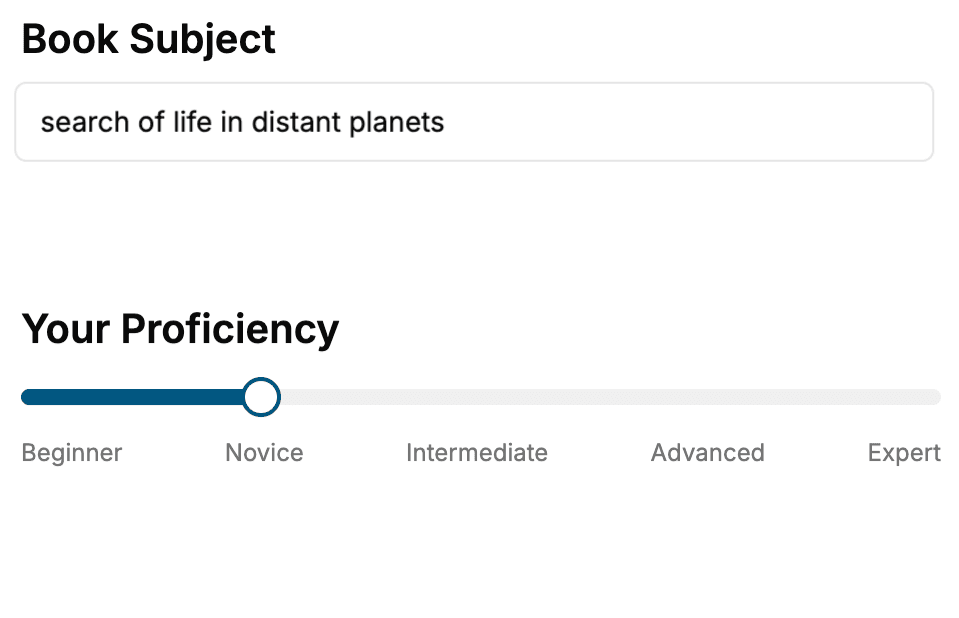
Select the focus of your Algorithms book and share your background
- 2. Personalize your book
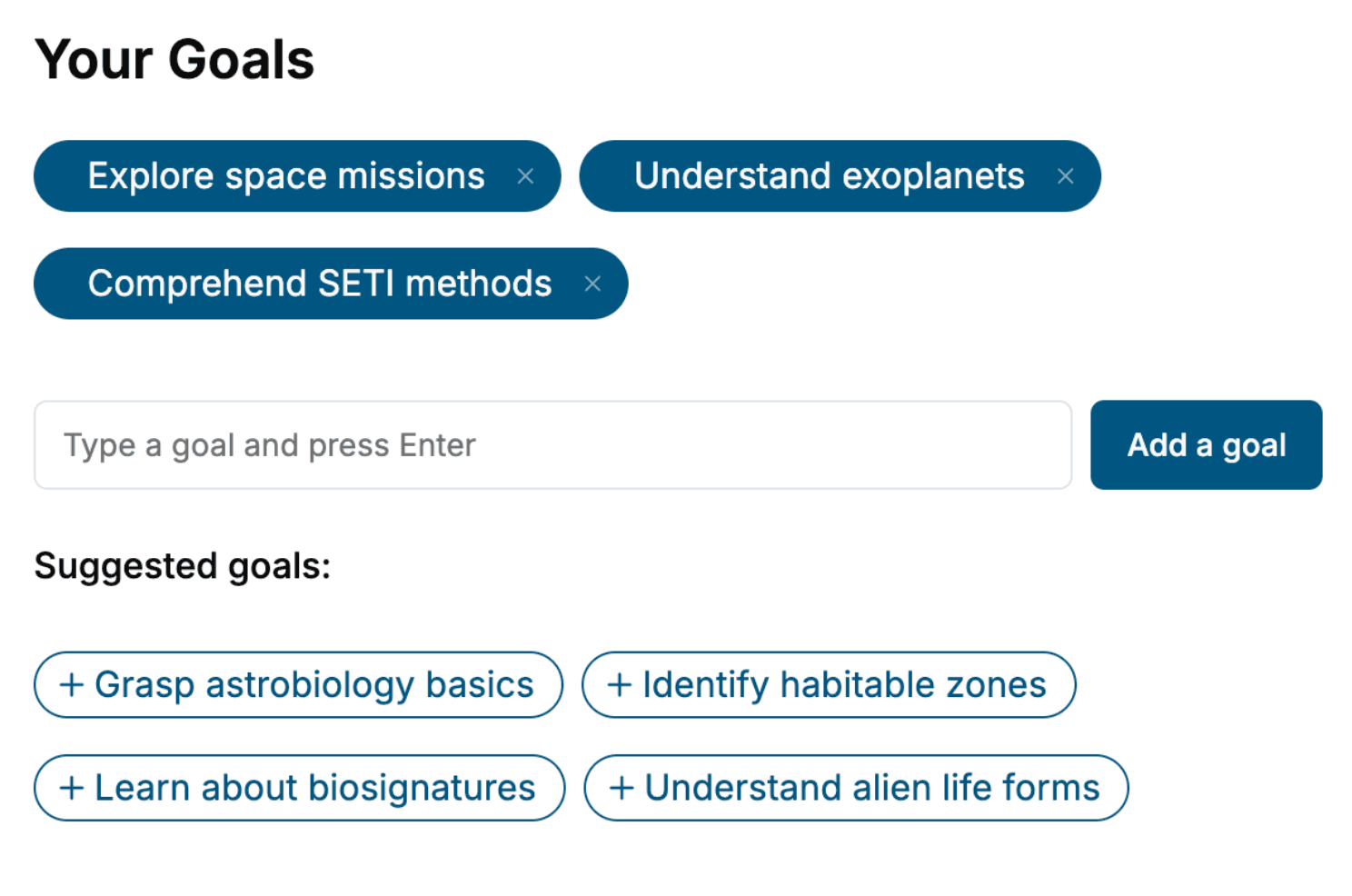
Specify your goals and choose sub-topics to include
- 3. Get your tailored book
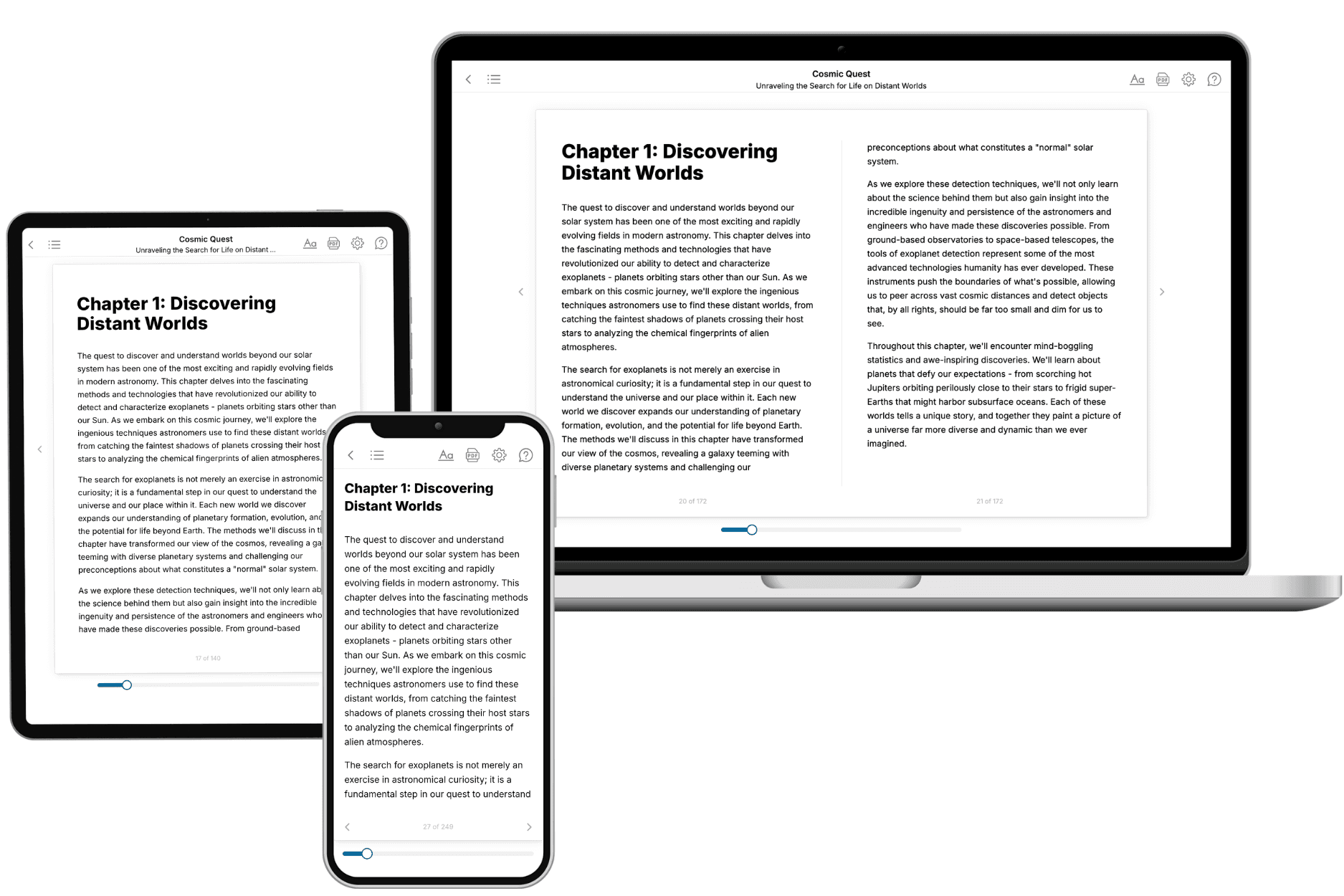
Your book is ready in 10 minutes. Read it online, download as EPUB or PDF, or send to Kindle.
Frequently asked questions
- What is TailoredRead?
TailoredRead creates complete, full-length nonfiction ebooks, written specifically for you. Tell us what you want to learn and why, and TailoredRead writes you a complete ebook on it, with charts, tables, and diagrams throughout. Read it online, on Kindle, or on any e-reader, or download it as a PDF or EPUB. Every book is written fresh the day you order it.
- How is the book tailored to me?
Before anything is written, you answer a few short questions about your goals, your background, and the topics you care about. Your book is then planned around your answers: written at your level, focused on your goals, and covering the topics you chose, instead of the one-size-fits-all book a store sells everyone.
- Will it read like generic AI content?
No. Your book isn't a chat transcript: it's planned chapter by chapter before a single word is written, told in a clear book voice, and explains ideas visually with charts, tables, and diagrams. After writing, every book goes through an editorial pass that polishes chapters so the book reads consistent from start to finish. Judge for yourself: browse thousands of sample books on our Explore Books page.
- How accurate is the content?
Our AI first checks whether your subject needs live research. Niche and fast-moving subjects are researched before writing, and the book plan and chapters are grounded in what it finds. After writing, every book goes through a quality pass that checks its facts and consistency, and researched books list their sources in a Notes section at the back.
- How long is the book?
You choose the length: Comprehensive (250-300 pages), Detailed (150-200 pages), Essential (70-100 pages), or Short (30-50 pages).
- Does the book include visuals?
Yes. Every book includes visual elements such as timelines, checklists, step-by-step guides, decision trees, comparison tables, and matrices, and many include bar charts. A typical book includes dozens of these visual elements.
- Can I read it on Kindle? What formats can I download?
Yes. Every book can be read in our online reader or downloaded as a PDF or EPUB. The EPUB can be opened with Kindle, Apple Books, Kobo, and any e-reader. The Commercial and Author licenses also include an editable Word (DOCX) and Markdown download.
- How much does it cost?
About the price of a regular ebook. The exact price depends on your book's length and complexity, from $2 for the shortest books to $35 for the most comprehensive, and it's shown when you review your book, before you commit to anything. Each book is a one-time purchase, yours to keep, no subscription. Licenses that let you share, teach, or publish your book range from $35.99 to $49.99.
- Can I preview the book before purchasing?
Before you pay, you'll see what your book will cover: the title, a detailed description, the estimated length, and the complete chapter-by-chapter table of contents, so you know what you're getting before you decide. The full text itself is written after you purchase.
- How long does it take to create a book?
About 10 minutes. You can start reading the opening chapters while the rest is still being written.