The Memphis Barbecue Bible
Your Complete Guide to the City's Best Smoked Meats, Legendary Joints, and Pitmaster Traditions
Discover what makes Memphis barbecue legendary.
191 pages9 chaptersJul 6, 2026BBQ
About this book
This guide takes you beyond tourist traps to the authentic joints, hidden gems, and iconic establishments that define the city's smoking traditions. You'll learn the history behind Memphis's three signature barbecue styles, understand what separates world-class pitmasters from the rest, and get insider recommendations on where to eat, what to order, and how to experience barbecue like a true Memphian. Whether you're planning your first visit or you're a returning enthusiast, you'll gain the knowledge to navigate the city's barbecue landscape with confidence. Explore the neighborhoods, meet the pitmasters, understand the techniques, and taste the traditions that have made Memphis a barbecue destination for generations. This is your essential companion to experiencing authentic Tennessee barbecue at its finest.
Table of contents
- IntroductionWhy Memphis Barbecue Matters, How to Use This Guide, What You'll Discover in These PagesRead below
- Chapter 1: The History and Soul of Memphis BarbecueOrigins and African American Entrepreneurship, How Memphis Barbecue Evolved, Barbecue as Cultural Heritage
- Chapter 2: Understanding Memphis's Three Barbecue StylesDry Rub Ribs: The Memphis Signature, Wet Ribs: Sauce and Tradition, Pulled Pork: The Versatile Classic
- Chapter 3: The Pitmasters: Masters of the CraftWhat Makes a True Pitmaster, Smoking Techniques and Wood Selection, Memphis's Most Respected Pitmasters
- Chapter 4: The Iconic Restaurants You Must VisitLegendary Establishments with Decades of History, Modern Innovators Honoring Tradition, Neighborhood Gems Worth Seeking Out
- Chapter 5: Navigating Memphis Neighborhoods and LocationsDowntown and Tourist-Friendly Spots, Midtown and South Memphis: Local Favorites, North Memphis: Where Tradition Runs Deep
- Chapter 6: What to Order and How to Eat Like a LocalEssential Menu Items at Every Restaurant, Sides, Sauces, and Perfect Pairings, Local Customs and Dining Etiquette
- Chapter 7: Planning Your Memphis Barbecue ExperienceBest Times to Visit and Peak Hours, Multi-Day Barbecue Itineraries, Practical Tips for First-Time Visitors
- Chapter 8: Barbecue Festivals, Competitions, and EventsMajor Barbecue Festivals and Celebrations, Competitions and Pitmaster Showdowns, Year-Round Events and Seasonal Highlights
- Chapter 9: Beyond the Restaurant: Home Smoking and DIY BarbecueGetting Started with Home Smoking, Memphis-Style Recipes to Try at Home, Learning from Memphis Pitmasters
- ConclusionYour Memphis Barbecue Journey Begins
- Appendix: Quick Reference GuideRestaurant Directory and Contact Information, Barbecue Glossary and Key Terms, Further Resources and Recommendations
Introduction
There are cities that have a food. Not just a dish they're known for, or a restaurant that made a name for itself, but an entire culinary identity so deeply woven into the fabric of daily life that you can smell it before you even step off the plane. Memphis, Tennessee is one of those cities. The moment you roll down your car window anywhere near the Mississippi River, the air carries something unmistakable: the low, sweet, woody perfume of hickory smoke drifting from pits that have been burning since before sunrise. That smell is a promise. It tells you that something extraordinary is happening nearby, and it has been happening here for well over a century.
Memphis barbecue is not a trend. It is not a food movement or a chef-driven concept that emerged from a culinary school. It is a living tradition built by generations of families, many of them African American entrepreneurs who turned a cooking method into a cultural institution. The pitmasters who shaped this city's barbecue identity did not have investors or marketing teams. They had recipes passed down through kitchens and backyards, smokers built from repurposed metal, and communities that showed up hungry and loyal. That foundation is still visible today in every restaurant that keeps its doors open through sheer force of reputation and quality.
This guide exists because Memphis barbecue deserves more than a quick Yelp search and a tourist-district lunch stop. It deserves context, history, and the kind of insider knowledge that helps you walk into a legendary joint and know exactly what to order, why it matters, and what you're tasting when that first bite hits. Whether you're planning a dedicated barbecue pilgrimage, adding a few essential stops to a broader Memphis trip, or simply trying to understand what makes this city's smoked meats so different from everything else you've tried, you've come to the right place. This is your complete companion to one of America's greatest food traditions.
What follows is not a simple list of restaurants. It is a full immersion into the world of Memphis barbecue: its history, its techniques, its neighborhoods, its festivals, and the remarkable people who keep the fires burning. Every chapter builds on the last, giving you a richer understanding of why Memphis barbecue is considered by many food historians and competition judges to be among the finest regional barbecue traditions in the entire country.[1] By the time you finish reading, you won't just know where to eat. You'll understand what you're eating, and that understanding will make every bite taste better.
Why Memphis Barbecue Matters
Ask any serious barbecue enthusiast to name the major American barbecue capitals, and Memphis will appear on every list. The city sits alongside Kansas City, Texas, and the Carolinas as one of the four pillars of American barbecue culture. But Memphis occupies a unique position in that group. While Texas is defined by beef brisket and the Carolinas are split between vinegar-based whole hog traditions, Memphis built its identity almost entirely around pork, and specifically around a set of techniques and flavor profiles that exist nowhere else in quite the same form.[2] The dry rub rib, in particular, is a Memphis invention that has influenced barbecue culture across the entire country.
The significance of Memphis barbecue goes well beyond regional pride or culinary novelty. It represents a genuine American success story rooted in African American entrepreneurship and community resilience. Many of the city's most celebrated barbecue establishments were founded by Black families during the era of segregation, when these restaurants served as gathering places, economic anchors, and cultural institutions for their communities. Understanding that history is not just background information. It is essential context for appreciating what you're eating and who made it possible.
Memphis also matters because it has maintained authenticity in an era when many food traditions get diluted, commercialized, or replaced by imitations. The city's best barbecue joints still use wood-burning pits. They still follow recipes that predate the internet by decades. They still operate with the kind of no-frills, quality-first philosophy that produces food so good it needs no marketing beyond word of mouth. In a food landscape increasingly dominated by Instagram aesthetics and celebrity chef branding, Memphis barbecue remains stubbornly, beautifully real.
The numbers reflect the city's barbecue obsession in concrete terms. Memphis hosts the World Championship Barbecue Cooking Contest every May, which draws over 100,000 visitors and more than 250 competing teams from around the world.[3] The event is widely considered the most prestigious barbecue competition on the planet. That kind of global recognition does not happen by accident. It happens because Memphis has spent generations perfecting something genuinely worth celebrating.
Beyond the competition circuit, Memphis barbecue matters because of what it does for the people who experience it. A great barbecue meal in this city is a full sensory and social event. The atmosphere of a place like Payne's Bar-B-Q or Cozy Corner is as much a part of the experience as the food itself. You're sitting in a room where the walls have absorbed decades of smoke and conversation. You're eating food that someone's grandmother perfected and someone's grandchild is now carrying forward. That kind of continuity is rare and precious, and it's worth traveling for.
Finally, Memphis barbecue matters because it is genuinely delicious in a way that is difficult to replicate anywhere else. The combination of local hickory wood, specific spice blend traditions, long smoking times, and the particular humidity and climate of the Mississippi Delta region creates flavors that are deeply regional. You can try to recreate Memphis-style ribs at home, and later chapters will help you do exactly that. But there is something about eating them in Memphis, made by people who have been doing this their entire lives, that cannot be fully duplicated. That irreplaceable quality is what makes this city a destination.
A note on terminology: Throughout this guide, "barbecue" refers specifically to the low-and-slow, wood-smoked cooking tradition of Memphis and the American South. It does not refer to grilling, backyard cookouts, or gas-cooked meats. In Memphis, this distinction matters deeply to the people who make it, and it should matter to you too.
How to Use This Guide
This guide is designed to work for you in multiple ways depending on where you are in your Memphis barbecue journey. If you're planning a first visit to the city, you'll want to read it cover to cover before you go. The chapters build on each other in a logical sequence, moving from history and context through techniques and styles, then into specific restaurant recommendations, neighborhood navigation, and practical planning advice. Reading it in order gives you the fullest picture and the most confidence when you arrive.
If you're already in Memphis or you're a returning visitor who wants to go deeper, you can use this guide as a targeted reference. Each chapter is self-contained enough to stand alone. Want to understand the difference between dry rub and wet ribs before you order? Go straight to Chapter 2. Looking for a specific neighborhood's best options? Chapter 5 has you covered. Need to know what sides to order and how to eat like a local? Chapter 6 answers those questions directly. The table of contents is your roadmap, and every chapter is designed to deliver practical value on its own.
For readers who are passionate about barbecue technique and want to bring Memphis flavors home, Chapters 3 and 9 are especially valuable. Chapter 3 breaks down what separates great pitmasters from average ones, including the specific techniques and wood choices that define Memphis-style smoking. Chapter 9 translates those lessons into home-cooking guidance, with recipes and frameworks that any dedicated home cook can follow. You don't need a professional pit to make great Memphis-style barbecue at home, but you do need the right knowledge.
A few practical notes on how this guide handles restaurant recommendations. The Memphis barbecue scene, like any living food culture, changes over time. Restaurants open and close. Hours shift. Ownership transitions happen. The establishments featured in this guide were selected based on their historical significance, consistent quality, and strong community reputation. Before visiting any specific location, it's always worth a quick check on current hours and status. The appendix includes a restaurant directory with contact information to make that process easy.
This guide also makes a deliberate choice to focus on authenticity over novelty. Memphis has plenty of newer barbecue concepts and fusion-influenced spots that are worth exploring on your own. But the core of this guide is built around the places and traditions that represent Memphis barbecue at its most genuine. These are the restaurants and pitmasters that the city's own residents point to when someone asks where to go for the real thing. That local credibility is the standard used throughout.
Finally, use this guide as a conversation starter, not just a checklist. The best Memphis barbecue experiences happen when you engage with the people behind the food. Ask the person at the counter how long the ribs have been on the pit. Ask about the rub recipe, even if they won't tell you. Ask about the history of the place. Memphis barbecue people are proud of what they do, and most of them love talking about it. This guide gives you the vocabulary and context to have those conversations, and those conversations will make your experience richer than any list of recommendations ever could.
- First-time visitors: Read Chapters 1 through 7 before your trip, then use Chapters 5 and 7 as your on-the-ground reference.
- Returning enthusiasts: Focus on Chapters 3, 4, and 8 to go deeper into technique, hidden gems, and events.
- Home cooks and barbecue hobbyists: Chapters 2, 3, and 9 form a complete technical education in Memphis-style smoking.
- Food history readers: Chapter 1 and the cultural sections throughout the book provide the richest historical context.
What You'll Discover in These Pages
The journey through this guide begins where all great food stories begin: with history. Chapter 1 traces the origins of Memphis barbecue from its roots in African American cooking traditions and the entrepreneurial spirit of the city's early pitmaster families. You'll learn how the Mississippi Delta's geography, the city's position as a major pork-processing hub, and the cultural contributions of its Black community combined to create something entirely unique. This history is not just interesting background. It actively shapes the flavors, the atmosphere, and the values of every great barbecue joint in the city today.
Chapter 2 dives into the three signature styles that define Memphis barbecue: dry rub ribs, wet ribs, and pulled pork. Each style has its own philosophy, its own devoted following, and its own set of techniques. Understanding the differences between them transforms you from a casual diner into an informed one. You'll know why a dry rub rib at Charlie Vergos' Rendezvous tastes the way it does, what makes a wet rib sauce different from a standard barbecue sauce, and why Memphis pulled pork is served in ways that would surprise visitors from other barbecue regions. This chapter alone will change how you order and what you notice when you eat.
Chapters 3 and 4 take you into the world of the pitmasters themselves. Chapter 3 examines what separates a true pitmaster from someone who simply operates a smoker. It covers the technical skills, the intuitive knowledge, the wood selection philosophy, and the time commitment that goes into producing world-class smoked meat. Chapter 4 then introduces you to the specific restaurants and establishments where those skills are on full display, from legendary institutions that have been operating for over 70 years to newer spots that are building their own legacies with deep respect for tradition.
Chapter 5 is your neighborhood guide. Memphis is a city of distinct communities, and its barbecue scene reflects that geography. Downtown spots cater to tourists and offer convenient access, but the most authentic experiences often require venturing into Midtown, South Memphis, or North Memphis. This chapter maps out the barbecue landscape by neighborhood, giving you the context to understand each area and the confidence to explore beyond the obvious tourist corridor. It also addresses practical considerations like parking, safety, and what to expect in each part of the city.
Chapters 6 and 7 are your practical playbooks. Chapter 6 tells you exactly what to order at different types of establishments, how to navigate menus, what sides are essential versus optional, and how locals actually eat their barbecue (hint: the sauce situation is more nuanced than you might expect). Chapter 7 helps you plan your visit strategically, covering the best times to go, how to avoid the worst crowds, multi-day itinerary options for different types of visitors, and the practical logistics that can make or break a food-focused trip.
Chapter 8 opens up the world of Memphis barbecue beyond the restaurant walls. The city's festival and competition culture is extraordinary, and the World Championship Barbecue Cooking Contest is just the beginning. This chapter covers the major annual events, the competition circuit that draws pitmasters from across the country, and the year-round calendar of barbecue-related happenings that give you reasons to visit Memphis in any season. If you can time your trip to coincide with one of these events, your experience will be dramatically richer.
Chapter 9 brings the Memphis tradition home. For readers who want to smoke their own ribs, make their own dry rub, or understand the techniques well enough to practice them in their own backyard, this chapter provides a practical foundation. It covers equipment basics, wood selection, temperature management, and the specific recipes and methods that define Memphis-style barbecue. It also points you toward the best resources for continuing your education, including books, online communities, and the pitmasters who offer classes and workshops.
Throughout all of these chapters, you'll encounter something that goes beyond technique and restaurant recommendations. You'll meet a community of people who are deeply passionate about what they do and why they do it. Memphis barbecue is not just a cooking style. It is a form of cultural expression, a vehicle for community identity, and a living connection to history. The pitmasters, the restaurant families, the competition teams, and the loyal regulars who have been eating at the same spots for 40 years are all part of a story that is still being written. This guide invites you into that story.
What to expect from your Memphis barbecue experience: The best meals in this city often happen in modest surroundings. Don't let a simple interior or a no-frills menu fool you. In Memphis, the quality of the food and the depth of the tradition are inversely proportional to the amount of decoration on the walls. The places that have been doing this the longest often look the most unassuming. Trust the smoke. Trust the line out the door. Trust the recommendations in these pages. The rewards are extraordinary.
By the time you close this guide, you will have a genuine understanding of one of America's most important regional food traditions. You'll know the history, the techniques, the people, and the places. You'll be able to navigate Memphis's barbecue landscape with confidence and curiosity. And most importantly, you'll be ready to sit down at a table in one of the city's legendary joints, take that first bite of perfectly smoked, perfectly seasoned pork, and understand exactly why people travel from around the world to experience this. That moment of understanding is what this guide is built to deliver. Let's get started.
Notes
Introduction
- 1. Robert F. Moss, Barbecue: The History of an American Institution, University of Alabama Press, 2010
- 2. Robb Walsh, Legends of Texas Barbecue Cookbook, Chronicle Books, 2007
- 3. Memphis in May International Festival, World Championship Barbecue Cooking Contest Official Statistics. memphisinmay.org, 2023
This is the end of the free sample. The full book has 9 chapters.
Want this book written for you?
Tell us your goals and background, and get your own version of this book, tailored by AI to you.


Benefits of AI-tailored books
- Read one book, not ten:
- all the BBQ knowledge you need, gathered into a single book.
- Save days of learning:
- tell us your goals, choose your topics, and the whole book is built around them.
- Learn effortlessly:
- BBQ book written for your specific background and expertise.
- Understand at a glance:
- includes charts, tables, timelines, checklists, decision trees, and more.
- Stay current:
- written the day you order it, not years ago.
- Trust what you read:
- every book is checked for accuracy, with real research when your subject needs it.
Create your unique book in 3 steps
- 1. Select your focus
Select the focus of your BBQ book and share your background
- 2. Personalize your book
Specify your goals and choose sub-topics to include
- 3. Get your tailored book
Your book is ready in 10 minutes. Read it online, download as EPUB or PDF, or send to Kindle.


Frequently asked questions
- What is TailoredRead?
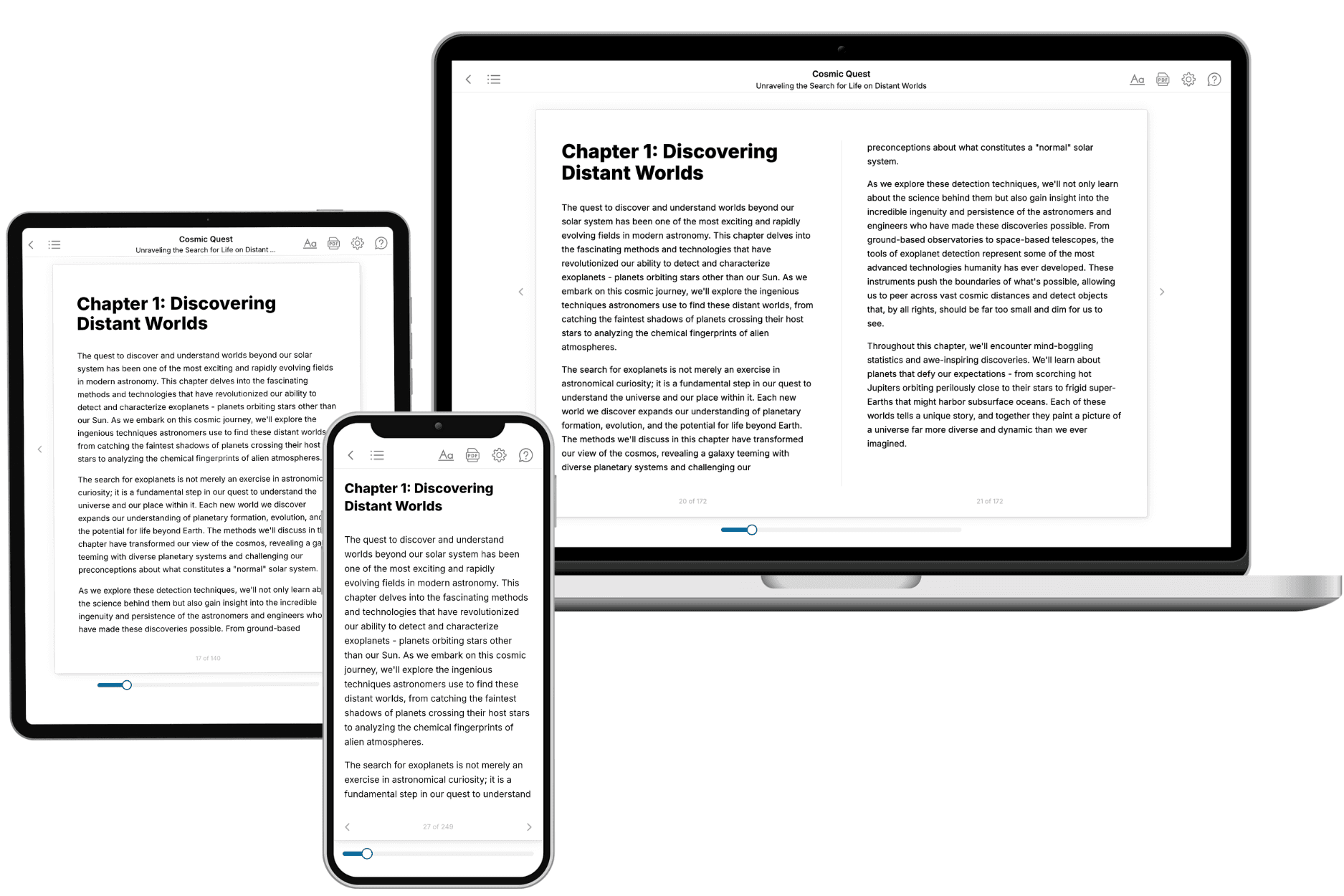
TailoredRead creates complete, full-length nonfiction ebooks, written specifically for you. Tell us what you want to learn and why, and TailoredRead writes you a complete ebook on it, with charts, tables, and diagrams throughout. Read it online, on Kindle, or on any e-reader, or download it as a PDF or EPUB. Every book is written fresh the day you order it.
- How is the book tailored to me?
Before anything is written, you answer a few short questions about your goals, your background, and the topics you care about. Your book is then planned around your answers: written at your level, focused on your goals, and covering the topics you chose, instead of the one-size-fits-all book a store sells everyone.
- Will it read like generic AI content?
No. Your book isn't a chat transcript: it's planned chapter by chapter before a single word is written, told in a clear book voice, and explains ideas visually with charts, tables, and diagrams. After writing, every book goes through an editorial pass that polishes chapters so the book reads consistent from start to finish. Judge for yourself: browse thousands of sample books on our Explore Books page.
- How accurate is the content?
Our AI first checks whether your subject needs live research. Niche and fast-moving subjects are researched before writing, and the book plan and chapters are grounded in what it finds. After writing, every book goes through a quality pass that checks its facts and consistency, and researched books list their sources in a Notes section at the back.
- How long is the book?
You choose the length: Comprehensive (250-300 pages), Detailed (150-200 pages), Essential (70-100 pages), or Short (30-50 pages).
- Does the book include visuals?
Yes. Every book includes charts, tables, and diagrams: timelines, checklists, step-by-step guides, decision trees, comparison tables, matrices, and bar charts. A typical book includes dozens of these visual elements.
- Can I read it on Kindle? What formats can I download?
Yes. Every book can be read in our online reader or downloaded as a PDF or EPUB. The EPUB can be opened with Kindle, Apple Books, Kobo, and any e-reader. The Commercial and Author licenses also include an editable Word (DOCX) and Markdown download.
- How much does it cost?
About the price of a regular ebook. The exact price depends on your book's length and complexity, from $2 for the shortest books to $35 for the most comprehensive, and it's shown when you review your book, before you commit to anything. Each book is a one-time purchase, yours to keep, no subscription. Licenses that let you share, teach, or publish your book range from $35.99 to $49.99.
- Can I preview the book before purchasing?
Before you pay, you'll see what your book will cover: the title, a detailed description, the estimated length, and the complete chapter-by-chapter table of contents, so you know what you're getting before you decide. The full text itself is written after you purchase.
- How long does it take to create a book?
About 10 minutes. You can start reading the opening chapters while the rest is still being written.