The Metabolic Code
How to Reverse Type 2 Diabetes and Prevent Chronic Disease Through Evidence-Based Lifestyle Medicine
You've likely heard that type 2 diabetes is a chronic condition you'll manage for life—but that's not the complete picture.
191 pages9 chaptersJul 25, 2026Diabetes
About this book
The biggest obstacle you face is that most doctors lack training in the evidence-based lifestyle interventions that can actually reverse your condition, leaving you dependent on medications that mask symptoms rather than address root causes. This book reveals what advanced cultures and cutting-edge research have discovered: insulin resistance, not blood sugar alone, drives type 2 diabetes, and it's detectable and reversible years before diagnosis. You'll learn which biomarkers actually predict your metabolic health (not the standard tests your doctor orders), how ketogenic protocols achieve 47% remission rates, and why sleep, exercise timing, and nutrient density matter more than calories. More importantly, you'll discover the specific health priorities for your age and condition, understand why preventive medicine remains absent from medical education, and gain a practical protocol to achieve full diabetes remission—freeing your attention and energy for what truly matters in your life.
Table of contents
- IntroductionWhy Full Remission Matters More Than Management, What Modern Medicine Misses About Prevention, How to Use This Book for Your Specific ConditionRead below
- Chapter 1: The Insulin Resistance FoundationUnderstanding Insulin Resistance as the Root Cause, How Insulin Resistance Progresses to Type 2 Diabetes, The Critical Early Detection Window You're Missing
- Chapter 2: Biomarkers That Actually Predict Your Metabolic HealthBeyond Fasting Glucose and HbA1c: Advanced Biomarker Testing, Adiponectin and IGFBP-1/2: The Sensitivity Markers Your Doctor Doesn't Order, HOMA-IR, TyG Index, and TG/HDL-C Ratio: Calculating Your True Insulin Resistance, Reading Your Lipid Panel Like a Metabolic Health Report Card
- Chapter 3: The Ketogenic Protocol for Diabetes RemissionHow Ketogenic Diets Work: Metabolic Mechanisms Beyond Calorie Restriction, Very Low-Energy Ketogenic Treatment: The 47% Remission Protocol, Carbohydrate Quality Assessment and Strategic Elimination
- Chapter 4: Sleep, Exercise, and Metabolic OptimizationSleep Deprivation's Direct Impact on Insulin Sensitivity, Exercise Timing and Intensity: Preventing Insulin Resistance Through Movement, Integrating Sleep, Exercise, and Nutrition Into One Coherent Protocol
- Chapter 5: Intermittent Fasting and Nutrient Density OptimizationIntermittent Fasting Protocols: Mechanisms and Implementation, Nutrient Density Optimization for Metabolic Health, Combining Fasting and Ketogenic Approaches for Maximum Effect
- Chapter 6: Age-Specific Health Priorities and Protein ConsiderationsDetermining Your Age-Specific Health Priorities, Protein Requirements for Seniors Managing Type 2 Diabetes, Designing Your Personalized Protocol Based on Age and Condition
- Chapter 7: Why Doctors Aren't Trained in PreventionThe Preventive Medicine Education Gap in Medical Schools, Systemic Barriers Preventing Doctors from Recommending Evidence-Based Solutions, Taking Control: What You Need to Know That Your Doctor Wasn't Taught
- Chapter 8: Cultural Dietary Patterns and Traditional Medicine PreventionCultural Dietary Patterns That Prevent Chronic Disease, Traditional Medicine Prevention Strategies With Modern Evidence, Integrating Cultural and Traditional Approaches Into Your Protocol
- Chapter 9: Monitoring Progress and Recognizing Health ImprovementTracking Biomarker Changes and Metabolic Improvements, Recognizing the Signs of Diabetes Remission, Maintaining Remission: Long-Term Sustainability and Adherence
- ConclusionYour Metabolic Future Starts Now
- Glossary of Key Terms
Introduction
A type 2 diabetes diagnosis often arrives with a specific kind of resignation attached to it. The doctor explains that blood sugar is too high, writes a prescription, and schedules a follow-up. The word "management" gets used a lot. What rarely gets said is that the condition driving your diagnosis, Insulin Resistance, began developing years or even decades before that appointment, and that the biological processes behind it are, in many cases, reversible. That gap between what the science shows and what most people hear in a clinical setting is exactly what this book addresses.
The metabolic system is not a simple on/off switch. It is a network of interconnected signals, hormones, and feedback loops that respond to what you eat, how you sleep, when you move, and how much stress you carry. When that network gets disrupted over time, the result is a slow drift toward Type 2 Diabetes, often invisible on standard lab panels until the damage is already significant. The good news is that the same responsiveness that allows the system to break down also allows it to recover, given the right inputs and enough time.
This book is built around a straightforward premise: understanding the mechanism behind your condition gives you far more leverage than simply following a list of rules. When you understand why carbohydrate restriction works at a cellular level, you make better decisions at the grocery store. When you understand what your biomarkers are actually measuring, you can have a more productive conversation with your doctor, or know when to seek a second opinion. Knowledge, in this context, is not just interesting. It is a practical tool for changing outcomes.
The chapters ahead move from foundational biology through advanced diagnostics, dietary protocols, lifestyle factors, and long-term sustainability. Each section builds on the last, but the book is also designed so that you can navigate directly to the topics most relevant to your current situation. Whether you are newly diagnosed, already managing the condition with medication, or trying to prevent a diagnosis you can see coming, there is a clear entry point for you here.
Why Full Remission Matters More Than Management
The word "management" implies a permanent condition that must be contained. For many people with Type 2 Diabetes, that framing becomes a self-fulfilling prophecy. Medications get adjusted, doses increase over time, and the underlying metabolic dysfunction continues progressing in the background. Diabetes Remission, by contrast, means that blood glucose returns to non-diabetic levels without the ongoing need for glucose-lowering medication. It is not a cure in the absolute sense, but it is a fundamentally different outcome than lifelong pharmaceutical management.
The distinction matters practically, not just philosophically. Someone in remission is not simply taking fewer pills. Their metabolic system is functioning differently. Insulin sensitivity has improved, the burden on Beta Cell Compensation has decreased, and the downstream risks associated with chronic high blood sugar, including cardiovascular disease, kidney damage, and neuropathy, are substantially reduced. The body is operating closer to its intended baseline rather than being chemically held at an acceptable number while the underlying dysfunction continues.
Recent research has made the case for remission more concrete than ever. Evidence from structured dietary interventions, particularly Very Low-Energy Ketogenic Treatment protocols, has demonstrated remission rates that would have seemed implausible to most clinicians a decade ago. The chapter covering the Ketogenic Diet and its mechanisms goes into the specific evidence in detail. The point here is simply that remission is a real, documented, achievable outcome, not a fringe idea or wishful thinking.
For a computer programmer, the analogy that fits well is the difference between patching a bug and refactoring the underlying code. Medication is a patch. It keeps the system running at an acceptable level, but the flawed logic is still there. Lifestyle-based remission is closer to addressing the root cause. The system runs better because the underlying architecture has changed, not because something is suppressing the error output.
Management also has a cognitive and emotional cost that rarely gets discussed in clinical settings. Tracking medications, monitoring side effects, scheduling regular appointments, and living with the low-grade anxiety of a chronic diagnosis all consume mental bandwidth. For someone whose work demands sustained focus and problem-solving, that overhead is not trivial. Remission does not eliminate the need for ongoing attention to metabolic health, but it changes the nature of that attention from reactive management to proactive maintenance.
The chapters on Remission Monitoring and Long-Term Remission Sustainability address what happens after remission is achieved, because sustaining it requires a different mindset than achieving it. The goal is not to reach a finish line and stop. It is to build habits and monitoring practices that make the improved metabolic state durable over years and decades. That is a more demanding goal than simply taking a pill each morning, but it is also a more meaningful one.
Remission is not about perfection. It is about shifting the trajectory of your metabolic health from slow decline to active recovery, and then maintaining that recovery with the same systematic attention you would give any complex system you care about.
Understanding why remission is the right target also helps clarify which interventions are worth your time and effort. Not every health trend or dietary claim moves the needle on the specific mechanisms that drive Type 2 Diabetes. The chapters ahead are filtered through that lens: what actually changes insulin sensitivity, what actually reduces the burden on beta cells, and what the evidence actually supports at a mechanistic level.
What Modern Medicine Misses About Prevention
Most physicians are genuinely trying to help their patients. The problem is not intent. It is training. Medical education has historically been structured around diagnosing and treating disease, not preventing it or reversing it through lifestyle change. The result is a system where a doctor can be highly skilled at managing the complications of Type 2 Diabetes while having almost no practical training in the dietary and behavioral interventions that could prevent or reverse the condition in the first place.
This is not a fringe critique. Research into medical school curricula has consistently found that nutrition education, in particular, receives remarkably little dedicated time relative to its impact on chronic disease outcomes. The chapter on the Preventive Medicine Education Gap covers this in depth, including the structural reasons why the gap persists and what a Competency-Based Prevention Curriculum would look like. For now, the practical implication is straightforward: you cannot assume that your doctor's silence on lifestyle interventions means those interventions don't work. It may simply mean they were never taught them.
Standard clinical practice also relies on a narrow set of diagnostic markers. Fasting Glucose and HbA1c are the workhorses of diabetes screening, and they are useful. But they are late-stage indicators. By the time fasting glucose is elevated enough to trigger a diagnosis, Insulin Resistance has typically been present for years. Biomarkers like Adiponectin, IGFBP-1, IGFBP-2, the HOMA-IR index, and the TyG Index can reveal metabolic dysfunction much earlier, but they are rarely ordered in routine clinical practice. The chapter on advanced biomarker testing explains what these markers measure and how to interpret them.
There is also a systemic issue with how treatment success gets defined. In a medication-focused model, success means keeping blood sugar within an acceptable range. That is a reasonable short-term goal, but it does not address the question of whether the underlying metabolic dysfunction is improving or worsening. A patient whose HbA1c is controlled by increasing medication doses is not necessarily getting healthier. Their numbers look acceptable, but the root cause is progressing. This distinction between controlled numbers and genuine metabolic improvement is one of the most important concepts in this book.
Modern medicine also tends to treat lifestyle factors as secondary or supplementary to pharmaceutical treatment. Sleep, exercise timing, and dietary composition are often mentioned briefly, if at all, and rarely with the specificity needed to actually implement change. The chapters on Sleep Deprivation, Exercise Timing, and the Ketogenic Diet treat these factors as primary interventions with measurable, mechanistic effects, because that is what the evidence supports.
Cultural and traditional approaches to metabolic health represent another area where modern medicine has been slow to engage. Many traditional dietary patterns and food preparation practices have metabolic benefits that align well with what contemporary research is finding about insulin sensitivity and carbohydrate metabolism. The chapter on Cultural Dietary Patterns and Traditional Medicine Prevention explores these connections without romanticizing them, looking at what the evidence actually supports and how those approaches can be integrated practically.
None of this means abandoning conventional medicine. Medication has a real role, particularly in the early stages of managing blood sugar while lifestyle changes take effect. The goal is to use the medical system intelligently, which means knowing what it does well, knowing where its blind spots are, and filling those gaps with evidence-based self-directed action. That is a more sophisticated approach than either uncritical compliance or wholesale rejection of conventional care.
The chapter on taking control of your health, within the section on why doctors aren't trained in prevention, offers a practical framework for navigating this. It covers what questions to ask, which tests to request, and how to evaluate the information you receive. The aim is to make you a more effective participant in your own care, not to position you against your medical team.
How to Use This Book for Your Specific Condition
This book is designed to be read sequentially, but it is also structured so that you can navigate directly to the sections most relevant to your current situation. The chapters build on each other conceptually, so reading from the beginning gives you the strongest foundation. But if you are already familiar with the basics of Insulin Resistance and want to go straight to the dietary protocols or biomarker testing, those chapters are written to stand on their own as well.
Before diving in, it helps to locate yourself on the metabolic spectrum. Consider which of these situations most closely matches yours:
- Pre-diabetic or at high risk: Fasting glucose is elevated but not yet in the diabetic range, or you have risk factors like excess abdominal weight, family history, or a sedentary lifestyle. Your priority is early detection and prevention. Start with the chapter on Insulin Resistance as the root cause, then move to advanced biomarker testing to understand your current metabolic status.
- Recently diagnosed with Type 2 Diabetes: You have a formal diagnosis, possibly with a new prescription, and you want to understand your options beyond medication. The chapters on the Ketogenic Diet and the Very Low-Energy Ketogenic Treatment protocol are your most immediately relevant resources, alongside the section on sleep and exercise.
- Managing Type 2 Diabetes long-term: You have been living with the diagnosis for years, possibly on multiple medications, and you want to know whether remission is still achievable. The chapter on Remission Monitoring and Long-Term Remission Sustainability addresses this directly, and the age-specific protocol chapter is particularly relevant if you are over 55.
- Optimizing after achieving remission: You have already made significant progress and want to maintain and deepen your metabolic health. The chapters on Intermittent Fasting, Nutrient Density, and cultural dietary patterns offer the most relevant material for this stage.
As a programmer, you likely approach problems systematically, and that mindset is genuinely useful here. Metabolic health responds well to a systems-thinking approach: identify the inputs, understand the mechanisms, measure the outputs, and iterate. The biomarker chapters give you the measurement framework. The dietary and lifestyle chapters give you the input levers. The monitoring chapter gives you the feedback loop. Together, they form a coherent system you can actually run and adjust.
One practical recommendation: before starting any significant dietary change, get a baseline set of labs. At minimum, this should include fasting glucose, HbA1c, and a standard lipid panel. Ideally, it would also include the advanced markers covered in the biomarker chapter. Having a baseline makes it possible to measure actual change rather than relying on subjective sense of improvement. It also gives you concrete data to bring to your doctor, which tends to make those conversations more productive.
The age-specific chapter deserves particular attention if you are over 50. The metabolic interventions that work well for a 35-year-old are not always optimal for someone managing both Type 2 Diabetes and the muscle-preservation challenges that come with aging. Sarcopenia, the age-related loss of muscle mass, interacts with insulin sensitivity in ways that affect how aggressively you should restrict carbohydrates and how much protein you need to maintain. The chapter on Protein Requirements for Seniors addresses this directly, because getting it wrong in either direction has real consequences.
Throughout the book, certain terms appear consistently. The glossary at the end defines all of them, but the most important ones are introduced and explained in context as they appear. HOMA-IR, TG/HDL-C Ratio, Adiponectin, Beta Cell Compensation, and Carbohydrate Elimination Strategy are among the terms you will encounter repeatedly. Familiarity with these concepts will make each subsequent chapter easier to absorb.
A note on the relationship between this book and your medical care: nothing here is intended to replace clinical guidance from a qualified healthcare provider. The goal is to make you a more informed participant in your own health decisions, not to substitute for professional medical judgment. Some of the interventions discussed, particularly significant dietary changes and medication adjustments, should be undertaken with medical supervision. The chapter on taking control of your health includes specific guidance on how to have those conversations with your doctor effectively.
Finally, approach this material with the same critical thinking you would apply to any complex technical problem. Not every claim in the health and wellness space is equally supported by evidence. This book cites research throughout, and the reasoning behind each recommendation is explained rather than simply asserted. Where the evidence is strong, that is stated clearly. Where it is preliminary or contested, that is stated too. The goal is to give you an accurate picture of what is known, what is probable, and what remains uncertain, so that you can make genuinely informed decisions rather than just following instructions.
The metabolic system that has been drifting toward dysfunction for years did not get there overnight, and it will not recover overnight either. But the trajectory can change, and it can change faster than most people expect when the right levers are pulled in the right sequence. The chapters ahead lay out exactly what those levers are, how they work, and how to use them in a way that fits your specific situation. That is where the real work begins.
This is the end of the free sample. The full book has 9 chapters.
Want this book written for you?
Tell us your goals and background, and get your own version of this book, tailored by AI to you.


Benefits of AI-tailored books
- Read one book, not ten:
- all the Diabetes knowledge you need, gathered into a single book.
- Save days of learning:
- tell us your goals, choose your topics, and the whole book is built around them.
- Learn effortlessly:
- Diabetes book written for your specific background and expertise.
- Understand at a glance:
- includes charts, tables, timelines, checklists, decision trees, and more.
- Stay current:
- written the day you order it, not years ago.
- Trust what you read:
- every book is checked for accuracy, with real research when your subject needs it.
Create your unique book in 3 steps
- 1. Select your focus
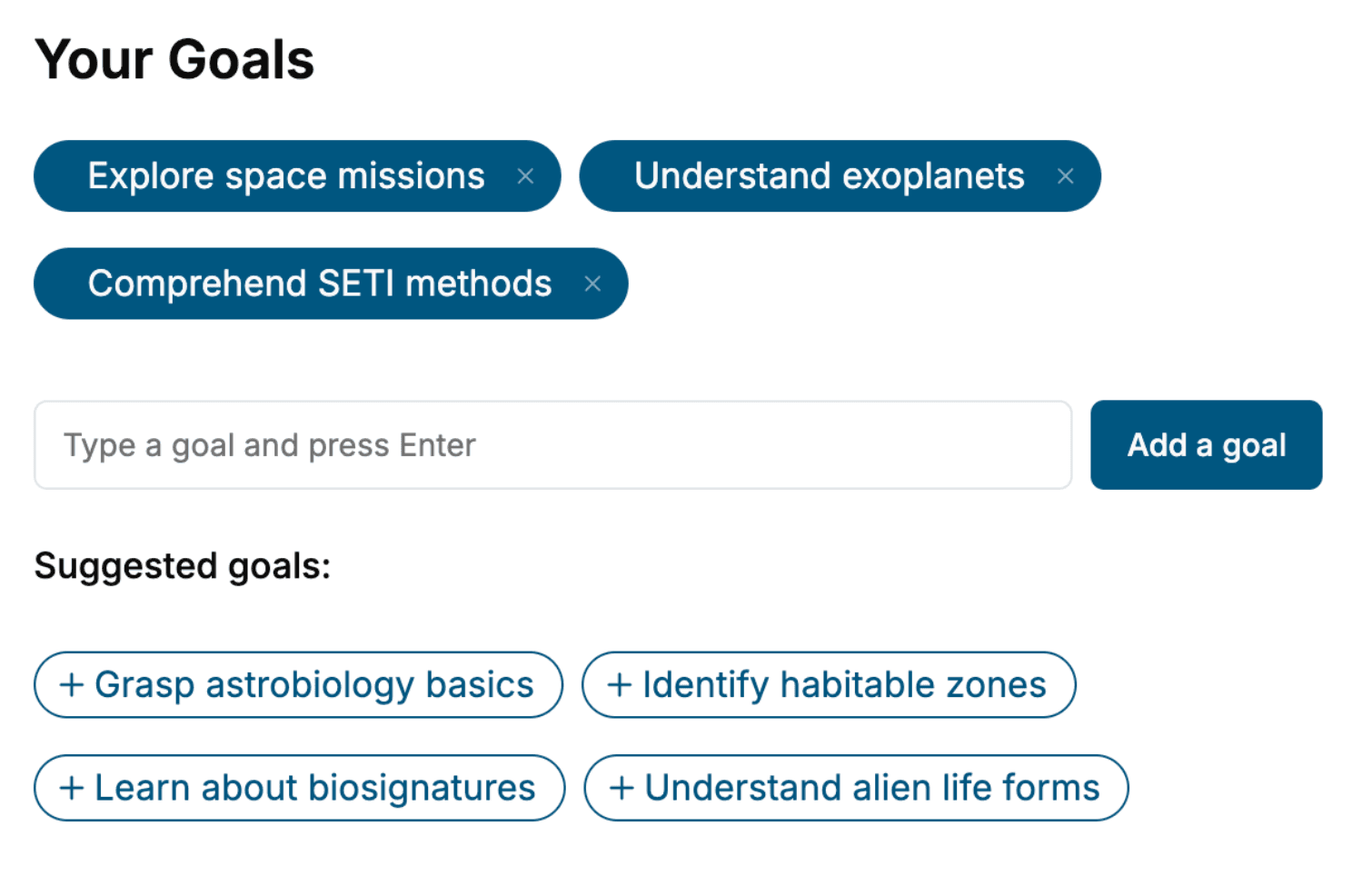
Select the focus of your Diabetes book and share your background
- 2. Personalize your book
Specify your goals and choose sub-topics to include
- 3. Get your tailored book
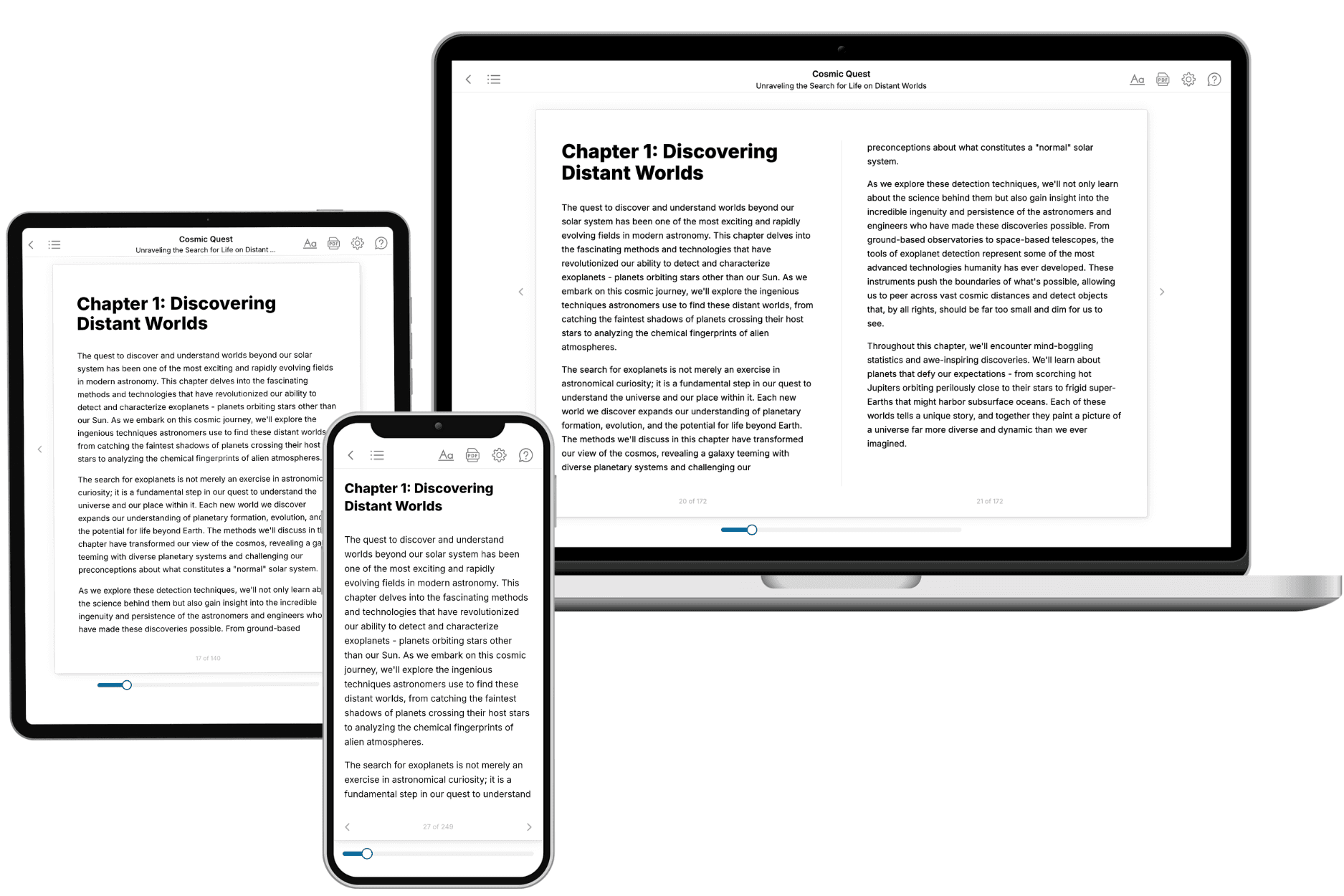
Your book is ready in 10 minutes. Read it online, download as EPUB or PDF, or send to Kindle.

Frequently asked questions
- What is TailoredRead?
TailoredRead creates complete, full-length nonfiction ebooks, written specifically for you. Tell us what you want to learn and why, and TailoredRead writes you a complete ebook on it, with charts, tables, and diagrams throughout. Read it online, on Kindle, or on any e-reader, or download it as a PDF or EPUB. Every book is written fresh the day you order it.
- How is the book tailored to me?
Before anything is written, you answer a few short questions about your goals, your background, and the topics you care about. Your book is then planned around your answers: written at your level, focused on your goals, and covering the topics you chose, instead of the one-size-fits-all book a store sells everyone.
- Will it read like generic AI content?
No. Your book isn't a chat transcript: it's planned chapter by chapter before a single word is written, told in a clear book voice, and explains ideas visually with charts, tables, and diagrams. After writing, every book goes through an editorial pass that polishes chapters so the book reads consistent from start to finish. Judge for yourself: browse thousands of sample books on our Explore Books page.
- How accurate is the content?
Our AI first checks whether your subject needs live research. Niche and fast-moving subjects are researched before writing, and the book plan and chapters are grounded in what it finds. After writing, every book goes through a quality pass that checks its facts and consistency, and researched books list their sources in a Notes section at the back.
- How long is the book?
You choose the length: Comprehensive (250-300 pages), Detailed (150-200 pages), Essential (70-100 pages), or Short (30-50 pages).
- Does the book include visuals?
Yes. Every book includes charts, tables, and diagrams: timelines, checklists, step-by-step guides, decision trees, comparison tables, matrices, and bar charts. A typical book includes dozens of these visual elements.
- Can I read it on Kindle? What formats can I download?
Yes. Every book can be read in our online reader or downloaded as a PDF or EPUB. The EPUB can be opened with Kindle, Apple Books, Kobo, and any e-reader. The Commercial and Author licenses also include an editable Word (DOCX) and Markdown download.
- How much does it cost?
About the price of a regular ebook. The exact price depends on your book's length and complexity, from $2 for the shortest books to $35 for the most comprehensive, and it's shown when you review your book, before you commit to anything. Each book is a one-time purchase, yours to keep, no subscription. Licenses that let you share, teach, or publish your book range from $35.99 to $49.99.
- Can I preview the book before purchasing?
Before you pay, you'll see what your book will cover: the title, a detailed description, the estimated length, and the complete chapter-by-chapter table of contents, so you know what you're getting before you decide. The full text itself is written after you purchase.
- How long does it take to create a book?
About 10 minutes. You can start reading the opening chapters while the rest is still being written.