Metamorphosis on Screen
Charlize Theron's Journey in 'Monster' and the Art of Cinematic Transformation
Have you ever wondered what it takes for an actor to completely disappear into a role?
269 pages13 chaptersDec 15, 2024Movies and Cinema
About this book
"Metamorphosis on Screen" delves deep into one of the most remarkable transformations in cinema history: Charlize Theron's portrayal of Aileen Wuornos in the film "Monster." This book offers you an unprecedented look at the dedication, craft, and artistry behind Theron's Oscar-winning performance. You'll gain insights into the meticulous preparation, physical transformation, and emotional depth required to bring such a complex character to life. Through examining this pivotal moment in Theron's career, you'll develop a new appreciation for the power of acting and its ability to challenge societal perceptions. Get ready to see the world of cinema through a new lens, as you explore the intersection of art, empathy, and human nature in this captivating analysis of a modern cinematic masterpiece.
Table of contents
- IntroductionThe Power of Transformation in Cinema, Charlize Theron: A Career Overview, The Impact of 'Monster' on Modern Cinema, The Journey Ahead: What to Expect from This BookRead below
- Chapter 1: The Origins of 'Monster'The True Story Behind the Film, From Concept to Screen: The Project's Inception, Casting Charlize Theron: A Bold Choice, Patty Jenkins' Vision for the Film
- Chapter 2: Preparing for the RoleThe Research Process: Understanding Aileen Wuornos, The Physical Transformation: Becoming Aileen, Psychological Preparation: Getting into Character, Mastering the Dialect and Voice
- Chapter 3: The Art of Method ActingA Brief History of Method Acting, Theron's Approach to Method Acting, Immersion Techniques Used in 'Monster', Challenges and Rewards of Method Acting
- Chapter 4: On-Set ExperienceA Day in the Life on the 'Monster' Set, The Director-Actor Relationship, Working with Co-stars: Creating On-Screen Chemistry, The Emotional Toll of Portraying Aileen
- Chapter 5: Analyzing Key ScenesThe First Encounter with Selby, The First Murder: A Turning Point, The Emotional Breakdown Scene, The Final Goodbye: Capturing Raw Emotion
- Chapter 6: Visual Storytelling in 'Monster'Cinematography: Capturing the Gritty Reality, Makeup and Special Effects, Costume Design: Dressing the Character, Location and Atmosphere
- Chapter 7: The Complexity of Aileen WuornosNavigating Moral Ambiguity, Portraying Trauma and Its Effects, Finding Humanity in the 'Monster', Evoking Audience Empathy for a Controversial Figure
- Chapter 8: Critical Reception and AwardsInitial Reviews and Film Festival Reception, The Oscar Journey: From Nomination to Win, Other Major Awards and Accolades, Critical Analysis of Theron's Performance
- Chapter 9: The Societal Impact of 'Monster'Challenging Perceptions of Gender in Cinema, The Ethics of True Crime Portrayal, Highlighting Social Issues Through Film, Sparking Public Discourse on Complex Topics
- Chapter 10: Charlize Theron's Career EvolutionTheron's Career Before 'Monster', The Impact of 'Monster' on Theron's Career Trajectory, Subsequent Role Choices and Performances, Theron's Influence in the Film Industry
- Chapter 11: The Craft of ActingThe Evolution of Acting Techniques, The Role of Physical Transformation in Acting, Achieving Emotional Authenticity on Screen, The Importance of Versatility in an Actor's Career
- Chapter 12: The Collaborative Nature of FilmmakingThe Actor-Director Relationship, The Crucial Contributions of the Crew, The Role of Post-Production in Shaping Performance, Ensemble Dynamics and Supporting Performances
- Chapter 13: The Legacy of 'Monster'Influence on Contemporary Cinema, 'Monster' as a Benchmark for Transformative Performances, Charlize Theron's Enduring Legacy, The Future of Transformative Roles in Film
- ConclusionThe Enduring Power of Transformative Performances, Cinema as a Tool for Empathy and Understanding
- Further Reading
- Glossary of Film and Acting Terms
Introduction
In the vast landscape of cinema, certain performances stand out as transformative experiences, not just for the actors who embody them, but for the audience who witnesses them. These rare moments of cinematic alchemy have the power to challenge our perceptions, evoke profound empathy, and leave an indelible mark on the art of filmmaking. Among these extraordinary performances, Charlize Theron's portrayal of Aileen Wuornos in the 2003 film "Monster" stands as a towering achievement, a testament to the transformative power of acting and the profound impact it can have on both the performer and the viewer.
As you embark on this exploration of Theron's remarkable journey in "Monster," you'll gain unprecedented insight into the dedication, craft, and artistry required to bring such a complex character to life on screen. This book will take you behind the scenes of one of the most talked-about performances in modern cinema, offering a deep dive into the meticulous preparation, physical transformation, and emotional depth that Theron brought to her portrayal of Aileen Wuornos. Through this examination, you'll develop a new appreciation for the power of acting and its ability to challenge societal perceptions, blur the lines between empathy and judgment, and illuminate the complexities of human nature.
The story of "Monster" is not just about a single performance, however remarkable. It's a testament to the collaborative nature of filmmaking, the vision of a first-time director, the courage to tackle difficult subjects, and the impact that cinema can have on our understanding of the world around us. As we delve into the making of this modern masterpiece, we'll explore the intersection of art, empathy, and human nature, offering you a new lens through which to view the world of cinema and the transformative power of storytelling.
The Power of Transformation in Cinema
Throughout the history of cinema, audiences have been captivated by actors who undergo dramatic transformations for their roles. These metamorphoses go beyond mere physical changes; they represent a complete immersion into a character's psyche, mannerisms, and lived experiences. The power of such transformations lies in their ability to transport viewers, to make them forget they're watching a performance and instead believe they're witnessing a real person's story unfold before their eyes. This suspension of disbelief is at the heart of cinema's magic, and it's what separates good performances from truly great ones.
Transformative roles have long been regarded as the pinnacle of acting prowess. From Robert De Niro's physical transformation in "Raging Bull" to Daniel Day-Lewis's embodiment of cerebral palsy-afflicted Christy Brown in "My Left Foot," these performances challenge actors to push beyond their comfort zones and inhabit lives vastly different from their own. The impact of such transformations extends far beyond the screen, often reshaping public perception of the actors themselves and setting new standards for what is possible in the realm of performance art.
The power of transformation in cinema lies not just in its visual impact but in its ability to evoke empathy and understanding. When an actor truly disappears into a role, especially one based on a real person, it allows audiences to connect with stories and experiences that might otherwise feel distant or incomprehensible. This is particularly true for characters who exist on the fringes of society or who have committed acts that most would consider reprehensible. By humanizing these complex figures, transformative performances can challenge our preconceptions and force us to confront uncomfortable truths about human nature and society.
In the case of "Monster," Charlize Theron's transformation into Aileen Wuornos represents one of the most striking examples of this phenomenon in recent cinematic history. Theron, known primarily for her glamorous roles and striking beauty, underwent a complete physical and psychological metamorphosis to portray Wuornos, a sex worker turned serial killer. This transformation was not merely cosmetic; it required Theron to delve deep into Wuornos's troubled psyche, to understand and convey the pain, rage, and desperation that drove her actions. The result was a performance that transcended mere imitation, offering instead a nuanced and deeply human portrayal of a woman often dismissed as simply a "monster."
The power of Theron's transformation in "Monster" lies in its ability to challenge viewers' preconceptions and evoke empathy for a character many might instinctively recoil from. By inhabiting Wuornos so completely, Theron forces the audience to see beyond the sensationalized headlines and consider the complex web of circumstances and traumas that shaped Wuornos's life and actions. This is the true power of transformation in cinema: to make the unrelatable relatable, to find humanity in the most unlikely places, and to challenge us to expand our capacity for understanding and empathy.
Moreover, transformative performances like Theron's in "Monster" serve as a reminder of the immense potential of cinema as an art form. They demonstrate that film, at its best, is not merely entertainment but a powerful tool for exploring the human condition, challenging societal norms, and fostering greater understanding of even the most marginalized or vilified members of society. As you delve deeper into the making of "Monster" and Theron's remarkable performance, you'll gain a new appreciation for the craft of acting and the profound impact that truly transformative roles can have on both the performers who undertake them and the audiences who witness them.
Charlize Theron: A Career Overview
Before delving into the transformative role that would define her career, it's essential to understand the trajectory that led Charlize Theron to "Monster." Born in Benoni, South Africa, in 1975, Theron's journey to Hollywood stardom was anything but conventional. Her early life was marked by tragedy, including witnessing her mother fatally shoot her alcoholic father in self-defense when Theron was just 15 years old. This traumatic experience would later inform her ability to tap into deep wells of emotion in her performances, particularly in "Monster."
Theron's entry into the entertainment industry began with modeling and ballet. At 16, she won a one-year modeling contract, which took her to Milan, Italy. However, a knee injury ended her dancing aspirations, leading her to pursue acting instead. In 1994, at the age of 19, Theron moved to Los Angeles to chase her Hollywood dreams. Her break came in 1996 when she was cast in a small, non-speaking role in "Children of the Corn III: Urban Harvest." While the part was minor, it marked the beginning of what would become an illustrious career in film.
Theron's breakthrough role came in 1997 with the film "The Devil's Advocate," where she starred alongside Al Pacino and Keanu Reeves. Her performance as Mary Ann Lomax, a woman descending into madness, showcased her ability to portray complex, troubled characters – a skill that would serve her well throughout her career. This role put Theron on Hollywood's radar and led to a string of high-profile projects in the late 1990s and early 2000s, including "Mighty Joe Young" (1998), "The Cider House Rules" (1999), and "The Italian Job" (2003).
Throughout these early years, Theron demonstrated remarkable versatility, moving effortlessly between genres. She proved equally adept at light-hearted comedies like "That Thing You Do!" (1996) and intense dramas like "The Yards" (2000). However, despite her growing popularity and critical acclaim, Theron found herself frequently cast in roles that emphasized her physical beauty over her acting prowess. This typecasting would become a source of frustration for the actress, who yearned for more challenging and substantive roles.
It was this desire for more complex characters that led Theron to take on the role of Aileen Wuornos in "Monster." Prior to this, while Theron had demonstrated her acting chops in various roles, she had yet to take on a part that required such a dramatic transformation, both physically and emotionally. The decision to portray Wuornos was a risky one, potentially alienating audiences who were accustomed to seeing Theron in more glamorous roles. However, it was precisely this risk that appealed to Theron, who saw in Wuornos a character of immense complexity and depth.
The impact of "Monster" on Theron's career cannot be overstated. Her portrayal of Wuornos earned her universal acclaim and numerous accolades, including the Academy Award for Best Actress. More importantly, it fundamentally altered the trajectory of her career, opening doors to a wider range of complex, challenging roles. Post-"Monster," Theron continued to seek out parts that allowed her to showcase her versatility and willingness to transform herself for a role.
In the years following "Monster," Theron's career has been marked by a series of powerful performances in films that tackle difficult subjects. She received another Oscar nomination for her portrayal of a miner fighting sexual harassment in "North Country" (2005), and earned critical acclaim for her roles in "Young Adult" (2011) and "Tully" (2018), both of which saw her playing complex, often unlikeable characters with depth and nuance. More recently, her turn as Megyn Kelly in "Bombshell" (2019) earned her a third Oscar nomination, further cementing her status as one of Hollywood's most versatile and respected actresses.
Throughout her career, Theron has also demonstrated a commitment to using her platform for social change. She founded the Charlize Theron Africa Outreach Project in 2007, which works to fight HIV/AIDS in her native South Africa. Her advocacy work, combined with her fearless approach to challenging roles, has made her a powerful voice in Hollywood and beyond.
As you explore Theron's career trajectory, it becomes clear that "Monster" represents not just a pinnacle of her acting prowess, but a turning point that allowed her to fully realize her potential as an actress. The film stands as a testament to Theron's willingness to take risks, her dedication to her craft, and her ability to find humanity in even the most challenging characters. Understanding this context is crucial as we delve deeper into the making of "Monster" and the transformative performance at its heart.
The Impact of 'Monster' on Modern Cinema
When "Monster" was released in 2003, it sent shockwaves through the film industry and audiences alike. The impact of this independent film, made on a modest budget of $8 million, extended far beyond its commercial success and critical acclaim. It challenged preconceptions about storytelling, character portrayal, and the boundaries of transformation in cinema. To fully appreciate the significance of "Monster," it's crucial to examine its multifaceted impact on modern cinema, from its influence on storytelling techniques to its role in reshaping perceptions of actors and their craft.
At its core, "Monster" redefined the true crime genre in cinema. While films based on real-life criminals were not new, "Monster" approached its subject matter with a level of empathy and nuance rarely seen before. Instead of sensationalizing Aileen Wuornos's crimes or painting her as a one-dimensional villain, the film delved deep into her psyche, exploring the complex web of circumstances that led to her actions. This approach challenged audiences to confront uncomfortable truths about society, trauma, and the thin line between victim and perpetrator. In doing so, "Monster" set a new standard for true crime narratives in film, influencing subsequent works to adopt a more nuanced, empathetic approach to even the most controversial subjects.
The film's impact on the portrayal of LGBTQ+ characters in mainstream cinema was also significant. While Wuornos's sexuality wasn't the focus of the film, her relationship with Selby Wall (based on Wuornos's real-life partner, Tyria Moore) was portrayed with sensitivity and depth. At a time when LGBTQ+ characters were often relegated to stereotypical or peripheral roles, "Monster" presented a complex, central same-sex relationship without sensationalism or judgment. This representation, while not without its controversies, helped pave the way for more nuanced portrayals of LGBTQ+ characters in mainstream films.
From a technical standpoint, "Monster" raised the bar for physical transformations in film. Charlize Theron's metamorphosis into Aileen Wuornos went beyond mere makeup and prosthetics; it was a complete embodiment that altered not just her appearance, but her mannerisms, voice, and essence. This transformation set a new standard for actors taking on biographical roles, influencing performances in subsequent films like "The Iron Lady," "Dallas Buyers Club," and "Darkest Hour." The success of Theron's transformation also challenged the industry's often narrow standards of beauty, particularly for female actors, demonstrating that true acting prowess transcends physical appearance.
The film's success also had a profound impact on the careers of its key players. For Charlize Theron, "Monster" marked a turning point, establishing her as one of the most versatile and fearless actors of her generation. It opened doors to a wider range of complex, challenging roles and solidified her status as a serious dramatic actress. For director Patty Jenkins, making her feature film debut, "Monster" launched a career that would eventually lead her to direct blockbusters like "Wonder Woman," proving that female directors could helm both critically acclaimed independent films and major studio productions.
Moreover, "Monster" played a significant role in elevating the status of independent cinema. Its critical and commercial success, culminating in an Academy Award for Theron, demonstrated that low-budget, character-driven films could compete with big-budget productions in terms of impact and recognition. This success encouraged studios and investors to take more chances on unconventional stories and emerging filmmakers, contributing to the flourishing independent film scene of the 2000s and beyond.
The film's approach to violence and morality also left a lasting impression on cinema. Unlike many crime dramas that either glorify or simplistically condemn acts of violence, "Monster" presented a more complex view. It forced viewers to grapple with the idea that even the most heinous acts can stem from a place of deep pain and societal failure. This nuanced approach to morally complex characters has since become more prevalent in cinema and television, with shows like "Breaking Bad" and films like "Joker" exploring similar themes.
In terms of cinematography and visual storytelling, "Monster" demonstrated the power of a gritty, realistic aesthetic in creating an immersive experience. The film's raw, almost documentary-like style influenced a trend towards more naturalistic cinematography in dramatic films, moving away from the polished look that had dominated much of 1990s cinema. This approach has since been adopted by numerous filmmakers seeking to create a sense of authenticity and immediacy in their work.
The impact of "Monster" on modern cinema extends to its treatment of female characters as well. By presenting a complex, flawed, and ultimately human portrayal of a woman who committed terrible acts, the film challenged the often one-dimensional representation of women in crime dramas. This paved the way for more nuanced portrayals of female antiheroes and complex female characters across all genres of film and television.
As you delve deeper into the making of "Monster" and its place in cinematic history, it becomes clear that its impact extends far beyond its immediate critical and commercial success. It challenged conventions, pushed boundaries, and set new standards for storytelling, acting, and filmmaking. The ripples of its influence continue to be felt in modern cinema, making it a crucial touchstone for understanding the evolution of film in the 21st century. Through exploring the impact of "Monster," you gain not just an appreciation for a singular work of art, but a deeper understanding of the power of cinema to challenge, transform, and illuminate the human experience.
The Journey Ahead: What to Expect from This Book
As you embark on this exploration of Charlize Theron's transformative role in "Monster," you're about to undertake a journey that will provide you with unprecedented insights into the art of acting, the craft of filmmaking, and the power of cinema to challenge perceptions and evoke empathy. This book is designed to offer you a comprehensive understanding of not just the film itself, but the broader context of its creation, its impact, and its enduring legacy in the world of cinema. Whether you're a film enthusiast, an aspiring actor, or simply someone fascinated by the process of bringing complex characters to life on screen, this book will offer you valuable insights and a deeper appreciation for the art of cinematic storytelling.
Throughout the chapters that follow, you'll be guided through various aspects of "Monster" and Theron's performance, each offering a unique perspective on the film and its creation. You'll begin by exploring the origins of the project, understanding how the true story of Aileen Wuornos was transformed into a compelling screenplay, and how Charlize Theron came to be cast in this career-defining role. This background will provide you with the context necessary to fully appreciate the challenges and opportunities presented by the project.
From there, you'll delve into the intensive preparation process that Theron underwent to embody Aileen Wuornos. You'll gain insights into the physical transformation, including the makeup and prosthetics that altered Theron's appearance, as well as the weight gain and posture changes that helped her inhabit Wuornos's physicality. More importantly, you'll explore the psychological preparation, including Theron's research into Wuornos's life, her study of interview footage, and her efforts to understand the mindset of a woman driven to such extreme actions. This section will offer you a deeper understanding of the dedication and craft required for truly transformative performances.
The book will then take you through an exploration of method acting and its application in "Monster." You'll learn about the history and principles of this acting technique, how Theron applied it to her portrayal of Wuornos, and the challenges and rewards of such an immersive approach to character creation. This section will provide you with valuable insights into different acting methodologies and their impact on performance.
As you progress, you'll be taken behind the scenes of the "Monster" set, gaining a vivid picture of the day-to-day realities of filming such an emotionally intense project. You'll learn about the collaboration between Theron and director Patty Jenkins, the dynamics with co-stars, and the emotional toll of inhabiting such a complex and troubled character for an extended period. This insider's view will give you a new appreciation for the collaborative nature of filmmaking and the challenges faced by actors in demanding roles.
The book will also offer in-depth analyses of key scenes from "Monster," breaking down the nuances of Theron's performance and the technical aspects that brought these moments to life on screen. You'll gain a deeper understanding of how subtle choices in acting, cinematography, and direction can create powerful emotional impacts and drive a narrative forward. This section will enhance your ability to critically analyze film performances and appreciate the artistry behind memorable cinematic moments.
Beyond the performance itself, you'll explore the broader impact of "Monster" on cinema and society. You'll learn about the film's reception, including critical reviews, awards, and audience reactions. More importantly, you'll delve into how "Monster" challenged societal perceptions, sparked discussions about complex social issues, and influenced subsequent films and performances. This context will help you understand the film's place in cinematic history and its ongoing relevance.
The book will also trace Charlize Theron's career trajectory, examining how "Monster" marked a turning point and influenced her subsequent role choices and performances. This overview will provide you with a comprehensive understanding of how a single, transformative role can reshape an actor's career and public perception.
Throughout the book, you'll find insights from film industry professionals, including actors, directors, and critics, offering diverse perspectives on "Monster," Theron's performance, and the art of cinematic transformation. These expert opinions will enrich your understanding and provide you with a well-rounded view of the film's significance.
Finally, the book will conclude by reflecting on the legacy of "Monster" and its enduring impact on cinema. You'll consider how the film has influenced subsequent performances, storytelling techniques, and approaches to challenging subject matter in film. This conclusion will tie together the various threads explored throughout the book, leaving you with a comprehensive understanding of "Monster's" place in cinematic history and its ongoing relevance to contemporary filmmaking.
By the time you reach the end of this book, you'll have gained not just a deep appreciation for Charlize Theron's remarkable performance in "Monster," but also a broader understanding of the power of transformative acting, the craft of filmmaking, and the ability of cinema to challenge perceptions and evoke empathy. Whether you're approaching this book as a film enthusiast, a student of acting, or simply someone curious about the art of cinematic storytelling, you'll find valuable insights and a new perspective on the transformative power of film. So, prepare to embark on this fascinating journey into the heart of one of modern cinema's most remarkable performances.
This is the end of the free sample. The full book has 13 chapters.
Want this book written for you?
Tell us your goals and background, and get your own version of this book, tailored by AI to you.


Benefits of AI-tailored books
- Read one book, not ten:
- all the Movies and Cinema knowledge you need, gathered into a single book.
- Save days of learning:
- tell us your goals, choose your topics, and the whole book is built around them.
- Learn effortlessly:
- Movies and Cinema book written for your specific background and expertise.
- Understand at a glance:
- includes charts, tables, timelines, checklists, decision trees, and more.
- Stay current:
- written the day you order it, not years ago.
- Trust what you read:
- every book is checked for accuracy, with real research when your subject needs it.
Create your unique book in 3 steps
- 1. Select your focus
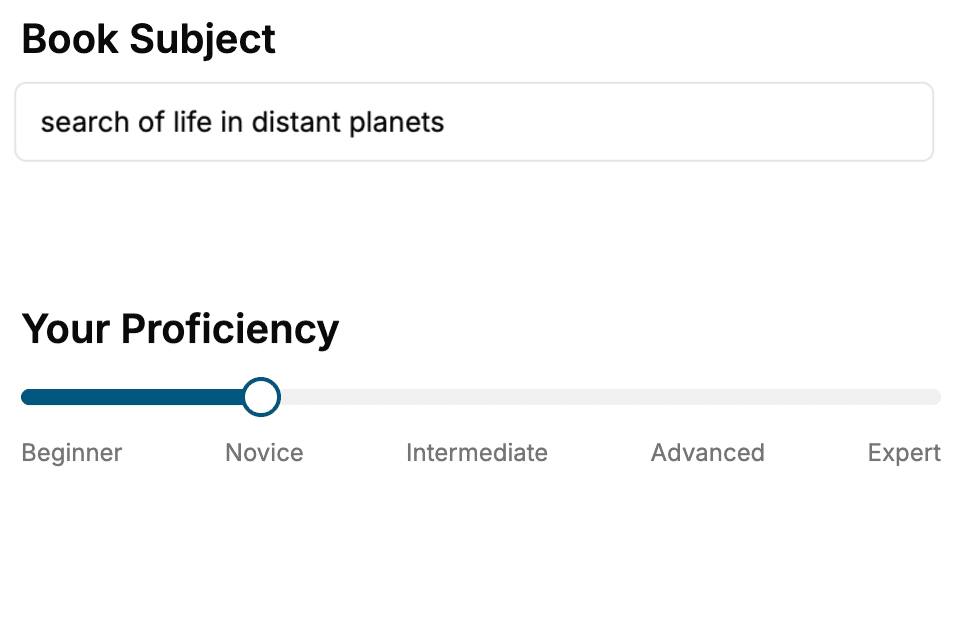
Select the focus of your Movies and Cinema book and share your background
- 2. Personalize your book
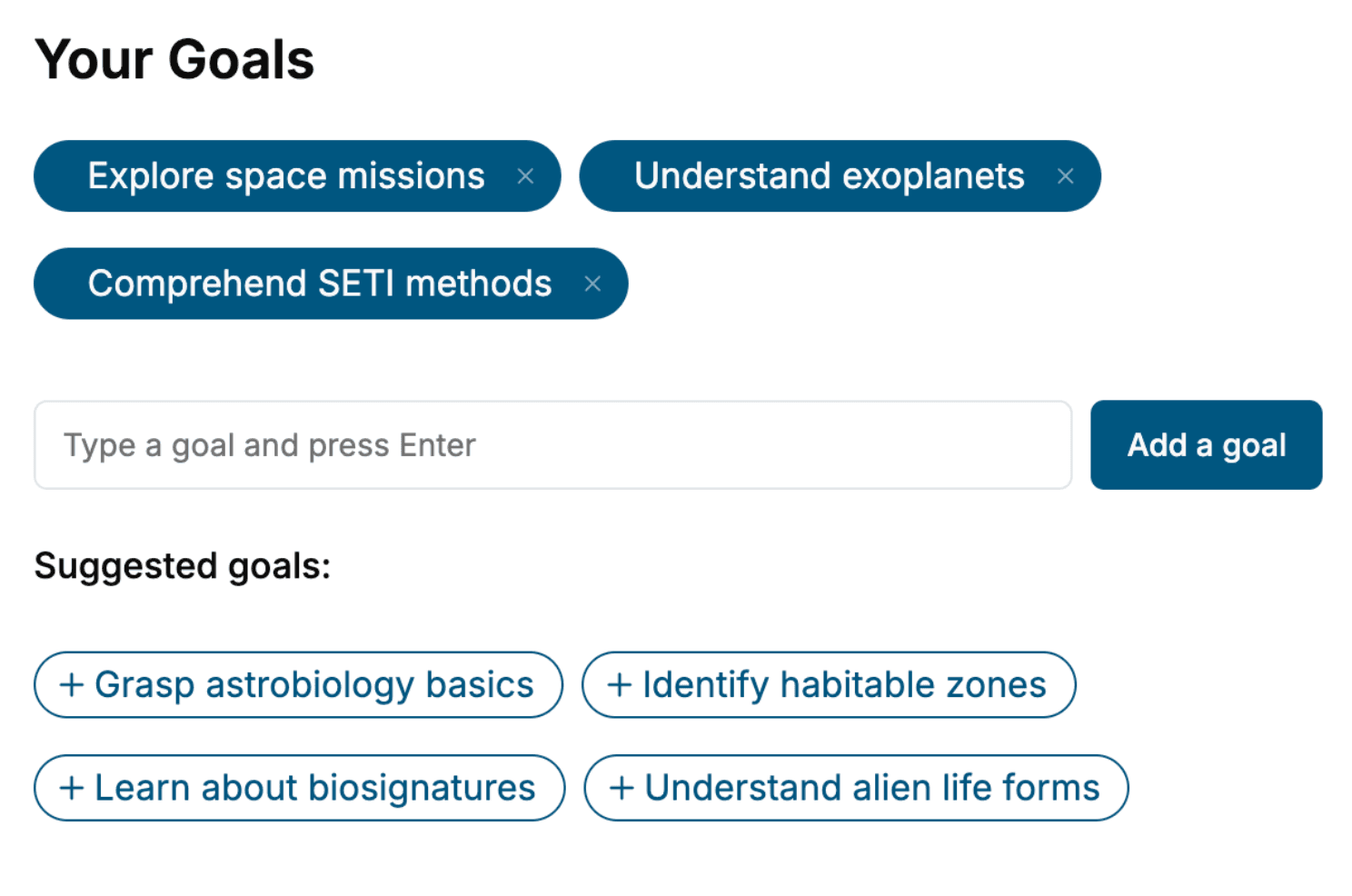
Specify your goals and choose sub-topics to include
- 3. Get your tailored book
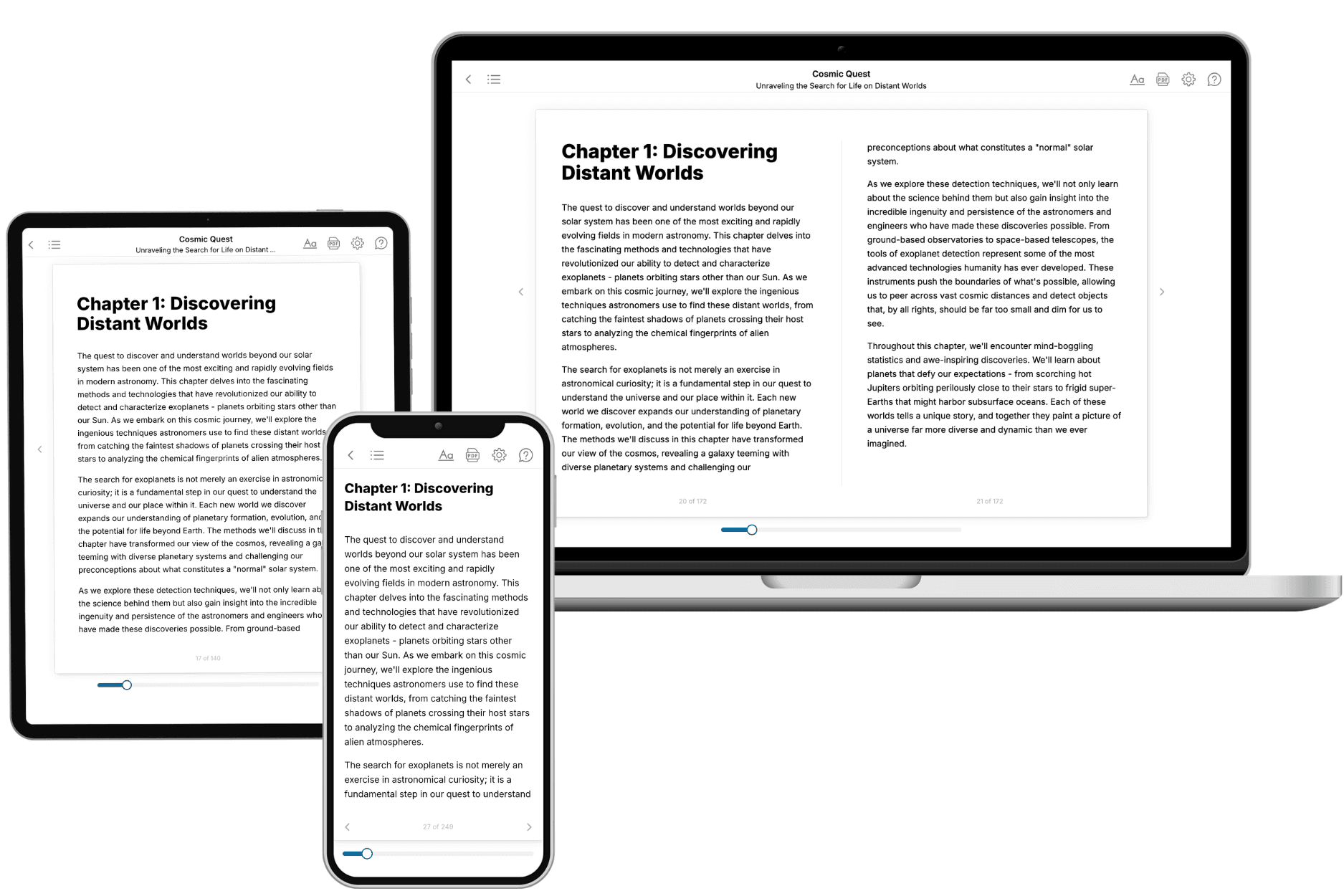
Your book is ready in 10 minutes. Read it online, download as EPUB or PDF, or send to Kindle.
Frequently asked questions
- What is TailoredRead?
TailoredRead creates complete, full-length nonfiction ebooks, written specifically for you. Tell us what you want to learn and why, and TailoredRead writes you a complete ebook on it, with charts, tables, and diagrams throughout. Read it online, on Kindle, or on any e-reader, or download it as a PDF or EPUB. Every book is written fresh the day you order it.
- How is the book tailored to me?
Before anything is written, you answer a few short questions about your goals, your background, and the topics you care about. Your book is then planned around your answers: written at your level, focused on your goals, and covering the topics you chose, instead of the one-size-fits-all book a store sells everyone.
- Will it read like generic AI content?
No. Your book isn't a chat transcript: it's planned chapter by chapter before a single word is written, told in a clear book voice, and explains ideas visually with charts, tables, and diagrams. After writing, every book goes through an editorial pass that polishes chapters so the book reads consistent from start to finish. Judge for yourself: browse thousands of sample books on our Explore Books page.
- How accurate is the content?
Our AI first checks whether your subject needs live research. Niche and fast-moving subjects are researched before writing, and the book plan and chapters are grounded in what it finds. After writing, every book goes through a quality pass that checks its facts and consistency, and researched books list their sources in a Notes section at the back.
- How long is the book?
You choose the length: Comprehensive (250-300 pages), Detailed (150-200 pages), Essential (70-100 pages), or Short (30-50 pages).
- Does the book include visuals?
Yes. Every book includes charts, tables, and diagrams: timelines, checklists, step-by-step guides, decision trees, comparison tables, matrices, and bar charts. A typical book includes dozens of these visual elements.
- Can I read it on Kindle? What formats can I download?
Yes. Every book can be read in our online reader or downloaded as a PDF or EPUB. The EPUB can be opened with Kindle, Apple Books, Kobo, and any e-reader. The Commercial and Author licenses also include an editable Word (DOCX) and Markdown download.
- How much does it cost?
About the price of a regular ebook. The exact price depends on your book's length and complexity, from $2 for the shortest books to $35 for the most comprehensive, and it's shown when you review your book, before you commit to anything. Each book is a one-time purchase, yours to keep, no subscription. Licenses that let you share, teach, or publish your book range from $35.99 to $49.99.
- Can I preview the book before purchasing?
Before you pay, you'll see what your book will cover: the title, a detailed description, the estimated length, and the complete chapter-by-chapter table of contents, so you know what you're getting before you decide. The full text itself is written after you purchase.
- How long does it take to create a book?
About 10 minutes. You can start reading the opening chapters while the rest is still being written.