MIDI Mastery
From Studio to Stage: Harnessing the Power of MIDI for Music Production, Therapy, and Performance
You're standing at the crossroads of music technology and therapeutic innovation, but the complexities of MIDI leave you feeling overwhelmed and unsure where to begin.
207 pages9 chaptersDec 25, 2024MIDI
About this book
The vast potential of this powerful tool seems just out of reach, hindering your ability to fully integrate it into your music production and health-focused work. MIDI Mastery is your comprehensive guide to conquering this essential music technology. This book demystifies the MIDI protocol, walking you through its fundamental concepts and advanced applications. You'll discover how to harness MIDI for enhanced music production, explore its therapeutic potential, and optimize your studio setup for maximum efficiency. From understanding MIDI controllers and sequencing to delving into the intricacies of CC messages and mapping, this book covers it all. You'll learn innovative sound design techniques using MIDI and how to incorporate it into relaxation and therapy sessions. Whether you're looking to streamline your workflow or elevate your live performances, MIDI Mastery provides the knowledge and practical skills you need to succeed. By the time you finish this book, you'll have the confidence and expertise to leverage MIDI technology in ways that will revolutionize your approach to music production, therapy, and live shows. Get ready to unlock a world of creative possibilities and take your music and health initiatives to the next level with MIDI Mastery.
Table of contents
- IntroductionWhat is MIDI?, The Importance of MIDI in Modern Music, What You'll Learn in This BookRead below
- Chapter 1: Understanding MIDI Protocol BasicsA Brief History of MIDI, Types of MIDI Messages, MIDI Channels and Polyphony, MIDI Connections and Interfaces
- Chapter 2: Mastering MIDI ControllersTypes of MIDI Controllers, Working with Keyboard Controllers, Exploring Pad Controllers and Drum Machines, Setting Up and Configuring Your MIDI Controller
- Chapter 3: The Art of MIDI SequencingFundamentals of MIDI Sequencing, MIDI Sequencing in Digital Audio Workstations, Hardware MIDI Sequencers, Advanced Sequencing Techniques
- Chapter 4: Harnessing the Power of MIDI CC MessagesUnderstanding Control Change Messages, Common CC Messages and Their Uses, Automating Parameters with CC Messages
- Chapter 5: MIDI Mapping for Customized ControlPrinciples of MIDI Mapping, Mapping in Software Environments, Mapping Hardware Controllers
- Chapter 6: Creative Sound Design with MIDIMIDI for Synthesizer Programming, Layering and Splitting Sounds, Advanced Modulation Techniques
- Chapter 7: MIDI in Therapeutic ApplicationsIntroduction to MIDI Therapy Techniques, MIDI for Relaxation and Stress Relief, Interactive MIDI Systems for Therapy, Case Studies: MIDI in Health and Wellness
- Chapter 8: Optimizing Your MIDI Studio SetupEssential MIDI Studio Components, Connectivity and Routing in a MIDI Studio, Streamlining Your Workflow with MIDI
- Chapter 9: MIDI in Live PerformanceSetting Up MIDI for Live Shows, Working with MIDI Backing Tracks, Real-time MIDI Control on Stage
- Conclusion
- Glossary of MIDI Terms
- Further Resources
Introduction
Welcome to the world of MIDI, a revolutionary technology that has transformed the landscape of music production, performance, and even therapeutic applications. As you embark on this journey to master MIDI, you're taking a significant step towards enhancing your skills as a music producer, performer, and innovator in the health industry. This introduction will lay the foundation for your exploration of MIDI, providing you with a comprehensive overview of what MIDI is, why it's crucial in modern music, and what you can expect to learn from this book.
Whether you're a seasoned musician looking to deepen your understanding of music technology, or a health professional seeking to integrate innovative tools into your practice, MIDI offers a wealth of possibilities. Its versatility and power make it an indispensable tool in today's music production landscape, while its potential for therapeutic applications opens up exciting new avenues for health and wellness interventions.
Throughout this book, you'll discover how MIDI can streamline your workflow, enhance your creative output, and provide you with unprecedented control over your musical and therapeutic endeavors. From the basics of MIDI protocol to advanced techniques in sound design and live performance, this guide will equip you with the knowledge and skills to harness the full potential of MIDI technology.
So, let's dive in and begin our exploration of MIDI, starting with a fundamental question: What exactly is MIDI?
What is MIDI?
MIDI, which stands for Musical Instrument Digital Interface, is a technical standard that describes a protocol, digital interface, and connectors. It allows a wide variety of electronic musical instruments, computers, and other related devices to connect and communicate with one another. First introduced in 1983, MIDI has since become the universal language of digital music, revolutionizing the way music is created, performed, and produced.
At its core, MIDI is not audio; it's a set of instructions. Think of it as a sophisticated musical shorthand that tells electronic instruments and music software what notes to play, how loud to play them, and with what effects or expression. This distinction is crucial to understanding the power and flexibility of MIDI. Unlike audio recordings, which capture the sound itself, MIDI data captures the performance information, allowing for endless manipulation and refinement after the initial recording.
The beauty of MIDI lies in its simplicity and versatility. A single MIDI cable or connection can carry up to 16 channels of information simultaneously, each capable of controlling a different instrument or sound. This means that with just one MIDI controller, such as a keyboard, you can potentially control an entire orchestra of virtual instruments. The implications for music production are profound, allowing for complex arrangements to be created and edited with unprecedented ease and precision.
MIDI messages contain various types of performance data. These include:
- Note On/Off: Indicates when a note starts and stops
- Velocity: How hard a note is played, affecting volume and often timbre
- Pitch Bend: Allows for smooth transitions between notes
- Control Change (CC) messages: Used to control various parameters like volume, panning, or any assignable effect
- Program Change: Used to switch between different instrument sounds or presets
One of the most powerful aspects of MIDI is its editability. Because MIDI data is separate from the actual sound, you can change any aspect of a performance after it's been recorded. Played a wrong note? Simply move it to the correct pitch. Want to change the instrument sound entirely? No problem – the same MIDI data can be used to trigger any sound you choose. This level of flexibility is unparalleled in the realm of audio recording and is one of the reasons MIDI has remained relevant and essential for nearly four decades.
In recent years, the applications of MIDI have expanded far beyond traditional music production. In the realm of live performance, MIDI allows for complex, synchronized shows incorporating lighting, visuals, and even pyrotechnics. In therapeutic settings, MIDI's precise control over sound parameters enables the creation of customized auditory experiences for relaxation, stress relief, and various forms of music therapy.
The MIDI specification has evolved over the years, with MIDI 2.0 being the latest major update. This new version brings higher resolution, more expressiveness, and better device interoperability, ensuring that MIDI remains at the forefront of music technology for years to come. As you delve deeper into the world of MIDI throughout this book, you'll gain a thorough understanding of how to leverage both classic and cutting-edge MIDI features to enhance your music production and therapeutic practices.
Understanding MIDI is not just about learning a technology; it's about opening up a world of creative possibilities. Whether you're composing, performing, producing, or using music in therapeutic applications, MIDI provides the tools to bring your ideas to life with precision and flexibility. As we progress through this book, you'll discover how to harness these capabilities to their fullest extent, transforming your approach to music and sound.
The Importance of MIDI in Modern Music
In the ever-evolving landscape of music production and performance, MIDI has established itself as an indispensable tool, fundamentally changing the way music is created, recorded, and performed. Its importance in modern music cannot be overstated, as it touches nearly every aspect of the music-making process. From home studios to professional recording environments, from electronic music producers to classical composers, MIDI has become an integral part of the musical workflow.
One of the primary reasons for MIDI's importance is its role in democratizing music production. Before MIDI, creating complex, multi-instrumental compositions required access to expensive studio equipment and live musicians. With MIDI, a single musician can compose and arrange entire orchestras from a home computer. This accessibility has led to an explosion of creativity, allowing artists with limited resources to produce professional-quality music. The barrier to entry for music production has been significantly lowered, fostering a diverse and vibrant music scene[1].
In professional music production, MIDI's importance is evident in its ubiquity. Virtually every Digital Audio Workstation (DAW) uses MIDI as a fundamental part of its functionality. This universal adoption means that skills learned in one environment are transferable to others, creating a standardized language for electronic music creation. For producers and composers, this translates to increased efficiency and creative freedom. Complex arrangements can be quickly sketched out, edited, and refined without the need for multiple takes or the limitations of traditional audio recording.
The non-destructive nature of MIDI editing is another key factor in its importance. Unlike audio recordings, MIDI data can be endlessly manipulated without degrading quality. This allows for a level of experimentation and refinement that was previously impossible. Producers can adjust timing, pitch, velocity, and other parameters long after the initial performance, ensuring that every element of a composition is perfect. This flexibility has led to new approaches in composition and arrangement, where the line between performance and post-production becomes increasingly blurred.
In live performance, MIDI has revolutionized what's possible on stage. Artists can now trigger complex sequences, control lighting and visuals, and manipulate sounds in real-time, all from MIDI-enabled controllers. This has given rise to new forms of live electronic music performance, where a single performer can create immersive, multi-layered experiences that would have required an entire band in the past. The precision and control offered by MIDI have also made it invaluable in theater productions, live television, and other performance contexts where tight synchronization between music, lighting, and visuals is crucial.
The importance of MIDI extends beyond traditional music production into other creative fields. In film and video game scoring, MIDI's ability to synchronize music with visual elements precisely has made it an essential tool. Composers can create and edit complex scores that align perfectly with on-screen action, adjusting and refining their work as the visual elements evolve. This level of integration between music and other media has led to more dynamic and responsive soundtracks, enhancing the overall audience experience.
In the realm of music education, MIDI has become a powerful teaching tool. Its visual representation of music allows students to see the relationships between notes, rhythms, and other musical elements. MIDI-enabled learning software can provide instant feedback on performance, helping students improve their timing, pitch accuracy, and overall musicianship. For teachers, MIDI offers new ways to demonstrate musical concepts and to create customized learning materials.
The therapeutic applications of MIDI represent an exciting frontier in both music and health sciences. The precise control over sound parameters that MIDI affords has opened up new possibilities in music therapy and sound healing. Therapists can create tailored auditory experiences, adjusting elements like tempo, pitch, and timbre in real-time to respond to a patient's needs. This level of customization and interactivity has the potential to enhance the effectiveness of music-based interventions for a wide range of physical and psychological conditions[2].
As technology continues to evolve, MIDI's importance only grows. The recent introduction of MIDI 2.0 brings enhanced resolution, expressiveness, and bidirectional communication between devices. These advancements promise to make MIDI even more central to music creation and performance, offering new levels of nuance and control. The integration of MIDI with other technologies, such as virtual and augmented reality, is opening up entirely new avenues for musical expression and interaction.
In the professional audio industry, MIDI's importance is reflected in its widespread adoption and ongoing development. Major music technology companies continue to invest in MIDI-compatible products, from sophisticated controllers to software plugins. This ongoing commitment ensures that MIDI remains at the cutting edge of music technology, continually adapting to meet the needs of modern musicians and producers.
The networking capabilities of MIDI have also contributed to its importance in collaborative music-making. With MIDI over networks, musicians can collaborate in real-time from different locations, sharing performances and ideas seamlessly. This has become particularly relevant in recent times, as remote collaboration has become more prevalent. MIDI's role in facilitating these connections highlights its importance not just as a technical standard, but as a tool for bringing musicians together and fostering creativity across distances.
In conclusion, MIDI's importance in modern music is multifaceted and profound. It has democratized music production, revolutionized live performance, enhanced music education, and opened up new therapeutic applications. Its flexibility, precision, and universal adoption have made it an indispensable tool for musicians, producers, educators, and therapists alike. As you continue to explore MIDI throughout this book, you'll gain a deeper appreciation for its capabilities and learn how to leverage its power to enhance your own musical and therapeutic endeavors. The skills you develop in working with MIDI will not only improve your technical proficiency but will also expand your creative possibilities, allowing you to push the boundaries of what's possible in music and sound.
What You'll Learn in This Book
As you embark on this journey through "MIDI Mastery: From Studio to Stage," you're about to unlock a wealth of knowledge that will transform your approach to music production, performance, and therapeutic applications. This book is designed to take you from the fundamentals of MIDI to advanced techniques, ensuring that by the end, you'll have a comprehensive understanding of how to harness MIDI's power in various contexts. Let's take a closer look at what you can expect to learn in each chapter.
Chapter 1: Understanding MIDI Protocol Basics This foundational chapter will demystify the MIDI protocol, providing you with a solid understanding of its core concepts. You'll explore the history of MIDI, gaining insight into why it was developed and how it has evolved. The chapter will break down the different types of MIDI messages, explaining how they work and their practical applications. You'll learn about MIDI channels and polyphony, understanding how these concepts allow for complex musical arrangements. Finally, you'll get hands-on knowledge about MIDI connections and interfaces, preparing you for setting up your own MIDI system.
Chapter 2: Mastering MIDI Controllers Here, you'll dive into the world of MIDI controllers, learning about the various types available and how to choose the right one for your needs. You'll gain in-depth knowledge about working with keyboard controllers, exploring features like weighted keys, aftertouch, and pitch/mod wheels. The chapter will also cover pad controllers and drum machines, showing you how to leverage these tools for beat-making and performance. By the end of this chapter, you'll be able to set up and configure any MIDI controller with confidence.
Chapter 3: The Art of MIDI Sequencing This chapter will introduce you to the powerful world of MIDI sequencing. You'll start with the fundamentals, understanding how MIDI sequencing works and why it's so crucial in modern music production. The chapter will guide you through MIDI sequencing in Digital Audio Workstations (DAWs), teaching you techniques for recording, editing, and arranging MIDI data. You'll also explore hardware MIDI sequencers, understanding their unique advantages and how to integrate them into your setup. The chapter concludes with advanced sequencing techniques that will take your productions to the next level.
Chapter 4: Harnessing the Power of MIDI CC Messages Control Change (CC) messages are a key component of MIDI's expressive capabilities, and this chapter will teach you how to master them. You'll learn what CC messages are and how they function, exploring common CC messages and their typical uses. The chapter will then delve into the art of automating parameters with CC messages, showing you how to add depth and movement to your music. By the end, you'll be able to use CC messages to create dynamic, evolving soundscapes.
Chapter 5: MIDI Mapping for Customized Control This chapter is all about tailoring your MIDI setup to your specific needs. You'll learn the principles of MIDI mapping, understanding how to assign MIDI messages to various parameters in your software and hardware. The chapter will cover mapping in software environments, teaching you how to create custom controller layouts in your DAW. You'll also explore hardware mapping, learning how to program your physical controllers for maximum efficiency. These skills will allow you to create a personalized, intuitive setup that enhances your creativity and workflow.
Chapter 6: Creative Sound Design with MIDI Here, you'll discover how to use MIDI for innovative sound design. The chapter starts with MIDI for synthesizer programming, showing you how to craft unique sounds from scratch. You'll learn techniques for layering and splitting sounds, creating rich, complex timbres. The chapter concludes with advanced modulation techniques, teaching you how to use MIDI to create evolving, dynamic sounds that will set your music apart.
Chapter 7: MIDI in Therapeutic Applications This chapter explores the exciting intersection of MIDI technology and therapeutic practices. You'll be introduced to various MIDI therapy techniques, understanding how MIDI can be used in health and wellness contexts. The chapter covers using MIDI for relaxation and stress relief, showing you how to create calming soundscapes. You'll also learn about interactive MIDI systems for therapy, understanding how real-time control can enhance therapeutic outcomes. The chapter includes case studies, providing real-world examples of MIDI's application in health and wellness settings.
Chapter 8: Optimizing Your MIDI Studio Setup This practical chapter will guide you through setting up an efficient MIDI studio. You'll learn about essential MIDI studio components, understanding what equipment you need and why. The chapter covers connectivity and routing in a MIDI studio, teaching you how to create a flexible, powerful setup. You'll also discover techniques for streamlining your workflow with MIDI, learning how to use MIDI to speed up your production process and enhance your creativity.
Chapter 9: MIDI in Live Performance The final chapter focuses on taking your MIDI skills to the stage. You'll learn how to set up MIDI for live shows, understanding the unique challenges and opportunities of live MIDI performance. The chapter covers working with MIDI backing tracks, showing you how to enhance your live sound with pre-programmed elements. You'll also explore real-time MIDI control on stage, learning techniques for dynamic, interactive performances that will captivate your audience.
Throughout the book, you'll find practical exercises, real-world examples, and tips from industry professionals. These will help you apply what you've learned and gain insights from those who use MIDI in professional contexts every day. By the end of this book, you'll have a comprehensive understanding of MIDI technology and how to apply it in various musical and therapeutic contexts.
Remember, mastering MIDI is a journey, not a destination. As you work through this book, take the time to experiment with the concepts you learn. Try out different techniques, push the boundaries of what you think is possible, and most importantly, have fun exploring the vast possibilities that MIDI offers. Whether you're looking to enhance your music production skills, explore new therapeutic techniques, or revolutionize your live performances, this book will provide you with the knowledge and tools you need to succeed.
So, are you ready to dive in and start your journey to MIDI mastery? Let's begin with Chapter 1 and lay the foundation for your MIDI expertise!
This is the end of the free sample. The full book has 9 chapters.
Want this book written for you?
Tell us your goals and background, and get your own version of this book, tailored by AI to you.


Benefits of AI-tailored books
- Read one book, not ten:
- all the MIDI knowledge you need, gathered into a single book.
- Save days of learning:
- tell us your goals, choose your topics, and the whole book is built around them.
- Learn effortlessly:
- MIDI book written for your specific background and expertise.
- Understand at a glance:
- includes charts, tables, timelines, checklists, decision trees, and more.
- Stay current:
- written the day you order it, not years ago.
- Trust what you read:
- every book is checked for accuracy, with real research when your subject needs it.
Create your unique book in 3 steps
- 1. Select your focus
Select the focus of your MIDI book and share your background
- 2. Personalize your book
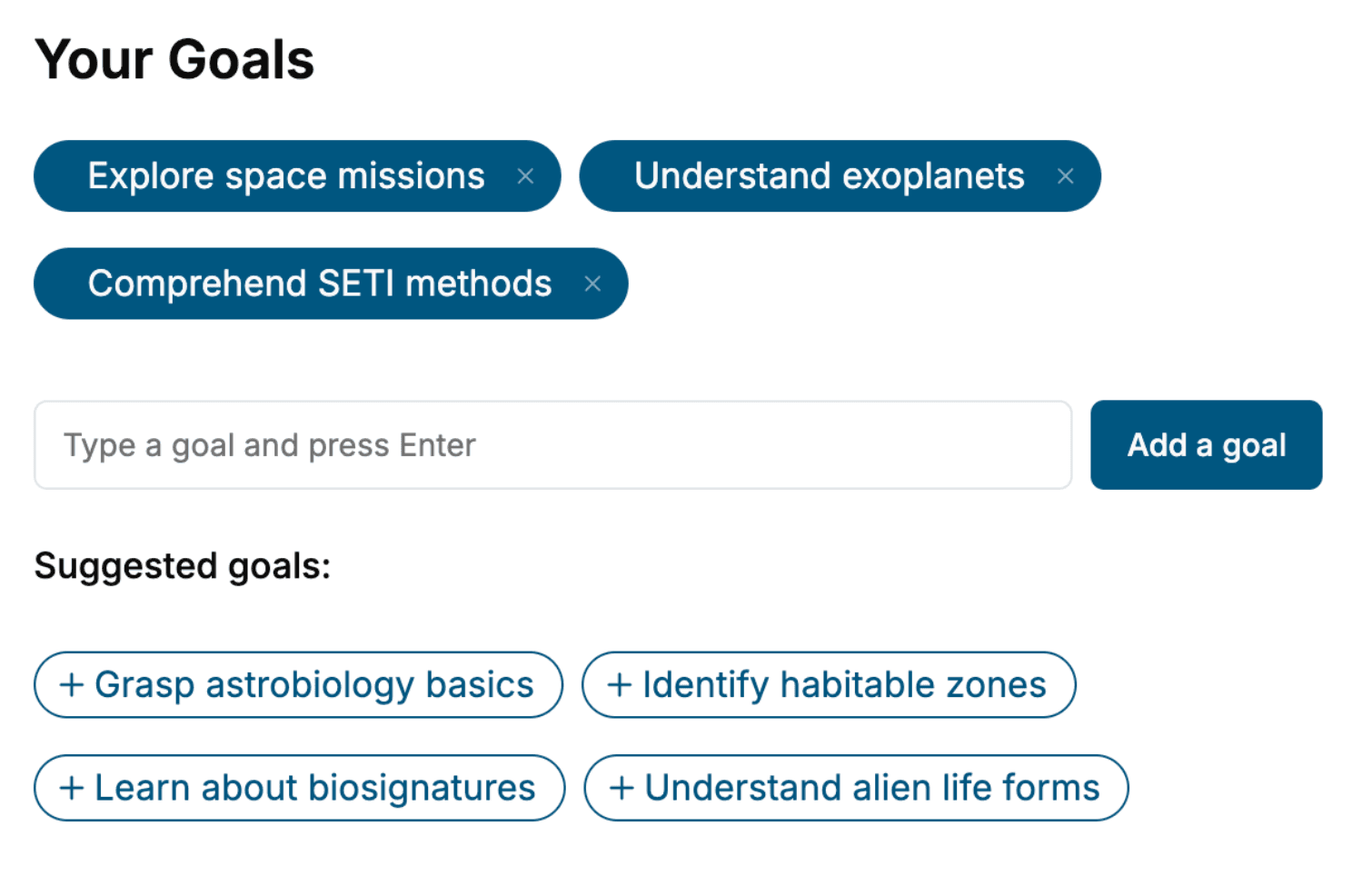
Specify your goals and choose sub-topics to include
- 3. Get your tailored book
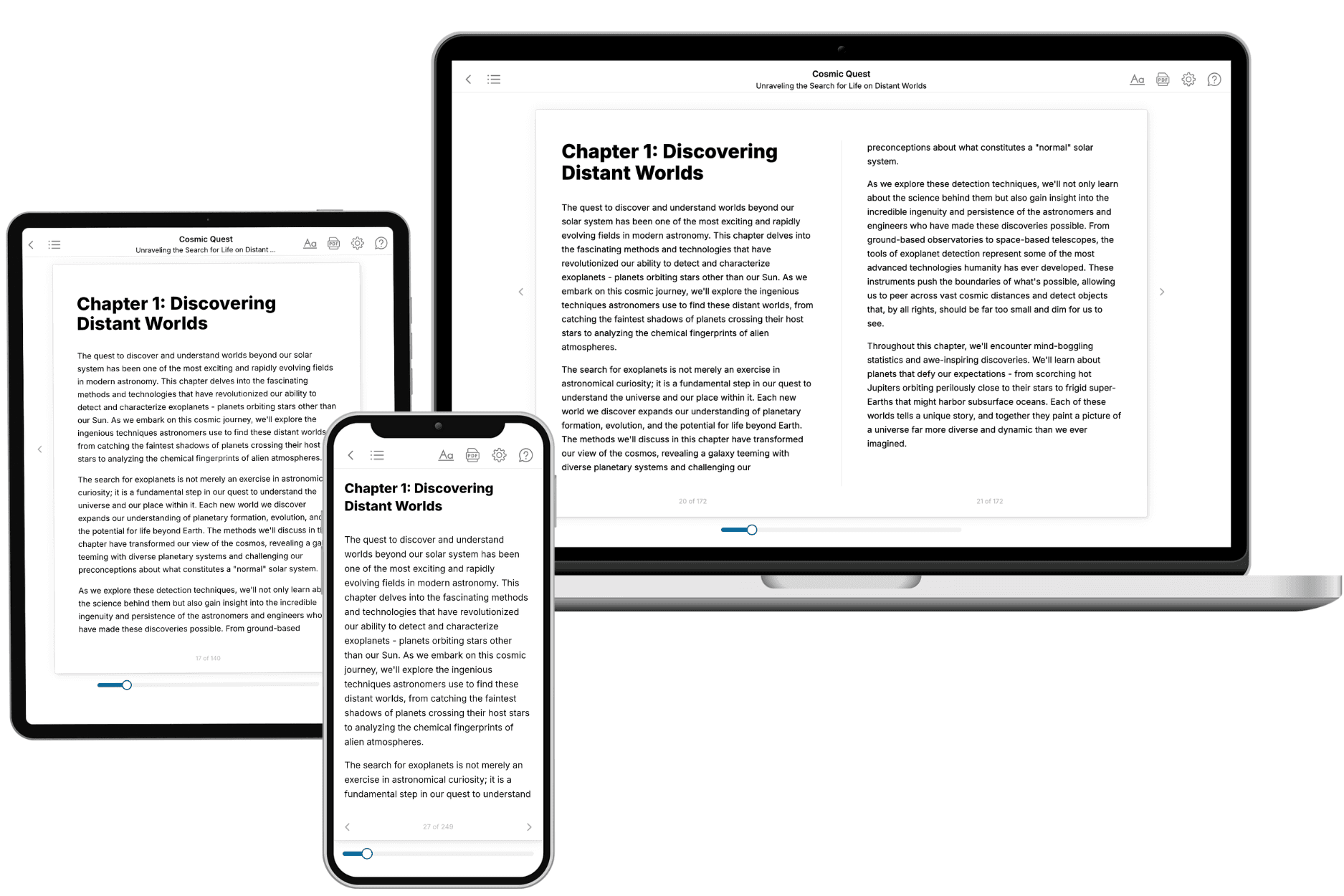
Your book is ready in 10 minutes. Read it online, download as EPUB or PDF, or send to Kindle.

Frequently asked questions
- What is TailoredRead?
TailoredRead creates complete, full-length nonfiction ebooks, written specifically for you. Tell us what you want to learn and why, and TailoredRead writes you a complete ebook on it, with charts, tables, and diagrams throughout. Read it online, on Kindle, or on any e-reader, or download it as a PDF or EPUB. Every book is written fresh the day you order it.
- How is the book tailored to me?
Before anything is written, you answer a few short questions about your goals, your background, and the topics you care about. Your book is then planned around your answers: written at your level, focused on your goals, and covering the topics you chose, instead of the one-size-fits-all book a store sells everyone.
- Will it read like generic AI content?
No. Your book isn't a chat transcript: it's planned chapter by chapter before a single word is written, told in a clear book voice, and explains ideas visually with charts, tables, and diagrams. After writing, every book goes through an editorial pass that polishes chapters so the book reads consistent from start to finish. Judge for yourself: browse thousands of sample books on our Explore Books page.
- How accurate is the content?
Our AI first checks whether your subject needs live research. Niche and fast-moving subjects are researched before writing, and the book plan and chapters are grounded in what it finds. After writing, every book goes through a quality pass that checks its facts and consistency, and researched books list their sources in a Notes section at the back.
- How long is the book?
You choose the length: Comprehensive (250-300 pages), Detailed (150-200 pages), Essential (70-100 pages), or Short (30-50 pages).
- Does the book include visuals?
Yes. Every book includes charts, tables, and diagrams: timelines, checklists, step-by-step guides, decision trees, comparison tables, matrices, and bar charts. A typical book includes dozens of these visual elements.
- Can I read it on Kindle? What formats can I download?
Yes. Every book can be read in our online reader or downloaded as a PDF or EPUB. The EPUB can be opened with Kindle, Apple Books, Kobo, and any e-reader. The Commercial and Author licenses also include an editable Word (DOCX) and Markdown download.
- How much does it cost?
About the price of a regular ebook. The exact price depends on your book's length and complexity, from $2 for the shortest books to $35 for the most comprehensive, and it's shown when you review your book, before you commit to anything. Each book is a one-time purchase, yours to keep, no subscription. Licenses that let you share, teach, or publish your book range from $35.99 to $49.99.
- Can I preview the book before purchasing?
Before you pay, you'll see what your book will cover: the title, a detailed description, the estimated length, and the complete chapter-by-chapter table of contents, so you know what you're getting before you decide. The full text itself is written after you purchase.
- How long does it take to create a book?
About 10 minutes. You can start reading the opening chapters while the rest is still being written.