Moroccan Chicken Mastery
Discover the Secrets of Authentic Tagines, Grills, and Festive Dishes
Elevate your culinary skills and transport your taste buds to the vibrant streets of Marrakech with "Moroccan Chicken Mastery." This comprehensive guide will take you on a flavorful journey through the heart of Moroccan cuisine, focusing on the versatile and beloved chicken dishes that have made this North African country a gastronomic paradise.
269 pages13 chaptersJan 8, 2025Moroccan Cooking
About this book
From the moment you open this book, you'll be immersed in the rich aromas of saffron, cumin, and preserved lemons. You'll learn to create mouthwatering tagines that meld sweet and savory flavors, master the art of grilling perfectly spiced chicken skewers, and discover the secrets behind festive dishes that have graced Moroccan tables for generations. Whether you're a home cook looking to expand your repertoire or a food enthusiast eager to explore new culinary territories, this book will equip you with the knowledge and techniques to bring authentic Moroccan flavors into your kitchen. You'll not only learn to cook like a true Moroccan chef but also gain insights into the cultural significance of each dish, the art of spice blending, and the importance of communal dining in Moroccan tradition. By the time you've cooked your way through these pages, you'll have the confidence to host your own Moroccan feast, impressing your guests with your newfound expertise in this captivating cuisine. Get ready to transform your cooking and dining experience with the magic of Moroccan chicken dishes.
Table of contents
- IntroductionThe Magic of Moroccan Cuisine, The Importance of Chicken in Moroccan Cooking, What to Expect from This Book, The Moroccan Cooking PhilosophyRead below
- Chapter 1: Moroccan Cooking EssentialsEssential Spices and Herbs, Key Ingredients for Moroccan Chicken Dishes, Essential Cookware and Utensils, Stocking Your Moroccan Pantry
- Chapter 2: The Art of Spice BlendingMastering Ras el Hanout, Creating the Perfect Chermoula, Homemade Harissa: Spice Paste Extraordinaire, Balancing Flavors in Moroccan Spice Blends
- Chapter 3: Tagine Cooking BasicsIntroduction to Tagine Cooking, Choosing and Caring for Your Tagine, Essential Tagine Cooking Techniques, Tagine Alternatives for Modern Kitchens
- Chapter 4: Classic Chicken TaginesChicken Tagine with Preserved Lemons and Olives, Chicken Tagine with Apricots and Almonds, Chicken and Seven Vegetable Tagine, Chicken Tagine with Prunes and Honey
- Chapter 5: Regional Chicken Tagine VariationsFez-Style Chicken Tagine with Eggs and Almonds, Marrakech Tangia-Inspired Chicken Tagine, Essaouira Seafood and Chicken Tagine, Berber-Inspired Mountain Herb Chicken Tagine
- Chapter 6: Grilled Moroccan Chicken DishesChermoula-Marinated Grilled Chicken, Spiced Chicken Brochettes (Skewers), Harissa-Glazed Grilled Chicken Wings, Mechoui-Style Roasted Chicken
- Chapter 7: Festive Moroccan Chicken DishesChicken Bastilla: Sweet and Savory Pie, Rfissa: Shredded Chicken with Lentils and Fenugreek, Festive Chicken Couscous, Whole Stuffed Chicken with Almonds and Dates
- Chapter 8: One-Pot Moroccan Chicken MealsOne-Pot Chicken and Rice (Chicken R'fissa), Moroccan Chicken and Chickpea Stew, Chicken and Vermicelli Soup (Sopa de Fideo), Spiced Chicken with Lentils and Vegetables
- Chapter 9: Moroccan Chicken Street Food at HomeHomemade Chicken Shawarma, Spiced Ground Chicken Kebabs, Chicken and Almond Briouats (Pastry Triangles), Moroccan-Style Chicken Sandwich (Djej Mchermel)
- Chapter 10: Modern Twists on Moroccan ChickenMoroccan Chicken Tagine-Inspired Pasta, Moroccan Spiced Chicken Pizza, Moroccan-Mexican Fusion Chicken Tacos, Moroccan Chicken Salad with Preserved Lemon Dressing
- Chapter 11: Sides and AccompanimentsCouscous Variations and Preparations, Traditional Moroccan Vegetable Side Dishes, Moroccan Breads: From Khobz to Msemen, Refreshing Moroccan Salads
- Chapter 12: Desserts and DrinksThe Art of Moroccan Mint Tea, Fruit-Based Moroccan Desserts, Traditional Moroccan Pastries, Refreshing Moroccan Beverages
- Chapter 13: Entertaining Moroccan StylePlanning a Moroccan Feast, Setting the Table: Moroccan Dining Etiquette, The Art of Moroccan Food Presentation, Tips for Hosting a Successful Moroccan Dinner Party
- ConclusionRecapping Your Moroccan Culinary Journey, Continuing Your Exploration of Moroccan Cuisine
- Glossary of Moroccan Culinary Terms
- Resources for Moroccan Ingredients and Cookware
Introduction
Welcome to the vibrant and aromatic world of Moroccan cuisine, where centuries-old traditions blend seamlessly with modern culinary innovations. As you embark on this flavorful journey through the pages of "Moroccan Chicken Mastery," you're about to discover the secrets behind some of the most beloved dishes in North African cooking. This introduction will serve as your gateway to understanding the essence of Moroccan cuisine, the significance of chicken in its culinary landscape, and the philosophy that underpins this rich gastronomic heritage. Prepare to tantalize your taste buds and expand your culinary horizons as we delve into the heart of Moroccan cooking, with a special focus on the versatile and delicious chicken dishes that have made this cuisine famous worldwide.
Throughout this book, you'll find that Moroccan cuisine is not just about following recipes; it's about embracing a way of life that celebrates community, hospitality, and the joy of sharing good food. As you learn to master the art of blending spices, slow-cooking in tagines, and presenting dishes with flair, you'll also gain insights into the cultural context that makes Moroccan food so special. Whether you're an experienced cook looking to expand your repertoire or a curious food enthusiast eager to explore new flavors, this book will guide you through the intricacies of Moroccan chicken dishes, equipping you with the knowledge and skills to create authentic, mouthwatering meals in your own kitchen.
The Magic of Moroccan Cuisine
Moroccan cuisine is a tapestry of flavors, colors, and aromas that reflect the country's rich history and diverse cultural influences. Situated at the crossroads of Africa, Europe, and the Middle East, Morocco has absorbed culinary traditions from Arab, Berber, Moorish, and Mediterranean cultures, resulting in a unique and complex gastronomic identity. This fusion of influences is evident in the intricate balance of spices, the combination of sweet and savory flavors, and the emphasis on fresh, locally sourced ingredients that characterize Moroccan cooking.
At the heart of Moroccan cuisine lies a profound respect for ingredients and a deep understanding of how to coax out their best flavors. The use of spices is both an art and a science in Moroccan cooking, with each blend carefully crafted to enhance the natural taste of the main ingredients without overpowering them. Common spices include cumin, coriander, cinnamon, ginger, and saffron, often combined in complex mixtures like the famous ras el hanout, which can contain up to 30 different spices. These aromatic blends not only add depth and complexity to dishes but also serve medicinal purposes in traditional Moroccan culture, believed to aid digestion and promote overall well-being[1].
Another hallmark of Moroccan cuisine is the use of preserved ingredients, which add intense flavor and allow for year-round enjoyment of seasonal produce. Preserved lemons, for example, are a key component in many Moroccan dishes, imparting a unique tangy and salty flavor that is essential to authentic taste profiles. Olives, both green and black, are also frequently used, adding brininess and texture to stews and tagines. These preserved elements, combined with fresh herbs like cilantro and parsley, create a dynamic interplay of flavors that is distinctly Moroccan.
The cooking techniques employed in Moroccan cuisine are as important as the ingredients themselves. Slow cooking is a fundamental principle, allowing flavors to meld and develop over time. This is particularly evident in the preparation of tagines, the iconic clay pot dishes that share their name with the vessel in which they're cooked. The conical shape of the tagine lid allows steam to circulate, creating a self-basting effect that results in incredibly tender meat and vegetables infused with complex flavors. This method of cooking not only produces delicious results but also reflects the Moroccan value of patience and the belief that good food is worth waiting for.
Moroccan cuisine also places great emphasis on the visual appeal of food. Presentation is considered an art form, with dishes often garnished with colorful vegetables, fresh herbs, and a sprinkle of nuts or seeds. This attention to aesthetics is not merely for show; it reflects the Moroccan belief that a meal should be a feast for all the senses. The vibrant colors of a properly presented Moroccan dish are not only visually appealing but also indicative of the variety of nutrients and flavors present in the meal.
One cannot discuss Moroccan cuisine without mentioning the importance of bread. Khobz, the round Moroccan bread, is a staple at every meal and often serves as both utensil and accompaniment. The tradition of using bread to scoop up food reflects the communal nature of Moroccan dining, where meals are typically shared from a central dish. This practice fosters a sense of togetherness and reinforces the social bonds that are so central to Moroccan culture.
The magic of Moroccan cuisine extends beyond its flavors and techniques to encompass a whole philosophy of eating and living. Meals are seen as opportunities for connection and celebration, with food playing a central role in social gatherings, religious festivals, and everyday life. The act of preparing and sharing a meal is imbued with significance, reflecting values of generosity, hospitality, and community that are deeply ingrained in Moroccan society.
As you delve deeper into the world of Moroccan cooking, you'll discover that it's not just about following recipes, but about embracing a way of life that celebrates the pleasures of good food and good company. The magic of Moroccan cuisine lies in its ability to transport you to the bustling souks of Marrakech, the serene courtyards of Fez, or the windswept beaches of Essaouira with just a single bite. It's a cuisine that tells the story of a nation, its people, and its history, inviting you to become part of that narrative through the dishes you create.
In the chapters that follow, you'll learn how to harness this magic in your own kitchen, focusing on the versatile and beloved chicken dishes that are central to Moroccan cooking. From the slow-cooked tagines that fill the home with enticing aromas to the grilled skewers that sizzle with spice, you'll explore the full spectrum of Moroccan chicken preparations. Along the way, you'll gain not just recipes, but an understanding of the principles and techniques that make Moroccan cuisine so special. Prepare to embark on a culinary adventure that will transform your approach to cooking and deepen your appreciation for the rich tapestry of flavors that Morocco has to offer.
The Importance of Chicken in Moroccan Cooking
Chicken holds a place of honor in Moroccan cuisine, serving as a versatile and beloved protein that features prominently in everyday meals and festive occasions alike. The significance of chicken in Moroccan cooking goes beyond its nutritional value or taste; it is deeply intertwined with cultural traditions, religious practices, and the social fabric of Moroccan society. Understanding the role of chicken in Moroccan cuisine is essential for appreciating the depth and complexity of the dishes you'll be learning to prepare.
Historically, chicken has been a prized ingredient in Moroccan cooking due to its accessibility and adaptability. Unlike beef or lamb, which were often reserved for special occasions or wealthier households, chicken was more commonly available to a broader segment of the population. This accessibility made chicken a staple in Moroccan kitchens, allowing cooks to develop a wide array of dishes that showcase the bird's versatility. From hearty tagines to delicate pastries, chicken is transformed through various cooking techniques and spice combinations to create a diverse range of flavors and textures[2].
In Moroccan culture, the act of serving chicken to guests is considered a gesture of hospitality and respect. A whole roasted chicken, beautifully presented and fragrant with spices, is often the centerpiece of a meal prepared for honored visitors. This tradition reflects the Moroccan value of generosity and the importance placed on welcoming guests with the best offerings from one's kitchen. The preparation and sharing of chicken dishes thus become a means of strengthening social bonds and expressing cultural identity.
The versatility of chicken in Moroccan cuisine is truly remarkable. It adapts well to the slow-cooking methods favored in traditional tagines, where it absorbs the complex flavors of spices and preserved fruits. In these dishes, chicken is often paired with ingredients like preserved lemons, olives, apricots, or prunes, creating a harmonious balance of savory and sweet flavors that is characteristic of Moroccan cooking. The tender meat, infused with the essence of aromatic spices and slow-cooked to perfection, exemplifies the patience and care that are hallmarks of Moroccan culinary tradition.
Chicken also lends itself beautifully to grilling, a cooking method that showcases another aspect of Moroccan flavor profiles. Marinated in herb-rich chermoula or spicy harissa, grilled chicken dishes like brochettes (skewers) offer a taste of Moroccan street food and casual dining. These preparations highlight the influence of Berber culinary traditions, which emphasize the use of fresh herbs and open-fire cooking methods.
In festive Moroccan cuisine, chicken plays a starring role in elaborate dishes that are reserved for special occasions. The iconic bastilla, a sweet and savory pie encased in delicate layers of phyllo dough, traditionally features pigeon but is now more commonly made with chicken. This dish, with its combination of spiced meat, almonds, and cinnamon-dusted pastry, epitomizes the complexity and refinement of Moroccan gastronomy. Similarly, the whole stuffed chicken served during celebrations is a testament to the importance of poultry in Moroccan festive traditions.
From a nutritional standpoint, chicken aligns well with the principles of a healthy Mediterranean diet, which forms the basis of much Moroccan cooking. Lean and protein-rich, chicken provides a nutritious foundation for meals that are typically abundant in vegetables, fruits, and whole grains. The combination of chicken with a variety of plant-based ingredients in Moroccan dishes creates well-balanced meals that are both satisfying and nourishing.
The importance of chicken in Moroccan cooking also extends to its role in traditional medicine and dietary practices. In Moroccan culture, certain chicken-based dishes are believed to have healing properties. For example, chicken soup, often enhanced with medicinal herbs and spices, is considered a remedy for various ailments and is commonly served to those recovering from illness. This intersection of culinary and medicinal traditions underscores the holistic approach to food and well-being in Moroccan culture.
As you explore the chicken dishes presented in this book, you'll gain an appreciation for the myriad ways in which Moroccan cooks have elevated this humble bird to culinary heights. From the simplest home-cooked meals to the most elaborate feast dishes, chicken serves as a canvas for the rich palette of Moroccan flavors and cooking techniques. By mastering these dishes, you'll not only expand your culinary repertoire but also gain insight into the cultural significance of food in Moroccan society.
Throughout the following chapters, you'll discover how to select the best chicken for Moroccan cooking, learn techniques for achieving the perfect texture and flavor, and explore the various ways chicken is paired with other ingredients to create memorable meals. Whether you're slow-cooking a fragrant tagine, grilling spice-rubbed skewers, or crafting a delicate bastilla, you'll be participating in a culinary tradition that has been passed down through generations of Moroccan cooks. Embrace the importance of chicken in Moroccan cuisine, and let it be your guide to creating authentic, delicious dishes that capture the essence of this rich culinary heritage.
What to Expect from This Book
"Moroccan Chicken Mastery" is designed to be your comprehensive guide to exploring and mastering the art of Moroccan chicken cuisine. This book is crafted to take you on a culinary journey that goes beyond mere recipe collection, offering a deep dive into the techniques, flavors, and cultural context that make Moroccan chicken dishes so special. As you progress through the chapters, you'll find yourself not just learning new recipes, but developing a profound understanding of Moroccan culinary principles that will enhance your overall cooking skills.
The book is structured to provide a logical progression from foundational knowledge to advanced techniques, ensuring that both novice cooks and experienced chefs will find value in its pages. Here's an overview of what you can expect to discover:
1. Foundational Knowledge: The early chapters will introduce you to the essential spices, ingredients, and equipment that form the backbone of Moroccan cooking. You'll learn about the key flavor profiles that define Moroccan cuisine and how to stock your pantry with authentic ingredients. This section will also cover the cultural and historical context of Moroccan food, helping you appreciate the stories behind the dishes you'll be creating.
2. Spice Blending Mastery: A crucial aspect of Moroccan cooking is the art of spice blending. You'll learn how to create iconic spice mixtures like ras el hanout and chermoula from scratch, understanding the role of each component and how to balance flavors. This knowledge will empower you to customize blends to your taste and even create your own signature mixes.
3. Cooking Techniques: The book will guide you through various cooking methods essential to Moroccan cuisine, with a focus on chicken preparation. You'll master the art of tagine cooking, learning how to achieve the perfect tender and flavorful results. Grilling techniques for succulent skewers and whole chickens will be covered in detail, as well as methods for creating crispy pastries and slow-cooked stews.
4. Recipe Repertoire: At the heart of the book is a diverse collection of chicken recipes that span the spectrum of Moroccan cuisine. From classic tagines and grilled dishes to festive preparations and street food favorites, you'll build a comprehensive repertoire of dishes. Each recipe is accompanied by detailed instructions, tips for success, and suggestions for variations to suit different tastes and dietary needs.
5. Cultural Insights: Throughout the book, you'll find sidebars and anecdotes that provide cultural context for the dishes you're preparing. These insights will deepen your appreciation for Moroccan culinary traditions and help you understand the role of food in Moroccan society.
6. Practical Tips and Troubleshooting: Recognizing that working with new ingredients and techniques can be challenging, the book includes practical tips and troubleshooting guides. You'll learn how to avoid common pitfalls, substitute ingredients when necessary, and adapt recipes to your kitchen equipment.
7. Presentation and Serving Suggestions: Moroccan cuisine places great emphasis on presentation. You'll discover traditional and modern plating techniques, garnishing ideas, and suggestions for creating a complete Moroccan meal experience, including appropriate side dishes and beverages.
8. Skill-Building Exercises: Interspersed throughout the book are skill-building exercises designed to hone specific techniques. These hands-on activities will help you practice crucial skills like spice toasting, preserved lemon making, and proper tagine use.
9. Menu Planning and Entertaining: For those looking to share their newfound skills with others, the book includes guidance on planning Moroccan-themed meals and dinner parties. You'll learn how to create balanced menus, time your cooking for multiple dishes, and incorporate Moroccan hospitality traditions into your entertaining.
10. Resource Guide: The final section of the book provides a comprehensive resource guide, including a glossary of Moroccan culinary terms, suggestions for sourcing authentic ingredients, and recommendations for further reading and exploration of Moroccan cuisine.
As you work your way through "Moroccan Chicken Mastery," you'll find that each chapter builds upon the knowledge and skills developed in previous sections. The goal is not just to teach you how to cook specific dishes, but to instill in you a deep understanding of Moroccan culinary principles. By the time you reach the end of the book, you'll have the confidence to improvise, create your own variations, and truly make Moroccan chicken cuisine your own.
Whether you're cooking for yourself, your family, or hosting a grand Moroccan feast, this book will serve as your trusted companion in the kitchen. Prepare to embark on a flavorful adventure that will transform your approach to cooking and open up a world of new culinary possibilities. Welcome to the vibrant, aromatic, and delicious world of Moroccan chicken mastery!
The Moroccan Cooking Philosophy
At the heart of Moroccan cuisine lies a profound cooking philosophy that goes beyond mere recipe execution. This philosophy is deeply rooted in cultural values, historical influences, and a holistic approach to food and well-being. Understanding this underlying philosophy is crucial for anyone seeking to master Moroccan cooking, as it informs every aspect of food preparation, from ingredient selection to serving practices. As you delve into the world of Moroccan chicken dishes, embracing this philosophy will elevate your cooking from simple meal preparation to an art form that nourishes both body and soul.
Central to the Moroccan cooking philosophy is the concept of balance. This balance is not just about flavors, though that is certainly a key component, but extends to textures, colors, and even the nutritional aspects of a meal. Moroccan cooks strive to create dishes that harmonize sweet and savory, soft and crunchy, rich and light elements. This principle is evident in classic combinations like the pairing of tender chicken with crisp almonds, or the inclusion of sweet dried fruits in savory tagines. The goal is to create a sensory experience that is complex and satisfying, engaging all aspects of taste and texture[3].
Another fundamental aspect of Moroccan cooking philosophy is the emphasis on freshness and quality of ingredients. Moroccan cooks traditionally shop daily for the freshest produce, herbs, and meats available. This practice not only ensures the best flavor but also connects the cook to the seasonal rhythms of food production. When applying this principle to chicken dishes, it means selecting the highest quality poultry and complementing it with seasonal vegetables and fruits. The philosophy teaches that no amount of spice or technique can compensate for subpar ingredients, making the selection process as important as the cooking itself.
The use of spices in Moroccan cooking is guided by a philosophy that views them not just as flavor enhancers, but as elements with profound effects on health and well-being. Each spice is chosen not only for its taste but for its perceived medicinal or health-promoting properties. For example, cumin is believed to aid digestion, while cinnamon is thought to have warming properties. This holistic approach to spice use reflects a broader Moroccan view of food as medicine, where the act of cooking is seen as a way to promote health and prevent illness.
Patience and attention to detail are revered virtues in Moroccan cooking philosophy. Many traditional dishes require long, slow cooking processes that allow flavors to develop and meld over time. This approach is particularly evident in the preparation of tagines, where meats and vegetables are gently simmered for hours. The philosophy teaches that rushing the cooking process is detrimental not just to the flavor of the dish, but to the spiritual aspect of food preparation. Cooking is seen as a meditative act, an opportunity for the cook to infuse the food with care and positive energy.
Communal dining and hospitality are integral to the Moroccan cooking philosophy. Food is viewed not just as sustenance, but as a means of bringing people together and strengthening social bonds. This is reflected in the way dishes are typically served from a central plate, encouraging sharing and interaction among diners. When preparing Moroccan chicken dishes, consider how they will be shared and enjoyed communally, as this aspect of the dining experience is as important as the taste of the food itself.
Resourcefulness and adaptability are also key components of the Moroccan cooking philosophy. Historically, Moroccan cooks have excelled at making delicious meals from humble ingredients, a skill born out of necessity in times of scarcity. This principle encourages creativity in the kitchen, teaching cooks to work with what is available and to find innovative ways to enhance flavors. When applied to chicken dishes, this might mean using every part of the bird efficiently or finding creative substitutes for traditional ingredients when they're not available.
The Moroccan approach to cooking also emphasizes the importance of passing down culinary knowledge through generations. Recipes and techniques are often taught orally, from mother to daughter or father to son, with each generation adding its own interpretations while respecting traditional methods. This philosophy values the wisdom of experience and encourages cooks to learn by doing, often without strict measurements or written recipes. As you explore Moroccan chicken dishes, embrace this spirit of learning through practice and observation.
Aesthetics play a significant role in Moroccan cooking philosophy. The visual appeal of a dish is considered almost as important as its taste. This is reflected in the careful arrangement of ingredients, the use of colorful garnishes, and the selection of beautiful serving dishes. The philosophy teaches that eating begins with the eyes, and a visually appealing presentation enhances the overall enjoyment of the meal. When preparing Moroccan chicken dishes, consider how you can make them visually striking as well as delicious.
Finally, the Moroccan cooking philosophy embraces the concept of "baraka," which can be loosely translated as blessing or positive energy. Cooks are encouraged to approach food preparation with a positive mindset, believing that their energy and intentions will be transferred to the food and, by extension, to those who eat it. This spiritual aspect of cooking underscores the reverence with which food is treated in Moroccan culture.
As you embark on your journey to master Moroccan chicken dishes, keep these philosophical principles in mind. They will guide you towards a deeper understanding and appreciation of the cuisine, helping you to create not just authentic-tasting dishes, but meals that embody the spirit and culture of Morocco. By embracing this holistic approach to cooking, you'll find that preparing Moroccan food becomes more than just a culinary exercise—it becomes a rich, rewarding experience that nourishes both body and soul.
This is the end of the free sample. The full book has 13 chapters.
Want this book written for you?
Tell us your goals and background, and get your own version of this book, tailored by AI to you.


Benefits of AI-tailored books
- Read one book, not ten:
- all the Moroccan Cooking knowledge you need, gathered into a single book.
- Save days of learning:
- tell us your goals, choose your topics, and the whole book is built around them.
- Learn effortlessly:
- Moroccan Cooking book written for your specific background and expertise.
- Understand at a glance:
- includes charts, tables, timelines, checklists, decision trees, and more.
- Stay current:
- written the day you order it, not years ago.
- Trust what you read:
- every book is checked for accuracy, with real research when your subject needs it.
Create your unique book in 3 steps
- 1. Select your focus
Select the focus of your Moroccan Cooking book and share your background
- 2. Personalize your book
Specify your goals and choose sub-topics to include
- 3. Get your tailored book
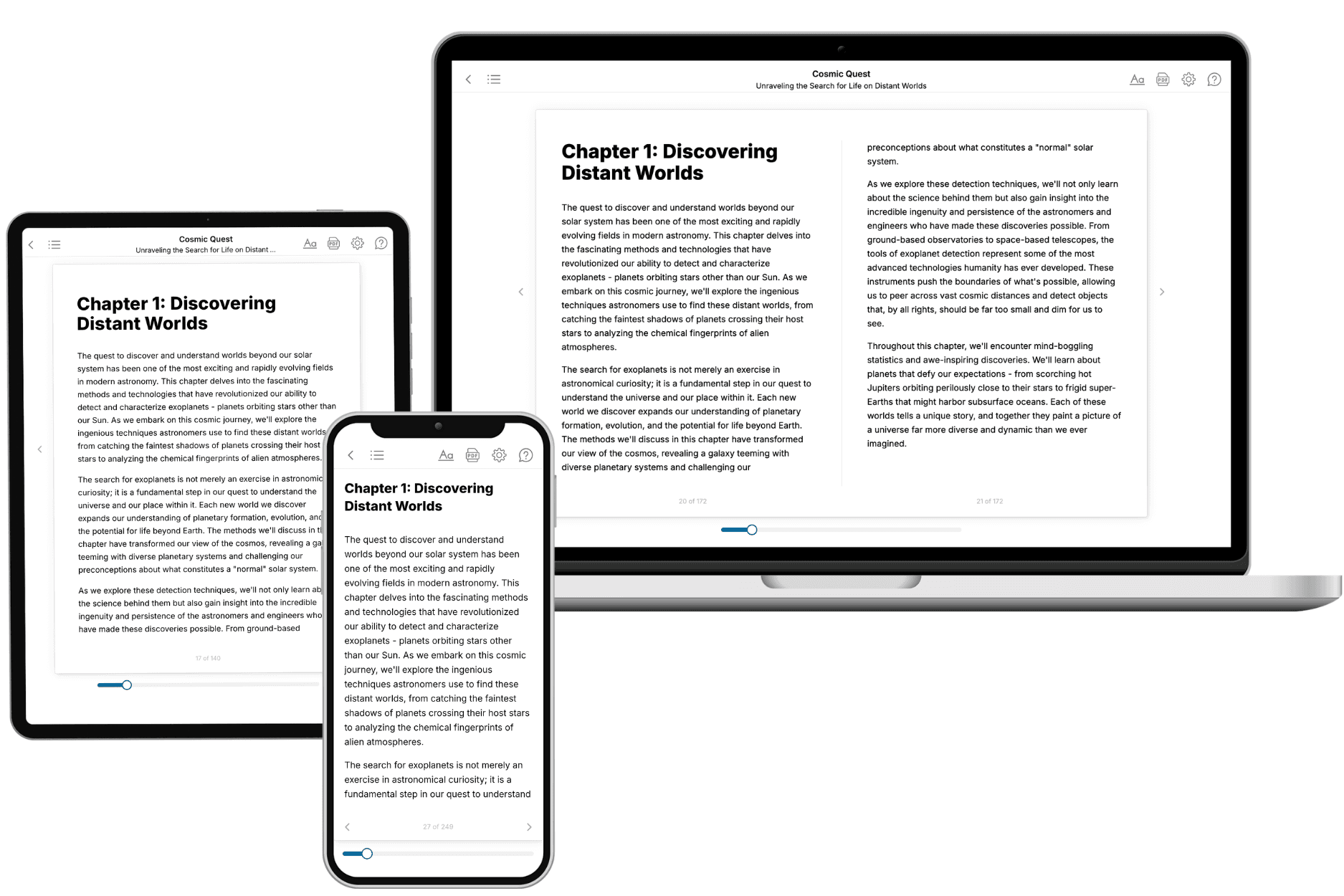
Your book is ready in 10 minutes. Read it online, download as EPUB or PDF, or send to Kindle.

Frequently asked questions
- What is TailoredRead?
TailoredRead creates complete, full-length nonfiction ebooks, written specifically for you. Tell us what you want to learn and why, and TailoredRead writes you a complete ebook on it, with charts, tables, and diagrams throughout. Read it online, on Kindle, or on any e-reader, or download it as a PDF or EPUB. Every book is written fresh the day you order it.
- How is the book tailored to me?
Before anything is written, you answer a few short questions about your goals, your background, and the topics you care about. Your book is then planned around your answers: written at your level, focused on your goals, and covering the topics you chose, instead of the one-size-fits-all book a store sells everyone.
- Will it read like generic AI content?
No. Your book isn't a chat transcript: it's planned chapter by chapter before a single word is written, told in a clear book voice, and explains ideas visually with charts, tables, and diagrams. After writing, every book goes through an editorial pass that polishes chapters so the book reads consistent from start to finish. Judge for yourself: browse thousands of sample books on our Explore Books page.
- How accurate is the content?
Our AI first checks whether your subject needs live research. Niche and fast-moving subjects are researched before writing, and the book plan and chapters are grounded in what it finds. After writing, every book goes through a quality pass that checks its facts and consistency, and researched books list their sources in a Notes section at the back.
- How long is the book?
You choose the length: Comprehensive (250-300 pages), Detailed (150-200 pages), Essential (70-100 pages), or Short (30-50 pages).
- Does the book include visuals?
Yes. Every book includes charts, tables, and diagrams: timelines, checklists, step-by-step guides, decision trees, comparison tables, matrices, and bar charts. A typical book includes dozens of these visual elements.
- Can I read it on Kindle? What formats can I download?
Yes. Every book can be read in our online reader or downloaded as a PDF or EPUB. The EPUB can be opened with Kindle, Apple Books, Kobo, and any e-reader. The Commercial and Author licenses also include an editable Word (DOCX) and Markdown download.
- How much does it cost?
About the price of a regular ebook. The exact price depends on your book's length and complexity, from $2 for the shortest books to $35 for the most comprehensive, and it's shown when you review your book, before you commit to anything. Each book is a one-time purchase, yours to keep, no subscription. Licenses that let you share, teach, or publish your book range from $35.99 to $49.99.
- Can I preview the book before purchasing?
Before you pay, you'll see what your book will cover: the title, a detailed description, the estimated length, and the complete chapter-by-chapter table of contents, so you know what you're getting before you decide. The full text itself is written after you purchase.
- How long does it take to create a book?
About 10 minutes. You can start reading the opening chapters while the rest is still being written.