Moroccan Lamb Mastery
Unlock the Secrets of Authentic Tagines, Grills, and Festive Dishes
The enticing aroma of exotic spices fills your kitchen, but your attempts at recreating authentic Moroccan lamb dishes have fallen short.
284 pages14 chaptersEnglishFeb 3, 2025Moroccan Cooking
About this book
You've tried following recipes, but something always seems to be missing. The rich, complex flavors of a true Moroccan tagine continue to elude you, leaving you frustrated and wondering if you'll ever master this captivating cuisine. "Moroccan Lamb Mastery" is your ultimate guide to conquering the art of Moroccan lamb cookery. This comprehensive cookbook takes you on a culinary journey through the heart of Morocco, unveiling the secrets behind its most beloved lamb dishes. From succulent tagines to perfectly grilled kebabs, you'll learn the techniques and flavor combinations that make Moroccan cuisine truly special. Discover the essential spices and ingredients that form the backbone of Moroccan cooking, and learn how to blend them to create the perfect balance of flavors. Master the art of slow-cooking in a traditional tagine, and explore the various regional styles of lamb preparation. With step-by-step instructions and insider tips, you'll soon be creating restaurant-quality Moroccan lamb dishes in your own kitchen, impressing family and friends with your newfound culinary skills.
Table of contents
- IntroductionThe Magic of Moroccan Cuisine, The Significance of Lamb in Moroccan Culture, What You'll Learn in This Book, Essential Equipment for Moroccan CookingRead below
- Chapter 1: Selecting and Preparing LambUnderstanding Lamb Cuts, Identifying Quality Lamb, Halal Considerations, Basic Butchering Techniques
- Chapter 2: The Moroccan Spice PantryEssential Moroccan Spices, Creating Authentic Spice Blends, Mastering Ras el Hanout, Proper Spice Storage and Maintenance
- Chapter 3: Mastering the TagineIntroduction to Tagine Cooking, Caring for Your Tagine, Essential Tagine Techniques, Tagine Alternatives for Modern Kitchens
- Chapter 4: Classic Lamb TaginesLamb Tagine with Prunes and Almonds, Apricot and Honey Lamb Tagine, Seven Vegetable Lamb Tagine, Lamb Tagine with Preserved Lemons and Olives
- Chapter 5: Grilled Lamb DelightsMechoui: Whole Roasted Lamb, Spiced Lamb Kebabs, Kefta: Moroccan Lamb Meatballs, Grilled Lamb Chops with Chermoula
- Chapter 6: Festive Lamb DishesMrouzia: Sweet and Spicy Lamb, Rfissa: Shredded Lamb with Lentils, Lamb Pastilla, Couscous with Lamb and Tfaya
- Chapter 7: Regional Lamb SpecialtiesFez: Lamb with Caramelized Pears, Marrakech: Tangia Marrakchia, Essaouira: Lamb and Fish Tagine, Berber Lamb Dishes
- Chapter 8: Moroccan Lamb in the Slow CookerAdapting Tagine Recipes for Slow Cookers, Slow Cooker Harira Soup with Lamb, Moroccan Pulled Lamb, Slow-Cooked Lamb Shanks with Dates
- Chapter 9: Balancing Flavors in Moroccan Lamb DishesThe Art of Sweet and Savory, Pairing Fruits with Lamb, Layering Spices for Depth, Using Acidity to Balance Richness
- Chapter 10: Preserved Lemons, Olives, and Other EssentialsMaking and Using Preserved Lemons, Moroccan Olive Varieties and Their Uses, Harissa: The Fiery Condiment, Other Homemade Preserves for Lamb Dishes
- Chapter 11: Accompaniments and Side DishesCouscous Variations, Vegetable Side Dishes, Moroccan Breads, Fresh Moroccan Salads
- Chapter 12: Beverages to Complement Lamb DishesThe Art of Moroccan Mint Tea, Traditional Fruit Juices, Spiced Non-Alcoholic Beverages, Pairing Suggestions for Each Dish
- Chapter 13: Modern Twists on Moroccan LambMoroccan-Inspired Fusion Dishes, Quick Weeknight Moroccan Lamb Recipes, Health-Conscious Adaptations, Vegetarian 'Lamb' Alternatives
- Chapter 14: Sustainable and Ethical Lamb SourcingSupporting Local Farms, Understanding Organic Lamb, Ethical Farming Practices, Nose-to-Tail Cooking Philosophy
- ConclusionReflecting on Your Culinary Journey, Continuing Your Moroccan Cooking Education
- Glossary of Moroccan Culinary Terms
- Resources for Moroccan Ingredients and Equipment
Introduction
Welcome to the captivating world of Moroccan lamb cuisine. As you embark on this culinary journey, you'll discover the rich tapestry of flavors, aromas, and traditions that make Moroccan cooking truly unique. This introduction will set the stage for your exploration, providing you with a solid foundation in the essentials of Moroccan cuisine, the cultural significance of lamb, and the tools you'll need to create authentic dishes in your own kitchen. By the end of this chapter, you'll be equipped with the knowledge and inspiration to dive deep into the art of Moroccan lamb mastery.
The Magic of Moroccan Cuisine
Moroccan cuisine is a vibrant tapestry woven from centuries of cultural influences, blending Berber, Arab, Andalusian, and Mediterranean flavors into a unique and captivating culinary tradition. At the heart of this cuisine lies a harmonious balance of sweet and savory, a masterful use of spices, and a deep appreciation for fresh, high-quality ingredients. The magic of Moroccan cooking lies not just in its flavors, but in its ability to bring people together, to tell stories of tradition and heritage, and to create memorable experiences around the dining table.
One of the most distinctive features of Moroccan cuisine is its use of spices. The aromatic blend of cumin, coriander, cinnamon, ginger, and saffron creates a symphony of flavors that dance on the palate. These spices are not just used for taste, but also for their medicinal properties, reflecting the holistic approach to food and health in Moroccan culture. The careful layering of these spices is an art form in itself, one that you'll learn to master as you progress through this book.
Another hallmark of Moroccan cooking is the tagine, a conical clay pot that gives its name to a whole category of slow-cooked stews. The unique shape of the tagine allows for efficient steam circulation, resulting in tender, flavorful meats and vegetables. This cooking method is particularly well-suited to lamb, allowing the meat to become meltingly tender while absorbing the complex flavors of the spices and other ingredients. The tagine is not just a cooking vessel; it's a symbol of Moroccan hospitality and the communal nature of dining.
Moroccan cuisine also celebrates the bounty of the land, incorporating a wide variety of fruits, vegetables, and nuts into savory dishes. This interplay of sweet and savory is a defining characteristic of Moroccan cooking, exemplified in dishes like lamb tagine with apricots and almonds. The use of preserved lemons, olives, and harissa (a spicy chili paste) adds depth and complexity to many dishes, creating layers of flavor that unfold with each bite.
The influence of Morocco's geography is evident in its cuisine. With a long coastline, mountain ranges, and desert regions, Morocco's diverse landscape contributes to a rich variety of regional specialties. From the seafood-infused dishes of coastal cities to the hearty, meat-based fare of the interior, each region has its own unique culinary identity. As you explore the recipes in this book, you'll get a taste of this regional diversity and gain an appreciation for the way Moroccan cooks adapt their techniques to local ingredients and traditions.
Moroccan cuisine is also deeply rooted in social and cultural traditions. Meals are often elaborate affairs, with multiple courses served family-style. The act of eating is seen as a social event, a time for family and friends to come together and share not just food, but conversation and companionship. This emphasis on hospitality and generosity is reflected in the abundance and care with which Moroccan dishes are prepared and presented.
As you delve deeper into Moroccan cooking, you'll discover that it's more than just a way of preparing food; it's a philosophy that embraces life's pleasures, honors tradition, and celebrates the joy of sharing. The magic of Moroccan cuisine lies in its ability to transport you to bustling souks, serene riads, and warm family gatherings with every bite. It's a cuisine that engages all the senses, from the visual appeal of colorful spices and beautifully arranged dishes to the enticing aromas that fill the kitchen during cooking.
Throughout this book, you'll learn not just recipes, but the principles and techniques that underpin Moroccan cooking. You'll gain an understanding of flavor combinations, cooking methods, and the cultural context that makes Moroccan cuisine so special. By mastering these elements, you'll be able to create authentic Moroccan dishes and even develop your own variations, infusing your cooking with the spirit of Moroccan culinary tradition.
As you begin this journey into the world of Moroccan lamb cuisine, approach it with an open mind and a sense of adventure. Allow yourself to be immersed in the flavors, techniques, and stories behind each dish. With practice and patience, you'll soon find yourself creating meals that not only taste authentically Moroccan but also carry the warmth and hospitality that are hallmarks of this beloved cuisine. The magic of Moroccan cooking awaits you – let's begin the adventure.
The Significance of Lamb in Moroccan Culture
Lamb holds a place of paramount importance in Moroccan cuisine and culture, transcending mere culinary preference to become a symbol of hospitality, celebration, and tradition. The significance of lamb in Morocco is deeply rooted in the country's history, religion, and social customs, making it an integral part of the national identity. Understanding the role of lamb in Moroccan culture is essential for appreciating the depth and nuance of the recipes you'll be exploring in this book.
Historically, lamb has been a staple of Moroccan diet for centuries, particularly among the Berber people, the indigenous inhabitants of North Africa. The nomadic lifestyle of many Berber tribes revolved around sheep herding, making lamb a natural and abundant source of protein. This historical reliance on lamb has shaped Moroccan cuisine, leading to the development of a wide array of cooking techniques and flavor combinations specifically designed to highlight the meat's unique qualities.
In Moroccan Islamic tradition, lamb holds special significance. The Eid al-Adha festival, one of the most important religious holidays in the Islamic calendar, commemorates the willingness of Ibrahim (Abraham) to sacrifice his son as an act of obedience to Allah. According to Islamic tradition, Allah intervened and provided a lamb as a substitute. To honor this event, many Moroccan families sacrifice a lamb and share the meat with family, friends, and those in need. This act of sacrifice and sharing reinforces the cultural values of generosity and community that are central to Moroccan society[1].
The preparation and serving of lamb dishes in Morocco often carry social and symbolic meanings. Offering a lamb dish to guests is considered a sign of utmost respect and hospitality. In many Moroccan homes, the best cuts of lamb are reserved for honored guests or special occasions. The communal nature of Moroccan dining is particularly evident in the serving of large lamb dishes, such as mechoui (whole roasted lamb) or large tagines, which are meant to be shared among family and friends. This act of sharing a lamb meal strengthens social bonds and reinforces the sense of community that is so vital to Moroccan culture.
Lamb also plays a crucial role in Moroccan wedding celebrations. Traditional wedding feasts often feature elaborate lamb dishes, symbolizing abundance, fertility, and the couple's future prosperity. The preparation of these dishes is often a communal effort, with family members and friends coming together to cook, further emphasizing the social importance of lamb in Moroccan culture. The presence of lamb at such significant life events underscores its status as a food associated with joy, celebration, and new beginnings.
In Moroccan cuisine, the versatility of lamb is fully explored and celebrated. From slow-cooked tagines to grilled kebabs, from rich stews to delicate pastillas, lamb is prepared in countless ways, each showcasing different aspects of its flavor and texture. This culinary diversity reflects the creativity and skill of Moroccan cooks, who have developed techniques to utilize every part of the animal, from the prized leg and rack to the more humble offal. This nose-to-tail approach not only demonstrates respect for the animal but also aligns with Islamic dietary laws that emphasize the ethical use of resources.
The significance of lamb extends beyond its culinary uses to its role in Morocco's economy and agriculture. Sheep farming remains an important industry in many rural areas of Morocco, providing livelihoods for numerous families and contributing to the country's agricultural heritage. The quality of Moroccan lamb, particularly from breeds like the Timahdite and Sardi, is renowned, and efforts are being made to preserve traditional farming practices while adapting to modern sustainability challenges.
In recent years, there has been a growing awareness of the need to balance the cultural importance of lamb with environmental and health considerations. Many Moroccan chefs and home cooks are exploring ways to incorporate lamb into a more balanced diet, often by increasing the proportion of vegetables and grains in traditional dishes. This evolution reflects the dynamic nature of Moroccan cuisine, which continues to honor its heritage while adapting to contemporary needs and values.
As you delve into the recipes and techniques in this book, keep in mind the cultural significance of lamb in Morocco. Each dish you prepare carries with it a rich history and a connection to Moroccan traditions of hospitality, celebration, and community. By mastering these recipes, you're not just learning to cook; you're participating in a culinary tradition that has been passed down through generations, connecting you to the heart of Moroccan culture.
Understanding the significance of lamb in Moroccan culture will enhance your appreciation of the dishes you'll be creating. It will inform your choices of ingredients and preparation methods, and perhaps inspire you to share your creations with friends and family in the spirit of Moroccan hospitality. As you progress through this book, you'll find that cooking Moroccan lamb dishes becomes more than just a culinary exercise – it becomes a way of connecting with a rich cultural heritage and sharing in the warmth and generosity that characterize Moroccan dining traditions.
What You'll Learn in This Book
"Moroccan Lamb Mastery" is designed to be your comprehensive guide to mastering the art of Moroccan lamb cuisine. This book will take you on a culinary journey through the diverse and flavorful world of Moroccan cooking, with a specific focus on lamb dishes. Whether you're a novice cook looking to explore a new cuisine or an experienced chef aiming to refine your skills in Moroccan cooking, this book offers valuable insights, techniques, and recipes to elevate your culinary prowess.
Throughout the chapters of this book, you'll gain a deep understanding of the fundamental elements that make Moroccan lamb dishes so distinctive and delicious. You'll learn about the careful selection and preparation of lamb, the essential spices and ingredients that form the backbone of Moroccan flavors, and the cooking techniques that bring out the best in this versatile meat. Each chapter builds upon the last, gradually expanding your knowledge and skills, allowing you to progress from basic preparations to complex, multi-layered dishes that showcase the true depth of Moroccan cuisine.
One of the key areas you'll explore is the art of selecting and preparing lamb. You'll learn how to choose the best cuts of lamb for different dishes, understanding the characteristics of each part of the animal and how they lend themselves to various cooking methods. The book will guide you through basic butchering techniques, enabling you to prepare lamb with confidence and precision. You'll also gain insights into the importance of quality and freshness in lamb selection, as well as considerations for halal preparation, which is an integral aspect of Moroccan culinary tradition.
A significant portion of the book is dedicated to the Moroccan spice pantry. You'll discover the essential spices used in Moroccan cooking and learn how to blend them to create authentic flavors. From the ubiquitous ras el hanout to the subtle use of saffron, you'll gain an understanding of how each spice contributes to the overall flavor profile of a dish. The book will teach you how to create your own spice blends, store them properly, and use them effectively in your cooking. This knowledge will empower you to move beyond simply following recipes to creating your own unique flavor combinations.
Mastering the tagine is another crucial skill you'll develop through this book. You'll learn about the history and design of this iconic cooking vessel, understanding how its unique shape contributes to the development of flavors in slow-cooked dishes. The book will guide you through the proper care and use of a tagine, as well as provide alternatives for those who don't own one. You'll learn essential tagine techniques that will allow you to create tender, flavorful lamb dishes infused with the essence of Moroccan cuisine.
The book includes a wide range of recipes, from classic tagines to grilled lamb delights and festive dishes. Each recipe is accompanied by detailed instructions, tips for success, and information about the cultural significance of the dish. You'll learn how to prepare staples like lamb tagine with prunes and almonds, as well as more complex dishes like mrouzia, a sweet and spicy lamb dish traditionally prepared for Eid al-Adha. The recipes are designed to build your skills progressively, allowing you to tackle more challenging preparations as your confidence grows.
Beyond individual recipes, you'll gain an understanding of the principles of flavor balancing in Moroccan cuisine. You'll learn how to combine sweet and savory elements, how to use fruits to complement lamb, and how to layer spices for depth and complexity. This knowledge will allow you to improvise and create your own Moroccan-inspired dishes, adapting traditional recipes to your personal taste and available ingredients.
The book also covers the important topic of accompaniments and side dishes. You'll learn how to prepare perfect couscous, create refreshing Moroccan salads, and bake traditional breads to complement your lamb dishes. Additionally, you'll discover the art of Moroccan tea service and learn about other traditional beverages that pair well with lamb.
In keeping with contemporary culinary trends, the book includes a section on modern twists on Moroccan lamb dishes. You'll explore fusion recipes that blend Moroccan flavors with other cuisines, learn quick weeknight recipes for busy cooks, and discover health-conscious adaptations of traditional dishes. This section will inspire you to experiment and create your own innovative lamb dishes while staying true to the essence of Moroccan flavors.
Finally, the book addresses the important topic of sustainable and ethical lamb sourcing. You'll learn about the benefits of supporting local farms, understanding organic lamb production, and the principles of nose-to-tail cooking. This knowledge will help you make informed choices about the lamb you use, aligning your cooking practices with principles of sustainability and ethical consumption.
By the end of this book, you'll have gained a comprehensive understanding of Moroccan lamb cuisine. You'll be equipped with the knowledge, skills, and confidence to create authentic Moroccan lamb dishes in your own kitchen. More than just a collection of recipes, this book aims to immerse you in the rich culinary culture of Morocco, inspiring you to explore, experiment, and share the joy of Moroccan cooking with others. Whether you're preparing a simple weeknight dinner or an elaborate feast for guests, you'll be able to bring the flavors, aromas, and hospitality of Morocco to your table.
Essential Equipment for Moroccan Cooking
To fully embrace the art of Moroccan lamb cooking, it's important to equip your kitchen with the right tools. While many Moroccan dishes can be prepared with standard kitchen equipment, having some traditional and specialized items will enhance your cooking experience and help you achieve more authentic results. This section will introduce you to the essential equipment for Moroccan cooking, explaining the purpose and use of each item, and offering guidance on selecting and caring for these tools.
The cornerstone of Moroccan cooking equipment is undoubtedly the tagine. This iconic cooking vessel consists of two parts: a circular base unit that is flat and shallow, and a large cone-shaped cover that sits on the base during cooking. The tagine's unique design allows it to slow-cook food while retaining moisture, resulting in tender, flavorful dishes. Traditional tagines are made of clay or ceramic, which helps to distribute heat evenly and impart a subtle earthy flavor to the food. When choosing a tagine, look for one made from high-quality, food-safe clay. Modern tagines with a cast-iron base and ceramic lid are also available, offering durability and ease of use on various heat sources[2].
Another essential item in the Moroccan kitchen is the couscoussier. This two-part steamer is designed specifically for preparing couscous, a staple side dish in Moroccan cuisine. The couscoussier consists of a lower pot for holding water or broth, and an upper part with small holes that sits on top of the lower pot. The steam from the lower pot rises through the holes, cooking the couscous in the upper part. While not strictly necessary (as couscous can be prepared in a regular pot), a couscoussier allows for the traditional method of steaming couscous, resulting in light, fluffy grains.
A large, heavy-bottomed pot, known as a qidra in Morocco, is essential for preparing soups, stews, and large quantities of food. This pot is typically made of stainless steel or aluminum and is used for dishes that require long, slow cooking. When selecting a qidra, look for one with a thick bottom to ensure even heat distribution and prevent burning. A capacity of 8 to 12 quarts is suitable for most home cooking needs.
For grilling and roasting meats, a traditional Moroccan brazier called a majmar is often used. This charcoal grill is typically made of clay or metal and is designed for outdoor cooking. While not essential for home cooking, a majmar can add authenticity to your outdoor Moroccan-style barbecues. If you don't have access to a majmar, a standard charcoal or gas grill can be used as an alternative for recipes calling for grilled lamb.
A set of good quality knives is crucial for preparing Moroccan lamb dishes. You'll need a sharp chef's knife for general cutting and chopping, a boning knife for preparing lamb cuts, and a smaller paring knife for detailed work. Invest in high-quality knives and keep them well-sharpened to make your prep work easier and safer.
Moroccan cooking often involves hand-mixing ingredients, particularly when preparing kefta (spiced meatballs) or mixing spices. A set of sturdy mixing bowls in various sizes will be invaluable. Look for stainless steel or ceramic bowls that are durable and easy to clean.
A mortar and pestle is another essential tool in the Moroccan kitchen. This ancient tool is perfect for grinding whole spices, crushing garlic, and making pastes. The rough texture of the mortar helps to release the oils in spices, resulting in more flavorful blends. Choose a mortar and pestle made from a sturdy material like granite or marble, with a good weight and a comfortable size for your hands.
For serving and presentation, consider investing in some traditional Moroccan tableware. Colorful ceramic plates and bowls, often adorned with intricate patterns, add an authentic touch to your Moroccan meals. A set of small dishes for serving olives, preserved lemons, and other condiments is also useful. Don't forget about tea glasses for serving traditional Moroccan mint tea – these are typically small, ornate glasses that can withstand hot liquids.
A tea pot and tray are essential if you want to embrace the full Moroccan dining experience. The traditional Moroccan teapot, known as a berrad, is made of metal (often silver-plated or stainless steel) and has a long, curved spout for pouring tea from a height, which aerates the tea and creates a frothy top. A large, decorative tray is used for carrying and serving the teapot and glasses.
While not strictly traditional, a good quality food processor or blender can be incredibly helpful in preparing Moroccan dishes. These appliances can quickly grind spices, make smooth purees for sauces, and blend ingredients for marinades. A handheld immersion blender is particularly useful for pureeing soups directly in the cooking pot.
Lastly, don't overlook the importance of good quality storage containers for your spices and preserved ingredients. Airtight glass jars are ideal for storing spice blends and keeping them fresh. Larger ceramic or glass containers are perfect for storing preserved lemons, olives, and other Moroccan staples.
Remember, while having the right equipment can enhance your Moroccan cooking experience, many dishes can be prepared with basic kitchen tools. As you delve deeper into Moroccan cuisine, you can gradually acquire more specialized equipment. The most important tools are your hands, your senses, and your passion for cooking. With these, along with the knowledge you'll gain from this book, you'll be well-equipped to create delicious Moroccan lamb dishes in your own kitchen.
This is the end of the free sample. The full book has 14 chapters.
Want this book written for you?
Tell us your goals and background, and get your own version of this book, tailored by AI to you.


Benefits of AI-tailored books
- Read one book, not ten:
- all the Moroccan Cooking knowledge you need, gathered into a single book.
- Save days of learning:
- tell us your goals, choose your topics, and the whole book is built around them.
- Learn effortlessly:
- Moroccan Cooking book written for your specific background and expertise.
- Understand at a glance:
- includes charts, tables, timelines, checklists, decision trees, and more.
- Stay current:
- written the day you order it, not years ago.
- Trust what you read:
- every book is checked for accuracy, with real research when your subject needs it.
Create your unique book in 3 steps
- 1. Select your focus
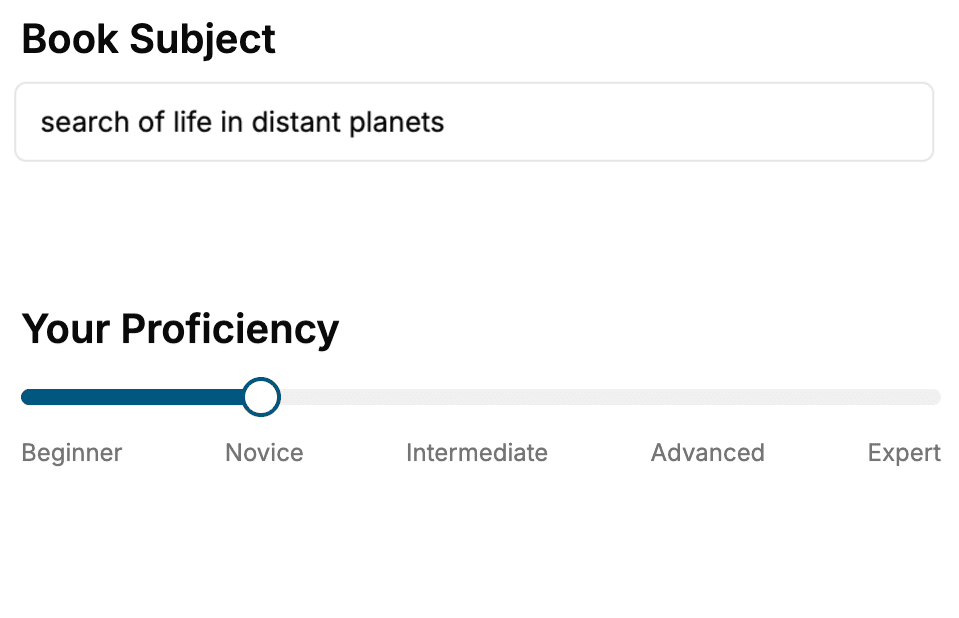
Select the focus of your Moroccan Cooking book and share your background
- 2. Personalize your book
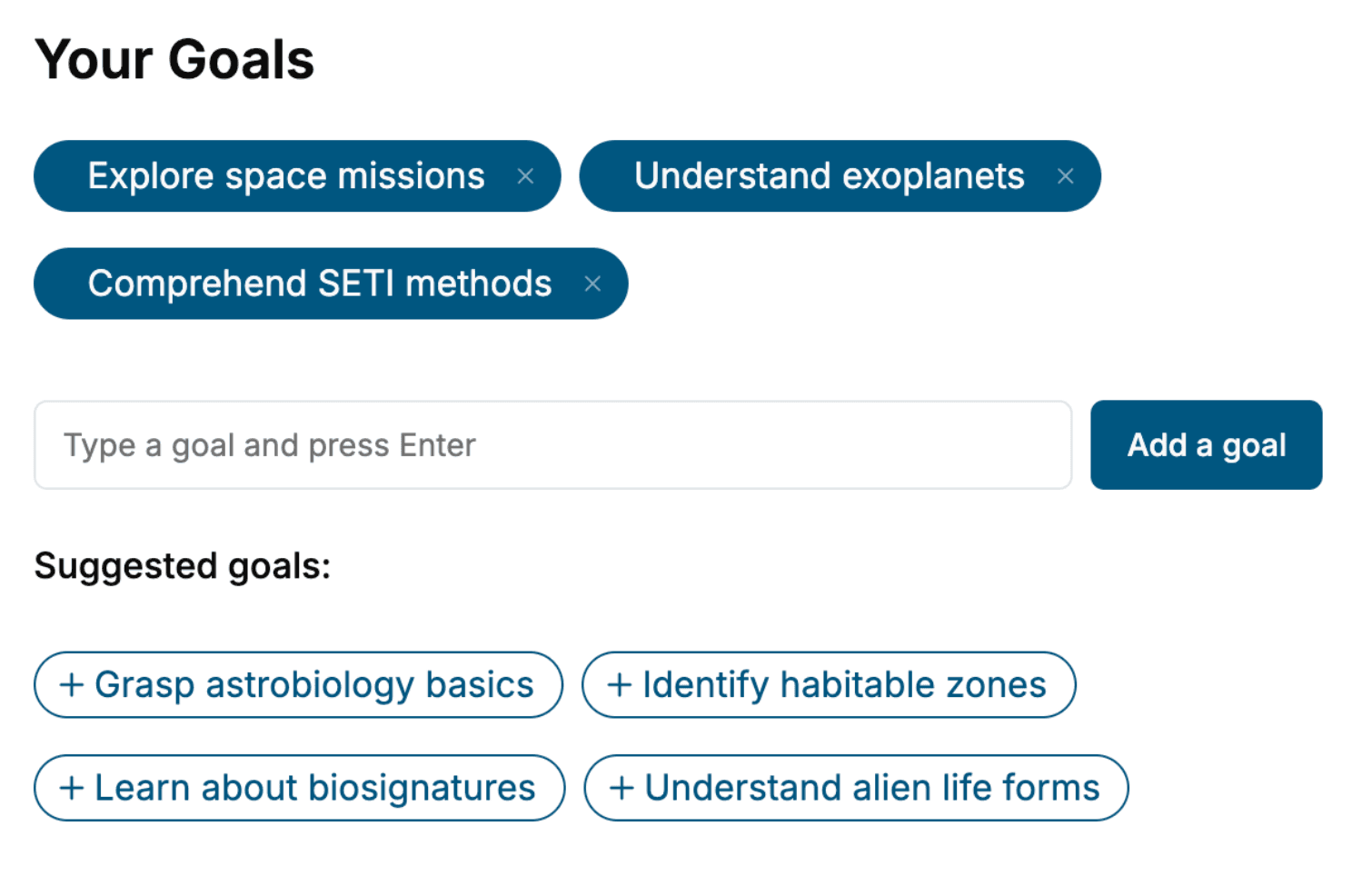
Specify your goals and choose sub-topics to include
- 3. Get your tailored book
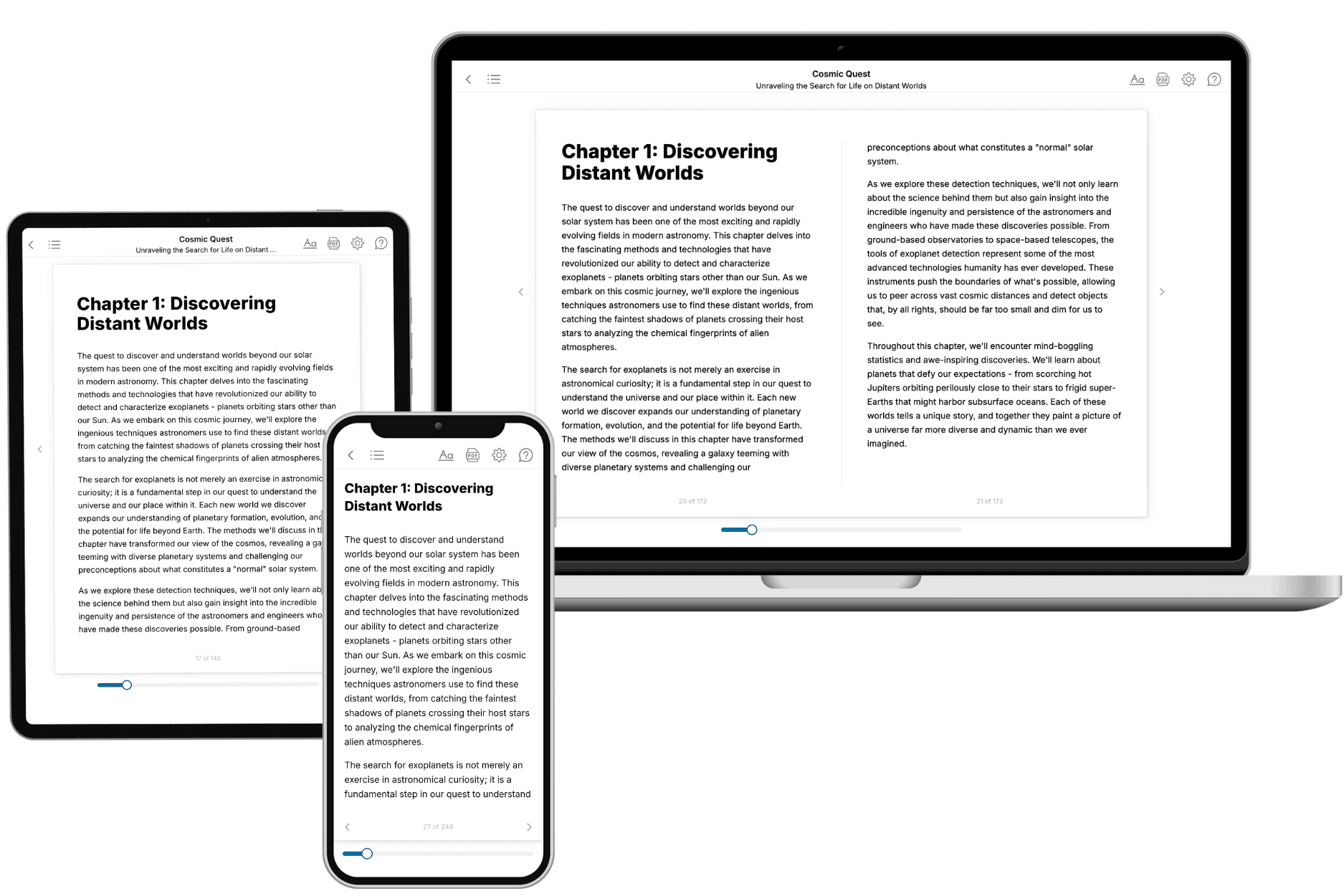
Your book is ready in 10 minutes. Read it online, download as EPUB or PDF, or send to Kindle.
Frequently asked questions
- What is TailoredRead?
TailoredRead creates complete, full-length nonfiction ebooks, written specifically for you. Tell us what you want to learn and why, and TailoredRead writes you a complete ebook on it, with charts, tables, and diagrams throughout. Read it online, on Kindle, or on any e-reader, or download it as a PDF or EPUB. Every book is written fresh the day you order it.
- How is the book tailored to me?
Before anything is written, you answer a few short questions about your goals, your background, and the topics you care about. Your book is then planned around your answers: written at your level, focused on your goals, and covering the topics you chose, instead of the one-size-fits-all book a store sells everyone.
- Will it read like generic AI content?
No. Your book isn't a chat transcript: it's planned chapter by chapter before a single word is written, told in a clear book voice, and explains ideas visually with charts, tables, and diagrams. After writing, every book goes through an editorial pass that polishes chapters so the book reads consistent from start to finish. Judge for yourself: browse thousands of sample books on our Explore Books page.
- How accurate is the content?
Our AI first checks whether your subject needs live research. Niche and fast-moving subjects are researched before writing, and the book plan and chapters are grounded in what it finds. After writing, every book goes through a quality pass that checks its facts and consistency, and researched books list their sources in a Notes section at the back.
- How long is the book?
You choose the length: Comprehensive (250-300 pages), Detailed (150-200 pages), Essential (70-100 pages), or Short (30-50 pages).
- Does the book include visuals?
Yes. Every book includes charts, tables, and diagrams: timelines, checklists, step-by-step guides, decision trees, comparison tables, matrices, and bar charts. A typical book includes dozens of these visual elements.
- Can I read it on Kindle? What formats can I download?
Yes. Every book can be read in our online reader or downloaded as a PDF or EPUB. The EPUB can be opened with Kindle, Apple Books, Kobo, and any e-reader. The Commercial and Author licenses also include an editable Word (DOCX) and Markdown download.
- How much does it cost?
About the price of a regular ebook. The exact price depends on your book's length and complexity, from $2 for the shortest books to $35 for the most comprehensive, and it's shown when you review your book, before you commit to anything. Each book is a one-time purchase, yours to keep, no subscription. Licenses that let you share, teach, or publish your book range from $35.99 to $49.99.
- Can I preview the book before purchasing?
Before you pay, you'll see what your book will cover: the title, a detailed description, the estimated length, and the complete chapter-by-chapter table of contents, so you know what you're getting before you decide. The full text itself is written after you purchase.
- How long does it take to create a book?
About 10 minutes. You can start reading the opening chapters while the rest is still being written.