Multiplayer Mobile Games
The Complete Guide to Understanding, Playing, and Succeeding in the World's Fastest-Growing Gaming Segment
Master the world of multiplayer mobile gaming and understand why it's become the dominant force in entertainment.
222 pages10 chaptersAug 23, 2026Mobile Gaming
About this book
This comprehensive guide takes you from casual player to informed enthusiast, covering everything you need to know about the mechanics, strategies, and industry dynamics shaping modern mobile gaming. Learn how synchronous and asynchronous multiplayer systems work, navigate free-to-play monetization without overspending, and understand the live-service model that keeps games evolving. Discover how matchmaking systems create fair competition, explore the psychology behind game design, and stay ahead of industry trends like 5G infrastructure and cross-platform play. Whether you're interested in battle royales, MOBAs, MMORPGs, or social gaming experiences, this book provides the knowledge to play smarter, enjoy games more responsibly, and appreciate the sophisticated systems behind your favorite titles. Perfect for players ready to deepen their understanding of the fastest-growing gaming segment in the world.
Table of contents
- IntroductionWhy Multiplayer Mobile Gaming Matters Now, What You'll Learn in This Book, How to Use This GuideRead below
- Chapter 1: The Multiplayer Mobile Gaming LandscapeWhy Multiplayer Games Dominate Mobile Gaming, Revenue and Retention: The Numbers Behind Success, Market Growth Projections Through 2030
- Chapter 2: Core Multiplayer Mechanics ExplainedSynchronous Multiplayer: Real-Time Competition, Asynchronous Multiplayer: Turn-Based Strategy, Hybrid Models and Mixed Mechanics
- Chapter 3: Game Types and GenresBattle Royale: The 100-Player Phenomenon, MOBAs: Team-Based Strategy Combat, MMORPGs: Persistent Worlds and Shared Adventures, Other Popular Genres and Hybrid Formats
- Chapter 4: Networking, Latency, and Technical InfrastructureHow Real-Time Networking Works, Understanding and Managing Latency, 5G Infrastructure and Competitive Play
- Chapter 5: Free-to-Play Monetization ModelsBattle Passes: Seasonal Progression and Value, Cosmetics and the Non-Pay-to-Win Economy, Gacha Systems: Understanding Odds and Transparency
- Chapter 6: Live-Service Games and Seasonal ContentThe Live-Service Model Explained, Seasonal Content and Roadmaps, How Updates Drive Engagement and Retention
- Chapter 7: Matchmaking, Ranking, and Competitive SystemsHow Matchmaking Systems Work, Skill-Based Ranking and Progression, Ensuring Fair and Balanced Competition
- Chapter 8: Social Features and Community BuildingVoice Chat and Direct Communication, Built-In Streaming and Content Creation, Co-Op Features and Social-First Game Design
- Chapter 9: Cross-Platform Play and Cloud GamingCross-Platform Play as Industry Standard, Cloud Gaming Revenue and Infrastructure, Playing Across Devices Seamlessly
- Chapter 10: Strategies for Success and Responsible PlayDeveloping Mechanical and Strategic Skills, Navigating In-App Purchases Responsibly, Building Emotional Resilience and Healthy Gaming Habits
- ConclusionThe Future of Multiplayer Mobile Gaming, Your Path Forward as an Informed Player
- Glossary of Key Terms
- Further Reading and Resources
Introduction
A commute, a waiting room, a lunch break: these small windows of time now host something remarkable. Millions of people around the world open a phone, tap into a match with strangers or friends, and step into a coordinated, competitive, or cooperative experience that rivals anything found on a console or PC. What used to be a solitary way to kill time on a phone has become a shared activity, built on real teammates, real opponents, and real stakes measured in ranks, rewards, and reputation. That shift, from playing alone to playing together, is the story this book tells.
Titles like Genshin Impact, Call of Duty: Mobile, Clash Royale, Mobile Legends: Bang Bang, Brawl Stars, PUBG Mobile, Fortnite Mobile, and Among Us did not become fixtures of daily life by accident. Each represents a different genre and design philosophy, yet all share a common ingredient: they connect people. Whether it is five-player squads dropping into a shrinking battlefield, two teams clashing across lanes, or ten crewmates trying to spot an impostor, the pull is the same. Other players make the experience unpredictable, social, and worth returning to.
This book exists because that pull is not simple luck. Behind every match sits a carefully engineered set of systems: networking code that keeps play smooth, monetization structures that keep studios funded, matchmaking algorithms that keep competition fair, and content calendars that keep communities engaged season after season. Understanding those systems changes how someone experiences the games they already love. It also equips a player to choose new games wisely, spend money with intention rather than impulse, and recognize when a design choice is meant to delight versus when it is meant to extract.
None of this requires a background in game development or data science. The chapters ahead translate industry mechanics into plain language, using the games already mentioned as recurring examples. A reader who has spent hours in Brawl Stars or Mobile Legends: Bang Bang will recognize familiar screens described here from a new angle, the angle of someone who understands why the screen was built that way in the first place.
The goal is not to turn every reader into a professional competitor or a game designer. It is to turn casual and moderately experienced players into informed ones, people who can look at a battle pass, a ranking ladder, or a seasonal event and see the mechanism underneath the surface. That kind of literacy pays off in better decisions, more enjoyment, and less frustration.
Why Multiplayer Mobile Gaming Matters Now
Mobile gaming has quietly become one of the largest entertainment industries in the world, and within that industry, multiplayer titles have pulled far ahead of single-player experiences. The Mobile Gaming Market chapter ahead lays out the scale of this shift in detail, but the short version is that games built around other people, not just against a computer, now generate the overwhelming share of mobile gaming revenue. That is not a marginal trend. It is a structural reordering of how games are made, funded, and played.
The reason is straightforward once you notice it: other people are more interesting than scripted opponents. A bot in a single-player game behaves the same way every time. A human opponent in PUBG Mobile or a teammate in Call of Duty: Mobile adapts, bluffs, panics, and improvises. That unpredictability creates stories worth telling and moments worth chasing again. Developers noticed this appeal decades ago in PC and console gaming, and mobile hardware has finally caught up enough to deliver it in a pocket-sized device.
There is also a timing element specific to right now. Network infrastructure, particularly the rollout of faster mobile connections, has removed many of the technical barriers that once made real-time mobile competition feel sluggish compared to console play. The Networking, Latency, and Technical Infrastructure chapter explains exactly how this works, but the practical effect is simple: matches feel fair and responsive in ways they did not a few years ago, which makes competitive mobile play a realistic alternative to traditional gaming setups.
At the same time, social habits have shifted. Group chats, shared streams, and always-on messaging have trained an entire generation to expect entertainment to be a shared activity rather than a private one. Multiplayer mobile games fit naturally into that expectation. A player is not just choosing a game; they are choosing a place to meet friends, coordinate strategies, and spend time together, even when everyone is physically apart.
Understanding why this moment matters helps frame everything that follows. This is not a temporary fad measured in a single hit title. It is a durable change in how games are designed, monetized, and experienced, and the chapters in this book unpack each piece of that change: the genres that define the space, the technology that enables it, the business models that fund it, and the skills that help a player thrive within it.
What You'll Learn in This Book
This book moves in a deliberate sequence, starting with the big picture and narrowing toward practical skills. The opening chapters establish the landscape: how large the multiplayer mobile market has become, how it is projected to grow, and what mechanical building blocks (Synchronous Multiplayer, Asynchronous Multiplayer, and the Hybrid Multiplayer Model) underpin every game discussed later. These foundations matter because genre labels like Battle Royale or MOBA only make full sense once the underlying mechanics are clear.
From there, the book explores the major genres shaping the industry: fast-paced elimination formats, team-based strategy combat, and persistent online worlds found in titles like MMORPG games. Each genre chapter breaks down what makes that format appealing, which games exemplify it best, and how its design choices shape the kind of player it attracts. A reader drawn to methodical, team-coordinated play will recognize why MOBAs reward patience and communication, while a reader who loves quick, high-stakes rounds will see why battle royale formats thrive on unpredictability.
The middle section turns to the machinery behind the scenes: networking and latency, Free-to-Play monetization through Battle Pass systems and Cosmetic Monetization, Gacha System mechanics, and the Live-Service Game model that keeps titles evolving through Seasonal Content. These chapters demystify systems that can otherwise feel opaque or manipulative. Knowing how a gacha system calculates odds, for instance, changes how a player approaches spending decisions inside that system.
Later chapters address competitive and social structures directly relevant to daily play: how a Matchmaking System and Skill-Based Ranking work together to create fair competition, how Voice Chat and In-Game Live Streaming have turned games into community platforms, and how Cross-Platform Play and Cloud Gaming are erasing the old boundaries between phone, console, and PC. Each of these topics connects directly back to games already familiar to most readers, grounding abstract systems in concrete, recognizable experiences.
The book closes with a chapter dedicated entirely to the player's side of the equation: building mechanical and strategic skill, practicing Responsible In-App Purchasing, and maintaining Healthy Gaming Habits over the long run. This is where all the earlier knowledge becomes actionable. Understanding a ranking system is useful; knowing how to use that understanding to climb it wisely, without overspending or burning out, is the real payoff this book is aiming for.
How to Use This Guide
This book is organized so it can be read start to finish or consulted chapter by chapter depending on what a reader needs most. Someone brand new to competitive mobile play might benefit from working through the chapters in order, since later material builds on mechanics and vocabulary introduced earlier. Someone who already plays regularly but wants targeted knowledge, say, about monetization or ranking systems, can jump directly to the relevant chapter without losing much context, since each one is written to stand reasonably well on its own.
A practical way to get the most value is to keep a specific game in mind while reading, ideally one already installed and played regularly. When the book discusses Battle Pass mechanics, open that game's season screen and look for the patterns described. When it discusses Skill-Based Ranking, check the current rank tier and think about how the matchmaking logic explained in the text applies to recent matches. This kind of side-by-side reading turns abstract explanation into direct, personal recognition.
Certain recurring terms appear throughout the book in a consistent way, and it helps to treat them as a shared vocabulary rather than casual synonyms. Terms like Pay-to-Win, Latency, or Co-Op Design carry specific meanings established in the chapters where they are introduced. The glossary near the end of the book collects these terms in one place, which makes it a useful reference to revisit whenever a chapter uses a term that feels unfamiliar or half-remembered.
Readers interested primarily in the business and industry side of mobile gaming, rather than personal play strategy, will find the early and middle chapters most rewarding, particularly those covering market growth, monetization, and the live-service model. Readers more interested in becoming better players, climbing ranks, or managing their spending and time more wisely will find the most direct value in the later chapters, especially the one dedicated to strategies for success and responsible play. Both paths are valid, and the book is structured to serve either one without forcing a single reading order.
Whichever path is chosen, the aim is the same by the final page: a clearer, more confident understanding of a gaming category that now shapes how millions of people spend their time, their attention, and their money. Approaching it with informed curiosity, rather than passive consumption, is what turns a casual player into someone who genuinely understands the game behind the game.
This is the end of the free sample. The full book has 10 chapters.
Want this book written for you?
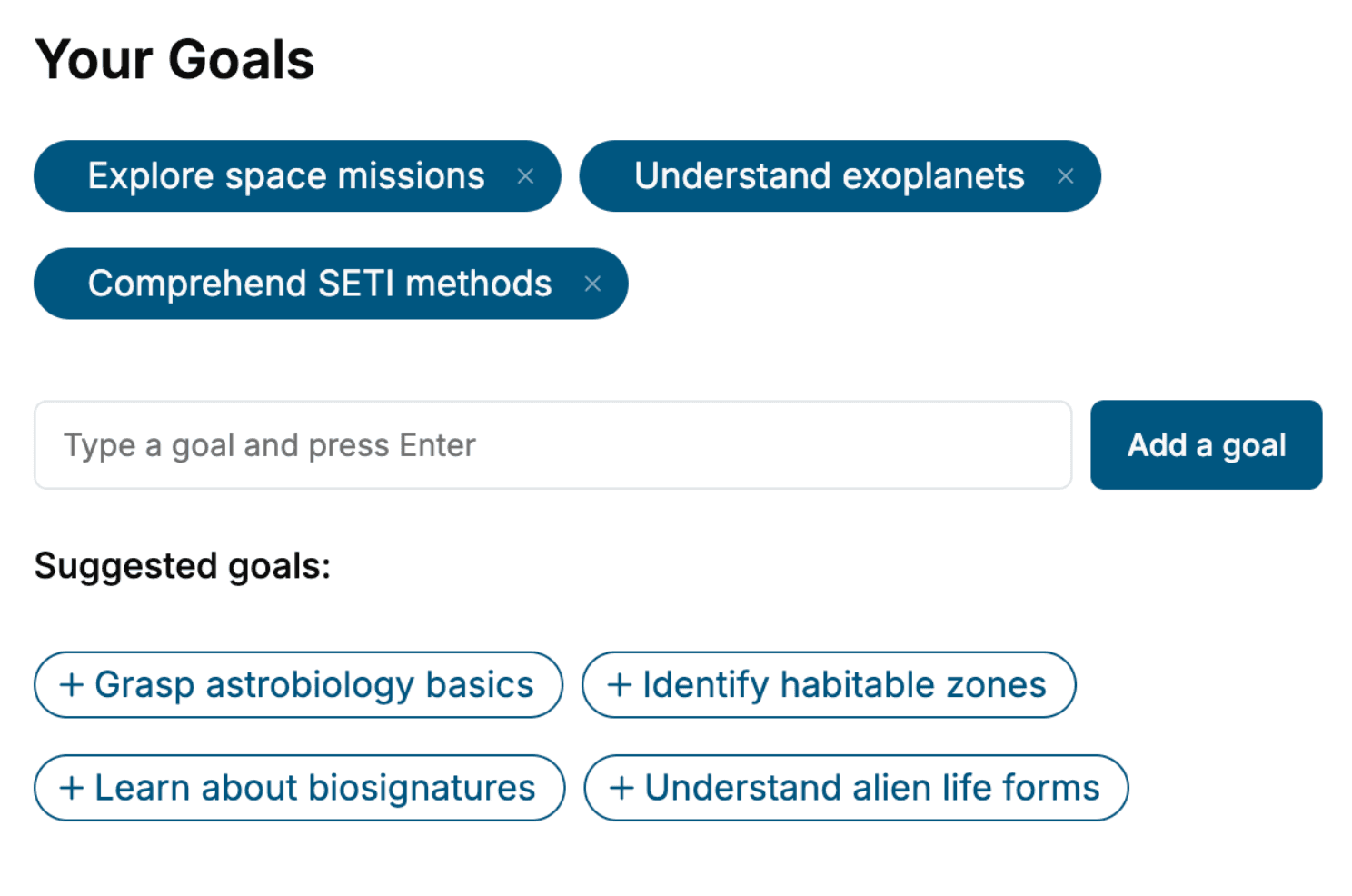
Tell us your goals and background, and get your own version of this book, tailored by AI to you.


Benefits of AI-tailored books
- Read one book, not ten:
- all the Mobile Gaming knowledge you need, gathered into a single book.
- Save days of learning:
- tell us your goals, choose your topics, and the whole book is built around them.
- Learn effortlessly:
- Mobile Gaming book written for your specific background and expertise.
- Understand at a glance:
- includes charts, tables, timelines, checklists, decision trees, and more.
- Stay current:
- written the day you order it, not years ago.
- Trust what you read:
- every book is checked for accuracy, with real research when your subject needs it.
Create your unique book in 3 steps
- 1. Select your focus
Select the focus of your Mobile Gaming book and share your background
- 2. Personalize your book
Specify your goals and choose sub-topics to include
- 3. Get your tailored book
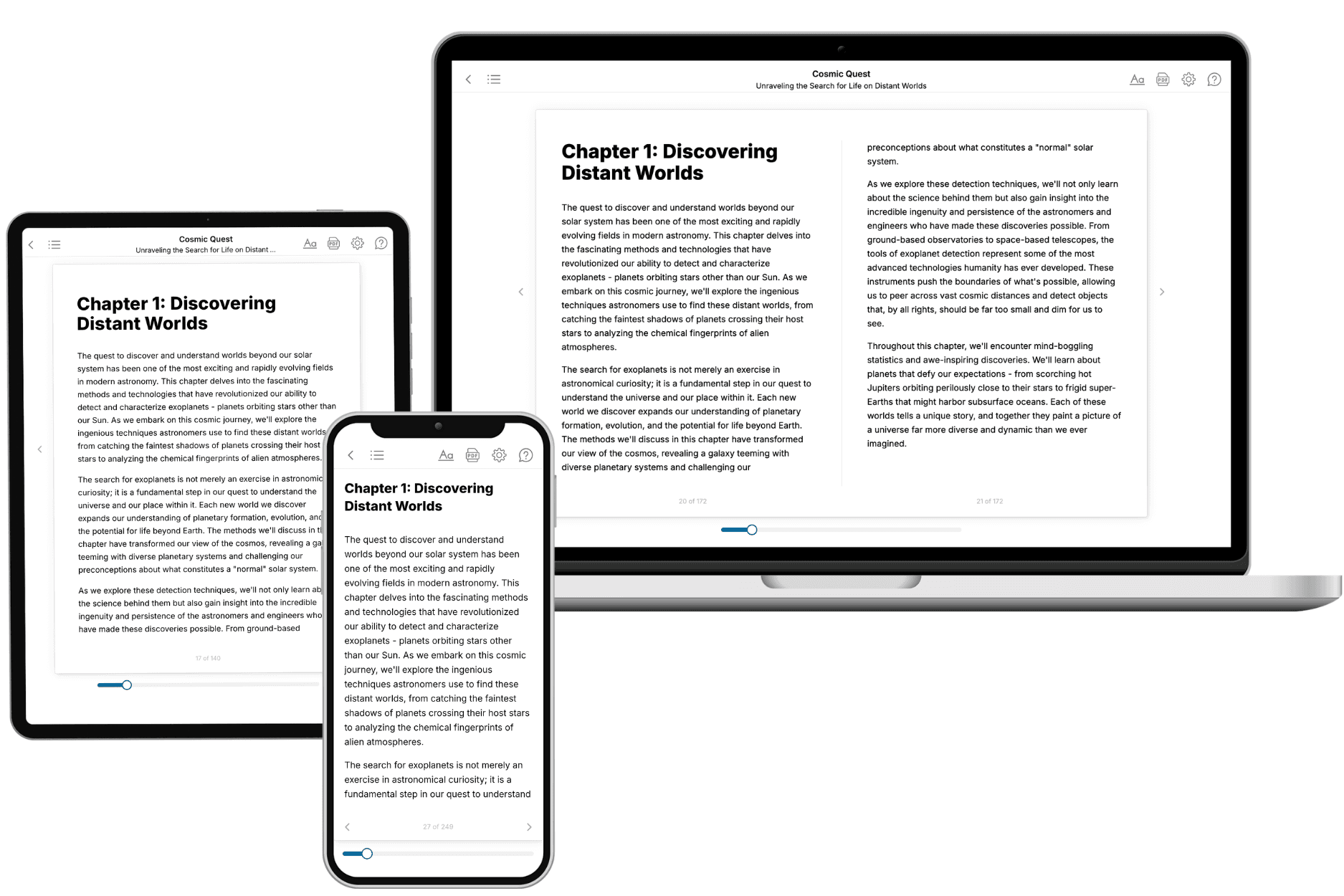
Your book is ready in 10 minutes. Read it online, download as EPUB or PDF, or send to Kindle.

Frequently asked questions
- What is TailoredRead?
TailoredRead creates complete, full-length nonfiction ebooks, written specifically for you. Tell us what you want to learn and why, and TailoredRead writes you a complete ebook on it, with charts, tables, and diagrams throughout. Read it online, on Kindle, or on any e-reader, or download it as a PDF or EPUB. Every book is written fresh the day you order it.
- How is the book tailored to me?
Before anything is written, you answer a few short questions about your goals, your background, and the topics you care about. Your book is then planned around your answers: written at your level, focused on your goals, and covering the topics you chose, instead of the one-size-fits-all book a store sells everyone.
- Will it read like generic AI content?
No. Your book isn't a chat transcript: it's planned chapter by chapter before a single word is written, told in a clear book voice, and explains ideas visually with charts, tables, and diagrams. After writing, every book goes through an editorial pass that polishes chapters so the book reads consistent from start to finish. Judge for yourself: browse thousands of sample books on our Explore Books page.
- How accurate is the content?
Our AI first checks whether your subject needs live research. Niche and fast-moving subjects are researched before writing, and the book plan and chapters are grounded in what it finds. After writing, every book goes through a quality pass that checks its facts and consistency, and researched books list their sources in a Notes section at the back.
- How long is the book?
You choose the length: Comprehensive (250-300 pages), Detailed (150-200 pages), Essential (70-100 pages), or Short (30-50 pages).
- Does the book include visuals?
Yes. Every book includes charts, tables, and diagrams: timelines, checklists, step-by-step guides, decision trees, comparison tables, matrices, and bar charts. A typical book includes dozens of these visual elements.
- Can I read it on Kindle? What formats can I download?
Yes. Every book can be read in our online reader or downloaded as a PDF or EPUB. The EPUB can be opened with Kindle, Apple Books, Kobo, and any e-reader. The Commercial and Author licenses also include an editable Word (DOCX) and Markdown download.
- How much does it cost?
About the price of a regular ebook. The exact price depends on your book's length and complexity, from $2 for the shortest books to $35 for the most comprehensive, and it's shown when you review your book, before you commit to anything. Each book is a one-time purchase, yours to keep, no subscription. Licenses that let you share, teach, or publish your book range from $35.99 to $49.99.
- Can I preview the book before purchasing?
Before you pay, you'll see what your book will cover: the title, a detailed description, the estimated length, and the complete chapter-by-chapter table of contents, so you know what you're getting before you decide. The full text itself is written after you purchase.
- How long does it take to create a book?
About 10 minutes. You can start reading the opening chapters while the rest is still being written.