The Nashville Shopper's Guide
Discover the Best Boutiques, Markets, and Shopping Districts in Music City
Are you tired of wandering through the same chain stores and tourist-filled shopping areas when you visit Nashville?
191 pages9 chaptersMar 29, 2026Shopping Guide
About this book
This guide reveals where locals actually shop and how to discover the authentic retail experiences that make Music City unique. From the trendy boutiques of The Gulch to the vintage treasures of East Nashville, you'll learn to navigate Nashville's diverse shopping districts like an insider. Whether you're hunting for live music memorabilia, local fashion, artisan goods, or vintage finds, this book provides detailed neighborhood guides, store recommendations, insider tips on timing your visits, and strategies for finding quality items at every price point. You'll understand which districts match your shopping style, how to avoid tourist traps, and where to find the independent retailers that showcase Nashville's creative spirit. Perfect for first-time visitors and returning shoppers alike, this guide transforms your Nashville shopping experience from random browsing into purposeful, rewarding exploration.
Table of contents
- IntroductionWhy Nashville Shopping Is Different, How to Use This Guide, The Nashville Shopping PhilosophyRead below
- Chapter 1: Understanding Nashville's Shopping LandscapeThe Major Shopping Districts, Local Boutiques vs. Chain Stores, Nashville's Unique Shopping Culture
- Chapter 2: The Gulch: Trendy and ContemporaryWhat Makes The Gulch Special, Fashion and Apparel Stores, Lifestyle and Home Goods, Shopping and Dining Combinations
- Chapter 3: East Nashville: Vintage and BohemianThe East Nashville Vibe, Vintage and Thrift Stores, Local Artists and Makers, Navigating the East Nashville Scene
- Chapter 4: Germantown: Eclectic and ArtisticGermantown's Creative Heritage, Art Galleries and Studios, Specialty and Independent Retailers
- Chapter 5: Music City Shopping: Memorabilia and InstrumentsMusic Memorabilia and Collectibles, Musical Instruments and Equipment, Music-Themed Retail Experiences
- Chapter 6: Downtown and Broadway: Tourist and Local BlendWhat to Expect on Broadway, Avoiding Tourist Traps and Overpriced Stores, Hidden Gems in Downtown Nashville
- Chapter 7: Shopping by Category: What to Buy and WhereFashion and Apparel, Home Decor and Furnishings, Gifts and Souvenirs, Specialty Items and Local Products
- Chapter 8: Markets, Fairs, and Seasonal Shopping EventsFarmers Markets and Outdoor Markets, Seasonal Shopping Events and Fairs, Pop-Up Shops and Temporary Retail
- Chapter 9: Smart Shopping Strategies and Money-Saving TipsTiming Your Visits for Sales and Discounts, Loyalty Programs and Local Deals, Negotiation and Haggling at Local Shops
- ConclusionYour Nashville Shopping Journey, Final Tips for Success
- Appendix: Quick Reference GuideStore Directory by District, Shopping District Map and Directions
Introduction
Nashville has a reputation that precedes it. Most people arrive thinking about live music, honky-tonks, and the neon glow of Broadway. Shopping, if it crosses their mind at all, usually means a quick stop at a souvenir shop for a cowboy hat or a rhinestone-studded T-shirt. But here's what those visitors miss: Nashville has quietly built one of the most interesting and diverse retail scenes in the American South, and most of it is hiding in plain sight, just a few blocks away from the tourist crowds.
The city has changed dramatically over the past decade. Nashville's population has grown faster than almost any other major American city, bringing with it a wave of creative entrepreneurs, independent designers, and small-business owners who have transformed neighborhoods like East Nashville, The Gulch, and Germantown into genuine shopping destinations.[1] These aren't strip malls or outlet centers. They're curated, walkable districts where local boutiques sit alongside coffee shops, art galleries, and restaurants, creating an experience that feels nothing like the homogenized retail you find in most American cities.
This guide exists because great shopping in Nashville requires a little insider knowledge. The city doesn't always make it easy to find its best stores. Some of the most rewarding boutiques are tucked into converted houses or sit on side streets that don't appear on standard tourist maps. Knowing which neighborhoods match your shopping style, which markets are worth your Saturday morning, and how to avoid spending your budget on overpriced Broadway merchandise can make the difference between a frustrating afternoon and a genuinely memorable retail experience. That's exactly what this guide is designed to help you do.
Whether you're visiting Nashville for the first time or returning for the fifth, whether your budget is tight or flexible, and whether you're hunting for vintage denim, handmade jewelry, local art, or a one-of-a-kind music keepsake, there is a version of Nashville's shopping scene that was made for you. The goal here is to help you find it efficiently, enjoy it fully, and leave with things you'll actually love.
Why Nashville Shopping Is Different
Walk into almost any independent boutique in Nashville and you'll notice something that sets it apart from retail in other cities: the merchandise tells a story. Nashville's shopping culture is deeply connected to the city's identity as a creative hub. Music, art, fashion, and craft all intersect here in ways that produce retail experiences you genuinely can't replicate elsewhere. A store in East Nashville might carry handmade leather goods from a local artisan alongside vinyl records from regional musicians and screen-printed posters from a Nashville-based graphic designer. That kind of curation is intentional, and it reflects the city's broader creative ecosystem.
Nashville's independent retail scene has also benefited from the city's strong sense of local pride. Residents here actively choose to shop local in ways that aren't always common in larger metropolitan areas. That consumer loyalty has allowed small boutiques to survive and thrive even as national chains have moved into the market. The result is a retail landscape where independent stores aren't the exception. They're the backbone of the most interesting shopping districts in the city.
The music industry connection runs deeper than you might expect. Nashville is home to thousands of working musicians, songwriters, producers, and industry professionals, and that community has a distinct aesthetic that influences local retail. You'll find clothing stores that cater to performers, vintage shops stocked with stage-worthy pieces, and gift shops that carry merchandise from local artists rather than generic tourist fare. This music-adjacent retail culture gives Nashville shopping a personality that's hard to find anywhere else in the country.
Price diversity is another factor that makes Nashville's shopping scene worth exploring. Within a single neighborhood, you can find a boutique selling handcrafted jewelry at accessible price points right next to a gallery offering original artwork at investment-level prices. The Gulch skews toward contemporary and upscale, while East Nashville leans vintage and budget-friendly. Germantown sits somewhere in between, with a mix of artisan goods and specialty retail. Understanding these distinctions helps you match your expectations and your wallet to the right part of the city.
Nashville also has a thriving market culture that operates alongside its permanent retail scene. Farmers markets, seasonal fairs, and pop-up shopping events bring local makers and vendors together in ways that create genuinely unique shopping opportunities. The Nashville Farmers' Market, for example, operates year-round and includes not just produce but also handmade goods, local food products, and craft items that you won't find in any store.[2] These markets are where some of the city's most talented makers sell their work directly to the public, often at prices that reflect the absence of retail markup.
Finally, Nashville shopping is different because the city is still evolving. New boutiques open regularly, neighborhoods continue to develop, and the retail landscape shifts with the seasons. That dynamism means there's always something new to discover, even if you've visited before. It also means that staying current requires a bit of research, which is exactly why a guide like this one is useful. The stores and districts covered here represent the best of what Nashville's retail scene has to offer right now, with enough context to help you adapt as the city continues to grow.
How to Use This Guide
This guide is organized to give you maximum flexibility. You don't need to read it cover to cover before your trip, though doing so will give you the most complete picture of Nashville's shopping landscape. Instead, think of it as a reference tool you can dip into based on your specific interests, your available time, and the neighborhoods you plan to visit. Each chapter focuses on a distinct part of Nashville's retail world, and each one is designed to stand on its own.
Here's a quick overview of how the chapters are structured so you can navigate efficiently:
- Chapter 1 gives you a broad overview of Nashville's shopping landscape, including how the major districts differ from one another and what makes local boutiques worth prioritizing over chain stores.
- Chapters 2 through 4 dive deep into specific neighborhoods: The Gulch, East Nashville, and Germantown. Each chapter covers the character of the district, the types of stores you'll find, and practical tips for making the most of your visit.
- Chapter 5 focuses specifically on music-related shopping, including memorabilia, instruments, and music-themed retail experiences that reflect Nashville's core identity.
- Chapter 6 tackles downtown and Broadway, helping you separate the tourist traps from the genuine finds in the city's most visited area.
- Chapter 7 organizes shopping by category rather than by location, which is useful if you're looking for something specific like home decor, fashion, or locally made gifts.
- Chapter 8 covers markets, fairs, and seasonal events, which require different planning than visiting permanent stores.
- Chapter 9 provides smart shopping strategies, including timing tips, loyalty programs, and how to approach negotiation at vintage and antique shops.
- The Appendix includes a quick-reference store directory and district map for use during your actual shopping trips.
If you're short on time and want a focused experience, start with the chapter that matches your primary interest. Vintage hunters should go straight to Chapter 3 on East Nashville. Music fans will find Chapter 5 most relevant. If you're trying to figure out which neighborhood to visit first, Chapter 1 will help you make that decision quickly based on your shopping style and budget.
Store hours, specific addresses, and pricing details can change, so always verify current information before visiting. The best approach is to use this guide to identify the stores and districts that interest you, then do a quick online check for current hours and any recent changes. Most Nashville boutiques maintain active social media accounts, particularly on Instagram, where they post updates about new arrivals, sales, and events. Following a few of your target stores before your trip is one of the most effective ways to stay current.
Practical tip: Before your trip, make a short list of three to five stores from each neighborhood you plan to visit. This gives you a focused starting point without over-scheduling your day. Nashville's best shopping neighborhoods are walkable, so once you're in a district, you'll naturally discover additional stores beyond your list.
The guide also includes footnotes throughout, pointing to sources for specific claims about stores, neighborhoods, and market data. These aren't just academic citations. They're useful starting points if you want to research a particular store or district in more depth before your visit. Treat them as additional resources rather than required reading.
One more thing worth noting: this guide is written for visitors, but it's informed by how locals actually shop. The recommendations here aren't based on what's most prominently advertised or most easily found through a basic internet search. They reflect the kind of knowledge that comes from understanding Nashville's neighborhoods, its retail culture, and the stores that have earned genuine loyalty from the people who live here. That perspective is what makes this guide different from a standard travel resource, and it's what will make your shopping experience in Nashville genuinely rewarding.
The Nashville Shopping Philosophy
There's a mindset shift that happens when you approach Nashville shopping the way locals do. It's less about checking items off a list and more about exploration with intention. The best shopping experiences in this city tend to happen when you give yourself permission to wander within a defined area, follow your curiosity into stores you didn't plan to visit, and talk to the people behind the counter. Nashville's independent retailers are, almost without exception, run by people who are genuinely passionate about what they sell. That passion is contagious, and it transforms a simple purchase into something more meaningful.
Supporting local businesses in Nashville carries real weight. When you buy from an independent boutique rather than a chain store, a significantly larger portion of that money stays in the local economy.[3] For a city like Nashville, where the creative community is central to the city's identity and economy, that matters. Many of the store owners you'll meet in East Nashville or Germantown are also musicians, artists, or designers themselves. Shopping at their stores is a direct form of support for the creative ecosystem that makes Nashville worth visiting in the first place.
The Nashville shopping philosophy also involves knowing when to slow down. It can be tempting to try to cover as much ground as possible, especially if you're only in the city for a few days. But rushing through a neighborhood means missing the details that make each store interesting. A boutique in The Gulch might have a back room with a curated selection of local designers that you'd walk right past if you were moving too quickly. A vintage shop in East Nashville might have a staff member who knows exactly where to find the specific style you're looking for, but only if you take a moment to describe what you want.
Budget awareness is part of the philosophy too. Nashville's independent retail scene spans a wide range of price points, and knowing your budget before you walk into a store helps you shop with confidence rather than anxiety. This guide includes general price-point information for each district and category, so you can set realistic expectations. That said, some of the most satisfying purchases in Nashville come from markets and pop-up events where handmade goods are priced directly by the makers, often at surprisingly accessible levels.
Timing matters more than most visitors realize. Nashville's shopping scene has rhythms tied to the city's event calendar, the seasons, and even the days of the week. Visiting a boutique on a quiet Tuesday afternoon is a completely different experience from arriving on a Saturday during a major event weekend. Farmers markets and outdoor shopping events are weekend affairs, while some specialty stores keep limited weekday hours. Chapter 9 covers timing strategies in detail, but the core principle is simple: a little planning around when you visit can dramatically improve both the quality of your experience and the deals you find.
Finally, the Nashville shopping philosophy embraces the idea that the best souvenirs are the ones that carry a genuine connection to the place. A mass-produced Nashville T-shirt from a Broadway gift shop will fade in your memory almost immediately. A piece of jewelry made by a local artisan, a print from a Nashville-based illustrator, or a vintage find from an East Nashville thrift store will carry a story every time you look at it. That's the kind of shopping this guide is designed to help you do: purposeful, connected, and genuinely reflective of what makes Music City worth exploring.
Nashville rewards the curious shopper. The city's retail scene is layered in ways that reveal themselves gradually, and the more you explore, the more you find. This guide is your starting point, but the real discovery happens when you're walking down a side street in Germantown, notice a hand-lettered sign in a window, and decide to step inside. Those moments are what Nashville shopping is really about, and they're waiting for you around every corner.
Notes
Introduction
This is the end of the free sample. The full book has 9 chapters.
Want this book written for you?
Tell us your goals and background, and get your own version of this book, tailored by AI to you.


Benefits of AI-tailored books
- Read one book, not ten:
- all the Shopping Guide knowledge you need, gathered into a single book.
- Save days of learning:
- tell us your goals, choose your topics, and the whole book is built around them.
- Learn effortlessly:
- Shopping Guide book written for your specific background and expertise.
- Understand at a glance:
- includes charts, tables, timelines, checklists, decision trees, and more.
- Stay current:
- written the day you order it, not years ago.
- Trust what you read:
- every book is checked for accuracy, with real research when your subject needs it.
Create your unique book in 3 steps
- 1. Select your focus
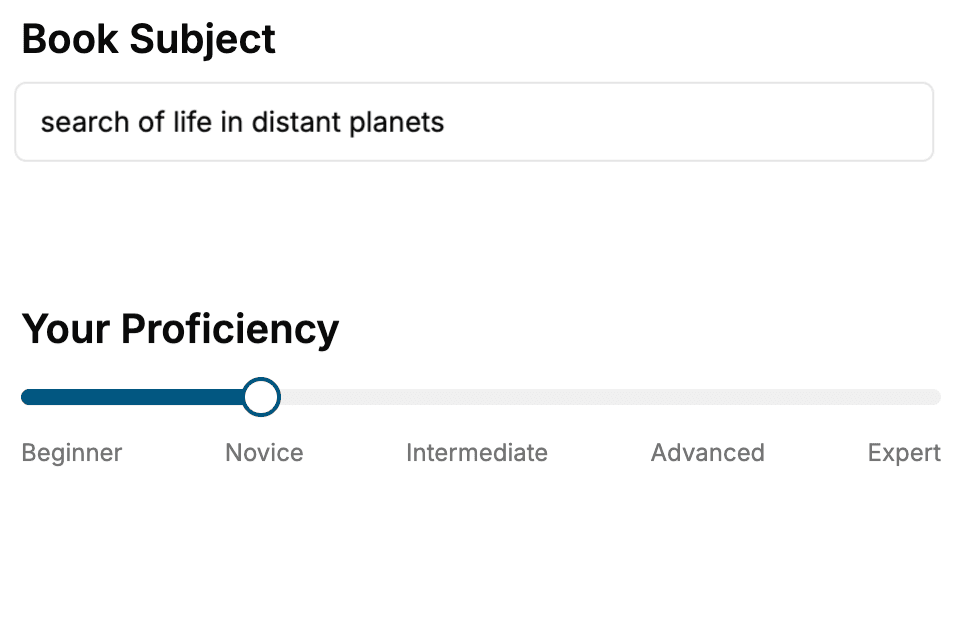
Select the focus of your Shopping Guide book and share your background
- 2. Personalize your book
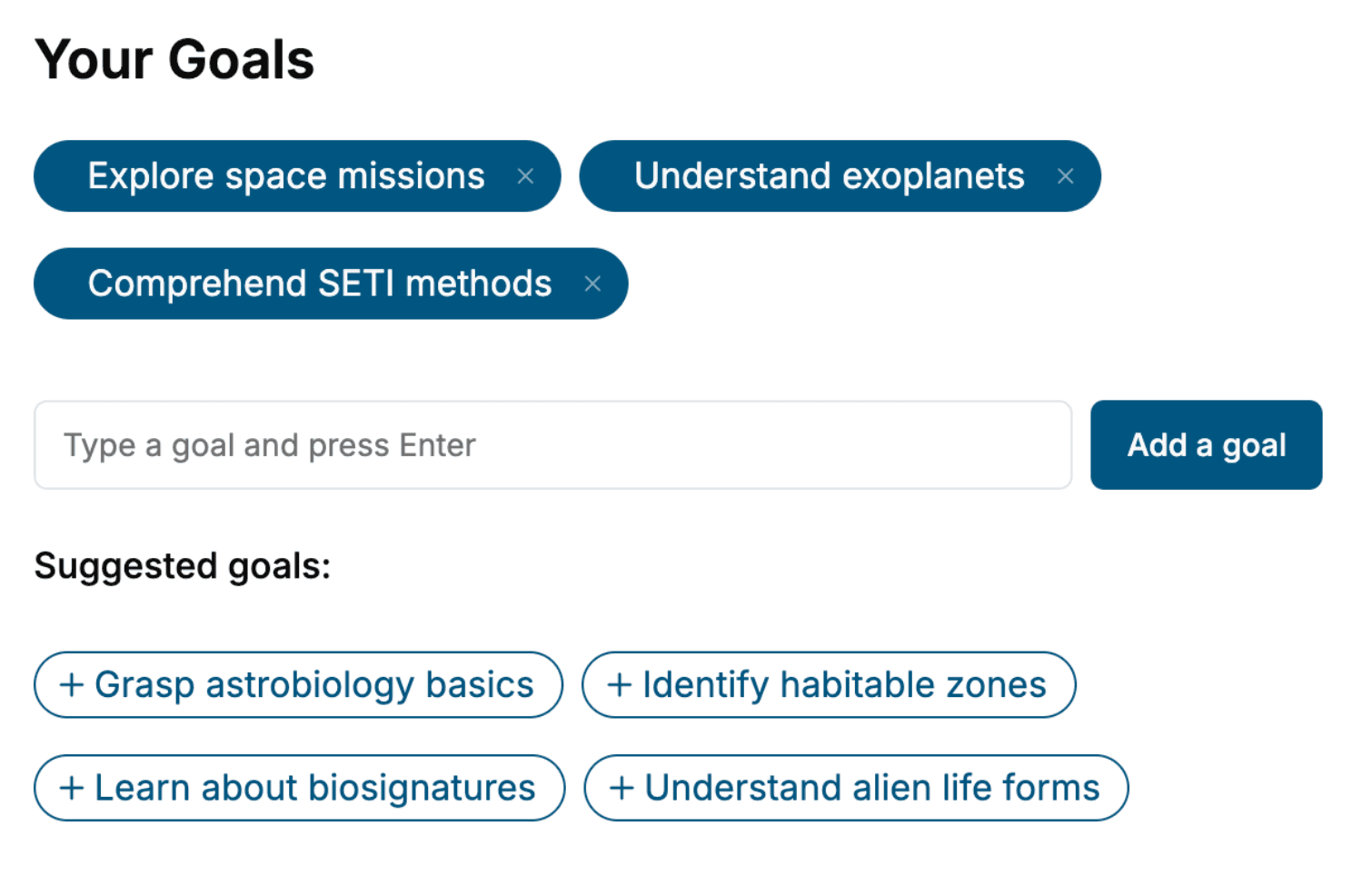
Specify your goals and choose sub-topics to include
- 3. Get your tailored book
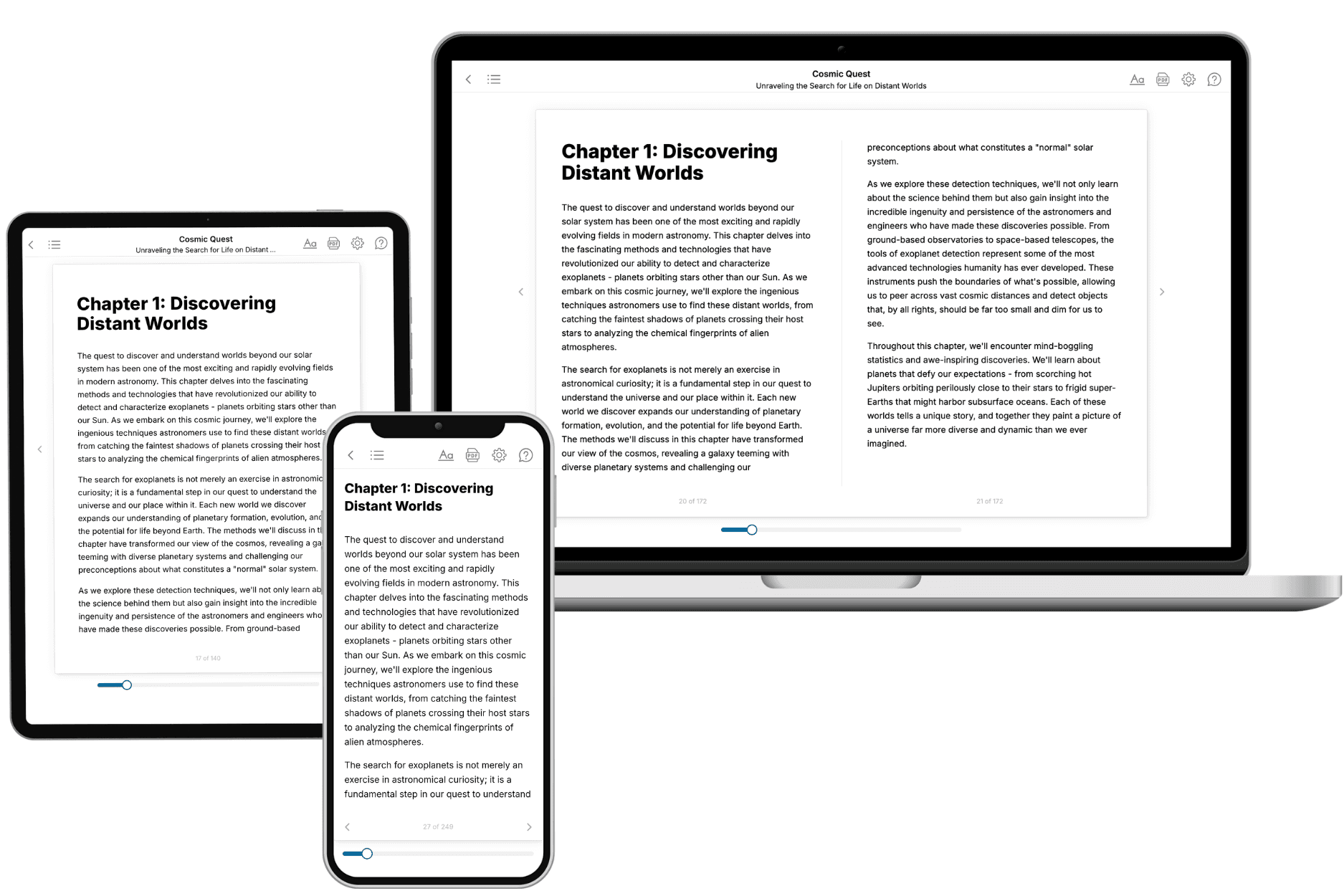
Your book is ready in 10 minutes. Read it online, download as EPUB or PDF, or send to Kindle.
Frequently asked questions
- What is TailoredRead?
TailoredRead creates complete, full-length nonfiction ebooks, written specifically for you. Tell us what you want to learn and why, and TailoredRead writes you a complete ebook on it, with charts, tables, and diagrams throughout. Read it online, on Kindle, or on any e-reader, or download it as a PDF or EPUB. Every book is written fresh the day you order it.
- How is the book tailored to me?
Before anything is written, you answer a few short questions about your goals, your background, and the topics you care about. Your book is then planned around your answers: written at your level, focused on your goals, and covering the topics you chose, instead of the one-size-fits-all book a store sells everyone.
- Will it read like generic AI content?
No. Your book isn't a chat transcript: it's planned chapter by chapter before a single word is written, told in a clear book voice, and explains ideas visually with charts, tables, and diagrams. After writing, every book goes through an editorial pass that polishes chapters so the book reads consistent from start to finish. Judge for yourself: browse thousands of sample books on our Explore Books page.
- How accurate is the content?
Our AI first checks whether your subject needs live research. Niche and fast-moving subjects are researched before writing, and the book plan and chapters are grounded in what it finds. After writing, every book goes through a quality pass that checks its facts and consistency, and researched books list their sources in a Notes section at the back.
- How long is the book?
You choose the length: Comprehensive (250-300 pages), Detailed (150-200 pages), Essential (70-100 pages), or Short (30-50 pages).
- Does the book include visuals?
Yes. Every book includes charts, tables, and diagrams: timelines, checklists, step-by-step guides, decision trees, comparison tables, matrices, and bar charts. A typical book includes dozens of these visual elements.
- Can I read it on Kindle? What formats can I download?
Yes. Every book can be read in our online reader or downloaded as a PDF or EPUB. The EPUB can be opened with Kindle, Apple Books, Kobo, and any e-reader. The Commercial and Author licenses also include an editable Word (DOCX) and Markdown download.
- How much does it cost?
About the price of a regular ebook. The exact price depends on your book's length and complexity, from $2 for the shortest books to $35 for the most comprehensive, and it's shown when you review your book, before you commit to anything. Each book is a one-time purchase, yours to keep, no subscription. Licenses that let you share, teach, or publish your book range from $35.99 to $49.99.
- Can I preview the book before purchasing?
Before you pay, you'll see what your book will cover: the title, a detailed description, the estimated length, and the complete chapter-by-chapter table of contents, so you know what you're getting before you decide. The full text itself is written after you purchase.
- How long does it take to create a book?
About 10 minutes. You can start reading the opening chapters while the rest is still being written.