Navicular Disease in Horses
A Complete Guide to Understanding, Managing, and Treating This Common Hoof Condition
Discover how to recognize, understand, and effectively manage equine navicular disease before it compromises your horse's performance and quality of life.
207 pages9 chaptersApr 21, 2026Horse Care and Health
About this book
This comprehensive guide walks you through the anatomy of the equine foot, the mechanisms behind navicular disease development, and the early warning signs that demand veterinary attention. You'll learn how to interpret diagnostic results, evaluate treatment options from conservative management to advanced therapies, and work collaboratively with your veterinarian and farrier to create a personalized care plan. Whether your horse has recently been diagnosed or you're seeking to prevent this condition, you'll gain practical strategies for hoof care, exercise modification, nutrition, and pain management. This book empowers you with the knowledge to make informed decisions, ask the right questions, and give your horse the best chance at a comfortable, functional life despite this challenging condition.
Table of contents
- IntroductionWhy Navicular Disease Matters to Horse Owners, How to Use This Book, Working with Your Veterinarian and FarrierRead below
- Chapter 1: The Equine Foot: Anatomy and FunctionUnderstanding Foot Structure and Bones, Soft Tissues and Their Roles, How the Foot Functions During Movement
- Chapter 2: What Is Navicular Disease?Defining Navicular Disease and Its Variations, How Common Is Navicular Disease?, Understanding Disease Progression and Stages
- Chapter 3: Causes and Risk FactorsGenetic Predisposition and Breed Susceptibility, Conformation and Structural Factors, Environmental and Lifestyle Factors, Trauma, Overuse, and Training Intensity
- Chapter 4: Recognizing the Early SignsLameness Patterns and Gait Changes, Behavioral and Postural Indicators, Performance Changes and Reluctance
- Chapter 5: Diagnosis: What to ExpectThe Physical Examination and Lameness Evaluation, Imaging Techniques: X-rays, Ultrasound, and MRI, Nerve Blocks and Diagnostic Injections
- Chapter 6: Conservative Management StrategiesFarrier Care and Therapeutic Shoeing, Exercise Programs and Activity Modification, Supplements and Nutritional Support
- Chapter 7: Medical and Therapeutic TreatmentsPain Management Medications, Joint and Bursa Injections, Advanced Therapies: Stem Cells and Regenerative Medicine
- Chapter 8: Surgical InterventionsNeurectomy: Procedure and Considerations, Other Surgical Options and Their Outcomes, Post-Surgical Care and Recovery
- Chapter 9: Long-Term Management and Quality of LifeOngoing Monitoring and Veterinary Care, Environmental Modifications and Housing, Setting Realistic Expectations and Goals
- ConclusionMoving Forward with Confidence
- Glossary of Equine Terms
- Further Reading and Resources
Introduction
Few diagnoses in equine medicine carry as much weight as navicular disease. For many horse owners, hearing those two words from a veterinarian triggers a wave of anxiety, confusion, and questions that feel impossible to answer all at once. Will my horse ever be comfortable again? Can we still ride? What does this mean for the future? These are completely understandable reactions, and they reflect just how much horse owners care about the animals in their charge. The good news is that navicular disease, while serious, is far from a death sentence. With the right knowledge, the right team, and the right management plan, many horses with this condition go on to live comfortable, functional lives for years after diagnosis.
Navicular disease has been recognized in horses for well over two centuries, yet it remains one of the most misunderstood and frequently mismanaged conditions in equine health. Part of the challenge is that the term itself has evolved significantly. What veterinarians once called "navicular disease" is now understood to be a broader syndrome involving not just the navicular bone but also the surrounding soft tissues, bursae, and ligaments deep within the horse's hoof. This shift in understanding has changed how the condition is diagnosed and treated, and staying current with that knowledge makes a real difference in outcomes.[1] This book reflects that modern understanding throughout every chapter.
Whether your horse was just diagnosed, you've been managing the condition for a while, or you simply want to be prepared, this guide is designed to meet you where you are. It doesn't assume you have a veterinary degree, but it does assume you care deeply about your horse and want to make informed decisions. The chapters ahead cover everything from the basic anatomy of the equine foot to advanced treatment options, giving you a complete picture of what navicular disease is, how it develops, and what you can realistically do about it. Think of this book as a trusted reference you can return to again and again as your horse's situation evolves.
One important note before diving in: this book is not a substitute for professional veterinary care. Every horse is different, and the information here is meant to complement, not replace, the guidance of a qualified veterinarian and farrier. What this book does is give you the background knowledge to have better conversations with those professionals, understand their recommendations, and advocate effectively for your horse. That combination of informed ownership and expert care is where the best outcomes happen.
Why Navicular Disease Matters to Horse Owners
Navicular disease is one of the leading causes of chronic forelimb lameness in horses, accounting for a significant portion of lameness cases seen in general equine practice.[2] That statistic alone tells you something important: if you own horses long enough, there is a meaningful chance you will encounter this condition either in your own animals or in horses you know. Understanding it before a crisis hits puts you in a far stronger position to respond effectively when it matters most.
The condition tends to affect horses in their working prime, typically between the ages of seven and fourteen, though it can appear earlier or later depending on the individual horse and contributing factors. This timing makes it particularly impactful for owners who rely on their horses for competition, trail riding, or regular work. A horse that was performing well last season may begin showing subtle signs of discomfort that gradually worsen if left unaddressed. Catching those signs early is one of the most powerful things you can do, and that's a skill this book will help you develop.
Beyond the physical impact on the horse, navicular disease carries real emotional and financial weight for owners. Treatment costs can range from modest farrier adjustments to thousands of dollars in diagnostics, injections, and surgery. Decisions about a horse's career, retirement, or quality of life are never easy, and they become even harder when you don't fully understand what you're dealing with. Knowledge doesn't eliminate the difficulty of those decisions, but it does make them more manageable and more grounded in reality rather than fear.
There is also a prevention angle that matters enormously. Many of the risk factors for navicular disease, including poor hoof care, inappropriate workload, and certain conformational issues, are things that owners can actively monitor and address. Understanding what contributes to the condition gives you practical tools to reduce risk in horses that haven't yet been diagnosed. For young horses especially, early attention to hoof balance, footing quality, and training progression can make a meaningful difference over the long term.
It's also worth acknowledging that navicular disease carries a certain stigma in the horse world. Some owners hesitate to disclose a diagnosis when selling or leasing a horse, and others make sweeping assumptions about what a navicular horse can or cannot do. The reality is far more nuanced. Many horses with well-managed navicular disease continue to perform at high levels in disciplines ranging from trail riding to dressage. Understanding the condition accurately helps you cut through the myths and make decisions based on facts rather than outdated assumptions.
Finally, the relationship between horse and owner is built on trust and responsibility. When a horse is in pain, it cannot tell you directly. It communicates through behavior, movement, and posture, and it's up to you to notice and respond. Developing the ability to recognize the early signs of navicular disease is part of fulfilling that responsibility. This book will help you build that awareness in a practical, grounded way so that you can be the advocate your horse needs.
How to Use This Book
This book is organized to take you through navicular disease in a logical sequence, starting with foundational anatomy and building toward advanced treatment and long-term management. If you're new to the topic, reading from beginning to end will give you the most complete understanding. Each chapter builds on the one before it, so concepts introduced early will be referenced and expanded later. That said, the book is also designed to work as a reference guide, so if you need to jump to a specific topic, each chapter stands well on its own.
Here's a quick overview of how the chapters are structured so you can navigate efficiently:
- Chapters 1 and 2 cover the anatomy of the equine foot and the definition of navicular disease. These are foundational chapters that will make everything else easier to understand.
- Chapter 3 explores causes and risk factors, which is especially useful if you're thinking about prevention or trying to understand why your horse developed the condition.
- Chapter 4 focuses on recognizing early signs, a critical skill for any horse owner regardless of whether their horse has been diagnosed.
- Chapter 5 walks through the diagnostic process so you know what to expect during veterinary evaluations and how to interpret results.
- Chapters 6, 7, and 8 cover the full range of treatment options, from conservative management to medical therapies and surgical interventions.
- Chapter 9 addresses long-term management and quality of life, which is where most of the day-to-day work of caring for a navicular horse takes place.
Throughout the book, you'll find practical examples drawn from real-world scenarios that illustrate how concepts apply in actual horse care situations. These examples are designed to make abstract information concrete and actionable. You'll also find key terms highlighted in bold when they're introduced, and a full glossary at the back of the book provides quick definitions whenever you need a refresher.
One of the most useful ways to engage with this material is to read it alongside your horse's actual situation. If your horse has recently been diagnosed, bring specific questions from each chapter to your next veterinary appointment. If you're in the early stages of noticing something unusual, use Chapter 4 as a checklist to document what you're observing before calling your vet. The more specific and organized your observations are, the more useful they become for the professionals helping you.
It's also worth keeping a simple health journal for your horse while reading this book. Note things like when lameness seems worse, what the footing was like, how long the horse worked, and any behavioral changes you observe. Over time, this kind of record becomes an invaluable diagnostic and management tool. Patterns that are invisible day to day become obvious when you look back over weeks or months of notes. Many experienced horse owners consider this one of the most practical habits they've developed.
Practical tip: Keep a dedicated notebook or use a simple phone app to log your horse's daily soundness, behavior, and any notable observations. Even brief entries like "slightly stiff at trot on left front, improved after 10 minutes of warm-up" give your veterinarian valuable information that memory alone rarely provides.
Some sections of this book go into considerable technical detail, particularly around diagnostic imaging and surgical procedures. Don't feel pressured to memorize every detail. The goal is familiarity, not expertise. When you understand the general purpose and process of an MRI or a nerve block, you can have a much more productive conversation with your veterinarian about whether those tools are appropriate for your horse. That's the level of understanding this book aims to give you.
Finally, approach this material with patience. Navicular disease is a complex condition, and there are no simple universal answers. What works beautifully for one horse may be less effective for another. The chapters ahead will give you a strong framework for understanding the condition, but applying that framework to your specific horse will always require professional guidance and ongoing observation. Think of this book as building your foundation, and think of your veterinary and farrier team as the people who help you build on it.
Working with Your Veterinarian and Farrier
Managing navicular disease is never a solo effort. The most successful outcomes consistently involve a collaborative team, and at the center of that team are two professionals: your veterinarian and your farrier. These two people bring complementary expertise that, when combined effectively, gives your horse the best possible chance at comfort and function. Understanding how to work with each of them, and how to help them work together, is one of the most practical skills you can develop as a horse owner dealing with this condition.
Your veterinarian is responsible for diagnosis, medical treatment, and monitoring disease progression. They will conduct lameness evaluations, interpret imaging results, recommend medications or injections, and advise on when more advanced interventions might be appropriate. Building a strong working relationship with your vet means being honest about your horse's history, consistent about reporting changes, and open to recommendations even when they're not what you hoped to hear. It also means asking questions. A good veterinarian welcomes informed clients who want to understand the reasoning behind recommendations.
Some questions worth asking your veterinarian at key appointments include:
- What specific structures are affected in my horse's case?
- How would you describe the current stage or severity of the condition?
- What are the most important management priorities right now?
- How will we know if the current treatment plan is working?
- What signs should prompt me to call you between scheduled appointments?
- Are there any activities or situations I should specifically avoid?
Your farrier plays an equally critical role, particularly in the day-to-day management of navicular disease. Therapeutic shoeing and careful trimming can dramatically affect how much pressure is placed on the navicular structures with every step your horse takes. A skilled farrier who understands navicular disease can make adjustments that reduce pain and slow progression in ways that no medication alone can achieve. The relationship between good farriery and navicular management is so important that an entire chapter of this book is dedicated to it.
The key to getting the most from your farrier is communication. Share your veterinarian's findings and recommendations with your farrier directly, and ideally arrange for them to communicate with each other. In the best-case scenario, your vet and farrier will consult together, review radiographs, and agree on a shoeing approach that reflects both the medical picture and the practical realities of your horse's work and environment. This kind of coordinated care is the gold standard, and it's worth actively facilitating even if it takes some extra effort to arrange.[3]
It's also important to be realistic about what each professional can and cannot do. Veterinarians are not farriers, and farriers are not veterinarians. Each has a defined scope of expertise, and the best outcomes happen when both are respected and utilized appropriately. If your farrier suggests a shoeing change that seems to contradict your vet's advice, don't simply follow one and ignore the other. Instead, bring the two professionals into conversation with each other. Most experienced equine vets and farriers are accustomed to this kind of collaboration and welcome it.
Beyond your vet and farrier, your care team may also include an equine physiotherapist, a nutritionist, or a rehabilitation specialist depending on your horse's specific needs. These additional professionals can contribute meaningfully to a comprehensive management plan, particularly for horses with more advanced disease or complex needs. Don't hesitate to ask your veterinarian for referrals when additional expertise might help.
One practical challenge many horse owners face is geographic access to specialized equine care. Not every area has easy access to equine internists, advanced imaging facilities, or highly experienced farriers. If you're in a more rural area, this may mean traveling for certain diagnostics or consultations. It may also mean relying more heavily on telehealth consultations with specialists who can review images and records remotely. These options have expanded significantly in recent years and are worth exploring if local resources are limited.
Trust is the foundation of every effective professional relationship in horse care. That trust is built over time through consistent communication, honest reporting, and mutual respect. When your veterinarian and farrier know that you're observant, reliable, and genuinely committed to your horse's wellbeing, they are better positioned to help you. And when you trust their expertise and follow through on their recommendations, the whole system works better. Navicular disease is a long-term management challenge, and the relationships you build with your care team will carry you through it.
As you move through the chapters ahead, keep returning to this idea of teamwork. Every piece of information in this book is most valuable when it's used to strengthen your collaboration with the professionals in your horse's corner. The goal isn't to become your own veterinarian or farrier. The goal is to become the kind of informed, engaged owner who makes their job easier and your horse's life better. That's a goal well within reach, and this book is here to help you get there.
Notes
Introduction
- 1. S. Dyson, "Radiological interpretation of the navicular bone," Equine Veterinary Education, 2011
- 2. T. S. Stashak, Adams' Lameness in Horses, 5th edition, Lippincott Williams & Wilkins, 2002
- 3. S. E. O'Grady, "Farriery for common hoof problems," Veterinary Clinics of North America: Equine Practice, 2012
This is the end of the free sample. The full book has 9 chapters.
Want this book written for you?
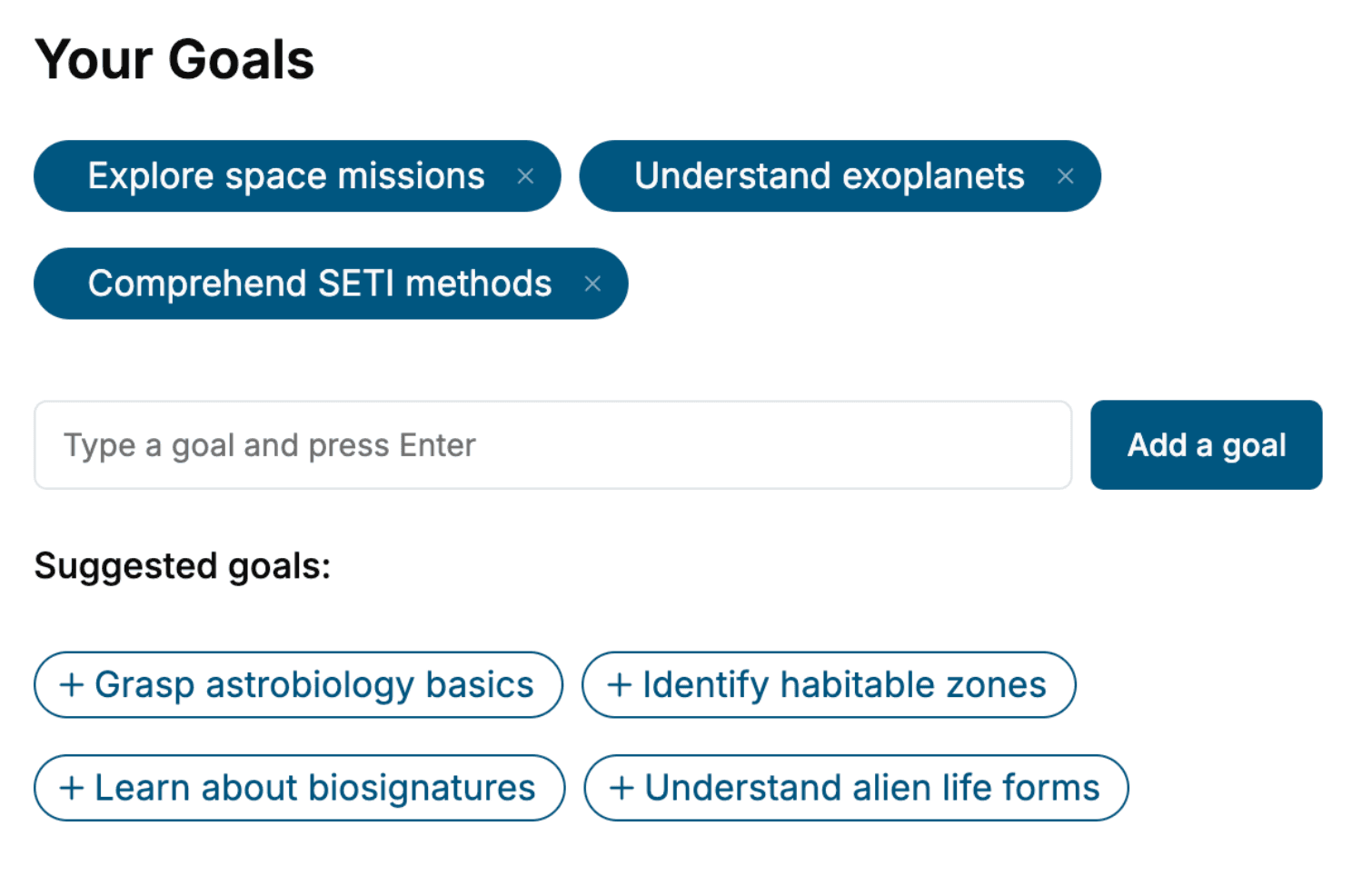
Tell us your goals and background, and get your own version of this book, tailored by AI to you.


Benefits of AI-tailored books
- Read one book, not ten:
- all the Horse Care and Health knowledge you need, gathered into a single book.
- Save days of learning:
- tell us your goals, choose your topics, and the whole book is built around them.
- Learn effortlessly:
- Horse Care and Health book written for your specific background and expertise.
- Understand at a glance:
- includes charts, tables, timelines, checklists, decision trees, and more.
- Stay current:
- written the day you order it, not years ago.
- Trust what you read:
- every book is checked for accuracy, with real research when your subject needs it.
Create your unique book in 3 steps
- 1. Select your focus
Select the focus of your Horse Care and Health book and share your background
- 2. Personalize your book
Specify your goals and choose sub-topics to include
- 3. Get your tailored book
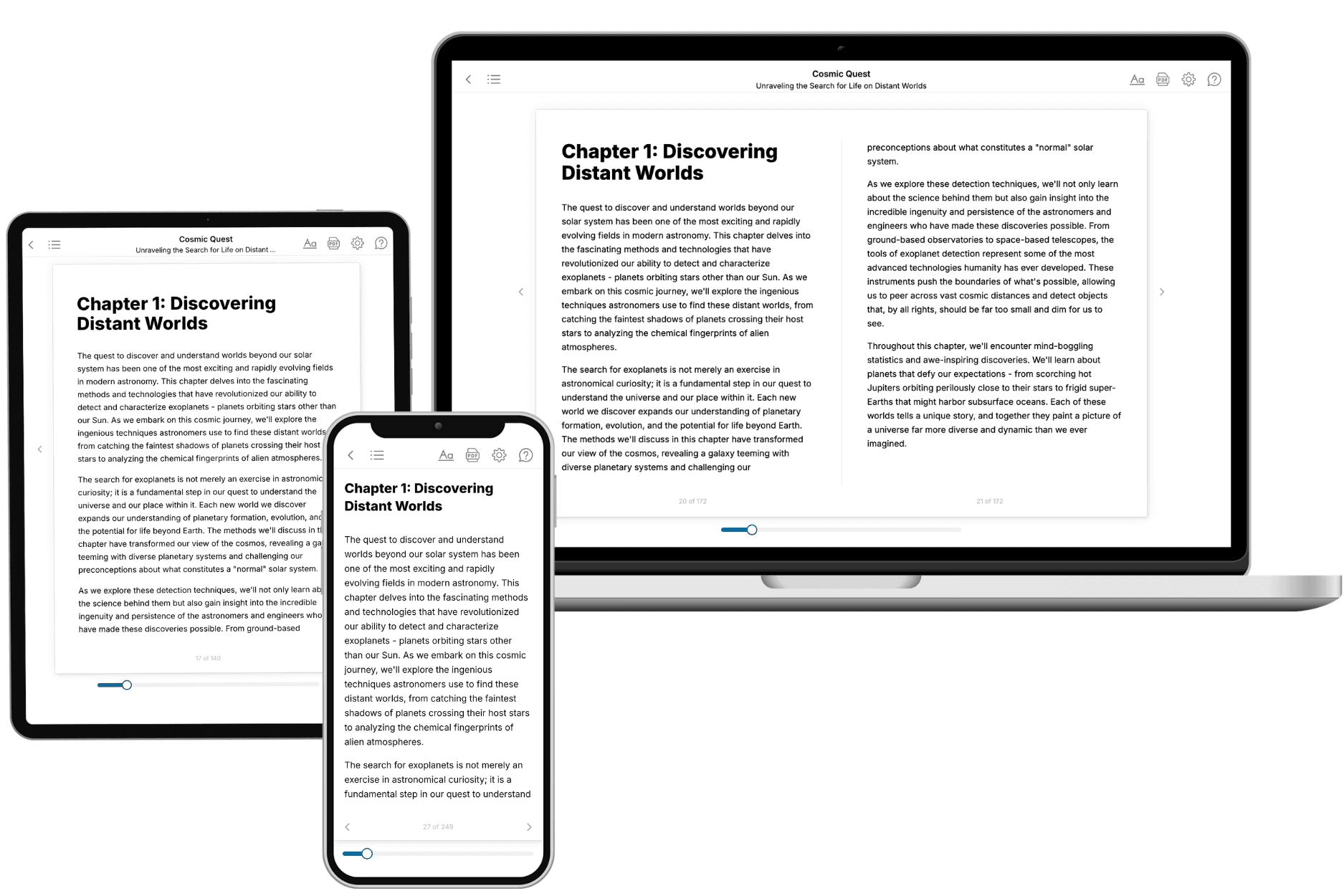
Your book is ready in 10 minutes. Read it online, download as EPUB or PDF, or send to Kindle.

Frequently asked questions
- What is TailoredRead?
TailoredRead creates complete, full-length nonfiction ebooks, written specifically for you. Tell us what you want to learn and why, and TailoredRead writes you a complete ebook on it, with charts, tables, and diagrams throughout. Read it online, on Kindle, or on any e-reader, or download it as a PDF or EPUB. Every book is written fresh the day you order it.
- How is the book tailored to me?
Before anything is written, you answer a few short questions about your goals, your background, and the topics you care about. Your book is then planned around your answers: written at your level, focused on your goals, and covering the topics you chose, instead of the one-size-fits-all book a store sells everyone.
- Will it read like generic AI content?
No. Your book isn't a chat transcript: it's planned chapter by chapter before a single word is written, told in a clear book voice, and explains ideas visually with charts, tables, and diagrams. After writing, every book goes through an editorial pass that polishes chapters so the book reads consistent from start to finish. Judge for yourself: browse thousands of sample books on our Explore Books page.
- How accurate is the content?
Our AI first checks whether your subject needs live research. Niche and fast-moving subjects are researched before writing, and the book plan and chapters are grounded in what it finds. After writing, every book goes through a quality pass that checks its facts and consistency, and researched books list their sources in a Notes section at the back.
- How long is the book?
You choose the length: Comprehensive (250-300 pages), Detailed (150-200 pages), Essential (70-100 pages), or Short (30-50 pages).
- Does the book include visuals?
Yes. Every book includes charts, tables, and diagrams: timelines, checklists, step-by-step guides, decision trees, comparison tables, matrices, and bar charts. A typical book includes dozens of these visual elements.
- Can I read it on Kindle? What formats can I download?
Yes. Every book can be read in our online reader or downloaded as a PDF or EPUB. The EPUB can be opened with Kindle, Apple Books, Kobo, and any e-reader. The Commercial and Author licenses also include an editable Word (DOCX) and Markdown download.
- How much does it cost?
About the price of a regular ebook. The exact price depends on your book's length and complexity, from $2 for the shortest books to $35 for the most comprehensive, and it's shown when you review your book, before you commit to anything. Each book is a one-time purchase, yours to keep, no subscription. Licenses that let you share, teach, or publish your book range from $35.99 to $49.99.
- Can I preview the book before purchasing?
Before you pay, you'll see what your book will cover: the title, a detailed description, the estimated length, and the complete chapter-by-chapter table of contents, so you know what you're getting before you decide. The full text itself is written after you purchase.
- How long does it take to create a book?
About 10 minutes. You can start reading the opening chapters while the rest is still being written.