The Neuroscience of Character
How Brain Development, Emotional Intelligence, and Psychosocial Identity Shape Authentic Storytelling
You struggle to create characters who feel genuinely alive—whose emotional journeys resonate because they're grounded in how human brains actually develop and process emotion.
222 pages11 chaptersEnglishDec 24, 2025Neuroscience
About this book
Without understanding the neuroscience behind identity formation and emotional competence, your characters risk feeling flat, their growth arcs unconvincing, their struggles disconnected from psychological reality. This book bridges that gap. You'll discover how the brain's developmental stages directly inform character psychology, how mirror neurons and attachment theory explain reader empathy, and how emotional regulation reflects real neurobiological processes. Learn to harness neurodiversity as a creative strength, design trauma-informed narratives that honor psychological complexity, and integrate spiritual awareness with neuroscience for deeper meaning-making. Whether you're a writer, artist, psychology student, or creative professional, you'll gain a comprehensive framework for understanding psychosocial identity formation and translating that knowledge into characters and stories that feel authentically human. This isn't abstract theory—it's practical neuroscience applied directly to your creative work, enabling you to craft narratives that transform both your characters and your readers.
Table of contents
- IntroductionWhy Neuroscience Matters for Your Creative Practice, Bridging Science and Art: A New Framework for Storytelling, How to Use This BookRead below
- Chapter 1: The Developing Brain and Character PsychologyUnderstanding Brain Development Stages, The Prefrontal Cortex and Character Decision-Making, Mapping Brain Development to Character Arcs
- Chapter 2: Psychosocial Identity Formation in NarrativeErikson's Psychosocial Stages and Character Development, Identity Crisis Narrative Arcs: When Characters Question Who They Are, Creating Authentic Identity Formation in Your Characters
- Chapter 3: The Neuroscience of Emotion and Emotional CompetenceThe Limbic System: Where Emotion Lives in the Brain, Building Your Emotional Competence Framework, Neurotransmitters and Mood: The Chemistry of Character Emotion
- Chapter 4: Mirror Neurons, Empathy, and Reader ConnectionHow Mirror Neurons Create Empathy in Readers, Empathy Development Pathways in Character Design, Narrative Storytelling Techniques That Activate Mirror Neurons
- Chapter 5: Attachment Theory and Relational Dynamics in StoriesAttachment Theory Fundamentals, Attachment Patterns in Character Relationships, Creating Secure and Insecure Attachment Arcs
- Chapter 6: Emotional Regulation and Internal ConflictUnderstanding Emotional Regulation in the Brain, Using Dysregulation to Create Authentic Internal Conflict, Character Growth Through Improved Emotional Regulation
- Chapter 7: Neurodiversity as Creative StrengthWhat Neurodiversity Means and Why It Matters, Neurodivergent Creative Strengths and Unique Perspectives, Gifted Child Psychology and Creative Development
- Chapter 8: Trauma-Informed Narrative DesignHow Trauma Affects the Brain and Character Behavior, Designing Trauma-Informed Character Arcs, Crafting Authentic Healing and Recovery Narratives
- Chapter 9: Self-Awareness, Interoception, and Narrative VoiceInteroception and Self-Understanding in Characters, Self-Awareness and Authentic Narrative Voice, Mindfulness and Emotional Awareness in Storytelling
- Chapter 10: Moral Development, Conflict Resolution, and Character GrowthMoral Development Stages in Character Arcs, Conflict Resolution Psychology and Character Choices, Neuroplasticity and Character Transformation
- Chapter 11: Integrating Spirituality, Flow, and Holistic CreativitySpiritual Neuroscience Integration in Your Creative Practice, Creative Flow and Optimal Brain States, Sensory Processing in Characters and Narrative Depth
- ConclusionBringing It All Together: Your Integrated Creative Framework, Next Steps in Your Creative Journey
- Further Reading and Resources
Introduction
You've felt it before—that moment when a character in a story suddenly feels real. Not just believable, but genuinely alive. Their struggles resonate in your chest. Their choices make sense even when they're flawed. Their emotional journey mirrors something deeply human, something you recognize from your own experience or from observing the complexity of people around you. This isn't magic, though it might feel like it. It's the result of storytelling that aligns with how human brains actually develop, process emotion, and form identity. When you understand the neuroscience behind character psychology, you gain access to a powerful framework that transforms your creative work from intuitive guesswork into informed craft.
Many talented creatives struggle with a persistent problem: their characters feel flat despite their best efforts. The emotional arcs don't quite land. The internal conflicts seem manufactured rather than organic. The character growth feels unearned or unconvincing. This disconnect often stems from a gap between creative intuition and psychological reality. Without understanding how the brain develops through distinct stages, how emotional regulation actually works in neural terms, or how identity formation follows predictable psychosocial patterns, you're essentially building characters in the dark. You might stumble upon authenticity occasionally, but you can't reliably reproduce it. You lack the foundational knowledge that would allow you to diagnose what's missing and intentionally craft characters whose psychology rings true.
This book exists to bridge that gap. It brings together neuroscience, developmental psychology, and narrative craft into a comprehensive framework specifically designed for creative practitioners. You'll discover how brain structures like the prefrontal cortex and limbic system influence character decision-making and emotional responses. You'll learn how psychosocial identity formation stages map directly onto character arcs, providing a roadmap for authentic transformation. You'll understand the neurobiological basis of empathy through mirror neurons, the psychology of attachment patterns in relationships, and how trauma actually affects brain function and behavior. This isn't abstract academic theory—it's practical knowledge translated into tools you can immediately apply to your writing, art, or creative projects. Whether you're neurodivergent yourself or simply committed to creating authentic neurodivergent characters, this framework honors the full spectrum of human cognitive diversity as a creative strength rather than a limitation.
Why Neuroscience Matters for Your Creative Practice
The human brain is not a static organ—it's a dynamic, developing system that changes dramatically from infancy through adulthood and continues adapting throughout life. These developmental stages have profound implications for character psychology. A teenager's brain, with its still-maturing prefrontal cortex, literally processes risk and reward differently than an adult's brain. This isn't just a metaphor for impulsive behavior; it's a neurobiological reality that explains why adolescent characters make certain choices, struggle with particular conflicts, and experience emotions with heightened intensity[1]. When you understand these developmental realities, you can create characters whose psychology aligns with their age and life stage in ways that feel authentic rather than stereotypical.
Emotional competence—the ability to recognize, understand, regulate, and respond appropriately to emotions—is perhaps the most critical skill for both real humans and fictional characters. Yet many writers treat emotion as something vague and mysterious, relying on clichés or surface-level descriptions. Neuroscience reveals that emotion has specific biological substrates. The limbic system, particularly structures like the amygdala and hippocampus, processes emotional information and connects it to memory. The prefrontal cortex regulates emotional responses and enables complex decision-making that balances feeling with reasoning. When your characters experience fear, joy, grief, or anger, these emotions involve specific neural pathways and neurochemical processes. Understanding this biological foundation allows you to craft emotional experiences that feel genuine because they reflect how emotion actually works in the brain.
Mirror neurons represent one of neuroscience's most significant discoveries for understanding empathy and social connection. These specialized brain cells fire both when you perform an action and when you observe someone else performing that same action[2]. This neural mirroring is the biological basis for empathy—your brain literally simulates the experiences of others. For storytellers, this has profound implications. When you write a character experiencing an emotion or performing an action, your reader's mirror neurons activate, creating a visceral sense of shared experience. This is why certain scenes feel emotionally powerful while others fall flat. The difference often lies in whether you've provided the specific, embodied details that activate mirror neuron systems. Neuroscience doesn't just explain why storytelling works—it provides concrete guidance for making it work better.
Neurodiversity—the natural variation in human brain function and behavioral traits—challenges traditional assumptions about "normal" psychology and opens up richer possibilities for character creation. Autism, ADHD, dyslexia, giftedness, and other forms of neurodivergence aren't deficits to be fixed but different ways of processing information, each with distinct strengths and challenges. Many creative professionals are themselves neurodivergent, and understanding the neuroscience of cognitive diversity validates your own experiences while expanding your capacity to create authentic characters across the neurological spectrum. A character with ADHD doesn't just "have trouble focusing"—they experience executive function differences rooted in dopamine regulation and prefrontal cortex connectivity. This specificity transforms stereotypes into authentic representation.
Trauma-informed narrative design requires understanding how traumatic experiences actually affect brain structure and function. Trauma isn't just a plot device or backstory element—it's a neurobiological event that changes how the brain processes threat, regulates emotion, and forms memories. The amygdala becomes hyperreactive, the hippocampus struggles to contextualize traumatic memories, and the prefrontal cortex's regulatory capacity diminishes[3]. When you understand these mechanisms, you can create characters whose trauma responses feel authentic rather than melodramatic, whose healing journeys reflect actual recovery processes, and whose struggles honor the complexity of psychological injury without exploiting it for cheap emotional impact. This knowledge carries ethical weight—it enables you to tell difficult stories with sensitivity and accuracy.
The integration of neuroscience into creative practice isn't about reducing art to biology or constraining imagination with scientific rules. Rather, it's about building a foundation of psychological literacy that enhances rather than limits your creative choices. Just as understanding color theory doesn't constrain a painter but expands their palette, understanding brain development and emotional neuroscience doesn't constrain your storytelling but expands your toolkit. You gain the ability to make informed choices about character psychology, to diagnose what's not working in a character arc, and to intentionally craft emotional experiences that resonate because they align with how human brains actually function. This is the difference between hoping your characters feel real and knowing how to make them real.
Consider the practical applications across different creative domains. For novelists and screenwriters, neuroscience provides a framework for constructing character arcs that mirror actual developmental trajectories, making transformation feel earned rather than arbitrary. For visual artists and illustrators, understanding emotional neuroscience and embodied cognition informs how you depict characters' physical expressions and body language in ways that communicate psychological states authentically. For game designers, knowledge of reward systems, dopamine pathways, and motivation helps create character progression systems that feel satisfying because they align with how the brain processes achievement and growth. For psychology students interested in creative applications, this framework demonstrates how scientific knowledge translates into practical artistic skill. The neuroscience of character isn't just for one type of creative—it's a universal foundation that enhances any practice involving human psychology and emotional storytelling.
Bridging Science and Art: A New Framework for Storytelling
The relationship between science and art has often been framed as oppositional—the cold rationality of empirical research versus the warm intuition of creative expression. This false dichotomy has prevented many artists from accessing scientific knowledge that could deepen their work, while simultaneously limiting scientists' appreciation for how artistic practice generates its own forms of understanding. The framework presented in this book rejects this artificial divide. Neuroscience and creative storytelling aren't competing approaches to understanding human experience—they're complementary perspectives that, when integrated, produce richer insights than either could achieve alone. Your creative intuition has been shaped by a lifetime of observing human behavior and emotion. Neuroscience provides the vocabulary and conceptual models to articulate what you've intuitively sensed, while also revealing patterns and mechanisms you might not have consciously recognized.
Psychosocial identity formation, as described by developmental psychologist Erik Erikson, provides a particularly powerful bridge between scientific theory and narrative craft. Erikson identified eight stages of psychosocial development, each characterized by a central conflict that must be resolved for healthy psychological growth[4]. These stages—from trust versus mistrust in infancy through integrity versus despair in late adulthood—map remarkably well onto character arc structures. A coming-of-age story often centers on the adolescent stage of identity versus role confusion, where the protagonist must integrate various aspects of self into a coherent identity. A midlife crisis narrative explores generativity versus stagnation, where characters question whether their lives have meaning and purpose. By understanding these psychosocial stages, you gain a developmental roadmap that ensures character growth follows psychologically coherent patterns rather than arbitrary plot demands.
Emotional regulation—the brain's capacity to modulate emotional responses—offers another crucial bridge between neuroscience and narrative craft. In neurobiological terms, emotional regulation involves the prefrontal cortex exerting top-down control over limbic system activation, allowing you to experience emotion without being overwhelmed by it. In narrative terms, this is the foundation of internal conflict. Characters who struggle with emotional regulation—who act impulsively when angry, shut down when anxious, or become paralyzed by grief—are experiencing failures of prefrontal-limbic communication. Characters who grow in emotional competence are literally strengthening these neural pathways. This isn't metaphorical; it's how the brain actually changes through experience and practice. When you write a character learning to pause before reacting in anger, you're depicting neuroplasticity in action—the brain's ability to form new neural connections and modify existing ones.
The concept of attachment theory, developed by John Bowlby and Mary Ainsworth, demonstrates how early relational experiences shape lifelong patterns of connection and intimacy. Secure attachment develops when caregivers consistently respond to a child's needs, creating an internal working model of relationships as safe and reliable. Insecure attachment patterns—anxious, avoidant, or disorganized—develop when caregiving is inconsistent, neglectful, or frightening[5]. These attachment patterns aren't just childhood phenomena—they persist into adulthood and profoundly influence romantic relationships, friendships, and even professional connections. For character development, attachment theory provides a framework for understanding why characters relate to others in particular ways, what triggers their relational anxieties, and how their relationship patterns might evolve through corrective emotional experiences. A character with avoidant attachment won't simply "learn to trust"—they'll need specific experiences that challenge their internal working model and gradually build new neural pathways for secure connection.
Integrating spiritual awareness with neuroscience creates a holistic framework that honors both measurable brain processes and subjective experiences of meaning, transcendence, and consciousness. Neuroscience can identify brain regions associated with meditation, prayer, or flow states—the default mode network quiets during mindfulness practice, while the prefrontal cortex and temporal lobes show distinct activation patterns during spiritual experiences[6]. Yet these neural correlates don't reduce spiritual experience to "mere" brain activity any more than identifying the neural basis of love reduces love to neurochemistry. Instead, this integration allows you to create characters whose spiritual lives feel authentic and grounded, whether they're experiencing religious devotion, secular mindfulness, creative flow, or existential questioning. You can depict these experiences with both psychological accuracy and respect for their subjective significance.
The framework presented in this book is explicitly designed for neurodivergent creatives and those creating neurodivergent characters. Traditional writing advice often assumes neurotypical cognitive processing—linear thinking, consistent executive function, typical sensory processing, and standard social-emotional development. This assumption excludes or pathologizes the experiences of autistic, ADHD, dyslexic, gifted, and otherwise neurodivergent individuals. By grounding character psychology in neuroscience rather than normative assumptions, this framework validates cognitive diversity as natural variation rather than deviation from an ideal. An autistic character's sensory sensitivities aren't quirks to be explained away—they reflect genuine differences in sensory processing and neural connectivity. An ADHD character's hyperfocus isn't inconsistent with their distractibility—both stem from differences in dopamine regulation and executive function. Understanding the neuroscience of cognitive diversity enables you to create authentic representation while also validating your own neurodivergent experiences as creative strengths.
This integrated framework also addresses the ethical dimensions of storytelling about psychological complexity, trauma, and mental health. When you understand how trauma affects the brain, you're less likely to use it as a shallow plot device or to depict recovery as a simple matter of willpower. When you understand the neuroscience of addiction, you can create characters whose substance use reflects the actual mechanisms of reward system dysregulation rather than moral failure. When you understand developmental psychology, you can write child characters whose cognitive and emotional capacities align with their age rather than treating them as miniature adults. This knowledge carries responsibility—it requires you to handle difficult psychological material with accuracy and sensitivity, avoiding both sensationalism and sanitization. The goal isn't to constrain your creative choices but to ensure those choices are informed by psychological reality rather than stereotype or misconception.
How to Use This Book
This book is structured to build progressively from foundational neuroscience concepts to increasingly complex applications in character development and narrative craft. Each chapter focuses on a specific aspect of brain function or psychological development, explains the underlying neuroscience in accessible terms, and then demonstrates how to translate that knowledge into practical storytelling techniques. You don't need a background in biology or psychology to understand the material—technical concepts are explained clearly with minimal jargon, and when specialized terms are necessary, they're defined in context. The goal is to make neuroscience accessible to creative practitioners, not to turn you into a neuroscientist. You're learning enough to inform your craft, not to conduct research or make clinical assessments.
The chapters are organized to follow a logical progression through different aspects of character psychology and brain function:
- Chapters 1-2 establish foundational knowledge about brain development stages and psychosocial identity formation, providing the developmental framework that underlies all subsequent chapters
- Chapters 3-4 explore the neuroscience of emotion and empathy, explaining how feelings are generated in the brain and how readers connect emotionally with characters
- Chapters 5-6 examine relational dynamics and emotional regulation, focusing on attachment patterns and internal conflict
- Chapters 7-8 address neurodiversity and trauma, expanding the framework to include cognitive differences and psychological injury
- Chapters 9-10 investigate self-awareness, moral development, and character growth, exploring how consciousness and ethical reasoning develop
- Chapter 11 integrates spiritual awareness and holistic creativity, bringing together all previous concepts into a comprehensive framework
While the chapters build on each other, you can also use this book as a reference resource, consulting specific chapters when working on particular aspects of character development. If you're struggling with a character's emotional arc, Chapter 3 on emotional neuroscience and Chapter 6 on emotional regulation provide targeted guidance. If you're developing a character with complex attachment issues, Chapter 5 offers detailed frameworks for understanding relational patterns. If you're creating neurodivergent characters or drawing on your own neurodivergent experiences, Chapter 7 provides both validation and practical tools. The table of contents and chapter subsections are designed to help you quickly locate relevant information for specific creative challenges you're facing.
Throughout the book, you'll encounter several types of content designed to support different learning styles and applications:
- Neuroscience explanations that describe how specific brain structures and processes function, providing the scientific foundation for character psychology
- Developmental frameworks that outline how psychological capacities emerge and evolve across the lifespan, offering roadmaps for character growth
- Practical applications that translate scientific concepts into specific storytelling techniques, character development strategies, and narrative design choices
- Examples and case studies that demonstrate how neuroscience principles manifest in actual character creation and story construction
- Common pitfalls that identify frequent mistakes writers make when depicting psychological processes, along with guidance for avoiding them
- Reflection prompts that encourage you to apply concepts to your own creative work and personal experiences
The book is written with neurodivergent readers specifically in mind, which means the presentation style accommodates different cognitive processing preferences. Information is structured with clear headings and subheadings that make it easy to navigate and relocate content. Complex concepts are broken down into manageable components rather than presented in dense paragraphs. Key terms are highlighted and defined when introduced. Lists and frameworks provide visual organization that supports comprehension and retention. If you're someone who thinks in systems and patterns, you'll find plenty of models and frameworks to work with. If you're someone who learns through examples and applications, you'll find concrete demonstrations throughout. If you need to take breaks and return to material multiple times, the structure supports that approach.
As you work through the book, consider maintaining a creative journal or notebook where you can apply concepts to your own characters and projects. After reading about attachment theory, for example, you might analyze your protagonist's attachment style and consider how it influences their relationships and conflicts. After learning about emotional regulation, you might map out how your character's regulatory capacity changes across their arc. After exploring neurodiversity, you might reconsider a character's cognitive processing style or recognize aspects of your own neurodivergence that inform your creative perspective. This active application transforms passive reading into engaged learning, helping you internalize concepts and develop the habit of thinking about character psychology through a neuroscience-informed lens.
The book includes footnotes and references throughout, directing you to source material if you want to explore particular topics in greater depth. The "Further Reading and Resources" section at the end provides curated recommendations for books, articles, and other materials that extend the concepts introduced here. You're not expected to read all of these additional resources—they're provided for those who want to dive deeper into specific areas of interest. Some readers will use this book as a comprehensive introduction and move on to apply the concepts in their creative work. Others will use it as a launching point for more extensive study of neuroscience, psychology, or related fields. Both approaches are valid, and the book is designed to support either path.
Finally, remember that this framework is meant to enhance your creative practice, not constrain it. Neuroscience provides insights into how human psychology actually works, but storytelling isn't bound by strict realism—it's about creating experiences that feel emotionally true even when they're fantastical or metaphorical. Understanding that trauma affects the amygdala and hippocampus doesn't mean you can't write a character who heals more quickly than would be realistic if the story requires it. Understanding developmental stages doesn't mean every character must follow a predictable trajectory. The knowledge gives you a foundation to make informed choices, to understand what you're doing when you deviate from psychological realism, and to ensure that even your most imaginative characters retain an emotional core that readers recognize as authentically human. Use this framework as a tool that serves your creative vision, not as a set of rules that limits it.
Notes
Introduction
- 1. J. N. Giedd, "Structural magnetic resonance imaging of the adolescent brain," Annals of the New York Academy of Sciences, 2004
- 2. G. Rizzolatti and L. Craighero, "The mirror-neuron system," Annual Review of Neuroscience, 2004
- 3. B. A. van der Kolk, The Body Keeps the Score: Brain, Mind, and Body in the Healing of Trauma, Viking, 2014
- 4. E. H. Erikson, Childhood and Society, W. W. Norton & Company, 1950
- 5. J. Bowlby, A Secure Base, Basic Books, 1988
- 6. A. Newberg and M. R. Waldman, How God Changes Your Brain, Ballantine Books, 2009
This is the end of the free sample. The full book has 11 chapters.
Want this book written for you?
Tell us your goals and background, and get your own version of this book, tailored by AI to you.


Benefits of AI-tailored books
- Read one book, not ten:
- all the Neuroscience knowledge you need, gathered into a single book.
- Save days of learning:
- tell us your goals, choose your topics, and the whole book is built around them.
- Learn effortlessly:
- Neuroscience book written for your specific background and expertise.
- Understand at a glance:
- includes charts, tables, timelines, checklists, decision trees, and more.
- Stay current:
- written the day you order it, not years ago.
- Trust what you read:
- every book is checked for accuracy, with real research when your subject needs it.
Create your unique book in 3 steps
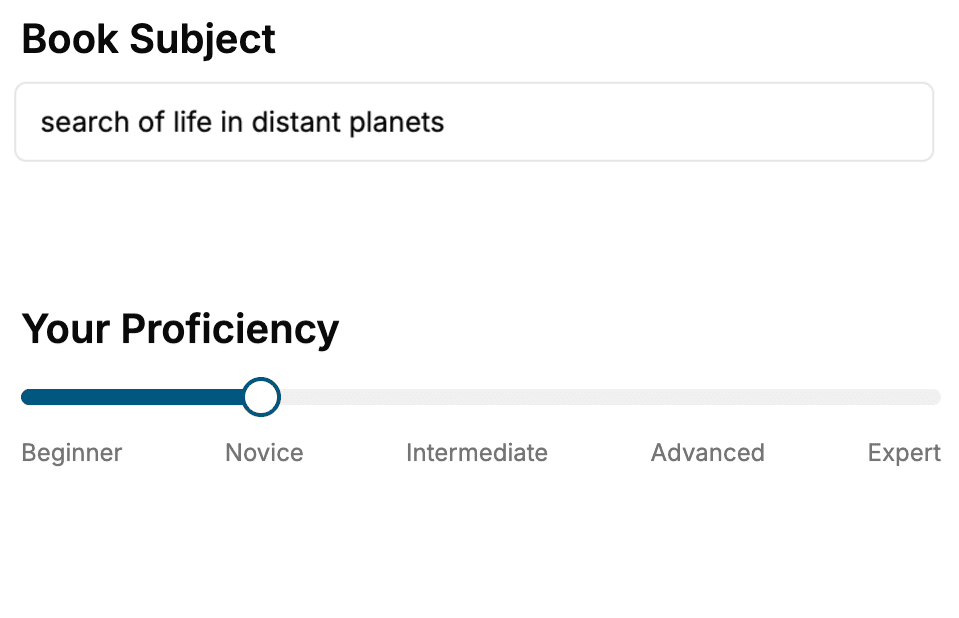
- 1. Select your focus
Select the focus of your Neuroscience book and share your background
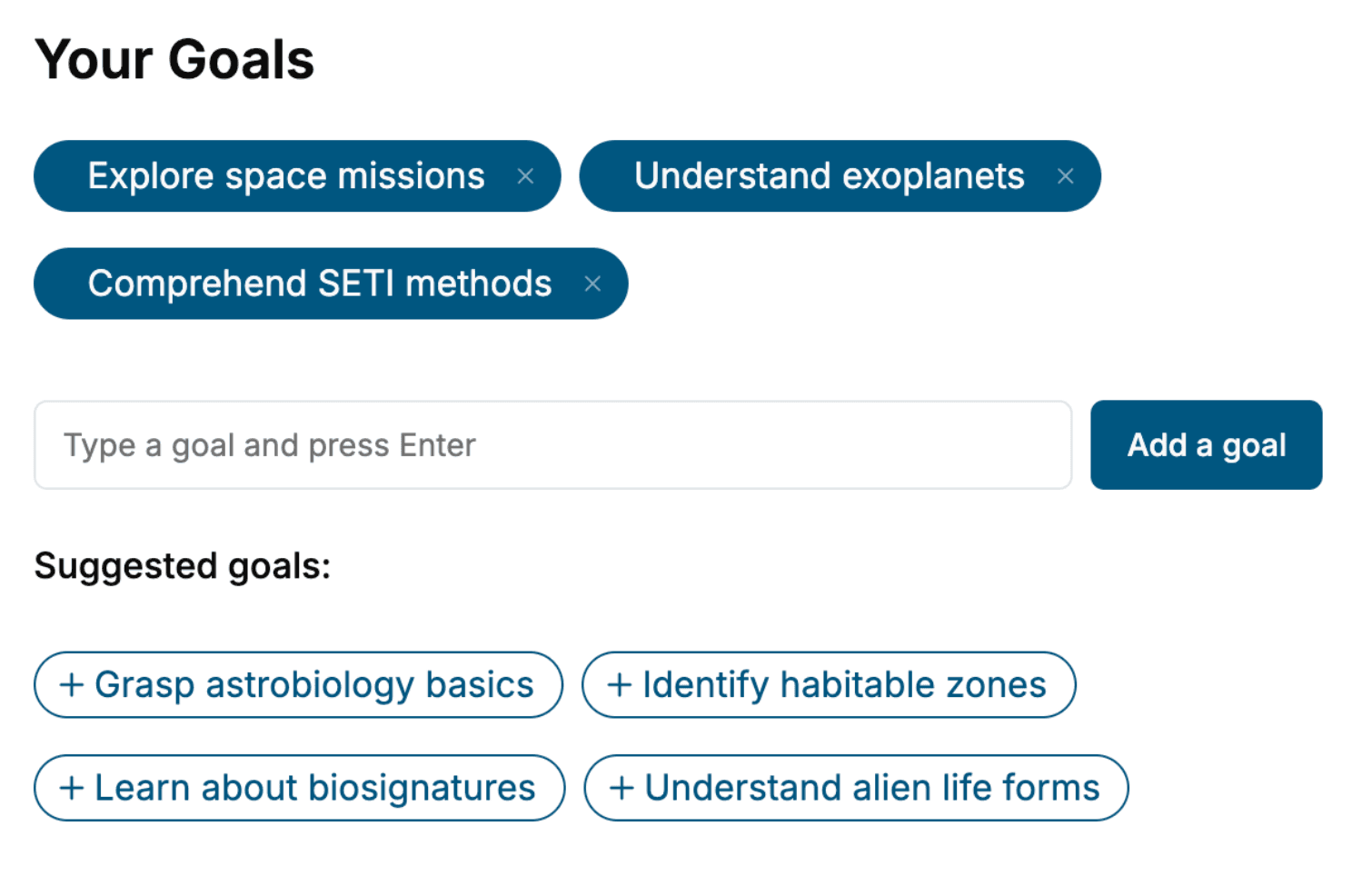
- 2. Personalize your book
Specify your goals and choose sub-topics to include
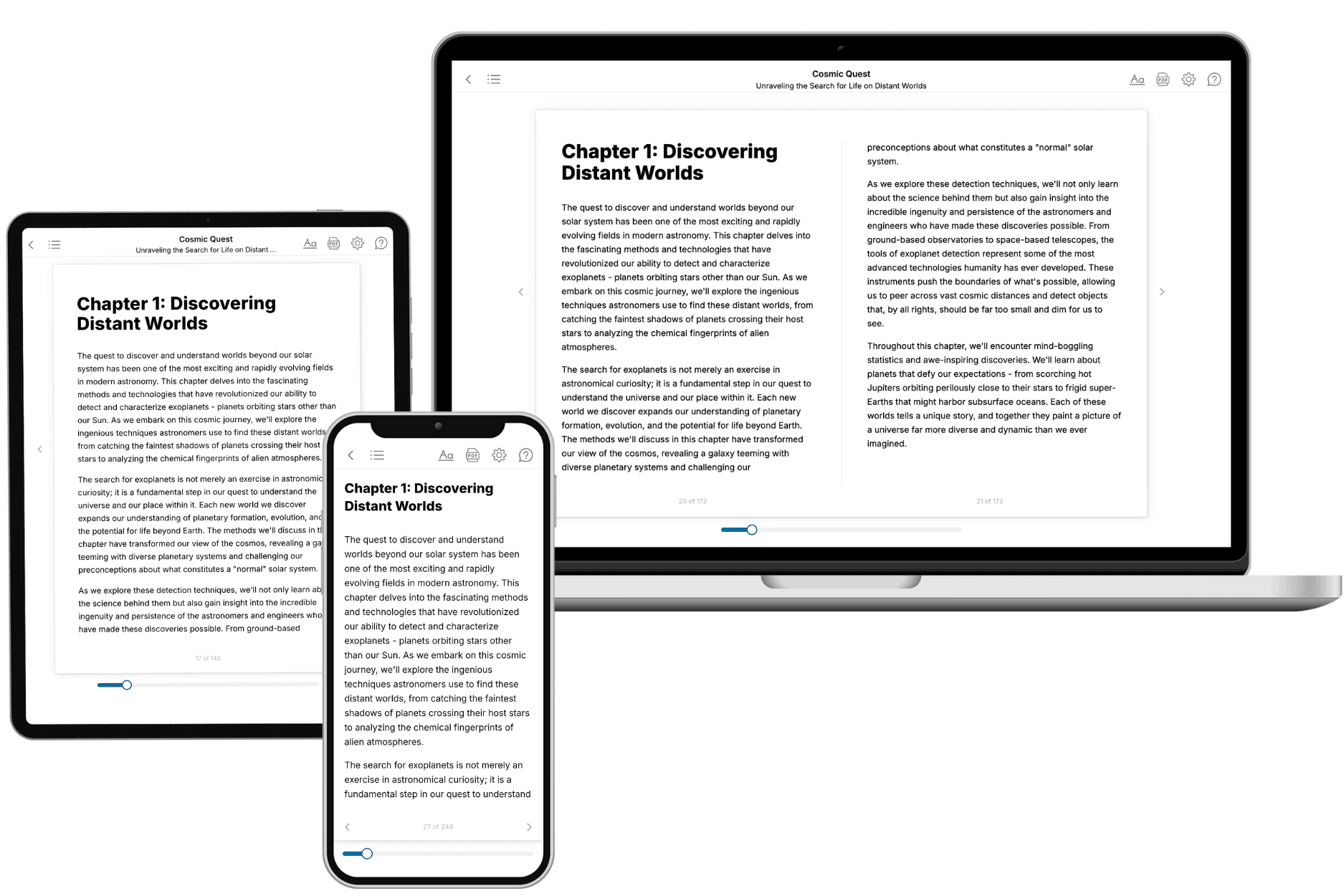
- 3. Get your tailored book
Your book is ready in 10 minutes. Read it online, download as EPUB or PDF, or send to Kindle.
Frequently asked questions
- What is TailoredRead?
TailoredRead creates complete, full-length nonfiction ebooks, written specifically for you. Tell us what you want to learn and why, and TailoredRead writes you a complete ebook on it, with charts, tables, and diagrams throughout. Read it online, on Kindle, or on any e-reader, or download it as a PDF or EPUB. Every book is written fresh the day you order it.
- How is the book tailored to me?
Before anything is written, you answer a few short questions about your goals, your background, and the topics you care about. Your book is then planned around your answers: written at your level, focused on your goals, and covering the topics you chose, instead of the one-size-fits-all book a store sells everyone.
- Will it read like generic AI content?
No. Your book isn't a chat transcript: it's planned chapter by chapter before a single word is written, told in a clear book voice, and explains ideas visually with charts, tables, and diagrams. After writing, every book goes through an editorial pass that polishes chapters so the book reads consistent from start to finish. Judge for yourself: browse thousands of sample books on our Explore Books page.
- How accurate is the content?
Our AI first checks whether your subject needs live research. Niche and fast-moving subjects are researched before writing, and the book plan and chapters are grounded in what it finds. After writing, every book goes through a quality pass that checks its facts and consistency, and researched books list their sources in a Notes section at the back.
- How long is the book?
You choose the length: Comprehensive (250-300 pages), Detailed (150-200 pages), Essential (70-100 pages), or Short (30-50 pages).
- Does the book include visuals?
Yes. Every book includes charts, tables, and diagrams: timelines, checklists, step-by-step guides, decision trees, comparison tables, matrices, and bar charts. A typical book includes dozens of these visual elements.
- Can I read it on Kindle? What formats can I download?
Yes. Every book can be read in our online reader or downloaded as a PDF or EPUB. The EPUB can be opened with Kindle, Apple Books, Kobo, and any e-reader. The Commercial and Author licenses also include an editable Word (DOCX) and Markdown download.
- How much does it cost?
About the price of a regular ebook. The exact price depends on your book's length and complexity, from $2 for the shortest books to $35 for the most comprehensive, and it's shown when you review your book, before you commit to anything. Each book is a one-time purchase, yours to keep, no subscription. Licenses that let you share, teach, or publish your book range from $35.99 to $49.99.
- Can I preview the book before purchasing?
Before you pay, you'll see what your book will cover: the title, a detailed description, the estimated length, and the complete chapter-by-chapter table of contents, so you know what you're getting before you decide. The full text itself is written after you purchase.
- How long does it take to create a book?
About 10 minutes. You can start reading the opening chapters while the rest is still being written.