The Neuroscience of Harmony
Advanced Strategies for Resolving Family and Relationship Conflicts
Conflicts in families and relationships can feel like an insurmountable obstacle, leaving even the most experienced professionals searching for new approaches.
269 pages13 chaptersAug 19, 2025NeuroscienceCreated by Gavin
About this book
"The Neuroscience of Harmony" delves deep into the brain's role in conflict, offering you cutting-edge insights to transform your practice. This comprehensive guide bridges the gap between traditional conflict resolution techniques and the latest neuroscientific research. You'll discover how neural pathways influence confrontational behaviors and learn to apply this knowledge to defuse tense situations more effectively. Packed with practical strategies grounded in scientific evidence, this book equips you with the tools to navigate complex emotional landscapes. From understanding the neurochemistry of heated arguments to leveraging brain plasticity for long-term conflict resolution, you'll gain a new perspective on helping families and couples achieve lasting harmony.
Table of contents
- IntroductionThe Importance of Neuroscience in Conflict Resolution, Overview of the Book's Structure, How to Apply These Insights in Your PracticeRead below
- Chapter 1: The Neuroscience of Conflict: Brain BasicsKey Brain Structures Involved in Conflict, Neural Pathways and Their Role in Disputes, Neurotransmitters and Their Impact on Behavior, Brain Imaging Techniques in Conflict Research
- Chapter 2: The Brain's Threat Response SystemThe Role of the Amygdala in Conflict Escalation, Fight, Flight, or Freeze: Neural Mechanisms, Stress Hormones and Their Effects on Conflict, Neurological Approaches to De-escalation
- Chapter 3: Empathy and Perspective-Taking in the BrainMirror Neurons and Empathic Responses, Theory of Mind and Its Neural Basis, Activating Empathy Circuits During Conflict, Neuroscience-Based Exercises for Enhancing Perspective-Taking
- Chapter 4: The Neuroscience of Decision-Making in DisputesThe Prefrontal Cortex and Rational Choices, Balancing Emotion and Reason: A Neural Perspective, Cognitive Biases and Their Neural Origins, Techniques for Improving Decision-Making in Conflicts
- Chapter 5: Neuroplasticity and Conflict Resolution SkillsHow the Brain Changes Through Experience, The Neuroscience of Habit Formation and Breaking, Developing New Conflict Resolution Skills at Any Age, Practical Techniques for Fostering Neuroplasticity
- Chapter 6: Mindfulness and the Brain in Conflict ManagementNeurological Effects of Meditation Practices, How Mindfulness Alters Brain Structure, Improving Emotional Regulation Through Mindfulness, Mindfulness Techniques for Conflict Resolution
- Chapter 7: Attachment Styles and Their Neural FoundationsThe Neurodevelopment of Attachment Styles, How Childhood Attachment Influences Adult Conflicts, Rewiring Attachment Patterns: A Neuroscientific Approach, Creating a Secure Base in High-Conflict Situations
- Chapter 8: The Neuroscience of Effective CommunicationLanguage Processing in the Brain During Conflict, Neural Interpretation of Nonverbal Cues, The Neuroscience Behind Active Listening, Brain-Based Strategies for Improved Communication
- Chapter 9: Emotional Intelligence and Mediation OutcomesNeural Mechanisms of Emotion Recognition, The Brain's Role in Regulating Emotions, Emotional Contagion: Neuroscience and Implications, Techniques for Enhancing Emotional Intelligence in Mediation
- Chapter 10: Sleep, Physical Health, and Conflict ResolutionHow Sleep Affects Brain Function and Conflict Management, The Physiology of Stress and Its Impact on Disputes, Exercise and Its Effects on the Conflict-Resolving Brain, Nutrition, Cognition, and Conflict Resolution Abilities
- Chapter 11: Cultural Neuroscience in Conflict ResolutionHow Culture Shapes the Brain's Conflict Response, Neural Bases of Cross-Cultural Misunderstandings, Universal Neural Patterns in Conflict Resolution, Developing Culturally Sensitive, Brain-Based Approaches
- Chapter 12: Group Dynamics and Collective Neural ProcessingThe Social Brain: Neural Bases of Group Behavior, Neuroscience of Group Decision-Making in Conflicts, Social Identity and Its Neural Correlates, Brain-Based Strategies for Facilitating Group Resolutions
- Chapter 13: Technology, the Brain, and Modern Conflict ResolutionThe Impact of Digital Communication on Neural Processing, Neuroscience Considerations in Virtual Mediation, AI and the Future of Neuroscience-Based Conflict Resolution, Ethical Considerations in Neurotechnology and Mediation
- ConclusionFuture Directions in Neuroscience and Conflict Resolution, Integrating Neuroscientific Knowledge into Your Practice
- Glossary
- Further Reading
Introduction
In the complex world of family and relationship conflicts, understanding the intricate workings of the human brain can be a game-changer for therapists and mediators. As you embark on this journey through "The Neuroscience of Harmony," you're about to discover how cutting-edge neuroscientific insights can revolutionize your approach to conflict resolution. This book is designed to bridge the gap between traditional conflict resolution techniques and the latest findings in brain science, offering you a unique perspective that will enhance your ability to navigate even the most challenging disputes.
The field of neuroscience has made remarkable strides in recent years, shedding light on the neural mechanisms that underlie human behavior, emotions, and decision-making processes. By applying these insights to the realm of conflict resolution, we can unlock new strategies for promoting understanding, empathy, and cooperation among disputing parties. This introduction will set the stage for the wealth of knowledge and practical applications that await you in the chapters to come, providing a foundation for integrating neuroscience into your professional practice.
As an experienced therapist and mediator, you've likely encountered situations where traditional approaches fall short. Perhaps you've wondered why some conflicts seem to escalate despite your best efforts, or why certain individuals struggle to see beyond their own perspective. The answers to these questions often lie within the intricate neural networks of the human brain, and understanding these processes can provide you with powerful tools to effect positive change in your clients' lives.
Throughout this book, you'll explore how the brain's threat response system influences conflict escalation, how empathy and perspective-taking activate specific neural circuits, and how stress hormones impact decision-making during disputes. You'll also delve into the fascinating world of neuroplasticity, discovering how the brain can be rewired for better conflict resolution skills at any age. From the role of mindfulness in altering brain structure to the influence of attachment styles on adult relationship conflicts, each chapter will offer deep insights and practical strategies grounded in the latest neuroscientific research.
By the time you reach the conclusion of this book, you'll have gained a comprehensive understanding of how neuroscience can inform and enhance your conflict resolution practice. You'll be equipped with a new set of tools to help families and couples achieve lasting harmony, backed by the power of brain science. Let's begin this exciting journey into the neuroscience of conflict resolution, starting with an exploration of why this field is so crucial for professionals like yourself.
The Importance of Neuroscience in Conflict Resolution
The integration of neuroscience into conflict resolution practices represents a paradigm shift in how we approach interpersonal disputes. For decades, mediators and therapists have relied on psychological theories and communication strategies to help individuals and groups navigate conflicts. While these approaches have undoubtedly been valuable, the advent of advanced brain imaging techniques and neurological research has opened up new avenues for understanding and addressing the root causes of conflict at a biological level.
One of the most significant contributions of neuroscience to conflict resolution is its ability to explain the unconscious processes that drive human behavior during disputes. When individuals find themselves in conflict situations, their brains often default to ancient survival mechanisms that can hinder rational thought and cooperative behavior. Understanding these neural responses allows practitioners to develop more effective strategies for de-escalation and resolution.
For instance, research has shown that the amygdala, a small almond-shaped structure deep within the brain, plays a crucial role in processing emotions and triggering the "fight or flight" response[1]. During a heated argument, the amygdala can become hyperactive, flooding the body with stress hormones and making it difficult for individuals to think clearly or empathize with others. By recognizing this neurological process, mediators can implement techniques specifically designed to calm the amygdala and promote more rational, collaborative thinking.
Moreover, neuroscience provides valuable insights into the power of empathy and perspective-taking in resolving conflicts. Studies have identified specific neural circuits that activate when individuals engage in empathetic behavior or attempt to understand another person's point of view[2]. This knowledge allows conflict resolution professionals to develop targeted exercises and interventions that strengthen these neural pathways, enhancing participants' ability to see beyond their own perspectives and find common ground.
The importance of neuroscience in conflict resolution extends beyond individual disputes to broader societal issues as well. By understanding the neural bases of group dynamics, cultural differences, and social identity, practitioners can develop more effective strategies for addressing conflicts at organizational, community, and even international levels. This broader application of neuroscientific principles has the potential to contribute to more peaceful and harmonious societies overall.
Furthermore, the field of neuroscience offers objective, evidence-based support for many conflict resolution techniques that have long been used intuitively by skilled practitioners. For example, the effectiveness of active listening in de-escalating conflicts can now be explained by its impact on neural circuits associated with emotional regulation and social bonding. This scientific validation not only reinforces the value of existing practices but also provides a foundation for developing new, innovative approaches to conflict resolution.
Another critical aspect of neuroscience's importance in conflict resolution is its potential to enhance the credibility and effectiveness of mediation and therapy services. As clients become more informed and skeptical of traditional approaches, being able to ground your practice in cutting-edge scientific research can instill greater confidence in your methods and outcomes. This scientific backing can be particularly valuable when working with clients who may be resistant to more conventional therapeutic techniques.
Neuroscience also sheds light on the long-term effects of chronic conflict on brain structure and function. Prolonged exposure to high-stress environments, such as those characterized by frequent familial disputes, can lead to changes in brain architecture and chemistry that perpetuate negative behavioral patterns[3]. By understanding these neurological impacts, conflict resolution professionals can better advocate for early intervention and develop strategies to mitigate the harmful effects of ongoing conflicts on individuals and relationships.
Lastly, the importance of neuroscience in conflict resolution lies in its ability to personalize interventions based on individual neurological profiles. As research in this field progresses, it may become possible to tailor conflict resolution strategies to the specific neural characteristics of the parties involved, maximizing the effectiveness of interventions and increasing the likelihood of successful outcomes.
In conclusion, the integration of neuroscience into conflict resolution practices represents a significant advancement in the field. By providing a deeper understanding of the biological processes underlying human behavior in conflict situations, neuroscience equips practitioners with powerful tools to promote harmony and cooperation. As you delve deeper into the chapters that follow, you'll discover how this scientific knowledge can be applied to transform your approach to resolving family and relationship conflicts, ultimately leading to more satisfying and lasting resolutions for your clients.
Overview of the Book's Structure
"The Neuroscience of Harmony" is structured to provide you with a comprehensive understanding of how neuroscience can inform and enhance your conflict resolution practice. The book is organized into thirteen chapters, each focusing on a specific aspect of neuroscience as it relates to conflict resolution in family and relationship settings. This carefully crafted structure allows for a logical progression of knowledge, building upon foundational concepts to explore more complex applications of neuroscience in conflict resolution.
The journey begins with Chapter 1, "The Neuroscience of Conflict: Brain Basics," which lays the groundwork for your exploration of this fascinating field. This chapter introduces key brain structures involved in conflict, explains the role of neural pathways in disputes, and discusses the impact of neurotransmitters on behavior. It also provides an overview of brain imaging techniques used in conflict research, giving you a solid foundation in the tools and terminology of neuroscience.
Chapter 2, "The Brain's Threat Response System," delves into the neurological mechanisms that drive conflict escalation. You'll learn about the crucial role of the amygdala in triggering the "fight or flight" response, and how stress hormones affect decision-making during disputes. This chapter also introduces neurological approaches to de-escalation, providing practical strategies grounded in brain science.
Chapters 3 and 4 focus on the cognitive and emotional aspects of conflict resolution. "Empathy and Perspective-Taking in the Brain" explores the neural basis of these critical skills, including the role of mirror neurons and theory of mind. "The Neuroscience of Decision-Making in Disputes" examines how the brain balances emotion and reason during conflicts, and offers techniques for improving decision-making based on neuroscientific insights.
The next two chapters, "Neuroplasticity and Conflict Resolution Skills" and "Mindfulness and the Brain in Conflict Management," explore how the brain can be trained and reshaped to enhance conflict resolution abilities. You'll learn about the science of habit formation and breaking, and discover practical techniques for fostering neuroplasticity and incorporating mindfulness into your practice.
Chapter 7, "Attachment Styles and Their Neural Foundations," bridges developmental psychology and neuroscience, explaining how early experiences shape the brain's approach to relationships and conflicts. This chapter provides valuable insights into rewiring attachment patterns and creating a secure base in high-conflict situations.
The following three chapters delve into specific aspects of conflict resolution through a neuroscientific lens. "The Neuroscience of Effective Communication" examines language processing and nonverbal cues, offering brain-based strategies for improved communication. "Emotional Intelligence and Mediation Outcomes" explores the neural mechanisms of emotion recognition and regulation, providing techniques for enhancing emotional intelligence in mediation settings. "Sleep, Physical Health, and Conflict Resolution" highlights the often-overlooked physiological factors that influence the brain's conflict resolution capabilities.
Chapters 11 and 12 broaden the scope to consider cultural and group dynamics in conflict resolution. "Cultural Neuroscience in Conflict Resolution" examines how culture shapes the brain's conflict response and offers guidance on developing culturally sensitive, brain-based approaches. "Group Dynamics and Collective Neural Processing" explores the neuroscience of group behavior and decision-making in conflicts, providing strategies for facilitating group resolutions.
The final chapter, "Technology, the Brain, and Modern Conflict Resolution," looks to the future, discussing the impact of digital communication on neural processing and exploring the potential of AI in neuroscience-based conflict resolution. This chapter also addresses important ethical considerations in the use of neurotechnology in mediation practices.
Throughout the book, you'll find practical examples, case studies, and exercises that illustrate how to apply neuroscientific principles in real-world conflict resolution scenarios. Each chapter concludes with a summary of key points and suggestions for further reading, allowing you to deepen your understanding of specific topics that interest you.
The book's structure is designed to be both comprehensive and flexible. While reading from start to finish will provide you with a thorough grounding in the neuroscience of conflict resolution, each chapter can also stand alone as a reference for specific aspects of brain science in mediation and therapy. This allows you to easily revisit and apply particular concepts as needed in your practice.
By the time you reach the conclusion, you'll have gained a rich understanding of how neuroscience can inform and enhance your approach to resolving family and relationship conflicts. The final sections of the book offer guidance on integrating this knowledge into your practice and explore future directions in the field of neuroscience and conflict resolution.
This carefully structured approach ensures that you'll not only gain theoretical knowledge but also acquire practical, applicable skills that can immediately improve your effectiveness as a conflict resolution professional. As you progress through the book, you'll find yourself developing a new perspective on familiar challenges, armed with cutting-edge insights from the frontiers of brain science.
How to Apply These Insights in Your Practice
As you embark on this journey through the neuroscience of conflict resolution, it's essential to consider how you can effectively apply these insights to your practice. The knowledge you'll gain from this book is not merely theoretical; it's designed to be practical and transformative, enhancing your ability to help clients navigate complex family and relationship conflicts. This section will provide you with strategies for integrating neuroscientific principles into your work, ensuring that you can make the most of the information presented in the following chapters.
One of the primary ways to apply neuroscientific insights is through the development of brain-aware interventions. As you learn about the neural mechanisms underlying conflict behaviors, you'll be able to design targeted strategies that address these biological processes. For example, understanding the role of the amygdala in triggering the threat response can inform techniques for helping clients regulate their emotional reactions during heated discussions. You might introduce breathing exercises or guided imagery that specifically aim to calm amygdala activity, allowing clients to engage more rationally in conflict resolution processes.
Another crucial application of neuroscience in your practice involves educating clients about their own brain functions. By sharing relevant neuroscientific concepts in accessible language, you can help clients understand why they react certain ways in conflict situations. This knowledge can be empowering, as it shifts the focus from personal failings to biological processes that can be managed and modified. For instance, explaining the concept of neuroplasticity can motivate clients to engage in exercises that promote the development of new, more constructive conflict resolution habits.
Incorporating brain-based assessments into your practice can also enhance your ability to tailor interventions to individual clients. While complex neuroimaging may not be practical in most therapeutic settings, you can use questionnaires and observational techniques informed by neuroscience to gauge clients' typical stress responses, empathy levels, and decision-making patterns in conflicts. This information can guide you in selecting the most appropriate strategies for each unique situation.
The insights you gain from this book can also inform the structure and pacing of your conflict resolution sessions. Understanding the brain's need for breaks to consolidate information and regulate emotions might lead you to incorporate short mindfulness exercises or strategic pauses during intense mediation sessions. Similarly, knowing how stress affects cognitive function could prompt you to schedule shorter, more frequent sessions for high-conflict cases, allowing clients' brains time to process and recover between meetings.
Neuroscientific principles can also enhance your communication with clients. As you learn about the neural bases of effective communication, you can model these techniques in your interactions. This might involve paying closer attention to nonverbal cues, using language that activates empathy circuits, or employing specific questioning techniques that engage the prefrontal cortex for more rational decision-making.
Another valuable application of neuroscience in your practice is the development of homework assignments and between-session exercises for clients. Based on the concept of neuroplasticity, you can create tasks that help clients strengthen neural pathways associated with conflict resolution skills. These might include journaling exercises to enhance emotional awareness, role-playing scenarios to practice perspective-taking, or mindfulness meditations to improve emotional regulation.
Integrating neuroscience into your practice also involves staying current with ongoing research in the field. As you read through this book, make note of areas that particularly interest you or seem especially relevant to your client base. Consider setting aside time regularly to review new studies or attend workshops that bridge neuroscience and conflict resolution. This ongoing learning will allow you to continually refine and update your brain-based approaches.
It's important to remember that while neuroscience offers powerful insights, it should complement rather than replace your existing expertise and intuition. The goal is to integrate this knowledge with your professional experience and other therapeutic modalities to create a holistic approach to conflict resolution. Be prepared to experiment with different applications of neuroscientific principles, observing how they work in practice and adjusting your approach based on client responses and outcomes.
Finally, consider how you can use neuroscientific insights to enhance your own well-being and effectiveness as a practitioner. Understanding the impact of chronic stress on the brain, for instance, might lead you to implement more robust self-care practices. By applying brain-based techniques to manage your own stress and enhance your cognitive function, you'll be better equipped to guide your clients through challenging conflict resolution processes.
As you progress through this book, approach each chapter with an eye toward practical application. Consider how the concepts presented might apply to specific cases you're working on or challenges you commonly encounter in your practice. Take notes on ideas for interventions, client education materials, or assessment tools inspired by the neuroscientific principles you're learning. By actively engaging with the material and consistently seeking ways to apply it in your work, you'll be able to transform your conflict resolution practice, offering clients the benefits of cutting-edge brain science in their journey toward harmony in family and relationship settings.
Notes
Introduction
- 1. J. E. LeDoux, "The emotional brain, fear, and the amygdala," Cellular and molecular neurobiology, 2003
- 2. J. Decety and P. L. Jackson, "The functional architecture of human empathy," Behavioral and cognitive neuroscience reviews, 2004
- 3. B. S. McEwen, "Brain on stress: how the social environment gets under the skin," Proceedings of the National Academy of Sciences, 109(Supplement 2), 2012
This is the end of the free sample. The full book has 13 chapters.
Want this book written for you?
Tell us your goals and background, and get your own version of this book, tailored by AI to you.


Benefits of AI-tailored books
- Read one book, not ten:
- all the Neuroscience knowledge you need, gathered into a single book.
- Save days of learning:
- tell us your goals, choose your topics, and the whole book is built around them.
- Learn effortlessly:
- Neuroscience book written for your specific background and expertise.
- Understand at a glance:
- includes charts, tables, timelines, checklists, decision trees, and more.
- Stay current:
- written the day you order it, not years ago.
- Trust what you read:
- every book is checked for accuracy, with real research when your subject needs it.
Create your unique book in 3 steps
- 1. Select your focus
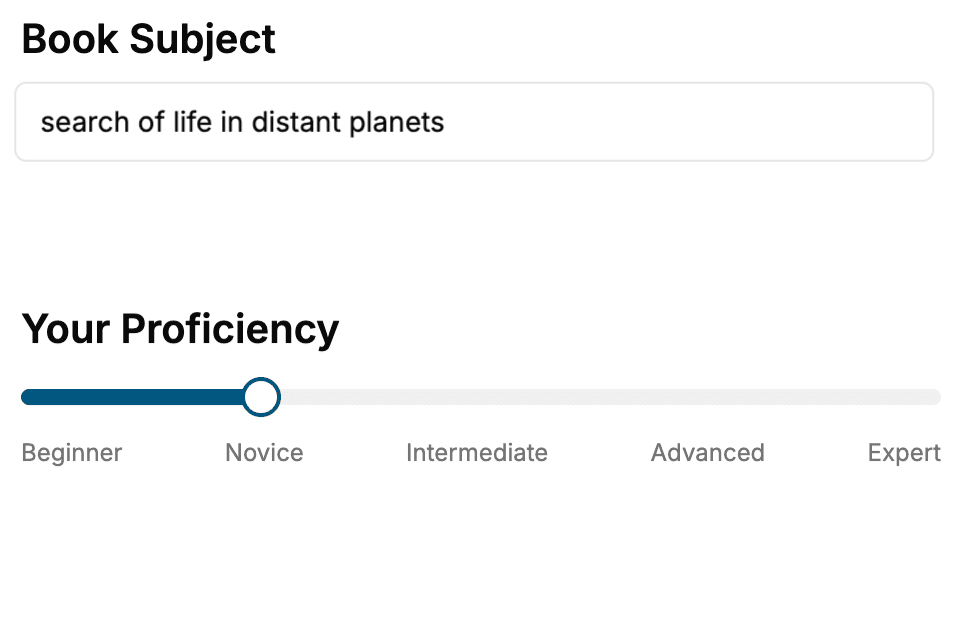
Select the focus of your Neuroscience book and share your background
- 2. Personalize your book
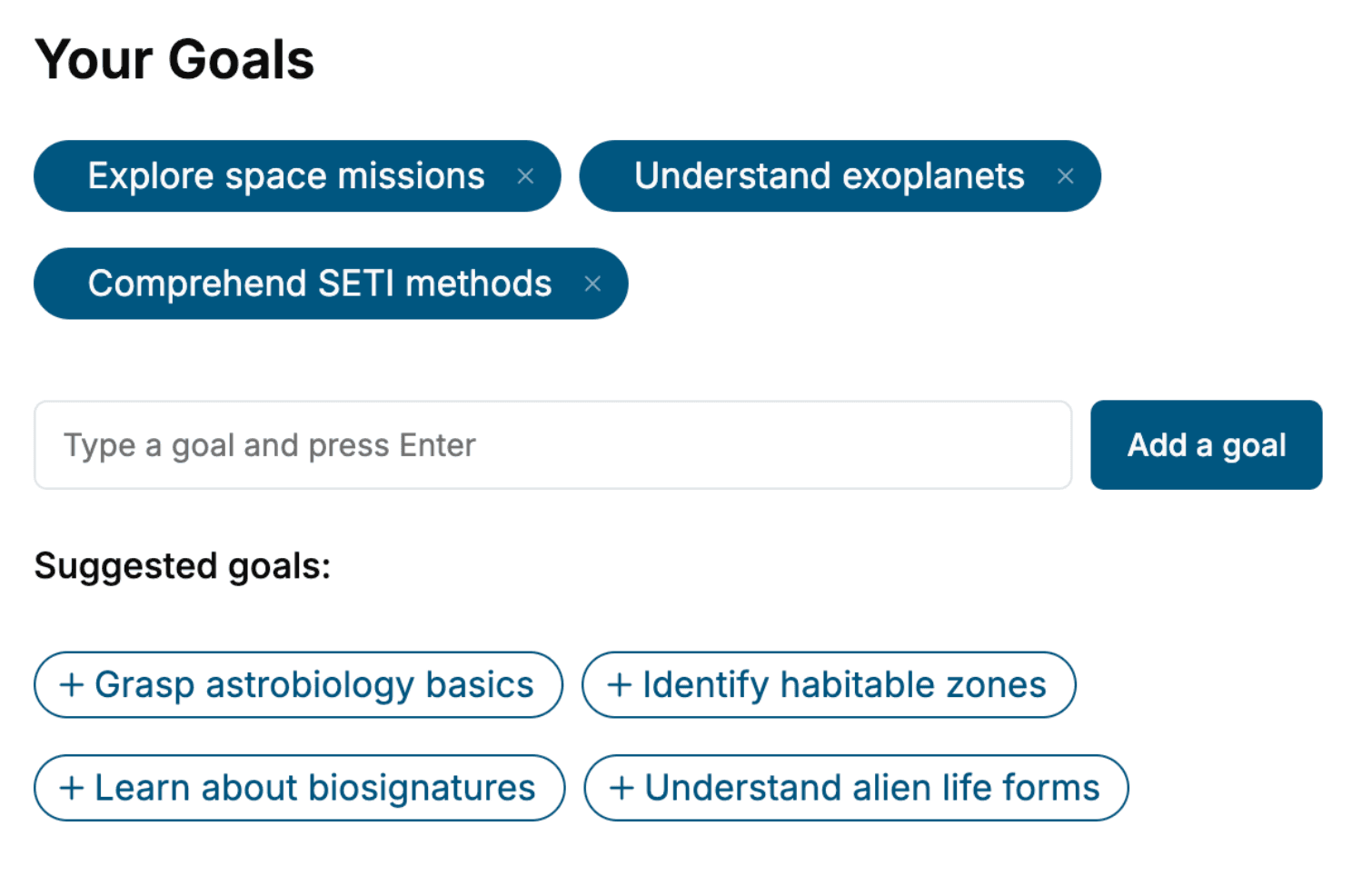
Specify your goals and choose sub-topics to include
- 3. Get your tailored book
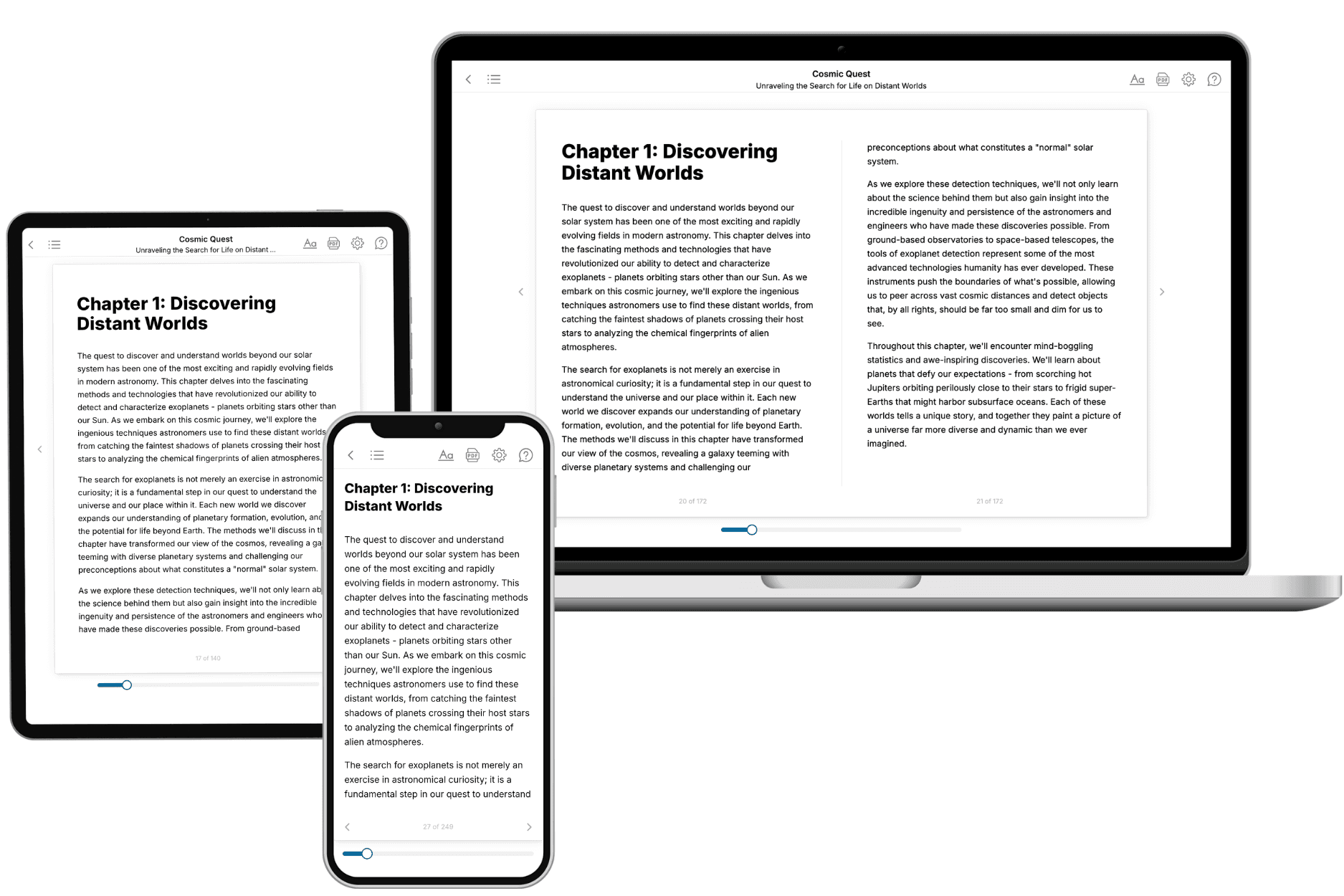
Your book is ready in 10 minutes. Read it online, download as EPUB or PDF, or send to Kindle.
Frequently asked questions
- What is TailoredRead?
TailoredRead creates complete, full-length nonfiction ebooks, written specifically for you. Tell us what you want to learn and why, and TailoredRead writes you a complete ebook on it, with charts, tables, and diagrams throughout. Read it online, on Kindle, or on any e-reader, or download it as a PDF or EPUB. Every book is written fresh the day you order it.
- How is the book tailored to me?
Before anything is written, you answer a few short questions about your goals, your background, and the topics you care about. Your book is then planned around your answers: written at your level, focused on your goals, and covering the topics you chose, instead of the one-size-fits-all book a store sells everyone.
- Will it read like generic AI content?
No. Your book isn't a chat transcript: it's planned chapter by chapter before a single word is written, told in a clear book voice, and explains ideas visually with charts, tables, and diagrams. After writing, every book goes through an editorial pass that polishes chapters so the book reads consistent from start to finish. Judge for yourself: browse thousands of sample books on our Explore Books page.
- How accurate is the content?
Our AI first checks whether your subject needs live research. Niche and fast-moving subjects are researched before writing, and the book plan and chapters are grounded in what it finds. After writing, every book goes through a quality pass that checks its facts and consistency, and researched books list their sources in a Notes section at the back.
- How long is the book?
You choose the length: Comprehensive (250-300 pages), Detailed (150-200 pages), Essential (70-100 pages), or Short (30-50 pages).
- Does the book include visuals?
Yes. Every book includes visual elements such as timelines, checklists, step-by-step guides, decision trees, comparison tables, and matrices, and many include bar charts. A typical book includes dozens of these visual elements.
- Can I read it on Kindle? What formats can I download?
Yes. Every book can be read in our online reader or downloaded as a PDF or EPUB. The EPUB can be opened with Kindle, Apple Books, Kobo, and any e-reader. The Commercial and Author licenses also include an editable Word (DOCX) and Markdown download.
- How much does it cost?
About the price of a regular ebook. The exact price depends on your book's length and complexity, from $2 for the shortest books to $35 for the most comprehensive, and it's shown when you review your book, before you commit to anything. Each book is a one-time purchase, yours to keep, no subscription. Licenses that let you share, teach, or publish your book range from $35.99 to $49.99.
- Can I preview the book before purchasing?
Before you pay, you'll see what your book will cover: the title, a detailed description, the estimated length, and the complete chapter-by-chapter table of contents, so you know what you're getting before you decide. The full text itself is written after you purchase.
- How long does it take to create a book?
About 10 minutes. You can start reading the opening chapters while the rest is still being written.