Nuclear Reprogramming
Unraveling the Mysteries of Somatic Cell Nuclear Transfer
You've probably heard that cloning is a thing of science fiction, reserved for futuristic scenarios or blockbuster movies.
284 pages14 chaptersJan 7, 2025Cell Biology
About this book
But what if I told you that the ability to create genetically identical organisms is not only possible but has been a reality for decades? Nuclear Reprogramming: Unraveling the Mysteries of Somatic Cell Nuclear Transfer takes you on a deep dive into the fascinating world of cellular reprogramming. This book demystifies the complex process of Somatic Cell Nuclear Transfer (SCNT), breaking down the intricate steps involved in creating cloned organisms. From the historical breakthroughs that paved the way for SCNT to the cutting-edge applications in stem cell research and regenerative medicine, you'll gain a comprehensive understanding of this revolutionary technique. You'll explore the molecular mechanisms behind nuclear reprogramming, the challenges scientists face in perfecting the process, and the potential future developments that could reshape our understanding of cellular plasticity. But this book doesn't shy away from the controversies. You'll delve into the ethical debates surrounding SCNT, examining both the promises and pitfalls of this powerful technology. By the time you finish reading, you'll have a nuanced understanding of SCNT's role in modern biology and be equipped to form your own informed opinions on its applications and implications.
Table of contents
- IntroductionOverview of Somatic Cell Nuclear Transfer, Historical Context and Significance, Structure of the BookRead below
- Chapter 1: Foundations of Developmental BiologyUnderstanding Cell Types and Differentiation, The Concept of Nuclear Totipotency, Introduction to Epigenetics, Cell Cycle and Its Regulation
- Chapter 2: The Basics of Somatic Cell Nuclear TransferDefining SCNT, Key Components in SCNT, The SCNT Process Step-by-Step, SCNT vs. Natural Fertilization
- Chapter 3: Nuclear ReprogrammingThe Concept of Nuclear Reprogramming, Molecular Mechanisms of Reprogramming, Epigenetic Changes During Reprogramming, Key Factors Influencing Reprogramming Efficiency
- Chapter 4: Technical Aspects of SCNTDonor Cell Preparation, Oocyte Enucleation Techniques, Nuclear Transfer Methods, Activation of the Reconstructed Embryo
- Chapter 5: Applications of SCNTReproductive Cloning, Therapeutic Cloning and Stem Cell Research, Creating Animal Models for Research, Conservation of Endangered Species
- Chapter 6: Challenges in SCNTLow Efficiency and Success Rates, Developmental Abnormalities in Cloned Organisms, Epigenetic Errors and Their Consequences, Mitochondrial Heteroplasmy
- Chapter 7: Comparative Analysis of Reprogramming MethodsSCNT vs. Induced Pluripotent Stem Cells (iPSCs), SCNT vs. Parthenogenesis, SCNT vs. Androgenesis, Comparing Efficiency and Fidelity of Reprogramming Methods
- Chapter 8: SCNT in Different Model OrganismsSCNT in Amphibians, SCNT in Mammals, SCNT in Primates, Species-Specific Differences in SCNT Success
- Chapter 9: Epigenetics and SCNTEpigenetic Barriers to Reprogramming, DNA Methylation in SCNT, Histone Modifications and Chromatin Remodeling, X Chromosome Inactivation in SCNT
- Chapter 10: Genomic Imprinting and SCNTBasics of Genomic Imprinting, Imprinting Disorders in SCNT, Maternal vs. Paternal Imprints in SCNT, Manipulating Imprinting in SCNT
- Chapter 11: Mitochondrial DNA in SCNTMitochondrial DNA Inheritance in SCNT, Heteroplasmy and Its Consequences, Mitochondrial Replacement Techniques, Mitochondrial-Nuclear DNA Interactions
- Chapter 12: SCNT and Stem Cell ResearchNuclear Transfer Embryonic Stem Cells (NT-ESCs), SCNT for Personalized Stem Cell Therapy, Disease Modeling with SCNT-Derived Stem Cells, SCNT in Regenerative Medicine
- Chapter 13: Future Perspectives in SCNTImproving SCNT Efficiency, Combining SCNT with Gene Editing Technologies, SCNT and Artificial Gamete Production, SCNT in Organ Engineering and Xenotransplantation
- Chapter 14: Ethical Considerations in SCNTEthical Debates on Reproductive Cloning, Ethical Issues in Therapeutic Cloning, Animal Welfare Concerns in SCNT Research, Societal Implications of SCNT Technology
- ConclusionThe Impact of SCNT on Developmental Biology, Future Directions and Unanswered Questions
- Glossary
- Further Reading
Introduction
Welcome to the fascinating world of Somatic Cell Nuclear Transfer (SCNT), a groundbreaking technique that has revolutionized our understanding of cellular plasticity and developmental biology. As you embark on this journey through the pages of "Nuclear Reprogramming: Unraveling the Mysteries of Somatic Cell Nuclear Transfer," you'll discover the intricate processes that allow scientists to turn back the biological clock of a cell, effectively reprogramming it to a state of totipotency. This introduction will provide you with a comprehensive overview of SCNT, its historical context, and a roadmap for the chapters that follow.
SCNT stands at the forefront of modern biological research, offering unprecedented insights into cellular development, differentiation, and the potential for regenerative medicine. By delving into the complexities of this technique, you'll gain a deeper appreciation for the malleability of cellular fate and the remarkable potential hidden within the nucleus of every somatic cell. Whether you're a student looking to expand your knowledge or a researcher seeking a comprehensive resource, this book aims to equip you with the fundamental concepts and cutting-edge developments in the field of nuclear reprogramming.
Throughout this introduction and the subsequent chapters, you'll encounter a wealth of information backed by rigorous scientific research and real-world applications. We'll explore the technical challenges, ethical considerations, and future prospects of SCNT, providing you with a well-rounded understanding of its impact on biology and medicine. As we unravel the mysteries of nuclear reprogramming together, prepare to challenge your preconceptions about cellular identity and embrace the exciting possibilities that SCNT presents for scientific advancement and therapeutic applications.
Overview of Somatic Cell Nuclear Transfer
Somatic Cell Nuclear Transfer (SCNT) is a sophisticated laboratory technique that involves transferring the nucleus of a somatic cell into an enucleated egg cell (oocyte). This process essentially resets the genetic material of the somatic cell to an embryonic state, allowing it to develop into a new organism that is genetically identical to the donor of the somatic cell nucleus. The concept behind SCNT challenges our traditional understanding of cellular differentiation and demonstrates the remarkable plasticity of cellular identity.
At its core, SCNT exploits the unique environment of the egg cell to reprogram the somatic cell nucleus. The oocyte contains a rich cocktail of factors that are capable of erasing the epigenetic marks that define the differentiated state of the somatic cell. This reprogramming process is a complex dance of molecular interactions, involving changes in DNA methylation, histone modifications, and chromatin remodeling. The result is a zygote-like cell that possesses the potential to develop into any cell type in the body – a property known as totipotency.
The applications of SCNT are diverse and far-reaching. In reproductive cloning, SCNT is used to create genetically identical copies of animals, a process that has been successfully applied to various species, from sheep to primates. This has implications for conservation efforts, potentially allowing the preservation of endangered species. In therapeutic cloning, SCNT is employed to generate patient-specific embryonic stem cells, which hold immense promise for regenerative medicine and the treatment of degenerative diseases.
One of the most significant aspects of SCNT is its contribution to our understanding of cellular reprogramming. By studying the mechanisms that allow a differentiated nucleus to revert to a totipotent state, researchers have gained invaluable insights into the fundamental processes that govern cell fate and differentiation. This knowledge has paved the way for other reprogramming techniques, such as the generation of induced pluripotent stem cells (iPSCs), which have revolutionized stem cell research and regenerative medicine.
However, SCNT is not without its challenges. The efficiency of the process remains relatively low, with many attempts failing to produce viable embryos or resulting in abnormal development. These difficulties stem from the complex nature of nuclear reprogramming and the precise orchestration of events required for successful development. Researchers continue to investigate the factors that influence SCNT success rates, including the role of mitochondrial DNA, epigenetic memory, and the timing of various reprogramming events.
As you delve deeper into this book, you'll explore the intricate details of the SCNT process, from the preparation of donor cells and recipient oocytes to the activation of the reconstructed embryo. You'll learn about the molecular mechanisms underlying nuclear reprogramming, the epigenetic changes that occur during this process, and the factors that influence reprogramming efficiency. Moreover, you'll gain insights into the various applications of SCNT in research and medicine, as well as the ethical considerations that surround this powerful technology.
Understanding SCNT requires a solid foundation in developmental biology, cell biology, and genetics. Throughout this book, we'll build upon these fundamental concepts to provide you with a comprehensive understanding of nuclear reprogramming. You'll discover how SCNT intersects with other areas of biological research, including epigenetics, stem cell biology, and regenerative medicine. By the end of this journey, you'll be well-equipped to appreciate the complexities of SCNT and its potential to shape the future of biological research and medical applications.
As we proceed, keep in mind that SCNT is a rapidly evolving field, with new discoveries and techniques emerging regularly. This book aims to provide you with the most up-to-date information available, but it also serves as a springboard for further exploration. The principles and concepts you'll learn here will enable you to critically evaluate new developments in the field and appreciate the ongoing research that continues to push the boundaries of our understanding of cellular plasticity and nuclear reprogramming.
In the following sections, we'll delve into the historical context of SCNT, tracing its origins and the key milestones that have shaped our current understanding of nuclear reprogramming. We'll then outline the structure of this book, providing you with a roadmap for the chapters ahead. As you progress through this introduction, prepare to embark on an intellectual journey that will challenge your perceptions of cellular identity and open your eyes to the remarkable potential of nuclear reprogramming.
Historical Context and Significance
The story of Somatic Cell Nuclear Transfer (SCNT) is a testament to the power of scientific curiosity and perseverance. Its roots can be traced back to the early 20th century when embryologists began to question the nature of cellular differentiation and the potential reversibility of this process. The journey from these initial inquiries to the successful cloning of mammals spans decades of research, marked by groundbreaking experiments, unexpected discoveries, and paradigm-shifting revelations.
The concept of nuclear transfer was first explored in the 1950s by Robert Briggs and Thomas J. King. Their pioneering work with frog embryos demonstrated that the nuclei of early embryonic cells could be successfully transferred into enucleated eggs, resulting in normal development. This groundbreaking research laid the foundation for future studies in nuclear transfer and challenged the prevailing notion that cellular differentiation was an irreversible process[1].
Building upon this work, John Gurdon's experiments in the 1960s marked a significant milestone in the field of nuclear reprogramming. Gurdon successfully cloned frogs using the nuclei from fully differentiated intestinal cells, demonstrating that even specialized cells retained the genetic information necessary for complete development. This discovery was revolutionary, as it provided concrete evidence that the process of differentiation did not involve irreversible genetic changes. Gurdon's work earned him the Nobel Prize in Physiology or Medicine in 2012, shared with Shinya Yamanaka for their contributions to cellular reprogramming[2].
Despite these early successes with amphibians, the cloning of mammals proved to be a far more challenging endeavor. Numerous attempts throughout the 1980s and early 1990s yielded limited success, with most experiments resulting in abnormal development or early embryonic death. The complexity of mammalian development, coupled with the intricate epigenetic regulation of gene expression, presented significant hurdles to successful nuclear reprogramming in these species.
The breakthrough came in 1996 with the birth of Dolly the sheep, the first mammal cloned from an adult somatic cell. This achievement, led by Ian Wilmut and his team at the Roslin Institute in Scotland, sent shockwaves through the scientific community and captured the public imagination. Dolly's birth demonstrated unequivocally that the nucleus of a fully differentiated adult cell could be reprogrammed to a totipotent state, capable of directing the development of an entire organism[3].
The success of Dolly's cloning opened the floodgates for further research into SCNT. In the years that followed, scientists successfully cloned a variety of mammalian species, including mice, cattle, pigs, cats, and dogs. Each successful cloning experiment provided new insights into the process of nuclear reprogramming and the factors influencing its efficiency. These studies also revealed species-specific differences in SCNT success rates, highlighting the complexity of the reprogramming process and the need for tailored approaches for different organisms.
The early 2000s saw the expansion of SCNT applications beyond reproductive cloning. Researchers began exploring the potential of SCNT for generating embryonic stem cells, a technique known as therapeutic cloning. This approach offered the possibility of creating patient-specific stem cells for regenerative medicine, bypassing issues of immune rejection. In 2013, a significant milestone was achieved when researchers successfully derived human embryonic stem cells through SCNT, opening new avenues for personalized cell therapies and disease modeling[4].
The historical journey of SCNT is not only a story of scientific achievement but also one of ethical debate and public discourse. The birth of Dolly sparked intense discussions about the implications of cloning technology, particularly concerning its potential application to humans. These debates have shaped policies and regulations surrounding SCNT research in many countries, influencing the direction and pace of scientific progress in this field.
As we reflect on the historical context of SCNT, it's important to recognize its profound impact on our understanding of developmental biology and cellular plasticity. The ability to reprogram a fully differentiated cell to a totipotent state has fundamentally altered our conception of cellular identity and the mechanisms governing development. This knowledge has far-reaching implications, extending beyond cloning to influence fields such as regenerative medicine, cancer research, and the study of aging.
Moreover, the principles uncovered through SCNT research have paved the way for other reprogramming techniques, most notably the development of induced pluripotent stem cells (iPSCs) by Shinya Yamanaka in 2006. The iPSC technology, which allows for the reprogramming of somatic cells to a pluripotent state through the introduction of specific transcription factors, builds upon the foundational knowledge gained from SCNT studies.
As you progress through this book, you'll gain a deeper appreciation for how the historical development of SCNT has shaped our current understanding of nuclear reprogramming. The challenges faced and overcome by pioneers in this field have laid the groundwork for contemporary research, informing our approaches to improving SCNT efficiency, understanding the molecular mechanisms of reprogramming, and developing new applications for this technology.
The historical significance of SCNT extends beyond its scientific achievements. It serves as a powerful example of how fundamental research can lead to transformative discoveries with wide-ranging implications. As we stand on the shoulders of these scientific giants, we look forward to the future possibilities that SCNT and related technologies may unlock, always mindful of the ethical considerations and responsibilities that come with such powerful tools.
Structure of the Book
This book is designed to provide you with a comprehensive understanding of Somatic Cell Nuclear Transfer (SCNT) and its implications in the field of developmental biology. The structure of the book is carefully crafted to build your knowledge progressively, starting from the fundamental concepts and moving towards more complex topics and applications. Each chapter is interconnected, allowing you to develop a holistic understanding of SCNT and its place in modern biological research.
We begin with Chapter 1, "Foundations of Developmental Biology," which lays the groundwork for understanding SCNT. This chapter introduces key concepts such as cell types, differentiation, nuclear totipotency, and the basics of epigenetics. You'll explore the cell cycle and its regulation, which play crucial roles in the success of SCNT. This foundational knowledge is essential for grasping the complexities of nuclear reprogramming and the challenges faced in SCNT.
Chapter 2, "The Basics of Somatic Cell Nuclear Transfer," delves into the core principles of SCNT. Here, you'll learn about the key components involved in the process, a step-by-step breakdown of the SCNT procedure, and how it differs from natural fertilization. This chapter provides a clear understanding of what SCNT entails and sets the stage for more in-depth exploration in subsequent chapters.
In Chapter 3, "Nuclear Reprogramming," we explore the heart of SCNT – the process of resetting a differentiated nucleus to a totipotent state. You'll discover the molecular mechanisms underlying reprogramming, the epigenetic changes that occur, and the factors that influence reprogramming efficiency. This chapter is crucial for understanding why SCNT works and the challenges involved in improving its success rate.
Chapter 4 focuses on the "Technical Aspects of SCNT," providing a detailed look at the practical considerations and methodologies involved. From donor cell preparation to oocyte enucleation, nuclear transfer methods, and embryo activation, you'll gain insights into the technical challenges and innovations in SCNT procedures.
The applications of SCNT are diverse and far-reaching, which we explore in Chapter 5, "Applications of SCNT." This chapter covers reproductive cloning, therapeutic cloning, the creation of animal models for research, and the potential use of SCNT in conservation efforts for endangered species. You'll gain an appreciation for the broad impact of SCNT across various fields of biology and medicine.
Despite its potential, SCNT faces several challenges, which we address in Chapter 6, "Challenges in SCNT." Here, we discuss the low efficiency and success rates of the technique, developmental abnormalities in cloned organisms, epigenetic errors, and the issue of mitochondrial heteroplasmy. Understanding these challenges is crucial for appreciating ongoing research efforts and future directions in the field.
Chapter 7 provides a "Comparative Analysis of Reprogramming Methods," where SCNT is compared with other techniques such as induced pluripotent stem cells (iPSCs), parthenogenesis, and androgenesis. This comparison will give you a broader perspective on cellular reprogramming and the unique advantages and limitations of SCNT.
In Chapter 8, "SCNT in Different Model Organisms," we explore how SCNT has been applied across various species, from amphibians to mammals and primates. This chapter highlights the species-specific differences in SCNT success and the insights gained from studying diverse model organisms.
Chapters 9 and 10 delve deeper into the epigenetic aspects of SCNT. "Epigenetics and SCNT" explores epigenetic barriers to reprogramming, DNA methylation, histone modifications, and X chromosome inactivation in the context of SCNT. "Genomic Imprinting and SCNT" focuses on the specific challenges posed by imprinted genes and their impact on cloning success.
Chapter 11, "Mitochondrial DNA in SCNT," addresses the often-overlooked role of mitochondrial genetics in cloning. You'll learn about mitochondrial DNA inheritance, heteroplasmy, and the interactions between mitochondrial and nuclear DNA in SCNT-derived organisms.
The intersection of SCNT and stem cell research is explored in Chapter 12, "SCNT and Stem Cell Research." This chapter covers the generation of nuclear transfer embryonic stem cells, personalized stem cell therapy, disease modeling, and the potential applications of SCNT in regenerative medicine.
Looking towards the future, Chapter 13, "Future Perspectives in SCNT," discusses ongoing efforts to improve SCNT efficiency, the integration of SCNT with gene editing technologies, artificial gamete production, and the potential role of SCNT in organ engineering and xenotransplantation.
Finally, Chapter 14 addresses the "Ethical Considerations in SCNT," exploring the debates surrounding reproductive and therapeutic cloning, animal welfare concerns, and the broader societal implications of SCNT technology.
The book concludes with a comprehensive glossary of terms and a curated list of further reading materials, allowing you to expand your knowledge beyond the scope of this text.
As you progress through these chapters, you'll find that each builds upon the knowledge gained from the previous ones, creating a cohesive narrative that enhances your understanding of SCNT. The structure is designed to be both informative and engaging, with real-world examples, case studies, and the latest research findings interwoven throughout the text. By the end of this book, you'll have a robust understanding of SCNT, its applications, challenges, and future prospects, equipping you with the knowledge to engage critically with this fascinating field of study.
Notes
Introduction
- 1. R. Briggs and T. J. King, "Transplantation of Living Nuclei From Blastula Cells into Enucleated Frogs' Eggs," Proceedings of the National Academy of Sciences, 1952
- 2. J. B. Gurdon, "The developmental capacity of nuclei taken from intestinal epithelium cells of feeding tadpoles," Journal of Embryology and Experimental Morphology, 1962
- 3. I. Wilmut and others, "Viable offspring derived from fetal and adult mammalian cells," Nature, 1997
- 4. M. Tachibana and others, "Human embryonic stem cells derived by somatic cell nuclear transfer," Cell, 2013
This is the end of the free sample. The full book has 14 chapters.
Want this book written for you?
Tell us your goals and background, and get your own version of this book, tailored by AI to you.


Benefits of AI-tailored books
- Read one book, not ten:
- all the Cell Biology knowledge you need, gathered into a single book.
- Save days of learning:
- tell us your goals, choose your topics, and the whole book is built around them.
- Learn effortlessly:
- Cell Biology book written for your specific background and expertise.
- Understand at a glance:
- includes charts, tables, timelines, checklists, decision trees, and more.
- Stay current:
- written the day you order it, not years ago.
- Trust what you read:
- every book is checked for accuracy, with real research when your subject needs it.
Create your unique book in 3 steps
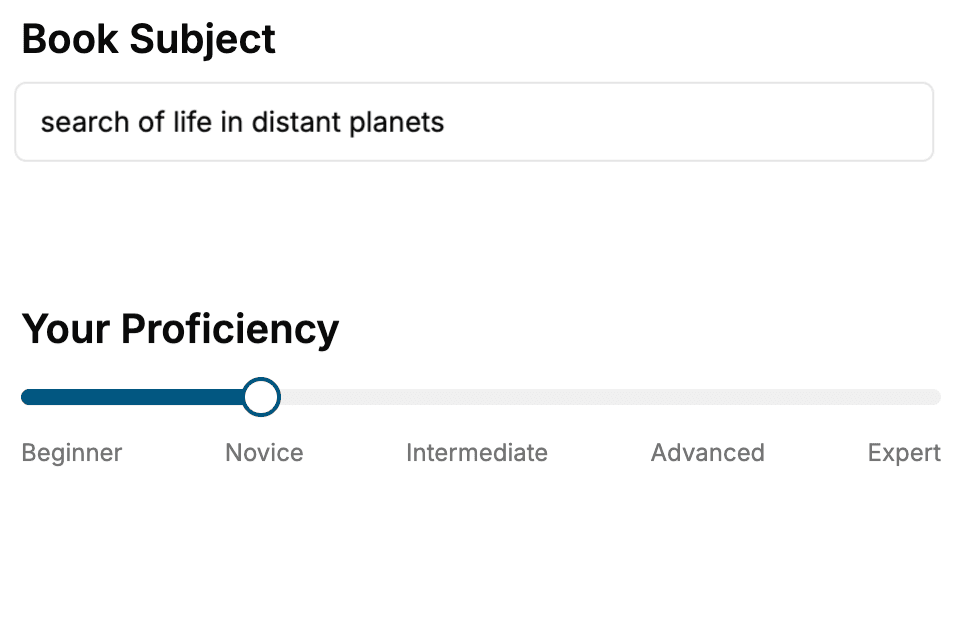
- 1. Select your focus
Select the focus of your Cell Biology book and share your background
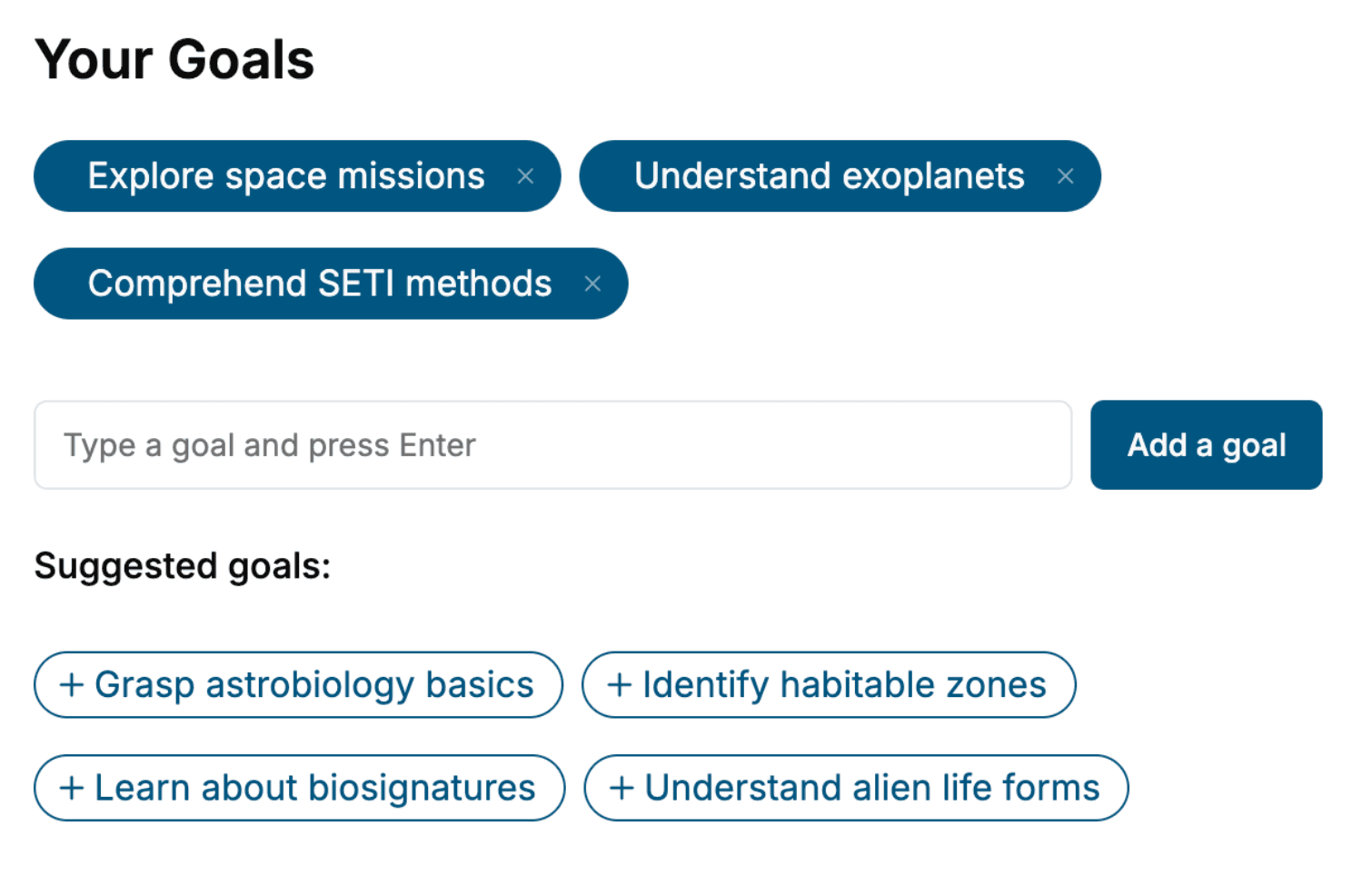
- 2. Personalize your book
Specify your goals and choose sub-topics to include
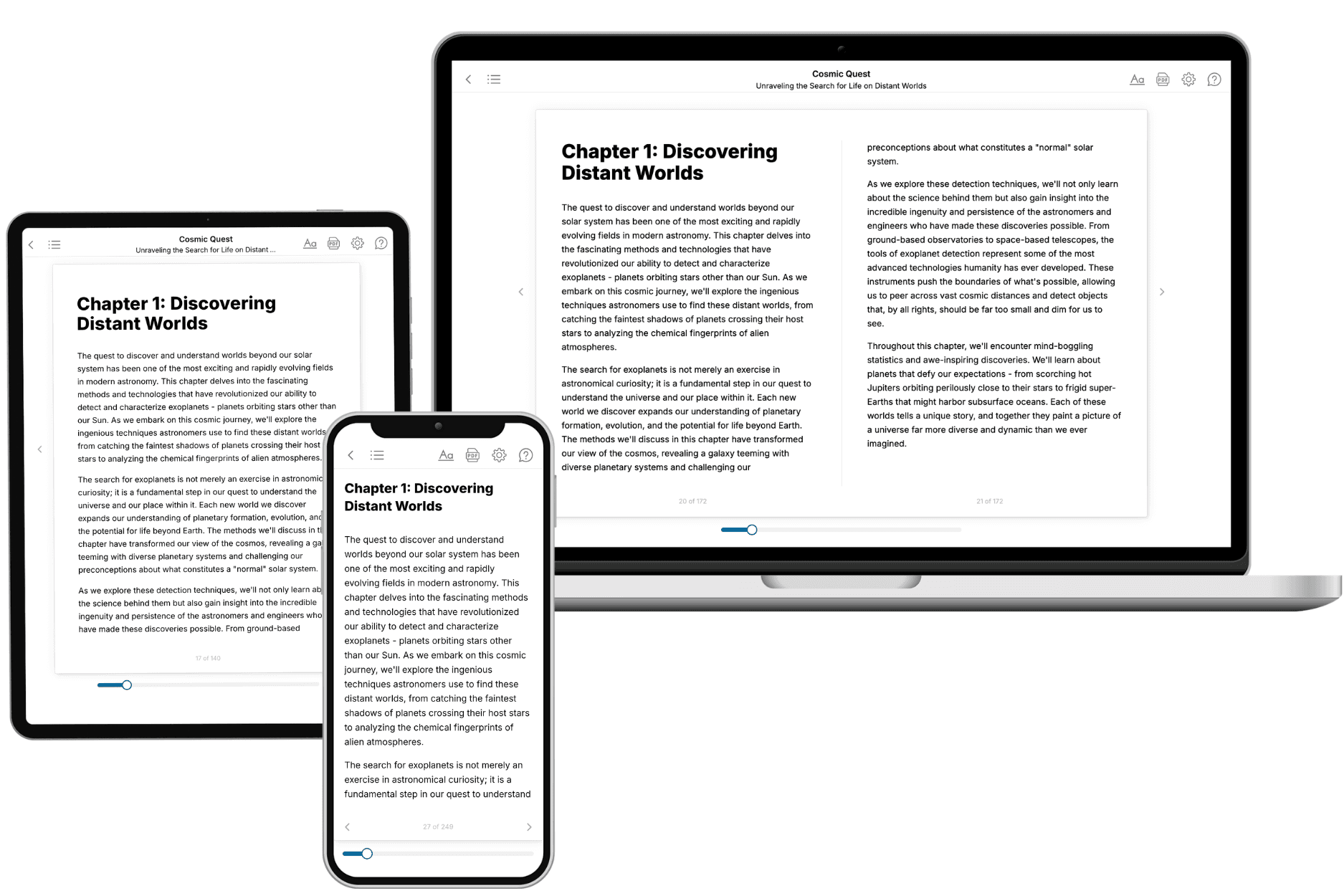
- 3. Get your tailored book
Your book is ready in 10 minutes. Read it online, download as EPUB or PDF, or send to Kindle.
Frequently asked questions
- What is TailoredRead?
TailoredRead creates complete, full-length nonfiction ebooks, written specifically for you. Tell us what you want to learn and why, and TailoredRead writes you a complete ebook on it, with charts, tables, and diagrams throughout. Read it online, on Kindle, or on any e-reader, or download it as a PDF or EPUB. Every book is written fresh the day you order it.
- How is the book tailored to me?
Before anything is written, you answer a few short questions about your goals, your background, and the topics you care about. Your book is then planned around your answers: written at your level, focused on your goals, and covering the topics you chose, instead of the one-size-fits-all book a store sells everyone.
- Will it read like generic AI content?
No. Your book isn't a chat transcript: it's planned chapter by chapter before a single word is written, told in a clear book voice, and explains ideas visually with charts, tables, and diagrams. After writing, every book goes through an editorial pass that polishes chapters so the book reads consistent from start to finish. Judge for yourself: browse thousands of sample books on our Explore Books page.
- How accurate is the content?
Our AI first checks whether your subject needs live research. Niche and fast-moving subjects are researched before writing, and the book plan and chapters are grounded in what it finds. After writing, every book goes through a quality pass that checks its facts and consistency, and researched books list their sources in a Notes section at the back.
- How long is the book?
You choose the length: Comprehensive (250-300 pages), Detailed (150-200 pages), Essential (70-100 pages), or Short (30-50 pages).
- Does the book include visuals?
Yes. Every book includes charts, tables, and diagrams: timelines, checklists, step-by-step guides, decision trees, comparison tables, matrices, and bar charts. A typical book includes dozens of these visual elements.
- Can I read it on Kindle? What formats can I download?
Yes. Every book can be read in our online reader or downloaded as a PDF or EPUB. The EPUB can be opened with Kindle, Apple Books, Kobo, and any e-reader. The Commercial and Author licenses also include an editable Word (DOCX) and Markdown download.
- How much does it cost?
About the price of a regular ebook. The exact price depends on your book's length and complexity, from $2 for the shortest books to $35 for the most comprehensive, and it's shown when you review your book, before you commit to anything. Each book is a one-time purchase, yours to keep, no subscription. Licenses that let you share, teach, or publish your book range from $35.99 to $49.99.
- Can I preview the book before purchasing?
Before you pay, you'll see what your book will cover: the title, a detailed description, the estimated length, and the complete chapter-by-chapter table of contents, so you know what you're getting before you decide. The full text itself is written after you purchase.
- How long does it take to create a book?
About 10 minutes. You can start reading the opening chapters while the rest is still being written.