The Outer Banks Complete Guide
Discover Hidden Gems, Plan Perfect Days, and Experience North Carolina's Coastal Paradise
Discover what makes the Outer Banks one of America's most captivating coastal destinations.
207 pages10 chaptersAug 18, 2026North Carolina Travel Guide
About this book
This comprehensive guide takes you beyond the typical tourist experience to reveal the true character of North Carolina's barrier islands. You'll learn how to navigate the distinct personalities of each island community, from the wild beauty of the northern banks to the charming villages of the south. Explore pristine beaches, historic lighthouses, and outdoor adventures while uncovering hidden gems that locals cherish. Whether you're planning a family vacation, romantic getaway, or solo adventure, you'll find practical advice on where to stay, what to eat, and how to spend your days. Understand the best times to visit, how to avoid crowds, and which activities match your interests. This guide combines detailed information with insider knowledge, helping you create an authentic Outer Banks experience that goes far beyond the postcard views. From water sports and wildlife encounters to cultural attractions and local dining, discover why the Outer Banks captures the hearts of millions of visitors each year.
Table of contents
- IntroductionWhy the Outer Banks Captivates Visitors, What to Expect from This Guide, How to Use This Book for Your Perfect TripRead below
- Chapter 1: Understanding the Outer BanksGeography and Layout of the Islands, History and Cultural Heritage, Climate, Seasons, and Best Times to Visit, Getting There and Getting Around
- Chapter 2: The Northern BanksOuter Banks North: Corolla and Duck, Wild Horses and Natural Attractions, Best Beaches and Water Activities, Dining and Accommodations
- Chapter 3: The Central BanksNags Head and Kill Devil Hills, Wright Brothers and Aviation History, Attractions, Shops, and Entertainment, Where to Stay and Eat
- Chapter 4: The Southern BanksHatteras Island: Charm and Solitude, Cape Hatteras Lighthouse and National Seashore, Ocracoke Island: The Hidden Gem, Accommodations and Local Dining
- Chapter 5: Beaches and Water ActivitiesComplete Beach Guide and Characteristics, Surfing, Kiteboarding, and Water Sports, Fishing and Boating Opportunities, Water Safety and Weather Awareness
- Chapter 6: Outdoor Adventures and NatureHiking Trails and Nature Walks, Wildlife Viewing and Birdwatching, Kayaking and Paddleboarding, Eco-Tourism and Responsible Exploration
- Chapter 7: Cultural Attractions and HistoryHistoric Lighthouses and Their Stories, Museums and Historical Sites, Local Culture, Arts, and Festivals, Pirate History and Maritime Heritage
- Chapter 8: Planning Your Perfect TripChoosing Trip Length and Timing, Budgeting and Cost Expectations, Accommodation Options and Booking Tips, Sample Itineraries for Different Interests
- Chapter 9: Dining and Local CuisineFresh Seafood and Local Specialties, Casual Eateries and Hidden Gems, Fine Dining and Special Occasions, Food Culture and Culinary Traditions
- Chapter 10: Insider Tips and Local SecretsHidden Beaches and Quiet Spots, Local Favorite Restaurants and Shops, Avoiding Crowds and Finding Solitude, Seasonal Secrets and Off-Season Advantages
- ConclusionCreating Lasting Memories, Preserving the Outer Banks for Future Generations
- AppendixPractical Information and Resources, Emergency Contacts and Important Numbers, Glossary of Local Terms and Phrases
Introduction
Picture a thin ribbon of sand, barely a mile wide in places, holding back the Atlantic Ocean on one side and the calm, dark waters of Pamlico Sound and Albemarle Sound on the other. That ribbon stretches for roughly two hundred miles along the North Carolina coast, and it holds fishing villages, wild horses, a two-hundred-foot lighthouse, and the field where two bicycle mechanics from Ohio taught the world to fly. This is the setting for the trip ahead: a string of islands so narrow and so exposed that early sailors called the waters nearby the Graveyard of the Atlantic.
Most visitors arrive with a rough idea of what they want: sand, sun, maybe a lighthouse photo. Few arrive understanding how different one stretch of this island chain feels from another, or how much a single week's timing can change the entire experience. A family renting a house in Corolla in July has a completely different trip than a couple riding the Ocracoke ferry in October, even though both are technically visiting the Outer Banks.
This guide exists to close that gap between the postcard image and the reality on the ground.
The Outer Banks rewards travelers who do a little homework before they leave home. Tide charts, ferry schedules, hurricane season timing, and the location of the nearest grocery store all matter more here than on a typical mainland beach trip, simply because the islands are remote and services are spread thin. Nothing here demands expertise, but a bit of preparation turns a good vacation into a smooth one.
What follows sets up the rest of the book: why this particular stretch of coastline draws millions of visitors every year, what kind of information sits ahead in each chapter, and how to use this guide practically rather than reading it cover to cover like a novel. Treat this introduction as the map before the road trip.
Why the Outer Banks Captivates Visitors
The Outer Banks is a barrier island chain, a formation built by centuries of shifting sand, wind, and wave action that separates the open ocean from the calmer sound waters behind it. That geological quirk is the reason the region feels unlike a typical coastal town. Instead of a single continuous beach backed by a mainland, visitors find a series of long, narrow islands connected by bridges and ferries, each one flanked by ocean on one side and sound on the other. This double coastline creates two very different kinds of water recreation within a short drive of each other.
Few American beach destinations offer wild horses roaming free on public beaches, but the Currituck wild horses near Corolla have done exactly that for generations. These are believed to be descendants of Spanish mustangs, animals that adapted to a harsh, salty, grass-poor environment over hundreds of years[1]. Seeing them wander across dunes or graze near vacation homes gives the northern end of the island chain a wildness that few beach towns can match, and it is one of the most-cited reasons families return year after year.
History buffs find their own draw in the sands near Kill Devil Hills, where Orville and Wilbur Wright achieved the first powered flight in December 1903. The choice of location wasn't random: the Wright brothers picked the Outer Banks specifically for its steady winds, soft sand for landings, and isolation from prying eyes[2]. Standing at the Wright Brothers National Memorial today, with the reconstructed flight path markers laid out in the grass, connects visitors directly to a turning point in modern transportation history, all a short walk from ordinary beach parking lots.
Beyond horses and history, the region carries a maritime reputation earned the hard way. Shifting sandbars, hidden shoals, and unpredictable storms sank so many ships along this coast that the waters earned their Graveyard of the Atlantic
nickname, and legends of Blackbeard and other pirates still circulate in local lore. The Lost Colony mystery, involving an entire English settlement that vanished without a clear explanation in the late 1500s, adds another layer of intrigue that keeps history-minded travelers curious about what actually happened on these shores.
Add in four distinct lighthouses (Currituck Beach, Bodie Island, Cape Hatteras, and Ocracoke), each with its own paint pattern and story, and the region offers a rare combination: genuine natural wildness paired with layered human history, all accessible within a single road trip. Few destinations pack this much variety into a coastline that can be driven end to end in under a day, weather and ferries permitting.
The appeal isn't only historical or wildlife-driven either. The Outer Banks also functions as a serious outdoor recreation hub, with conditions that satisfy total beginners and serious athletes alike. Kiteboarding and surfing communities thrive here because of consistent wind patterns and varied wave breaks, while calmer sound-side waters suit kayakers and families with young children who want gentler water. That range, from wild Atlantic swells to glassy sound mornings, means no single label fully captures what a trip here can look like.
Finally, there's a quieter kind of appeal that keeps repeat visitors coming back: the pace. Much of the Outer Banks still runs on small-town rhythms, especially on Ocracoke Island, where the only way in is by ferry or small aircraft. That built-in remoteness has kept large-scale development away from big stretches of the coast, preserving a slower, more personal feel that many travelers say they cannot find anywhere else on the East Coast.
What to Expect from This Guide
This guide is organized to mirror how the Outer Banks actually unfolds geographically, moving from north to south along the island chain before shifting into activity-based and planning-based chapters. That structure matters because the islands genuinely change character as you move along them. The northern stretch around Corolla and Duck feels upscale and quiet, the central stretch around Nags Head and Kill Devil Hills feels busier and more commercial, and the southern stretch around Hatteras Island and Ocracoke feels remote and slow-paced. Reading in order builds a mental map before diving into specific activities.
Early chapters lay the groundwork with orientation: how the barrier island chain is physically shaped, how the region's climate and seasons shift throughout the year, and how to actually get there and move between islands. This foundational material answers the questions that trip up first-time visitors most often, like whether a car is necessary (it generally is) and whether 4WD beach access is worth arranging in advance (it depends entirely on which beaches are on the itinerary).
From there, the guide moves island by island. Coverage of Corolla and Duck highlights the wild horses, quieter beaches, and upscale rental market that define the northern experience. Coverage of Nags Head and Kill Devil Hills digs into the region's commercial center, its aviation history, and the towering dunes of Jockey's Ridge State Park. Coverage of Hatteras Island and Ocracoke Island focuses on the most remote and unspoiled sections, reachable partly by the Ocracoke ferry, where the pace slows considerably and development thins out.
A dedicated chapter on beaches and water activities acts as a reference tool rather than a narrative read, matching specific beaches to specific interests, whether that's a family with toddlers, a serious surfer, or a kiteboarder chasing consistent wind. Another chapter pushes past the shoreline entirely, covering hiking trails, birdwatching at Pea Island National Wildlife Refuge, and kayaking through sound-side marshes for travelers who want more than sand between their toes.
Cultural material gets its own dedicated space too. A full chapter walks through the region's lighthouses, museums, pirate lore, and living arts scene, treating human history as a genuine counterweight to the natural landscape rather than an afterthought. This is where the Lost Colony mystery, Blackbeard's local ties, and the area's broader maritime heritage get proper depth, beyond the brief mentions found in the geographic chapters.
Practical planning gets serious treatment as well, since good intentions rarely survive bad logistics. A dedicated chapter walks through trip length, budgeting realistically for accommodations and food, choosing between a vacation rental and a hotel, and following sample itineraries built around different interests, whether that's a relaxed family week or an active outdoor-focused trip. Expect concrete numbers and comparisons rather than vague suggestions to plan ahead.
Food gets its own spotlight too, because the Outer Banks has a genuine culinary identity built around fresh local seafood. A full chapter covers everything from roadside seafood shacks to fine dining, along with regional specialties like soft-shell crab season and the local approach to clam chowder, which differs from both New England and Manhattan styles. Food here isn't an afterthought to the beach; it's treated as a destination experience in its own right.
The final major chapter before the conclusion focuses entirely on insider knowledge: hidden beaches away from the main crowds, local-favorite restaurants that don't always show up in search results, and the specific advantages of visiting during the off-season. This is the material that experienced repeat visitors tend to guard closely, and it's presented here directly rather than left for travelers to discover through years of trial and error.
How to Use This Book for Your Perfect Trip
Treat this guide as a reference rather than a novel that must be read start to finish. A traveler who already knows they want a quiet, upscale week in Corolla can skip straight to the Northern Banks material and the relevant beach entries, then jump to the planning chapter for budgeting and rental advice. Someone chasing surf breaks and kiteboarding conditions can go directly to the water activities chapter and cross-reference it against the seasonal climate information to pick the right month. The chapters are built to stand largely on their own, with cross-references pointing to related material elsewhere.
Before booking anything, read the geography and climate material first, even if the plan is to skip around afterward. Understanding how the islands connect, where 4WD beach access becomes necessary, and how hurricane season timing affects both prices and safety will shape almost every other decision made later, from which island to base in to which two weeks to target. Skipping this groundwork tends to cause the most common trip-planning mistakes, like booking a rental on an island stretch that requires a ferry connection nobody accounted for.
Use the beach and water activity reference chapter as a working checklist rather than a straight read-through. Before each beach day, glance at the entry for that specific stretch of coast to check on typical conditions, rip current risk, and the meaning of that day's beach flag color. This habit matters more here than at a typical resort beach, since ocean conditions on the Outer Banks can shift meaningfully between neighboring beaches on the same afternoon.
For families or groups with mixed interests, a practical approach is to build a rough itinerary using the sample itineraries in the planning chapter, then swap in specific attractions or beaches from the geographic chapters based on which ages and interests are involved. A trip built around a ten-year-old obsessed with the Wright Brothers looks very different from one built around a couple wanting quiet beach mornings and better restaurants, even if both trips are technically a week on the Outer Banks.
Budget-conscious travelers should read the budgeting section alongside the accommodation comparison material before locking in dates, since the difference between peak summer weeks and shoulder-season weeks can be substantial for both lodging and dining. Off-season advantages get dedicated coverage in the insider knowledge chapter, and cross-referencing that material against the climate chapter helps identify specific windows where crowds thin out without sacrificing decent weather.
Keep the appendix in mind as a working toolkit rather than an afterthought. It holds practical resources, emergency contact information, and a glossary of local terms that come up throughout the book, useful for looking something up quickly rather than hunting back through earlier chapters. Bookmarking that section before departure saves time once actually on the road.
Finally, hold the responsible tourism message loosely in mind while reading every other chapter, not just the conclusion where it gets direct treatment. The dunes, wildlife, and quiet beaches described throughout this guide exist in a genuinely fragile ecosystem, one that has been reshaped by development pressure and storm damage over recent decades. Small choices, like staying off protected dune vegetation or giving wild horses proper distance, preserve the very qualities that make this coastline worth visiting in the first place.
Above all, expect this guide to function as a flexible planning companion rather than a rigid script. The Outer Banks changes with the seasons, the tides, and even the year-to-year shifting of its own sand, so the best trips tend to belong to travelers who arrive informed but stay ready to adjust once they're standing on the beach itself.
This is the end of the free sample. The full book has 10 chapters.
Want this book written for you?
Tell us your goals and background, and get your own version of this book, tailored by AI to you.


Benefits of AI-tailored books
- Read one book, not ten:
- all the North Carolina Travel Guide knowledge you need, gathered into a single book.
- Save days of learning:
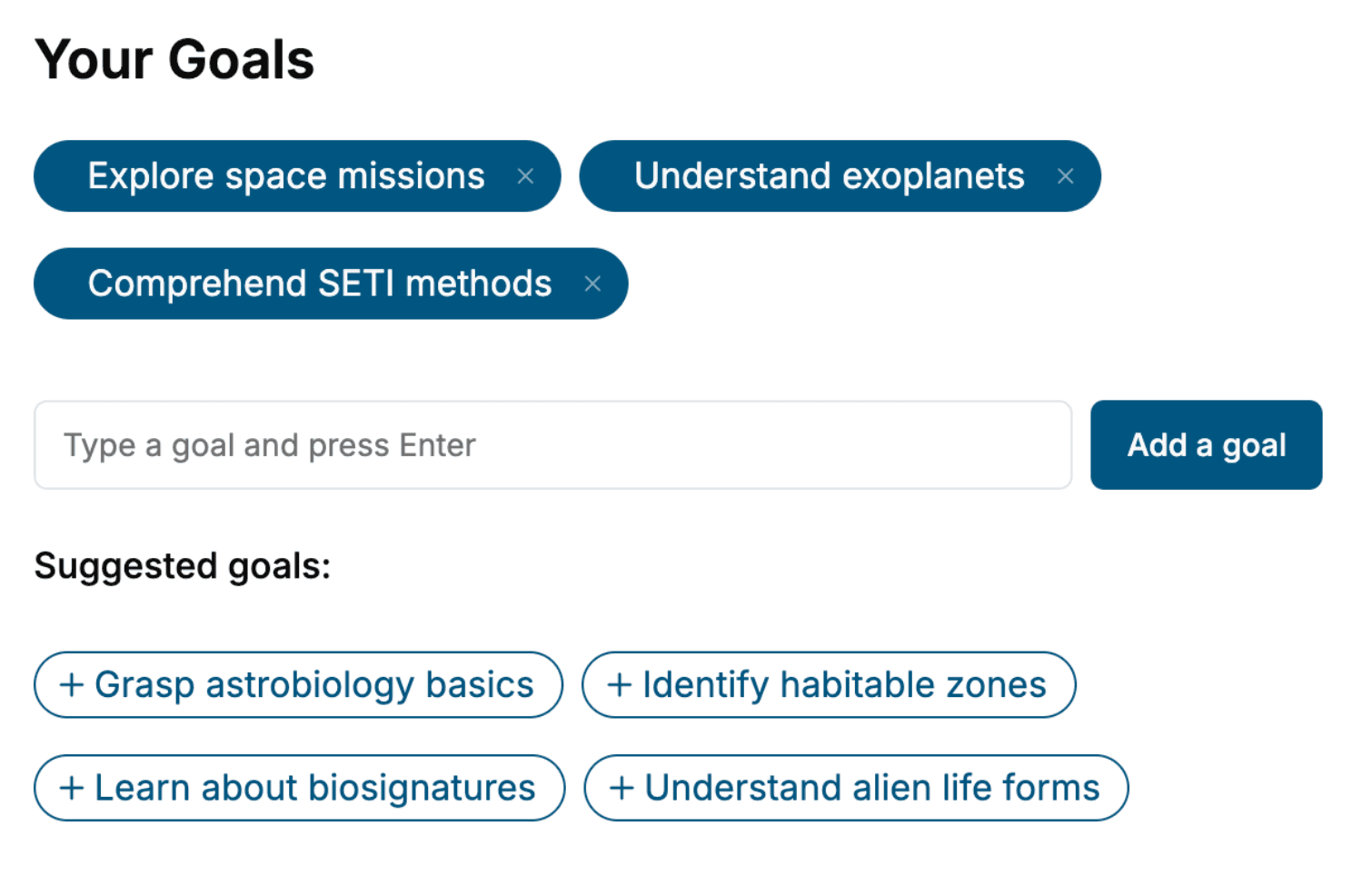
- tell us your goals, choose your topics, and the whole book is built around them.
- Learn effortlessly:
- North Carolina Travel Guide book written for your specific background and expertise.
- Understand at a glance:
- includes charts, tables, timelines, checklists, decision trees, and more.
- Stay current:
- written the day you order it, not years ago.
- Trust what you read:
- every book is checked for accuracy, with real research when your subject needs it.
Create your unique book in 3 steps
- 1. Select your focus
Select the focus of your North Carolina Travel Guide book and share your background
- 2. Personalize your book
Specify your goals and choose sub-topics to include
- 3. Get your tailored book
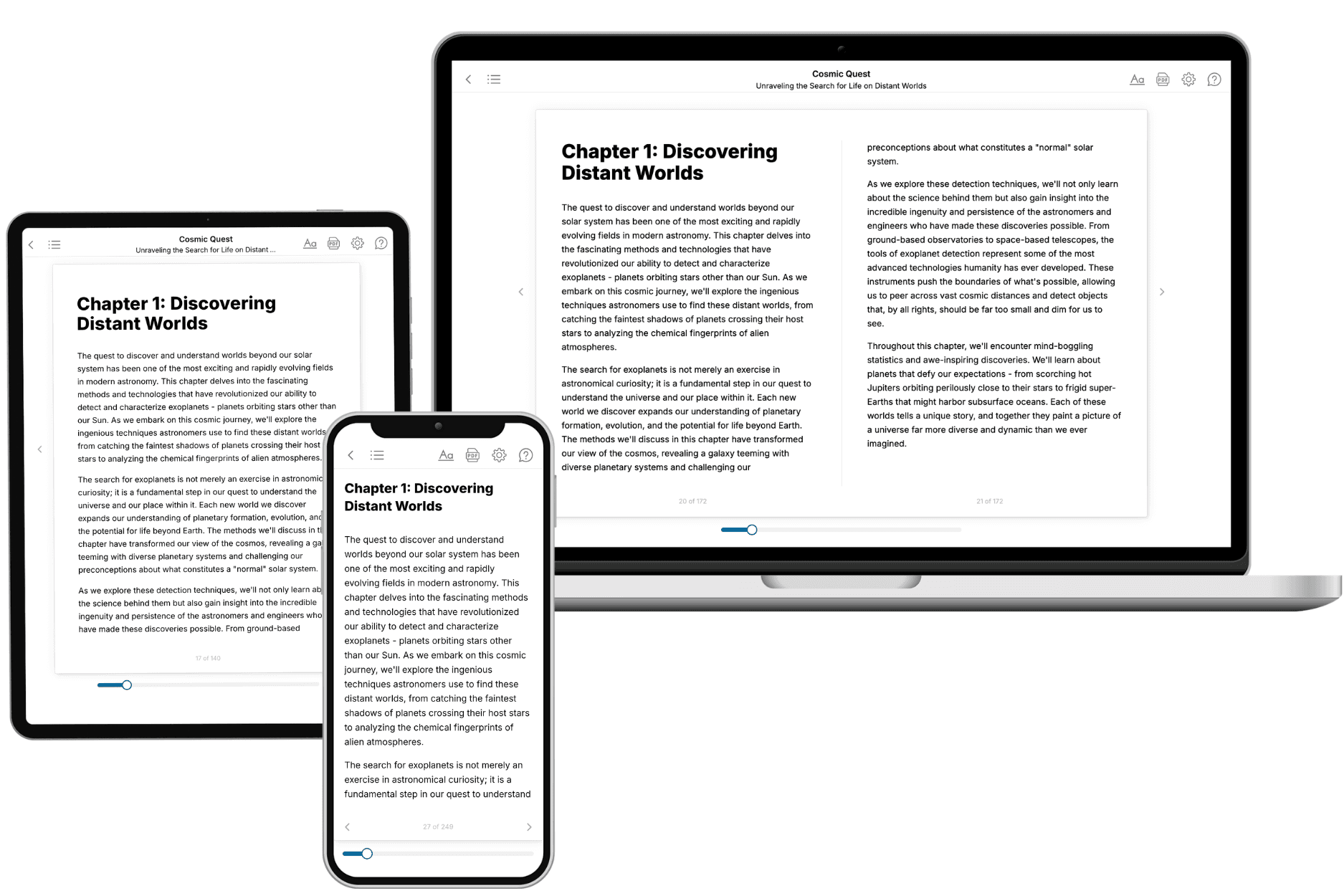
Your book is ready in 10 minutes. Read it online, download as EPUB or PDF, or send to Kindle.

Frequently asked questions
- What is TailoredRead?
TailoredRead creates complete, full-length nonfiction ebooks, written specifically for you. Tell us what you want to learn and why, and TailoredRead writes you a complete ebook on it, with charts, tables, and diagrams throughout. Read it online, on Kindle, or on any e-reader, or download it as a PDF or EPUB. Every book is written fresh the day you order it.
- How is the book tailored to me?
Before anything is written, you answer a few short questions about your goals, your background, and the topics you care about. Your book is then planned around your answers: written at your level, focused on your goals, and covering the topics you chose, instead of the one-size-fits-all book a store sells everyone.
- Will it read like generic AI content?
No. Your book isn't a chat transcript: it's planned chapter by chapter before a single word is written, told in a clear book voice, and explains ideas visually with charts, tables, and diagrams. After writing, every book goes through an editorial pass that polishes chapters so the book reads consistent from start to finish. Judge for yourself: browse thousands of sample books on our Explore Books page.
- How accurate is the content?
Our AI first checks whether your subject needs live research. Niche and fast-moving subjects are researched before writing, and the book plan and chapters are grounded in what it finds. After writing, every book goes through a quality pass that checks its facts and consistency, and researched books list their sources in a Notes section at the back.
- How long is the book?
You choose the length: Comprehensive (250-300 pages), Detailed (150-200 pages), Essential (70-100 pages), or Short (30-50 pages).
- Does the book include visuals?
Yes. Every book includes charts, tables, and diagrams: timelines, checklists, step-by-step guides, decision trees, comparison tables, matrices, and bar charts. A typical book includes dozens of these visual elements.
- Can I read it on Kindle? What formats can I download?
Yes. Every book can be read in our online reader or downloaded as a PDF or EPUB. The EPUB can be opened with Kindle, Apple Books, Kobo, and any e-reader. The Commercial and Author licenses also include an editable Word (DOCX) and Markdown download.
- How much does it cost?
About the price of a regular ebook. The exact price depends on your book's length and complexity, from $2 for the shortest books to $35 for the most comprehensive, and it's shown when you review your book, before you commit to anything. Each book is a one-time purchase, yours to keep, no subscription. Licenses that let you share, teach, or publish your book range from $35.99 to $49.99.
- Can I preview the book before purchasing?
Before you pay, you'll see what your book will cover: the title, a detailed description, the estimated length, and the complete chapter-by-chapter table of contents, so you know what you're getting before you decide. The full text itself is written after you purchase.
- How long does it take to create a book?
About 10 minutes. You can start reading the opening chapters while the rest is still being written.