The Perfect Cold Brew
Master the Science and Art of Cold Brew Coffee Ratios
What if the difference between mediocre and exceptional cold brew coffee comes down to just one simple number?
207 pages9 chaptersMar 6, 2026Coffee
About this book
Cold brew has become a staple for coffee lovers everywhere, yet most people brew it by feel rather than precision. This book reveals the science behind cold brew ratios and shows you exactly how to calculate, measure, and adjust them for your specific equipment and taste preferences. You'll discover why the standard ratios work, how to scale recipes for any batch size, and how to troubleshoot when your cold brew doesn't taste quite right. Whether you're using a French press, mason jar, or specialized cold brew maker, you'll learn the exact ratios that deliver consistent, delicious results every single time. Stop guessing and start brewing with confidence.
Table of contents
- IntroductionWhy Cold Brew Ratios Matter, What You'll Learn in This Book, How to Use This GuideRead below
- Chapter 1: The Science of Cold Brew ExtractionUnderstanding Extraction Basics, Cold Brewing vs. Hot Brewing: Key Differences, How Solubility and Time Affect Your Brew
- Chapter 2: Measuring and Calculating RatiosWeight vs. Volume: Which Method to Use, Essential Conversion Formulas, Tools That Make Measuring Accurate, Common Measurement Mistakes to Avoid
- Chapter 3: Standard Cold Brew RatiosThe Baseline 1:4 and 1:5 Ratios, Concentrate Ratios vs. Ready-to-Drink Ratios, Strength Chart: From Mild to Bold
- Chapter 4: Equipment-Specific RatiosMason Jar and Container Brewing, French Press Cold Brew Ratios, Commercial Cold Brew Makers and Towers, Immersion vs. Drip Methods: Ratio Adjustments
- Chapter 5: Adjusting Ratios for Your TasteTesting and Finding Your Perfect Ratio, Making Your Cold Brew Stronger or Weaker, How Ratios Affect Flavor Profiles
- Chapter 6: Scaling Recipes for Any Batch SizeScaling Recipes Up and Down Accurately, Quick Batch Calculation Methods, Storage Considerations for Different Batch Sizes
- Chapter 7: Variables That Influence Your RatioGrind Size and Its Impact on Extraction, Steeping Time and Ratio Relationships, Water Temperature and Quality Effects, Coffee Bean Type and Roast Level Considerations
- Chapter 8: Troubleshooting Your Cold BrewWhen Your Cold Brew Is Too Weak, When Your Cold Brew Is Too Strong, Fixing Bitter or Sour Flavors
- Chapter 9: Advanced Ratio TechniquesSpecialty Ratios for Cold Brew Cocktails, Creating Custom Blends with Ratio Precision, Experimenting with Non-Standard Ratios
- ConclusionYour Path to Cold Brew Mastery, Next Steps in Your Cold Brew Journey
- Quick Reference GuideRatio Cheat Sheet, Conversion Tables and Charts, Troubleshooting Quick Reference
- Glossary
Introduction
There is a moment every cold brew drinker knows well. You steep your coffee overnight, strain it in the morning with genuine anticipation, pour it over ice, take that first sip, and feel a quiet disappointment settle in. It's too weak, or too bitter, or somehow flat in a way you can't quite name. You followed the same steps as last time, used the same coffee, waited the same number of hours. And yet the result is different. That inconsistency is frustrating, and it's also completely fixable. The answer almost always comes back to one thing: your ratio.
Cold brew has earned its place as one of the most popular ways to enjoy coffee. Its smooth, low-acid character appeals to people who find hot coffee harsh, and its concentrated form makes it incredibly versatile. You can drink it straight, dilute it with water or milk, use it as a base for cocktails, or pour it over ice cream. But despite its growing popularity, most people brew cold brew the same way they cook without a recipe: by feel, by habit, and by rough approximation. A handful of coffee here, some water there, steep it until it seems done. The results are unpredictable at best.
This book is built on a simple premise: precision transforms cold brew from a guessing game into a repeatable craft. The coffee-to-water ratio is the single most powerful variable you control. It determines strength, flavor balance, and how well your coffee extracts over those long, slow hours in the refrigerator. Once you understand how ratios work and why they matter, every other decision you make about your cold brew becomes clearer. Grind size, steeping time, water quality, and equipment all play supporting roles. But the ratio is the foundation everything else is built on.
Whether you're brewing in a mason jar on your kitchen counter, using a French press you already own, or working with a dedicated cold brew tower, the principles in this book apply directly to your setup. The goal isn't to make cold brew more complicated. It's to give you the knowledge and tools to make it consistently excellent, batch after batch, without second-guessing yourself every time you brew.
Why Cold Brew Ratios Matter
A ratio, in the context of cold brew, is simply the relationship between the amount of coffee you use and the amount of water you add. It's usually expressed as a number like 1:4 or 1:8, where the first number represents coffee and the second represents water. A 1:4 ratio means one part coffee to four parts water. A 1:8 ratio means one part coffee to eight parts water. That difference might sound small, but in practice it produces dramatically different results in the cup.
Think of it this way. If you're making lemonade and you squeeze one lemon into a small glass of water, you get a sharp, intensely sour drink. Squeeze that same lemon into a large pitcher of water and you get something barely tart. The lemon hasn't changed. The water hasn't changed. Only the ratio has. Coffee works the same way. The ratio controls how concentrated your brew becomes, and concentration directly affects every flavor compound that ends up in your cup.
Cold brew extraction is a slow process. Unlike hot brewing, which uses heat to speed up the dissolution of flavor compounds, cold brew relies entirely on time and contact. Water gradually pulls soluble compounds out of the coffee grounds over 12 to 24 hours. The ratio determines how much work each unit of water has to do. With a high coffee-to-water ratio, the water becomes saturated with flavor compounds relatively quickly. With a low ratio, the water has far more room to absorb compounds, but the resulting brew will be weaker unless you compensate with other variables.
The practical consequences of getting the ratio wrong are easy to recognize. A brew that's too concentrated can taste harsh, overpowering, or even syrupy. A brew that's too dilute tastes thin, watery, and flat, with none of the rich depth that makes cold brew worth drinking. Neither extreme is enjoyable, and both are avoidable once you understand what the ratio is actually doing to your coffee.
Ratios also matter because they're the most reproducible variable in your brewing process. You can't always control the ambient temperature of your kitchen, the exact mineral content of your tap water, or the precise grind consistency of your burr grinder on any given day. But you can always measure your coffee and water accurately. That accuracy gives you a reliable starting point, and a reliable starting point is what separates consistent brewing from constant experimentation.
Research on coffee extraction consistently shows that the brew ratio is the primary driver of total dissolved solids (TDS) in the final cup, which is the most direct measurable indicator of coffee strength and concentration.[1] Getting the ratio right means getting the foundation right.
There's also a financial argument for ratio precision that's easy to overlook. Quality coffee isn't cheap. Using more coffee than necessary to compensate for a weak brew wastes money over time. Using too little coffee and ending up with a disappointing result wastes both money and time. A well-calibrated ratio means you're getting the most out of every gram of coffee you buy, which adds up significantly if you brew cold brew regularly.
Finally, ratios matter because they give you a language for talking about your cold brew. When you know your preferred ratio, you can replicate it, share it, adjust it deliberately, and troubleshoot it when something goes wrong. Without that reference point, every batch is essentially a new experiment with no baseline to return to. With it, you have control, and control is what makes brewing genuinely satisfying.
What You'll Learn in This Book
This book covers cold brew ratios from the ground up, starting with the science that explains why they work the way they do and building toward practical techniques you can apply immediately. Each chapter addresses a specific aspect of the ratio question, and together they form a complete picture of how to brew cold brew with confidence and consistency.
Here's a clear overview of what each part of the book covers:
- The science of cold brew extraction (Chapter 1): How water pulls flavor from coffee grounds, why cold brewing behaves differently from hot brewing, and how solubility and time interact with your ratio to shape the final result.
- Measuring and calculating ratios (Chapter 2): The difference between measuring by weight and measuring by volume, the formulas you need to calculate any ratio, and the tools that make accurate measurement easy and repeatable.
- Standard cold brew ratios (Chapter 3): The baseline ratios that most experienced brewers use, the critical difference between concentrate ratios and ready-to-drink ratios, and a practical strength chart that maps ratios to flavor outcomes.
- Equipment-specific ratios (Chapter 4): How to adjust your ratio depending on whether you're using a mason jar, a French press, a commercial cold brew maker, or an immersion versus drip system.
- Adjusting ratios for your taste (Chapter 5): A structured approach to finding your personal ideal ratio, how to make deliberate adjustments for strength, and how different ratios produce different flavor profiles beyond just strength.
- Scaling recipes for any batch size (Chapter 6): How to scale your ratio up for large batches or down for single servings without losing accuracy, along with quick calculation methods and storage guidance.
- Variables that influence your ratio (Chapter 7): How grind size, steeping time, water temperature, water quality, and coffee bean type all interact with your ratio and when to adjust one variable versus another.
- Troubleshooting your cold brew (Chapter 8): Specific, actionable fixes for the most common cold brew problems, including brews that are too weak, too strong, too bitter, or too sour.
- Advanced ratio techniques (Chapter 9): Specialty ratios for cold brew cocktails, how to create custom blends with ratio precision, and how to experiment with non-standard ratios in a structured way.
By the time you finish this book, you'll understand not just what ratio to use, but why that ratio works for your specific situation. That understanding is what makes the difference between following a recipe and actually knowing how to brew. Recipes are useful, but knowledge is what lets you adapt when something changes, whether that's a new bag of coffee, a different brewing vessel, or simply a preference that has evolved over time.
You'll also come away with a set of practical tools: formulas you can use to calculate any ratio, a troubleshooting framework for diagnosing problems, and a reference guide you can consult quickly without rereading the whole book. The goal is to make this knowledge genuinely useful in your kitchen, not just interesting to read about.
One thing this book won't do is tell you there's a single perfect ratio that works for everyone. Cold brew is personal. The right ratio for a light roast Ethiopian single-origin brewed in a French press for someone who drinks it black is very different from the right ratio for a dark roast blend brewed in a mason jar for someone who adds oat milk. What this book will do is give you the framework to find your perfect ratio and the confidence to trust it once you do.
The science here is real and grounded in how coffee extraction actually works, but it's presented in plain language without unnecessary complexity. You don't need a chemistry degree to understand why a 1:4 ratio produces a concentrate or why coarser grounds require a slightly different approach than medium grounds. The explanations are designed to be clear, direct, and immediately applicable to what you're doing in your kitchen.
How to Use This Guide
This book is designed to work in two different ways, depending on where you are in your cold brew journey and what you need right now. You can read it straight through from beginning to end, which will give you the most complete understanding of how ratios work and how all the variables connect to each other. Or you can use it as a reference, jumping directly to the chapter or section that addresses your current question or problem.
If you're relatively new to cold brew or you've been brewing by feel and want to build a more solid foundation, reading the book in order is the better approach. The early chapters on extraction science and measurement build the conceptual framework that makes the later chapters on troubleshooting and advanced techniques much easier to understand. Skipping ahead to the troubleshooting chapter without that foundation is a bit like trying to fix a car engine without knowing how an engine works. You might get lucky, but you won't really understand what you're doing.
If you're already comfortable with the basics and you have a specific problem to solve, the book is organized so you can navigate directly to what you need. Here's a quick guide to finding answers fast:
- If your cold brew tastes weak or watery, go to Chapter 8: Troubleshooting, specifically the section on brews that are too weak.
- If you want to make a concentrate for the first time, go to Chapter 3 for the concentrate versus ready-to-drink ratio breakdown.
- If you're switching to a new brewing device, go to Chapter 4 for equipment-specific ratio guidance.
- If you need to scale a recipe up for a party or down for a single serving, go to Chapter 6 for the scaling formulas.
- If you want a quick reference without reading anything, go directly to the Quick Reference Guide at the back of the book.
The Quick Reference Guide at the back deserves special mention. It contains a ratio cheat sheet, conversion tables, and a troubleshooting chart that summarize the most important information from the entire book in a compact, scannable format. Once you've read the book and understand the reasoning behind the numbers, that reference section becomes a practical tool you can use every time you brew without having to look anything up in the main text.
Throughout the book, you'll find specific examples with real numbers. These aren't hypothetical or approximate. They're worked calculations you can follow step by step and apply directly to your own brewing. When a chapter introduces a formula, it immediately shows you how to use that formula with a concrete example. When a chapter discusses a ratio, it tells you exactly what that ratio produces in terms of flavor and strength, not just in abstract terms but in practical, descriptive language you can compare to your own experience.
You'll also notice that the book frequently acknowledges that personal preference is a legitimate variable. There are baseline ratios that work well for most people as starting points, and there are ratios that most experienced brewers agree produce unpleasant results. But within the broad middle ground, your taste is the final authority. The frameworks and formulas in this book are tools for getting to your preferred result more efficiently, not rules that override what you actually enjoy drinking.
A few practical suggestions before you dive in. First, have a kitchen scale available if at all possible. Measuring coffee and water by weight is significantly more accurate than measuring by volume, and the difference matters more than most people expect. A basic digital kitchen scale that measures in grams costs very little and will improve your brewing immediately. Second, keep a simple brewing log, even if it's just a note on your phone. Write down your ratio, your steeping time, your grind size, and a brief note about how the result tasted. That log becomes invaluable when you're trying to replicate a great batch or diagnose a disappointing one. Third, be patient with the process. Cold brew rewards consistency and attention, and the improvements you make by applying the principles in this book will compound over time as you develop a clearer sense of what works for your specific setup and preferences.
Cold brew is one of the most forgiving brewing methods in coffee. The long steep time and cold temperature create a wide margin for error compared to espresso or pour-over. But forgiving doesn't mean imprecise. The best cold brew you've ever tasted, whether from a specialty coffee shop or a friend's kitchen, was almost certainly the result of someone paying careful attention to their ratio. That same attention is available to you, and this book is the guide that gets you there.
Notes
Introduction
- 1. Specialty Coffee Association, Coffee Standards: Brewing Control Chart, SCA Publications, 2020
This is the end of the free sample. The full book has 9 chapters.
Want this book written for you?
Tell us your goals and background, and get your own version of this book, tailored by AI to you.


Benefits of AI-tailored books
- Read one book, not ten:
- all the Coffee knowledge you need, gathered into a single book.
- Save days of learning:
- tell us your goals, choose your topics, and the whole book is built around them.
- Learn effortlessly:
- Coffee book written for your specific background and expertise.
- Understand at a glance:
- includes charts, tables, timelines, checklists, decision trees, and more.
- Stay current:
- written the day you order it, not years ago.
- Trust what you read:
- every book is checked for accuracy, with real research when your subject needs it.
Create your unique book in 3 steps
- 1. Select your focus
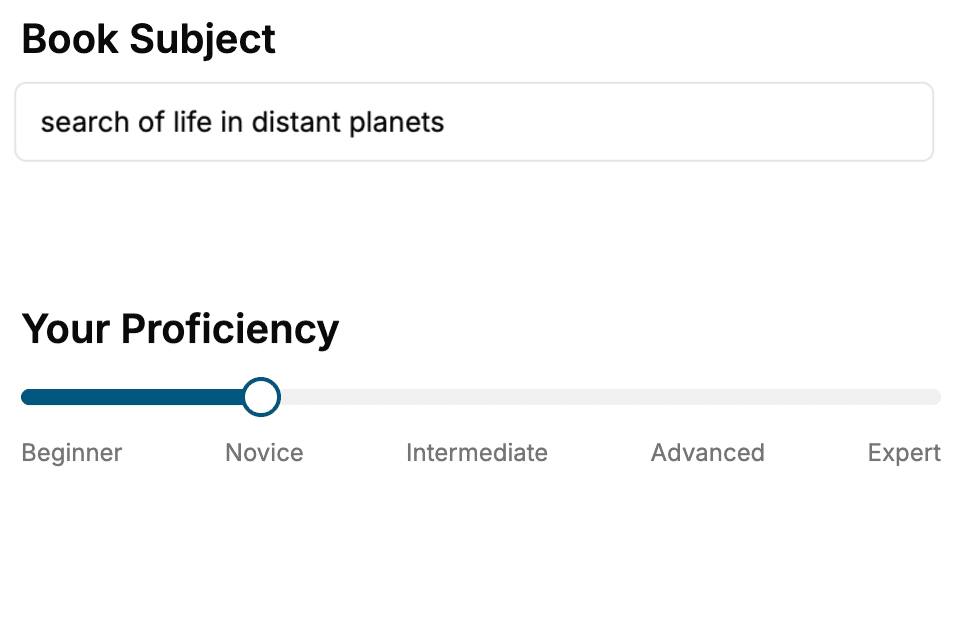
Select the focus of your Coffee book and share your background
- 2. Personalize your book
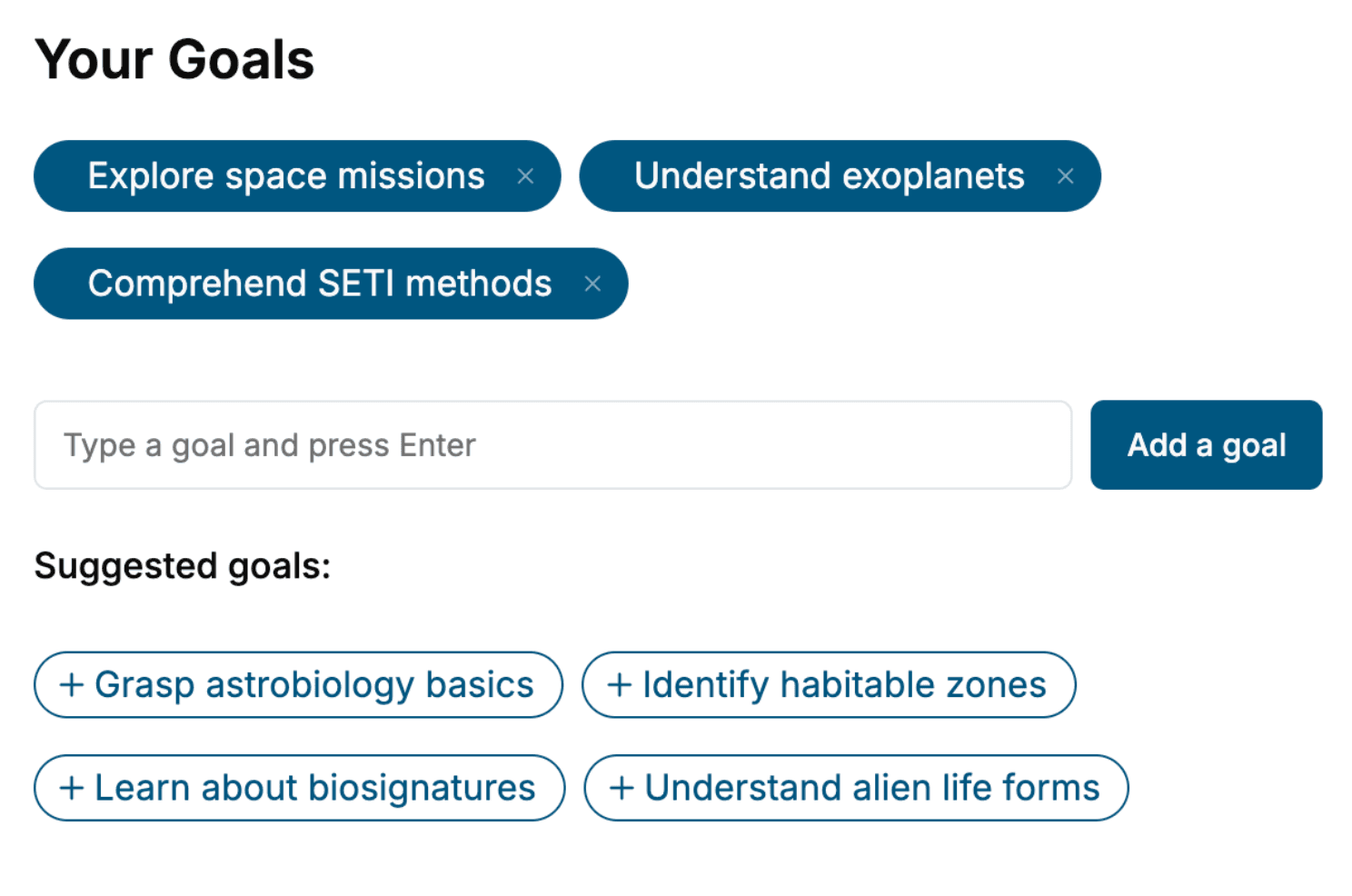
Specify your goals and choose sub-topics to include
- 3. Get your tailored book
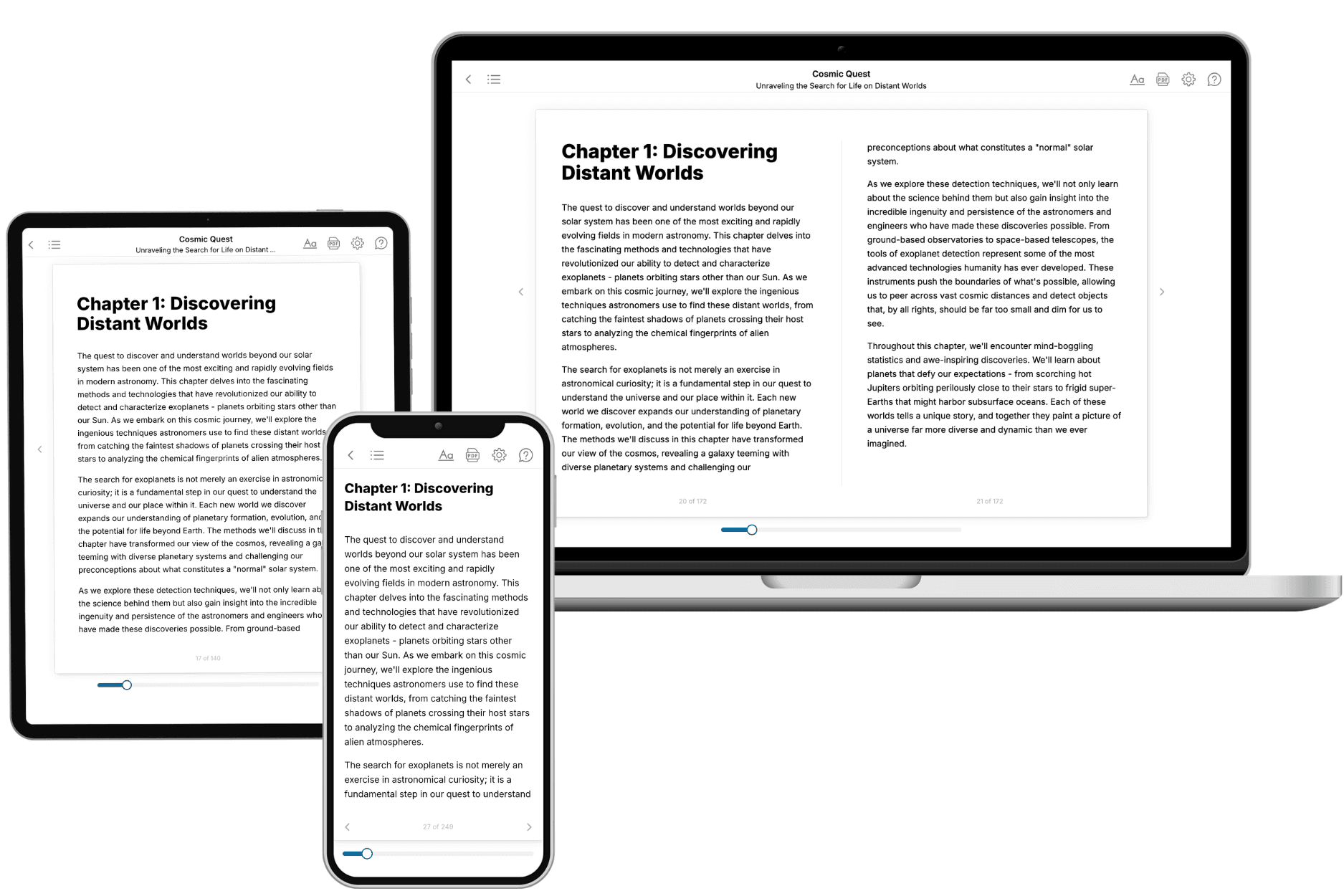
Your book is ready in 10 minutes. Read it online, download as EPUB or PDF, or send to Kindle.
Frequently asked questions
- What is TailoredRead?
TailoredRead creates complete, full-length nonfiction ebooks, written specifically for you. Tell us what you want to learn and why, and TailoredRead writes you a complete ebook on it, with charts, tables, and diagrams throughout. Read it online, on Kindle, or on any e-reader, or download it as a PDF or EPUB. Every book is written fresh the day you order it.
- How is the book tailored to me?
Before anything is written, you answer a few short questions about your goals, your background, and the topics you care about. Your book is then planned around your answers: written at your level, focused on your goals, and covering the topics you chose, instead of the one-size-fits-all book a store sells everyone.
- Will it read like generic AI content?
No. Your book isn't a chat transcript: it's planned chapter by chapter before a single word is written, told in a clear book voice, and explains ideas visually with charts, tables, and diagrams. After writing, every book goes through an editorial pass that polishes chapters so the book reads consistent from start to finish. Judge for yourself: browse thousands of sample books on our Explore Books page.
- How accurate is the content?
Our AI first checks whether your subject needs live research. Niche and fast-moving subjects are researched before writing, and the book plan and chapters are grounded in what it finds. After writing, every book goes through a quality pass that checks its facts and consistency, and researched books list their sources in a Notes section at the back.
- How long is the book?
You choose the length: Comprehensive (250-300 pages), Detailed (150-200 pages), Essential (70-100 pages), or Short (30-50 pages).
- Does the book include visuals?
Yes. Every book includes charts, tables, and diagrams: timelines, checklists, step-by-step guides, decision trees, comparison tables, matrices, and bar charts. A typical book includes dozens of these visual elements.
- Can I read it on Kindle? What formats can I download?
Yes. Every book can be read in our online reader or downloaded as a PDF or EPUB. The EPUB can be opened with Kindle, Apple Books, Kobo, and any e-reader. The Commercial and Author licenses also include an editable Word (DOCX) and Markdown download.
- How much does it cost?
About the price of a regular ebook. The exact price depends on your book's length and complexity, from $2 for the shortest books to $35 for the most comprehensive, and it's shown when you review your book, before you commit to anything. Each book is a one-time purchase, yours to keep, no subscription. Licenses that let you share, teach, or publish your book range from $35.99 to $49.99.
- Can I preview the book before purchasing?
Before you pay, you'll see what your book will cover: the title, a detailed description, the estimated length, and the complete chapter-by-chapter table of contents, so you know what you're getting before you decide. The full text itself is written after you purchase.
- How long does it take to create a book?
About 10 minutes. You can start reading the opening chapters while the rest is still being written.