Pocahontas and John Smith
Unraveling the Myth, Revealing the History
Discover the true story behind one of America's most enduring historical legends.
269 pages13 chaptersEnglishJan 13, 2025History
About this book
This book peels back the layers of myth surrounding Pocahontas and John Smith, revealing the fascinating reality of their lives and the pivotal roles they played in early American history. You'll gain a deeper understanding of the cultural clash between the Powhatan people and English settlers, and how these two iconic figures navigated this tumultuous period. Through meticulous research and engaging storytelling, you'll explore the complexities of Pocahontas's life as a Native American woman caught between two worlds, and John Smith's experiences as an adventurer and leader in the New World. This book challenges popular misconceptions, offering a balanced and thoughtful examination of their relationship and its lasting impact on American culture and identity. By the end, you'll have a nuanced perspective on this captivating chapter of history, enriching your understanding of early colonial America and the Native American experience.
Table of contents
- IntroductionSeparating Myth from Reality, Historical Context of Early Colonial America, Overview of the Book's JourneyRead below
- Chapter 1: The Powhatan WorldPowhatan Culture and Society, Political Structure of the Powhatan Confederacy, Daily Life and Customs, Spiritual Beliefs and Practices
- Chapter 2: Pocahontas: Early LifeBirth and Childhood, Family Relations and Royal Status, Education and Training, Role and Expectations in Powhatan Society
- Chapter 3: John Smith: A Life of AdventureEarly Years and Military Career, Travels and Experiences in Europe, Joining the Virginia Company, Leadership Skills and Personality
- Chapter 4: The Founding of JamestownThe Voyage and Arrival, Early Challenges and Struggles, Smith's Role in Leadership, First Encounters with Native Americans
- Chapter 5: The First Meeting: Fact and FictionSmith's Capture by the Powhatan, The Pocahontas Intervention Story, Historical Analysis of the Account, Cultural Misunderstandings and Interpretations
- Chapter 6: Pocahontas as Cultural MediatorProviding Food and Supplies, Role as Language Interpreter, Participation in Diplomatic Missions, Bridge-Building Between Cultures
- Chapter 7: Smith's Leadership in JamestownManagement of the Colony, Exploration and Mapping of Virginia, Relations with Native Tribes, Internal Conflicts and Challenges
- Chapter 8: Changing Dynamics: 1609-1613Smith's Departure from Jamestown, Pocahontas's Absence from English Accounts, The 'Starving Time' in Jamestown, The First Anglo-Powhatan War
- Chapter 9: Pocahontas's Capture and TransformationCircumstances of Her Capture, Life Among the English, Conversion to Christianity, Cultural Adaptation and Identity
- Chapter 10: John Rolfe and the Tobacco EconomyRolfe's Background and Arrival in Virginia, Introduction of New Tobacco Cultivation, Economic Impact on the Colony, Meeting and Relationship with Pocahontas
- Chapter 11: Pocahontas in EnglandThe Voyage and Arrival in England, Reception at the Royal Court, Public Perception and Media Coverage, The Reunion with John Smith
- Chapter 12: Legacy and Historical ImpactPocahontas's Influence on Anglo-Native Relations, Smith's Writings and Their Influence, Pocahontas as a Cultural Icon, Changing Historical Interpretations
- Chapter 13: The Making of a MythEarly Narratives and Accounts, 19th Century Romanticization, Representations in Popular Culture, Deconstructing the Myth
- ConclusionHistorical Significance, Modern Relevance
- Glossary
- Further Reading
Introduction
The story of Pocahontas and John Smith has captivated imaginations for centuries, weaving its way into the fabric of American folklore and popular culture. This enduring tale of two individuals from vastly different worlds, whose lives intersected at a pivotal moment in history, has been retold countless times, often with varying degrees of accuracy and embellishment. As you embark on this journey through the pages of this book, you will discover that the true narrative of Pocahontas and John Smith is far more complex, nuanced, and fascinating than the romanticized versions that have permeated our collective consciousness.
This introduction serves as your gateway to a deeper understanding of these iconic figures and the world they inhabited. It aims to set the stage for a comprehensive exploration of their lives, their interactions, and the lasting impact they had on Native American and colonial American history. By delving into the historical context of early colonial America, separating fact from fiction, and providing an overview of the book's contents, this introduction will equip you with the necessary foundation to critically examine and appreciate the intricate tapestry of events, cultural clashes, and personal journeys that define this captivating chapter of history.
As you progress through this book, you will gain insights into the Powhatan culture, the challenges faced by early English settlers, and the complex web of relationships that shaped the interactions between these two worlds. You will come to understand Pocahontas not just as a romanticized figure, but as a multifaceted individual who played a crucial role as a cultural mediator in a time of great upheaval. Similarly, John Smith will emerge as a complex character whose accounts of his experiences in Virginia deserve careful scrutiny and analysis.
By examining primary sources, considering multiple perspectives, and drawing upon the latest historical research, this book aims to provide you with a balanced and thoughtful examination of the relationship between Pocahontas and John Smith, as well as its broader implications for early American history. As you read, you will be encouraged to question long-held assumptions, consider the cultural contexts that influenced historical events, and develop a more nuanced understanding of this pivotal period in the formation of what would become the United States of America.
Prepare to embark on a journey that will challenge your preconceptions, broaden your historical perspective, and deepen your appreciation for the complexities of cross-cultural interactions in early colonial America. Through this exploration, you will not only gain a clearer picture of Pocahontas and John Smith as historical figures but also develop a greater understanding of the enduring legacy of their story and its relevance to contemporary discussions of cultural identity, colonialism, and the shaping of national narratives.
Separating Myth from Reality
The tale of Pocahontas and John Smith has been woven into the fabric of American mythology for generations, often blurring the lines between historical fact and romantic fiction. This section aims to unravel the complex tapestry of myth and reality surrounding these two iconic figures, providing you with a clearer understanding of the historical truths that have often been obscured by centuries of storytelling and cultural reinterpretation. By examining the origins of various myths and comparing them with available historical evidence, you will gain the tools necessary to critically evaluate the narrative that has been passed down through the ages.
One of the most persistent myths surrounding Pocahontas and John Smith is the dramatic rescue scene, where Pocahontas supposedly saved Smith from execution by throwing herself over his body. This captivating image has been immortalized in countless paintings, books, and films, becoming a cornerstone of the Pocahontas legend. However, historical analysis reveals a more nuanced reality. The first account of this event appeared in Smith's "Generall Historie," published in 1624, nearly two decades after the alleged incident took place. Notably, Smith did not mention this dramatic rescue in his earlier writings about his experiences in Virginia. This discrepancy has led many historians to question the veracity of the account, suggesting that it may have been embellished or entirely fabricated to enhance Smith's own reputation or to create a more compelling narrative of intercultural cooperation[1].
Another prevalent myth is the romanticized notion of a love story between Pocahontas and John Smith. Popular culture has often portrayed their relationship as a star-crossed romance between two individuals from different worlds. However, historical evidence suggests a more complex reality. At the time of their first encounter, Pocahontas was likely around 10-12 years old, while Smith was in his late twenties. Their relationship, while significant, was more likely one of diplomatic importance rather than romantic involvement. Pocahontas's role as a cultural mediator and her later marriage to John Rolfe are better supported by historical records than any romantic entanglement with Smith[2].
The portrayal of Pocahontas as a willing convert to Christianity and English culture is another area where myth often overshadows reality. While it is true that Pocahontas was baptized and took the name Rebecca, the circumstances surrounding her conversion were far more complex than often depicted. Her capture by the English in 1613, her time as a hostage, and the political pressures of the time all played significant roles in her cultural transformation. Understanding these factors helps to paint a more accurate picture of Pocahontas's experiences and the choices she faced.
John Smith's own accounts of his adventures in Virginia have also been subject to scrutiny and debate among historians. While Smith's writings provide valuable insights into early colonial life and interactions with Native Americans, they must be approached with a critical eye. Smith was known for his self-promotion and tendency to embellish his exploits. By comparing his accounts with other primary sources and archaeological evidence, historians have worked to separate fact from exaggeration in Smith's narratives[3].
The myth of peaceful coexistence between the English settlers and the Powhatan people is another area where reality diverges significantly from popular perception. While there were periods of cooperation and trade, the relationship between the two groups was often marked by tension, misunderstanding, and conflict. The story of Pocahontas and John Smith is set against a backdrop of increasing hostility that would eventually lead to open warfare. Understanding this context is crucial for appreciating the true significance of their interactions and the challenges they faced in navigating between two cultures.
By examining these and other myths surrounding Pocahontas and John Smith, this section aims to provide you with a more nuanced and historically accurate understanding of their lives and times. It is important to recognize that the process of separating myth from reality is not about diminishing the significance of these historical figures. Rather, it is about gaining a deeper appreciation for the complex realities they faced and the genuine achievements they made in bridging cultural divides during a tumultuous period in American history.
As you progress through this book, you will encounter further examples of how historical research and critical analysis have reshaped our understanding of this period. You will be encouraged to question long-held assumptions, consider multiple perspectives, and engage with primary sources to form your own informed opinions about the events and personalities that shaped early colonial America. By doing so, you will not only gain a clearer picture of Pocahontas and John Smith as historical figures but also develop a greater appreciation for the complexities of historical interpretation and the ongoing process of uncovering the past.
Ultimately, separating myth from reality allows us to engage with history in a more meaningful and authentic way. It challenges us to look beyond simplistic narratives and to consider the multifaceted nature of human experiences and cultural interactions. As you delve deeper into the true story of Pocahontas and John Smith, you will find that the historical reality, with all its complexities and contradictions, is far more fascinating and instructive than any myth could be.
Historical Context of Early Colonial America
To fully appreciate the significance of Pocahontas and John Smith's story, it is crucial to understand the historical context in which their lives unfolded. The early 17th century was a period of profound change and upheaval, marked by European expansion, cultural encounters, and the beginnings of what would become the colonial era in North America. This section aims to provide you with a comprehensive overview of the political, economic, and social landscape of early colonial America, setting the stage for the events that would bring Pocahontas and John Smith into contact and shape their respective roles in history.
The dawn of the 17th century saw European powers vying for dominance in the New World. England, having watched Spain and Portugal establish vast colonial empires, was eager to stake its claim in North America. The founding of Jamestown in 1607, the first permanent English settlement in North America, was a pivotal moment in this quest for colonial expansion. However, the English were not entering an empty land. The eastern seaboard of North America was home to diverse Indigenous nations with complex societies, political structures, and long-established trade networks. The Powhatan Confederacy, of which Pocahontas was a member, was one such powerful Indigenous polity, controlling a vast territory in what is now Virginia[1].
The motivations driving English colonization were multifaceted. Economic interests played a significant role, with the Virginia Company of London, a joint-stock company, financing the Jamestown venture in hopes of finding gold, establishing trade routes, and exploiting natural resources. There was also a desire to establish a strategic foothold in the New World to counter Spanish influence. Additionally, some saw colonization as an opportunity to spread Christianity and "civilize" the Indigenous populations. These varied and often conflicting objectives would shape the interactions between the English settlers and the Powhatan people, creating a complex web of relationships, alliances, and conflicts.
The early years of the Jamestown settlement were marked by extreme hardship. The colonists faced numerous challenges, including harsh environmental conditions, lack of food, disease, and conflicts with local Indigenous groups. The "Starving Time" of 1609-1610, during which a large percentage of the colonists perished, underscores the precarious nature of early colonial life. It was in this context of struggle and survival that John Smith emerged as a key figure, taking on leadership roles and establishing relationships with the Powhatan people that would prove crucial for the colony's survival[2].
On the other side of this cultural encounter, the Powhatan Confederacy was grappling with the implications of European arrival. Led by Wahunsenacawh, also known as Chief Powhatan, the confederacy was a complex political entity comprising multiple Algonquian-speaking tribes. The arrival of the English presented both opportunities and threats. Initially, some Powhatan leaders saw potential benefits in trade and alliance with the newcomers. However, as the English presence grew and conflicts over land and resources escalated, relations became increasingly strained. The role of Pocahontas as a cultural intermediary must be understood within this context of shifting alliances and growing tensions.
The early colonial period also saw significant developments in terms of economic structures and labor systems. The failure to discover gold led the colonists to search for other profitable ventures. The introduction of tobacco cultivation by John Rolfe in 1612 would prove transformative, providing the colony with a lucrative cash crop that would drive its economy for generations. However, the labor-intensive nature of tobacco farming would also contribute to the development of indentured servitude and, later, the tragic institution of slavery in the American colonies[3].
Religious and ideological factors also played a significant role in shaping the colonial experience. The English settlers brought with them Protestant Christian beliefs and a sense of cultural superiority that often led to misunderstandings and conflicts with Indigenous peoples. The concept of land ownership, for example, differed greatly between European and Indigenous worldviews, leading to disputes that would have long-lasting consequences. Additionally, the early 17th century was a time of religious upheaval in England, with tensions between different Protestant factions influencing colonial policies and social structures.
The global context of this period is also worth considering. The early 17th century saw the continuation of the Little Ice Age, a period of cooling that affected agricultural production and settlement patterns worldwide. This climatic phenomenon may have contributed to the challenges faced by both the English settlers and Indigenous populations. Furthermore, the colonization of Virginia occurred against the backdrop of broader geopolitical shifts, including the decline of Spanish power and the rise of England as a maritime nation.
Understanding this historical context is essential for appreciating the complexities of the Pocahontas and John Smith story. Their interactions were not isolated events but part of a larger tapestry of cultural encounter, colonial ambition, and Indigenous response. The decisions made by individuals like Pocahontas, John Smith, and Chief Powhatan were influenced by a myriad of factors, including political pressures, economic necessities, and cultural imperatives.
As you delve deeper into the specific events and personalities central to this book, keep in mind this broader historical landscape. The story of Pocahontas and John Smith is not just a tale of two individuals, but a window into a pivotal moment in American history. It reflects the hopes, fears, misunderstandings, and occasional moments of cross-cultural cooperation that characterized the early colonial period. By situating their story within this rich historical context, we can better understand the significance of their actions and the lasting impact of this period on the shaping of American society and identity.
Overview of the Book's Journey
As you embark on this exploration of the lives of Pocahontas and John Smith, it is important to have a clear understanding of the journey that lies ahead. This book has been carefully structured to provide you with a comprehensive, nuanced, and engaging examination of these historical figures and the world they inhabited. The following overview will guide you through the key themes, chapters, and approaches that you will encounter as you delve deeper into this fascinating period of early American history.
The book begins by immersing you in the world of the Powhatan people, providing a detailed look at their culture, society, and way of life before the arrival of English settlers. This foundation is crucial for understanding the context in which Pocahontas grew up and the complexities of the cultural interactions that would follow. You will explore the political structure of the Powhatan Confederacy, daily life and customs, and the spiritual beliefs that shaped their worldview. This section aims to challenge common misconceptions and provide a more accurate and respectful portrayal of Indigenous cultures of the time.
Following this, the narrative shifts to focus on the early lives of our two central figures. You will learn about Pocahontas's childhood, her position within Powhatan society, and the expectations placed upon her as a daughter of the paramount chief. Parallel to this, the book delves into John Smith's background, tracing his journey from England through his various adventures in Europe and ultimately to Virginia. By examining their formative years, we gain insights into the experiences and cultural contexts that shaped their perspectives and actions.
The founding of Jamestown serves as a pivotal moment in the narrative, marking the beginning of sustained contact between the English settlers and the Powhatan people. This section of the book provides a detailed account of the challenges faced by the early colonists, the leadership role assumed by John Smith, and the initial encounters with local Indigenous groups. It is within this context that the famous (and controversial) first meeting between Pocahontas and John Smith is examined, with a critical analysis of the various accounts and interpretations of this event.
As the narrative progresses, you will explore Pocahontas's role as a cultural mediator between the Powhatan people and the English settlers. This section highlights her contributions in providing food and supplies to the struggling colony, her involvement in diplomatic missions, and her efforts to bridge the cultural divide. Simultaneously, the book examines John Smith's leadership in Jamestown, his explorations of Virginia, and his complex relationships with both his fellow colonists and the Indigenous populations.
The changing dynamics of the period from 1609 to 1613 form a crucial part of the book, covering Smith's departure from Jamestown, Pocahontas's absence from English accounts during this time, and the deteriorating relations between the settlers and the Powhatan people. This leads into a detailed examination of Pocahontas's capture by the English, her time living among the settlers, her conversion to Christianity, and her marriage to John Rolfe. These events are analyzed not just as personal experiences but as reflections of the broader cultural and political shifts occurring in the region.
The book then follows Pocahontas's journey to England, providing a vivid account of her reception at the royal court, her reunion with John Smith, and the public perception of her visit. This section offers a unique perspective on how Indigenous Americans were viewed in 17th-century England and the complex dynamics of cultural representation and misrepresentation.
In its final chapters, the book explores the lasting legacy and historical impact of Pocahontas and John Smith. It examines how their story has been interpreted and reinterpreted over the centuries, shaping American cultural mythology and influencing perceptions of early colonial history. This section also delves into the process of myth-making, tracing how the narrative of Pocahontas and John Smith has evolved from early accounts through 19th-century romanticization to modern popular culture representations.
Throughout the book, you will find that the narrative is grounded in rigorous historical research, drawing upon primary sources, archaeological evidence, and the latest scholarly interpretations. Sidebars and special features provide additional context, exploring related topics such as the role of women in Powhatan and English societies, the impact of disease on Indigenous populations, and the development of the tobacco economy in Virginia.
The book also incorporates multiple perspectives, giving voice to Indigenous viewpoints and critically examining the biases present in historical sources. By doing so, it aims to provide a more balanced and inclusive account of this period in American history. You will be encouraged to think critically about the sources of historical information, the construction of historical narratives, and the ongoing process of historical interpretation.
As you progress through the chapters, you will find that the book not only tells the story of Pocahontas and John Smith but also uses their experiences as a lens through which to examine broader themes in early American history. These include the nature of cultural contact and conflict, the complexities of colonial expansion, the role of individuals in shaping historical events, and the long-term consequences of early colonial interactions on American society and identity.
By the conclusion of this book, you will have gained a comprehensive understanding of the lives of Pocahontas and John Smith, the world they inhabited, and the lasting impact of their story on American history and culture. You will be equipped with the knowledge and analytical tools to critically examine popular narratives about early colonial America and to appreciate the complexities of cross-cultural interactions in this pivotal period. This journey through history promises to be both enlightening and thought-provoking, challenging preconceptions and offering new perspectives on a story that continues to captivate and inspire.
Notes
Introduction
- 1. Helen C. Rountree, Pocahontas, Powhatan, Opechancanough, University of Virginia Press, 2005
- 2. Camilla Townsend, Pocahontas and the Powhatan Dilemma, Hill and Wang, 2004
- 3. Karen Ordahl Kupperman, Indians and English, Cornell University Press, 2000
- 1. Frederic W. Gleach, Powhatan's World and Colonial Virginia, University of Nebraska Press, 1997
- 2. James Horn, A Land As God Made It, Basic Books, 2005
- 3. Edmund S. Morgan, American Slavery, American Freedom, W. W. Norton & Company, 1975
This is the end of the free sample. The full book has 13 chapters.
Want this book written for you?
Tell us your goals and background, and get your own version of this book, tailored by AI to you.


Benefits of AI-tailored books
- Read one book, not ten:
- all the History knowledge you need, gathered into a single book.
- Save days of learning:
- tell us your goals, choose your topics, and the whole book is built around them.
- Learn effortlessly:
- History book written for your specific background and expertise.
- Understand at a glance:
- includes charts, tables, timelines, checklists, decision trees, and more.
- Stay current:
- written the day you order it, not years ago.
- Trust what you read:
- every book is checked for accuracy, with real research when your subject needs it.
Create your unique book in 3 steps
- 1. Select your focus
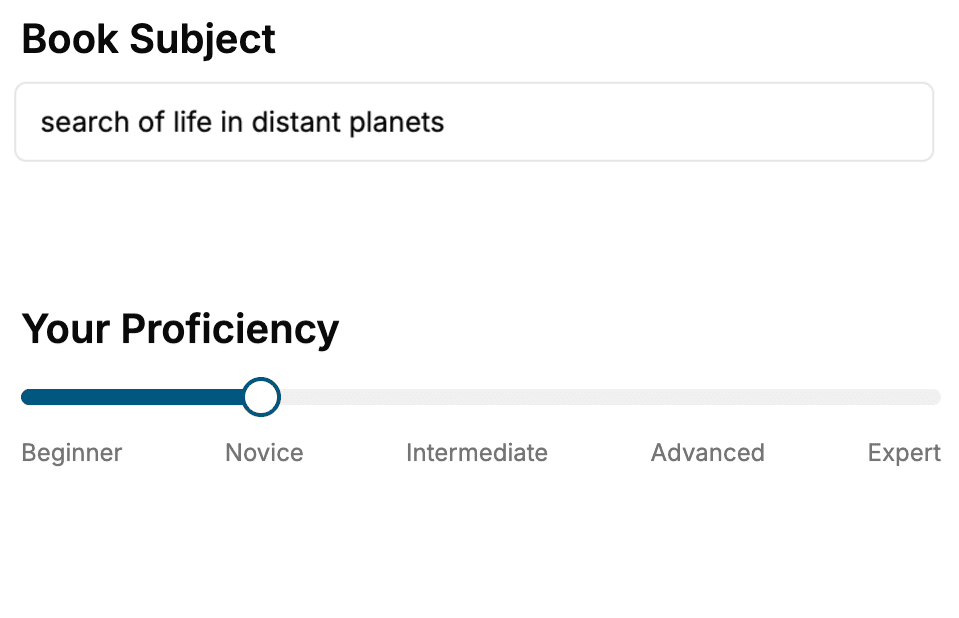
Select the focus of your History book and share your background
- 2. Personalize your book
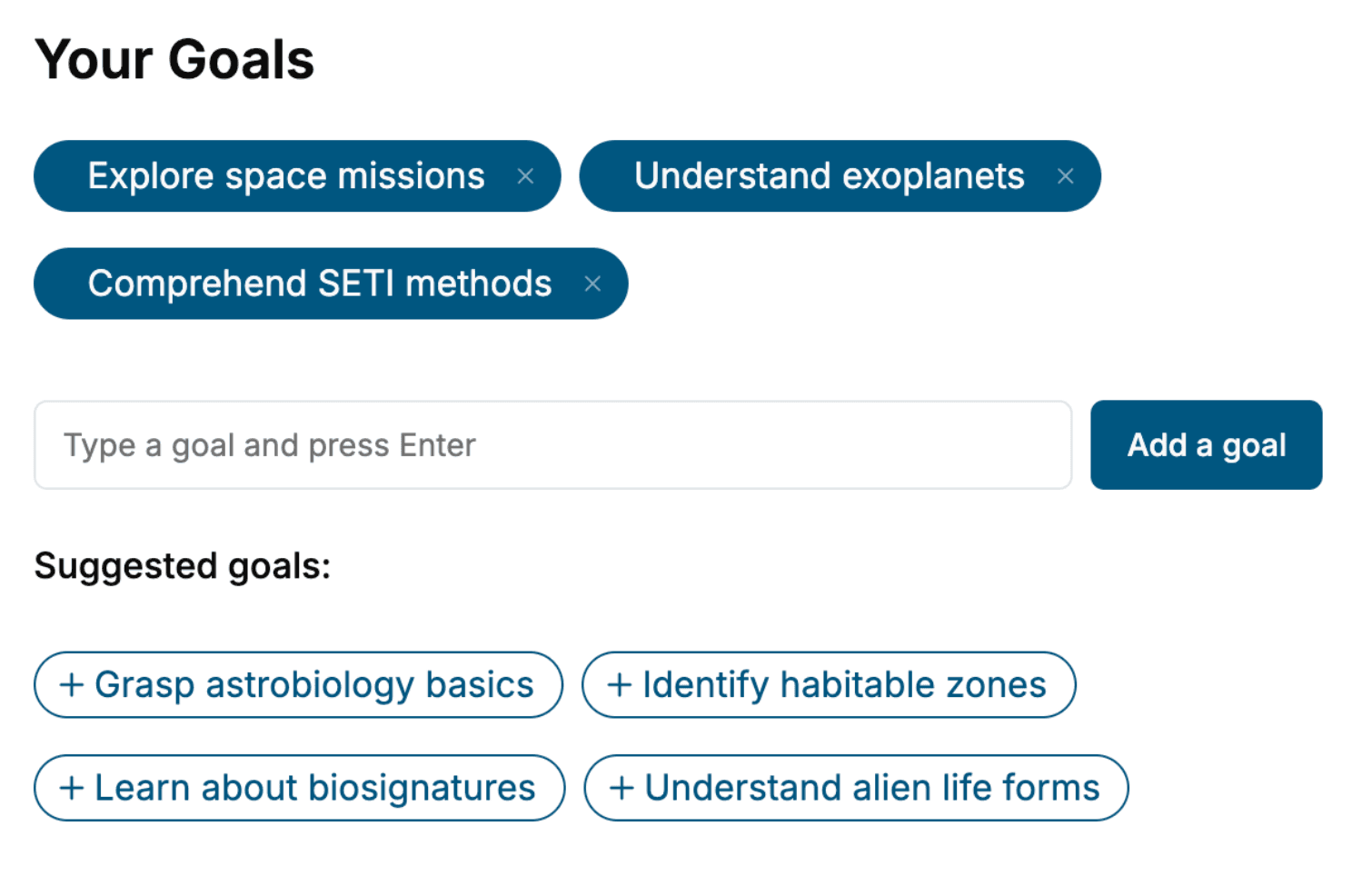
Specify your goals and choose sub-topics to include
- 3. Get your tailored book
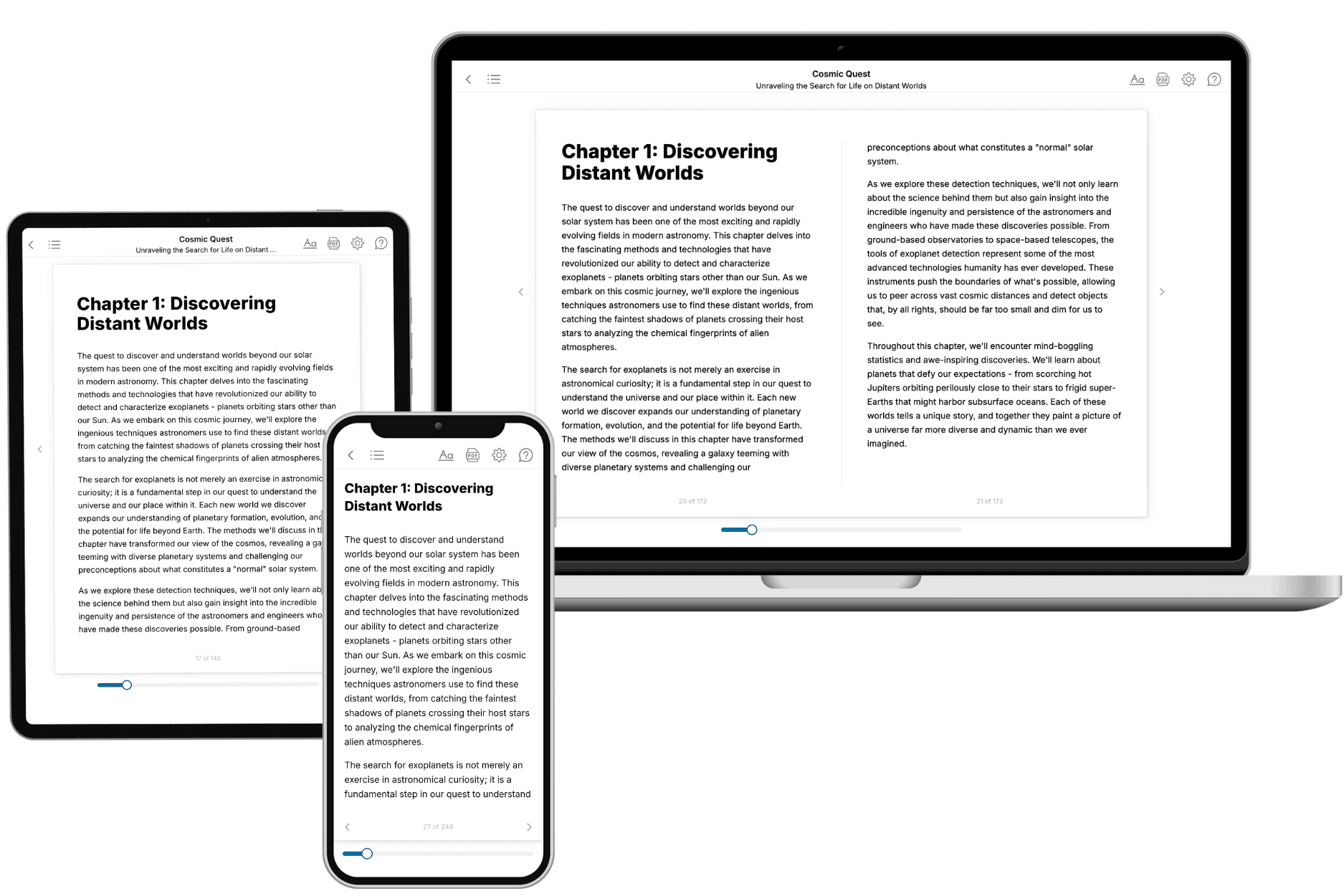
Your book is ready in 10 minutes. Read it online, download as EPUB or PDF, or send to Kindle.
Frequently asked questions
- What is TailoredRead?
TailoredRead creates complete, full-length nonfiction ebooks, written specifically for you. Tell us what you want to learn and why, and TailoredRead writes you a complete ebook on it, with charts, tables, and diagrams throughout. Read it online, on Kindle, or on any e-reader, or download it as a PDF or EPUB. Every book is written fresh the day you order it.
- How is the book tailored to me?
Before anything is written, you answer a few short questions about your goals, your background, and the topics you care about. Your book is then planned around your answers: written at your level, focused on your goals, and covering the topics you chose, instead of the one-size-fits-all book a store sells everyone.
- Will it read like generic AI content?
No. Your book isn't a chat transcript: it's planned chapter by chapter before a single word is written, told in a clear book voice, and explains ideas visually with charts, tables, and diagrams. After writing, every book goes through an editorial pass that polishes chapters so the book reads consistent from start to finish. Judge for yourself: browse thousands of sample books on our Explore Books page.
- How accurate is the content?
Our AI first checks whether your subject needs live research. Niche and fast-moving subjects are researched before writing, and the book plan and chapters are grounded in what it finds. After writing, every book goes through a quality pass that checks its facts and consistency, and researched books list their sources in a Notes section at the back.
- How long is the book?
You choose the length: Comprehensive (250-300 pages), Detailed (150-200 pages), Essential (70-100 pages), or Short (30-50 pages).
- Does the book include visuals?
Yes. Every book includes charts, tables, and diagrams: timelines, checklists, step-by-step guides, decision trees, comparison tables, matrices, and bar charts. A typical book includes dozens of these visual elements.
- Can I read it on Kindle? What formats can I download?
Yes. Every book can be read in our online reader or downloaded as a PDF or EPUB. The EPUB can be opened with Kindle, Apple Books, Kobo, and any e-reader. The Commercial and Author licenses also include an editable Word (DOCX) and Markdown download.
- How much does it cost?
About the price of a regular ebook. The exact price depends on your book's length and complexity, from $2 for the shortest books to $35 for the most comprehensive, and it's shown when you review your book, before you commit to anything. Each book is a one-time purchase, yours to keep, no subscription. Licenses that let you share, teach, or publish your book range from $35.99 to $49.99.
- Can I preview the book before purchasing?
Before you pay, you'll see what your book will cover: the title, a detailed description, the estimated length, and the complete chapter-by-chapter table of contents, so you know what you're getting before you decide. The full text itself is written after you purchase.
- How long does it take to create a book?
About 10 minutes. You can start reading the opening chapters while the rest is still being written.