Portland Neighborhoods
Your Complete Guide to the City's Most Vibrant Districts
Imagine wandering through Portland's neighborhoods with the confidence of a local, knowing exactly where to find the best coffee, the most authentic food, and the hidden corners that make each district special.
191 pages10 chaptersJun 4, 2026Portland Travel Guide
About this book
This guide takes you beyond the standard tourist map to reveal the true character of Portland's most compelling neighborhoods. You'll discover what makes Northeast Portland's artsy enclaves different from Southeast's eclectic vibe, why Northwest's historic charm attracts visitors, and how Southwest's quieter neighborhoods offer peaceful retreats. Learn the stories behind neighborhood names, understand the architecture that defines each area, and find the local spots where Portlanders actually spend their time. Whether you're planning a weekend visit or an extended stay, this guide helps you navigate the city's diverse districts strategically, choosing neighborhoods that match your interests and travel style. Packed with practical information about transportation, dining, shopping, and cultural attractions, you'll experience Portland as insiders do—one authentic neighborhood at a time.
Table of contents
- IntroductionWhy Neighborhoods Matter in Portland, How to Use This Guide, Portland at a Glance: Geography and LayoutRead below
- Chapter 1: Northeast Portland: Art, Culture, and CreativityThe Heart of Portland's Creative Scene, Irvington, Beaumont-Wilshire, and Roseway, Street Art, Galleries, and Cultural Venues, Food Carts, Breweries, and Local Restaurants
- Chapter 2: Southeast Portland: Eclectic and BohemianPortland's Most Diverse and Experimental District, Belmont, Hawthorne, and Richmond, Vintage Shops, Independent Bookstores, and Quirky Finds, Music Venues, Bars, and Entertainment
- Chapter 3: Northwest Portland: Historic Charm and Urban LivingWhere Portland's Past Meets Present, Pearl District, Old Town, and Nob Hill, Historic Buildings, Galleries, and Design, Boutiques, Galleries, and Upscale Dining
- Chapter 4: Southwest Portland: Parks, Culture, and Quiet NeighborhoodsPortland's Peaceful and Scenic Side, South Burlingame, Multnomah Village, and Hillside, Forest Park, Washington Park, and Outdoor Recreation, Museums, Gardens, and Cultural Institutions
- Chapter 5: North Portland: Emerging Neighborhoods and Community SpiritPortland's Up-and-Coming Districts, Kenton, Albina, and Piedmont, Community Events, Local Businesses, and Neighborhood Character
- Chapter 6: East Portland: Diversity, Affordability, and Authentic ExperiencesPortland's Most Multicultural Region, Lents, Powelhurst-Gilbert, and Parkrose, International Cuisine and Immigrant Communities
- Chapter 7: Getting Around: Transportation and Neighborhood ConnectionsMAX Light Rail, Buses, and Streetcars, Biking and Walking Between Neighborhoods, Driving and Parking Considerations, Planning Your Neighborhood Route
- Chapter 8: Food and Drink: Neighborhood Dining ExperiencesFood Carts and Street Food Culture, Breweries, Coffee Roasters, and Cafes, Neighborhood Restaurants and Ethnic Cuisines, Farmers Markets and Local Food
- Chapter 9: Shopping and Local Businesses: Supporting Portland's EconomyIndependent Shops and Local Boutiques, Antique Stores, Vintage Shops, and Thrift, Bookstores, Record Shops, and Media, Artisan Goods and Maker Communities
- Chapter 10: Planning Your Neighborhood Visit: Practical ConsiderationsChoosing Where to Stay by Neighborhood, Budget Planning and Neighborhood Costs, Best Times to Visit Different Neighborhoods, Safety and Practical Travel Tips
- ConclusionCreating Your Own Portland Neighborhood Story
Introduction
Portland is one of those cities that resists easy description. It's not quite like Seattle, not quite like San Francisco, and definitely not like anywhere else in the country. It has a personality that's been shaped by decades of independent thinking, creative energy, and a stubborn commitment to doing things differently. But here's the thing: you don't really experience Portland as a whole. You experience it one neighborhood at a time, one block at a time, one unexpected discovery at a time.
Most visitors arrive with a short list of famous spots: Powell's Books, Voodoo Doughnut, the International Rose Test Garden. These are worth seeing, no question. But if that's all you do, you'll leave Portland having seen the postcard version of the city rather than the real one. The real Portland lives in the coffee shop where the barista knows every regular by name, in the food cart pod tucked behind a parking lot, in the mural that covers an entire building wall in a neighborhood most tourists never reach.
This guide exists to close that gap. It's built around a simple idea: that the best way to understand Portland is to understand its neighborhoods. Each district in this city has its own history, its own character, its own rhythm. Northeast Portland feels different from Southeast Portland, which feels completely different from the Pearl District, which has almost nothing in common with East Portland. Learning to read those differences is what separates a good Portland trip from a great one. This guide gives you the tools to do exactly that, whether you have two days or two weeks to explore.
You'll find practical information throughout these pages, including transportation tips, dining recommendations, shopping guides, and seasonal advice. But more than logistics, this guide offers context. It explains why neighborhoods look and feel the way they do, what forces shaped them, and what makes each one worth your time. That context transforms a walk down a street from a simple stroll into something much more interesting.
Why Neighborhoods Matter in Portland
Portland is a city of strong neighborhood identities, and that's not an accident. For decades, Portland has invested in neighborhood associations, local planning processes, and community-driven development in ways that most American cities haven't. The result is a collection of districts that feel genuinely distinct from one another, each with its own commercial strips, gathering spaces, and local culture. This isn't manufactured charm. It grew organically, and you can feel the difference when you walk through it.
Consider the contrast between two neighborhoods just a few miles apart. The Pearl District, in Northwest Portland, is polished and walkable, lined with converted warehouse lofts, upscale galleries, and well-designed public spaces. It attracts a crowd that's comfortable spending $18 on a cocktail and browsing contemporary art on a Saturday afternoon. Meanwhile, Lents, in East Portland, is a working-class neighborhood with deep roots, a growing immigrant community, and a food scene that reflects genuine cultural diversity rather than curated trendiness. Both are authentically Portland. Both are worth your time. But they offer completely different experiences, and knowing which one fits your mood on a given day makes all the difference.
Neighborhood identity in Portland is also tied to history in ways that are worth understanding. Many of Portland's neighborhoods were shaped by discriminatory housing policies in the mid-20th century, including redlining practices that restricted where Black residents could live and own property.[1] The legacy of those policies is still visible in neighborhood demographics, architecture, and economic patterns today. Understanding that history adds depth to what you see on the street and helps you appreciate the significance of community-led revitalization efforts happening in places like North Portland's Albina district.
Portland's neighborhoods also matter because they're where the city's famous food, art, and culture actually live. The food cart culture that Portland is known for isn't centered downtown. It's scattered across neighborhood pods in Southeast, Northeast, and East Portland. The independent bookstores, record shops, and vintage clothing stores that define Portland's retail personality are concentrated along neighborhood commercial corridors like Hawthorne Boulevard and Mississippi Avenue. If you stay in the downtown core, you'll miss most of what makes Portland special.
There's also a practical reason why neighborhoods matter: Portland is a city that rewards walking. Its residential streets are lined with craftsman bungalows, Victorian houses, and mid-century architecture that tells the story of how the city grew. Its commercial strips are compact and human-scaled, designed for people on foot rather than people in cars. The best way to experience any Portland neighborhood is to park yourself somewhere central and start walking in every direction. You'll find things that no guidebook has listed, because Portland's best discoveries are often the ones you stumble into.
Finally, neighborhoods matter because they help you make better decisions about where to spend your limited time. Portland has over 90 officially recognized neighborhoods spread across roughly 145 square miles.[2] You can't see all of them, and you shouldn't try. What you can do is identify the two or three neighborhoods that align most closely with your interests and go deep rather than wide. This guide helps you make that choice with confidence.
A note on authenticity: Portland's neighborhoods are living communities, not tourist attractions. The coffee shops, restaurants, and shops described in this guide are places where real people spend their daily lives. Visiting with curiosity and respect, supporting local businesses, and being a considerate presence in residential areas all contribute to a better experience for everyone.
How to Use This Guide
This guide is organized geographically, moving through Portland's major quadrants and districts in a logical sequence. Each neighborhood chapter covers the area's character and history, its key sub-neighborhoods, its standout attractions, and its food and drink scene. The later chapters cover city-wide topics like transportation, dining culture, shopping, and practical planning advice that apply across all neighborhoods. You don't need to read this guide from front to back. Think of it as a reference tool you can dip into based on where you're headed and what you're looking for.
Here's a simple framework for getting the most out of this guide:
- Start with the overview chapter on Portland's geography and layout (just below this section). It gives you the mental map you need to understand how neighborhoods relate to each other.
- Read the chapters for two or three neighborhoods that sound most interesting to you. Pay attention to the character descriptions, not just the attraction lists.
- Cross-reference with the transportation chapter to understand how to move between your chosen neighborhoods efficiently.
- Use the food, shopping, and planning chapters to fill in the practical details once you've decided where you're going.
- Return to specific sections as you explore, using them as on-the-ground references rather than pre-trip reading only.
Each neighborhood chapter includes a mix of well-known spots and lesser-known finds. The well-known spots are included because they're genuinely worth your time, not just because they're famous. The lesser-known finds are included because they represent the kind of discovery that makes a trip memorable. Both matter. A good Portland itinerary balances the two rather than chasing only one or the other.
You'll also notice that this guide doesn't pretend every neighborhood is equally suited to every traveler. Some neighborhoods are better for people who love nightlife. Others are better for families, or for architecture enthusiasts, or for people who want to spend a full day eating their way through a single street. The character descriptions at the start of each chapter are designed to help you quickly assess whether a neighborhood matches your travel style. Pay attention to those descriptions. They'll save you time and help you avoid the frustration of showing up somewhere that doesn't fit what you're looking for.
A few practical notes on how information is presented throughout this guide:
- Business hours and prices change frequently in Portland's dynamic restaurant and retail scene. Always verify current hours and pricing before visiting, especially for smaller independent businesses.
- Neighborhood boundaries in Portland are sometimes contested or overlapping. The boundaries used in this guide reflect common usage and practical navigation rather than strict official definitions.
- Transportation options are described based on TriMet's current network, but service routes and schedules do change. Check the TriMet website or app for real-time information.
- Seasonal considerations matter significantly in Portland. Some outdoor attractions, farmers markets, and neighborhood events are only available during certain months. The planning chapter covers this in detail.
One more thing worth saying upfront: Portland is a city that changes quickly. New restaurants open, beloved shops close, neighborhoods shift in character as development pressures and community responses evolve. This guide captures Portland as it exists now, with an emphasis on the enduring qualities of each neighborhood rather than the specific businesses that happen to be operating at any given moment. The goal is to give you a framework for understanding each district that remains useful even as individual details change over time.
The best use of any travel guide is as a starting point, not a script. Use this guide to orient yourself, then follow your curiosity. Portland rewards the traveler who wanders off the suggested route and sees what's around the next corner. The neighborhoods described in these pages are full of surprises, and the best ones are often the ones you find yourself.
Portland at a Glance: Geography and Layout
Portland sits in the northern Willamette Valley, where the Willamette River meets the Columbia River at the city's northern edge. The Willamette River runs roughly north-south through the city, dividing it into east and west sides. This east-west divide is one of the most important geographic facts about Portland, because it shapes how the city is organized, how residents think about different areas, and how you'll navigate between neighborhoods. The west side is older and hillier. The east side is flatter, larger, and home to the majority of Portland's residential neighborhoods.
Portland uses a quadrant address system that's genuinely useful once you understand it. The city is divided into five main sections:
- Northwest (NW): The area west of the Willamette and north of Burnside Street, including the Pearl District, Old Town/Chinatown, and the Nob Hill neighborhood along NW 23rd Avenue.
- Southwest (SW): The area west of the Willamette and south of Burnside, including downtown Portland, the South Park Blocks, and quieter residential neighborhoods extending into the West Hills.
- Northeast (NE): The area east of the Willamette and north of Burnside, home to some of Portland's most vibrant neighborhood commercial corridors including Alberta Arts District and Mississippi Avenue.
- Southeast (SE): The area east of the Willamette and south of Burnside, Portland's largest quadrant by area, encompassing eclectic neighborhoods like Hawthorne, Belmont, and Division Street.
- North (N): A smaller section north of Northeast Portland, bounded by the Columbia River to the north and the Willamette to the west, including neighborhoods like Kenton, Piedmont, and the historic Albina district.
Burnside Street is the east-west dividing line that separates "North" from "South" in Portland's address system. It runs from the west hills all the way through the east side of the city. When you're navigating Portland, Burnside is one of your most reliable reference points. Similarly, the Willamette River is your east-west reference. Once you internalize these two lines, the city's layout starts to make intuitive sense.
The Willamette River is crossed by a series of bridges that are themselves worth knowing about. Portland has more bridges crossing a single river than any other city in the United States, with 12 bridges spanning the Willamette within city limits.[3] Each bridge connects specific neighborhoods on either side, and knowing which bridge to use can save you significant time when moving between the east and west sides. The Hawthorne Bridge, for example, connects Southeast Portland to the South Park Blocks area downtown. The Broadway Bridge connects North Portland to the Pearl District. The bridges are also popular with cyclists and pedestrians, and several offer excellent views of the city skyline and Mount Hood on clear days.
Portland's topography varies considerably across the city. The west side rises steeply into the West Hills, a forested ridge that forms a dramatic backdrop to the city skyline. Forest Park, one of the largest urban forests in the United States, covers much of this ridge and is accessible from several Northwest Portland neighborhoods.[4] The east side, by contrast, is largely flat, which is one reason it became the city's primary residential expansion area throughout the 20th century. The flatness also makes the east side extremely bikeable, a fact that has shaped its neighborhood culture significantly.
Mount Hood is visible from many parts of Portland on clear days, rising to 11,249 feet about 50 miles to the east. Mount St. Helens is visible to the north on clear days as well. These volcanic peaks are a constant visual reminder of the Pacific Northwest's dramatic geology, and they're part of what gives Portland its distinctive sense of place. When locals talk about a "mountain day," they mean a day clear enough to see the peaks in full detail, and it's genuinely worth pausing to appreciate the view when conditions allow.
Portland's climate is worth understanding before you visit, because it shapes when and how neighborhoods are best experienced. The city has a temperate oceanic climate with mild, wet winters and warm, dry summers. Roughly 144 days per year see measurable rainfall, but most of that rain falls as light drizzle rather than heavy downpours.[5] The period from June through September is reliably dry and warm, with temperatures typically ranging from the mid-60s to mid-80s Fahrenheit. This is when Portland's outdoor culture, including farmers markets, street festivals, and neighborhood events, is at its most vibrant. Winter visits are quieter and more atmospheric, with fewer crowds and a different kind of charm, but you'll want waterproof footwear and layers.
Understanding Portland's layout also means understanding its scale. The city proper covers about 145 square miles, but the neighborhoods most visitors explore are concentrated in a much smaller area. The core neighborhoods described in this guide, from the Pearl District in the northwest to the Hawthorne district in the southeast, span roughly 8 to 10 miles at their widest point. That's manageable by bike, by transit, or even on foot if you're willing to put in the miles. Portland is not a city where you need a car to have a great experience. In fact, for most neighborhood exploration, a car is more hindrance than help.
One final geographic note: Portland sits at the intersection of several major natural systems, including the Willamette River, the Columbia River, the Cascade Range to the east, and the Coast Range to the west. This geography has always attracted people looking for a particular kind of life, one that balances urban amenities with easy access to outdoor recreation. That orientation toward nature and the outdoors is woven into Portland's neighborhood culture in ways you'll notice throughout your visit, from the community gardens tucked into residential blocks to the hiking trails that begin at the edge of urban neighborhoods. It's part of what makes Portland feel different from other cities of similar size, and it's one of the things that keeps people coming back.
Notes
Introduction
- 1. Karen J. Gibson, "Bleeding Albina," Transforming Anthropology, 2007
- 2. City of Portland Bureau of Planning and Sustainability. 'Portland Neighborhood Coalitions.' Portland.gov.
- 3. Oregon Department of Transportation. 'Willamette River Bridges.' ODOT Bridge Engineering Section.
- 4. Forest Park Conservancy. 'About Forest Park.' forestparkconservancy.org.
- 5. National Weather Service Portland. 'Portland, Oregon Climate Summary.' weather.gov/pqr.
This is the end of the free sample. The full book has 10 chapters.
Want this book written for you?
Tell us your goals and background, and get your own version of this book, tailored by AI to you.


Benefits of AI-tailored books
- Read one book, not ten:
- all the Portland Travel Guide knowledge you need, gathered into a single book.
- Save days of learning:
- tell us your goals, choose your topics, and the whole book is built around them.
- Learn effortlessly:
- Portland Travel Guide book written for your specific background and expertise.
- Understand at a glance:
- includes charts, tables, timelines, checklists, decision trees, and more.
- Stay current:
- written the day you order it, not years ago.
- Trust what you read:
- every book is checked for accuracy, with real research when your subject needs it.
Create your unique book in 3 steps
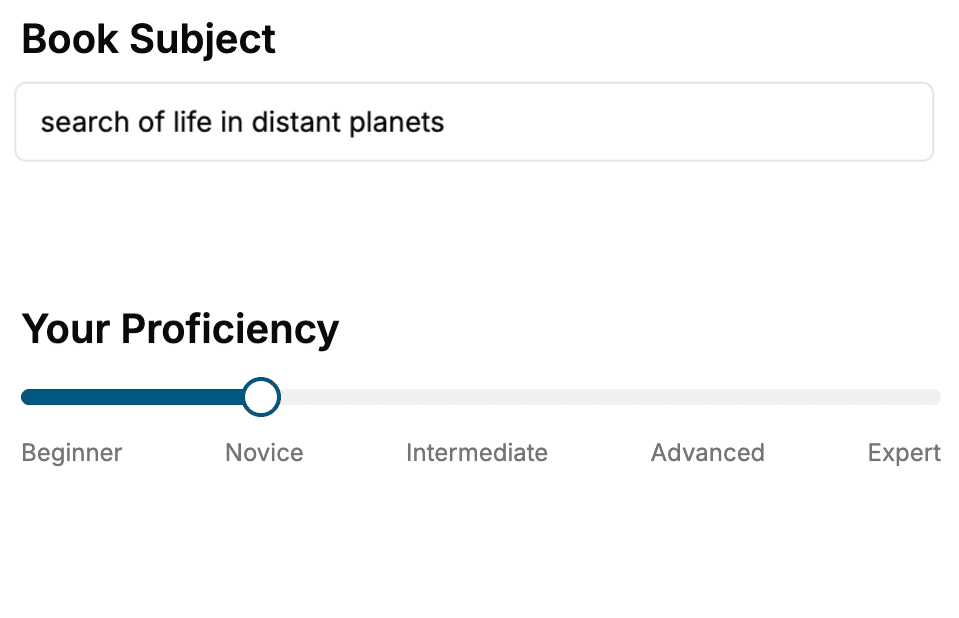
- 1. Select your focus
Select the focus of your Portland Travel Guide book and share your background
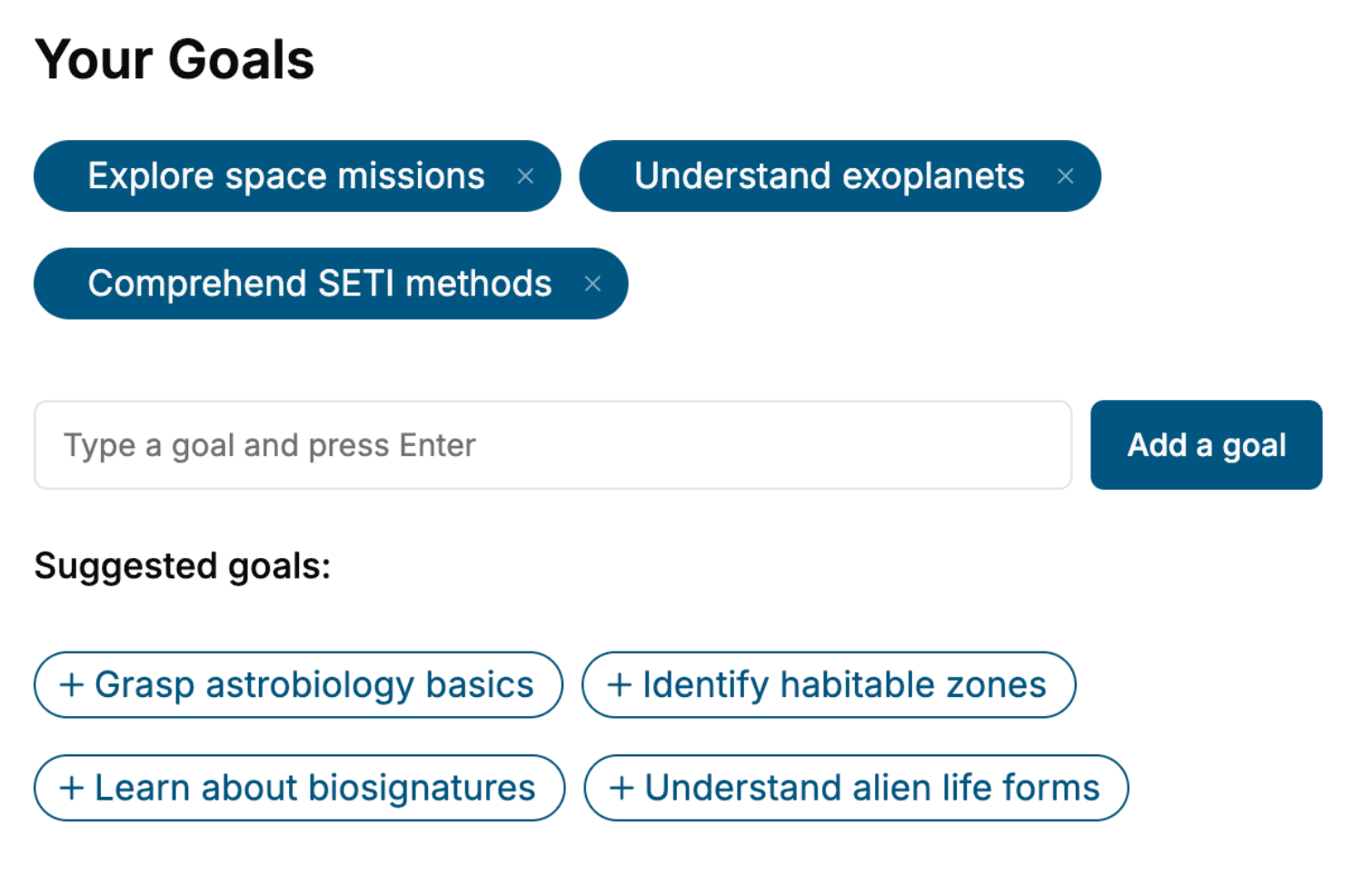
- 2. Personalize your book
Specify your goals and choose sub-topics to include
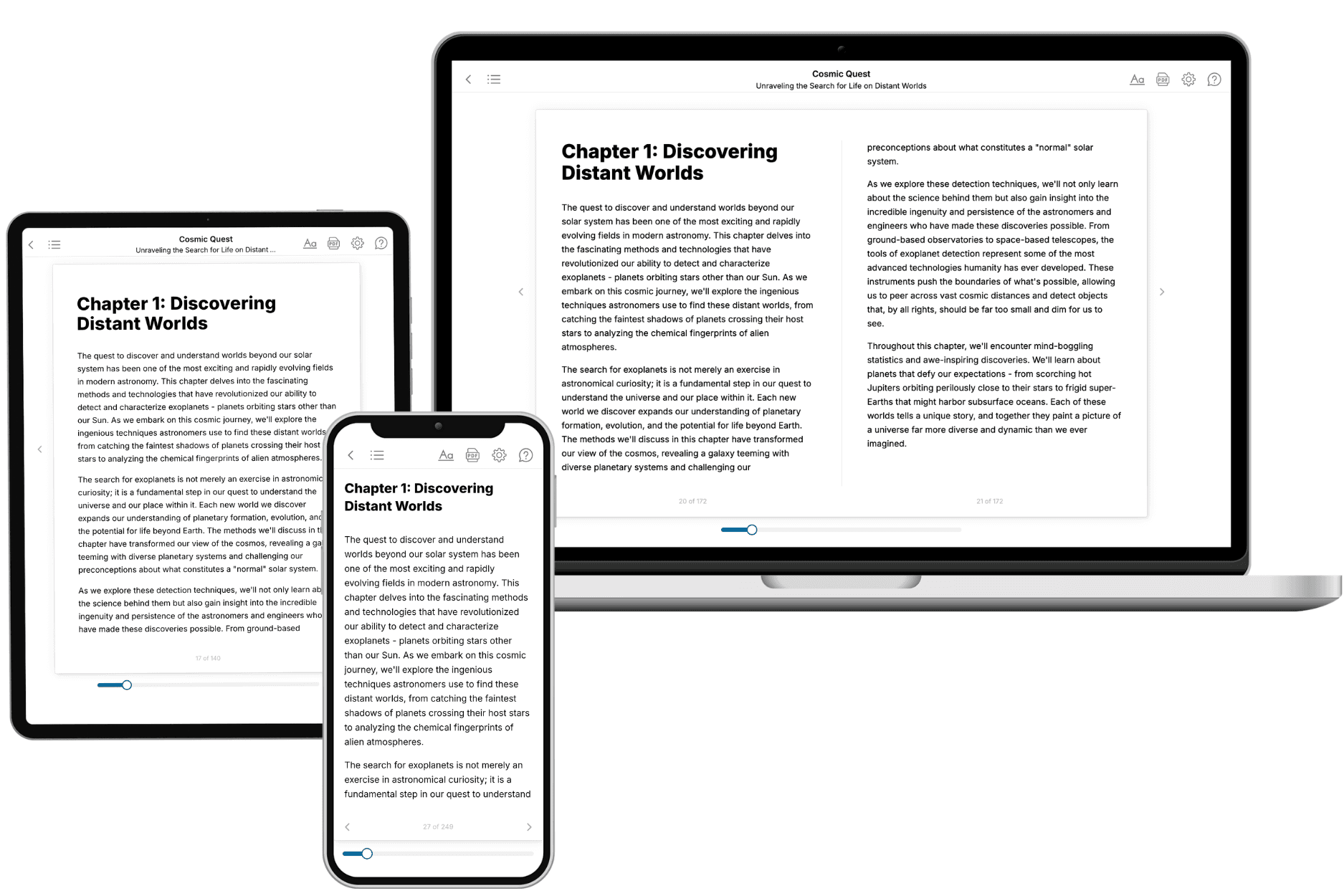
- 3. Get your tailored book
Your book is ready in 10 minutes. Read it online, download as EPUB or PDF, or send to Kindle.
Frequently asked questions
- What is TailoredRead?
TailoredRead creates complete, full-length nonfiction ebooks, written specifically for you. Tell us what you want to learn and why, and TailoredRead writes you a complete ebook on it, with charts, tables, and diagrams throughout. Read it online, on Kindle, or on any e-reader, or download it as a PDF or EPUB. Every book is written fresh the day you order it.
- How is the book tailored to me?
Before anything is written, you answer a few short questions about your goals, your background, and the topics you care about. Your book is then planned around your answers: written at your level, focused on your goals, and covering the topics you chose, instead of the one-size-fits-all book a store sells everyone.
- Will it read like generic AI content?
No. Your book isn't a chat transcript: it's planned chapter by chapter before a single word is written, told in a clear book voice, and explains ideas visually with charts, tables, and diagrams. After writing, every book goes through an editorial pass that polishes chapters so the book reads consistent from start to finish. Judge for yourself: browse thousands of sample books on our Explore Books page.
- How accurate is the content?
Our AI first checks whether your subject needs live research. Niche and fast-moving subjects are researched before writing, and the book plan and chapters are grounded in what it finds. After writing, every book goes through a quality pass that checks its facts and consistency, and researched books list their sources in a Notes section at the back.
- How long is the book?
You choose the length: Comprehensive (250-300 pages), Detailed (150-200 pages), Essential (70-100 pages), or Short (30-50 pages).
- Does the book include visuals?
Yes. Every book includes visual elements such as timelines, checklists, step-by-step guides, decision trees, comparison tables, and matrices, and many include bar charts. A typical book includes dozens of these visual elements.
- Can I read it on Kindle? What formats can I download?
Yes. Every book can be read in our online reader or downloaded as a PDF or EPUB. The EPUB can be opened with Kindle, Apple Books, Kobo, and any e-reader. The Commercial and Author licenses also include an editable Word (DOCX) and Markdown download.
- How much does it cost?
About the price of a regular ebook. The exact price depends on your book's length and complexity, from $2 for the shortest books to $35 for the most comprehensive, and it's shown when you review your book, before you commit to anything. Each book is a one-time purchase, yours to keep, no subscription. Licenses that let you share, teach, or publish your book range from $35.99 to $49.99.
- Can I preview the book before purchasing?
Before you pay, you'll see what your book will cover: the title, a detailed description, the estimated length, and the complete chapter-by-chapter table of contents, so you know what you're getting before you decide. The full text itself is written after you purchase.
- How long does it take to create a book?
About 10 minutes. You can start reading the opening chapters while the rest is still being written.