The Rainwater Harvesting Garden
Capture, Store, and Use Nature's Gift to Create a Thriving, Water-Efficient Garden
Discover how to harness the power of rainfall to transform your garden into a thriving, water-independent oasis.
222 pages10 chaptersJan 31, 2026Gardening
About this book
This practical guide walks you through every step of designing and installing a rainwater harvesting system suited to your specific garden conditions. You'll learn how to assess your rainfall patterns, calculate your water needs, and choose between simple barrel systems and more sophisticated setups. The book covers essential topics including collection surface preparation, filtration methods, storage solutions, and distribution techniques that keep your plants healthy while slashing water bills. You'll also explore maintenance schedules, troubleshooting common problems, and navigating local regulations. Whether you're managing a small urban garden or a sprawling landscape, this guide provides actionable strategies to capture nature's free resource and create a sustainable garden that thrives year-round.
Table of contents
- IntroductionWhy Rainwater Harvesting Matters for Your Garden, The Real Benefits: Cost Savings, Plant Health, and Sustainability, What You'll Discover in This GuideRead below
- Chapter 1: Understanding Rainwater Harvesting FundamentalsWhat Is Rainwater Harvesting and How Does It Work?, A Brief History: From Ancient Practices to Modern Gardens, Separating Myths from Facts About Rainwater Systems
- Chapter 2: Assessing Your Garden's Water Needs and ClimateAnalyzing Your Local Rainfall Patterns and Seasons, Calculating Your Garden's Water Requirements, How Climate, Soil, and Plant Types Affect Water Needs
- Chapter 3: Designing Your Rainwater Harvesting SystemChoosing Between Simple Barrels and Complex Systems, Selecting and Preparing Collection Surfaces, Calculating System Size and Storage Capacity
- Chapter 4: Installation: From Barrels to Advanced SystemsInstalling Simple Rain Barrel Systems, Building More Complex Harvesting Setups, Strategic Placement and Positioning for Maximum Efficiency
- Chapter 5: Filtration and Water Quality ManagementUnderstanding Different Filtration Approaches, Maintaining Clean, Healthy Water for Your Plants, Testing and Monitoring Water Quality
- Chapter 6: Storage Solutions and Tank SelectionComparing Tank Materials and Styles, Determining the Right Storage Capacity for Your Needs, Placement, Foundation, and Safety Considerations
- Chapter 7: Distribution Systems and Watering MethodsGravity-Fed, Pump-Based, and Hybrid Distribution Systems, Drip Irrigation, Soaker Hoses, and Manual Watering, Adding Automation and Smart Controls
- Chapter 8: Maintenance and TroubleshootingSeasonal Maintenance Schedules and Tasks, Solving Common Issues: Algae, Mosquitoes, and Leaks, Extending System Life and Preventing Damage
- Chapter 9: Legal Requirements and Local RegulationsUnderstanding Your Area's Rainwater Harvesting Laws, Permits, Inspections, and Compliance Requirements, Navigating HOA Rules and Neighborhood Restrictions
- Chapter 10: Maximizing Benefits: Integration and OptimizationCombining Rainwater Harvesting with Other Conservation Techniques, Calculating ROI and Long-Term Financial Benefits, Understanding Your Environmental Impact and Contribution
- ConclusionYour Next Steps: Getting Started Today, Final Thoughts on Sustainable Gardening
- Glossary of Rainwater Harvesting Terms
- Further Reading and Resources
Introduction
Every time rain falls on your roof, thousands of gallons of free, high-quality water flow down your gutters and into storm drains. For most gardeners, this represents a missed opportunity of staggering proportions. A typical residential roof can collect over 600 gallons of water from just one inch of rainfall. Over the course of a year, depending on your location, that could mean tens of thousands of gallons of water literally running away from your property while you pay municipal water bills to irrigate your garden. Rainwater harvesting transforms this wasted resource into a reliable water supply that costs nothing after the initial system investment.
The practice of capturing and storing rainwater isn't new, but it's experiencing a renaissance among home gardeners who recognize both its practical benefits and environmental importance. Water scarcity affects communities across the globe, and even regions with adequate rainfall face increasing pressure on municipal water systems. Climate change has intensified weather patterns, creating longer dry spells punctuated by intense rainfall events. These conditions make rainwater harvesting not just an environmentally conscious choice, but a practical necessity for gardeners who want consistent access to water regardless of restrictions, droughts, or rising utility costs.
This guide takes you through every aspect of creating a functional rainwater harvesting system tailored to your specific garden conditions. Whether you're managing a small urban patio garden or maintaining several acres of landscape, the principles remain the same: capture water when it's abundant, store it safely, and distribute it efficiently when your plants need it most. You'll discover that rainwater harvesting isn't complicated or expensive to start. Simple systems can be installed in a single weekend with basic tools, while more sophisticated setups offer automation and capacity that can make your garden virtually independent of municipal water supplies. The key is understanding your needs, your climate, and the options available to match your budget and ambitions.
Beyond the practical considerations, rainwater harvesting connects you more deeply to natural cycles and weather patterns. You'll find yourself watching forecasts with new interest, celebrating rainfall as the valuable resource it truly is, and understanding your garden's water consumption in ways that transform how you approach plant selection, irrigation scheduling, and landscape design. This awareness often leads to broader changes in garden management, creating more resilient, sustainable landscapes that work with nature rather than against it. The journey begins with understanding why rainwater harvesting matters and what it can accomplish for your specific situation.
Why Rainwater Harvesting Matters for Your Garden
Municipal water systems face unprecedented challenges that directly affect gardeners. Many cities implement watering restrictions during summer months when gardens need water most. These restrictions often limit irrigation to specific days or times, forcing you to water on schedules that may not align with your plants' actual needs. Some communities have implemented tiered pricing structures where water costs increase dramatically as consumption rises, making garden irrigation prohibitively expensive during peak growing season. Rainwater harvesting provides independence from these constraints, giving you control over your water supply regardless of municipal policies or drought declarations.
The quality difference between rainwater and treated municipal water significantly impacts plant health and garden productivity. Rainwater is naturally soft, meaning it lacks the dissolved minerals found in hard water that can build up in soil over time. It contains no chlorine, chloramines, or fluoride—chemicals added to municipal water for human safety but unnecessary for plants. Many sensitive plants, particularly acid-loving species like azaleas, blueberries, and rhododendrons, respond dramatically better to rainwater than tap water. The slightly acidic pH of rainwater (typically around 5.6) helps unlock nutrients in the soil, making them more available to plant roots without additional amendments or treatments.
Environmental considerations extend beyond your property boundaries when you harvest rainwater. Urban and suburban development creates vast expanses of impermeable surfaces—roofs, driveways, patios, and roads—that prevent rainwater from naturally infiltrating into the ground. This runoff flows rapidly into storm drains, carrying pollutants, eroded soil, and debris directly into streams, rivers, and lakes. The sudden influx of water during storms causes erosion, flooding, and habitat destruction in waterways. By capturing rainwater on your property, you reduce this harmful runoff while simultaneously decreasing demand on municipal water treatment and distribution systems. A single household rainwater harvesting system might seem small, but collectively, these systems significantly reduce strain on both water supply infrastructure and natural water systems.
Financial motivations for rainwater harvesting become compelling when you calculate long-term costs and savings. The average American household uses approximately 320 gallons of water daily, with outdoor water use accounting for nearly 30% of total consumption[1]. In regions with expensive water rates or tiered pricing, outdoor irrigation can add hundreds of dollars to annual utility bills. A basic rain barrel system costs between $100 and $300 to install and can capture enough water to significantly reduce or eliminate irrigation costs during the growing season. More sophisticated systems require larger upfront investments but offer proportionally greater savings. Most homeowners report that rainwater harvesting systems pay for themselves within three to seven years through reduced water bills, with the system continuing to provide free water for decades afterward.
Climate resilience represents perhaps the most forward-thinking reason to implement rainwater harvesting. Weather patterns are becoming less predictable, with traditional rainy seasons shifting and drought periods extending in many regions. Gardeners who depend entirely on municipal water or well systems face vulnerability when these sources become restricted or depleted. A properly sized rainwater harvesting system provides a buffer against these uncertainties, storing water during wet periods for use during dry spells. This resilience proves especially valuable for food gardeners who need reliable water access to protect their investment in vegetable crops, fruit trees, and other productive plants that represent both financial value and food security.
The educational and psychological benefits of rainwater harvesting shouldn't be overlooked. When you actively collect and manage water, you develop an intimate understanding of how much water your garden actually needs and how much rainfall your property receives. This awareness often leads to more thoughtful plant selection, better irrigation practices, and reduced water waste. Many gardeners report that installing a rainwater harvesting system sparked broader interest in sustainable practices, leading to composting, native plant landscaping, and other environmentally beneficial changes. Children growing up in households with rainwater systems learn valuable lessons about resource conservation, water cycles, and environmental stewardship that shape their relationship with natural resources throughout their lives.
Rainwater harvesting also addresses the often-overlooked issue of water temperature. Municipal water delivered through underground pipes typically emerges cold, especially in spring and fall. This temperature shock can stress plants, particularly seedlings and tender growth. Rainwater stored in above-ground tanks naturally warms to ambient temperature, providing irrigation water that doesn't shock plant roots. During hot summer months, this stored water remains cooler than surface-heated municipal water sitting in hoses, offering plants relief during heat stress. These temperature considerations might seem minor, but they contribute to overall plant health and vigor in ways that become apparent over time.
The Real Benefits: Cost Savings, Plant Health, and Sustainability
The financial case for rainwater harvesting becomes concrete when you examine actual numbers from your specific situation. Start by reviewing your water bills from the past year, identifying how much you currently spend on outdoor water use. Many utilities provide detailed breakdowns showing seasonal consumption patterns. A household that uses 5,000 gallons monthly for irrigation at a rate of $0.005 per gallon spends $25 monthly or $300 annually just on garden water. Over ten years, that's $3,000—enough to install a sophisticated rainwater harvesting system with multiple storage tanks, filtration, and automated distribution. The calculation becomes even more favorable in areas with higher water rates or tiered pricing where costs escalate as consumption increases.
Plant health improvements from rainwater use manifest in multiple observable ways. Gardeners consistently report lusher foliage, more vibrant flower colors, and increased vegetable yields when switching from municipal water to rainwater. The absence of chlorine means beneficial soil microorganisms thrive, creating healthier soil ecosystems that support plant growth. Salt accumulation from hard water—a common problem that causes leaf burn, stunted growth, and soil compaction—simply doesn't occur with rainwater. Container plants particularly benefit because they're more susceptible to salt buildup than in-ground plantings. Many gardeners notice that plants previously struggling with chlorosis (yellowing leaves from nutrient deficiencies) recover when irrigated with rainwater, as the slightly acidic pH improves nutrient availability without additional fertilizers.
Sustainability benefits extend across multiple dimensions of environmental impact. Water conservation represents the most obvious benefit, but the energy savings are equally significant. Municipal water requires substantial energy for treatment, pumping, and distribution. The American Water Works Association estimates that water and wastewater systems account for approximately 2% of energy use in the United States[2]. By reducing demand on these systems, rainwater harvesting indirectly reduces carbon emissions and fossil fuel consumption. Additionally, manufacturing, transporting, and treating water involves chemical use and infrastructure maintenance that carries environmental costs. Every gallon of rainwater you use represents a gallon that doesn't require this energy-intensive processing.
The stormwater management benefits of rainwater harvesting provide value to your entire community. When heavy rains fall on developed areas, the rapid runoff overwhelms storm drains and treatment facilities, often resulting in combined sewer overflows that discharge untreated wastewater into natural water bodies. By capturing even a portion of rainfall on your property, you reduce the volume and velocity of runoff entering these systems. A 1,000-square-foot roof receiving one inch of rain generates approximately 600 gallons of runoff. If just 20% of homes in a neighborhood captured this water, the collective impact on local stormwater infrastructure would be substantial, reducing flooding risks and water pollution while recharging groundwater supplies when the stored water eventually infiltrates through irrigation.
Property value considerations make rainwater harvesting an investment rather than an expense. As water scarcity concerns grow and utility costs rise, homebuyers increasingly value properties with water-efficient features. A well-designed rainwater harvesting system demonstrates environmental consciousness and practical resource management that appeals to buyers. In some markets, particularly in drought-prone regions, rainwater systems have become expected features in higher-end properties. Real estate professionals report that sustainable features, including rainwater harvesting, can increase property values by 3-5% while making homes more attractive to environmentally conscious buyers who represent a growing market segment.
The reliability factor becomes crucial during emergencies and water service disruptions. Municipal water systems occasionally experience contamination events, infrastructure failures, or maintenance shutdowns that interrupt service. During these periods, having stored rainwater provides security for maintaining your garden and, in some cases, for non-potable household uses like toilet flushing or laundry. While this guide focuses on garden applications, many gardeners appreciate the peace of mind that comes from having thousands of gallons of water stored on their property. This emergency preparedness aspect has gained attention in recent years as climate-related disasters and infrastructure aging have increased the frequency of water service disruptions.
Aesthetic and design opportunities emerge when you integrate rainwater harvesting into your landscape. Modern rain barrels and storage tanks come in attractive designs that complement rather than detract from garden aesthetics. Some gardeners incorporate decorative rain chains instead of downspouts, creating visual interest while directing water to collection points. Storage tanks can be disguised as garden features, tucked behind plantings, or even buried underground for complete invisibility. The infrastructure of rainwater harvesting—gutters, downspouts, and distribution lines—can be designed to enhance your property's appearance while serving practical functions. This integration of form and function represents thoughtful landscape design that adds character and value to your outdoor spaces.
Community and social benefits arise when rainwater harvesting becomes visible in neighborhoods. Your system often sparks conversations with neighbors, spreading awareness and inspiring others to implement similar practices. Some communities have organized rainwater harvesting workshops, bulk-buying cooperatives for equipment, and neighborhood challenges that create social connections while advancing environmental goals. This ripple effect multiplies the impact of individual systems, creating neighborhood-scale benefits for stormwater management and water conservation. Many gardeners find satisfaction in being early adopters of sustainable practices that eventually become mainstream, contributing to cultural shifts toward more responsible resource use.
What You'll Discover in This Guide
This book provides a comprehensive roadmap from initial concept through long-term system maintenance, structured to build your knowledge progressively. The early chapters establish foundational understanding of rainwater harvesting principles, historical context, and the science behind why these systems work. You'll learn to assess your specific situation—analyzing local rainfall patterns, calculating your garden's water requirements, and understanding how climate, soil type, and plant selection affect water needs. This assessment phase is crucial because it determines appropriate system size and design, preventing both under-building (insufficient capacity) and over-building (wasted investment in unnecessary capacity).
The design and planning chapters walk you through decision-making processes for system configuration. You'll explore the spectrum of options from simple rain barrels that cost under $100 and require minimal installation effort to sophisticated systems with multiple storage tanks, automated pumps, and integrated irrigation networks. The guide provides specific calculations for determining collection surface area, storage capacity requirements, and distribution system sizing. You'll learn to evaluate your property's physical characteristics—roof area and material, gutter condition, available space for storage tanks, and elevation changes that affect gravity-fed distribution. These practical considerations ensure your system matches your needs, budget, and property constraints.
Installation chapters provide step-by-step instructions for implementing systems at various complexity levels. For beginners, detailed guidance on rain barrel installation covers everything from selecting locations and preparing foundations to connecting downspouts and installing overflow mechanisms. More experienced gardeners will find comprehensive instructions for advanced systems including multiple tank configurations, first-flush diverters, filtration systems, and pump installations. The guide emphasizes safety considerations, building code compliance, and professional consultation points where expert help is advisable. You'll also learn about tools and materials needed for each installation type, with recommendations for quality products that provide reliable long-term performance.
Water quality management receives thorough attention because clean water is essential for plant health and system longevity. You'll discover different filtration approaches, from simple mesh screens that remove leaves and debris to more sophisticated multi-stage systems that address sediment, organic matter, and potential contaminants. The guide explains water quality testing methods, interpretation of results, and corrective actions when problems arise. You'll learn to prevent common issues like algae growth, mosquito breeding, and bacterial contamination through proper system design and maintenance practices. This knowledge ensures your stored water remains safe and beneficial for your plants throughout the storage period.
Storage solutions are explored in depth, comparing materials, sizes, and configurations for different situations. The guide covers above-ground tanks, underground cisterns, and hybrid approaches, explaining advantages and disadvantages of each. You'll learn about tank materials—polyethylene, fiberglass, concrete, and metal—with guidance on selecting appropriate options for your climate and budget. Foundation requirements, structural considerations, and safety factors receive detailed attention because improperly installed storage tanks pose risks of collapse, leakage, or property damage. The chapter also addresses aesthetic integration, showing how to incorporate storage tanks into your landscape design without creating eyesores.
Distribution system design connects your stored water to your plants efficiently. You'll explore gravity-fed systems that require no energy input, pump-based systems that provide pressure for conventional irrigation, and hybrid approaches that combine both methods. The guide covers drip irrigation design, soaker hose layouts, and manual watering strategies, helping you select distribution methods appropriate for your garden layout and plant types. Automation options are explained, including timers, moisture sensors, and smart controllers that optimize water use based on weather conditions and soil moisture levels. These technologies can significantly improve water efficiency while reducing the time you spend on irrigation management.
Maintenance and troubleshooting chapters prepare you for long-term system operation. You'll learn seasonal maintenance schedules that keep your system functioning optimally year-round. Spring tasks include cleaning gutters and filters, inspecting tanks for winter damage, and testing pumps and valves. Summer maintenance focuses on monitoring water quality and managing algae growth. Fall preparation involves draining systems in freeze-prone climates and protecting components from winter weather. The guide provides diagnostic procedures for common problems—low water pressure, leaks, clogged filters, and pump failures—with step-by-step troubleshooting and repair instructions. This knowledge helps you maintain system reliability and extend component lifespan, maximizing your investment.
Legal and regulatory considerations are addressed comprehensively because requirements vary significantly by location. You'll learn how to research local regulations, determine whether permits are required, and navigate the approval process when necessary. The guide covers common regulatory concerns including backflow prevention, mosquito control, and structural safety requirements. Homeowners association rules receive special attention because these private restrictions sometimes exceed municipal requirements. You'll discover strategies for working with HOAs, presenting your system plans effectively, and addressing common objections. Understanding these legal dimensions before installation prevents costly mistakes and potential conflicts with authorities or neighbors.
The final chapters focus on optimization and integration, showing how rainwater harvesting fits into broader sustainable gardening practices. You'll learn to combine rainwater harvesting with mulching, drought-tolerant plant selection, soil improvement, and efficient irrigation scheduling for maximum water conservation. Financial analysis tools help you calculate return on investment, track water savings, and justify system expansions. Environmental impact assessment methods quantify your contribution to water conservation and stormwater management, providing concrete data about the difference your system makes. These chapters help you see rainwater harvesting not as an isolated technique but as part of a comprehensive approach to sustainable, resilient gardening that adapts to changing climate conditions and resource constraints.
Throughout this guide, you'll find real-world examples, case studies, and practical tips from experienced gardeners who have implemented successful rainwater harvesting systems. These insights provide context and inspiration, showing how others have overcome challenges and achieved results. The guide emphasizes adaptability, recognizing that every property, climate, and garden is unique. Rather than prescribing one-size-fits-all solutions, you'll develop the knowledge and confidence to design systems tailored to your specific circumstances. Whether you're starting with a single rain barrel or planning a comprehensive system that makes your garden virtually water-independent, this guide provides the information you need to succeed.
This is the end of the free sample. The full book has 10 chapters.
Want this book written for you?
Tell us your goals and background, and get your own version of this book, tailored by AI to you.


Benefits of AI-tailored books
- Read one book, not ten:
- all the Gardening knowledge you need, gathered into a single book.
- Save days of learning:
- tell us your goals, choose your topics, and the whole book is built around them.
- Learn effortlessly:
- Gardening book written for your specific background and expertise.
- Understand at a glance:
- includes charts, tables, timelines, checklists, decision trees, and more.
- Stay current:
- written the day you order it, not years ago.
- Trust what you read:
- every book is checked for accuracy, with real research when your subject needs it.
Create your unique book in 3 steps
- 1. Select your focus
Select the focus of your Gardening book and share your background
- 2. Personalize your book
Specify your goals and choose sub-topics to include
- 3. Get your tailored book
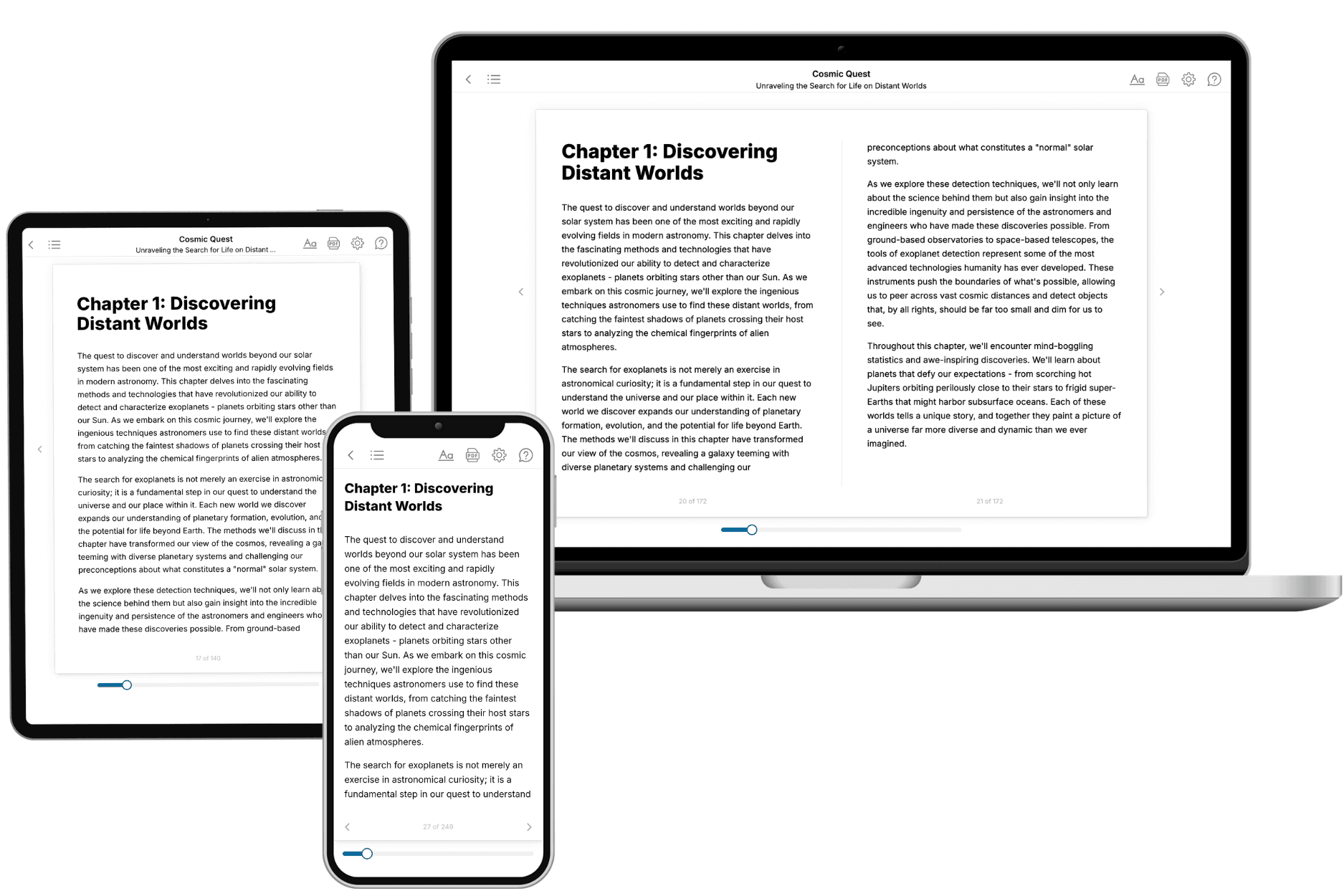
Your book is ready in 10 minutes. Read it online, download as EPUB or PDF, or send to Kindle.

Frequently asked questions
- What is TailoredRead?
TailoredRead creates complete, full-length nonfiction ebooks, written specifically for you. Tell us what you want to learn and why, and TailoredRead writes you a complete ebook on it, with charts, tables, and diagrams throughout. Read it online, on Kindle, or on any e-reader, or download it as a PDF or EPUB. Every book is written fresh the day you order it.
- How is the book tailored to me?
Before anything is written, you answer a few short questions about your goals, your background, and the topics you care about. Your book is then planned around your answers: written at your level, focused on your goals, and covering the topics you chose, instead of the one-size-fits-all book a store sells everyone.
- Will it read like generic AI content?
No. Your book isn't a chat transcript: it's planned chapter by chapter before a single word is written, told in a clear book voice, and explains ideas visually with charts, tables, and diagrams. After writing, every book goes through an editorial pass that polishes chapters so the book reads consistent from start to finish. Judge for yourself: browse thousands of sample books on our Explore Books page.
- How accurate is the content?
Our AI first checks whether your subject needs live research. Niche and fast-moving subjects are researched before writing, and the book plan and chapters are grounded in what it finds. After writing, every book goes through a quality pass that checks its facts and consistency, and researched books list their sources in a Notes section at the back.
- How long is the book?
You choose the length: Comprehensive (250-300 pages), Detailed (150-200 pages), Essential (70-100 pages), or Short (30-50 pages).
- Does the book include visuals?
Yes. Every book includes charts, tables, and diagrams: timelines, checklists, step-by-step guides, decision trees, comparison tables, matrices, and bar charts. A typical book includes dozens of these visual elements.
- Can I read it on Kindle? What formats can I download?
Yes. Every book can be read in our online reader or downloaded as a PDF or EPUB. The EPUB can be opened with Kindle, Apple Books, Kobo, and any e-reader. The Commercial and Author licenses also include an editable Word (DOCX) and Markdown download.
- How much does it cost?
About the price of a regular ebook. The exact price depends on your book's length and complexity, from $2 for the shortest books to $35 for the most comprehensive, and it's shown when you review your book, before you commit to anything. Each book is a one-time purchase, yours to keep, no subscription. Licenses that let you share, teach, or publish your book range from $35.99 to $49.99.
- Can I preview the book before purchasing?
Before you pay, you'll see what your book will cover: the title, a detailed description, the estimated length, and the complete chapter-by-chapter table of contents, so you know what you're getting before you decide. The full text itself is written after you purchase.
- How long does it take to create a book?
About 10 minutes. You can start reading the opening chapters while the rest is still being written.