The Rhythm of Ireland
A Traveler's Guide to Irish Traditional Dance, Music, and Culture
Many travelers visit Ireland expecting to see traditional dance only in polished theater productions, missing the vibrant, living tradition that thrives in pubs, community centers, and village halls across the country.
207 pages10 chaptersMay 29, 2026Ireland Travel Guide
About this book
This guide reveals how to experience authentic Irish traditional dance as locals do—from casual céilís to competitive championships—while understanding the rich history and cultural meaning behind every step and rhythm. You'll discover where to find genuine performances, learn the fundamental styles and regional variations that make Irish dance unique, and gain insight into the dancers, musicians, and communities that keep this tradition alive. Whether you're watching a master dancer perform or attempting your first céilí steps, this book equips you with the knowledge, context, and practical guidance to engage meaningfully with one of Ireland's most cherished cultural treasures.
Table of contents
- IntroductionWhy Irish Dance Matters to Your Travel Experience, What You'll Discover in This Guide, How to Use This BookRead below
- Chapter 1: The Roots of Irish DanceAncient Origins and Celtic Influences, Dance Through the Colonial Period, The 20th Century Revival and Evolution
- Chapter 2: Understanding Irish Dance StylesSolo Dancing: Technique and Expression, Céilí Dancing: Community and Connection, Set Dancing: Regional Traditions, Sean-Nós: The Freestyle Tradition
- Chapter 3: Regional Variations Across IrelandMunster Style: The Southern Tradition, Connacht Style: The Western Expression, Ulster and Leinster Styles: Northern and Eastern Traditions
- Chapter 4: The Music Behind the MovementTraditional Instruments and Their Sounds, How Music Guides the Dancer, Understanding Rhythm, Timing, and Tempo
- Chapter 5: Finding Authentic PerformancesWhere to Find Céilís and Social Dances, Festivals, Competitions, and Championships, Professional Theater Productions and Shows, Distinguishing Authentic Experiences from Tourist Attractions
- Chapter 6: Learning the StepsEssential Dance Terminology and Movements, Fundamental Steps for Beginners, Taking Classes: Dance Schools and Workshops
- Chapter 7: Participating in CéilísCéilí Etiquette and Social Customs, Common Céilí Dances You'll Encounter, Tips for Your First Céilí Experience
- Chapter 8: The Dancers and Their StoriesProfessional Dancers: Training and Careers, The Amateur Dance Community, Meeting Dancers and Hearing Their Stories
- Chapter 9: Dance Festivals and Cultural CentersMajor Dance Festivals Throughout the Year, Cultural Centers and Dance Organizations, Planning Your Festival and Center Visits
- Chapter 10: Irish Dance in the Modern WorldFrom Local Tradition to Global Phenomenon, Contemporary Evolution and Innovation, Balancing Tradition with Modern Expression
- ConclusionYour Irish Dance Journey Begins
- AppendixGlossary of Irish Dance Terms, Resources, Websites, and Contact Information, Recommended Music and Recordings
Introduction
Picture a Tuesday night in a small village hall somewhere in County Clare. The chairs are pushed back against the walls, a fiddle player is tuning up in the corner, and a crowd of people ranging from teenagers to grandparents is forming loose circles on the wooden floor. Nobody is performing for an audience. Nobody is wearing a costume. This is just what people do here on Tuesday nights. This is Irish traditional dance in its most honest, most alive form, and it is happening all over Ireland, every single week, in places that most visitors never find.
Many travelers arrive in Ireland with a specific image of Irish dance already fixed in their minds. They picture the rigid upper bodies, the lightning-fast footwork, the elaborate costumes, and the theatrical staging of productions like Riverdance or Lord of the Dance. Those shows are genuinely impressive, and they have introduced Irish dance to millions of people around the world. But they represent only one narrow slice of a much broader, richer tradition. Beneath the stage lights and the spectacle, there is a living culture of dance that belongs to communities, not theaters, and understanding that culture will transform the way you experience Ireland.
This guide exists because the gap between what most visitors see and what is actually available to them is enormous. The authentic céilí in the village hall, the set dancing session that spills out of a pub on a Saturday afternoon, the sean-nós dancer improvising in a kitchen at a house party — these experiences are accessible to curious, respectful travelers who know where to look and how to engage. You do not need to be a dancer. You do not need any prior knowledge of Irish music or culture. What you need is context, curiosity, and a willingness to step into spaces where the culture is genuinely alive rather than packaged for export.
Ireland's relationship with its own dance tradition is layered and sometimes complicated. The tradition survived colonial suppression, was shaped by nationalist revival movements, was nearly transformed beyond recognition by commercial success, and is now navigating the tensions between global popularity and local authenticity. Understanding even a little of that history changes what you see when you watch a dancer move. It turns a performance into a conversation, and it turns a tourist into a genuine participant in something that matters deeply to the people who practice it.
Why Irish Dance Matters to Your Travel Experience
Travel at its best is about genuine connection. It is about encountering a place and its people in ways that go beyond photographs and restaurant menus. Irish traditional dance offers one of the most direct routes to that kind of connection available anywhere in the country. When you understand what you are watching, when you can recognize the difference between a reel and a jig, when you know why a dancer's arms stay still or why a particular step pattern carries regional significance, you are no longer a spectator. You become a participant in the culture, even if your feet never leave the floor.
Dance in Ireland is not a relic preserved behind glass. It is a living social practice that shapes how communities gather, how young people learn their heritage, and how Irish identity is expressed and negotiated in the modern world. Across the country, thousands of people attend weekly céilís, compete in regional and national championships, and pass steps down to the next generation through dance schools that have operated for decades. This is not nostalgia. It is an active, evolving art form that takes itself seriously and welcomes those who approach it with genuine interest.
The practical benefits of understanding Irish dance before and during your visit are significant. Consider two travelers attending the same performance at a local festival. The first watches politely, applauds at the right moments, and moves on. The second recognizes the specific set dance being performed, notices the regional style in the footwork, and afterward strikes up a conversation with one of the dancers about where they learned that particular sequence. The second traveler leaves with a story, a connection, and an experience that will stay with them for years. The difference between those two experiences is knowledge, and that is exactly what this guide provides.
Irish dance is not something that happens to you as a tourist. It is something you can genuinely participate in, at whatever level feels comfortable, if you arrive with even a basic understanding of what it is and what it means.
There is also something worth saying about respect. Irish culture has a long and sometimes painful history of being commodified, simplified, and sold back to visitors in forms that bear little resemblance to the real thing. When you take the time to understand the tradition on its own terms, you are doing something that local communities genuinely appreciate. Dancers and musicians notice when someone in the audience actually understands what they are doing. That recognition creates a different kind of interaction, one built on mutual respect rather than the transactional dynamic of performer and tourist.
Beyond the social dimension, Irish dance is simply beautiful to watch when you know what to look for. The precision of competitive solo dancing, the joyful chaos of a full céilí floor, the hypnotic improvisation of sean-nós — each style offers its own aesthetic pleasures, and those pleasures deepen considerably when you can follow what is happening technically and culturally. This guide will give you the vocabulary and the context to appreciate all of it, from the grandest theater production to the most informal kitchen session.
Finally, engaging with Irish dance connects you to the broader web of Irish cultural life in ways that few other activities can match. Dance is inseparable from music, and music is inseparable from storytelling, and storytelling is inseparable from history and identity. Pull on the thread of a single reel tune and you find yourself connected to centuries of Irish experience. That is not an exaggeration. It is simply how deeply these traditions are woven into the fabric of Irish life, and it is one of the most compelling reasons to take them seriously as a traveler.
What You'll Discover in This Guide
This guide covers Irish traditional dance from the ground up, moving from historical foundations through practical participation advice. It is organized so that you can read it straight through before your trip or dip into specific chapters as questions arise during your travels. Either approach works, though reading the historical and stylistic chapters before you arrive will significantly enrich everything you encounter once you are in Ireland.
The early chapters establish the historical and cultural context that makes everything else meaningful. You will learn how Irish dance developed from ancient Celtic traditions, how it survived and was shaped by centuries of colonial pressure, and how the 20th century revival transformed it from a rural social practice into a globally recognized art form. This history is not dry background material. It is the story of how a culture fought to preserve something essential about itself, and it gives every performance you watch a deeper resonance.
From there, the guide moves into the different styles of Irish dance, because understanding that there are distinct styles is one of the most important things a visitor can know. Many people arrive thinking Irish dance is a single thing. In reality, it encompasses several quite different traditions:
- Solo step dancing, the competitive, technically demanding form most associated with international productions
- Céilí dancing, the group social dances performed at community gatherings
- Set dancing, the figure dances with strong regional variations that are experiencing a major revival
- Sean-nós, the older, freer improvisational style rooted in the Irish-speaking regions of the west
Each of these styles has its own history, its own aesthetic values, its own community of practitioners, and its own places where it is best experienced. Understanding the differences will help you seek out the experiences that interest you most and appreciate what you are seeing when you find them.
Regional variation is another theme that runs throughout the guide. Irish dance is not uniform across the country. The style of dancing you encounter in County Kerry looks and feels different from what you will find in Connemara or in Ulster. These regional differences reflect local history, geography, and community identity, and they are a source of considerable pride among dancers. Knowing that these variations exist, and having some sense of what distinguishes them, adds a layer of richness to your experience that most visitors completely miss.
The guide also covers the music that drives Irish dance, because the two are genuinely inseparable. You will learn about the instruments, the tune types, the rhythmic structures, and the relationship between musician and dancer that makes a live performance something more than the sum of its parts. This musical knowledge will help you at sessions, at céilís, and at any live performance you attend.
Practical guidance takes up a significant portion of the book. You will find specific advice on where to find authentic performances, how to distinguish genuine community events from tourist-oriented productions, what to expect at your first céilí, how to behave respectfully in different dance contexts, and how to connect with local dancers and dance communities. There is also a chapter on learning basic steps, because even a rudimentary ability to participate in social dances opens doors that remain closed to passive observers.
The later chapters look at the people behind the tradition — the professional dancers, the amateur community members, the teachers and organizers who keep the tradition alive — and at the festivals and cultural institutions that provide the best opportunities for deep engagement. The book closes with a look at how Irish dance is navigating the modern world, balancing its global success against the need to maintain authentic roots and community ownership.
How to Use This Book
This guide is designed to be genuinely useful at every stage of your engagement with Irish dance, from the planning phase of your trip through to the conversations you have with dancers after a performance. Different chapters will be most relevant at different moments, so it helps to have a sense of how the book is structured and how to navigate it based on your specific needs and interests.
If you are reading this before your trip, the most valuable thing you can do is work through the first four chapters in order. These cover the history, the styles, the regional variations, and the music, and they form the foundation on which everything else rests. You do not need to memorize details. The goal is simply to build a mental framework that will help you make sense of what you encounter in Ireland. Think of it as learning enough of a language to follow a conversation, even if you cannot yet speak it fluently yourself.
Once you have that foundation, the practical chapters become much more useful. Chapter 5, which covers finding authentic performances, is particularly important to read before you finalize your itinerary. Many of the best experiences require some advance planning, especially if you want to attend specific festivals or céilís that happen on particular nights of the week. A few hours of research before you leave home can make the difference between stumbling across something wonderful by accident and reliably finding the experiences you are looking for.
Here is a suggested approach based on different traveler profiles:
- First-time visitors with limited time: Read Chapters 1, 2, and 5 before your trip. Focus on finding one authentic céilí and one live music session during your visit. Use the glossary in the appendix as a quick reference.
- Cultural enthusiasts planning an extended stay: Read the entire book before your trip. Plan your itinerary around festival dates from Chapter 9. Consider booking a workshop or class from Chapter 6.
- Travelers with some prior knowledge of Irish culture: Skim Chapters 1 and 2 for new details, then focus on Chapters 3, 4, and 7 for the regional and participatory content that goes beyond general knowledge.
- Travelers interested in participating rather than just watching: Prioritize Chapters 6 and 7, which cover learning steps and céilí participation, alongside Chapter 5 for finding the right venues.
The appendix at the back of the book contains three resources that are worth bookmarking for use during your trip. The glossary of Irish dance terms will help you follow conversations with dancers and understand program notes at performances. The resources and contacts section provides websites, organizations, and venues that can help you find events and connect with local communities. The recommended music section gives you a starting point for listening before and after your visit, which is one of the best ways to deepen your appreciation of what you experience in person.
A word about the Irish language terms that appear throughout this guide. Irish dance has its own vocabulary, much of it drawn from the Irish language, and using these terms correctly is a small but meaningful way of showing respect for the tradition. Key terms are introduced and explained when they first appear, and they are all collected in the glossary. Do not worry about pronunciation at first. Even a rough approximation of the correct term is better than avoiding it entirely, and most Irish people are genuinely pleased when visitors make the effort to use the language, however imperfectly.
It is also worth saying something about the spirit in which this guide is written. Irish traditional dance is not a museum exhibit. It belongs to living communities, and those communities have their own norms, their own hierarchies of expertise, and their own ways of welcoming or not welcoming outsiders. This guide will help you navigate those social dynamics respectfully, but it cannot substitute for genuine humility and curiosity. The best experiences you will have with Irish dance will come from listening more than talking, watching before participating, and following the lead of the people who have been doing this their whole lives.
The tradition has survived a great deal. It has survived colonial suppression, cultural upheaval, commercial exploitation, and the relentless pressure of globalization. It survives because people love it, because it gives them something that nothing else quite provides, and because each generation finds in it something worth passing on. When you engage with Irish dance as a traveler, you are touching something that has that kind of depth and resilience behind it. Treat it accordingly, and it will give you back far more than you bring to it.
One final practical note: the Irish dance calendar is genuinely seasonal, and timing your visit to coincide with major festivals or competitions can dramatically expand what is available to you. The Fleadh Cheoil, the All-Ireland Championships, and the various regional festivals each create concentrated moments of cultural activity that are unlike anything you will find on an ordinary weekend.[1] Chapter 9 covers these events in detail, including practical advice on booking accommodation and navigating the crowds. If you have any flexibility in your travel dates, it is worth consulting that chapter early in your planning process.
Notes
Introduction
- 1. Comhaltas Ceoltóirí Éireann, the organization that runs the Fleadh Cheoil, publishes annual event calendars at comhaltas.ie. The An Coimisiún Le Rincí Gaelacha (Irish Dancing Commission) publishes competition schedules at clrg.ie.
This is the end of the free sample. The full book has 10 chapters.
Want this book written for you?
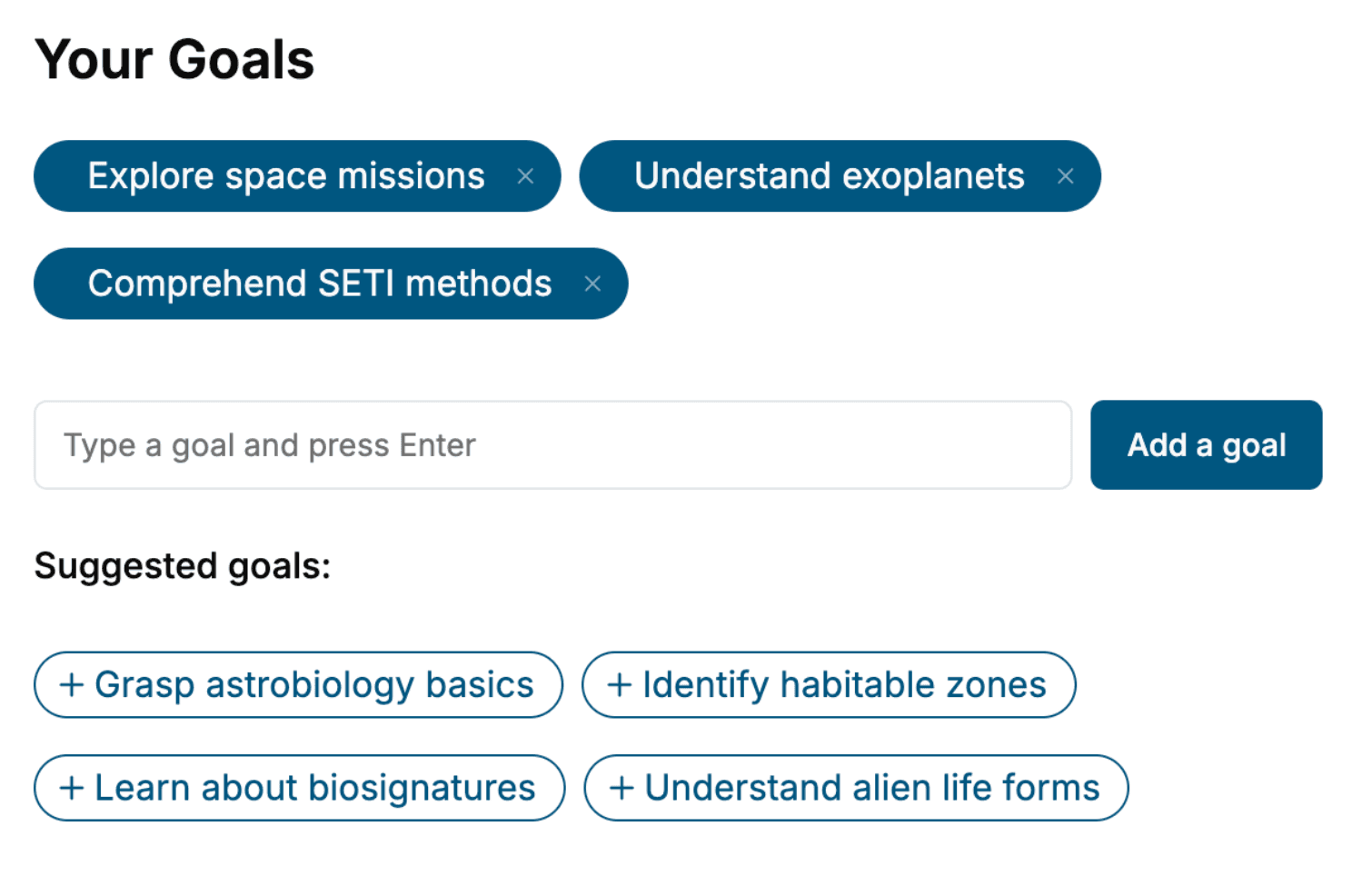
Tell us your goals and background, and get your own version of this book, tailored by AI to you.


Benefits of AI-tailored books
- Read one book, not ten:
- all the Ireland Travel Guide knowledge you need, gathered into a single book.
- Save days of learning:
- tell us your goals, choose your topics, and the whole book is built around them.
- Learn effortlessly:
- Ireland Travel Guide book written for your specific background and expertise.
- Understand at a glance:
- includes charts, tables, timelines, checklists, decision trees, and more.
- Stay current:
- written the day you order it, not years ago.
- Trust what you read:
- every book is checked for accuracy, with real research when your subject needs it.
Create your unique book in 3 steps
- 1. Select your focus
Select the focus of your Ireland Travel Guide book and share your background
- 2. Personalize your book
Specify your goals and choose sub-topics to include
- 3. Get your tailored book
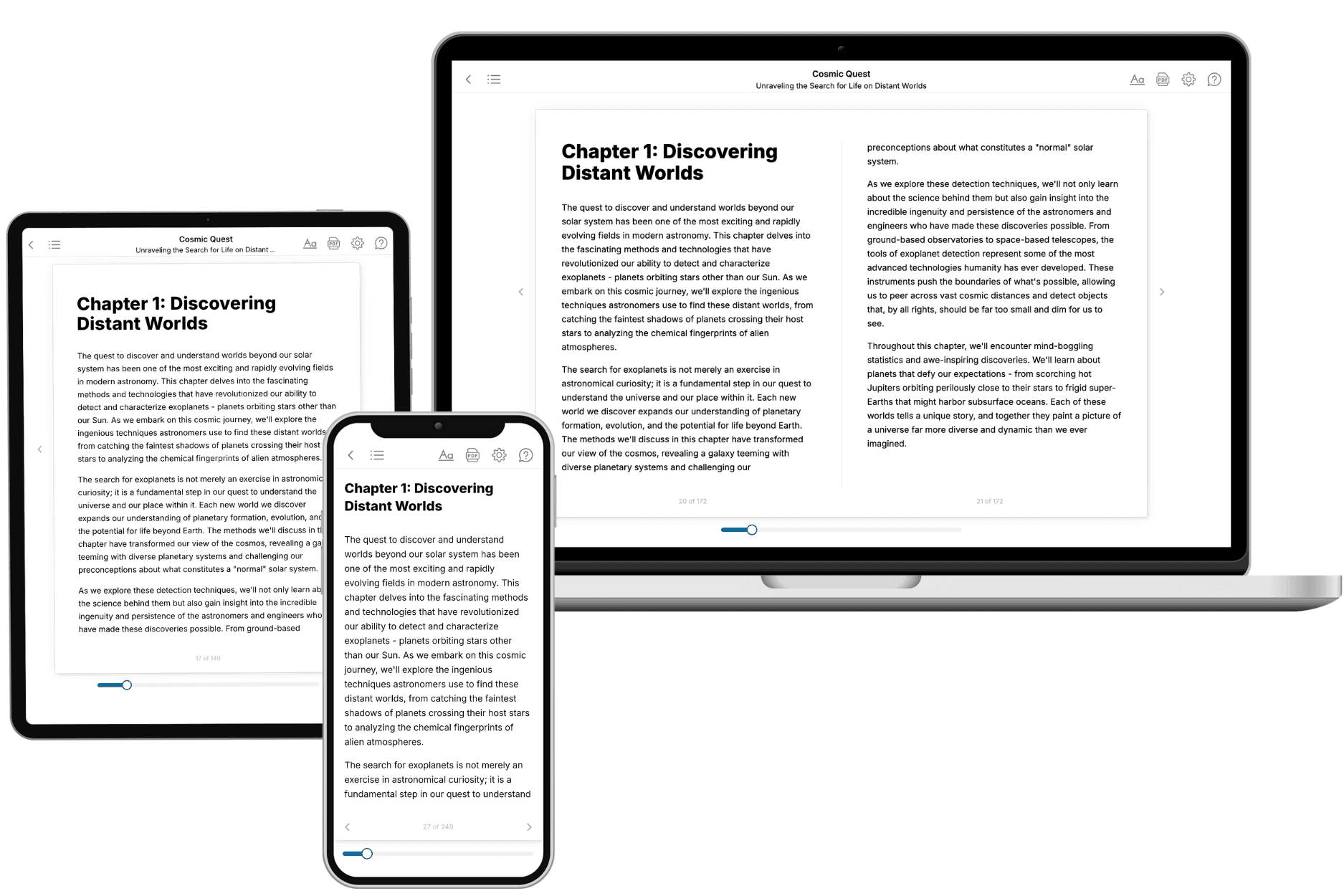
Your book is ready in 10 minutes. Read it online, download as EPUB or PDF, or send to Kindle.

Frequently asked questions
- What is TailoredRead?
TailoredRead creates complete, full-length nonfiction ebooks, written specifically for you. Tell us what you want to learn and why, and TailoredRead writes you a complete ebook on it, with charts, tables, and diagrams throughout. Read it online, on Kindle, or on any e-reader, or download it as a PDF or EPUB. Every book is written fresh the day you order it.
- How is the book tailored to me?
Before anything is written, you answer a few short questions about your goals, your background, and the topics you care about. Your book is then planned around your answers: written at your level, focused on your goals, and covering the topics you chose, instead of the one-size-fits-all book a store sells everyone.
- Will it read like generic AI content?
No. Your book isn't a chat transcript: it's planned chapter by chapter before a single word is written, told in a clear book voice, and explains ideas visually with charts, tables, and diagrams. After writing, every book goes through an editorial pass that polishes chapters so the book reads consistent from start to finish. Judge for yourself: browse thousands of sample books on our Explore Books page.
- How accurate is the content?
Our AI first checks whether your subject needs live research. Niche and fast-moving subjects are researched before writing, and the book plan and chapters are grounded in what it finds. After writing, every book goes through a quality pass that checks its facts and consistency, and researched books list their sources in a Notes section at the back.
- How long is the book?
You choose the length: Comprehensive (250-300 pages), Detailed (150-200 pages), Essential (70-100 pages), or Short (30-50 pages).
- Does the book include visuals?
Yes. Every book includes charts, tables, and diagrams: timelines, checklists, step-by-step guides, decision trees, comparison tables, matrices, and bar charts. A typical book includes dozens of these visual elements.
- Can I read it on Kindle? What formats can I download?
Yes. Every book can be read in our online reader or downloaded as a PDF or EPUB. The EPUB can be opened with Kindle, Apple Books, Kobo, and any e-reader. The Commercial and Author licenses also include an editable Word (DOCX) and Markdown download.
- How much does it cost?
About the price of a regular ebook. The exact price depends on your book's length and complexity, from $2 for the shortest books to $35 for the most comprehensive, and it's shown when you review your book, before you commit to anything. Each book is a one-time purchase, yours to keep, no subscription. Licenses that let you share, teach, or publish your book range from $35.99 to $49.99.
- Can I preview the book before purchasing?
Before you pay, you'll see what your book will cover: the title, a detailed description, the estimated length, and the complete chapter-by-chapter table of contents, so you know what you're getting before you decide. The full text itself is written after you purchase.
- How long does it take to create a book?
About 10 minutes. You can start reading the opening chapters while the rest is still being written.