The Ripple Effect
Mastering Emotional Contagion for Stronger Connections and Social Influence
Dive into the fascinating world of emotional contagion and discover how emotions spread like wildfire through social networks.
315 pages16 chaptersJan 11, 2025Psychology
About this book
The Ripple Effect takes you on an enlightening exploration of how your feelings can influence others and how you're affected by the emotional states of those around you. You'll uncover the science behind this phenomenon and learn practical strategies to harness its power for positive change. From understanding the nuances of nonverbal communication to developing empathy and emotional regulation, this book equips you with the tools to navigate social dynamics with confidence and authenticity. Whether you're looking to enhance your leadership skills, improve your relationships, or simply become more socially adept, The Ripple Effect offers invaluable insights into the invisible forces that shape our interactions. By the end of this journey, you'll have a newfound appreciation for the impact of emotions and the ability to create meaningful connections in both personal and professional spheres.
Table of contents
- IntroductionWhat is Emotional Contagion?, The Importance of Understanding Emotional Contagion, Overview of the BookRead below
- Chapter 1: The Foundations of Emotional ContagionDefining Emotional Contagion, Historical Perspectives on Emotional Transmission, The Psychology Behind Emotional Contagion, Neuroscientific Insights into Emotional Mirroring
- Chapter 2: The Mechanisms of Emotional ContagionFacial Mimicry and Emotional Synchronization, The Role of Mirror Neurons, Nonverbal Cues in Emotional Transmission, The Influence of Social Context
- Chapter 3: Types of Emotional ContagionPrimitive Emotional Contagion, Conscious Emotional Contagion, Group Emotional Contagion, Digital Emotional Contagion
- Chapter 4: Factors Influencing Emotional ContagionPersonality Traits and Susceptibility, Relationship Dynamics, Cultural Influences, Environmental Factors
- Chapter 5: Developing Emotional Self-AwarenessRecognizing Your Own Emotions, Identifying Emotional Triggers, The Body-Mind Connection in Emotions, Emotional Journaling Techniques
- Chapter 6: Cultivating EmpathyDeveloping Cognitive Empathy, Enhancing Emotional Empathy, Practicing Compassionate Empathy, Empathy-Building Exercises
- Chapter 7: Mastering Emotional RegulationEmotional Regulation Strategies, Mindfulness and Emotion Management, Cognitive Reframing Techniques, Stress Management and Emotional Balance
- Chapter 8: Harnessing Positive Emotional ContagionCultivating Positive Emotions, Techniques for Spreading Joy and Enthusiasm, The Power of Optimism in Social Interactions, Gratitude Practices for Emotional Uplift
- Chapter 9: Mastering Nonverbal CommunicationReading and Using Body Language, The Power of Facial Expressions, Tone of Voice and Emotional Conveyance, Personal Space and Emotional Atmosphere
- Chapter 10: Navigating Social DynamicsUnderstanding Group Emotions, Emotional Spread in Social Networks, Emotional Contagion in Conflict Resolution, Fostering Social Harmony through Emotional Intelligence
- Chapter 11: Emotional Contagion in LeadershipThe Concept of Emotional Leadership, Inspiring and Motivating Teams, Emotional Contagion in Crisis Management, Cultivating Authentic Leadership Presence
- Chapter 12: Enhancing Personal RelationshipsEmotional Bonding and Intimacy, Managing Conflicts through Emotional Awareness, Building Supportive Emotional Networks, Navigating Family Dynamics with Emotional Intelligence
- Chapter 13: Emotional Contagion in the Digital WorldEmotional Spread on Social Media Platforms, Managing Emotions in Virtual Teams, Effective Emotional Communication Online, Maintaining Emotional Well-being in the Digital Age
- Chapter 14: Practical Applications of Emotional ContagionEnhancing Customer Service Interactions, Leveraging Emotions in Sales and Marketing, Emotional Contagion in Educational Settings, The Role of Emotional Contagion in Caregiving
- Chapter 15: Ethical Considerations in Emotional ContagionThe Fine Line Between Influence and Manipulation, Emotional Responsibility in Social Interactions, Consent and Boundaries in Emotional Exchanges, Ethical Use of Emotional Contagion in Leadership
- Chapter 16: Future Perspectives on Emotional ContagionArtificial Intelligence and Emotional Contagion, Global Emotional Climate in a Connected World, Emerging Research Directions, Societal Implications of Emotional Awareness
- ConclusionKey Takeaways, Continuing Your Journey of Emotional Growth
- Glossary
- Further Reading
Introduction
Welcome to "The Ripple Effect: Mastering Emotional Contagion for Stronger Connections and Social Influence." This book is your guide to understanding and harnessing one of the most powerful yet often overlooked aspects of human interaction: emotional contagion. As you embark on this journey, you'll discover how emotions spread like ripples in a pond, influencing not only your immediate surroundings but also extending far beyond, shaping the emotional landscape of your social networks and even society at large.
In today's interconnected world, the ability to navigate and influence emotional currents is more crucial than ever. Whether you're a leader looking to inspire your team, a professional aiming to enhance your interpersonal skills, or simply someone who wants to improve your relationships and social interactions, understanding emotional contagion is a game-changer. This book will equip you with the knowledge and tools to not only recognize emotional contagion in action but also to harness its power for positive change in your personal and professional life.
Throughout these pages, you'll explore the fascinating science behind emotional contagion, delve into practical strategies for developing your emotional intelligence, and learn how to create meaningful, authentic connections with others. By the end of this book, you'll have a newfound appreciation for the invisible forces that shape our interactions and the ability to consciously influence the emotional tone of your environment.
Let's begin by exploring the concept of emotional contagion, its importance in our daily lives, and what you can expect to learn from this book. Prepare to embark on a transformative journey that will revolutionize the way you think about emotions and social interactions.
What is Emotional Contagion?
Emotional contagion is a phenomenon where emotions and related behaviors spread from person to person, much like a social virus. It's the tendency for humans to automatically mimic and synchronize facial expressions, vocalizations, postures, and movements with those of another person and, consequently, to converge emotionally[1]. This process often occurs unconsciously and can lead to a rapid transmission of emotional states within groups, influencing the collective mood and behavior.
To understand emotional contagion, imagine entering a room where everyone is laughing and having a good time. Even if you were feeling neutral or slightly down before, you might find yourself smiling and feeling more upbeat within minutes. Conversely, if you walk into a tense meeting where anxiety is palpable, you might start to feel nervous yourself, even if you weren't initially concerned about the meeting's outcome. These are everyday examples of emotional contagion at work.
The process of emotional contagion involves several key components. First, there's the initial expression of emotion by one person, which can be through facial expressions, body language, tone of voice, or even written communication in our digital age. Then, there's the perception of these emotional cues by others, followed by the automatic mimicry of these expressions. This mimicry, in turn, triggers a feedback loop in the observer's brain, leading to a corresponding emotional experience[2].
It's important to note that emotional contagion isn't limited to face-to-face interactions. In our increasingly digital world, emotions can spread through social media posts, text messages, and even emojis. Studies have shown that emotional states can be transferred through social networks, affecting people who haven't had direct contact with the original source of the emotion[3].
The strength and speed of emotional contagion can vary based on several factors. These include the intensity of the original emotion, the susceptibility of the individuals involved, the nature of the relationship between people, and the context of the interaction. For instance, emotions tend to spread more easily between people who have close relationships or share a strong group identity. Similarly, certain emotions, particularly strong ones like joy, anger, or fear, tend to be more contagious than others.
Understanding emotional contagion goes beyond recognizing its existence; it involves developing an awareness of how you're influenced by others' emotions and how your own emotional states can affect those around you. This awareness is a crucial first step in learning to navigate social interactions more effectively and to consciously shape the emotional climate of your environment.
As you progress through this book, you'll gain a deeper understanding of the mechanisms behind emotional contagion, learn to recognize its effects in various contexts, and develop strategies to harness its power for positive outcomes. Whether you're looking to improve your leadership skills, enhance your relationships, or simply become more socially adept, understanding emotional contagion is a valuable tool in your interpersonal toolkit.
In the following sections, we'll explore the importance of understanding emotional contagion and provide an overview of what you can expect to learn from this book. By the end of this introduction, you'll be well-prepared to dive deeper into the fascinating world of emotional contagion and its applications in your daily life.
The Importance of Understanding Emotional Contagion
Understanding emotional contagion is not just an academic exercise; it's a crucial skill that can significantly impact various aspects of your personal and professional life. In an increasingly interconnected world, where emotions can spread rapidly through both physical and digital networks, being aware of and able to navigate emotional currents is more important than ever. Let's explore some key reasons why understanding emotional contagion is so vital.
First and foremost, emotional contagion plays a fundamental role in shaping social interactions and relationships. Every day, you engage in countless interactions where emotions are exchanged, often without conscious awareness. By understanding how emotions spread, you can become more attuned to the emotional dynamics at play in your interactions. This awareness allows you to respond more effectively to others' emotional states, fostering deeper connections and more meaningful relationships. For instance, recognizing when a colleague is feeling stressed and responding with empathy can strengthen your professional relationship and create a more positive work environment.
In the realm of leadership and team dynamics, emotional contagion is particularly significant. Leaders who understand emotional contagion can more effectively inspire and motivate their teams. Research has shown that a leader's emotional state can have a profound impact on team performance and morale[4]. By consciously managing their own emotions and fostering positive emotional states within their teams, leaders can create more productive, creative, and harmonious work environments. Conversely, a leader who is unaware of emotional contagion might inadvertently spread negative emotions, leading to decreased motivation and performance.
Understanding emotional contagion is also crucial for effective communication. When you're aware of how emotions can be transmitted through various channels - including facial expressions, tone of voice, and body language - you can become a more skilled communicator. This knowledge allows you to convey your messages more effectively, ensuring that your intended emotional tone aligns with your words. Moreover, it helps you interpret others' communications more accurately, picking up on subtle emotional cues that might otherwise go unnoticed.
In the context of conflict resolution and negotiation, awareness of emotional contagion can be a powerful tool. Emotions often run high in these situations, and the ability to recognize and manage emotional currents can be the difference between a successful resolution and an escalation of conflict. By understanding how emotions can spread and influence decision-making processes, you can navigate tense situations more skillfully, de-escalate negative emotions, and guide interactions towards more positive outcomes.
On a broader scale, emotional contagion has significant implications for social movements and societal change. Emotions like hope, anger, or fear can spread rapidly through populations, influencing public opinion and driving collective action. Understanding this process can help you better interpret and participate in social dynamics, whether you're involved in community organizing, political campaigns, or simply trying to make sense of societal trends.
In the digital age, the importance of understanding emotional contagion extends to online interactions as well. Social media platforms have become powerful conduits for emotional transmission, capable of spreading moods and attitudes across vast networks in a matter of hours or even minutes. Being aware of how emotions propagate online can help you navigate digital spaces more mindfully, recognizing the potential impact of your own posts and interactions, and being more discerning about the emotional content you consume.
From a personal development perspective, understanding emotional contagion is a key component of emotional intelligence. It enhances your self-awareness by helping you recognize how you're influenced by others' emotions, and it improves your social awareness by attuning you to the emotional states of those around you. This heightened emotional intelligence can lead to better decision-making, more satisfying relationships, and improved overall well-being.
Moreover, in an era where mental health and well-being are increasingly recognized as crucial aspects of personal and professional life, understanding emotional contagion becomes even more important. It can help you create and maintain a positive emotional environment, both for yourself and for those around you. By recognizing how emotions spread, you can take proactive steps to cultivate positive emotional states and mitigate the impact of negative emotions, contributing to a healthier emotional ecosystem in your personal and professional spheres.
Lastly, understanding emotional contagion empowers you to take a more active role in shaping your social environment. Rather than being a passive recipient of emotional currents, you can become a conscious influencer, deliberately spreading positive emotions and creating ripple effects of well-being in your social networks. This ability to positively influence your environment can lead to more fulfilling relationships, more effective leadership, and a greater sense of agency in your social interactions.
As you delve deeper into this book, you'll discover numerous ways in which understanding and harnessing emotional contagion can enhance various aspects of your life. From improving your interpersonal skills to becoming a more effective leader, from navigating complex social dynamics to fostering a positive emotional climate in your personal and professional spheres, the insights you gain will equip you with valuable tools for social and emotional success.
Overview of the Book
"The Ripple Effect: Mastering Emotional Contagion for Stronger Connections and Social Influence" is designed to take you on a comprehensive journey through the world of emotional contagion. This book is structured to provide you with a solid theoretical foundation, practical insights, and actionable strategies to understand and harness the power of emotional contagion in your daily life. Let's take a closer look at what you can expect from each section of this book.
We begin with "The Foundations of Emotional Contagion," where you'll explore the historical perspectives, psychological underpinnings, and neuroscientific insights that form the basis of our understanding of emotional contagion. This section will give you a robust theoretical framework, helping you grasp the complex mechanisms behind this fascinating phenomenon. You'll learn about the evolution of thought on emotional transmission and how modern neuroscience has revolutionized our understanding of how emotions spread between individuals.
Next, we delve into "The Mechanisms of Emotional Contagion," examining the specific processes through which emotions are transmitted. This section covers topics such as facial mimicry, the role of mirror neurons, and the importance of nonverbal cues in emotional transmission. You'll gain a deeper understanding of how your brain and body respond to others' emotional signals, often without your conscious awareness.
In "Types of Emotional Contagion," we explore the various forms this phenomenon can take, from primitive, automatic responses to more conscious, deliberate forms of emotional influence. You'll learn about group emotional contagion and how emotions can spread in digital environments, providing you with a comprehensive view of how emotional contagion manifests in different contexts.
The section on "Factors Influencing Emotional Contagion" examines the various elements that can enhance or inhibit the spread of emotions. You'll discover how personality traits, relationship dynamics, cultural influences, and environmental factors all play a role in determining the strength and direction of emotional contagion. This knowledge will help you better understand why some people are more susceptible to emotional contagion than others and how different situations can affect the transmission of emotions.
As we move into more practical territory, "Developing Emotional Self-Awareness" provides you with tools and techniques to recognize and understand your own emotional states. This crucial skill forms the foundation for effectively managing emotional contagion. You'll learn methods for identifying your emotional triggers, understanding the body-mind connection in emotions, and using journaling techniques to enhance your emotional self-awareness.
The chapter on "Cultivating Empathy" explores the vital role of empathy in emotional contagion. You'll learn about different types of empathy - cognitive, emotional, and compassionate - and how to develop each of these skills. This section includes practical exercises to enhance your empathic abilities, allowing you to connect more deeply with others and navigate social situations more effectively.
"Mastering Emotional Regulation" equips you with strategies to manage your own emotional responses and influence the emotional climate around you. You'll explore various emotional regulation techniques, including mindfulness practices, cognitive reframing, and stress management strategies. These tools will help you maintain emotional balance and respond more effectively to the emotions of others.
In "Harnessing Positive Emotional Contagion," you'll learn how to intentionally cultivate and spread positive emotions. This section covers techniques for fostering joy and enthusiasm, the power of optimism in social interactions, and gratitude practices that can uplift your emotional state and positively influence those around you.
The chapter on "Mastering Nonverbal Communication" focuses on the critical role of nonverbal cues in emotional contagion. You'll gain insights into reading and using body language, understanding facial expressions, and leveraging tone of voice to convey emotions effectively. This knowledge will enhance your ability to both interpret others' emotional signals and consciously manage your own nonverbal communication.
"Navigating Social Dynamics" applies your understanding of emotional contagion to group settings. You'll explore how emotions spread in social networks, strategies for managing group emotions, and techniques for fostering social harmony through emotional intelligence. This section also addresses how to use your knowledge of emotional contagion in conflict resolution scenarios.
In "Emotional Contagion in Leadership," we examine how leaders can leverage emotional contagion to inspire and motivate their teams. You'll learn about the concept of emotional leadership, techniques for managing emotions during crises, and strategies for cultivating an authentic leadership presence that positively influences others.
"Enhancing Personal Relationships" applies the principles of emotional contagion to your closest connections. This section covers emotional bonding, managing conflicts through emotional awareness, building supportive networks, and navigating family dynamics with enhanced emotional intelligence.
As we increasingly live our lives online, "Emotional Contagion in the Digital World" explores how emotions spread through digital channels. You'll gain insights into managing emotions in virtual teams, effective emotional communication online, and maintaining emotional well-being in the digital age.
The "Practical Applications" section brings theory into practice, examining how emotional contagion can be applied in various real-world contexts. From enhancing customer service interactions to leveraging emotions in sales and marketing, you'll discover concrete ways to apply your knowledge in professional settings.
We conclude with "Ethical Considerations" and "Future Perspectives," ensuring that you understand the responsible use of emotional contagion and are prepared for emerging trends in this field. These sections address the fine line between influence and manipulation, the concept of emotional responsibility, and potential future developments in our understanding and application of emotional contagion.
Throughout the book, you'll find practical exercises, real-world examples, and actionable advice to help you apply what you've learned. By the end of this journey, you'll have a comprehensive understanding of emotional contagion and the skills to leverage this knowledge for more effective social interactions, stronger relationships, and enhanced personal and professional success.
Notes
Introduction
- 1. E. Hatfield and others, "Emotional contagion," Current Directions in Psychological Science, 1993
- 2. E. Prochazkova and M. E. Kret, Connecting minds and sharing emotions through mimicry: A neurocognitive model of emotional contagion, Neuroscience & Biobehavioral Reviews, 2017
- 3. A. D. Kramer and others, "Experimental evidence of massive-scale emotional contagion through social networks," Proceedings of the National Academy of Sciences, 2014
- 4. S. G. Barsade and D. E. Gibson, "Why does affect matter in organizations?," Academy of Management Perspectives, 2007
This is the end of the free sample. The full book has 16 chapters.
Want this book written for you?
Tell us your goals and background, and get your own version of this book, tailored by AI to you.


Benefits of AI-tailored books
- Read one book, not ten:
- all the Psychology knowledge you need, gathered into a single book.
- Save days of learning:
- tell us your goals, choose your topics, and the whole book is built around them.
- Learn effortlessly:
- Psychology book written for your specific background and expertise.
- Understand at a glance:
- includes charts, tables, timelines, checklists, decision trees, and more.
- Stay current:
- written the day you order it, not years ago.
- Trust what you read:
- every book is checked for accuracy, with real research when your subject needs it.
Create your unique book in 3 steps
- 1. Select your focus
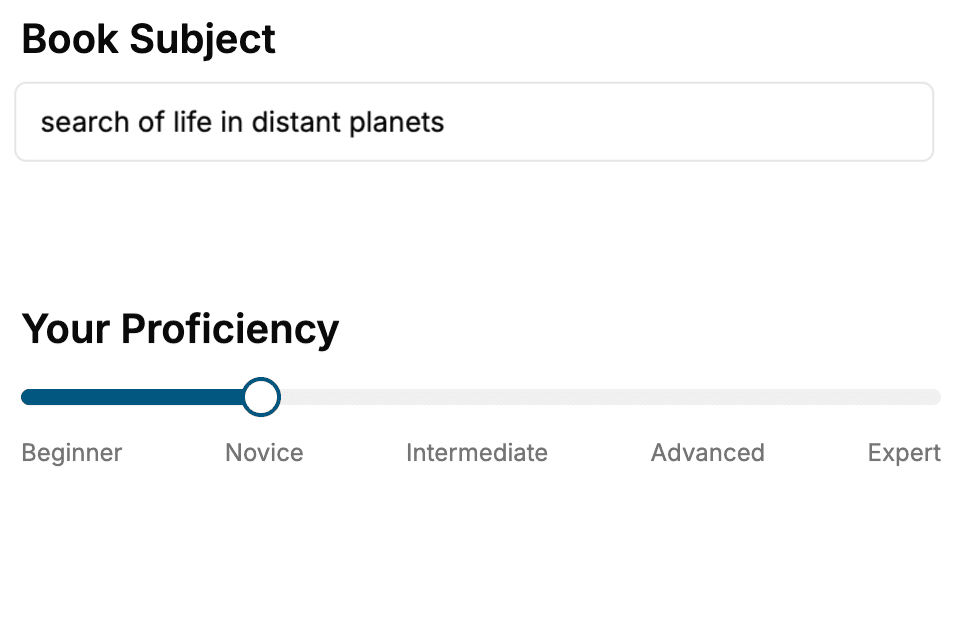
Select the focus of your Psychology book and share your background
- 2. Personalize your book
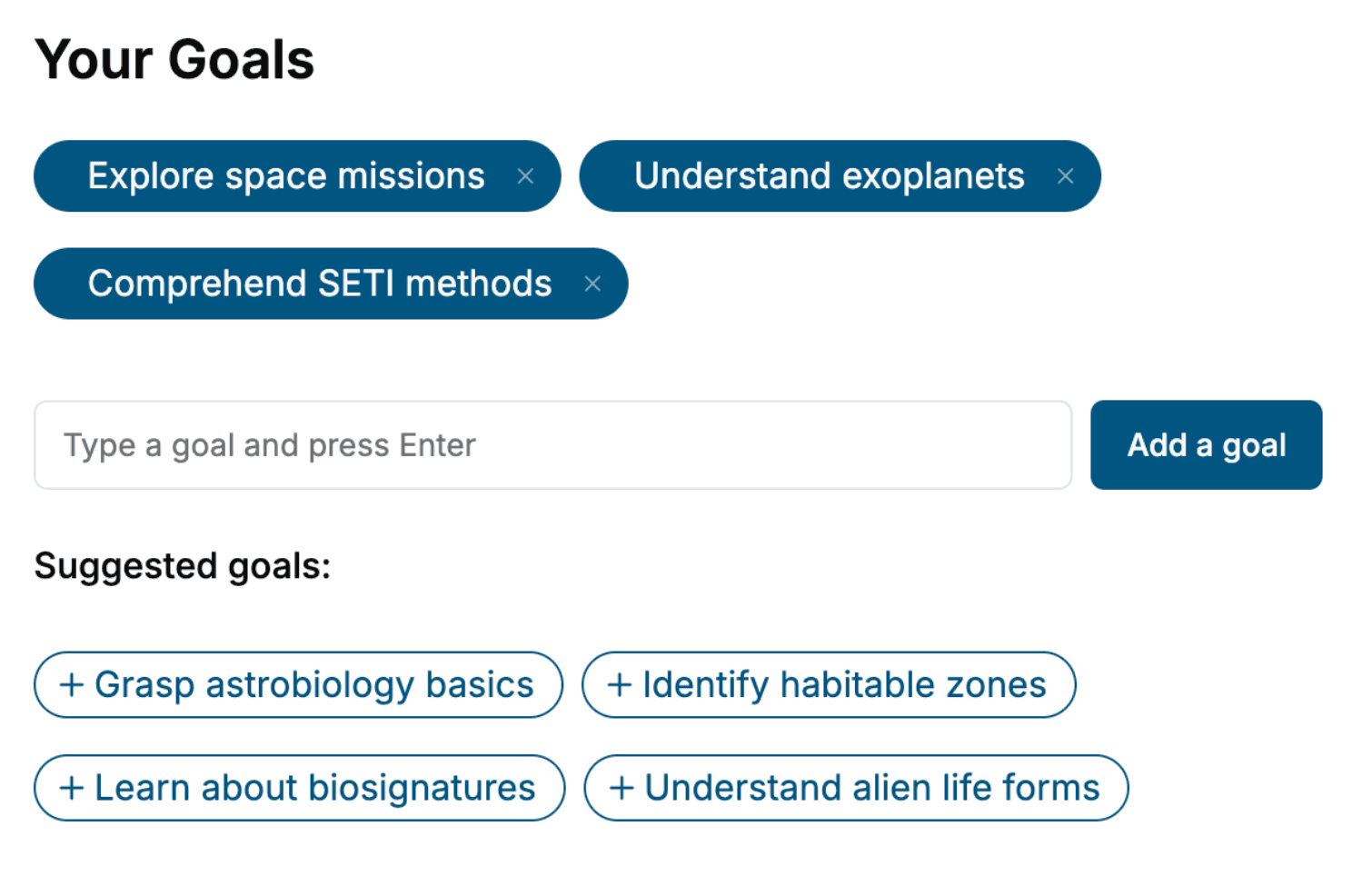
Specify your goals and choose sub-topics to include
- 3. Get your tailored book
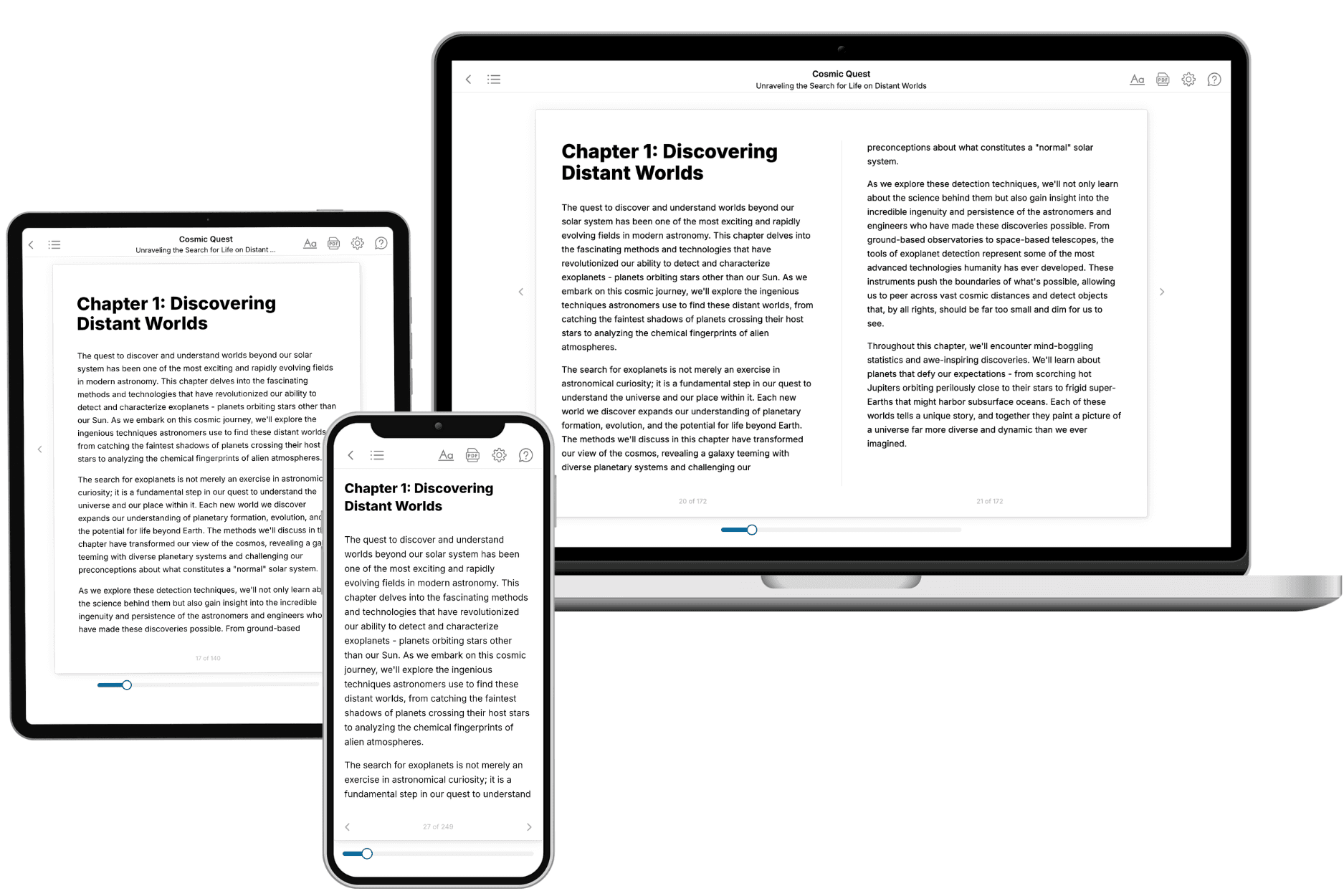
Your book is ready in 10 minutes. Read it online, download as EPUB or PDF, or send to Kindle.
Frequently asked questions
- What is TailoredRead?
TailoredRead creates complete, full-length nonfiction ebooks, written specifically for you. Tell us what you want to learn and why, and TailoredRead writes you a complete ebook on it, with charts, tables, and diagrams throughout. Read it online, on Kindle, or on any e-reader, or download it as a PDF or EPUB. Every book is written fresh the day you order it.
- How is the book tailored to me?
Before anything is written, you answer a few short questions about your goals, your background, and the topics you care about. Your book is then planned around your answers: written at your level, focused on your goals, and covering the topics you chose, instead of the one-size-fits-all book a store sells everyone.
- Will it read like generic AI content?
No. Your book isn't a chat transcript: it's planned chapter by chapter before a single word is written, told in a clear book voice, and explains ideas visually with charts, tables, and diagrams. After writing, every book goes through an editorial pass that polishes chapters so the book reads consistent from start to finish. Judge for yourself: browse thousands of sample books on our Explore Books page.
- How accurate is the content?
Our AI first checks whether your subject needs live research. Niche and fast-moving subjects are researched before writing, and the book plan and chapters are grounded in what it finds. After writing, every book goes through a quality pass that checks its facts and consistency, and researched books list their sources in a Notes section at the back.
- How long is the book?
You choose the length: Comprehensive (250-300 pages), Detailed (150-200 pages), Essential (70-100 pages), or Short (30-50 pages).
- Does the book include visuals?
Yes. Every book includes charts, tables, and diagrams: timelines, checklists, step-by-step guides, decision trees, comparison tables, matrices, and bar charts. A typical book includes dozens of these visual elements.
- Can I read it on Kindle? What formats can I download?
Yes. Every book can be read in our online reader or downloaded as a PDF or EPUB. The EPUB can be opened with Kindle, Apple Books, Kobo, and any e-reader. The Commercial and Author licenses also include an editable Word (DOCX) and Markdown download.
- How much does it cost?
About the price of a regular ebook. The exact price depends on your book's length and complexity, from $2 for the shortest books to $35 for the most comprehensive, and it's shown when you review your book, before you commit to anything. Each book is a one-time purchase, yours to keep, no subscription. Licenses that let you share, teach, or publish your book range from $35.99 to $49.99.
- Can I preview the book before purchasing?
Before you pay, you'll see what your book will cover: the title, a detailed description, the estimated length, and the complete chapter-by-chapter table of contents, so you know what you're getting before you decide. The full text itself is written after you purchase.
- How long does it take to create a book?
About 10 minutes. You can start reading the opening chapters while the rest is still being written.