Sacred Stones of Cairo
A Traveler's Guide to the Coptic Christian Churches and Their Stories
Discover the profound spiritual and historical treasures hidden within Cairo's Coptic Christian churches.
207 pages9 chaptersJan 24, 2026Egypt Travel Guide
About this book
This guide elevates your travel experience by providing deep context about one of Christianity's oldest and most resilient traditions. You'll learn the compelling stories behind each major church, understand the architectural symbolism that makes these spaces remarkable, and gain practical knowledge for respectful, meaningful visits. From the ancient Church of St. Sergius to the stunning Hanging Church, you'll explore how Coptic Christianity shaped Cairo's cultural identity across two millennia. This book combines historical narrative, architectural analysis, and practical travel advice, ensuring you appreciate not just what you see, but why these churches matter to millions of believers and to human history itself. Whether you're a history enthusiast, spiritual seeker, or curious traveler, you'll gain the knowledge and confidence to engage authentically with Cairo's most sacred spaces.
Table of contents
- IntroductionWhy Coptic Churches Matter to Cairo's Story, How to Use This Guide, Preparing for Your Coptic Cairo ExperienceRead below
- Chapter 1: The Coptic Christian Tradition: Origins and EvolutionEarly Christianity in Egypt and St. Mark's Legacy, What Makes Coptic Christianity Distinctive, Centuries of Persecution and Remarkable Resilience, The Coptic Community in Contemporary Cairo
- Chapter 2: Understanding Coptic Church Architecture and SymbolismKey Architectural Elements and Their Meanings, Sacred Iconography and Artistic Traditions, Byzantine and Islamic Influences in Design
- Chapter 3: The Hanging Church: Cairo's Most Iconic Coptic SanctuaryHistory and Legendary Origins, Architectural Marvels and Structural Ingenuity, What to See and How to Experience It Fully
- Chapter 4: Ancient Foundations: The Church of St. Sergius and Early Coptic SitesSt. Sergius: One of Egypt's Oldest Churches, Other Ancient Coptic Churches in Old Cairo, Archaeological Significance and Discoveries
- Chapter 5: Major Coptic Churches Beyond Old CairoThe Cathedral of St. Mark: Spiritual Heart of the Coptic Church, The Church of the Virgin Mary and Coptic Heritage, Other Notable Coptic Churches Worth Visiting
- Chapter 6: Religious Practices, Rituals, and Spiritual LifeUnderstanding Coptic Liturgical Traditions, Prayer, Worship, and Daily Spiritual Practices, The Coptic Calendar and Major Religious Festivals
- Chapter 7: Practical Guide to Visiting Coptic ChurchesCultural Etiquette and Respectful Behavior, Visiting Hours, Access, and Practical Information, Photography, Documentation, and Sacred Spaces
- Chapter 8: Coptic Art, Manuscripts, and TreasuresReligious Art and Iconographic Traditions, Ancient Manuscripts and Religious Texts, Museums and Collections Preserving Coptic Heritage
- Chapter 9: Coptic Cairo in Context: History, Culture, and Modern LifeCoptic and Islamic Cairo: Centuries of Coexistence, Coptic Contributions to Egyptian Culture and Society, Contemporary Challenges and Community Resilience
- ConclusionMoving Beyond Tourism to Deeper Understanding, The Lasting Impact of Your Coptic Cairo Journey
- Glossary of Coptic and Religious Terms
- Further Reading and Resources
Introduction
Cairo overwhelms most visitors with its sheer intensity—the traffic, the noise, the sprawling urban landscape that seems to stretch endlessly in every direction. Yet hidden within this modern megalopolis lies a quieter, profoundly moving dimension of history that many travelers miss entirely. In the narrow streets of Old Cairo and scattered throughout the city, ancient Coptic Christian churches stand as living monuments to one of Christianity's oldest continuous traditions. These sacred spaces aren't merely historical curiosities or architectural attractions; they represent an unbroken spiritual lineage stretching back nearly two thousand years to the very dawn of Christianity itself. When you step through the wooden doors of these churches, you're entering spaces where believers have gathered for worship across countless generations, where prayers have been offered in languages that predate Arabic in Egypt, and where artistic and theological traditions have been preserved with remarkable fidelity.
The Coptic churches of Cairo tell a story that most conventional guidebooks barely touch—a narrative of faith maintained through persecution, cultural exchange, and profound resilience. While Egypt's pharaonic monuments and Islamic architecture rightfully attract millions of visitors, the Coptic heritage offers something equally compelling: a window into how Christianity took root in Africa, how it adapted to and influenced Egyptian culture, and how a religious minority has maintained its identity and traditions across centuries of dramatic change. These churches witnessed the transition from Roman rule to Byzantine authority, survived the Arab conquest, flourished during periods of tolerance, and endured through times of hardship. The stones, icons, and manuscripts they preserve connect you directly to the theological debates of the early church, the artistic innovations of Byzantine Christianity, and the daily spiritual lives of Egyptian Christians across the ages.
This guide exists to transform your experience of Cairo's Coptic churches from casual sightseeing into meaningful engagement with a living tradition. You'll gain the historical context necessary to understand what you're seeing, the cultural knowledge to behave respectfully in sacred spaces, and the practical information to navigate these sites confidently. Whether you're drawn by spiritual curiosity, historical interest, architectural appreciation, or simply the desire to understand Cairo more completely, the chapters ahead will equip you to explore these remarkable spaces with depth and sensitivity. You'll discover that Coptic Cairo isn't a relic of the past but a vibrant community whose churches continue to serve as centers of worship, cultural preservation, and spiritual life. By the time you complete this journey, you'll see Cairo itself differently—not just as a Muslim city with a Christian minority, but as a place where multiple religious traditions have shaped a complex, layered urban identity across millennia.
Why Coptic Churches Matter to Cairo's Story
Cairo's identity cannot be fully understood without grasping the central role that Coptic Christianity has played in shaping the city's character. Long before the Islamic conquest of 641 CE transformed Egypt, Christianity had already been the dominant religion for centuries. The Coptic Church traces its founding to St. Mark the Evangelist, who according to tradition arrived in Alexandria around 42 CE, making Egyptian Christianity one of the earliest Christian communities outside the Holy Land itself[1]. This means that when you visit Coptic churches in Cairo, you're connecting with a Christian tradition that predates most European Christianity, that developed its theological positions independently during Christianity's formative centuries, and that has maintained distinctive liturgical practices largely unchanged for over a millennium. The Coptic Church isn't a branch that split off from a mainstream tradition—it represents one of Christianity's original expressions, shaped by Egyptian culture and philosophy.
The architectural and artistic heritage preserved in Cairo's Coptic churches represents an irreplaceable cultural treasure. These buildings embody a unique synthesis of influences: early Christian basilica designs, Byzantine architectural principles, indigenous Egyptian building techniques, and later Islamic decorative elements. The result is a distinctive aesthetic that you won't find anywhere else in the Christian world. The churches contain some of the finest examples of Christian iconography outside of Greece and Russia, with icon-painting traditions that preserve techniques and theological symbolism dating back to the earliest centuries of Christian art. Many churches house ancient manuscripts written in Coptic—the last stage of the ancient Egyptian language written in Greek letters—providing linguistic links to pharaonic Egypt that would otherwise be lost. When you examine the wooden screens, carved doors, and painted ceilings of these churches, you're seeing craftsmanship traditions passed down through generations of artisans who worked within both Christian and Islamic artistic contexts.
Understanding Coptic churches fundamentally changes how you perceive Cairo's religious landscape and social fabric. Egypt today is predominantly Muslim, with Coptic Christians comprising approximately 10-15% of the population, though exact figures remain contested[2]. This demographic reality might suggest a minor historical role, but the opposite is true. Coptic Christians have contributed disproportionately to Egyptian intellectual life, education, medicine, and the arts. The Coptic language preserved knowledge of ancient Egyptian that proved crucial when scholars finally deciphered hieroglyphics. Coptic monasticism, which began in the Egyptian desert in the third century, established patterns of Christian monastic life that spread throughout the Christian world. The theological controversies that divided the Coptic Church from Byzantine Christianity in the fifth century shaped the development of Christian doctrine globally. When you visit these churches, you're not exploring a marginal tradition but engaging with a community that has been central to Egyptian identity for two millennia.
The survival of Coptic Christianity through centuries of dramatic change offers profound insights into religious resilience and cultural adaptation. The Coptic community has experienced periods of persecution under Roman emperors, theological conflicts with Byzantine authorities, the transition to minority status following the Arab conquest, episodes of tolerance and prosperity under various Islamic dynasties, and modern challenges related to sectarian tensions and political instability. Yet the community has not merely survived—it has maintained its liturgical language, preserved its theological traditions, continued its artistic practices, and sustained its institutional structures across all these transformations. The churches themselves embody this resilience: many have been destroyed and rebuilt multiple times, yet they occupy the same sacred ground where Christians have worshipped for centuries. Understanding this history of persistence helps you appreciate that these aren't simply old buildings but living institutions that have adapted to changing circumstances while maintaining core elements of their identity.
Visiting Coptic churches also provides essential context for understanding contemporary Egyptian society and the complex dynamics of religious coexistence. Cairo is a city where church bells and mosque calls to prayer sound within earshot of each other, where Christian and Muslim neighbors have lived side by side for over thirteen centuries, and where periods of harmony and tension have alternated throughout history. The architectural proximity of churches and mosques in Old Cairo—sometimes separated by only narrow alleyways—physically manifests this long history of coexistence. By exploring Coptic churches, you gain perspective on how religious minorities maintain their identity and traditions within predominantly Muslim societies, how interfaith relations have evolved over centuries, and how shared cultural elements (language, customs, artistic styles) create common ground even amid religious differences. This understanding is particularly valuable given contemporary discussions about religious pluralism, minority rights, and cultural diversity in the Middle East.
Finally, Coptic churches matter because they challenge common assumptions about Christianity's geography and history. Many Western visitors unconsciously associate Christianity primarily with Europe and the Americas, viewing Middle Eastern Christianity as anomalous or marginal. The Coptic churches of Cairo powerfully refute this misconception. They demonstrate that Christianity has always been a Middle Eastern and African religion, that some of Christianity's most important theological and monastic developments occurred in Egypt, and that Christian communities have maintained continuous presence in the region despite enormous challenges. The Coptic liturgy preserves elements of worship practices from Christianity's earliest centuries, offering insights into how the first Christian communities might have worshipped. The theological positions that distinguish Coptic Christianity emerged from debates about Christ's nature that engaged the finest philosophical minds of late antiquity. By engaging seriously with Coptic churches, you're not exploring an exotic curiosity but encountering one of Christianity's foundational expressions in its original cultural context.
How to Use This Guide
This guide is structured to serve multiple purposes and accommodate different approaches to exploring Coptic Cairo. You can read it sequentially from beginning to end to build comprehensive understanding, or you can use it as a reference work, consulting specific chapters as you plan visits to particular churches. The early chapters provide essential background—the history of Coptic Christianity, the distinctive features of Coptic church architecture, and the theological and cultural context that makes these spaces meaningful. If you're new to Coptic Christianity or Egyptian history, reading these foundational chapters first will significantly enhance your appreciation of the individual churches discussed later. However, if you're already familiar with Christian history and are primarily seeking practical guidance for visiting specific sites, you can move directly to the church-specific chapters while referring back to earlier sections as needed for deeper context.
Each church-focused chapter follows a consistent structure designed to provide both historical depth and practical utility. You'll find sections covering the church's historical origins and significance, its architectural distinctive features and what to look for, the religious artifacts and artistic treasures it contains, and practical information about visiting including location, access, appropriate times, and what to expect. This consistent organization allows you to quickly find the information you need while also providing rich detail for those who want to understand each site more thoroughly. The chapters include specific guidance on what not to miss—particular icons, architectural elements, or historical features that are especially significant or beautiful. They also address common questions visitors have and clarify aspects that might be confusing without background knowledge, such as why certain areas are restricted or what particular symbols and images represent.
The guide emphasizes practical application of historical and cultural knowledge. Understanding that a church dates to the fourth century is interesting, but knowing how to recognize fourth-century architectural elements when you see them, and understanding what those elements reveal about early Christian worship practices, transforms abstract knowledge into meaningful observation. Similarly, learning about Coptic iconographic traditions becomes more valuable when you can identify specific iconographic conventions in the churches you visit and understand the theological meanings they convey. Throughout the guide, you'll find connections drawn between historical information and what you'll actually encounter in the churches—how theological controversies influenced architectural choices, how periods of persecution affected building locations and designs, how artistic exchanges with Islamic culture created distinctive decorative styles. This approach helps you move beyond passive sightseeing to active, informed engagement with these spaces.
The guide also functions as a cultural bridge, helping you navigate the sometimes significant differences between Coptic Christian practices and other Christian traditions you might be familiar with. If you come from a Protestant background, you'll encounter unfamiliar practices like veneration of icons, elaborate liturgical rituals, and the central role of monasticism. If you're Catholic or Orthodox, you'll find both familiar elements and distinctive Coptic practices. The guide explains these differences without judgment, presenting Coptic Christianity on its own terms while providing reference points that help you understand what you're observing. This includes practical matters like appropriate behavior during services, how to show respect for religious objects and spaces, and how to distinguish between areas open to visitors and those reserved for worshippers. Understanding these cultural and religious protocols ensures that your visits are respectful and that you can engage meaningfully with these living religious communities rather than treating churches merely as museums.
For planning purposes, the guide provides realistic assessments of time requirements and prioritization strategies. Cairo contains dozens of Coptic churches, and most visitors cannot possibly see them all. The guide identifies the most historically significant and architecturally distinctive churches, explains what makes each one special, and helps you decide which sites best match your interests and available time. If you have only a single day for Coptic Cairo, you'll find recommendations for a focused itinerary that covers the essential sites. If you have more time, you'll discover lesser-known churches that reward deeper exploration. The guide also addresses practical logistics that can significantly affect your experience:
- Optimal times of day to visit specific churches to avoid crowds or catch the best light
- How to combine multiple churches efficiently given their geographic proximity
- Which sites require advance arrangements or have restricted access
- Transportation options for reaching churches in different parts of Cairo
- Seasonal considerations that might affect your visit
The guide includes a comprehensive glossary of Coptic and religious terms that you'll encounter repeatedly. Rather than defining these terms each time they appear, the guide uses them naturally in context, allowing you to consult the glossary as needed. This approach helps you become familiar with the vocabulary of Coptic Christianity—terms like iconostasis, khurus, haikal, and liturgy—which will enhance your ability to understand explanatory materials you encounter at the churches themselves and to engage in conversations with guides or community members. The glossary also includes brief explanations of theological concepts and historical references that provide additional context without interrupting the flow of the main text. Similarly, the guide provides footnotes and citations for historical claims and scholarly interpretations, allowing you to verify information and pursue topics of particular interest through additional reading.
Finally, this guide acknowledges its own limitations and encourages you to supplement it with direct experience and personal exploration. No book can fully capture the atmosphere of these sacred spaces—the quality of light filtering through ancient windows, the scent of incense, the sound of Coptic chanting, the feeling of standing in a space where countless generations have prayed. The guide provides the knowledge and context that will help you appreciate what you experience, but the experience itself remains irreplaceable. You're encouraged to spend time simply sitting quietly in these churches, observing how worshippers interact with the space, noticing details that catch your attention, and allowing yourself to be moved by the beauty and history surrounding you. The most meaningful insights often come not from reading about these places but from being present in them with informed awareness and open receptivity.
Preparing for Your Coptic Cairo Experience
Successful visits to Cairo's Coptic churches begin with appropriate practical preparation. Unlike many tourist attractions, these are active religious sites where worship services occur regularly and where community members gather for prayer throughout the day. This means your visit requires more sensitivity and planning than touring a museum or historical monument. Start by researching the specific churches you want to visit and understanding their schedules. Most Coptic churches welcome visitors during daylight hours outside of service times, but some have more restricted access or require advance permission. Major liturgical celebrations, particularly during Coptic Christmas (January 7) and Easter (which follows a different calendar than Western Easter), draw large crowds of worshippers and may not be ideal times for tourist visits. Conversely, attending a service can provide profound insight into living Coptic tradition, though you should understand appropriate behavior for non-participants and be prepared for services conducted primarily in Coptic and Arabic.
Dress appropriately for visiting sacred spaces, which means conservative clothing that covers shoulders and knees at minimum. Women should bring a scarf to cover their heads in some churches, though this requirement varies by location and is not universally enforced. Men should wear long pants rather than shorts. Avoid clothing with potentially offensive imagery or text. These dress codes aren't arbitrary restrictions but expressions of respect for sacred space and consideration for worshippers who may be offended by immodest attire. Many churches will provide coverings if your clothing doesn't meet requirements, but arriving appropriately dressed demonstrates cultural awareness and respect. Remember that you're entering spaces that community members consider holy—places where they experience the divine presence and conduct their most important spiritual practices. Your clothing choices communicate whether you understand and respect the significance of these spaces.
Prepare yourself mentally and emotionally for encounters with profound historical depth and living faith. The churches you'll visit aren't reconstructions or preserved ruins but functioning religious institutions where the same prayers have been offered, in largely the same language, for over a thousand years. This continuity can be deeply moving, but it also means you're entering spaces charged with spiritual significance for believers. Approach with humility and openness rather than the detached curiosity appropriate for museums. This doesn't mean you need to share the religious beliefs of the community, but it does mean recognizing that you're a guest in spaces that matter deeply to others. Some visitors find that reading about Coptic spirituality and theology before visiting helps them appreciate the religious dimension of these sites beyond their historical and architectural interest. Understanding concepts like the Coptic emphasis on martyrdom, the theological significance of the Incarnation in Coptic thought, or the role of the Virgin Mary in Coptic devotion can deepen your appreciation of the art and architecture you'll encounter.
Practical logistics deserve attention to ensure smooth visits. Old Cairo, where many of the most significant Coptic churches are concentrated, is accessible by metro (Mari Girgis station) and by taxi. The area is compact enough to explore on foot once you arrive, though the narrow streets can be confusing for first-time visitors. Consider hiring a knowledgeable guide for your first visit, particularly if you want to understand the historical and religious significance of what you're seeing rather than simply viewing the architecture. Many churches have volunteer guides or community members who offer informal tours, often expecting a small donation rather than a fixed fee. These local guides can provide insights and stories that no guidebook captures, though their historical accuracy varies. Bring small bills for donations—most churches have donation boxes, and contributing helps support maintenance of these ancient buildings. Photography policies vary by church; some allow it freely, others prohibit it entirely, and some allow photography without flash. Always ask permission before photographing, and never photograph worshippers without explicit consent.
Consider the broader context of your visit within your Cairo itinerary. Coptic Cairo works well as a half-day or full-day excursion, and it combines naturally with visits to nearby Islamic Cairo or the Coptic Museum, which houses an extraordinary collection of Coptic art and artifacts that provides valuable context for understanding the churches. The area has limited dining options, so plan accordingly—you might want to visit in the morning and have lunch elsewhere, or bring water and snacks. The churches themselves are generally cool and dim inside, providing welcome relief from Cairo's heat, but the streets between them offer little shade. Visit during cooler months (November through March) if possible, or plan morning visits during summer to avoid the most intense heat. Be aware that Friday (the Muslim day of congregational prayer) and Sunday (the Christian day of worship) have different rhythms than other days, with more religious activity and potentially larger crowds at churches.
Prepare for the emotional and intellectual impact of encountering a Christian tradition that may differ significantly from your expectations. If you're Christian yourself, you might find Coptic practices either comfortingly familiar or surprisingly different depending on your denominational background. The elaborate rituals, the veneration of icons and saints, the mystical theology, and the integration of ancient Egyptian cultural elements into Christian practice might challenge assumptions about what Christianity looks like. If you're not Christian, you might be surprised by the depth of devotion you witness and the sophistication of the theological and artistic traditions these churches preserve. Either way, approaching with curiosity rather than judgment allows for richer learning. The Coptic community has maintained its faith through circumstances that would have destroyed less resilient traditions—this persistence deserves respect regardless of your personal religious beliefs or lack thereof.
Finally, prepare to be changed by what you experience. Meaningful travel transforms us by expanding our understanding of human diversity, historical complexity, and cultural richness. The Coptic churches of Cairo offer opportunities for such transformation if you approach them with openness and attention. You might find yourself moved by the beauty of ancient icons, fascinated by architectural details that reveal centuries of history, inspired by stories of faith maintained through persecution, or simply awed by the continuity of tradition across so many generations. You might develop new appreciation for religious art, gain insight into the diversity of Christian expression, or understand Egyptian history from a new perspective. These outcomes can't be forced, but they become possible when you prepare yourself to engage deeply rather than superficially with what you encounter. The chapters that follow provide the knowledge and context that make such engagement possible—the rest depends on your willingness to be present, attentive, and open to what these remarkable spaces have to teach.
This is the end of the free sample. The full book has 9 chapters.
Want this book written for you?
Tell us your goals and background, and get your own version of this book, tailored by AI to you.


Benefits of AI-tailored books
- Read one book, not ten:
- all the Egypt Travel Guide knowledge you need, gathered into a single book.
- Save days of learning:
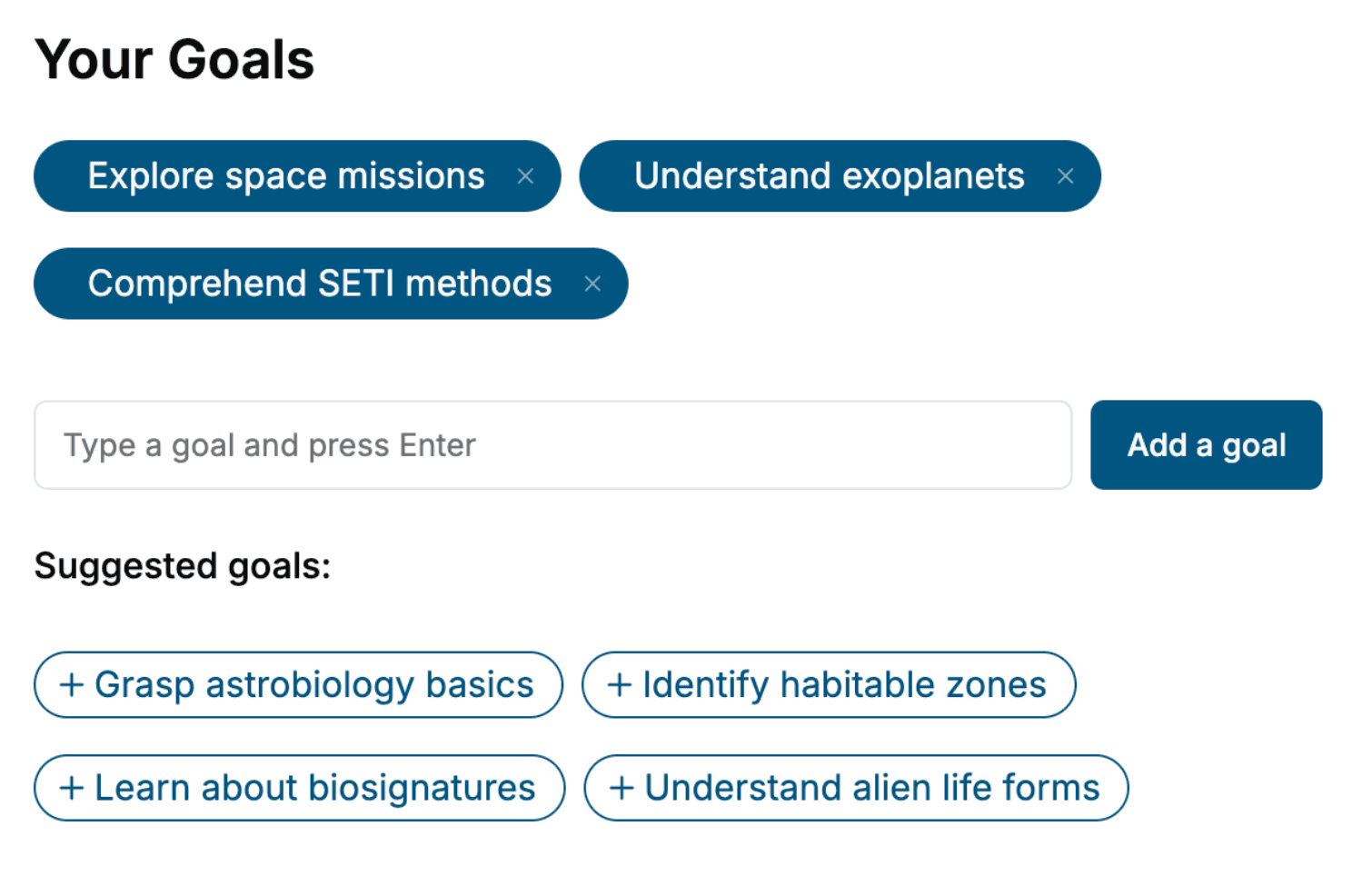
- tell us your goals, choose your topics, and the whole book is built around them.
- Learn effortlessly:
- Egypt Travel Guide book written for your specific background and expertise.
- Understand at a glance:
- includes charts, tables, timelines, checklists, decision trees, and more.
- Stay current:
- written the day you order it, not years ago.
- Trust what you read:
- every book is checked for accuracy, with real research when your subject needs it.
Create your unique book in 3 steps
- 1. Select your focus
Select the focus of your Egypt Travel Guide book and share your background
- 2. Personalize your book
Specify your goals and choose sub-topics to include
- 3. Get your tailored book
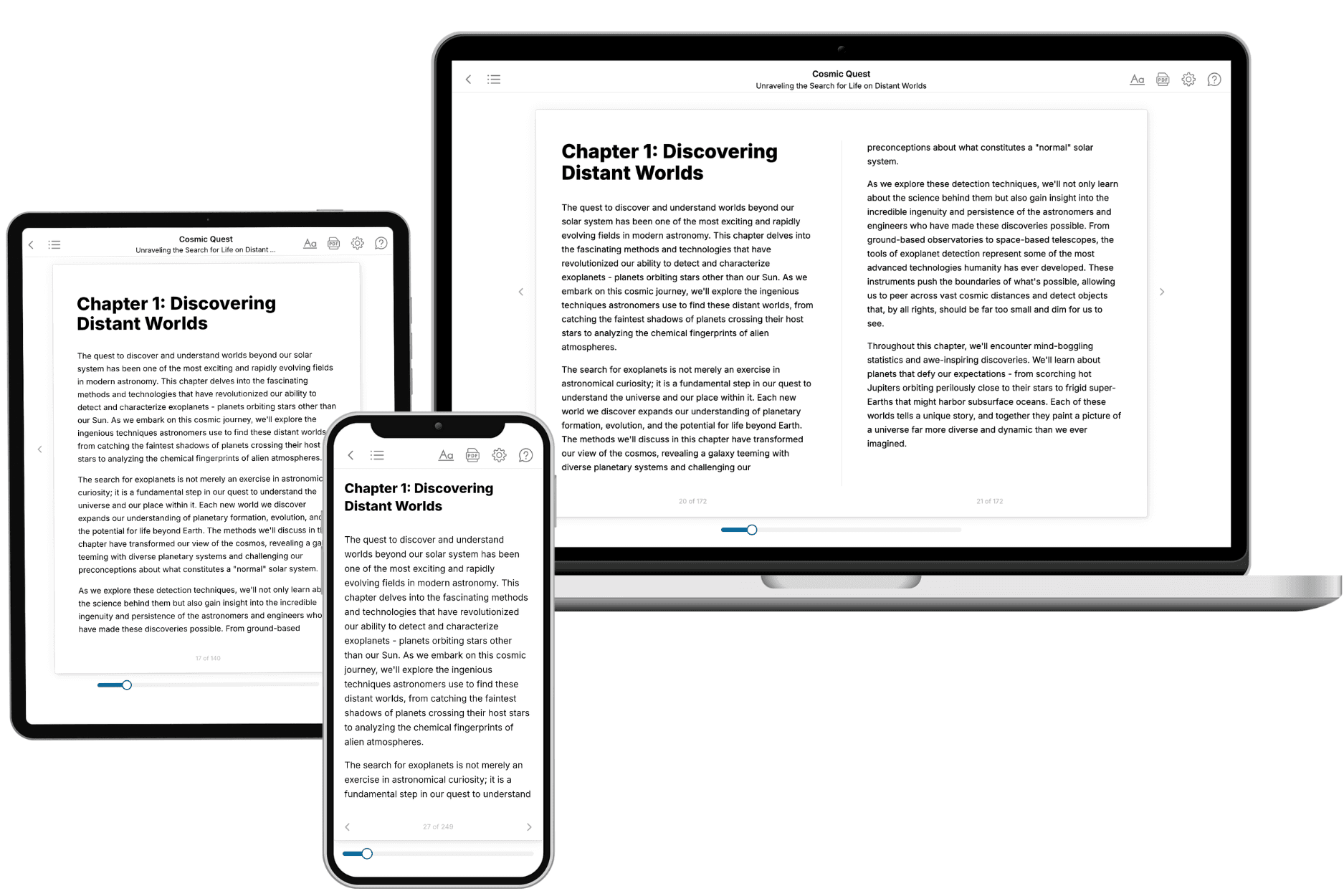
Your book is ready in 10 minutes. Read it online, download as EPUB or PDF, or send to Kindle.

Frequently asked questions
- What is TailoredRead?
TailoredRead creates complete, full-length nonfiction ebooks, written specifically for you. Tell us what you want to learn and why, and TailoredRead writes you a complete ebook on it, with charts, tables, and diagrams throughout. Read it online, on Kindle, or on any e-reader, or download it as a PDF or EPUB. Every book is written fresh the day you order it.
- How is the book tailored to me?
Before anything is written, you answer a few short questions about your goals, your background, and the topics you care about. Your book is then planned around your answers: written at your level, focused on your goals, and covering the topics you chose, instead of the one-size-fits-all book a store sells everyone.
- Will it read like generic AI content?
No. Your book isn't a chat transcript: it's planned chapter by chapter before a single word is written, told in a clear book voice, and explains ideas visually with charts, tables, and diagrams. After writing, every book goes through an editorial pass that polishes chapters so the book reads consistent from start to finish. Judge for yourself: browse thousands of sample books on our Explore Books page.
- How accurate is the content?
Our AI first checks whether your subject needs live research. Niche and fast-moving subjects are researched before writing, and the book plan and chapters are grounded in what it finds. After writing, every book goes through a quality pass that checks its facts and consistency, and researched books list their sources in a Notes section at the back.
- How long is the book?
You choose the length: Comprehensive (250-300 pages), Detailed (150-200 pages), Essential (70-100 pages), or Short (30-50 pages).
- Does the book include visuals?
Yes. Every book includes charts, tables, and diagrams: timelines, checklists, step-by-step guides, decision trees, comparison tables, matrices, and bar charts. A typical book includes dozens of these visual elements.
- Can I read it on Kindle? What formats can I download?
Yes. Every book can be read in our online reader or downloaded as a PDF or EPUB. The EPUB can be opened with Kindle, Apple Books, Kobo, and any e-reader. The Commercial and Author licenses also include an editable Word (DOCX) and Markdown download.
- How much does it cost?
About the price of a regular ebook. The exact price depends on your book's length and complexity, from $2 for the shortest books to $35 for the most comprehensive, and it's shown when you review your book, before you commit to anything. Each book is a one-time purchase, yours to keep, no subscription. Licenses that let you share, teach, or publish your book range from $35.99 to $49.99.
- Can I preview the book before purchasing?
Before you pay, you'll see what your book will cover: the title, a detailed description, the estimated length, and the complete chapter-by-chapter table of contents, so you know what you're getting before you decide. The full text itself is written after you purchase.
- How long does it take to create a book?
About 10 minutes. You can start reading the opening chapters while the rest is still being written.