The Sanctions Paradox
Understanding International Pressure in Regional Conflicts Through the Nagorno-Karabakh Case
Picture yourself confidently navigating the complex world of international relations, where you can analyze global conflicts with the nuanced understanding that comes from seeing beyond headlines and political rhetoric.
315 pages16 chaptersSep 15, 2025International Relations
About this book
You'll develop the analytical framework to understand how nations wield economic and diplomatic pressure, why some interventions succeed while others backfire, and how regional dynamics shape global responses to conflict. This comprehensive exploration takes you deep into the mechanics of international sanctions, using the Nagorno-Karabakh conflict as a revealing lens through which to examine broader principles of diplomatic pressure and conflict resolution. You'll discover how historical grievances, ethnic tensions, and geopolitical interests intersect to create the complex landscape where sanctions operate, often with unintended consequences. Through detailed analysis of real-world applications, you'll learn to recognize the patterns that determine sanctions effectiveness, understand the role of international organizations in coordinating responses, and appreciate how modern conflicts challenge traditional diplomatic tools. The book reveals how cultural context, timing, and multilateral coordination can make the difference between successful pressure campaigns and costly failures. By the end, you'll possess a sophisticated understanding of how international pressure works in practice, equipped with the analytical tools to evaluate current conflicts and predict the likely outcomes of various diplomatic strategies. This knowledge will enhance your ability to engage with global affairs, whether in professional, academic, or civic contexts.
Table of contents
- IntroductionThe Modern Sanctions Landscape, Nagorno-Karabakh as a Analytical Lens, Framework for Understanding International Pressure, How This Book Is OrganizedRead below
- Chapter 1: Foundations of International SanctionsDefining Sanctions in the Modern Era, Types and Mechanisms of International Pressure, Historical Evolution of Sanctions Policy, Theoretical Frameworks for Analysis
- Chapter 2: Regional Context and Historical BackgroundCaucasus Geopolitical Dynamics, Historical Grievances and Ethnic Tensions, Territorial Disputes and Sovereignty Claims, Regional Power Structures and Alliances
- Chapter 3: Conflict Emergence and International ResponseEscalation Patterns and Trigger Events, Initial International Reactions and Positioning, Early Diplomatic Initiatives and Mediation Attempts, The Consideration of Sanctions as Policy Tool
- Chapter 4: Multilateral Coordination ChallengesUN Security Council Dynamics and Limitations, Regional Organizations and Their Roles, Bilateral Relationships and Competing Interests, Coordination Mechanisms and Communication Channels
- Chapter 5: Economic Dimensions of SanctionsTrade Relationships and Economic Dependencies, Energy Resources and Pipeline Politics, Economic Impact Assessment and Modeling, Alternative Economic Partnerships and Workarounds
- Chapter 6: Diplomatic Pressure and Political IsolationFormal and Informal Diplomatic Channels, International Forums and Multilateral Platforms, Symbolic Measures and Political Signaling, Coalition Building and Alliance Management
- Chapter 7: Humanitarian Considerations and Unintended ConsequencesCivilian Population Impact and Welfare, Humanitarian Exemptions and Aid Channels, Unintended Consequences and Spillover Effects, Monitoring and Assessment of Humanitarian Impact
- Chapter 8: Non-State Actors and Proxy RelationshipsDiaspora Communities and Transnational Networks, Proxy Relationships and Indirect Support, Civil Society Organizations and NGOs, Private Sector Actors and Business Networks
- Chapter 9: Information Warfare and Narrative ControlMedia Strategies and Information Campaigns, Narrative Construction and Framing, Digital Platforms and Social Media Influence, Counter-Narratives and Information Defense
- Chapter 10: Timing and Sequencing of SanctionsEscalation Ladders and Graduated Responses, Strategic Timing and Political Windows, Sequencing Strategies and Coordination, Exit Strategies and De-escalation Pathways
- Chapter 11: Measuring Sanctions EffectivenessDefining Success Metrics and Benchmarks, Behavioral Change and Policy Modification, Cost-Benefit Analysis and Resource Allocation, Long-term Assessment and Historical Perspective
- Chapter 12: Cultural and Identity FactorsCultural Sensitivity in Sanctions Design, Identity Politics and Ethnic Considerations, Religious and Spiritual Dimensions, Historical Memory and Collective Trauma
- Chapter 13: Technological Aspects of Modern SanctionsDigital Enforcement and Monitoring Systems, Cyber Dimensions and Digital Warfare, Technology Transfer Restrictions, Circumvention Technologies and Countermeasures
- Chapter 14: Regional Responses and AdaptationAdaptation Strategies and Resilience Building, Regional Integration and Alternative Partnerships, Economic Diversification and Self-Reliance, Diplomatic Realignment and New Alliances
- Chapter 15: Lessons Learned and Best PracticesAnalysis of Successful Sanctions Cases, Understanding Sanctions Failures and Limitations, Best Practices and Policy Recommendations, Institutional Learning and Adaptation
- Chapter 16: Future Directions and Emerging TrendsThe Evolving International Sanctions Landscape, Emerging Challenges and New Complexities, Innovation Opportunities in Sanctions Policy, Implications for Global Governance
- Conclusion
- Glossary
- Further Reading
Introduction
International sanctions have become one of the most frequently deployed tools in modern diplomacy, yet their effectiveness remains deeply contested and poorly understood. Every year, governments impose hundreds of new sanctions measures, ranging from targeted asset freezes against individual officials to comprehensive trade embargoes affecting entire economies. These measures represent attempts to change behavior, deter aggression, and signal disapproval without resorting to military force. However, the gap between sanctions' intended objectives and their actual outcomes reveals a complex web of unintended consequences, strategic miscalculations, and fundamental misunderstandings about how international pressure actually works in practice.
The proliferation of sanctions in contemporary international relations reflects both their perceived utility and the limited alternatives available to policymakers seeking to respond to conflicts and crises. When diplomatic protests prove insufficient and military intervention appears too costly or risky, sanctions offer what seems like a middle path—a way to do something
that falls between words and warfare. Yet this apparent simplicity masks extraordinary complexity in how sanctions actually function, who they affect, and whether they achieve their stated goals. The reality is that sanctions operate within intricate networks of economic relationships, political alliances, cultural sensitivities, and historical grievances that can either amplify or completely undermine their intended impact.
Understanding these dynamics requires moving beyond the simplified narratives that often dominate policy discussions and media coverage. Rather than viewing sanctions as straightforward tools that either work
or don't work,
we must examine them as complex interventions that reshape relationships, create new incentives, and generate cascading effects throughout regional and global systems. This deeper analysis reveals patterns and principles that can help explain why certain sanctions approaches succeed while others fail spectacularly, often making conflicts worse rather than better. The stakes of getting this analysis right are enormous, as poorly designed sanctions can entrench conflicts, harm innocent populations, and undermine the very international cooperation they purport to strengthen.
The Nagorno-Karabakh conflict provides an ideal case study for exploring these complexities because it embodies many of the challenges that make modern sanctions so difficult to implement effectively. This decades-long dispute involves overlapping territorial claims, ethnic tensions, historical grievances, and competing geopolitical interests that create exactly the kind of multifaceted environment where sanctions must operate. The conflict's evolution from frozen dispute to active warfare and back again illustrates how international pressure campaigns must adapt to changing circumstances while navigating the competing priorities of multiple stakeholders. Most importantly, the international response to this conflict demonstrates both the potential and the limitations of sanctions as tools for conflict resolution in regions where traditional diplomatic approaches have repeatedly failed.
The Modern Sanctions Landscape
The contemporary sanctions landscape bears little resemblance to the comprehensive trade embargoes that characterized earlier eras of international relations. Today's sanctions regimes are increasingly sophisticated, employing multiple types of pressure simultaneously while attempting to minimize humanitarian impact through targeted measures. Smart sanctions focus on specific individuals, entities, or sectors rather than entire economies, reflecting lessons learned from the devastating humanitarian consequences of comprehensive embargoes in places like Iraq during the 1990s. These targeted approaches include asset freezes, travel bans, arms embargoes, and restrictions on specific commodities or technologies. The evolution toward more precise instruments reflects both moral concerns about civilian suffering and practical recognition that broad-based sanctions often fail to change the behavior of decision-makers while imposing severe costs on ordinary populations.
The institutional architecture supporting modern sanctions has also become far more complex and interconnected. The United Nations Security Council remains the primary source of multilateral sanctions authority, but regional organizations, bilateral partnerships, and even private sector initiatives now play crucial roles in sanctions implementation and enforcement. The European Union has developed its own comprehensive sanctions framework that often goes beyond UN measures, while the United States maintains an extensive unilateral sanctions program that leverages the dollar's role in international finance to achieve global reach. This multiplication of sanctions authorities creates both opportunities for enhanced coordination and risks of conflicting objectives, overlapping jurisdictions, and regulatory confusion that can undermine effectiveness.
Technological advances have fundamentally transformed both the capabilities and challenges associated with sanctions implementation. Digital financial systems enable more precise targeting of specific transactions and accounts, while sophisticated monitoring technologies allow for better tracking of sanctions violations and their economic impacts. However, these same technologies also create new avenues for sanctions evasion, from cryptocurrency transactions that bypass traditional banking systems to digital platforms that facilitate prohibited trade relationships. The result is an ongoing technological arms race between sanctions enforcers and those seeking to circumvent restrictions, with implications that extend far beyond any single conflict or sanctions program.
The effectiveness of modern sanctions increasingly depends on factors that extend well beyond the formal measures themselves. Secondary sanctions that threaten to penalize third parties for doing business with sanctioned entities have become powerful tools for extending sanctions reach, but they also generate significant diplomatic friction and can undermine international cooperation in other areas. The role of private sector compliance has expanded dramatically, with banks, corporations, and other commercial actors serving as de facto enforcers of sanctions policies through their due diligence and risk management practices. This privatization of sanctions enforcement creates new dynamics where commercial considerations and regulatory requirements interact in complex ways that can either strengthen or weaken sanctions effectiveness.
Perhaps most significantly, the modern sanctions landscape operates within a multipolar international system where alternative economic and political partnerships provide potential escape routes from Western-led pressure campaigns. The rise of China as an economic superpower, the development of regional financial systems that bypass dollar-denominated transactions, and the strengthening of South-South economic relationships have all created new options for sanctioned actors seeking to maintain international connections. This changing global context means that sanctions success increasingly requires not just coordination among traditional allies, but engagement with a much broader range of international actors who may have different interests and priorities.
The humanitarian dimensions of modern sanctions have become central to both their design and their evaluation. The recognition that sanctions can cause significant civilian suffering has led to the development of humanitarian exemptions, licensing procedures for essential goods, and monitoring mechanisms designed to track unintended consequences. However, implementing these safeguards in practice often proves extremely difficult, particularly in conflict zones where humanitarian needs are greatest and monitoring capabilities are most limited. The challenge of balancing pressure on decision-makers with protection of vulnerable populations remains one of the most persistent dilemmas in sanctions policy, with implications that extend far beyond immediate humanitarian concerns to questions of legitimacy, sustainability, and long-term effectiveness.
Understanding this complex landscape requires analytical frameworks that can account for multiple levels of analysis simultaneously. Sanctions operate at the individual level, affecting specific people's ability to travel, access assets, or conduct business. They function at the organizational level, constraining the operations of governments, corporations, and other institutions. They reshape relationships at the bilateral level between countries and their partners. And they influence broader patterns of international cooperation and competition at the systemic level. Effective analysis must trace connections across all these levels while remaining attentive to the specific contexts that determine how general principles play out in particular cases.
The temporal dimension of sanctions adds another layer of complexity that is often underappreciated in policy discussions. Sanctions are not static interventions but dynamic processes that evolve over time as target actors adapt, international coalitions shift, and underlying conflicts change. What appears effective in the short term may prove counterproductive over longer time horizons, while measures that seem to have little immediate impact may contribute to significant behavioral changes over time. This temporal complexity means that evaluating sanctions effectiveness requires sustained analysis over extended periods, with careful attention to how changing circumstances affect the relevance and impact of specific measures.
The proliferation of sanctions has also created new challenges related to sanctions fatigue and the diminishing marginal impact of additional measures. As sanctions become more common, target actors develop better adaptation strategies, international partners become less willing to bear the costs of enforcement, and public attention shifts to other issues. This dynamic suggests that the effectiveness of sanctions may be declining over time, not because the tools themselves are becoming less sophisticated, but because their overuse is reducing their psychological and economic impact. Understanding these broader trends is essential for developing realistic expectations about what sanctions can and cannot achieve in contemporary international relations.
Nagorno-Karabakh as a Analytical Lens
The Nagorno-Karabakh conflict serves as an exceptionally revealing case study for understanding international sanctions because it embodies virtually every challenge that makes sanctions difficult to implement effectively in regional conflicts. This dispute between Armenia and Azerbaijan over the mountainous territory of Nagorno-Karabakh has persisted for over three decades, cycling through periods of active warfare, frozen conflict, and renewed violence while resisting numerous international mediation efforts. The conflict's complexity stems from its multiple overlapping dimensions: it is simultaneously a territorial dispute over sovereignty, an ethnic conflict between Armenian and Azerbaijani populations, a struggle over natural resources and strategic transit routes, and a proxy competition between regional and global powers with competing interests in the South Caucasus.
What makes this conflict particularly valuable for sanctions analysis is how it demonstrates the limitations of traditional diplomatic tools while highlighting the unintended consequences that can result from international pressure campaigns. The international community's response to the Nagorno-Karabakh conflict has included various forms of economic pressure, diplomatic isolation, arms embargoes, and political condemnation, yet these measures have failed to produce a sustainable resolution or even to prevent periodic escalations into full-scale warfare. The 2020 war, which resulted in significant territorial changes and thousands of casualties, occurred despite decades of international engagement and pressure, raising fundamental questions about the effectiveness of existing approaches to conflict prevention and resolution.
The conflict's regional context provides crucial insights into how sanctions operate in environments characterized by complex ethnic geographies, historical grievances, and competing narratives of victimhood and justice. Both Armenian and Azerbaijani communities have deep historical roots in the disputed territory, with each side able to point to periods of demographic dominance, cultural significance, and political control that support their claims. These competing narratives are not merely rhetorical positions but reflect genuine differences in how communities understand their identity, security, and legitimate rights. International sanctions that fail to account for these cultural and historical dimensions often backfire by reinforcing existing grievances and strengthening hardline positions rather than creating incentives for compromise.
The involvement of external powers adds another layer of complexity that illuminates broader patterns in how sanctions function in multipolar environments. Russia maintains military bases in Armenia and has historically served as the region's security guarantor, while also maintaining important economic relationships with Azerbaijan. Turkey has provided strong political and military support to Azerbaijan, viewing the conflict through the lens of Turkic solidarity and regional influence. Iran, despite its Shia religious connections to Azerbaijan, has often tilted toward Armenia due to concerns about Azerbaijani nationalism among its own ethnic Azerbaijani population. These cross-cutting relationships create a strategic environment where unilateral sanctions are likely to be ineffective and multilateral coordination is extremely difficult to achieve.
The economic dimensions of the conflict reveal how resource dependencies and trade relationships can both enable and constrain sanctions effectiveness. Azerbaijan's significant oil and gas reserves provide it with economic leverage and alternative partnership options that reduce its vulnerability to Western pressure. The country's energy exports to Europe create incentives for European states to maintain constructive relationships even when they disagree with Azerbaijani policies. Meanwhile, Armenia's landlocked geography and limited natural resources make it more dependent on external support, but also more vulnerable to economic pressure from neighbors who control its access to international markets. These asymmetries mean that identical sanctions measures can have vastly different impacts on the two sides, potentially exacerbating rather than resolving the underlying conflict.
The role of diaspora communities in this conflict provides important insights into how transnational networks can both support and complicate sanctions regimes. The Armenian diaspora, particularly in the United States and France, has been highly effective at mobilizing political support for Armenia and pressure against Azerbaijan. This diaspora influence has contributed to congressional restrictions on U.S. aid to Azerbaijan and has shaped European parliamentary resolutions condemning Azerbaijani actions. However, these diaspora-driven measures often reflect the political dynamics of host countries rather than the strategic requirements of conflict resolution, sometimes creating international pressure that hardens positions rather than encouraging compromise.
The information warfare dimensions of the Nagorno-Karabakh conflict illustrate how modern sanctions operate in environments where narrative control and public opinion can be as important as economic pressure. Both sides have invested heavily in international public relations campaigns, social media strategies, and diplomatic outreach designed to shape international perceptions of the conflict. The 2020 war saw unprecedented use of social media to document military operations, civilian casualties, and destruction of cultural sites, with each side seeking to build international support for their position. These information campaigns interact with sanctions in complex ways, as international pressure measures are often more about signaling disapproval and building coalitions than about directly changing behavior through economic coercion.
The humanitarian aspects of the conflict provide a particularly stark illustration of how sanctions can produce unintended consequences that undermine their stated objectives. Various forms of international pressure have been justified as necessary to protect civilian populations and prevent human rights abuses. However, these measures have sometimes had the effect of entrenching the conflict by reducing incentives for compromise while failing to provide effective protection for vulnerable communities. The displacement of hundreds of thousands of people during various phases of the conflict has created humanitarian needs that persist regardless of the political status of the territory, yet sanctions and other pressure measures have sometimes complicated rather than facilitated humanitarian assistance.
Perhaps most importantly, the Nagorno-Karabakh case demonstrates how the timing and sequencing of international pressure can determine its effectiveness. The international community's response to this conflict has often been reactive rather than strategic, with pressure measures imposed after violence has already escalated rather than being used proactively to prevent deterioration. The failure to anticipate and prevent the 2020 war, despite clear warning signs and escalating tensions, illustrates how sanctions and other diplomatic tools lose much of their effectiveness once conflicts move from political competition to active warfare. This timing dimension has crucial implications for how sanctions should be designed and implemented in other regional conflicts.
The conflict's evolution over three decades also provides valuable longitudinal data for understanding how sanctions effectiveness changes over time. Measures that may have had some impact in the 1990s became less relevant as the parties adapted to international pressure and developed alternative strategies for pursuing their objectives. The changing regional and global context, including shifts in energy markets, security relationships, and great power competition, has continuously altered the strategic environment within which sanctions operate. This temporal dimension highlights the importance of regularly reassessing and updating sanctions strategies rather than assuming that measures that were appropriate at one time will remain effective indefinitely.
Framework for Understanding International Pressure
Developing an effective analytical framework for understanding international pressure requires moving beyond simplistic models that treat sanctions as mechanical tools that either succeed or fail based on their economic impact. Instead, we need a multidimensional approach that recognizes sanctions as complex social and political interventions that operate through multiple causal pathways simultaneously. The framework presented in this book integrates insights from international relations theory, conflict analysis, behavioral economics, and comparative politics to provide a more nuanced understanding of how international pressure actually works in practice. This integrated approach examines sanctions effectiveness across four key dimensions: strategic coherence, implementation capacity, target vulnerability, and contextual factors that shape how pressure measures interact with existing political, economic, and social dynamics.
Strategic coherence refers to the alignment between sanctions objectives, the measures chosen to achieve those objectives, and the broader diplomatic strategy within which sanctions are embedded. Many sanctions programs fail not because they lack economic impact, but because they pursue unclear, contradictory, or unrealistic goals that cannot be achieved through economic pressure alone. Effective sanctions require clear articulation of what behavioral changes are sought, realistic assessment of whether those changes can be achieved through the proposed measures, and integration with other diplomatic tools that can reinforce and amplify sanctions impact. The framework emphasizes the importance of theory of change thinking that traces the logical connections between specific sanctions measures and desired outcomes while identifying potential obstacles and unintended consequences that could undermine effectiveness.
Implementation capacity encompasses both the technical capabilities required to enforce sanctions effectively and the political will necessary to sustain pressure over time. Even well-designed sanctions can fail if they cannot be implemented consistently across multiple jurisdictions, if enforcement mechanisms are inadequate, or if political support erodes over time. The framework examines how different types of sanctions place different demands on implementation systems, from the financial intelligence required for targeted asset freezes to the customs and border control capabilities needed for trade restrictions. It also analyzes how multilateral coordination challenges, bureaucratic capacity constraints, and domestic political pressures can affect implementation quality and sustainability.
Target vulnerability analysis moves beyond simple economic indicators to examine the full range of factors that determine how sanctions impact target actors and their decision-making processes. This includes not only economic dependencies and financial exposures, but also political vulnerabilities, social pressures, and psychological factors that influence how leaders respond to international pressure. The framework recognizes that sanctions operate through multiple transmission mechanisms simultaneously: they impose direct costs on target actors, they signal international disapproval that can affect legitimacy and reputation, they constrain access to resources and opportunities needed to pursue contested policies, and they can alter domestic political dynamics by changing the costs and benefits associated with different policy choices.
Contextual factors encompass the broader political, economic, social, and cultural environment within which sanctions operate. These include the nature of the underlying conflict or dispute that sanctions are meant to address, the regional and global power dynamics that shape target actors' strategic options, the availability of alternative partnerships and support networks that can help offset sanctions impact, and the cultural and historical factors that influence how different communities interpret and respond to international pressure. The framework emphasizes that identical sanctions measures can have vastly different effects depending on these contextual factors, which means that effective sanctions design requires deep understanding of specific local conditions rather than reliance on generic approaches.
The framework also incorporates a dynamic perspective that recognizes how sanctions effectiveness changes over time as target actors adapt, international coalitions evolve, and underlying conflicts develop. This temporal dimension is crucial because sanctions are not one-time interventions but ongoing processes that must be continuously adjusted to remain effective. The framework examines how adaptation cycles work, with target actors developing countermeasures that reduce sanctions impact, which then require adjustments in sanctions design and implementation to restore effectiveness. Understanding these cycles is essential for developing sanctions strategies that can maintain pressure over the extended time periods often required for significant behavioral change.
A key innovation in this framework is its attention to interaction effects between different types of international pressure and between sanctions and other policy tools. Rather than analyzing economic sanctions, diplomatic pressure, and military threats as separate instruments, the framework examines how these different forms of pressure can reinforce or undermine each other depending on how they are sequenced and coordinated. For example, diplomatic engagement that occurs simultaneously with sanctions implementation can either provide face-saving opportunities that facilitate compliance or can be interpreted as weakness that reduces sanctions credibility. Understanding these interaction effects is crucial for developing integrated strategies that maximize the effectiveness of available policy tools.
The framework places particular emphasis on unintended consequences and feedback effects that can emerge from sanctions implementation. These include not only obvious humanitarian impacts, but also more subtle effects such as strengthening authoritarian control, encouraging regional realignment, or undermining international institutions and norms. The framework provides analytical tools for anticipating these potential consequences during sanctions design and for monitoring their emergence during implementation. This focus on unintended consequences reflects recognition that sanctions can sometimes make conflicts worse rather than better, and that avoiding harm is often as important as achieving positive objectives.
The framework also addresses the challenge of measuring sanctions effectiveness in ways that go beyond simple binary assessments of success or failure. Instead, it proposes multiple metrics that can capture different dimensions of sanctions impact, from immediate behavioral changes to longer-term shifts in strategic relationships and institutional development. These metrics include both quantitative indicators that can be measured objectively and qualitative assessments that require expert judgment about complex political and social dynamics. The framework emphasizes the importance of establishing baseline conditions before sanctions implementation and tracking changes over time rather than relying on snapshot assessments at arbitrary points.
Finally, the framework incorporates insights from behavioral economics and psychology about how individuals and organizations actually make decisions under pressure. Traditional sanctions analysis often assumes that target actors will respond rationally to changed incentives, but real-world decision-making is influenced by cognitive biases, emotional reactions, social pressures, and institutional constraints that can lead to responses that appear irrational from an outside perspective. The framework examines how factors such as loss aversion, sunk cost fallacies, and group think can influence target responses to sanctions, and how sanctions design can account for these psychological dimensions to improve effectiveness.
This comprehensive framework provides the analytical foundation for the detailed case study analysis that follows in subsequent chapters. By applying these concepts systematically to the Nagorno-Karabakh conflict, we can develop insights that extend beyond this particular case to inform broader understanding of how international pressure works in regional conflicts. The framework's multidimensional approach ensures that we examine not only what happened in this conflict, but why it happened and what lessons can be drawn for other situations where similar dynamics may be at play.
How This Book Is Organized
This book is structured to provide both comprehensive understanding of international sanctions as policy tools and detailed analysis of how these tools have been applied in the specific context of the Nagorno-Karabakh conflict. The organization moves from foundational concepts through detailed case study analysis to broader lessons and future implications, allowing readers to build understanding progressively while seeing how general principles apply in specific situations. Each chapter builds on previous material while also standing alone as a focused examination of particular aspects of sanctions policy and implementation. This structure serves readers who want to engage with the entire analysis as well as those who may be interested in specific dimensions of sanctions effectiveness or particular aspects of the Nagorno-Karabakh case.
The first section of the book establishes the theoretical and historical foundations necessary for understanding modern sanctions regimes. Chapter 1 provides comprehensive definitions of different types of sanctions and pressure measures, traces their historical evolution from early trade embargoes to contemporary smart sanctions, and introduces the key theoretical frameworks that scholars and practitioners use to analyze sanctions effectiveness. This foundational material is essential because much confusion in sanctions analysis stems from unclear definitions and unrealistic expectations about what different types of measures can achieve. Chapter 2 shifts focus to the specific regional context of the South Caucasus, examining the historical background, ethnic dynamics, and geopolitical factors that shape conflicts in this region and influence how international pressure measures are likely to be received and interpreted.
The second section examines the emergence and evolution of the Nagorno-Karabakh conflict and the international community's response to it. Chapter 3 analyzes the escalation patterns that led to active warfare and the initial international reactions to the conflict, including early diplomatic initiatives and the first consideration of sanctions as policy tools. Chapter 4 focuses on the multilateral coordination challenges that have complicated international responses to the conflict, examining how different international organizations, regional powers, and bilateral relationships have created both opportunities for cooperation and obstacles to effective action. This analysis reveals patterns that are relevant to many other regional conflicts where multiple international actors have competing interests and priorities.
The third section provides detailed analysis of different dimensions of international pressure as they have been applied to the Nagorno-Karabakh conflict. Chapter 5 examines economic dimensions, including trade relationships, energy considerations, and the economic impact of various pressure measures on both Armenia and Azerbaijan. Chapter 6 analyzes diplomatic pressure and political isolation efforts, examining how formal and informal diplomatic channels, international forums, and symbolic measures have been used to signal disapproval and build coalitions. Chapter 7 addresses humanitarian considerations and unintended consequences, examining how efforts to protect civilian populations have interacted with pressure measures and sometimes produced outcomes that contradicted stated objectives.
The fourth section explores more specialized aspects of modern sanctions that are often overlooked in traditional analysis but prove crucial for understanding effectiveness in contemporary conflicts. Chapter 8 examines the role of non-state actors, including diaspora communities, civil society organizations, and private sector networks that can either support or undermine official sanctions policies. Chapter 9 analyzes information warfare and narrative control, examining how media strategies, digital platforms, and competing narratives interact with sanctions to shape international perceptions and domestic political dynamics. Chapter 10 focuses on timing and sequencing issues, examining how the strategic timing of pressure measures and their coordination with other diplomatic initiatives can determine their effectiveness.
The fifth section addresses more technical and analytical aspects of sanctions implementation and evaluation. Chapter 11 examines different approaches to measuring sanctions effectiveness, including the challenges of defining success metrics, assessing behavioral change, and conducting cost-benefit analysis in complex political environments. Chapter 12 analyzes cultural and identity factors that influence how different communities respond to international pressure, examining how sanctions design must account for local values, historical experiences, and social dynamics to avoid counterproductive outcomes. Chapter 13 explores technological aspects of modern sanctions, including digital enforcement mechanisms, cyber dimensions, and how technological change is reshaping both sanctions capabilities and evasion strategies.
The final analytical section examines responses and adaptations to international pressure over time. Chapter 14 analyzes how target actors develop adaptation strategies, build resilience, and create alternative partnerships that reduce their vulnerability to sanctions. This analysis is crucial for understanding why sanctions effectiveness often declines over time and what adjustments may be necessary to maintain pressure. Chapter 15 synthesizes lessons learned from the Nagorno-Karabakh case and other sanctions experiences, identifying best practices and common pitfalls that can inform future policy decisions. Chapter 16 examines emerging trends and future directions in sanctions policy, considering how changing global dynamics, technological developments, and institutional innovations may reshape the sanctions landscape.
Throughout the book, each chapter includes specific examples, case studies, and practical applications that illustrate how general principles work in practice. The analysis draws on extensive primary source research, including government documents, international organization reports, media coverage, and interviews with key participants in sanctions policy and implementation. This empirical grounding ensures that theoretical insights are tested against real-world evidence and that policy recommendations are based on demonstrated rather than assumed relationships between sanctions measures and their effects.
The book also includes extensive cross-referencing and comparative analysis that connects insights from the Nagorno-Karabakh case to other sanctions experiences and regional conflicts. This comparative dimension helps readers understand which aspects of this case are unique to its specific circumstances and which reflect broader patterns that are likely to be relevant in other contexts. The analysis pays particular attention to how lessons from this case might apply to other frozen conflicts, territorial disputes, and ethnic conflicts where similar dynamics may be at play.
Special attention is given throughout to the policy implications of the analysis, with each chapter including specific recommendations for how sanctions design and implementation could be improved based on the evidence presented. These recommendations are targeted at different audiences, including government officials responsible for sanctions policy, international organization staff involved in conflict resolution, academic researchers studying sanctions effectiveness, and civil society advocates seeking to influence international responses to conflicts. The recommendations are designed to be actionable while recognizing the political and practical constraints that often limit policy options in real-world situations.
The book concludes with practical tools and resources that readers can use to apply the analytical framework to other cases and situations. These include assessment templates, evaluation criteria, and monitoring frameworks that can help practitioners design more effective sanctions programs and evaluate their impact over time. The goal is not only to provide understanding of how sanctions work in the specific case of Nagorno-Karabakh, but to equip readers with analytical tools that can enhance their understanding of international pressure in whatever contexts they may encounter it.
This organizational structure reflects the book's dual purpose as both a detailed case study of a particular conflict and a broader contribution to understanding international sanctions as policy tools. By grounding theoretical insights in specific empirical analysis while drawing broader lessons that extend beyond the immediate case, the book aims to advance both scholarly understanding and practical policy-making in this crucial area of international relations. The structure allows readers to engage with the material at whatever level of detail serves their interests while ensuring that all readers develop a comprehensive understanding of the complexities involved in using international pressure to address regional conflicts.
This is the end of the free sample. The full book has 16 chapters.
Want this book written for you?
Tell us your goals and background, and get your own version of this book, tailored by AI to you.


Benefits of AI-tailored books
- Read one book, not ten:
- all the International Relations knowledge you need, gathered into a single book.
- Save days of learning:
- tell us your goals, choose your topics, and the whole book is built around them.
- Learn effortlessly:
- International Relations book written for your specific background and expertise.
- Understand at a glance:
- includes charts, tables, timelines, checklists, decision trees, and more.
- Stay current:
- written the day you order it, not years ago.
- Trust what you read:
- every book is checked for accuracy, with real research when your subject needs it.
Create your unique book in 3 steps
- 1. Select your focus
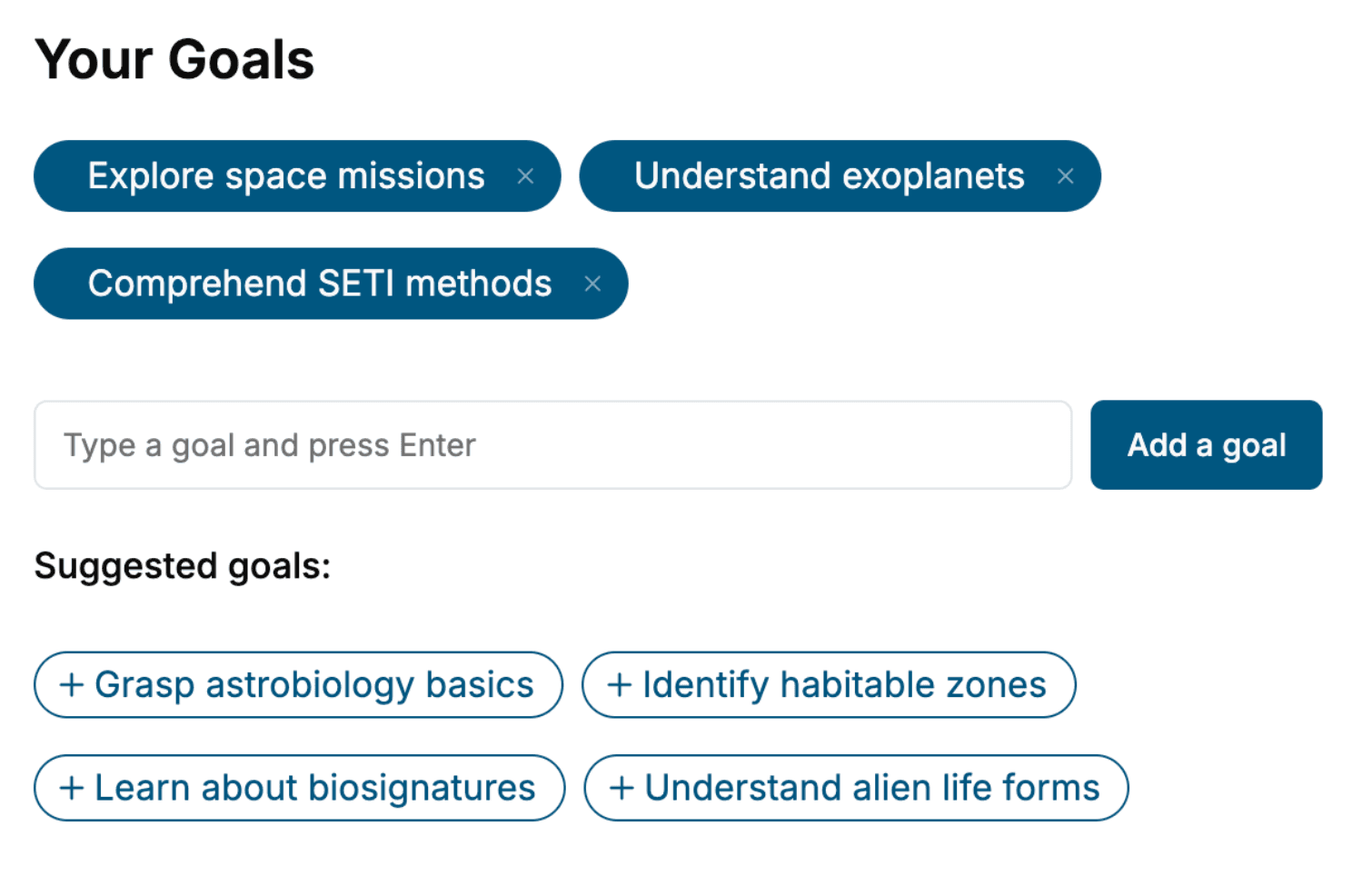
Select the focus of your International Relations book and share your background
- 2. Personalize your book
Specify your goals and choose sub-topics to include
- 3. Get your tailored book
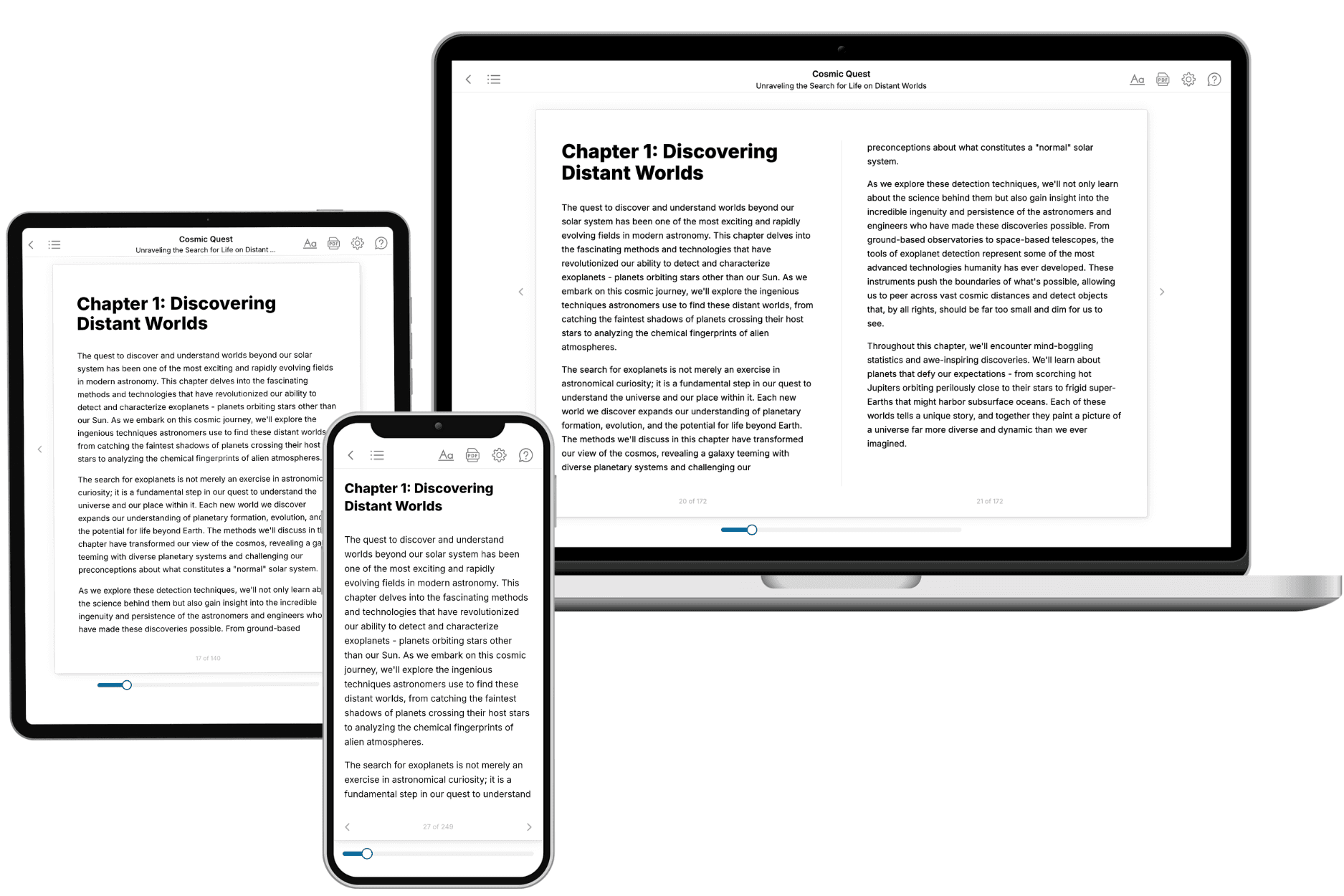
Your book is ready in 10 minutes. Read it online, download as EPUB or PDF, or send to Kindle.

Frequently asked questions
- What is TailoredRead?
TailoredRead creates complete, full-length nonfiction ebooks, written specifically for you. Tell us what you want to learn and why, and TailoredRead writes you a complete ebook on it, with charts, tables, and diagrams throughout. Read it online, on Kindle, or on any e-reader, or download it as a PDF or EPUB. Every book is written fresh the day you order it.
- How is the book tailored to me?
Before anything is written, you answer a few short questions about your goals, your background, and the topics you care about. Your book is then planned around your answers: written at your level, focused on your goals, and covering the topics you chose, instead of the one-size-fits-all book a store sells everyone.
- Will it read like generic AI content?
No. Your book isn't a chat transcript: it's planned chapter by chapter before a single word is written, told in a clear book voice, and explains ideas visually with charts, tables, and diagrams. After writing, every book goes through an editorial pass that polishes chapters so the book reads consistent from start to finish. Judge for yourself: browse thousands of sample books on our Explore Books page.
- How accurate is the content?
Our AI first checks whether your subject needs live research. Niche and fast-moving subjects are researched before writing, and the book plan and chapters are grounded in what it finds. After writing, every book goes through a quality pass that checks its facts and consistency, and researched books list their sources in a Notes section at the back.
- How long is the book?
You choose the length: Comprehensive (250-300 pages), Detailed (150-200 pages), Essential (70-100 pages), or Short (30-50 pages).
- Does the book include visuals?
Yes. Every book includes charts, tables, and diagrams: timelines, checklists, step-by-step guides, decision trees, comparison tables, matrices, and bar charts. A typical book includes dozens of these visual elements.
- Can I read it on Kindle? What formats can I download?
Yes. Every book can be read in our online reader or downloaded as a PDF or EPUB. The EPUB can be opened with Kindle, Apple Books, Kobo, and any e-reader. The Commercial and Author licenses also include an editable Word (DOCX) and Markdown download.
- How much does it cost?
About the price of a regular ebook. The exact price depends on your book's length and complexity, from $2 for the shortest books to $35 for the most comprehensive, and it's shown when you review your book, before you commit to anything. Each book is a one-time purchase, yours to keep, no subscription. Licenses that let you share, teach, or publish your book range from $35.99 to $49.99.
- Can I preview the book before purchasing?
Before you pay, you'll see what your book will cover: the title, a detailed description, the estimated length, and the complete chapter-by-chapter table of contents, so you know what you're getting before you decide. The full text itself is written after you purchase.
- How long does it take to create a book?
About 10 minutes. You can start reading the opening chapters while the rest is still being written.