SAP Sales and Distribution Mastery
A Practical Guide to Streamlining Order Management, Billing, and Customer Fulfillment
Master SAP Sales and Distribution and transform how your organization manages customer orders, fulfills shipments, and processes billing.
207 pages11 chaptersJul 26, 2026SAP
About this book
This practical guide takes you beyond basic navigation to show you how to configure, optimize, and troubleshoot the SD module for maximum business impact. You'll learn the complete order-to-cash process, from initial sales order creation through final billing and revenue recognition. Discover how to set up pricing strategies, manage customer credit, handle complex shipping scenarios, and integrate SD seamlessly with inventory and financial modules. Whether you're implementing SAP for the first time, optimizing an existing system, or preparing for a critical role, this book provides the insights and step-by-step guidance you need. Real-world scenarios illustrate common challenges and proven solutions, while practical tips help you avoid costly mistakes. By the end, you'll understand not just how to use SAP SD, but why each configuration matters to your bottom line.
Table of contents
- IntroductionWhy SAP Sales and Distribution Matters, What You'll Learn in This Book, How to Use This GuideRead below
- Chapter 1: SAP Sales and Distribution FundamentalsUnderstanding the SD Module and Its Role, Organizational Structure: Sales Orgs, Channels, and Divisions, The Order-to-Cash Cycle Explained
- Chapter 2: Master Data ConfigurationSetting Up Customer Master Records, Material Master Data for Sales, Configuring Sales Document Types and Flows
- Chapter 3: Pricing, Discounts, and RebatesDesigning Your Pricing Strategy, Managing Discounts and Promotions, Rebate Agreements and Processing
- Chapter 4: Sales Order ProcessingCreating and Managing Sales Orders, Order Confirmation and Communication, Handling Special Order Types and Scenarios
- Chapter 5: Inventory Allocation and FulfillmentAvailable-to-Promise (ATP) and Allocation Logic, Picking, Packing, and Shipping Processes, Delivery Management and Tracking
- Chapter 6: Billing and Revenue RecognitionCreating and Managing Billing Documents, Revenue Recognition and Accounting Integration, Troubleshooting Common Billing Issues
- Chapter 7: Credit Management and Risk ControlSetting Up Credit Limits and Exposure, Implementing Credit Checks in Order Processing, Collections Strategy and Overdue Management
- Chapter 8: Returns, Deductions, and AdjustmentsProcessing Customer Returns and Credits, Managing Deductions and Chargebacks, Creating Adjustment Documents and Corrections
- Chapter 9: Integration with Other SAP ModulesSD and Materials Management (MM) Integration, SD and Financial Accounting (FI) Integration, SD and Controlling (CO) Integration
- Chapter 10: Advanced SD Features and OptimizationBatch Processing and Automated Workflows, Reporting, Analytics, and KPI Monitoring, Performance Tuning and System Optimization
- Chapter 11: Troubleshooting and Best PracticesDiagnosing and Resolving Common SD Errors, Maintaining Master Data Quality, Achieving Operational Excellence in SD
- ConclusionKey Takeaways and Next Steps
Introduction
A single misconfigured Sales Organization assignment can freeze an entire company's order pipeline. A missing Partner Function on a Customer Master Record can prevent invoices from reaching the right billing address. A pricing condition that resolves to zero because of a gap in the Access Sequence can silently wipe out margin on thousands of transactions before anyone notices. SAP Sales and Distribution is a module where precision matters enormously, and where the gap between knowing how to navigate screens and knowing why the system behaves the way it does can cost organizations real money.
SAP SD sits at the intersection of customer relationships, inventory movement, and financial accounting. Every time a customer places an order, the SD module is the engine that validates it, prices it, schedules it, ships it, and bills it. That makes SD one of the most consequential modules in any SAP landscape. Yet many practitioners who work with it daily have inherited configurations they don't fully understand, or have learned the mechanics of individual transactions without seeing how those transactions connect into a coherent end-to-end process.
This guide was built for people who already have some footing in SAP but want to move from competent to confident. Whether you're a business analyst trying to understand why a credit block keeps triggering, a supply chain professional looking to optimize fulfillment cycles, or an SD consultant preparing to take on more complex configuration work, the goal here is the same: to give you a clear, practical, and connected understanding of how SAP SD actually works, from the organizational structure that underpins every transaction to the billing documents that close the loop with finance.
The chapters ahead don't just describe features. They explain the logic behind configuration choices, show what happens when things go wrong, and give you frameworks for making better decisions in your own system. Real scenarios replace abstract theory wherever possible, because the most useful knowledge in SAP is always grounded in what actually happens in production environments.
Why SAP Sales and Distribution Matters
The Order-to-Cash Cycle is one of the most financially significant processes in any product-selling business. It begins the moment a customer commits to a purchase and ends when cash lands in the company's bank account. SAP SD owns the majority of that cycle. It handles the sales order, the delivery, the goods issue, and the billing document. When SD is configured and managed well, that cycle runs smoothly and quickly. When it isn't, delays, errors, and revenue leakage accumulate at every step.
Consider what a single day's worth of order processing looks like at a mid-sized manufacturer. Hundreds of Sales Orders may be created, each one triggering pricing calculations, credit checks, availability confirmations, and output messages. Each order then drives delivery creation, warehouse activity, and eventually a Billing Document that posts to Financial Accounting. The SD module is coordinating all of that simultaneously, across multiple Sales Organizations, Distribution Channels, and Divisions. The configuration decisions made months or years earlier in a project determine whether that coordination is seamless or chaotic.
SD also sits at the center of several critical business risks. Credit exposure is managed through the Credit Control Area and credit check settings configured in SD. Revenue recognition timing, which has significant accounting and compliance implications, depends on how Billing Plans and account determination are set up. Returns and deductions, which can erode margin if not handled correctly, flow through SD's reverse logistics documents. Getting SD right isn't just an IT concern; it directly affects cash flow, customer satisfaction, and financial reporting accuracy.
The module's reach extends beyond its own boundaries as well. SD-MM Integration means that every Goods Issue posted during shipping reduces inventory in Materials Management. SD-FI Integration means that every Billing Document creates accounting entries in Financial Accounting. SD-CO Integration means that revenue and cost data flow into Controlling for profitability analysis. A misconfiguration in SD doesn't stay in SD. It propagates into inventory records, general ledger postings, and management reports. That interconnectedness is what makes deep SD knowledge so valuable.
From a customer experience perspective, SD is the system of record for every promise made to a buyer. Confirmed delivery dates come from Available-to-Promise logic. Pricing shown on order confirmations comes from the Condition Technique and Pricing Procedure. The accuracy of those outputs determines whether customers receive what they were promised, when they were promised it, at the price they agreed to. Organizations that manage SD well tend to have measurably better on-time delivery rates, fewer billing disputes, and stronger customer retention.
SAP SD is not just a transaction system. It is the operational backbone of the customer-facing supply chain, and its configuration choices have direct consequences for revenue, cost, and customer trust.
For practitioners, understanding SD deeply also opens doors. SD expertise is consistently in demand across industries that run SAP, including manufacturing, consumer goods, pharmaceuticals, chemicals, and wholesale distribution. The ability to diagnose a complex pricing issue, design a credit management strategy, or configure a returns process correctly is the kind of skill that distinguishes a capable analyst from a trusted advisor. This guide is designed to help you build that kind of expertise systematically.
Finally, SD matters because it is constantly evolving. SAP's move toward S/4HANA has brought changes to how certain SD processes work, including simplified data models, new output management frameworks, and tighter integration with embedded analytics. The foundational concepts covered here apply across both classic SAP ECC environments and S/4HANA, giving you knowledge that travels with you as systems modernize.
What You'll Learn in This Book
The book is organized to follow the natural progression of SD knowledge, starting with structure and moving toward complexity. The early chapters establish the foundation: how the SD module is organized, what the key master data objects are, and how the Order-to-Cash Cycle flows from start to finish. These aren't just orientation topics. The organizational structure of SD, specifically the relationship between Sales Organization, Distribution Channel, and Division, determines what configurations are possible and how data is segmented across your business. Getting that foundation right matters for everything that follows.
Pricing is covered in depth because it is one of the most technically complex and business-critical areas of SD. The Condition Technique, which drives all pricing, discounts, surcharges, and rebates, is a flexible but often misunderstood framework. You'll learn how Condition Types, Access Sequences, Condition Tables, and Pricing Procedures work together, and how to design a pricing strategy that handles real-world complexity without becoming unmaintainable. Rebate Agreements and their settlement logic are covered separately because they introduce their own set of configuration and process considerations.
Sales order processing goes well beyond the basics of creating a transaction. The chapters on Sales Order management cover the Incompletion Procedure, Copy Control, Output Determination, and special order scenarios that come up regularly in practice. Understanding how Document Flow works, and how each document in the chain inherits and transforms data from its predecessor, is essential for diagnosing errors and designing clean processes.
Fulfillment is where SD connects most directly to physical operations. The chapters on inventory allocation and fulfillment explain how Available-to-Promise logic works, how the Outbound Delivery drives warehouse activity through Transfer Orders, and how Shipping Point and Route Determination affect delivery scheduling. These are areas where configuration choices have immediate, visible consequences for warehouse teams and customers alike.
Billing and revenue recognition close the financial loop. You'll learn how the Billing Due List works, how Account Determination maps billing transactions to the correct general ledger accounts, and how Billing Plans handle milestone or periodic billing scenarios. Common billing errors and their root causes are covered with specific diagnostic steps, because billing failures are often the most urgent issues SD practitioners face.
Credit management, returns processing, and cross-module integration each get dedicated coverage because they represent areas where many practitioners have gaps. The Credit Control Area, Static Credit Check, and Dynamic Credit Check configurations are explained with concrete examples of how they behave in order processing. The returns process, including Return Orders, Credit Memo Requests, and Debit Memo Requests, is mapped out with attention to the accounting and inventory implications of each document type. The integration chapters explain the specific data handshakes between SD and MM, FI, and CO so you can understand dependencies and troubleshoot cross-module issues.
The final chapters address advanced topics and operational sustainability. Batch Processing in SD, Key Performance Indicators, Master Data Governance in SD, and the Operational Excellence Framework are covered not as abstract ideals but as practical disciplines with specific implementation approaches. The troubleshooting chapter provides a structured approach to diagnosing the most common SD errors, organized by the type of problem rather than by transaction code, so you can apply the logic to situations you haven't seen before.
Throughout all of this, the emphasis is on understanding the "why" behind configuration choices. SAP SD has many settings that can be toggled without an obvious immediate effect, only to cause problems later in a different part of the process. Knowing why a setting exists, what it controls, and what happens when it's wrong is what separates practitioners who can maintain a system from those who can truly optimize one.
How to Use This Guide
This book is designed to be read sequentially on a first pass, because each chapter builds on concepts introduced earlier. The organizational structure covered in the fundamentals chapter, for example, is referenced throughout the pricing, billing, and integration chapters. The master data objects introduced early reappear in nearly every subsequent topic. Reading straight through once gives you a connected mental model that makes the later, more complex material much easier to absorb.
After that first read, the book works well as a reference. Each chapter is self-contained enough that you can return to the pricing chapter when you're troubleshooting a condition record issue, or jump to the credit management chapter when you need to reconfigure a credit check. The subchapter structure is designed to help you find specific topics quickly. If you're dealing with a billing error right now, the troubleshooting sections in the billing chapter give you a diagnostic framework you can apply immediately.
Practitioners in different roles will find different entry points most useful. Here's a quick orientation by role:
- Business analysts and functional consultants will get the most immediate value from the master data, pricing, and sales order chapters, which cover the configuration decisions that most directly affect day-to-day business processes.
- Supply chain and logistics professionals should pay particular attention to the fulfillment, delivery management, and ATP chapters, which connect SD configuration to physical warehouse and shipping operations.
- Finance and accounting professionals will find the billing, revenue recognition, credit management, and SD-FI Integration chapters most relevant to their work.
- SD consultants and system administrators will benefit from the full sequence, with particular attention to the integration, advanced features, and troubleshooting chapters.
The examples throughout the book use realistic but simplified scenarios. A manufacturing company selling finished goods through multiple distribution channels appears frequently because it illustrates the most common SD configuration patterns. Where specific transaction codes are mentioned, they are the standard SAP codes used in both ECC and S/4HANA environments unless otherwise noted. Configuration paths reference the Implementation Guide (IMG) structure that most practitioners will recognize from their own systems.
A few practical suggestions for getting the most out of this material. First, if you have access to a sandbox or development SAP system, use it alongside the book. Reading about how the Condition Technique works is useful; actually building a Condition Table and watching how it resolves in a pricing procedure makes the concept stick in a way that reading alone cannot. Second, when you encounter a concept that connects to your own system's configuration, take a moment to look at how your organization has implemented it. Comparing the book's explanation to your actual setup often reveals either a deeper understanding of why things are configured the way they are, or a gap worth investigating.
Third, pay attention to the troubleshooting notes and common mistake callouts throughout the chapters. These are drawn from the kinds of issues that appear repeatedly in real SD environments. They're not hypothetical edge cases. They're the problems that show up in support queues and project retrospectives with enough regularity that recognizing them quickly is a genuine professional advantage.
The book does not attempt to cover every SAP SD transaction or configuration option. SAP SD is a vast module, and a comprehensive reference of every setting would be both impractical and less useful than a focused treatment of the concepts and configurations that matter most. Where topics are covered at a high level because they are addressed in depth elsewhere in the book, cross-references point you to the right chapter. Where topics fall outside the scope of this guide entirely, that's noted so you know where to look further.
One more thing worth establishing upfront: SAP SD rewards curiosity. The practitioners who become genuinely expert in this module are almost always the ones who ask "what happens if I change this?" and then go find out. The system has a logic to it, and once you start seeing that logic clearly, configuration decisions that once seemed arbitrary begin to make sense. The goal of this book is to accelerate that process of seeing, so that you spend less time guessing and more time building systems that work reliably and well.
The first chapter begins with the organizational structure of SAP SD, because everything else in the module depends on getting that foundation right. The Sales Organization, Distribution Channel, and Division aren't just administrative labels. They are the structural backbone that determines how master data is maintained, how pricing is applied, how documents are processed, and how reporting is segmented. Understanding them clearly is the first step toward mastering everything that follows.
This is the end of the free sample. The full book has 11 chapters.
Want this book written for you?
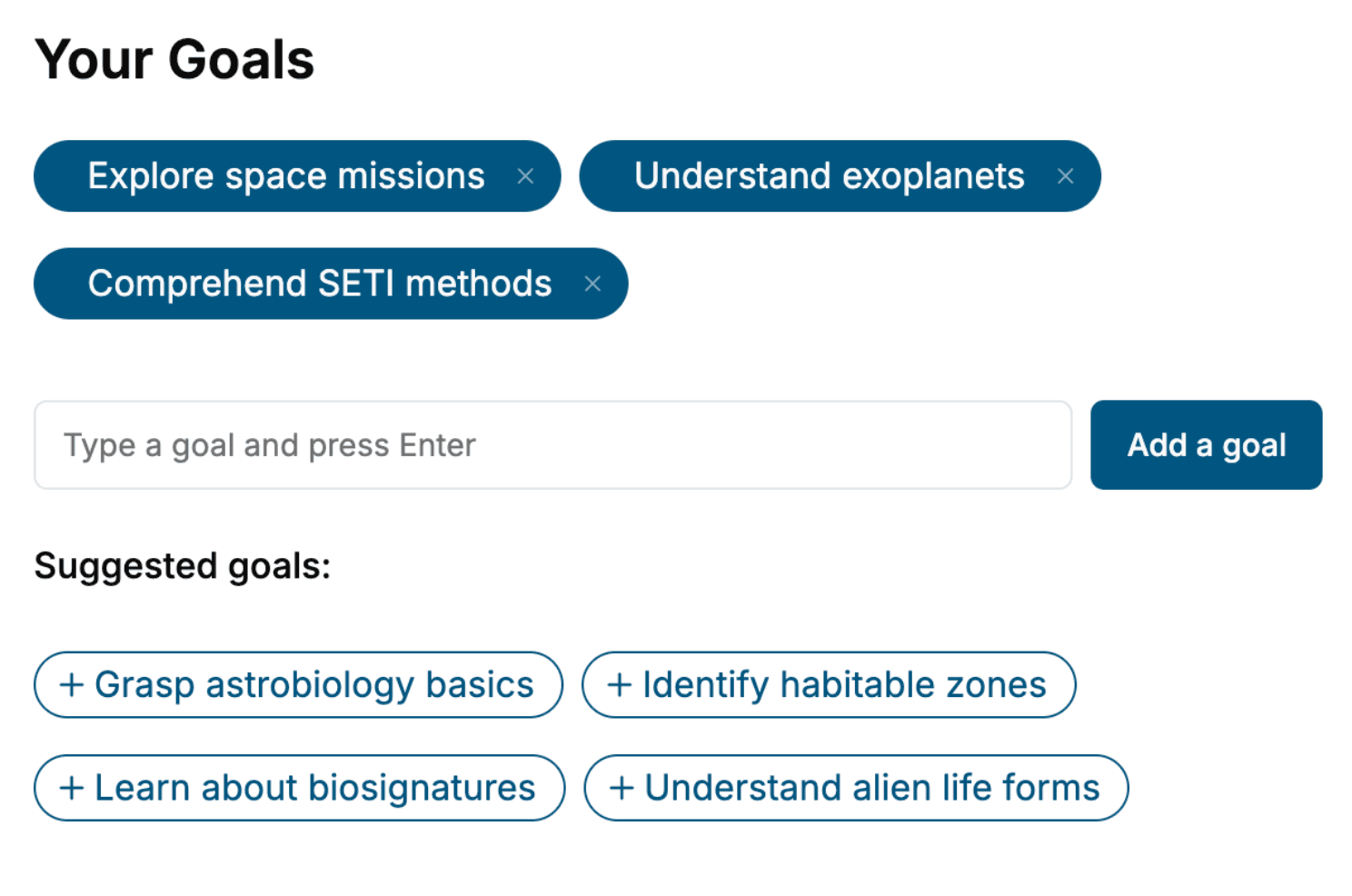
Tell us your goals and background, and get your own version of this book, tailored by AI to you.


Benefits of AI-tailored books
- Read one book, not ten:
- all the SAP knowledge you need, gathered into a single book.
- Save days of learning:
- tell us your goals, choose your topics, and the whole book is built around them.
- Learn effortlessly:
- SAP book written for your specific background and expertise.
- Understand at a glance:
- includes charts, tables, timelines, checklists, decision trees, and more.
- Stay current:
- written the day you order it, not years ago.
- Trust what you read:
- every book is checked for accuracy, with real research when your subject needs it.
Create your unique book in 3 steps
- 1. Select your focus
Select the focus of your SAP book and share your background
- 2. Personalize your book
Specify your goals and choose sub-topics to include
- 3. Get your tailored book
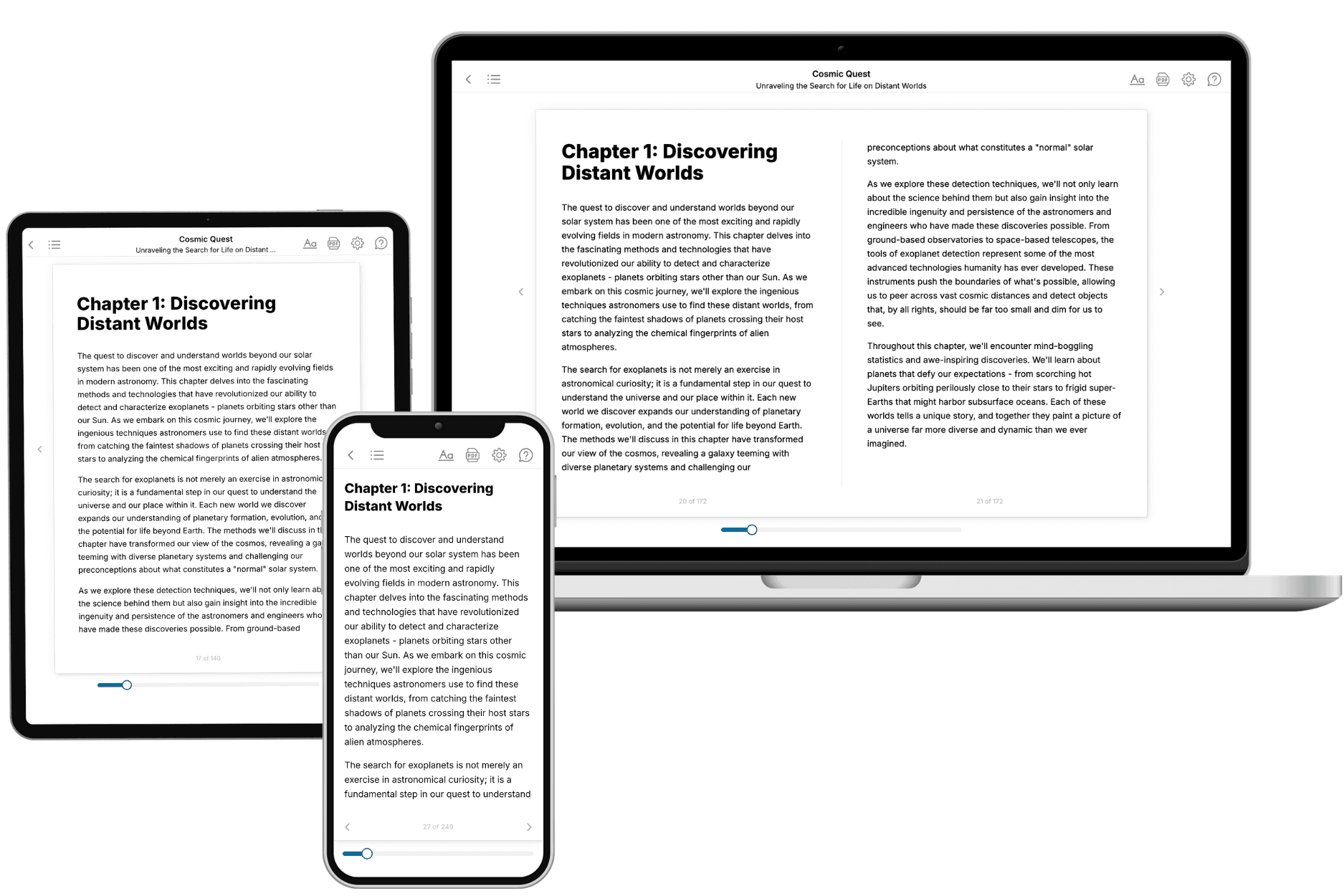
Your book is ready in 10 minutes. Read it online, download as EPUB or PDF, or send to Kindle.

Frequently asked questions
- What is TailoredRead?
TailoredRead creates complete, full-length nonfiction ebooks, written specifically for you. Tell us what you want to learn and why, and TailoredRead writes you a complete ebook on it, with charts, tables, and diagrams throughout. Read it online, on Kindle, or on any e-reader, or download it as a PDF or EPUB. Every book is written fresh the day you order it.
- How is the book tailored to me?
Before anything is written, you answer a few short questions about your goals, your background, and the topics you care about. Your book is then planned around your answers: written at your level, focused on your goals, and covering the topics you chose, instead of the one-size-fits-all book a store sells everyone.
- Will it read like generic AI content?
No. Your book isn't a chat transcript: it's planned chapter by chapter before a single word is written, told in a clear book voice, and explains ideas visually with charts, tables, and diagrams. After writing, every book goes through an editorial pass that polishes chapters so the book reads consistent from start to finish. Judge for yourself: browse thousands of sample books on our Explore Books page.
- How accurate is the content?
Our AI first checks whether your subject needs live research. Niche and fast-moving subjects are researched before writing, and the book plan and chapters are grounded in what it finds. After writing, every book goes through a quality pass that checks its facts and consistency, and researched books list their sources in a Notes section at the back.
- How long is the book?
You choose the length: Comprehensive (250-300 pages), Detailed (150-200 pages), Essential (70-100 pages), or Short (30-50 pages).
- Does the book include visuals?
Yes. Every book includes charts, tables, and diagrams: timelines, checklists, step-by-step guides, decision trees, comparison tables, matrices, and bar charts. A typical book includes dozens of these visual elements.
- Can I read it on Kindle? What formats can I download?
Yes. Every book can be read in our online reader or downloaded as a PDF or EPUB. The EPUB can be opened with Kindle, Apple Books, Kobo, and any e-reader. The Commercial and Author licenses also include an editable Word (DOCX) and Markdown download.
- How much does it cost?
About the price of a regular ebook. The exact price depends on your book's length and complexity, from $2 for the shortest books to $35 for the most comprehensive, and it's shown when you review your book, before you commit to anything. Each book is a one-time purchase, yours to keep, no subscription. Licenses that let you share, teach, or publish your book range from $35.99 to $49.99.
- Can I preview the book before purchasing?
Before you pay, you'll see what your book will cover: the title, a detailed description, the estimated length, and the complete chapter-by-chapter table of contents, so you know what you're getting before you decide. The full text itself is written after you purchase.
- How long does it take to create a book?
About 10 minutes. You can start reading the opening chapters while the rest is still being written.