Savate: French Kickboxing Explained
History, stances, strikes and defensive tactics of the sport
Elevate your martial arts prowess with "Savate Mastery: The Complete Guide to French Kickboxing." This comprehensive guide takes you on an exhilarating journey through the world of Savate, a unique and powerful form of kickboxing that originated in France.
284 pages14 chaptersDec 14, 2024Martial Arts
About this book
You'll discover the rich history, intricate techniques, and practical applications of this dynamic martial art. From the fundamental stances to advanced combinations, this book breaks down every aspect of Savate with clear, step-by-step instructions and detailed illustrations. You'll learn how to execute powerful kicks, precise punches, and effective defensive maneuvers that set Savate apart from other martial arts disciplines. Whether you're looking to improve your fitness, enhance your self-defense skills, or compete in the ring, "Savate Mastery" provides you with the knowledge and training methods to achieve your goals. Dive into the philosophy behind Savate, understand its role in modern martial arts, and discover how to incorporate its principles into your daily life for improved focus, discipline, and confidence.
Table of contents
- IntroductionWhat is Savate?, Book Overview, How to Use This BookRead below
- Chapter 1: The Rich History of SavateOrigins in French Naval Combat, Evolution into a Refined Martial Art, Key Figures in Savate's Development, Savate's Spread Around the World
- Chapter 2: Philosophy and Principles of SavateCore Values and Ethics, The Mind-Body Connection, Respect for Opponents and Self, Discipline and Self-Control
- Chapter 3: Savate Basics: Getting StartedEssential Equipment and Attire, Proper Warm-up Techniques, Basic Stances and Guard Positions, Fundamental Footwork Patterns
- Chapter 4: Mastering Savate PunchesThe Jab: Quick and Precise, The Cross: Power from the Rear, The Hook: Side Attack, The Uppercut: Rising Force
- Chapter 5: The Art of Savate KicksFouetté: The Roundhouse Kick, Chassé: The Side Kick, Revers: The Hook Kick, Coup de Pied Bas: Low Kick
- Chapter 6: Effective Punch-Kick CombinationsBasic Two-Strike Combinations, Advanced Multi-Strike Sequences, Timing and Rhythm in Combinations, Flowing Between Strikes Smoothly
- Chapter 7: Defensive Techniques in SavateBlocking Punches and Kicks, Parrying and Deflecting Attacks, Evasive Movements and Footwork, Counter-Attacking Strategies
- Chapter 8: Savate Strategy and TacticsManaging Distance and Range, Timing and Rhythm in Combat, Using Feints and Deception, Applying and Handling Pressure
- Chapter 9: Training Methods for SavateSolo Training Drills, Partner Exercises and Sparring, Physical Conditioning for Savate, Mental Preparation Techniques
- Chapter 10: Savate CompetitionRules and Regulations, Scoring System and Judging, Preparing for a Savate Tournament, Competition Strategies and Mindset
- Chapter 11: Applying Savate for Self-DefenseSituational Awareness, De-escalation Techniques, Practical Application of Savate Techniques, Legal and Ethical Considerations
- Chapter 12: Savate for Fitness and HealthCardiovascular Benefits, Strength and Flexibility Improvements, Weight Management through Savate, Stress Relief and Mental Health Benefits
- Chapter 13: Savate Culture and CommunityDojo Etiquette and Traditions, Ranking System in Savate, The Global Savate Community, Savate Events and Gatherings
- Chapter 14: Advanced Savate ConceptsComplex Techniques and Combinations, Advanced Tactical Thinking, Adaptability in Different Scenarios, Cross-Training with Other Martial Arts
- ConclusionContinuing Your Savate Journey, Final Thoughts and Encouragement
- Glossary of Savate Terms
- Further Resources
Introduction
Welcome to the world of Savate, a unique and dynamic martial art that combines graceful footwork with powerful strikes. As you embark on this journey to master the art of French Kickboxing, you'll discover a rich tapestry of history, technique, and philosophy that sets Savate apart from other combat sports. This introduction will provide you with a solid foundation, explaining what Savate is, giving an overview of the book's contents, and guiding you on how to make the most of this comprehensive resource.
What is Savate?
Savate, also known as French Kickboxing or French Foot Fighting, is a martial art that originated in France in the early 19th century. It is a unique combat sport that combines elements of western boxing with graceful kicking techniques, creating a harmonious blend of power, precision, and elegance. The word "Savate" itself comes from the old French word for "old shoe" or "boot," reflecting the footwear traditionally used in this martial art.
At its core, Savate is characterized by its emphasis on fluid movement, strategic footwork, and a wide array of kicks executed with both power and finesse. Unlike many Asian martial arts, Savate practitioners typically wear shoes during training and competition, which allows for a distinctive set of techniques and strategies. The art form encompasses both armed and unarmed combat techniques, though modern Savate focuses primarily on unarmed methods.
One of the most striking aspects of Savate is its aesthetic quality. Practitioners, known as "tireurs" (male) or "tireuses" (female), move with a grace that belies the devastating potential of their techniques. This combination of beauty and effectiveness has earned Savate the nickname "the deadly dance" in some circles. The fluid movements and precise footwork of Savate not only make it an effective martial art but also a visually captivating spectacle.
Savate is more than just a collection of physical techniques; it embodies a philosophy of self-improvement, respect, and discipline. Practitioners are encouraged to develop not only their physical skills but also their mental fortitude and ethical character. This holistic approach to martial arts training makes Savate an excellent choice for those seeking both physical fitness and personal growth.
In terms of techniques, Savate incorporates a wide range of strikes using both the hands and feet. The punching techniques are similar to those found in western boxing, including jabs, crosses, hooks, and uppercuts. However, it's in the kicking techniques where Savate truly shines. Savate kicks are known for their precision and power, with practitioners able to deliver devastating blows with the toes, ball of the foot, heel, or side of the foot. Some of the signature kicks in Savate include the fouetté (roundhouse kick), chassé (side kick), and revers (hook kick).
Savate also places a strong emphasis on defensive techniques and evasive maneuvers. Practitioners learn to block, parry, and evade attacks with the same fluidity and grace that characterizes their offensive movements. This focus on defense, combined with the art's strategic approach to combat, makes Savate an effective system for self-defense as well as sport competition.
In the competitive arena, Savate has evolved into a structured sport with clear rules and regulations. Competitions, known as "assauts" or "combats," depending on the level of contact allowed, provide practitioners with the opportunity to test their skills against others in a controlled environment. These events range from local tournaments to international championships, showcasing the global reach and appeal of this French martial art.
As you delve deeper into the world of Savate, you'll discover that it's not just a martial art, but a rich cultural tradition with deep roots in French history. From its origins in the streets and ports of France to its current status as a respected international sport, Savate has undergone significant evolution while maintaining its core principles and unique character.
Throughout this book, you'll explore the various facets of Savate, from its fundamental techniques to advanced strategies, from its historical development to its modern applications. Whether you're a complete beginner or an experienced martial artist looking to expand your repertoire, Savate offers a challenging and rewarding path of study. As you progress through your training, you'll not only develop physical skills but also gain insights into French culture, martial philosophy, and your own potential for growth and self-improvement.
Book Overview
"Savate Mastery: The Complete Guide to French Kickboxing" is designed to be your comprehensive companion on your journey to mastering this elegant and effective martial art. This book is structured to provide a logical progression from the basics to advanced concepts, ensuring that you build a solid foundation before moving on to more complex techniques and strategies. Whether you're looking to improve your fitness, enhance your self-defense skills, or compete in the ring, this guide will equip you with the knowledge and training methods to achieve your goals.
The book begins with an exploration of Savate's rich history, tracing its origins from the streets of France to its development as a refined martial art. Understanding this historical context is crucial for appreciating the principles and techniques that form the core of Savate. You'll learn about key figures who shaped the art and how it spread from France to become a globally practiced discipline. This historical foundation will give you a deeper appreciation for the traditions and philosophy that underpin Savate practice.
Following the historical overview, you'll delve into the philosophy and principles of Savate. This section explores the core values, ethics, and mental aspects of the art. You'll learn about the importance of respect, discipline, and the mind-body connection in Savate training. This philosophical grounding will help you approach your practice with the right mindset, enhancing both your physical performance and personal growth.
The book then moves into the practical aspects of Savate, starting with the basics. You'll learn about essential equipment, proper warm-up techniques, and fundamental stances and footwork. These foundational elements are crucial for developing proper form and preventing injuries as you progress in your training. Detailed descriptions and illustrations will guide you through each step, ensuring that you develop correct habits from the start.
From there, the book explores the core techniques of Savate in depth. Separate chapters are dedicated to punching techniques, kicking techniques, and effective combinations of both. Each technique is broken down into its component parts, with clear instructions on proper execution, common mistakes to avoid, and tips for improving power and precision. You'll learn how to perform the signature kicks of Savate, such as the fouetté and chassé, as well as how to integrate them with boxing techniques for maximum effectiveness.
Defensive techniques are given equal attention, with a comprehensive chapter on blocks, parries, evasive movements, and counter-attacking strategies. You'll learn how to protect yourself from various types of attacks and how to turn defense into offense seamlessly. This balanced approach to offense and defense is a hallmark of Savate and will help you become a well-rounded martial artist.
The book also covers advanced topics such as strategy and tactics in Savate. You'll learn about managing distance, timing your attacks, using feints and deception, and how to apply and handle pressure in combat situations. These strategic elements will help you think critically about your practice and apply your techniques more effectively in both training and competition.
For those interested in the competitive aspect of Savate, there's a dedicated chapter on competition rules, scoring systems, and strategies for success in tournaments. You'll gain insights into how to prepare for competitions, both physically and mentally, and how to adapt your skills to the specific demands of competitive Savate.
Recognizing that many practitioners are interested in self-defense applications, the book includes a chapter on applying Savate techniques in real-world situations. This section covers situational awareness, de-escalation techniques, and how to adapt Savate for practical self-defense. It also addresses important legal and ethical considerations surrounding self-defense.
The health and fitness benefits of Savate are explored in detail, with information on how regular practice can improve cardiovascular health, strength, flexibility, and mental well-being. You'll find guidance on incorporating Savate training into a comprehensive fitness regimen and how to use it for effective weight management and stress relief.
The book also delves into the cultural aspects of Savate, discussing dojo etiquette, the ranking system, and the global Savate community. This cultural context will help you feel more connected to the wider world of Savate practitioners and understand the traditions that have been passed down through generations.
For advanced practitioners, there's a section on complex techniques, advanced tactical thinking, and cross-training with other martial arts. This chapter will challenge you to take your Savate practice to the next level and explore how it can complement and be enhanced by other fighting styles.
The book concludes with guidance on continuing your Savate journey beyond the pages of this guide, encouraging ongoing learning and practice. A comprehensive glossary of Savate terms and a list of further resources are provided to support your continued growth in the art.
Throughout the book, you'll find practical drills, training tips, and real-world examples to help you apply the concepts you're learning. Whether you're practicing solo or with a partner, competing or focusing on personal development, this book will serve as an invaluable resource on your Savate journey.
How to Use This Book
To get the most out of "Savate Mastery: The Complete Guide to French Kickboxing," it's important to approach your study systematically and with dedication. This book is designed to be both a comprehensive instructional manual and a reference guide that you can return to throughout your Savate journey. Here are some suggestions on how to use this book effectively to maximize your learning and progress in the art of Savate.
First and foremost, it's recommended that you read through the book in its entirety before diving deep into specific techniques or training methods. This initial read-through will give you a broad understanding of Savate's history, philosophy, and overall structure. It will also help you appreciate how different aspects of the art interconnect, from basic stances to advanced strategies. This holistic view is crucial for developing a well-rounded practice and understanding the context of individual techniques within the larger framework of Savate.
Once you've completed your initial read-through, go back to the beginning and start working through the book methodically, chapter by chapter. Pay particular attention to the sections on basic techniques and fundamentals. It's tempting to rush ahead to more advanced material, but mastering the basics is essential for long-term progress and injury prevention. Spend ample time practicing the foundational stances, footwork patterns, and basic strikes before moving on to more complex techniques.
As you work through each technique or concept, take the time to practice physically, not just read about it. Find a clear space where you can move freely and mirror the movements described in the book. Start slowly, focusing on proper form and technique rather than speed or power. Use the detailed descriptions and any accompanying illustrations to guide your practice. Remember, it's better to perform a technique slowly and correctly than quickly and incorrectly.
Consider keeping a training journal as you work through the book. Note down key points, personal insights, and areas where you need more practice. This journal can become a valuable tool for tracking your progress and identifying areas for improvement. It can also help you formulate questions to ask if you have the opportunity to train with a Savate instructor or more experienced practitioners.
While solo practice is valuable, Savate is ultimately a martial art that involves interaction with an opponent. If possible, find a training partner to practice with. This could be a friend who's also interested in learning Savate, or you might consider joining a local martial arts club that offers Savate classes. Working with a partner will allow you to practice techniques in a more realistic context and receive immediate feedback on your execution.
Make use of the drills and exercises provided throughout the book. These are designed to help you develop specific skills and attributes essential to Savate. Incorporate these drills into your regular training routine, gradually increasing their difficulty as you become more proficient. Remember to balance your training between offensive and defensive techniques to become a well-rounded practitioner.
Pay close attention to the sections on safety and proper warm-up techniques. Martial arts training can be physically demanding, and it's crucial to prepare your body properly to avoid injury. Always begin your training sessions with a thorough warm-up, and don't hesitate to modify exercises if you have any physical limitations or pre-existing conditions.
As you progress through the book, don't neglect the chapters on strategy, mental preparation, and competition. Even if you're not planning to compete, these sections offer valuable insights that can enhance your overall understanding and practice of Savate. The mental aspects of martial arts training are just as important as the physical techniques, and developing a strategic mindset will benefit you both in and out of the training hall.
Make use of the glossary of Savate terms provided at the end of the book. Familiarizing yourself with the French terminology used in Savate will deepen your connection to the art's cultural roots and make it easier to communicate with other practitioners. Try to incorporate these terms into your practice sessions to reinforce your learning.
Remember that learning a martial art is a journey, not a destination. Don't rush through the material or become frustrated if certain techniques or concepts take time to master. Everyone progresses at their own pace, and consistent, mindful practice is key to improvement. Celebrate your small victories along the way and maintain a patient, persistent approach to your training.
Finally, use this book as a springboard for further exploration of Savate. The resources section at the end of the book provides suggestions for additional reading, videos, and organizations related to Savate. Consider seeking out seminars, workshops, or online resources to supplement your learning and connect with the broader Savate community.
By approaching this book with dedication, patience, and a willingness to practice consistently, you'll find it to be an invaluable companion on your Savate journey. Whether your goal is to improve your fitness, develop self-defense skills, or compete at a high level, "Savate Mastery" will provide you with the knowledge and guidance to achieve your martial arts aspirations. Embrace the challenge, enjoy the process, and let the art of Savate enrich your life both physically and mentally.
This is the end of the free sample. The full book has 14 chapters.
Want this book written for you?
Tell us your goals and background, and get your own version of this book, tailored by AI to you.


Benefits of AI-tailored books
- Read one book, not ten:
- all the Martial Arts knowledge you need, gathered into a single book.
- Save days of learning:
- tell us your goals, choose your topics, and the whole book is built around them.
- Learn effortlessly:
- Martial Arts book written for your specific background and expertise.
- Understand at a glance:
- includes charts, tables, timelines, checklists, decision trees, and more.
- Stay current:
- written the day you order it, not years ago.
- Trust what you read:
- every book is checked for accuracy, with real research when your subject needs it.
Create your unique book in 3 steps
- 1. Select your focus
Select the focus of your Martial Arts book and share your background
- 2. Personalize your book
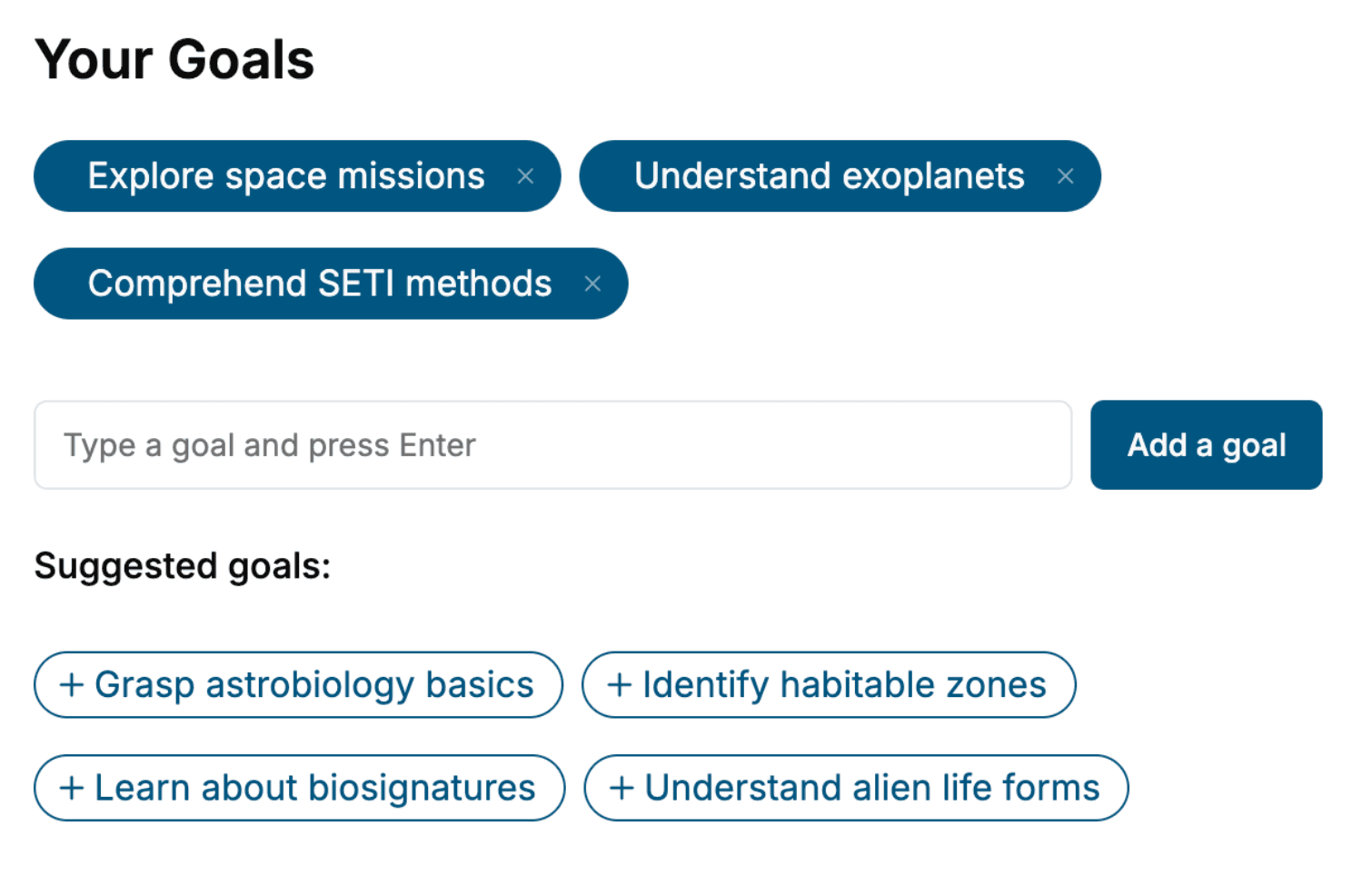
Specify your goals and choose sub-topics to include
- 3. Get your tailored book
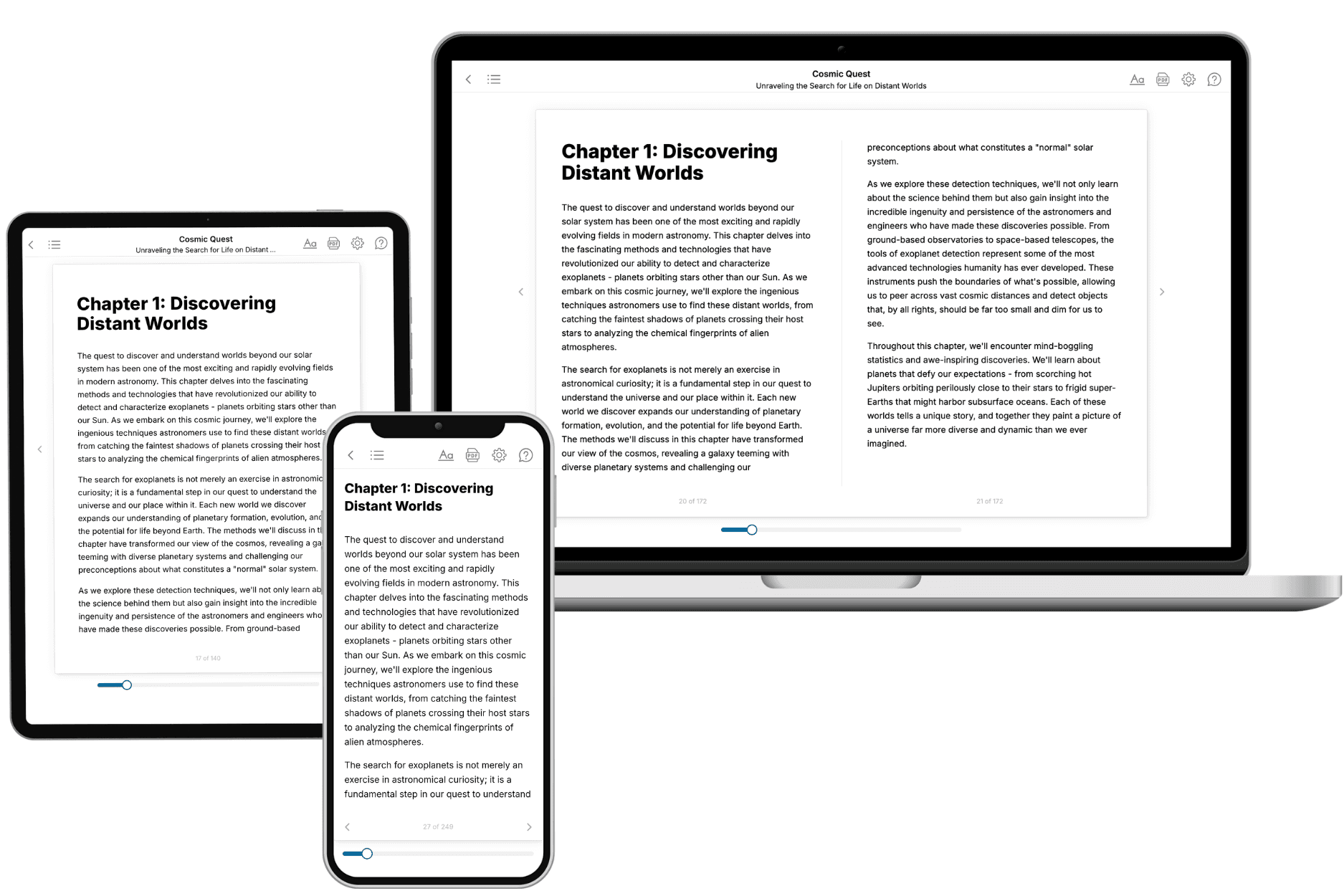
Your book is ready in 10 minutes. Read it online, download as EPUB or PDF, or send to Kindle.

Frequently asked questions
- What is TailoredRead?
TailoredRead creates complete, full-length nonfiction ebooks, written specifically for you. Tell us what you want to learn and why, and TailoredRead writes you a complete ebook on it, with charts, tables, and diagrams throughout. Read it online, on Kindle, or on any e-reader, or download it as a PDF or EPUB. Every book is written fresh the day you order it.
- How is the book tailored to me?
Before anything is written, you answer a few short questions about your goals, your background, and the topics you care about. Your book is then planned around your answers: written at your level, focused on your goals, and covering the topics you chose, instead of the one-size-fits-all book a store sells everyone.
- Will it read like generic AI content?
No. Your book isn't a chat transcript: it's planned chapter by chapter before a single word is written, told in a clear book voice, and explains ideas visually with charts, tables, and diagrams. After writing, every book goes through an editorial pass that polishes chapters so the book reads consistent from start to finish. Judge for yourself: browse thousands of sample books on our Explore Books page.
- How accurate is the content?
Our AI first checks whether your subject needs live research. Niche and fast-moving subjects are researched before writing, and the book plan and chapters are grounded in what it finds. After writing, every book goes through a quality pass that checks its facts and consistency, and researched books list their sources in a Notes section at the back.
- How long is the book?
You choose the length: Comprehensive (250-300 pages), Detailed (150-200 pages), Essential (70-100 pages), or Short (30-50 pages).
- Does the book include visuals?
Yes. Every book includes charts, tables, and diagrams: timelines, checklists, step-by-step guides, decision trees, comparison tables, matrices, and bar charts. A typical book includes dozens of these visual elements.
- Can I read it on Kindle? What formats can I download?
Yes. Every book can be read in our online reader or downloaded as a PDF or EPUB. The EPUB can be opened with Kindle, Apple Books, Kobo, and any e-reader. The Commercial and Author licenses also include an editable Word (DOCX) and Markdown download.
- How much does it cost?
About the price of a regular ebook. The exact price depends on your book's length and complexity, from $2 for the shortest books to $35 for the most comprehensive, and it's shown when you review your book, before you commit to anything. Each book is a one-time purchase, yours to keep, no subscription. Licenses that let you share, teach, or publish your book range from $35.99 to $49.99.
- Can I preview the book before purchasing?
Before you pay, you'll see what your book will cover: the title, a detailed description, the estimated length, and the complete chapter-by-chapter table of contents, so you know what you're getting before you decide. The full text itself is written after you purchase.
- How long does it take to create a book?
About 10 minutes. You can start reading the opening chapters while the rest is still being written.