Savoring the Low Lands
A Culinary Journey Through Dutch History and Culture
Discover the rich tapestry of flavors that define Dutch cuisine and its profound connection to the history of the Netherlands.
269 pages13 chaptersJan 14, 2025European Cooking
About this book
This book takes you on a mouthwatering expedition through time, exploring how geography, trade, and cultural exchanges have shaped the distinctive tastes of the Low Lands. From the humble stamppot to the indulgent stroopwafel, you'll uncover the stories behind iconic Dutch dishes and their evolution over centuries. Delve into the influence of the spice trade, colonial history, and agricultural innovations on the Dutch palate. You'll gain insights into how major historical events, from the Golden Age to World War II, left their mark on the nation's culinary landscape. Explore the regional diversity of Dutch cuisine, from the seafood-rich coastal areas to the hearty dishes of the inland provinces. You'll learn about traditional cooking techniques, seasonal celebrations, and the social customs that surround Dutch dining. This book also examines how modern Dutch cuisine is adapting to global influences while maintaining its unique identity. Whether you're a food enthusiast, a history buff, or simply curious about Dutch culture, this book offers a flavorful blend of culinary knowledge and historical context that will enrich your understanding of the Netherlands and its gastronomic heritage.
Table of contents
- IntroductionAn Overview of Dutch Cuisine, The Historical Context of Dutch Food, How This Book Is StructuredRead below
- Chapter 1: Foundations of Dutch CuisineThe Influence of Geography on Dutch Food, Climate and Agriculture in the Netherlands, Early Inhabitants and Their Diets, Medieval Dutch Cuisine
- Chapter 2: The Golden Age and Its Culinary ImpactThe Spice Trade and Dutch Cuisine, Colonial Influences on Dutch Food, Introduction of New Ingredients, Cuisine of the Wealthy During the Golden Age
- Chapter 3: Regional Diversity in Dutch CuisineCoastal and Maritime Cuisine, Hearty Dishes of the Inland Provinces, Southern Dutch Cuisine and Flemish Influences, Northern Dutch Culinary Traditions
- Chapter 4: Staple Foods and IngredientsDairy Products in Dutch Cuisine, Potatoes, Grains, and Breads, Vegetables and Fruits in Dutch Cooking, Meats and Fish in Traditional Dishes
- Chapter 5: Iconic Dutch Dishes and Their HistoryStamppot: A Dutch Comfort Food, Hutspot and Its Historical Origins, Erwtensoep: The Traditional Dutch Pea Soup, Rijsttafel: A Colonial Culinary Legacy
- Chapter 6: Traditional Preservation TechniquesSmoking and Drying Methods, Pickling and Fermentation in Dutch Cuisine, Salting and Curing Techniques, Modern Preservation in Dutch Food Industry
- Chapter 7: Dutch Baking TraditionsTraditional Dutch Bread Varieties, Dutch Pastries and Cookies, Festive and Holiday Baking, The Story of the Stroopwafel
- Chapter 8: The Dutch Dairy TraditionThe Art of Dutch Cheese Making, Famous Dutch Cheeses and Their Origins, The History of Dairy Farming in the Netherlands, Innovations in the Dutch Dairy Industry
- Chapter 9: Traditional and Modern Dutch BeveragesCoffee and Tea Culture in the Netherlands, Dutch Beer: From Monasteries to Microbreweries, Genever: The Precursor to Gin, Modern Dutch Drink Innovations
- Chapter 10: Dutch Eating Habits and Meal StructuresTraditional Daily Meal Patterns, Social Aspects of Dutch Dining, The Evolution of Restaurant Culture, Modern Dutch Eating Habits
- Chapter 11: Festive and Seasonal Dutch FoodsDutch Christmas Cuisine, New Year's Food Traditions, King's Day Culinary Celebrations, Seasonal Dutch Food Specialties
- Chapter 12: Agricultural Innovations and Dutch CuisineThe Dutch Greenhouse Revolution, Sustainable Farming Practices in the Netherlands, Food Technology and Dutch Agriculture, The Global Impact of Dutch Agricultural Innovations
- Chapter 13: Modern Dutch CuisineGlobal Fusion in Contemporary Dutch Cooking, Dutch Restaurants and Michelin Stars, The Rise of Dutch Street Food, Future Trends in Dutch Gastronomy
- ConclusionThe Evolving Dutch Culinary Identity, Dutch Cuisine in a Global Context
- Glossary of Dutch Culinary Terms
- Further Reading
Introduction
Welcome to a culinary journey through the heart of Dutch cuisine, where every dish tells a story of history, culture, and innovation. As you embark on this flavorful exploration, you'll discover that Dutch food is far more than just cheese and stroopwafels. It's a rich tapestry woven from centuries of tradition, influenced by geography, trade, and the ever-changing tides of history. This introduction will set the stage for your adventure into the world of Dutch gastronomy, providing you with a comprehensive overview of what lies ahead in the pages of this book.
The Netherlands, a small country with a big impact on world history, has cultivated a cuisine that reflects its unique position at the crossroads of European culture. From the hearty dishes of the inland provinces to the seafood delicacies of the coast, Dutch food is a testament to the ingenuity and resourcefulness of a people who have long lived in harmony with both land and sea. As you delve deeper into this book, you'll gain an appreciation for how the Dutch have turned simple ingredients into comforting meals, and how their culinary traditions have evolved over time to embrace new flavors and techniques from around the globe.
Throughout this introduction, we'll lay the groundwork for understanding the complex and fascinating world of Dutch cuisine. You'll get a taste of the historical forces that have shaped Dutch eating habits, from medieval times to the modern era. We'll explore how the geography of the Netherlands has influenced its food culture, and how Dutch culinary traditions fit into the broader context of European gastronomy. By the end of this chapter, you'll be well-equipped to embark on a deeper exploration of Dutch food, armed with the knowledge to appreciate the stories behind every bite you'll encounter in the following chapters.
An Overview of Dutch Cuisine
Dutch cuisine is a reflection of the Netherlands' unique geography and history. Situated at the mouth of three major European rivers—the Rhine, Meuse, and Scheldt—the country has long been a crossroads of trade and culture. This strategic location has profoundly influenced Dutch food, creating a cuisine that is both distinctly local and surprisingly international. At its core, Dutch cooking is characterized by simplicity and practicality, with a focus on hearty, filling dishes that have sustained generations through long winters and demanding work.
One of the most iconic elements of Dutch cuisine is its dairy products. The Netherlands is renowned for its cheese, with varieties like Gouda, Edam, and Leiden known and enjoyed worldwide. This prominence of dairy in the Dutch diet is no accident; it's the result of centuries of cattle farming in the lush, green polders (low-lying land reclaimed from the sea) that characterize much of the country's landscape. The importance of dairy extends beyond cheese, with milk, butter, and yogurt playing significant roles in daily Dutch eating habits.
Potatoes, introduced to the Netherlands in the 16th century, quickly became a staple of Dutch cuisine. They feature prominently in many traditional dishes, such as stamppot, a hearty mash of potatoes and vegetables often served with smoked sausage. The humble potato exemplifies the Dutch culinary philosophy of "eerlijk en eenvoudig" (honest and simple), which values straightforward, nourishing food over elaborate preparations. This approach to cooking has its roots in the Protestant ethic that has long influenced Dutch culture, emphasizing modesty and practicality even in matters of food[1].
Seafood plays a crucial role in Dutch cuisine, reflecting the country's long history as a maritime nation. Herring, in particular, holds a special place in Dutch culinary tradition. Raw herring, served with chopped onions and pickles, is not just a popular snack but a cultural institution. The annual arrival of new herring (Hollandse Nieuwe) in June is celebrated as a national event. Other seafood staples include mussels, eel, and various North Sea fish, all of which feature prominently in coastal and national dishes.
Dutch baking traditions are another cornerstone of the country's culinary identity. From the crisp, caramel-filled stroopwafel to the festive spice cake known as ontbijtkoek, Dutch sweets and pastries offer a delightful contrast to the often hearty main courses. These baked goods often have historical significance, with many tied to specific holidays or regions. For instance, the fruited bread kerststol is a Christmas tradition, while the ring-shaped new year's treat oliebollen has roots dating back to Germanic tribes' midwinter celebrations.
It's important to note that Dutch cuisine is not monolithic; it varies significantly by region. The coastal areas naturally emphasize seafood, while the eastern provinces, bordering Germany, show more continental influences. The southern regions, particularly Limburg and North Brabant, have been influenced by Belgian and French culinary traditions, resulting in richer, more elaborate dishes than those typically found in the north. This regional diversity adds depth and complexity to Dutch cuisine, offering a wide range of flavors and ingredients within a relatively small geographical area.
In recent decades, Dutch cuisine has undergone a significant transformation, influenced by globalization and immigration. The influx of people from former Dutch colonies, such as Indonesia and Suriname, has introduced new flavors and dishes that have become integral parts of modern Dutch eating. The Indonesian rijsttafel (rice table), a colonial-era invention, is now considered a quintessential Dutch dining experience. Similarly, Surinamese roti shops are a common sight in Dutch cities, their offerings as familiar to many Dutch people as traditional local fare.
Contemporary Dutch cuisine also reflects a growing emphasis on sustainability and innovation. The Netherlands is a world leader in agricultural technology, and this is reflected in its modern food culture. From vertical farming to plant-based meat alternatives, Dutch food innovators are at the forefront of addressing global food challenges. This forward-thinking approach coexists with a renewed appreciation for traditional Dutch ingredients and cooking methods, creating a dynamic culinary scene that honors the past while embracing the future.
As you delve deeper into this book, you'll discover that Dutch cuisine is a fascinating blend of the simple and the complex, the traditional and the innovative. It's a cuisine that has been shaped by necessity and scarcity, elevated by prosperity and trade, and continually reinvented by successive generations of cooks and food lovers. From the humble stamppot to the sophisticated creations of Michelin-starred chefs, Dutch food offers a window into the soul of a nation that has always looked both inward to its own traditions and outward to the wider world. This overview sets the stage for a deeper exploration of the historical, cultural, and culinary forces that have shaped Dutch cuisine into what it is today.
The Historical Context of Dutch Food
To truly understand Dutch cuisine, one must delve into the rich tapestry of Dutch history. The Netherlands' culinary traditions have been shaped by a complex interplay of geographical, economic, and cultural factors over many centuries. From its earliest inhabitants to its rise as a global trading power, and through periods of hardship and prosperity, the story of Dutch food is inextricably linked to the story of the Dutch people themselves. This historical context provides the foundation for appreciating the depth and significance of Dutch culinary traditions.
The earliest influences on Dutch cuisine can be traced back to the prehistoric inhabitants of the Low Countries. Archaeological evidence suggests that these early settlers subsisted on a diet of fish, game, and wild plants. As agriculture developed, crops such as barley, wheat, and legumes became staples. The Roman occupation brought new culinary influences and techniques, including the introduction of fruit trees and viticulture. However, it was during the Middle Ages that many of the foundations of traditional Dutch cuisine were laid[2].
Medieval Dutch cuisine was characterized by its reliance on local ingredients and preservation techniques. The climate and geography of the Netherlands, with its abundance of water and fertile soil, favored the development of dairy farming and vegetable cultivation. Cheese-making became an important industry, with monasteries playing a crucial role in developing and refining cheese production techniques. Fish, both freshwater and sea varieties, was a crucial part of the medieval Dutch diet, particularly during the numerous fast days prescribed by the Catholic Church. The herring fishery, which would later become a cornerstone of Dutch economic power, began to develop during this period.
The Renaissance and the subsequent Dutch Golden Age (roughly spanning the 17th century) brought about significant changes in Dutch food culture. As the Netherlands became a global trading power, new ingredients and culinary influences flowed into the country. Spices from the East Indies, sugar from the Caribbean, and coffee from Africa and South America transformed Dutch cuisine. These exotic ingredients were initially luxuries enjoyed only by the wealthy, but over time, they became more widely available and integrated into everyday cooking. The famous Dutch East India Company (VOC) played a crucial role in this culinary transformation, not only by importing new foods but also by spreading Dutch culinary influences to far-flung corners of the globe.
The Golden Age also saw the development of a distinctly Dutch approach to cooking and eating. The prosperity of this period allowed for greater variety in the diet of ordinary people, while also fostering a culture of hospitality and conviviality. Dutch still-life paintings from this era, with their lavish displays of food and drink, provide a window into the culinary abundance of the time. However, it's important to note that this abundance coexisted with a Protestant ethic that valued moderation and frugality, an influence that can still be seen in modern Dutch attitudes towards food.
The 18th and 19th centuries brought new challenges and changes to Dutch food culture. The decline of the Netherlands as a global power led to economic difficulties, which were reflected in simpler, more frugal eating habits. However, this period also saw important agricultural innovations, including the development of new potato varieties and improved farming techniques. The potato, in particular, became increasingly central to the Dutch diet, providing an affordable and nutritious staple that could sustain a growing population. The industrial revolution brought further changes, with the mechanization of food production and the growth of urban populations creating new demands and opportunities in the food sector.
The 20th century was a period of dramatic change for Dutch cuisine. The two World Wars and the intervening economic depression had a profound impact on eating habits, with food shortages leading to increased reliance on simple, filling dishes. The famous "hunger winter" of 1944-45, when much of the Netherlands suffered severe food shortages under Nazi occupation, left a lasting mark on Dutch culinary memory. In the post-war period, however, the Netherlands experienced rapid economic growth and modernization, which was reflected in changing food habits. Convenience foods, supermarkets, and international cuisines began to play a larger role in everyday eating.
The latter half of the 20th century saw the emergence of a more diverse and cosmopolitan Dutch food culture. Immigration from former Dutch colonies, particularly Indonesia and Suriname, introduced new flavors and dishes that became integral parts of the Dutch culinary landscape. The rijsttafel, a Dutch colonial adaptation of Indonesian cuisine, became a popular restaurant meal, while Surinamese dishes like roti gained widespread popularity. At the same time, there was a growing interest in traditional Dutch ingredients and cooking methods, part of a broader trend of rediscovering and revaluing national culinary heritage.
In recent decades, Dutch cuisine has been characterized by a dynamic tension between tradition and innovation. On one hand, there has been a renewed appreciation for traditional Dutch ingredients and dishes, with chefs and food writers exploring and reimagining the country's culinary heritage. On the other hand, the Netherlands has become a hotbed of food innovation, particularly in areas such as sustainable agriculture, plant-based proteins, and food technology. This blend of respect for tradition and openness to innovation reflects broader trends in Dutch society and culture.
The historical context of Dutch food reveals a cuisine that has been shaped by a complex interplay of factors: geography and climate, trade and colonialism, religious and cultural influences, economic ups and downs, and technological innovations. Understanding this history is key to appreciating the depth and complexity of Dutch cuisine. It explains why certain ingredients and dishes hold such importance in Dutch culture, and it provides insight into the values and attitudes that underpin Dutch approaches to food and eating. As you explore the specific dishes, ingredients, and culinary traditions in the following chapters, this historical background will enrich your understanding and appreciation of Dutch cuisine.
How This Book Is Structured
This book is designed to take you on a comprehensive journey through the world of Dutch cuisine, providing both a broad overview and in-depth explorations of specific aspects of Dutch food culture. The structure of the book is carefully crafted to build your understanding progressively, starting with the foundations and historical context, then moving through various aspects of Dutch culinary traditions, and finally examining contemporary trends and future directions. This approach will allow you to develop a nuanced and multifaceted understanding of Dutch cuisine, appreciating both its historical roots and its modern manifestations.
The book begins with this introduction, which provides an overview of Dutch cuisine and its historical context. This foundation is crucial for understanding the subsequent chapters, as it sets the stage for the more detailed explorations that follow. From here, the book is organized into thematic chapters, each focusing on a specific aspect of Dutch food culture. This structure allows for a comprehensive exploration of Dutch cuisine while maintaining a clear and logical progression of ideas.
Chapter 1, "Foundations of Dutch Cuisine," delves deeper into the geographical, climatic, and historical factors that have shaped Dutch food. This chapter explores how the unique landscape of the Netherlands, with its abundance of water and reclaimed land, has influenced the development of Dutch agriculture and food traditions. It also examines the diets of early inhabitants and the evolution of Dutch cuisine through the medieval period, providing crucial context for understanding later developments.
Chapter 2, "The Golden Age and Its Culinary Impact," focuses on a pivotal period in Dutch history and its profound effects on the country's food culture. This chapter explores how the spice trade and colonial expansion brought new ingredients and flavors to the Netherlands, transforming Dutch cuisine and setting the stage for many of its enduring characteristics. The chapter also examines how the prosperity of the Golden Age influenced eating habits and culinary traditions among different social classes.
Chapters 3 and 4 focus on the core elements of Dutch cuisine. "Regional Diversity in Dutch Cuisine" explores how different regions of the Netherlands have developed distinct culinary traditions, reflecting local resources and cultural influences. "Staple Foods and Ingredients" examines the key components of Dutch cooking, from dairy products and potatoes to vegetables and meats, providing insight into the building blocks of Dutch dishes.
The next several chapters delve into specific aspects of Dutch food culture. Chapter 5, "Iconic Dutch Dishes and Their History," explores the stories behind some of the most famous Dutch foods, tracing their origins and evolution. Chapter 6, "Traditional Preservation Techniques," examines the methods Dutch cooks have used to preserve food, reflecting both necessity and ingenuity. Chapters 7 and 8 focus on two crucial aspects of Dutch cuisine: baking traditions and dairy products, respectively.
Chapter 9, "Traditional and Modern Dutch Beverages," explores the drinks that have accompanied Dutch meals throughout history, from traditional genever to modern craft beers. Chapter 10, "Dutch Eating Habits and Meal Structures," examines how the Dutch approach to meals and dining has evolved over time, reflecting changing social norms and lifestyles.
The book then turns to examine Dutch food culture through various lenses. Chapter 11, "Festive and Seasonal Dutch Foods," explores how food plays a role in Dutch celebrations and traditions. Chapter 12, "Agricultural Innovations and Dutch Cuisine," examines how the Netherlands' leadership in agricultural technology has influenced its food culture and global food production.
The final chapter, "Modern Dutch Cuisine," brings the story up to the present day, examining how Dutch food is evolving in the 21st century. This chapter explores the influence of globalization, the rise of Dutch fine dining, and emerging trends in Dutch food culture.
Throughout the book, you'll find not just descriptions of foods and culinary practices, but also explanations of their cultural significance, historical context, and connections to broader themes in Dutch history and society. The book includes numerous examples, anecdotes, and case studies to illustrate key points and bring the subject matter to life. Where relevant, comparisons are drawn with other European cuisines to highlight the unique aspects of Dutch food culture.
To aid your understanding, the book includes a glossary of Dutch culinary terms, allowing you to familiarize yourself with important vocabulary. The "Further Reading" section at the end of the book provides resources for those who wish to delve deeper into specific aspects of Dutch cuisine or food history.
By structuring the book in this way, the aim is to provide you with a comprehensive understanding of Dutch cuisine that goes beyond mere descriptions of dishes or ingredients. Instead, you'll gain insight into the complex interplay of historical, cultural, and environmental factors that have shaped Dutch food culture. Whether you're a food enthusiast, a student of culinary history, or simply someone interested in Dutch culture, this book is designed to provide you with a rich and nuanced understanding of Dutch cuisine in all its complexity and diversity.
This is the end of the free sample. The full book has 13 chapters.
Want this book written for you?
Tell us your goals and background, and get your own version of this book, tailored by AI to you.


Benefits of AI-tailored books
- Read one book, not ten:
- all the European Cooking knowledge you need, gathered into a single book.
- Save days of learning:
- tell us your goals, choose your topics, and the whole book is built around them.
- Learn effortlessly:
- European Cooking book written for your specific background and expertise.
- Understand at a glance:
- includes charts, tables, timelines, checklists, decision trees, and more.
- Stay current:
- written the day you order it, not years ago.
- Trust what you read:
- every book is checked for accuracy, with real research when your subject needs it.
Create your unique book in 3 steps
- 1. Select your focus
Select the focus of your European Cooking book and share your background
- 2. Personalize your book
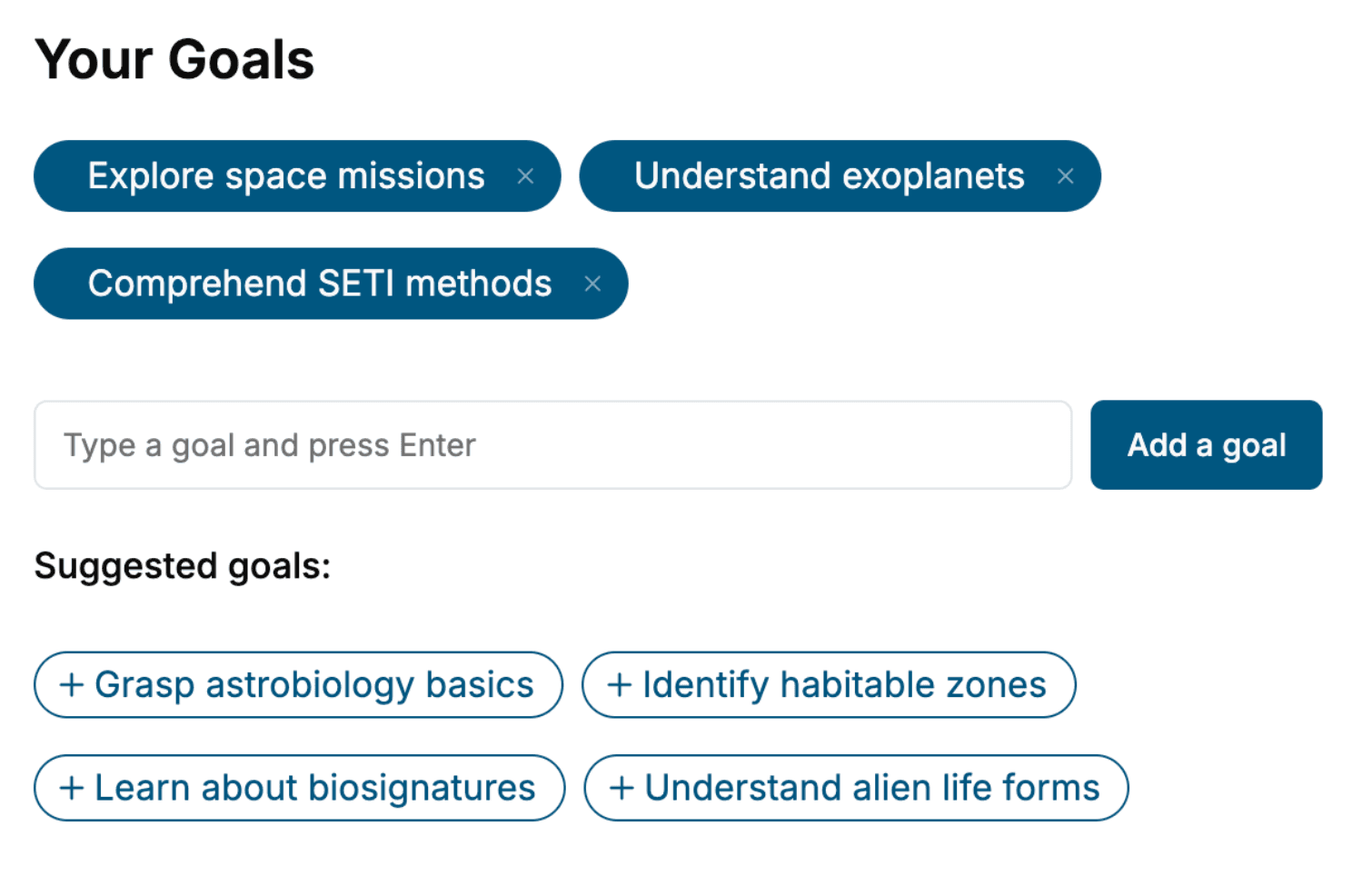
Specify your goals and choose sub-topics to include
- 3. Get your tailored book
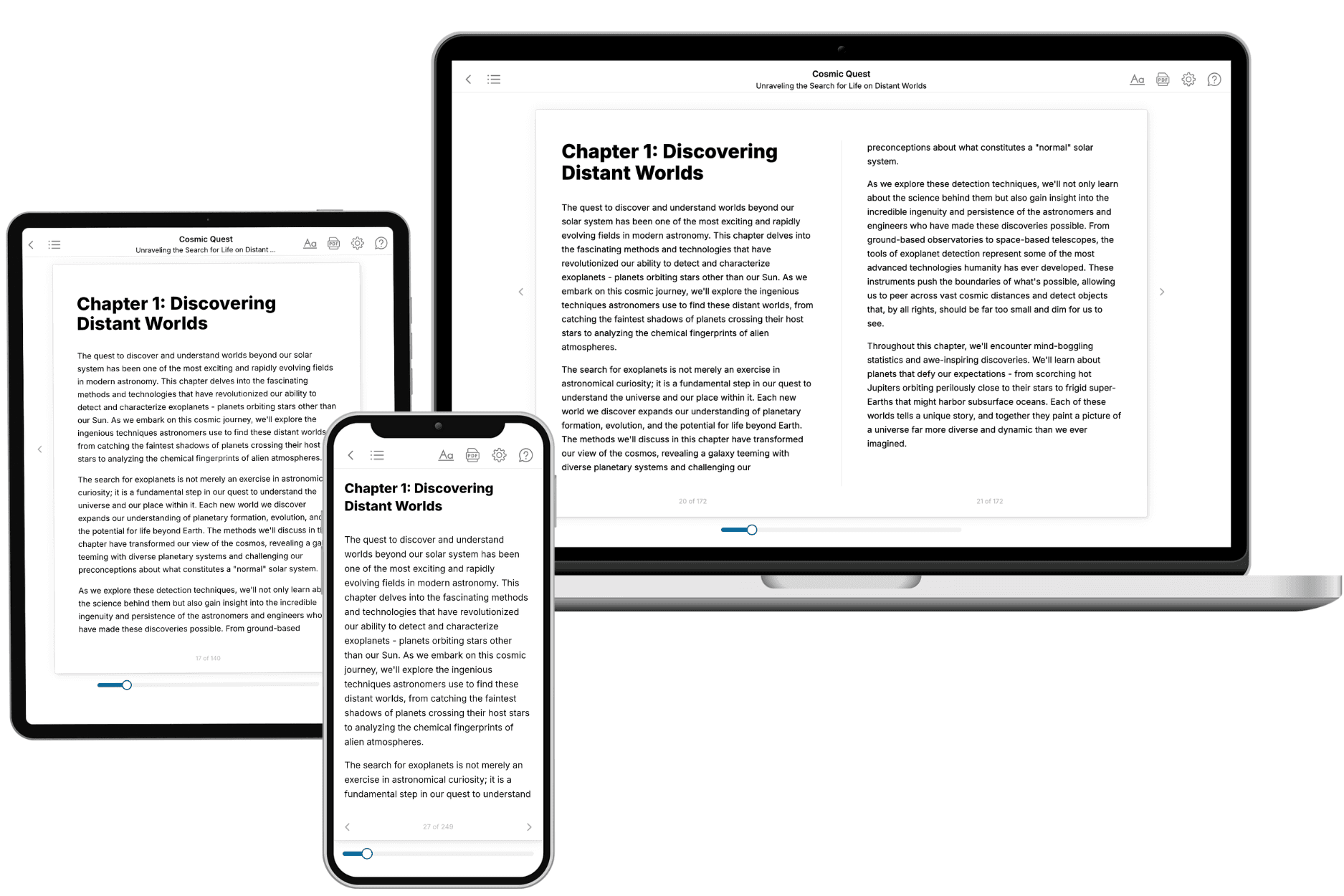
Your book is ready in 10 minutes. Read it online, download as EPUB or PDF, or send to Kindle.

Frequently asked questions
- What is TailoredRead?
TailoredRead creates complete, full-length nonfiction ebooks, written specifically for you. Tell us what you want to learn and why, and TailoredRead writes you a complete ebook on it, with charts, tables, and diagrams throughout. Read it online, on Kindle, or on any e-reader, or download it as a PDF or EPUB. Every book is written fresh the day you order it.
- How is the book tailored to me?
Before anything is written, you answer a few short questions about your goals, your background, and the topics you care about. Your book is then planned around your answers: written at your level, focused on your goals, and covering the topics you chose, instead of the one-size-fits-all book a store sells everyone.
- Will it read like generic AI content?
No. Your book isn't a chat transcript: it's planned chapter by chapter before a single word is written, told in a clear book voice, and explains ideas visually with charts, tables, and diagrams. After writing, every book goes through an editorial pass that polishes chapters so the book reads consistent from start to finish. Judge for yourself: browse thousands of sample books on our Explore Books page.
- How accurate is the content?
Our AI first checks whether your subject needs live research. Niche and fast-moving subjects are researched before writing, and the book plan and chapters are grounded in what it finds. After writing, every book goes through a quality pass that checks its facts and consistency, and researched books list their sources in a Notes section at the back.
- How long is the book?
You choose the length: Comprehensive (250-300 pages), Detailed (150-200 pages), Essential (70-100 pages), or Short (30-50 pages).
- Does the book include visuals?
Yes. Every book includes charts, tables, and diagrams: timelines, checklists, step-by-step guides, decision trees, comparison tables, matrices, and bar charts. A typical book includes dozens of these visual elements.
- Can I read it on Kindle? What formats can I download?
Yes. Every book can be read in our online reader or downloaded as a PDF or EPUB. The EPUB can be opened with Kindle, Apple Books, Kobo, and any e-reader. The Commercial and Author licenses also include an editable Word (DOCX) and Markdown download.
- How much does it cost?
About the price of a regular ebook. The exact price depends on your book's length and complexity, from $2 for the shortest books to $35 for the most comprehensive, and it's shown when you review your book, before you commit to anything. Each book is a one-time purchase, yours to keep, no subscription. Licenses that let you share, teach, or publish your book range from $35.99 to $49.99.
- Can I preview the book before purchasing?
Before you pay, you'll see what your book will cover: the title, a detailed description, the estimated length, and the complete chapter-by-chapter table of contents, so you know what you're getting before you decide. The full text itself is written after you purchase.
- How long does it take to create a book?
About 10 minutes. You can start reading the opening chapters while the rest is still being written.