Smart Grid Mastery
A GIS Developer's Guide to Electricity and Telecom Infrastructure Asset Management
Outdated infrastructure management practices are holding you back from achieving optimal system performance and reliability.
284 pages14 chaptersApr 30, 2025Geographic Information Systems
About this book
Smart Grid Mastery equips you with cutting-edge strategies and tools to revolutionize your approach to electricity and telecom infrastructure asset management. This comprehensive guide bridges the gap between GIS development and asset management, providing you with practical insights to enhance asset tracking, streamline data collection, and automate infrastructure mapping. You'll discover how to leverage your IoT expertise to develop powerful asset lifecycle tools and implement predictive maintenance strategies that significantly boost system reliability. Packed with real-world examples and hands-on exercises, this book empowers you to analyze complex infrastructure data and make informed decisions that drive operational excellence. Whether you're looking to optimize outage management or create more resilient networks, Smart Grid Mastery is your roadmap to becoming an indispensable asset in the evolving landscape of smart infrastructure management.
Table of contents
- IntroductionThe Importance of Asset Management in Modern Infrastructure, The Role of GIS in Infrastructure Management, Book Overview and How to Use This GuideRead below
- Chapter 1: Foundations of Electricity and Telecom InfrastructureKey Components of Electrical Grids, Fundamentals of Telecom Networks, Understanding Infrastructure Interdependencies, The Regulatory Landscape
- Chapter 2: Principles of Infrastructure Asset ManagementThe Asset Lifecycle, Asset Classification and Hierarchies, Risk Assessment and Mitigation Strategies, Key Performance Indicators for Asset Management
- Chapter 3: GIS in Asset ManagementGIS Fundamentals for Asset Management, Spatial Data Models for Infrastructure, GIS Database Design for Asset Management, Web GIS and Cloud-based Solutions
- Chapter 4: Data Collection and IntegrationField Data Collection Techniques, Remote Sensing and Satellite Imagery, LiDAR and Photogrammetry for Infrastructure Mapping, Data Integration and Quality Control
- Chapter 5: Enhanced Asset Tracking SystemsAsset Identification and Tagging Methods, GPS and RFID Technologies for Asset Tracking, Mobile Asset Management Solutions, Real-time Asset Tracking and Monitoring
- Chapter 6: Automating Infrastructure MappingMap Automation Techniques and Tools, Automated Feature Extraction from Imagery, Network Topology Generation, Automated Map Updates and Version Control
- Chapter 7: IoT in Infrastructure ManagementIoT Architecture for Infrastructure Monitoring, Sensor Networks and Data Collection, Edge Computing in Asset Management, IoT Security and Data Privacy
- Chapter 8: Analyzing Infrastructure DataData Preprocessing and Cleaning, Statistical Analysis of Asset Data, Spatial Analysis Techniques, Network Analysis for Infrastructure
- Chapter 9: Asset Lifecycle ModelingUnderstanding Asset Lifecycle Stages, Asset Deterioration Modeling, Lifecycle Cost Analysis, Optimization Techniques for Lifecycle Management
- Chapter 10: Implementing Predictive MaintenanceCondition Monitoring Techniques, Failure Prediction Models, Optimizing Maintenance Scheduling, Predictive Analytics and Machine Learning
- Chapter 11: Enhancing System ReliabilityKey Reliability Metrics and Indicators, Redundancy and Fault-Tolerant Design, Reliability-Centered Maintenance, Strategies for Improving System Resilience
- Chapter 12: Improving Outage ManagementOutage Detection and Localization, Restoration Planning and Prioritization, Crew Management and Dispatch, Customer Communication During Outages
- Chapter 13: Decision Support Systems for Asset ManagementMulti-Criteria Decision Analysis, Risk-Based Decision Making, Scenario Analysis and Simulation, Data Visualization Techniques for Decision Support
- Chapter 14: Future Trends in Infrastructure Asset ManagementAI and Machine Learning Applications, Digital Twins for Infrastructure, Blockchain in Asset Management, Other Emerging Technologies and Their Impact
- ConclusionKey Takeaways, Future Outlook for Infrastructure Asset Management
- Glossary
- Further Reading
Introduction
Welcome to "Smart Grid Mastery: A GIS Developer's Guide to Electricity and Telecom Infrastructure Asset Management." This comprehensive guide is designed to bridge the gap between your expertise in GIS development and the complex world of infrastructure asset management. As a GIS developer with a background in Electronic and Computer Technology and a specialization in IoT, you are uniquely positioned to revolutionize the way electricity and telecom infrastructure assets are managed, monitored, and maintained. This book will provide you with the knowledge, tools, and strategies to elevate your skills and become an indispensable asset in the rapidly evolving field of smart infrastructure management.
In today's interconnected world, the efficient management of electricity and telecom infrastructure is more critical than ever. The increasing complexity of these systems, coupled with the growing demand for reliability and sustainability, has created a need for innovative approaches to asset management. By combining your GIS and IoT expertise with the principles and practices outlined in this book, you will be able to develop cutting-edge solutions that address the challenges faced by utility companies, telecom providers, and infrastructure managers worldwide.
Throughout this book, you will explore a wide range of topics, from the fundamentals of electricity and telecom infrastructure to advanced techniques in data analysis, predictive maintenance, and system reliability. You will learn how to leverage your skills in GIS and IoT to create powerful asset tracking systems, automate infrastructure mapping, and develop sophisticated lifecycle management tools. By the end of this journey, you will have gained a comprehensive understanding of smart grid technology and its applications in infrastructure asset management.
As we embark on this exploration of smart grid mastery, it's important to recognize the transformative potential of the knowledge and skills you will acquire. The integration of GIS, IoT, and asset management principles has the power to significantly improve the efficiency, reliability, and sustainability of critical infrastructure systems. Your role in this transformation is crucial, as you will be at the forefront of developing and implementing the technologies that will shape the future of infrastructure management.
The Importance of Asset Management in Modern Infrastructure
Asset management is the cornerstone of effective infrastructure operation and maintenance. In the context of electricity and telecom systems, it encompasses a wide range of activities, from inventory tracking and condition monitoring to lifecycle planning and risk assessment. The importance of robust asset management practices cannot be overstated, as they directly impact the reliability, efficiency, and longevity of critical infrastructure components.
In today's rapidly evolving technological landscape, traditional approaches to asset management are no longer sufficient to meet the demands of modern infrastructure systems. The increasing complexity of electricity grids and telecom networks, coupled with the growing integration of renewable energy sources and smart devices, has created new challenges and opportunities for asset managers. To address these challenges effectively, a more sophisticated and data-driven approach to asset management is required.
One of the key drivers behind the growing importance of asset management is the aging infrastructure in many developed countries. In the United States alone, the American Society of Civil Engineers has estimated that there is a $2.2 trillion backlog in infrastructure maintenance and upgrades[1]. This aging infrastructure not only poses reliability risks but also increases maintenance costs and reduces operational efficiency. Effective asset management strategies can help prioritize investments, extend asset lifespans, and optimize maintenance schedules, ultimately reducing costs and improving system performance.
Another critical factor driving the importance of asset management is the increasing focus on sustainability and environmental responsibility. As governments and organizations worldwide set ambitious targets for reducing carbon emissions and increasing renewable energy adoption, the role of asset management in supporting these goals becomes more pronounced. By optimizing the performance and efficiency of existing infrastructure assets, effective asset management practices can contribute significantly to reducing energy consumption and minimizing environmental impact.
The rise of smart grid technologies and the Internet of Things (IoT) has also transformed the landscape of asset management. These technologies enable real-time monitoring, data collection, and analysis of infrastructure assets, providing unprecedented visibility into asset performance and condition. This wealth of data, when properly leveraged, can drive more informed decision-making, predictive maintenance strategies, and optimized asset lifecycle management.
Furthermore, the increasing interdependence between electricity and telecom infrastructure underscores the need for integrated asset management approaches. As power grids become more reliant on advanced communication networks for control and monitoring, and as telecom networks depend on reliable power supplies for their operation, managing these assets in isolation is no longer viable. A holistic approach to asset management that considers these interdependencies is essential for ensuring the overall resilience and reliability of critical infrastructure systems.
The regulatory landscape surrounding infrastructure management is also evolving, with many jurisdictions implementing more stringent requirements for asset management practices. For example, the ISO 55000 series of standards provides a global framework for asset management, emphasizing the importance of a systematic approach to managing physical assets throughout their lifecycle[2]. Compliance with these standards and regulations is becoming increasingly important for infrastructure operators, further highlighting the critical role of effective asset management.
As a GIS developer with expertise in IoT, you are uniquely positioned to contribute to the advancement of asset management practices in the electricity and telecom sectors. Your skills in spatial data analysis, database management, and IoT integration can be leveraged to develop powerful tools and systems that support data-driven asset management decisions. By combining your technical expertise with a deep understanding of asset management principles, you can play a crucial role in shaping the future of infrastructure management.
Throughout this book, you will explore various aspects of asset management and learn how to apply your GIS and IoT skills to address key challenges in infrastructure management. From developing sophisticated asset tracking systems to implementing predictive maintenance strategies, you will gain the knowledge and tools necessary to become a leader in the field of smart infrastructure asset management.
The Role of GIS in Infrastructure Management
Geographic Information Systems (GIS) have become an indispensable tool in the realm of infrastructure management, particularly for electricity and telecom networks. As a GIS developer, you are at the forefront of leveraging spatial technologies to revolutionize how infrastructure assets are managed, monitored, and maintained. The integration of GIS with asset management practices offers a powerful approach to addressing the complex challenges faced by infrastructure operators in today's rapidly evolving technological landscape.
At its core, GIS provides a spatial framework for organizing, analyzing, and visualizing infrastructure data. This spatial context is crucial for understanding the relationships between assets, their surrounding environment, and the communities they serve. For electricity and telecom infrastructure, which often spans vast geographic areas, GIS offers a unique ability to manage and analyze data at multiple scales, from individual components to entire network systems.
One of the primary roles of GIS in infrastructure management is in asset inventory and mapping. GIS enables the creation of detailed, accurate, and up-to-date maps of infrastructure assets, including power lines, substations, cell towers, fiber optic cables, and associated equipment. These digital maps serve as a foundational element of asset management systems, providing a comprehensive view of asset locations, attributes, and spatial relationships. The ability to visualize assets in their geographic context allows infrastructure managers to make more informed decisions about maintenance, upgrades, and expansion planning.
Beyond basic mapping, GIS plays a crucial role in spatial analysis for infrastructure management. By leveraging spatial algorithms and analytical tools, GIS enables complex queries and analyses that can reveal patterns, trends, and insights that might otherwise go unnoticed. For example, GIS can be used to identify areas of high asset concentration, analyze the spatial distribution of asset failures, or assess the potential impact of natural disasters on infrastructure networks. These spatial analyses can inform risk assessment, maintenance prioritization, and resource allocation decisions.
The integration of GIS with other technologies, such as GPS and remote sensing, further enhances its capabilities in infrastructure management. GPS-enabled field data collection tools allow for accurate and efficient updating of asset information, while remote sensing technologies like LiDAR and satellite imagery provide valuable data for large-scale infrastructure mapping and monitoring. As a GIS developer, you can leverage these integrations to develop sophisticated asset tracking systems and automate infrastructure mapping processes.
In the context of smart grid technologies, GIS plays a pivotal role in supporting advanced grid management functions. For example, GIS can be used to model and analyze power flow in electrical networks, optimize the placement of smart meters and sensors, and support outage management systems. By integrating GIS with Supervisory Control and Data Acquisition (SCADA) systems and other operational technologies, utilities can create comprehensive situational awareness platforms that enhance grid reliability and responsiveness.
The role of GIS in infrastructure management extends beyond operational support to strategic planning and decision-making. By providing a spatial framework for integrating diverse datasets – including demographic information, environmental data, and economic indicators – GIS enables more holistic approaches to infrastructure planning and investment. For instance, GIS can be used to analyze the potential impact of population growth on infrastructure demand, assess the environmental implications of new infrastructure projects, or optimize the routing of new power lines or fiber optic cables.
As infrastructure systems become increasingly complex and interconnected, the ability of GIS to model and analyze network relationships becomes ever more valuable. Network analysis tools in GIS can be used to trace connectivity in electricity and telecom networks, identify critical nodes and potential points of failure, and support resilience planning. These capabilities are particularly important in the context of smart grid development, where understanding the interdependencies between power and communication networks is crucial.
The advent of web-based and cloud GIS technologies has further expanded the role of GIS in infrastructure management by enabling real-time data sharing, collaboration, and decision support. Web GIS platforms allow infrastructure managers to access critical asset information from anywhere, facilitating more agile and responsive asset management practices. Cloud-based GIS solutions offer scalable computing resources for handling large volumes of infrastructure data and performing complex spatial analyses.
As a GIS developer specializing in IoT, you have the opportunity to push the boundaries of GIS applications in infrastructure management even further. The integration of GIS with IoT technologies opens up new possibilities for real-time asset monitoring, predictive maintenance, and dynamic infrastructure management. By combining spatial analytics with streaming data from IoT sensors, you can develop advanced decision support systems that provide unprecedented insights into infrastructure performance and condition.
Throughout this book, you will explore various applications of GIS in electricity and telecom infrastructure management. From designing spatial data models for asset management to implementing advanced spatial analysis techniques, you will gain the knowledge and skills necessary to leverage GIS effectively in addressing complex infrastructure challenges. By mastering these concepts and techniques, you will be well-equipped to drive innovation in the field of smart infrastructure management and contribute to the development of more resilient, efficient, and sustainable infrastructure systems.
Book Overview and How to Use This Guide
"Smart Grid Mastery: A GIS Developer's Guide to Electricity and Telecom Infrastructure Asset Management" is designed to be a comprehensive resource that will take you on a journey from the fundamentals of infrastructure asset management to advanced applications of GIS and IoT technologies in smart grid systems. This guide is structured to build your knowledge progressively, allowing you to develop a deep understanding of both the theoretical concepts and practical applications of smart infrastructure management.
The book is organized into 14 chapters, each focusing on a specific aspect of electricity and telecom infrastructure asset management. The content is tailored to your background as a GIS developer with expertise in IoT, aiming to leverage your existing skills while introducing new concepts and techniques specific to infrastructure management. Here's an overview of what you can expect from each chapter:
1. Foundations of Electricity and Telecom Infrastructure: This chapter will provide you with a solid understanding of the key components of electrical grids and telecom networks, their interdependencies, and the regulatory landscape governing these sectors. This foundational knowledge is crucial for contextualizing the asset management challenges and solutions discussed in later chapters.
2. Principles of Infrastructure Asset Management: Here, you'll explore the core concepts of asset management, including the asset lifecycle, classification systems, risk assessment methodologies, and key performance indicators. This chapter will help you understand the strategic importance of asset management in infrastructure operations.
3. GIS in Asset Management: Building on your GIS expertise, this chapter delves into the specific applications of GIS in infrastructure asset management. You'll learn about spatial data models for infrastructure, GIS database design considerations, and the role of web GIS and cloud-based solutions in modern asset management practices.
4. Data Collection and Integration: This chapter covers various techniques for collecting and integrating infrastructure data, including field data collection, remote sensing, LiDAR, and photogrammetry. You'll gain insights into best practices for ensuring data quality and consistency in asset management systems.
5. Enhanced Asset Tracking Systems: Leveraging your IoT background, this chapter explores advanced asset tracking technologies and methodologies. You'll learn how to design and implement real-time asset tracking solutions that integrate with GIS platforms.
6. Automating Infrastructure Mapping: Here, you'll discover techniques for automating the creation and updating of infrastructure maps. This chapter covers topics such as feature extraction from imagery, network topology generation, and version control for map updates.
7. IoT in Infrastructure Management: This chapter dives deep into the application of IoT technologies in infrastructure monitoring and management. You'll explore IoT architectures for infrastructure, sensor networks, edge computing, and IoT security considerations.
8. Analyzing Infrastructure Data: Building on your data analysis skills, this chapter introduces statistical and spatial analysis techniques specific to infrastructure data. You'll learn how to preprocess and clean infrastructure data, perform network analysis, and derive meaningful insights from complex datasets.
9. Asset Lifecycle Modeling: This chapter focuses on advanced techniques for modeling asset lifecycles, including deterioration modeling, lifecycle cost analysis, and optimization techniques for lifecycle management.
10. Implementing Predictive Maintenance: Here, you'll explore the cutting-edge field of predictive maintenance, learning about condition monitoring techniques, failure prediction models, and the application of machine learning in maintenance optimization.
11. Enhancing System Reliability: This chapter covers strategies for improving the reliability and resilience of infrastructure systems, including redundancy design, reliability-centered maintenance, and system resilience strategies.
12. Improving Outage Management: Building on the previous chapters, you'll learn how to apply your skills to enhance outage management processes, including outage detection, restoration planning, and customer communication strategies.
13. Decision Support Systems for Asset Management: This chapter focuses on the development of decision support tools for infrastructure management, covering multi-criteria decision analysis, risk-based decision making, and data visualization techniques.
14. Future Trends in Infrastructure Asset Management: The final chapter looks ahead to emerging technologies and trends that are shaping the future of infrastructure management, including AI and machine learning applications, digital twins, and blockchain technology.
To get the most out of this guide, it's recommended that you work through the chapters sequentially, as each builds upon the knowledge and skills developed in previous sections. However, if you have specific areas of interest or immediate project needs, you can also use the book as a reference, focusing on relevant chapters as needed.
Throughout the book, you'll find practical examples, case studies, and hands-on exercises that will help you apply the concepts to real-world scenarios. Code snippets and sample datasets are provided to illustrate key techniques and allow you to practice implementing solutions. It's highly encouraged that you work through these exercises and experiment with the provided code to reinforce your learning and develop practical skills.
Additionally, each chapter includes references to further reading and resources, allowing you to delve deeper into specific topics of interest. The glossary at the end of the book provides quick reference to key terms and concepts, while the further reading section offers a curated list of additional resources for continued learning.
As you progress through the book, keep in mind that the field of smart infrastructure management is rapidly evolving. The principles and techniques you'll learn here provide a solid foundation, but it's important to stay curious and continue exploring new developments in the field. Your unique combination of GIS and IoT expertise positions you to be at the forefront of innovation in infrastructure asset management.
By the end of this guide, you'll have gained a comprehensive understanding of electricity and telecom infrastructure asset management, along with the skills to develop advanced GIS and IoT solutions for smart grid applications. Whether your goal is to enhance your current role, transition into a specialized infrastructure management position, or develop innovative products and services for the industry, this book will provide you with the knowledge and tools to succeed in the exciting field of smart infrastructure management.
This is the end of the free sample. The full book has 14 chapters.
Want this book written for you?
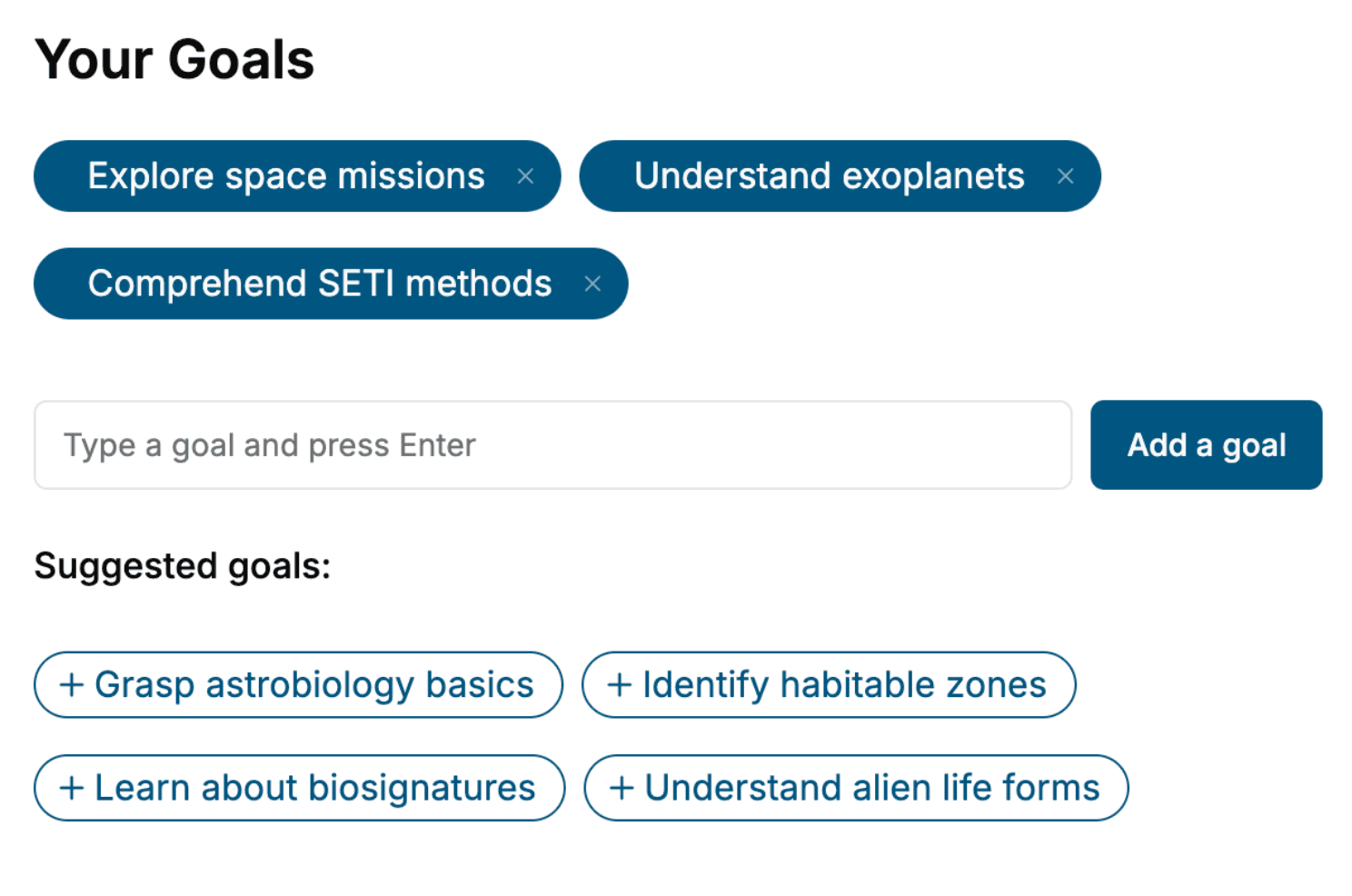
Tell us your goals and background, and get your own version of this book, tailored by AI to you.


Benefits of AI-tailored books
- Read one book, not ten:
- all the Geographic Information Systems knowledge you need, gathered into a single book.
- Save days of learning:
- tell us your goals, choose your topics, and the whole book is built around them.
- Learn effortlessly:
- Geographic Information Systems book written for your specific background and expertise.
- Understand at a glance:
- includes charts, tables, timelines, checklists, decision trees, and more.
- Stay current:
- written the day you order it, not years ago.
- Trust what you read:
- every book is checked for accuracy, with real research when your subject needs it.
Create your unique book in 3 steps
- 1. Select your focus
Select the focus of your Geographic Information Systems book and share your background
- 2. Personalize your book
Specify your goals and choose sub-topics to include
- 3. Get your tailored book
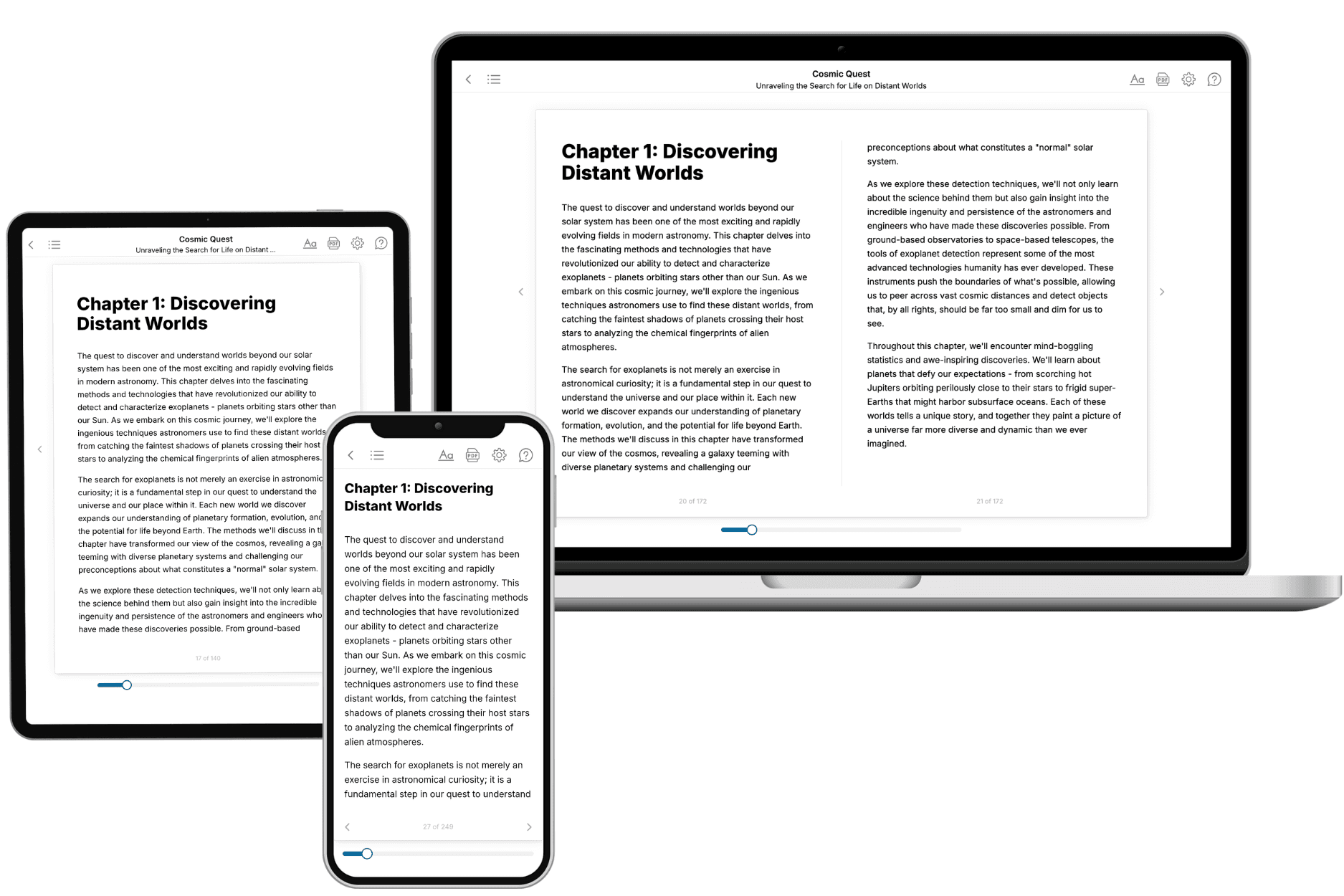
Your book is ready in 10 minutes. Read it online, download as EPUB or PDF, or send to Kindle.

Frequently asked questions
- What is TailoredRead?
TailoredRead creates complete, full-length nonfiction ebooks, written specifically for you. Tell us what you want to learn and why, and TailoredRead writes you a complete ebook on it, with charts, tables, and diagrams throughout. Read it online, on Kindle, or on any e-reader, or download it as a PDF or EPUB. Every book is written fresh the day you order it.
- How is the book tailored to me?
Before anything is written, you answer a few short questions about your goals, your background, and the topics you care about. Your book is then planned around your answers: written at your level, focused on your goals, and covering the topics you chose, instead of the one-size-fits-all book a store sells everyone.
- Will it read like generic AI content?
No. Your book isn't a chat transcript: it's planned chapter by chapter before a single word is written, told in a clear book voice, and explains ideas visually with charts, tables, and diagrams. After writing, every book goes through an editorial pass that polishes chapters so the book reads consistent from start to finish. Judge for yourself: browse thousands of sample books on our Explore Books page.
- How accurate is the content?
Our AI first checks whether your subject needs live research. Niche and fast-moving subjects are researched before writing, and the book plan and chapters are grounded in what it finds. After writing, every book goes through a quality pass that checks its facts and consistency, and researched books list their sources in a Notes section at the back.
- How long is the book?
You choose the length: Comprehensive (250-300 pages), Detailed (150-200 pages), Essential (70-100 pages), or Short (30-50 pages).
- Does the book include visuals?
Yes. Every book includes visual elements such as timelines, checklists, step-by-step guides, decision trees, comparison tables, and matrices, and many include bar charts. A typical book includes dozens of these visual elements.
- Can I read it on Kindle? What formats can I download?
Yes. Every book can be read in our online reader or downloaded as a PDF or EPUB. The EPUB can be opened with Kindle, Apple Books, Kobo, and any e-reader. The Commercial and Author licenses also include an editable Word (DOCX) and Markdown download.
- How much does it cost?
About the price of a regular ebook. The exact price depends on your book's length and complexity, from $2 for the shortest books to $35 for the most comprehensive, and it's shown when you review your book, before you commit to anything. Each book is a one-time purchase, yours to keep, no subscription. Licenses that let you share, teach, or publish your book range from $35.99 to $49.99.
- Can I preview the book before purchasing?
Before you pay, you'll see what your book will cover: the title, a detailed description, the estimated length, and the complete chapter-by-chapter table of contents, so you know what you're getting before you decide. The full text itself is written after you purchase.
- How long does it take to create a book?
About 10 minutes. You can start reading the opening chapters while the rest is still being written.