Speak Up, Stand Strong
A Step-by-Step Guide to Assertive Communication and Conflict Resolution
Picture yourself confidently expressing your thoughts and needs, navigating conflicts with ease, and fostering positive relationships in both your personal and professional life.
315 pages16 chaptersSep 8, 2025Communication Skills
About this book
This future is within your reach. "Speak Up, Stand Strong" is your comprehensive guide to mastering assertive communication and conflict resolution. You'll discover practical strategies to overcome social anxiety, set healthy boundaries, and express yourself clearly and confidently. Through a series of engaging exercises and real-world scenarios, you'll learn to manage criticism constructively, develop emotional control, and cultivate self-awareness. This book goes beyond theory, offering you actionable techniques to implement in your daily life. You'll gain insights into the psychology of assertiveness, learn to identify your personal triggers, and develop a toolkit of responses for various challenging situations. By the end of this journey, you'll have transformed your approach to communication, equipped with the skills to navigate conflicts, negotiate effectively, and build stronger, more authentic relationships. Whether you're looking to advance in your career, improve your personal relationships, or simply feel more confident in social interactions, "Speak Up, Stand Strong" provides the roadmap to becoming the assertive, self-assured individual you've always wanted to be.
Table of contents
- IntroductionWhy Assertiveness Matters, Overview of the Book, How to Use This Guide, Self-Assessment: Where Are You Now?Read below
- Chapter 1: Understanding AssertivenessDefining Assertiveness, Assertive vs. Passive, Aggressive, and Passive-Aggressive Behavior, The Benefits of Being Assertive, Common Myths About Assertiveness
- Chapter 2: Developing Self-AwarenessIdentifying Your Personal Values, Recognizing Your Strengths and Weaknesses, Understanding Your Emotional Triggers, The Power of Positive Self-Talk
- Chapter 3: Building Self-ConfidenceNurturing Self-Esteem, Using Positive Affirmations, Confident Body Language, Overcoming Fear of Rejection
- Chapter 4: Mastering Communication BasicsThe Art of Active Listening, Reading and Using Nonverbal Cues, Expressing Thoughts and Feelings Clearly, Developing Empathy in Communication
- Chapter 5: Essential Assertive TechniquesUsing 'I' Statements Effectively, The Broken Record Technique, Fogging: Deflecting Criticism, The Assertiveness Escalation Ladder
- Chapter 6: Setting and Maintaining BoundariesIdentifying Your Personal Boundaries, Communicating Boundaries Clearly, Enforcing Boundaries Consistently, Respecting Others' Boundaries
- Chapter 7: Understanding ConflictThe Nature of Conflict, Different Conflict Styles, The Conflict Cycle, Seeing Conflict as an Opportunity
- Chapter 8: Preparing for Conflict ResolutionAnalyzing the Conflict Situation, Emotional Preparation Techniques, Setting Clear Goals for Resolution, Preparing Assertive Scripts
- Chapter 9: Engaging in Conflict ResolutionInitiating the Conversation, Active Listening During Conflict, Expressing Needs and Concerns, Collaborating on Solutions
- Chapter 10: Navigating Difficult ConversationsGiving Constructive Feedback, Receiving and Responding to Criticism, Saying No Without Guilt, Addressing Unacceptable Behavior
- Chapter 11: Assertive Negotiation TechniquesStriving for Win-Win Outcomes, Focusing on Interests, Not Positions, Generating Multiple Options, The Art of Compromise
- Chapter 12: Emotional Regulation in ConflictIdentifying and Naming Emotions, Managing Stress and Anxiety, Techniques to Stay Calm Under Pressure, Developing Emotional Intelligence
- Chapter 13: Assertiveness in the WorkplaceSetting Professional Boundaries, Dealing with Difficult Colleagues, Asking for a Raise or Promotion, Navigating Team Dynamics
- Chapter 14: Assertiveness in Personal RelationshipsNavigating Family Dynamics, Assertiveness in Romantic Relationships, Maintaining Healthy Friendships, Being Assertive in Social Situations
- Chapter 15: Advanced Assertiveness TechniquesUsing Meta-Communication, Reframing Negative Situations, Employing Assertive Humor, Basic Conflict Mediation Skills
- Chapter 16: Forming Assertive HabitsIncorporating Daily Practice, The Importance of Self-Reflection, Creating Accountability Systems, Overcoming Setbacks and Plateaus
- ConclusionKey Takeaways, Continuing Your Journey of Growth
- AppendixSample Assertive Scripts, Additional Exercises
- Glossary
Introduction
Welcome to "Speak Up, Stand Strong: A Step-by-Step Guide to Assertive Communication and Conflict Resolution." This book is your comprehensive roadmap to developing the assertiveness skills you need to navigate both personal and professional relationships with confidence and ease. Whether you're struggling to express your needs, set boundaries, or manage conflicts effectively, the strategies and techniques outlined in this guide will empower you to communicate more assertively and build stronger, more authentic connections with others.
As a young accountant with a bachelor's degree, you may find yourself facing numerous challenges in your daily interactions. Perhaps you struggle to voice your opinions in team meetings, find it difficult to negotiate with clients, or feel overwhelmed when confronted with workplace conflicts. In your personal life, you might hesitate to express your true feelings to friends and family, or find yourself agreeing to commitments you'd rather avoid. These are common experiences for many individuals, and they often stem from a lack of assertiveness skills.
The good news is that assertiveness is not an innate trait but a learnable skill. With dedication and practice, you can develop the confidence and communication techniques necessary to express yourself clearly, set healthy boundaries, and navigate conflicts constructively. This book will guide you through this transformative journey, providing you with practical strategies, real-world examples, and actionable exercises to help you become more assertive in all areas of your life.
Why Assertiveness Matters
Assertiveness is a crucial life skill that impacts every aspect of our personal and professional lives. It's the foundation upon which we build healthy relationships, achieve our goals, and maintain our self-respect. When we lack assertiveness, we often find ourselves in situations where our needs are overlooked, our boundaries are crossed, and our self-esteem suffers. This can lead to feelings of frustration, resentment, and even burnout.
In the workplace, assertiveness is essential for career growth and job satisfaction. It enables you to communicate your ideas effectively, negotiate for better opportunities, and collaborate more productively with colleagues. A study by the Harvard Business Review found that employees who demonstrate assertive communication skills are 54% more likely to be promoted to leadership positions compared to their less assertive counterparts[1]. This highlights the significant impact that assertiveness can have on your professional trajectory.
In personal relationships, assertiveness fosters mutual respect and understanding. It allows you to express your thoughts, feelings, and needs openly and honestly, while also respecting the rights and perspectives of others. This leads to more balanced and fulfilling relationships, where both parties feel heard and valued. Research published in the Journal of Personality and Social Psychology has shown that individuals who practice assertive communication report higher levels of relationship satisfaction and lower levels of interpersonal conflict[2].
Moreover, assertiveness is closely linked to mental health and well-being. When you're able to stand up for yourself and communicate your needs effectively, you're less likely to experience the stress and anxiety that often accompany suppressed emotions or unresolved conflicts. A meta-analysis published in the Journal of Counseling Psychology found that assertiveness training programs led to significant improvements in self-esteem, reduced social anxiety, and increased overall psychological well-being[3].
Assertiveness also plays a crucial role in conflict resolution. When conflicts arise, assertive individuals are better equipped to address issues directly, seek mutually beneficial solutions, and maintain positive relationships even in challenging situations. This skill is invaluable in both personal and professional contexts, where the ability to navigate disagreements constructively can make the difference between strained relationships and strengthened bonds.
By developing your assertiveness skills, you're investing in your personal growth, career advancement, and overall quality of life. The techniques and strategies you'll learn in this book will empower you to:
- Communicate your thoughts, feelings, and needs clearly and respectfully
- Set and maintain healthy boundaries in all your relationships
- Handle criticism and feedback constructively
- Negotiate effectively for your interests
- Resolve conflicts in a way that strengthens, rather than damages, relationships
- Build greater self-confidence and self-esteem
- Reduce stress and anxiety in social and professional situations
- Create more authentic and satisfying relationships
As you progress through this book, you'll discover that assertiveness is not about being aggressive or domineering. Instead, it's about finding the balance between passivity and aggression – a middle ground where you can express yourself honestly and directly while still respecting the rights and feelings of others. This balanced approach to communication will open doors to new opportunities, deeper connections, and a greater sense of personal empowerment.
Remember, becoming more assertive is a journey, not a destination. It requires patience, practice, and a willingness to step out of your comfort zone. But with each small step you take, you'll be building the confidence and skills needed to navigate life's challenges more effectively. The rewards of this journey – improved relationships, career advancement, and enhanced self-esteem – are well worth the effort.
Overview of the Book
"Speak Up, Stand Strong" is designed to take you on a comprehensive journey towards mastering assertive communication and conflict resolution. The book is structured to provide a logical progression from understanding the basics of assertiveness to applying advanced techniques in various life situations. Each chapter builds upon the previous ones, allowing you to gradually develop your skills and confidence.
We begin by laying a strong foundation in Chapter 1, "Understanding Assertiveness." Here, you'll learn what assertiveness truly means, how it differs from passive, aggressive, and passive-aggressive behaviors, and the numerous benefits it can bring to your life. This chapter will help you recognize assertive behavior in yourself and others, dispelling common myths that may have held you back from embracing assertiveness.
Chapter 2, "Developing Self-Awareness," focuses on the crucial first step in becoming more assertive: understanding yourself. You'll explore your personal values, strengths, and weaknesses, and learn to identify the emotional triggers that can impact your ability to communicate assertively. This self-knowledge will serve as a compass, guiding your assertive behaviors and helping you stay true to yourself in challenging situations.
Building on this self-awareness, Chapter 3 delves into "Building Self-Confidence." Here, you'll discover practical strategies for boosting your self-esteem, using positive affirmations effectively, and projecting confidence through your body language. This chapter also addresses the common fear of rejection that often holds people back from asserting themselves, providing you with tools to overcome this barrier.
Chapter 4, "Mastering Communication Basics," equips you with the fundamental skills needed for effective assertive communication. You'll learn the art of active listening, how to read and use nonverbal cues, and techniques for expressing your thoughts and feelings clearly. This chapter also emphasizes the importance of empathy in communication, helping you balance assertiveness with sensitivity to others' perspectives.
In Chapter 5, we dive into "Essential Assertive Techniques." This chapter introduces you to powerful tools such as using "I" statements, the broken record technique, and fogging to deflect criticism. You'll also learn about the assertiveness escalation ladder, which provides a structured approach to gradually increasing your assertiveness in challenging situations.
Chapter 6 focuses on "Setting and Maintaining Boundaries," a crucial aspect of assertiveness. You'll learn how to identify your personal boundaries, communicate them clearly to others, and enforce them consistently. This chapter also addresses the importance of respecting others' boundaries, ensuring that your assertiveness doesn't cross the line into aggression.
Chapters 7, 8, and 9 form a comprehensive guide to conflict resolution. Starting with "Understanding Conflict," you'll explore the nature of conflict, different conflict styles, and how to view conflict as an opportunity for growth rather than a threat. "Preparing for Conflict Resolution" equips you with strategies to analyze conflict situations, prepare emotionally, and set clear goals for resolution. "Engaging in Conflict Resolution" then guides you through the process of initiating difficult conversations, actively listening during conflicts, expressing your needs and concerns, and collaborating on solutions.
Chapter 10, "Navigating Difficult Conversations," addresses specific challenging scenarios you're likely to encounter. You'll learn how to give constructive feedback, receive and respond to criticism gracefully, say no without feeling guilty, and address unacceptable behavior in others.
Chapter 11 introduces "Assertive Negotiation Techniques," teaching you how to strive for win-win outcomes, focus on interests rather than positions, generate multiple options, and master the art of compromise. These skills are invaluable in both personal and professional settings, helping you achieve your goals while maintaining positive relationships.
In Chapter 12, we explore "Emotional Regulation in Conflict," a critical skill for maintaining assertiveness in high-stress situations. You'll learn techniques for identifying and managing your emotions, staying calm under pressure, and developing greater emotional intelligence.
Chapters 13 and 14 apply the principles of assertiveness to specific contexts. "Assertiveness in the Workplace" addresses common professional challenges, such as setting boundaries with colleagues, dealing with difficult coworkers, asking for a raise or promotion, and navigating team dynamics. "Assertiveness in Personal Relationships" focuses on applying assertive communication in family dynamics, romantic relationships, friendships, and social situations.
Chapter 15 introduces "Advanced Assertiveness Techniques," including meta-communication, reframing negative situations, using assertive humor, and basic conflict mediation skills. These advanced strategies will help you handle even the most complex interpersonal challenges with confidence and skill.
Finally, Chapter 16 on "Forming Assertive Habits" provides guidance on incorporating assertiveness into your daily life. You'll learn the importance of consistent practice, self-reflection, and creating accountability systems to ensure that your newfound assertiveness skills become ingrained habits.
Throughout the book, you'll find practical exercises, real-world examples, and actionable advice to help you apply what you've learned. By the time you reach the conclusion, you'll have a comprehensive toolkit of assertiveness and conflict resolution strategies at your disposal, ready to be applied in every area of your life.
How to Use This Guide
To get the most out of "Speak Up, Stand Strong," it's important to approach this book not just as a source of information, but as a practical guide for personal transformation. Here are some strategies to help you maximize your learning and effectively implement the assertiveness skills presented in this book:
1. Read Sequentially: While it may be tempting to jump to chapters that address your most pressing concerns, the book is designed to build your skills progressively. Each chapter builds on the concepts and techniques introduced in previous sections. By reading the book from start to finish, you'll develop a comprehensive understanding of assertiveness and how all the pieces fit together.
2. Take Your Time: Don't rush through the material. Give yourself time to absorb each concept and reflect on how it applies to your life. It's better to read one chapter thoroughly and practice its techniques for a week than to skim through several chapters without internalizing the information.
3. Engage with the Exercises: Throughout the book, you'll find various exercises designed to help you practice and internalize the skills being taught. Don't skip these! They are crucial for transforming theoretical knowledge into practical skills. Set aside dedicated time to complete these exercises thoughtfully.
4. Keep a Journal: Consider maintaining an "Assertiveness Journal" as you work through the book. Use it to record your thoughts, insights, and experiences as you practice new assertiveness techniques. This journal will serve as a valuable tool for self-reflection and tracking your progress over time.
5. Practice Regularly: Assertiveness is a skill that improves with practice. Look for opportunities in your daily life to apply the techniques you're learning. Start with low-stakes situations and gradually work your way up to more challenging ones as your confidence grows.
6. Be Patient with Yourself: Remember that developing assertiveness is a process, and it's normal to experience setbacks or moments of discomfort along the way. Be kind to yourself and view mistakes as learning opportunities rather than failures.
7. Seek Support: Consider sharing your assertiveness journey with a trusted friend, family member, or mentor. Having someone to discuss your experiences with can provide valuable perspective and encouragement.
8. Customize Your Approach: While the book provides a wealth of strategies and techniques, not every approach will resonate equally with everyone. Pay attention to which methods feel most natural and effective for you, and focus on developing those skills further.
9. Review and Revisit: As you progress through the book, don't hesitate to revisit earlier chapters to reinforce key concepts. You may find that certain ideas take on new meaning as you gain more experience and insight.
10. Set Realistic Goals: At the beginning of each chapter, set specific, achievable goals for what you want to learn or improve. At the end of the chapter, assess your progress and adjust your goals as needed.
11. Create Action Plans: After completing each chapter, create a concrete action plan for implementing what you've learned. This could include specific situations where you'll practice new techniques or habits you want to develop.
12. Celebrate Your Progress: Take time to acknowledge and celebrate your growth, no matter how small. Recognizing your improvements will boost your motivation and reinforce your commitment to becoming more assertive.
Remember, the ultimate goal of this book is not just to impart knowledge, but to facilitate real change in your life. By actively engaging with the material, consistently practicing the techniques, and reflecting on your experiences, you'll be well on your way to becoming a more assertive, confident, and effective communicator.
As you embark on this journey, keep in mind that everyone's path to assertiveness is unique. Be patient with yourself, stay committed to your growth, and trust in the process. The skills you develop through this book have the power to transform not only your communication style but also your relationships, career prospects, and overall quality of life.
Self-Assessment: Where Are You Now?
Before diving into the strategies and techniques for developing assertiveness, it's crucial to establish a baseline understanding of your current communication style and assertiveness level. This self-assessment will help you identify your strengths and areas for improvement, allowing you to tailor your learning journey and measure your progress as you work through the book.
Take a moment to reflect on your typical behaviors and reactions in various situations. Be honest with yourself – this assessment is for your benefit, and recognizing areas where you struggle is the first step towards improvement. Consider the following questions and rate yourself on a scale of 1 to 5, where 1 means "rarely or never" and 5 means "almost always or always":
1. I express my opinions, even when they differ from others'.
2. I can say "no" to requests without feeling guilty.
3. I ask for what I want or need directly.
4. I handle criticism without becoming defensive.
5. I'm comfortable giving constructive feedback to others.
6. I stand up for my rights when I feel they're being violated.
7. I express my feelings openly, both positive and negative.
8. I make eye contact when speaking to others.
9. I speak with a clear, confident voice.
10. I'm able to disagree with others without becoming aggressive.
11. I initiate conversations about issues or conflicts rather than avoiding them.
12. I negotiate for my interests in professional settings.
13. I set clear boundaries in my personal relationships.
14. I acknowledge my mistakes without excessive apologizing.
15. I express my needs in intimate relationships.
16. I speak up in group or team settings.
17. I maintain my position when pressured to change.
18. I ask for clarification when I don't understand something.
19. I'm comfortable with silences in conversation.
20. I address problems with products or services directly with providers.
After completing this self-assessment, tally your scores. A total score of 80-100 suggests a high level of assertiveness, 60-79 indicates moderate assertiveness, 40-59 suggests room for improvement, and below 40 indicates a significant need for developing assertiveness skills.
However, the overall score is just part of the picture. Pay attention to the specific areas where you scored lower. These represent opportunities for growth and will help you focus your efforts as you work through the book. For example, if you scored low on items related to expressing opinions or disagreeing with others, you may want to pay particular attention to the chapters on communication basics and handling difficult conversations.
It's also valuable to consider specific situations or relationships where you find assertiveness particularly challenging. Are there certain people (e.g., authority figures, romantic partners, or specific colleagues) with whom you struggle to assert yourself? Are there particular types of interactions (e.g., giving feedback, asking for a raise, or setting boundaries) that you find especially difficult? Jot down these situations in your journal, as they will serve as important reference points and potential areas for focused practice as you develop your assertiveness skills.
Remember, this self-assessment is not about judgment. Everyone has areas where they can improve, and recognizing these areas is a sign of self-awareness and a commitment to personal growth. As you progress through the book, you'll gain the tools and strategies to address these challenges and become more assertive across all areas of your life.
Consider retaking this assessment periodically as you work through the book – perhaps after every few chapters or once you've completed the entire book. This will allow you to track your progress and see how your assertiveness skills are developing over time. You may find that some areas improve quickly, while others require more sustained effort. This is entirely normal and part of the personal growth process.
As you embark on this journey to develop your assertiveness, keep in mind that change takes time and practice. Be patient with yourself and celebrate small victories along the way. Each time you successfully assert yourself, even in a minor situation, you're building the confidence and skills needed for more significant challenges.
Throughout the book, you'll find more specific assessments and exercises tailored to particular aspects of assertiveness. These will help you delve deeper into specific skills and behaviors, providing a more nuanced understanding of your strengths and areas for improvement. Use these tools in conjunction with this initial self-assessment to create a comprehensive picture of your assertiveness journey.
Remember, the goal is not to become assertive overnight, but to steadily build your skills and confidence over time. By the end of this book, you'll have a wealth of strategies at your disposal and a clear understanding of how to apply them in various situations. Your initial self-assessment serves as a starting point – a snapshot of where you are now. From here, you'll begin the exciting process of transforming your communication style and enhancing your ability to navigate both personal and professional relationships with greater confidence and effectiveness.
Notes
Introduction
- 1. D. R. Ames, Pushing up to a point: Assertiveness and effectiveness in leadership and interpersonal dynamics, Research in Organizational Behavior, 2009
- 2. P. Noller and A. White, "The validity of the Communication Patterns Questionnaire," Psychological Assessment: A Journal of Consulting and Clinical Psychology, 1990
- 3. R. F. Rakos, Assertive behavior, London: Routledge, 1991
This is the end of the free sample. The full book has 16 chapters.
Want this book written for you?
Tell us your goals and background, and get your own version of this book, tailored by AI to you.


Benefits of AI-tailored books
- Read one book, not ten:
- all the Communication Skills knowledge you need, gathered into a single book.
- Save days of learning:
- tell us your goals, choose your topics, and the whole book is built around them.
- Learn effortlessly:
- Communication Skills book written for your specific background and expertise.
- Understand at a glance:
- includes charts, tables, timelines, checklists, decision trees, and more.
- Stay current:
- written the day you order it, not years ago.
- Trust what you read:
- every book is checked for accuracy, with real research when your subject needs it.
Create your unique book in 3 steps
- 1. Select your focus
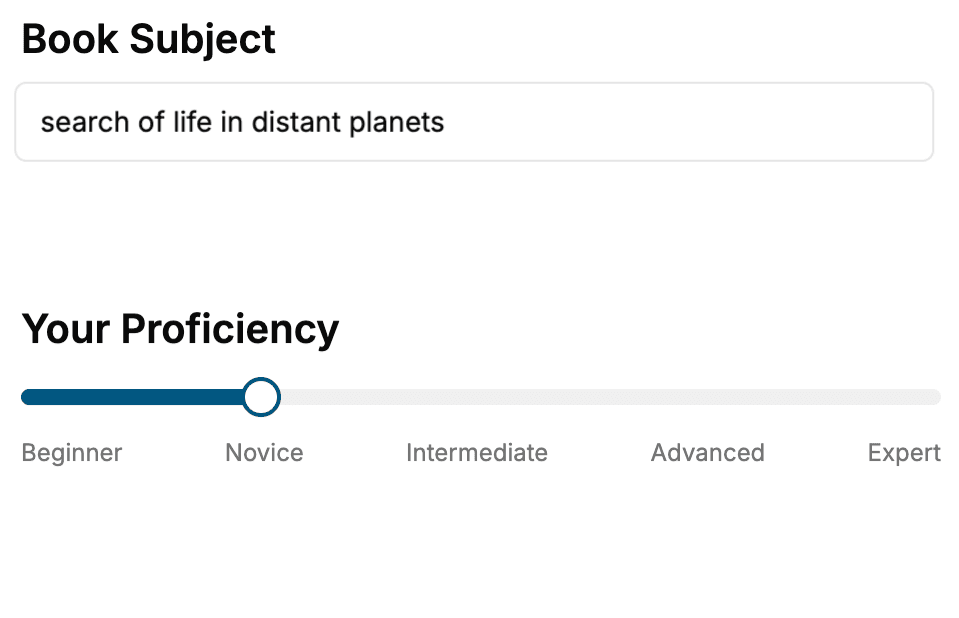
Select the focus of your Communication Skills book and share your background
- 2. Personalize your book
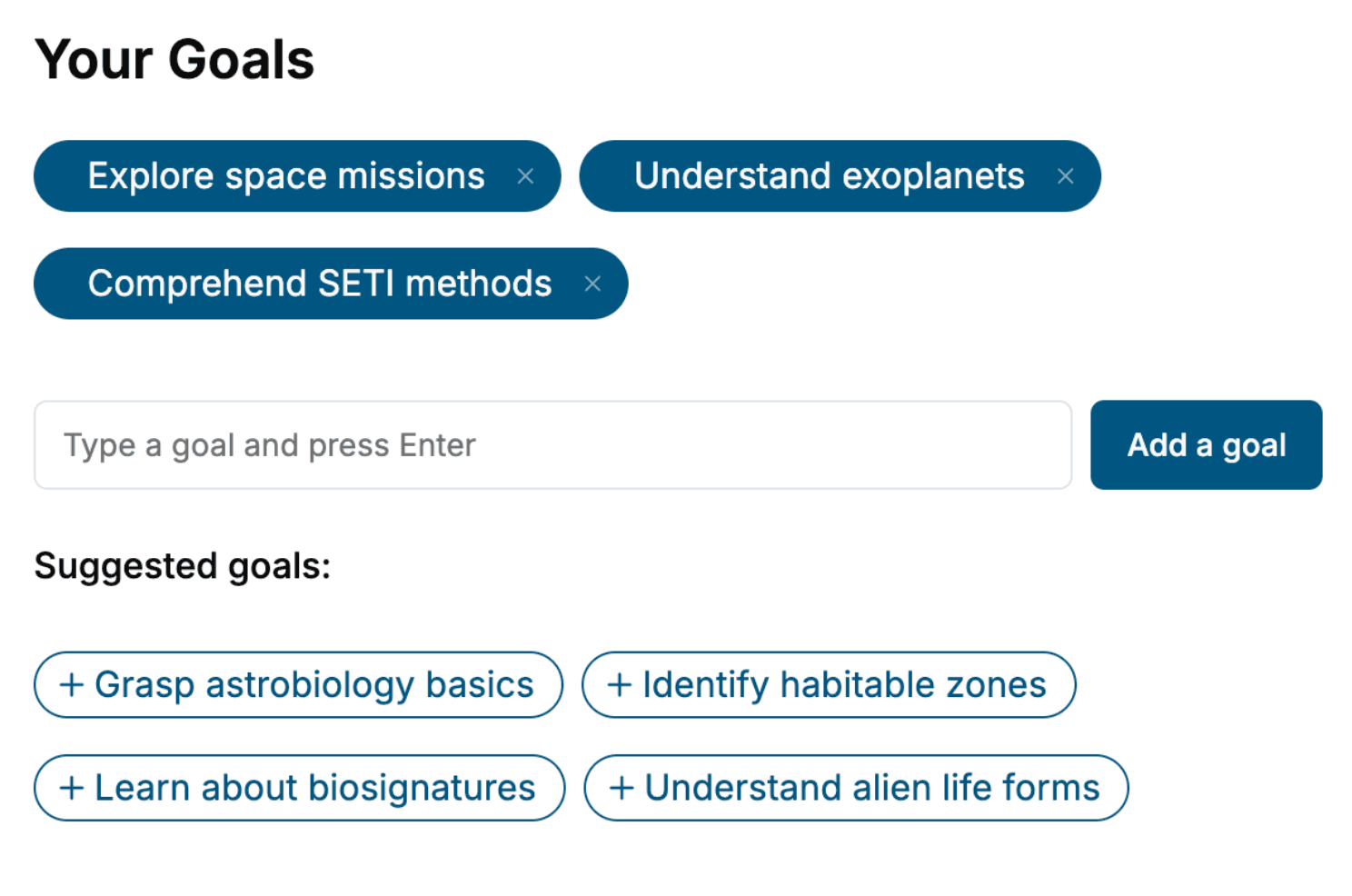
Specify your goals and choose sub-topics to include
- 3. Get your tailored book
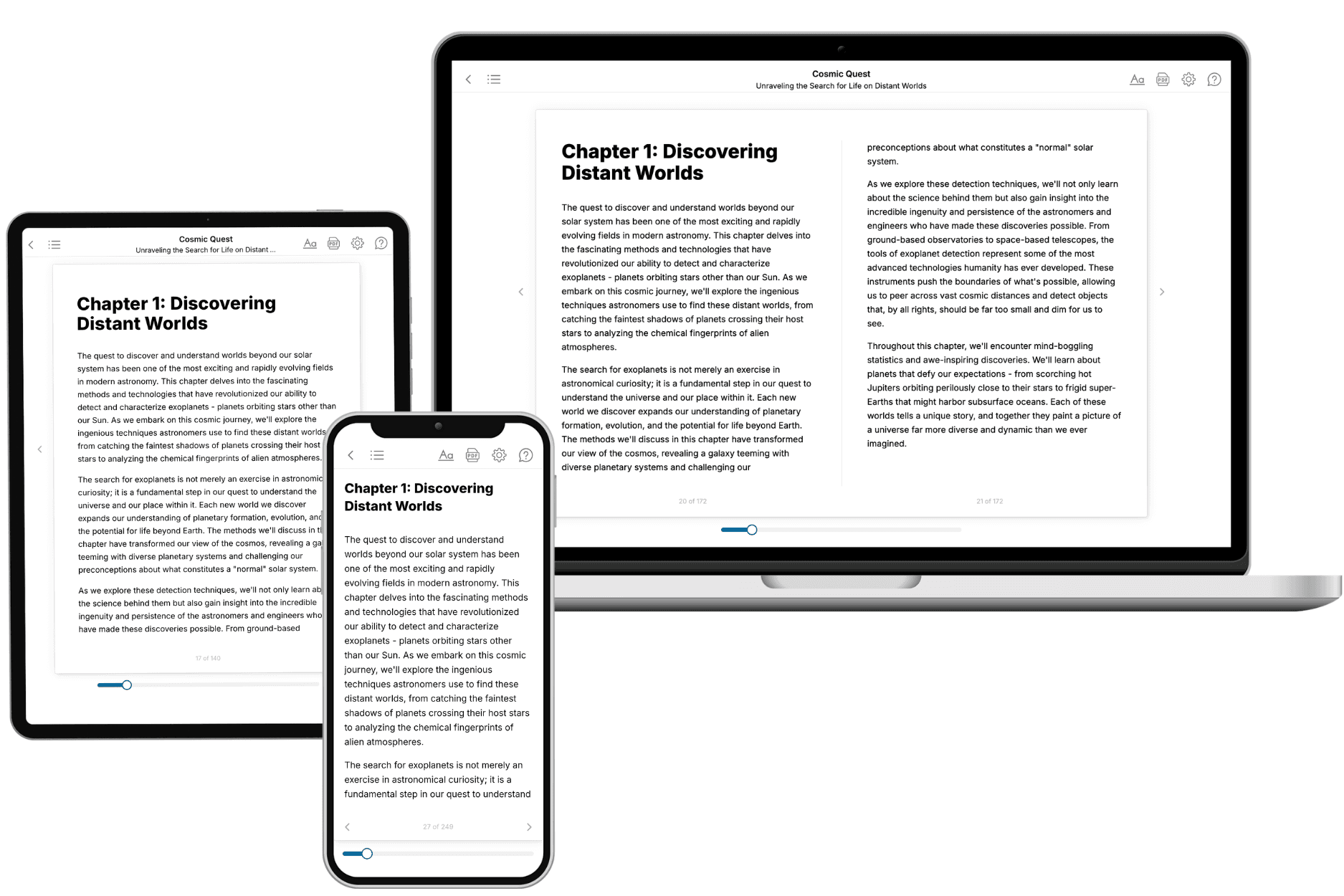
Your book is ready in 10 minutes. Read it online, download as EPUB or PDF, or send to Kindle.
Frequently asked questions
- What is TailoredRead?
TailoredRead creates complete, full-length nonfiction ebooks, written specifically for you. Tell us what you want to learn and why, and TailoredRead writes you a complete ebook on it, with charts, tables, and diagrams throughout. Read it online, on Kindle, or on any e-reader, or download it as a PDF or EPUB. Every book is written fresh the day you order it.
- How is the book tailored to me?
Before anything is written, you answer a few short questions about your goals, your background, and the topics you care about. Your book is then planned around your answers: written at your level, focused on your goals, and covering the topics you chose, instead of the one-size-fits-all book a store sells everyone.
- Will it read like generic AI content?
No. Your book isn't a chat transcript: it's planned chapter by chapter before a single word is written, told in a clear book voice, and explains ideas visually with charts, tables, and diagrams. After writing, every book goes through an editorial pass that polishes chapters so the book reads consistent from start to finish. Judge for yourself: browse thousands of sample books on our Explore Books page.
- How accurate is the content?
Our AI first checks whether your subject needs live research. Niche and fast-moving subjects are researched before writing, and the book plan and chapters are grounded in what it finds. After writing, every book goes through a quality pass that checks its facts and consistency, and researched books list their sources in a Notes section at the back.
- How long is the book?
You choose the length: Comprehensive (250-300 pages), Detailed (150-200 pages), Essential (70-100 pages), or Short (30-50 pages).
- Does the book include visuals?
Yes. Every book includes visual elements such as timelines, checklists, step-by-step guides, decision trees, comparison tables, and matrices, and many include bar charts. A typical book includes dozens of these visual elements.
- Can I read it on Kindle? What formats can I download?
Yes. Every book can be read in our online reader or downloaded as a PDF or EPUB. The EPUB can be opened with Kindle, Apple Books, Kobo, and any e-reader. The Commercial and Author licenses also include an editable Word (DOCX) and Markdown download.
- How much does it cost?
About the price of a regular ebook. The exact price depends on your book's length and complexity, from $2 for the shortest books to $35 for the most comprehensive, and it's shown when you review your book, before you commit to anything. Each book is a one-time purchase, yours to keep, no subscription. Licenses that let you share, teach, or publish your book range from $35.99 to $49.99.
- Can I preview the book before purchasing?
Before you pay, you'll see what your book will cover: the title, a detailed description, the estimated length, and the complete chapter-by-chapter table of contents, so you know what you're getting before you decide. The full text itself is written after you purchase.
- How long does it take to create a book?
About 10 minutes. You can start reading the opening chapters while the rest is still being written.