SQL Server Indexing Mastery
Design, Optimize, and Maintain High-Performance Databases
Slow queries and sluggish database performance can cripple your applications and frustrate users.
191 pages9 chaptersApr 5, 2026Microsoft SQL Server
About this book
The problem often isn't your hardware or your code—it's your indexes. Most SQL Server professionals understand that indexes matter, but few truly master the art of designing and maintaining them effectively. This book bridges that gap by providing a practical, comprehensive guide to SQL Server indexing that goes beyond the basics. You'll learn how to analyze query execution plans, identify missing indexes, eliminate fragmentation, and design composite indexes that work harder for you. Through real-world examples and step-by-step techniques, you'll discover how to transform sluggish databases into high-performance systems. Whether you're troubleshooting a problematic query or architecting a new database, this guide equips you with the knowledge and tools to make indexing decisions with confidence.
Table of contents
- IntroductionWhy Indexing Matters More Than You Think, What You'll Learn in This Book, How to Use This GuideRead below
- Chapter 1: Index FundamentalsWhat Is an Index and How Does It Work?, Clustered vs. Nonclustered Indexes, Understanding B-Tree Structures
- Chapter 2: Reading and Analyzing Query Execution PlansExecution Plan Basics and Operators, Identifying Performance Bottlenecks, How Indexes Appear in Execution Plans
- Chapter 3: Designing Effective IndexesWhen to Use Single-Column Indexes, Building Powerful Composite Indexes, Mastering Column Ordering and Selectivity
- Chapter 4: Covering Indexes and Query OptimizationThe Power of Covering Indexes, Using INCLUDE Columns Effectively, Balancing Coverage with Storage and Maintenance
- Chapter 5: Index Statistics and Query OptimizationWhy Statistics Matter to the Query Optimizer, Keeping Statistics Current and Accurate, Troubleshooting Statistics-Related Performance Issues
- Chapter 6: Managing Index FragmentationWhat Causes Index Fragmentation, Measuring and Monitoring Fragmentation Levels, Rebuild vs. Reorganize: Choosing the Right Strategy
- Chapter 7: Finding Missing IndexesUsing DMVs to Identify Missing Indexes, Leveraging Execution Plan Index Recommendations, Evaluating and Prioritizing Index Recommendations
- Chapter 8: Building an Index Maintenance StrategyCreating a Comprehensive Maintenance Plan, Automating Maintenance with SQL Agent Jobs, Monitoring Index Health and Performance
- Chapter 9: Real-World Indexing ScenariosOptimizing OLTP Workloads, Indexing for Reporting and Analytics, Handling Mixed Workload Challenges
- ConclusionKey Takeaways and Next Steps, Building a Culture of Performance Optimization
- Appendix: Quick Reference GuideUseful T-SQL Queries for Index Management, Glossary of Indexing Terms, Further Reading and Resources
Introduction
There is a moment every database professional knows well. A query that worked fine last month suddenly crawls. Users start complaining. The application times out. You dig into the server, check CPU and memory, maybe even throw more hardware at the problem. But the real culprit is hiding in plain sight: the indexes. Or more precisely, the absence of the right ones, or the presence of the wrong ones. This book exists because that moment happens far too often, and it doesn't have to.
SQL Server indexing is one of those topics that seems straightforward on the surface but reveals enormous depth the moment you start working with real-world databases. Most professionals learn the basics early in their careers: create an index on a column you filter by, and queries get faster. That's true, but it's only a fraction of the story. The difference between a database that performs adequately and one that performs exceptionally almost always comes down to indexing strategy, not hardware budgets or application rewrites.
This book is built around a simple premise: indexing mastery is learnable, and it pays off immediately. You don't need to be a database architect with decades of experience to make smart indexing decisions. You need a clear mental model of how indexes work, practical tools for diagnosing problems, and a disciplined approach to design and maintenance. Every chapter in this guide is designed to give you exactly that, with real examples, concrete techniques, and actionable steps you can apply to your own databases right away.
Whether you're dealing with a sluggish reporting query, a high-volume OLTP system under stress, or a brand-new database you want to get right from the start, the principles in this book apply. The goal isn't to make you memorize syntax. It's to help you think clearly about indexes, understand what SQL Server is doing under the hood, and make decisions with confidence rather than guesswork.
Why Indexing Matters More Than You Think
Consider what happens when SQL Server executes a query without a useful index. It performs what's called a table scan, reading every single row in the table to find the ones that match your filter. On a table with a thousand rows, that's barely noticeable. On a table with ten million rows, it can take seconds or even minutes. Now multiply that across dozens of concurrent users, and you have a performance crisis that no amount of RAM or CPU cores will fully solve.[1]
The numbers are striking when you look at them directly. A well-designed index can reduce query execution time by 90% or more on large datasets. That's not a theoretical ceiling; it's a common outcome when the right index is applied to the right query. The difference between a full table scan and an index seek on a 50-million-row table can be the difference between a 30-second query and a sub-second one. That kind of improvement changes what's possible for your application and your users.
But indexing isn't just about speed. It's also about resource consumption. Every table scan burns CPU cycles, consumes I/O bandwidth, and holds locks longer than necessary. In a busy system, those costs compound quickly. Poorly indexed databases don't just run slow; they create contention, block other queries, and degrade the experience for every user on the system simultaneously. Good indexing reduces all of these pressures at once.
At the same time, indexes are not free. Every index you create must be maintained whenever data changes. An INSERT, UPDATE, or DELETE operation doesn't just modify the table; it also updates every index on that table. Too many indexes on a write-heavy table can actually slow things down rather than speed them up. This is the central tension in indexing strategy: you need enough indexes to make reads fast, but not so many that writes become expensive. Finding that balance is a skill, and it's one this book will help you develop.
There's also the matter of index fragmentation. Even a perfectly designed index degrades over time as data is inserted, updated, and deleted. Pages split, logical order diverges from physical order, and the index becomes less efficient to traverse. A database that performed well six months ago may be struggling today simply because nobody has maintained the indexes. Fragmentation is silent and gradual, which makes it easy to overlook until the damage is significant.
Finally, there's the issue of statistics. SQL Server's query optimizer relies on statistical information about your data to decide which indexes to use and how to execute queries. When those statistics are stale or inaccurate, the optimizer makes bad decisions, sometimes choosing a full scan over a perfectly good index. Understanding how statistics work and how to keep them current is just as important as designing the indexes themselves. All of these dimensions together form the complete picture of why indexing matters so much more than most people initially realize.
A single missing index on a critical query in a high-traffic system can cost more in server resources and user frustration than weeks of application development. Getting indexing right is one of the highest-leverage investments a database professional can make.
The good news is that SQL Server gives you powerful tools to diagnose and address all of these issues. Dynamic Management Views (DMVs) expose missing index recommendations, fragmentation levels, and index usage statistics. Execution plans show you exactly how SQL Server is processing your queries and where the bottlenecks are. This book will teach you how to use all of these tools effectively, so you're always working from data rather than intuition.
What You'll Learn in This Book
This book is organized as a progressive journey from foundational concepts to advanced real-world application. Each chapter builds on the previous one, so by the time you reach the later chapters on maintenance strategy and real-world scenarios, you'll have the conceptual foundation to understand not just what to do, but why it works. Here's a clear picture of what each part of the book covers and what you'll be able to do after reading it.
Chapter 1: Index Fundamentals starts at the foundation. You'll learn exactly what an index is, how SQL Server stores and traverses index data using B-tree structures, and the critical difference between clustered and nonclustered indexes. Many performance problems stem from misunderstanding these basics, so this chapter makes sure you have a rock-solid mental model before moving on to more complex topics.
Chapter 2: Reading and Analyzing Query Execution Plans gives you the diagnostic skills you need to understand what SQL Server is actually doing with your queries. Execution plans are the most powerful tool available for performance tuning, but they can look intimidating at first. This chapter breaks down the key operators, shows you how to spot expensive operations, and teaches you how to read index usage patterns so you can identify problems quickly.
Chapter 3: Designing Effective Indexes moves into the practical craft of index design. You'll learn when a single-column index is the right choice, how to build composite indexes that serve multiple queries efficiently, and how column ordering and selectivity affect index performance. This chapter includes specific guidance on common design mistakes and how to avoid them.
Chapters 4 and 5 cover two of the most impactful advanced topics in SQL Server indexing. Chapter 4 explores covering indexes and the INCLUDE clause, showing you how to eliminate expensive key lookups and dramatically accelerate read-heavy workloads. Chapter 5 dives into index statistics, explaining how the query optimizer uses statistical data, how to keep statistics current, and how to troubleshoot cases where stale statistics are causing poor query plans.
Chapters 6, 7, and 8 form the maintenance and monitoring core of the book. Chapter 6 covers fragmentation in depth, including how to measure it and when to rebuild versus reorganize an index. Chapter 7 teaches you how to find missing indexes using DMV queries and execution plan recommendations, and how to evaluate those recommendations critically rather than blindly applying them. Chapter 8 brings it all together with a framework for building a comprehensive, automated index maintenance strategy.
Chapter 9: Real-World Indexing Scenarios applies everything you've learned to three common database environments: high-volume OLTP systems, reporting and analytics workloads, and mixed-workload databases that must serve both. Each scenario includes specific indexing patterns, trade-offs to consider, and practical examples drawn from realistic database designs.
By the end of this book, you'll be able to:
- Design indexes that serve your most critical queries efficiently
- Read execution plans and identify exactly where performance is being lost
- Build composite and covering indexes that eliminate unnecessary table lookups
- Monitor and maintain indexes proactively to prevent fragmentation from degrading performance
- Use DMVs and SQL Server's built-in tools to find and evaluate missing index opportunities
- Make confident indexing decisions for OLTP, reporting, and mixed workloads
- Automate index maintenance so your databases stay healthy without constant manual intervention
These aren't abstract skills. Every technique in this book is something you can apply to a real SQL Server database, often within hours of reading about it. The goal is to make you measurably better at your job, with results you can see in query execution times, resource utilization, and user satisfaction.
How to Use This Guide
This book is designed to work for you in multiple ways, depending on where you are in your career and what problem you're trying to solve right now. If you're relatively new to SQL Server indexing and want to build a comprehensive understanding from the ground up, reading the chapters in order is the best approach. Each chapter assumes familiarity with the concepts introduced in the previous ones, and the progression is deliberate.
If you're an experienced SQL Server professional who already understands the basics and is looking for specific guidance, this book works equally well as a reference. The chapter structure is clear enough that you can jump directly to the topic you need. Struggling with fragmentation? Go straight to Chapter 6. Need to understand why your query isn't using an index you created? Chapter 2 on execution plans is where you want to start. The appendix at the back of the book also includes a quick-reference collection of T-SQL queries for common index management tasks, so you don't have to dig through chapters to find a specific script.
Throughout the book, you'll find code examples written in T-SQL, the query language used with SQL Server. These examples are practical and realistic, not toy examples designed just to illustrate a point. They're the kind of queries you'd actually run against a production database. Where possible, examples include both the "before" state (the problem) and the "after" state (the solution), so you can see the impact of each technique clearly.
You'll also find execution plan screenshots and annotations described in detail throughout the book, particularly in Chapter 2 and the chapters that follow. If you want to follow along interactively, you can use SQL Server Management Studio (SSMS) or Azure Data Studio to run the example queries against your own databases and examine the resulting execution plans. Hands-on practice is the fastest way to internalize these concepts, and the examples are designed to make that easy.
A few practical notes on the technical environment this book assumes:
- The examples and techniques in this book apply to SQL Server 2016 and later, including SQL Server 2019, SQL Server 2022, and Azure SQL Database
- Most concepts apply equally to all of these versions, but where version-specific features are relevant, they are clearly noted
- You'll need at minimum db_owner or equivalent permissions to create and modify indexes, and VIEW SERVER STATE permission to query most DMVs
- Some maintenance operations discussed in Chapter 8 require SQL Server Agent, which is available in Standard and Enterprise editions
One of the most important habits this book will encourage is measuring before and after. Every indexing change you make should be validated with data. That means capturing query execution times, I/O statistics, and execution plans before you make a change, and then comparing them after. SQL Server provides the tools to do this easily, and the book will show you how. Indexing without measurement is guesswork; indexing with measurement is engineering.
You'll also notice that this book takes a balanced view of indexing trade-offs. There are no universal rules that apply to every database in every situation. A technique that dramatically improves performance in a read-heavy reporting database might hurt performance in a write-heavy OLTP system. The goal is to give you the understanding to evaluate trade-offs in your specific context, not to hand you a checklist to follow blindly. Context always matters, and good judgment comes from understanding the underlying principles.
Finally, don't underestimate the value of the Appendix. It contains a curated set of T-SQL queries for index management tasks that you'll return to again and again, a glossary of key terms used throughout the book, and a list of further reading resources for topics you want to explore in greater depth. Think of it as your field kit for day-to-day index management work.
The best time to think carefully about indexing is before a performance problem occurs. The second best time is right now. Either way, the techniques in this book will help you move from reactive firefighting to proactive, confident database management.
SQL Server indexing is a skill that compounds over time. Every database you tune, every execution plan you analyze, and every maintenance strategy you implement makes you sharper and faster at the next one. This book gives you the foundation, the frameworks, and the practical tools to accelerate that learning curve significantly. The rest is practice, and there's no better place to start than the next chapter.
Notes
Introduction
- 1. Kalen Delaney, 'SQL Server Internals, ' Microsoft Press, 2014
This is the end of the free sample. The full book has 9 chapters.
Want this book written for you?
Tell us your goals and background, and get your own version of this book, tailored by AI to you.


Benefits of AI-tailored books
- Read one book, not ten:
- all the Microsoft SQL Server knowledge you need, gathered into a single book.
- Save days of learning:
- tell us your goals, choose your topics, and the whole book is built around them.
- Learn effortlessly:
- Microsoft SQL Server book written for your specific background and expertise.
- Understand at a glance:
- includes charts, tables, timelines, checklists, decision trees, and more.
- Stay current:
- written the day you order it, not years ago.
- Trust what you read:
- every book is checked for accuracy, with real research when your subject needs it.
Create your unique book in 3 steps
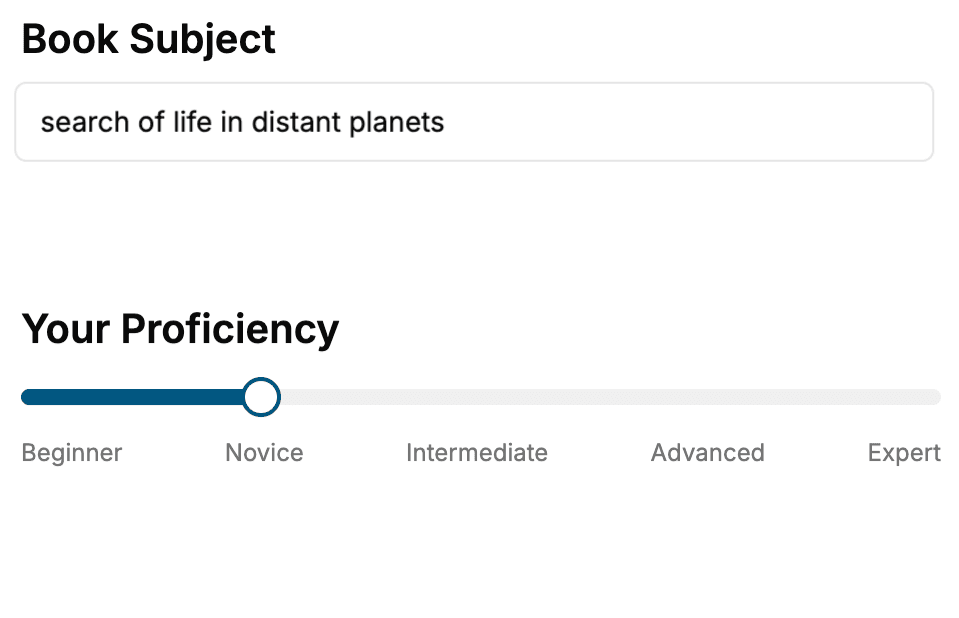
- 1. Select your focus
Select the focus of your Microsoft SQL Server book and share your background
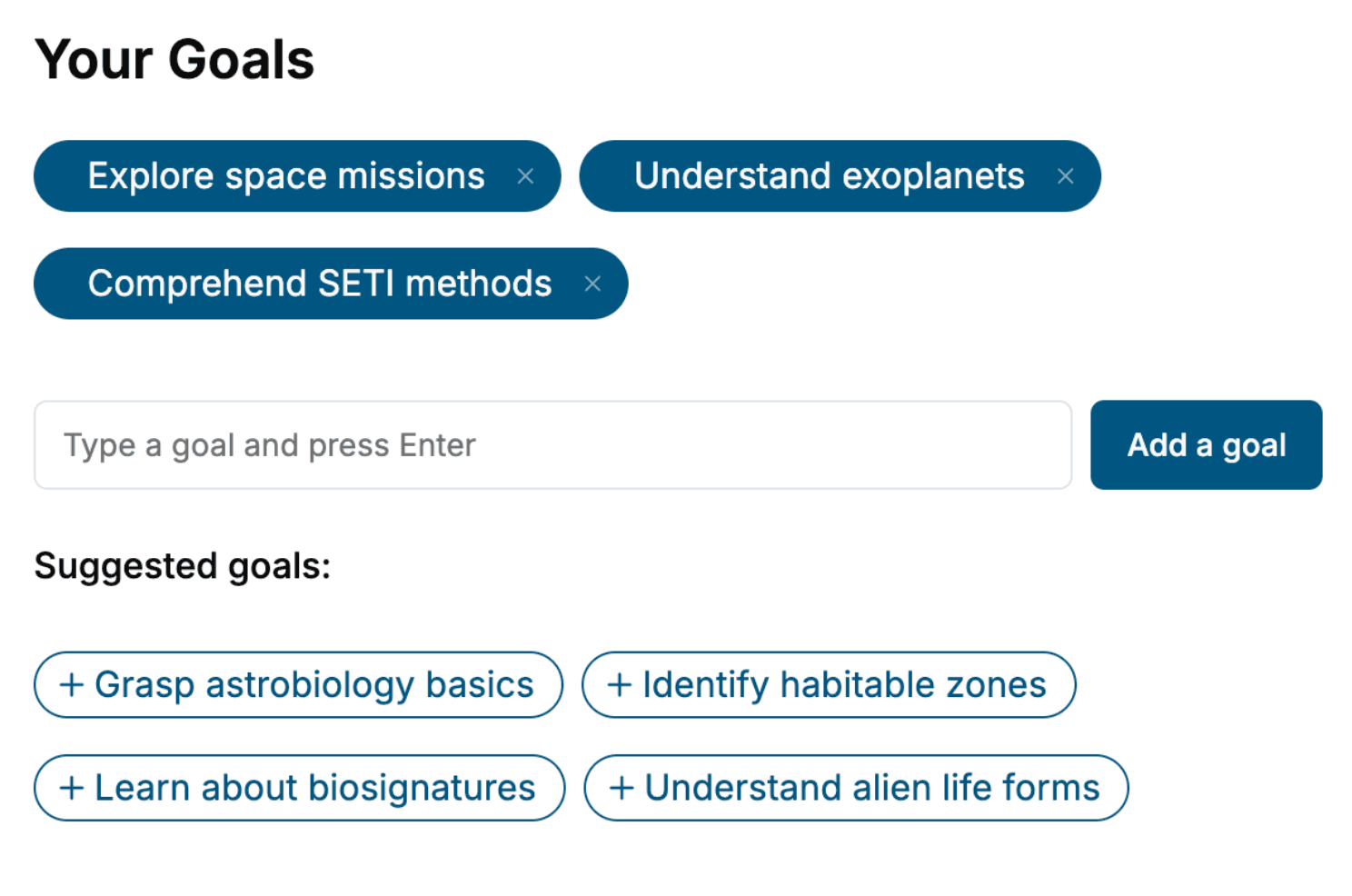
- 2. Personalize your book
Specify your goals and choose sub-topics to include
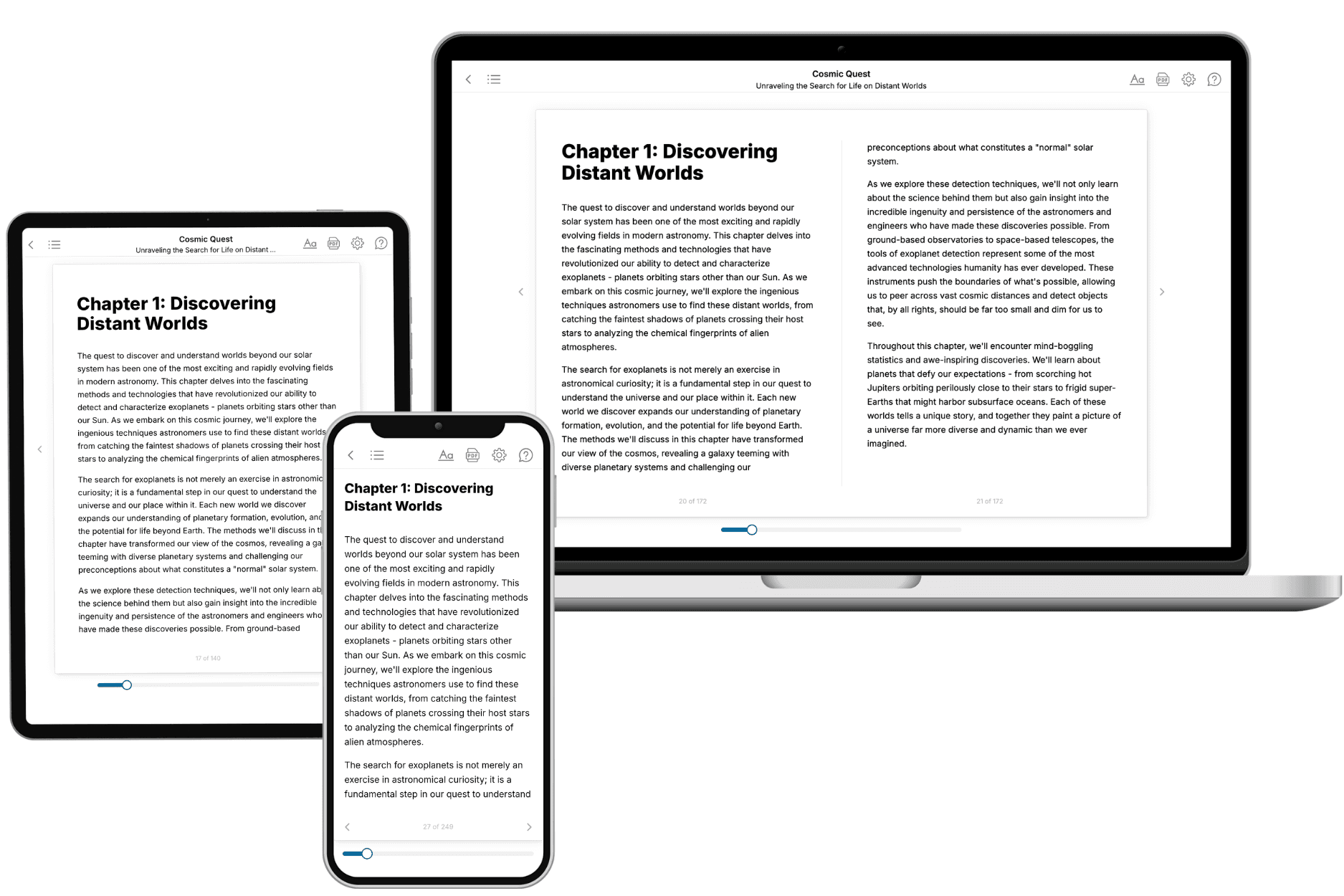
- 3. Get your tailored book
Your book is ready in 10 minutes. Read it online, download as EPUB or PDF, or send to Kindle.
Frequently asked questions
- What is TailoredRead?
TailoredRead creates complete, full-length nonfiction ebooks, written specifically for you. Tell us what you want to learn and why, and TailoredRead writes you a complete ebook on it, with charts, tables, and diagrams throughout. Read it online, on Kindle, or on any e-reader, or download it as a PDF or EPUB. Every book is written fresh the day you order it.
- How is the book tailored to me?
Before anything is written, you answer a few short questions about your goals, your background, and the topics you care about. Your book is then planned around your answers: written at your level, focused on your goals, and covering the topics you chose, instead of the one-size-fits-all book a store sells everyone.
- Will it read like generic AI content?
No. Your book isn't a chat transcript: it's planned chapter by chapter before a single word is written, told in a clear book voice, and explains ideas visually with charts, tables, and diagrams. After writing, every book goes through an editorial pass that polishes chapters so the book reads consistent from start to finish. Judge for yourself: browse thousands of sample books on our Explore Books page.
- How accurate is the content?
Our AI first checks whether your subject needs live research. Niche and fast-moving subjects are researched before writing, and the book plan and chapters are grounded in what it finds. After writing, every book goes through a quality pass that checks its facts and consistency, and researched books list their sources in a Notes section at the back.
- How long is the book?
You choose the length: Comprehensive (250-300 pages), Detailed (150-200 pages), Essential (70-100 pages), or Short (30-50 pages).
- Does the book include visuals?
Yes. Every book includes visual elements such as timelines, checklists, step-by-step guides, decision trees, comparison tables, and matrices, and many include bar charts. A typical book includes dozens of these visual elements.
- Can I read it on Kindle? What formats can I download?
Yes. Every book can be read in our online reader or downloaded as a PDF or EPUB. The EPUB can be opened with Kindle, Apple Books, Kobo, and any e-reader. The Commercial and Author licenses also include an editable Word (DOCX) and Markdown download.
- How much does it cost?
About the price of a regular ebook. The exact price depends on your book's length and complexity, from $2 for the shortest books to $35 for the most comprehensive, and it's shown when you review your book, before you commit to anything. Each book is a one-time purchase, yours to keep, no subscription. Licenses that let you share, teach, or publish your book range from $35.99 to $49.99.
- Can I preview the book before purchasing?
Before you pay, you'll see what your book will cover: the title, a detailed description, the estimated length, and the complete chapter-by-chapter table of contents, so you know what you're getting before you decide. The full text itself is written after you purchase.
- How long does it take to create a book?
About 10 minutes. You can start reading the opening chapters while the rest is still being written.