The St. Paul Farmers Market Guide
Discover Local Vendors, Seasonal Produce, and Community Connection in Minnesota's Capital
What if your next trip to St.
176 pages8 chaptersJan 8, 2026Local Travel Guides
About this book
Paul could connect you with the people who grow your food and the heartbeat of the community? This guide transforms farmers markets from simple shopping destinations into rich cultural experiences. You'll discover which markets operate year-round, learn how to navigate seasonal produce cycles, and meet the passionate vendors behind Minnesota's freshest offerings. Whether you're a first-time visitor seeking the best tomatoes or a seasoned shopper looking to deepen your market knowledge, this book provides practical strategies for maximizing every visit. From timing your arrival for the best selection to building relationships with farmers, you'll gain insider perspectives that enhance both your shopping and your appreciation for local food systems. Explore the diverse neighborhoods where markets thrive, understand what makes each market unique, and learn how your purchases directly support St. Paul's agricultural community and economic vitality.
Table of contents
- IntroductionWhy Farmers Markets Matter in St. Paul, How to Use This Guide, What You'll DiscoverRead below
- Chapter 1: St. Paul's Farmers Market LandscapeOverview of St. Paul Markets, Year-Round and Seasonal Markets, Finding Markets by Neighborhood
- Chapter 2: The Major Markets of St. PaulGrand Rounds Farmers Market, Minnesota Farmers Market, Other Notable Markets and Pop-Ups
- Chapter 3: Understanding Seasonal ProduceSpring: Greens, Asparagus, and New Growth, Summer: Peak Season and Variety, Fall: Root Vegetables and Preservation, Winter: Storage Crops and Indoor Growing
- Chapter 4: Meeting the VendorsGetting to Know Local Farmers, Specialty Producers and Artisans, Building Lasting Vendor Relationships
- Chapter 5: Shopping Strategies and TipsTiming Your Visit for Best Selection, Budgeting and Getting Value, Selecting Quality Produce and Products, Payment Methods and Practical Tips
- Chapter 6: Beyond Produce: Prepared Foods and CraftsReady-to-Eat Foods and Prepared Items, Breads, Pastries, and Baked Goods, Crafts, Flowers, and Non-Food Items
- Chapter 7: The Community and Cultural ExperienceCelebrating St. Paul's Diverse Communities, Events, Music, and Entertainment, Supporting Local Economy and Sustainability
- Chapter 8: Cooking and Preserving Your Market FindsRecipe Ideas for Market Produce, Storage and Preservation Techniques, Cooking Tips from Farmers and Vendors
- ConclusionBeginning Your Farmers Market Journey
- Resources and Further InformationMarket Contacts and Hours, Quick Seasonal Produce Guide, Additional Resources
Introduction
Picture a Saturday morning in St. Paul where the air carries the scent of fresh basil, wood-fired bread, and just-picked strawberries. Vendors arrange colorful displays of vegetables still dewy from the morning harvest while musicians tune their instruments nearby. Neighbors greet each other between stalls, children sample honey from local hives, and a farmer explains the difference between heirloom tomato varieties to an eager customer. This scene repeats throughout St. Paul's neighborhoods, creating weekly gatherings that nourish both bodies and community bonds. Farmers markets have become essential threads in the fabric of Minnesota's capital, connecting urban residents with rural producers and transforming simple shopping trips into cultural experiences.
St. Paul's farmers markets offer something increasingly rare in modern life: direct connection to the sources of your food. When you purchase carrots at a supermarket, you rarely know where they grew, who tended them, or how far they traveled. At a farmers market, you can ask the person who planted those carrots about their growing practices, get recipe suggestions, and learn when the next harvest will arrive. This transparency creates accountability and trust that industrial food systems cannot replicate. Beyond the transactional benefits, these conversations build relationships that span seasons and years, turning strangers into familiar faces who remember your preferences and share their knowledge generously.
Whether you're visiting St. Paul for a weekend or have lived here for decades, the city's farmers markets provide entry points into local food culture that reward both casual exploration and dedicated engagement. First-time visitors might feel overwhelmed by the variety of vendors, unfamiliar produce, and bustling atmosphere. Regular shoppers may fall into routines that cause them to miss new vendors or seasonal specialties. This guide bridges those gaps by providing practical information, insider strategies, and context that transforms markets from confusing or routine experiences into opportunities for discovery. You'll learn not just where to shop, but when to arrive, what questions to ask, and how to maximize the value of every visit while supporting the farmers and artisans who make these markets possible.
The following chapters will equip you with knowledge that enhances every aspect of your farmers market experience. You'll discover the distinct characteristics of St. Paul's major markets, understand the seasonal rhythms that determine what appears on vendor tables throughout the year, and meet the diverse producers who bring their harvests and crafts to the city. Strategic shopping advice will help you navigate crowds, stretch your budget, and select the highest quality products. Beyond practical tips, you'll gain appreciation for how farmers markets function as community hubs that reflect St. Paul's cultural diversity, support economic resilience, and provide educational opportunities unavailable in conventional retail settings. This introduction sets the foundation for that journey by exploring why farmers markets matter, how to use this guide effectively, and what discoveries await you.
Why Farmers Markets Matter in St. Paul
Farmers markets serve functions that extend far beyond providing fresh produce. In St. Paul, these weekly gatherings create economic opportunities for small-scale farmers who might otherwise struggle to compete with industrial agriculture. When you purchase directly from a farmer, they receive the full retail price rather than the fraction they would earn selling wholesale to distributors. This economic model enables small farms to remain viable, preserving agricultural land and rural livelihoods throughout Minnesota. A study by the Farmers Market Coalition found that direct-to-consumer sales channels like farmers markets generate significantly higher per-acre revenue for small farms compared to wholesale arrangements[1]. Your market purchases directly impact whether family farms can continue operating for another generation.
The environmental benefits of farmers markets complement their economic advantages. Most vendors at St. Paul markets travel less than one hundred miles to reach the city, dramatically reducing the transportation emissions associated with conventional food distribution. Industrial produce often travels over fifteen hundred miles from farm to store, spending days in refrigerated trucks and warehouses[2]. This extended supply chain requires energy-intensive cooling and results in produce that was harvested before peak ripeness to withstand shipping. Market produce, by contrast, is typically picked within twenty-four to forty-eight hours of sale, allowing farmers to harvest at optimal maturity when flavor and nutritional content peak. The shorter supply chain also reduces packaging waste since farmers can use reusable containers rather than the disposable packaging required for long-distance shipping.
Food quality and safety take on new dimensions when you can question producers directly about their practices. At farmers markets, you can ask whether pesticides were used, how animals were raised, and what the farmer feeds their soil. This transparency empowers informed decision-making impossible in conventional retail where products arrive with minimal information about their origins. Many St. Paul market vendors employ organic or sustainable practices even if they lack official certification, which can be prohibitively expensive for small operations. Through conversations with farmers, you learn to evaluate growing practices based on actual methods rather than labels alone. This education transforms you from a passive consumer into an active participant in your food system.
The social infrastructure that farmers markets create may be their most valuable contribution to St. Paul's communities. In an era when many people feel isolated despite living in dense urban areas, markets provide regular opportunities for face-to-face interaction across social boundaries. You might find yourself discussing tomato varieties with a retired teacher, learning about Hmong cooking techniques from a vendor, or sharing recipe ideas with a young family. These casual encounters build social capital—the networks of relationships that make communities resilient and functional. Research consistently shows that farmers market shoppers report higher levels of social interaction and community connection compared to supermarket shoppers[3]. Markets become third places—neither home nor work—where community life unfolds organically.
St. Paul's farmers markets also function as cultural preservation spaces where immigrant and refugee communities share their agricultural heritage. Hmong farmers introduced bitter melon, Thai basil, and other Southeast Asian vegetables to Minnesota markets, expanding the culinary landscape for all residents. Latino vendors bring tomatillos, epazote, and varieties of peppers that connect diaspora communities to their food traditions while introducing others to new flavors. These cultural exchanges happen naturally at market stalls where food becomes a conversation starter and bridge between different backgrounds. The markets thus serve as living museums of agricultural biodiversity and cultural practice, preserving knowledge that might otherwise disappear in a homogenized food system.
Educational opportunities abound at farmers markets in ways that benefit both children and adults. Where else can urban residents watch a beekeeper explain pollination, learn why heirloom varieties taste different from hybrid vegetables, or discover that carrots come in purple and white as well as orange? For children, markets provide sensory-rich environments where they can touch, smell, and taste foods in their whole forms rather than as processed products. Many vendors welcome questions and enjoy sharing their expertise, effectively offering free agricultural education to anyone curious enough to ask. This knowledge transfer helps preserve farming skills and food literacy that have eroded as fewer people have direct connections to agriculture.
The resilience that farmers markets build into local food systems became especially apparent during supply chain disruptions. When the COVID-19 pandemic caused shortages in supermarkets, farmers markets adapted quickly because their supply chains were shorter and more flexible. Vendors implemented safety protocols, offered pre-ordering systems, and continued providing fresh food when conventional distribution networks struggled. This experience highlighted how dependence on centralized, long-distance food systems creates vulnerabilities that local food networks can mitigate. Supporting farmers markets strengthens food security by maintaining diverse supply channels that can respond to disruptions more nimbly than industrial systems.
Finally, farmers markets contribute to St. Paul's identity and quality of life in ways that attract residents and visitors alike. Cities with vibrant public markets are consistently rated as more livable and desirable places to live. Markets activate public spaces, support local businesses, and create destinations that draw people into neighborhoods they might not otherwise visit. The economic activity generated by markets extends beyond vendor sales to benefit nearby restaurants, shops, and services that see increased foot traffic on market days. This multiplier effect makes farmers markets valuable economic development tools that enhance entire districts while maintaining the authentic, community-centered character that makes St. Paul distinctive.
How to Use This Guide
This guide is structured to serve both as a comprehensive resource you can read cover-to-cover and as a reference you can consult for specific information as needs arise. If you're new to St. Paul's farmers markets, reading the chapters sequentially will build your knowledge systematically, starting with an overview of the market landscape, then diving into specific markets, seasonal patterns, and shopping strategies. Each chapter builds on previous ones, creating a complete picture of how to navigate and maximize your market experiences. However, the guide is also designed with clear sections and subsections that allow you to jump directly to topics relevant to your immediate questions—whether that's finding markets in a specific neighborhood, understanding what's in season during your visit, or learning preservation techniques for your purchases.
The early chapters focus on practical logistics and orientation. Chapter 1 provides an overview of St. Paul's farmers market landscape, explaining the differences between year-round and seasonal markets and helping you locate options near your neighborhood or areas you plan to visit. Chapter 2 profiles the major markets in detail, describing their unique characteristics, vendor mixes, and atmospheres so you can choose markets that align with your priorities. These chapters answer fundamental questions: Where are the markets? When do they operate? What makes each one distinctive? Use these sections to plan your first visits or to discover markets you haven't yet explored.
Middle chapters address the what and who of farmers markets. Chapter 3 breaks down seasonal produce availability across spring, summer, fall, and winter, helping you understand what to expect during different times of year and how to take advantage of peak seasons for specific crops. This knowledge prevents disappointment when you arrive expecting strawberries in October and helps you discover vegetables you might not encounter otherwise. Chapter 4 introduces you to the vendors themselves—the farmers, bakers, and artisans who make markets possible. Learning about their operations and building relationships with producers enhances both your shopping experience and your appreciation for the work behind the products. These chapters transform markets from anonymous retail spaces into communities of known individuals.
Later chapters provide strategic and practical guidance for maximizing your market experiences. Chapter 5 offers shopping strategies covering timing, budgeting, quality selection, and payment logistics. These tips help you avoid crowds, stretch your dollars, and ensure you're getting the best products available. Chapter 6 expands beyond produce to explore prepared foods, baked goods, and crafts, revealing the full range of what markets offer. Chapter 7 examines the community and cultural dimensions of markets, while Chapter 8 provides cooking and preservation advice to help you make the most of your purchases. Use these chapters to refine your approach as you become a more experienced market shopper.
Throughout the guide, you'll find specific, actionable information rather than vague generalities. When discussing timing, for example, the guide doesn't just suggest arriving early—it explains that the first hour offers the best selection while the last hour often brings price reductions, allowing you to choose based on your priorities. When covering seasonal produce, you'll find not just lists of what's available but explanations of why certain crops appear when they do and how weather variations affect timing. This level of detail empowers you to make informed decisions rather than following rigid rules that may not fit your circumstances.
The guide acknowledges that readers come with different levels of experience and varying goals. First-time visitors will find orientation information and basic strategies that build confidence for initial market trips. Regular shoppers will discover insights about vendor relationships, seasonal variations, and lesser-known markets that deepen their engagement. Visitors to St. Paul can use the guide to make the most of limited time, while residents can treat it as a resource for ongoing exploration. The content is designed to remain useful across multiple readings as your knowledge and interests evolve.
Practical elements enhance the guide's utility as a reference tool. The Resources section at the end provides quick-reference information including market contacts, hours, and a condensed seasonal produce guide you can consult while planning shopping trips. Footnotes throughout the text cite sources for factual claims, allowing you to explore topics further if desired. The structure uses clear headings and subsections that make it easy to locate specific information quickly. Consider keeping this guide accessible on your phone or tablet so you can reference it while at markets or when planning visits.
This guide intentionally focuses on information that remains relevant across seasons and years rather than details that quickly become outdated. Specific vendor names and exact market hours change, but the strategies for building vendor relationships and understanding seasonal patterns remain constant. The guide teaches you how to find current information and evaluate options rather than providing exhaustive lists that would be obsolete before publication. This approach ensures the guide remains valuable long-term as a framework for understanding and engaging with St. Paul's farmers markets regardless of when you use it.
Finally, treat this guide as a starting point for your own exploration rather than a definitive authority. Farmers markets are dynamic, evolving spaces where new vendors appear, seasonal variations create surprises, and each visit offers different experiences. The guide provides knowledge and strategies that enhance your market adventures, but the real learning happens through your own observations, conversations, and experiments. Use the information here to ask better questions, notice patterns, and develop your own preferences and routines. The goal is not to prescribe a single correct way to experience farmers markets but to equip you with tools that make your personal exploration more rewarding and effective.
What You'll Discover
As you work through this guide and visit St. Paul's farmers markets, you'll discover layers of complexity and richness that aren't immediately apparent to casual observers. The most obvious discovery is the sheer variety of products available beyond standard supermarket offerings. You'll encounter vegetables you've never seen before—kohlrabi, garlic scapes, romanesco broccoli—and learn how to prepare them. You'll taste the difference between tomatoes picked ripe yesterday and those harvested green weeks ago for shipping. You'll find that carrots come in a rainbow of colors, each with subtly different flavors, and that "heirloom" isn't just a marketing term but refers to varieties with distinct histories and characteristics. This expanded culinary palette transforms cooking from routine to adventure as you experiment with new ingredients and flavors.
Beyond product variety, you'll discover the seasonal rhythms that structure agricultural life and, by extension, the market experience. Spring's arrival brings tender greens, asparagus, and rhubarb—foods that signal renewal after winter's storage crops. Summer explodes with abundance as tomatoes, peppers, berries, and stone fruits flood market stalls in overwhelming variety. Fall transitions to root vegetables, winter squash, and apples as farmers harvest crops that will sustain communities through cold months. Winter markets showcase storage crops, preserved foods, and greenhouse production that maintain connections to local food even when fields lie dormant. Understanding these patterns helps you anticipate what's coming, appreciate what's currently available, and plan your cooking around seasonal peaks when specific crops are most abundant and affordable.
You'll discover that farmers markets operate according to different economic logic than conventional retail. Prices fluctuate based on supply and demand in real time—strawberries cost more during the first week of the season when supply is limited, then drop as production peaks, then rise again as the season ends. Vendors may offer bulk discounts or end-of-day price reductions that reward strategic shopping. Some products that seem expensive per pound—like salad greens—actually provide better value than cheaper supermarket versions because they're fresher, more flavorful, and haven't been stripped of outer leaves to extend shelf life. Learning to evaluate value in this context requires different skills than supermarket shopping, but the effort pays dividends in both quality and cost savings.
The human stories behind the products will emerge as you build relationships with vendors. You'll learn that the woman selling eggs also teaches sustainable agriculture workshops, that the young couple with the vegetable stand left corporate careers to farm, and that the Hmong family has been farming for generations across two continents. These stories add meaning to your purchases, transforming anonymous transactions into exchanges that support specific people and their dreams. You'll discover that farmers are generally eager to share their knowledge—explaining why this year's tomatoes are late due to cool spring weather, demonstrating how to select a ripe melon, or suggesting preparation methods for unfamiliar vegetables. This generosity with information reflects farming culture's traditional emphasis on community knowledge-sharing.
You'll discover practical skills that enhance your cooking and food management. Farmers will teach you that tomatoes should never be refrigerated because cold temperatures destroy their flavor compounds, that root vegetables store best in cool, humid conditions, and that many vegetables taste better after a light frost. You'll learn to identify ripeness indicators specific to different crops—the feel of a ripe peach, the sound of a good watermelon, the appearance of fresh herbs. Vendors who make prepared foods often share techniques and recipes, effectively offering free cooking classes through casual conversation. This accumulated knowledge makes you a more capable cook and reduces food waste as you learn proper storage and preparation methods.
The community dimensions of farmers markets will reveal themselves gradually as you become a regular presence. You'll start recognizing other shoppers, exchanging greetings and recommendations. You'll notice how vendors interact with each other, helping neighbors during busy moments and sharing information about growing conditions. You'll observe how markets serve as gathering places for diverse communities—recent immigrants shopping for familiar vegetables, young families introducing children to whole foods, elderly residents maintaining social connections, food enthusiasts seeking specialty ingredients. This social infrastructure operates quietly but powerfully, creating networks of mutual support and shared interest that strengthen neighborhoods.
You'll discover that farmers markets function as educational institutions where learning happens organically through observation and conversation. Children learn where food comes from by seeing whole plants and talking with growers. Adults gain agricultural literacy by asking questions about growing practices, pest management, and seasonal challenges. Everyone benefits from exposure to biodiversity as markets showcase the variety that industrial agriculture has eliminated in favor of a few standardized varieties. This education happens without formal structure or curriculum, making it accessible and engaging for people who might not seek out agricultural information through other channels.
Perhaps most importantly, you'll discover your own capacity to participate actively in your food system rather than passively accepting whatever industrial agriculture provides. You'll learn to make choices based on your values—supporting organic practices, prioritizing local production, seeking out specific varieties, or building relationships with particular farmers. You'll develop preferences and expertise that make you a more discerning consumer. You'll find satisfaction in eating seasonally and cooking with ingredients at their peak rather than settling for mediocre produce available year-round. This shift from passive consumption to active participation creates a sense of agency and connection that extends beyond food to influence how you think about community, sustainability, and your place in larger systems.
The discoveries outlined here represent just the beginning of what farmers markets offer. Each visit provides opportunities for new observations, conversations, and experiences. The guide that follows will accelerate your learning by providing context, strategies, and information that might otherwise take years to accumulate through trial and error. But the real discoveries will be yours—the vendors you connect with, the foods you fall in love with, the routines you develop, and the ways farmers markets become woven into your life in St. Paul. The following chapters provide the map, but you'll chart your own course through this rich landscape of local food, community connection, and seasonal abundance.
Notes
Introduction
- 1. Farmers Market Coalition, Farmers Markets: Economic Engines for Rural and Urban Communities, 2018
- 2. Leopold Center for Sustainable Agriculture, Food, Fuel, and Freeways: An Iowa perspective on how far food travels, fuel usage, and greenhouse gas emissions, 2015
- 3. Project for Public Spaces, Public Markets as a Vehicle for Social Integration and Upward Mobility, 2003
This is the end of the free sample. The full book has 8 chapters.
Want this book written for you?
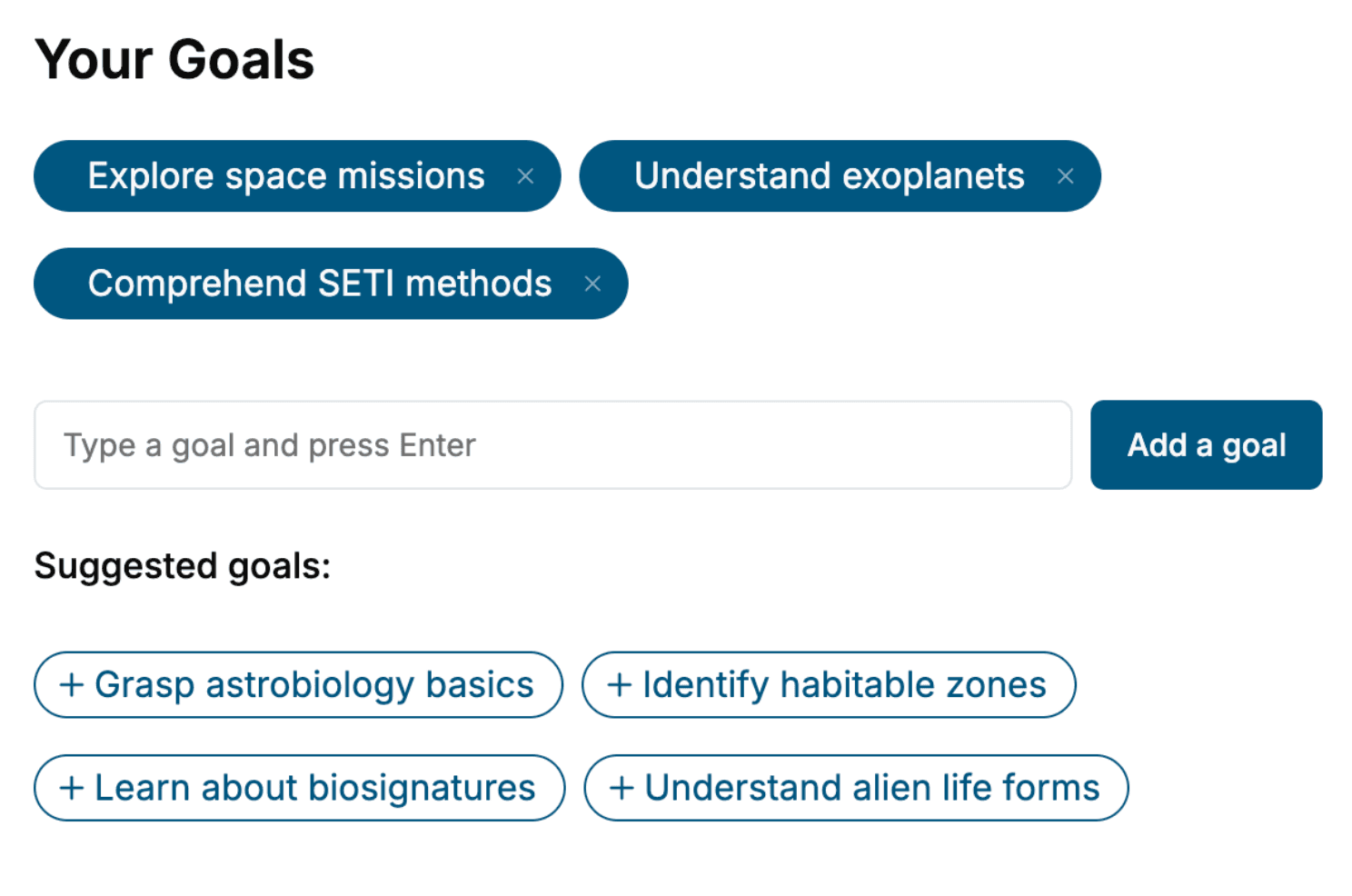
Tell us your goals and background, and get your own version of this book, tailored by AI to you.


Benefits of AI-tailored books
- Read one book, not ten:
- all the Local Travel Guides knowledge you need, gathered into a single book.
- Save days of learning:
- tell us your goals, choose your topics, and the whole book is built around them.
- Learn effortlessly:
- Local Travel Guides book written for your specific background and expertise.
- Understand at a glance:
- includes charts, tables, timelines, checklists, decision trees, and more.
- Stay current:
- written the day you order it, not years ago.
- Trust what you read:
- every book is checked for accuracy, with real research when your subject needs it.
Create your unique book in 3 steps
- 1. Select your focus
Select the focus of your Local Travel Guides book and share your background
- 2. Personalize your book
Specify your goals and choose sub-topics to include
- 3. Get your tailored book
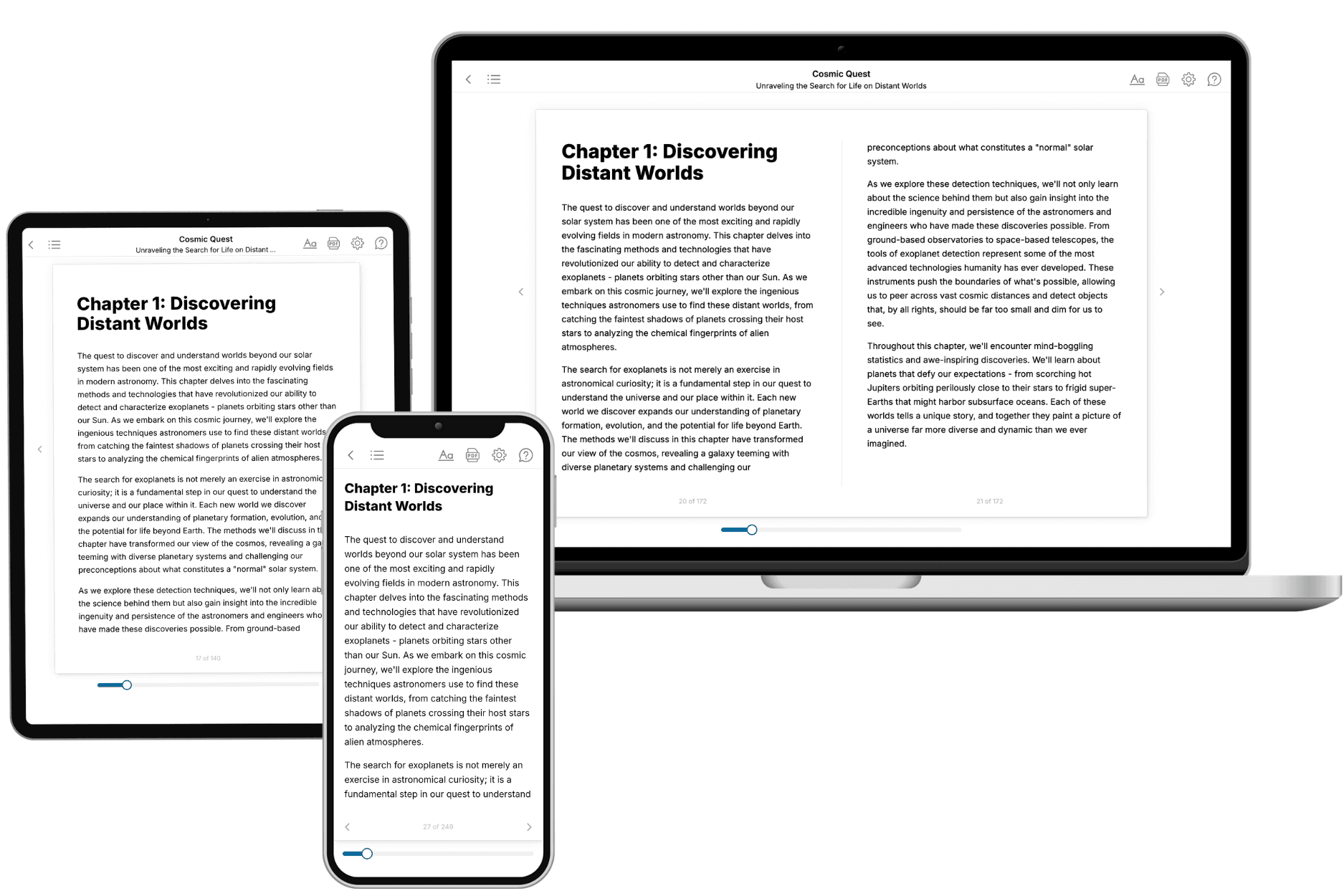
Your book is ready in 10 minutes. Read it online, download as EPUB or PDF, or send to Kindle.

Frequently asked questions
- What is TailoredRead?
TailoredRead creates complete, full-length nonfiction ebooks, written specifically for you. Tell us what you want to learn and why, and TailoredRead writes you a complete ebook on it, with charts, tables, and diagrams throughout. Read it online, on Kindle, or on any e-reader, or download it as a PDF or EPUB. Every book is written fresh the day you order it.
- How is the book tailored to me?
Before anything is written, you answer a few short questions about your goals, your background, and the topics you care about. Your book is then planned around your answers: written at your level, focused on your goals, and covering the topics you chose, instead of the one-size-fits-all book a store sells everyone.
- Will it read like generic AI content?
No. Your book isn't a chat transcript: it's planned chapter by chapter before a single word is written, told in a clear book voice, and explains ideas visually with charts, tables, and diagrams. After writing, every book goes through an editorial pass that polishes chapters so the book reads consistent from start to finish. Judge for yourself: browse thousands of sample books on our Explore Books page.
- How accurate is the content?
Our AI first checks whether your subject needs live research. Niche and fast-moving subjects are researched before writing, and the book plan and chapters are grounded in what it finds. After writing, every book goes through a quality pass that checks its facts and consistency, and researched books list their sources in a Notes section at the back.
- How long is the book?
You choose the length: Comprehensive (250-300 pages), Detailed (150-200 pages), Essential (70-100 pages), or Short (30-50 pages).
- Does the book include visuals?
Yes. Every book includes charts, tables, and diagrams: timelines, checklists, step-by-step guides, decision trees, comparison tables, matrices, and bar charts. A typical book includes dozens of these visual elements.
- Can I read it on Kindle? What formats can I download?
Yes. Every book can be read in our online reader or downloaded as a PDF or EPUB. The EPUB can be opened with Kindle, Apple Books, Kobo, and any e-reader. The Commercial and Author licenses also include an editable Word (DOCX) and Markdown download.
- How much does it cost?
About the price of a regular ebook. The exact price depends on your book's length and complexity, from $2 for the shortest books to $35 for the most comprehensive, and it's shown when you review your book, before you commit to anything. Each book is a one-time purchase, yours to keep, no subscription. Licenses that let you share, teach, or publish your book range from $35.99 to $49.99.
- Can I preview the book before purchasing?
Before you pay, you'll see what your book will cover: the title, a detailed description, the estimated length, and the complete chapter-by-chapter table of contents, so you know what you're getting before you decide. The full text itself is written after you purchase.
- How long does it take to create a book?
About 10 minutes. You can start reading the opening chapters while the rest is still being written.