The Swanage Steam Railway Guide
Discover Heritage, History, and Adventure on Devon's Most Iconic Railway
Many visitors to Devon overlook one of the region's most rewarding attractions: the Swanage Steam Railway.
207 pages9 chaptersFeb 18, 2026England Travel Guide
About this book
This comprehensive guide transforms your visit from a casual outing into a deeply enriching experience. Whether you're a railway enthusiast, history buff, or simply seeking a unique family adventure, this book provides everything you need to plan and enjoy your journey. Discover the fascinating stories behind the locomotives and carriages, learn the best times to visit for optimal experiences, and uncover hidden gems along the route. From practical logistics like booking tickets and planning your itinerary to understanding the railway's preservation mission and volunteer community, you'll gain insider knowledge that enhances every moment. Explore the heritage sites, photography hotspots, and nearby attractions that complement your railway experience. This guide combines practical travel information with engaging historical context, making it an essential companion for anyone planning to visit this remarkable piece of British railway heritage.
Table of contents
- IntroductionWhy the Swanage Steam Railway Matters, What to Expect from This Guide, How to Use This Book for Your VisitRead below
- Chapter 1: A Journey Through Time: The Railway's HistoryOrigins and Original Construction, Decline and the Preservation Movement, Modern Operations and Restoration Efforts
- Chapter 2: The Locomotives: Engineering Marvels of the PastUnderstanding Steam Locomotive Technology, Notable Engines in the Collection, Restoration Stories and Preservation Challenges
- Chapter 3: Vintage Carriages and Authentic ComfortTypes of Vintage Carriages, Period Features and Historical Details, Comfort and Modern Amenities
- Chapter 4: Planning Your Visit: Practical EssentialsTicket Types and Booking Strategies, Seasonal Considerations and Best Times to Visit, Accessibility and Practical Logistics
- Chapter 5: Routes and Destinations: Exploring the LineThe Main Route Overview, Notable Station Stops and Attractions, Scenic Highlights Along the Journey
- Chapter 6: Special Events and Seasonal ExperiencesAnnual Events and Themed Journeys, Family-Friendly Experiences, Evening Specials and Dining Experiences
- Chapter 7: Photography and Capturing MemoriesBest Photography Locations, Timing, Lighting, and Technical Tips, Sharing Your Experience and Community
- Chapter 8: The Volunteer Community and Heritage MissionHow Volunteers Keep the Railway Running, The Preservation Mission and Future Vision, Getting Involved: Volunteering Opportunities
- Chapter 9: Nearby Attractions and Extended ExperiencesDevon Heritage Sites and Museums, Local Accommodations and Dining, Creating Multi-Day Itineraries
- ConclusionCreating Lasting Memories, Planning Your Return Visit
- Frequently Asked Questions
- Further Reading and Resources
Introduction
There is something quietly extraordinary about standing on a Victorian-era platform, listening to the rhythmic hiss of steam and the deep, resonant whistle of a locomotive that has been running for over a century. The Swanage Steam Railway offers exactly that experience. Tucked into the stunning landscape of the Isle of Purbeck in Dorset, this heritage railway is one of Britain's most beloved preserved lines, drawing visitors from across the country and around the world. Yet despite its remarkable character, it remains one of those treasures that many travelers simply pass by without realizing what they are missing.
This guide exists to change that. Whether you are a lifelong railway enthusiast who can identify a locomotive class by its exhaust note, or someone who simply wants a memorable day out with the family, the Swanage Steam Railway has something genuinely special to offer. The experience goes far beyond riding a train. It is a living, breathing connection to a period of British history when the railways were the arteries of the nation, carrying goods, people, and ambitions across the landscape. Every locomotive, every carriage, and every station building tells part of that story.
A quick note on geography: while the book's subtitle references Devon, the Swanage Steam Railway is located in Dorset, specifically in the Isle of Purbeck area, running between Swanage and Norden near Corfe Castle. The surrounding region, including parts of the Jurassic Coast and the broader South West of England, shares much of the same heritage travel character associated with Devon and the wider West Country. This guide covers the railway itself in full detail, along with the rich surrounding area that makes a visit here so rewarding.
Planning a visit to a heritage railway is a different kind of travel preparation compared to booking a city break or a beach holiday. There are timetables to understand, seasonal events to consider, ticket options to compare, and photography spots to scout. Done well, that preparation transforms a pleasant outing into an unforgettable experience. This book walks you through every step of that process, combining practical logistics with the historical and cultural context that makes the Swanage Steam Railway so much more than a tourist attraction.
Why the Swanage Steam Railway Matters
Heritage railways exist across Britain, but not all of them carry the same weight of history or the same depth of atmosphere. The Swanage Steam Railway stands apart for several reasons. It operates on a section of the original London and South Western Railway branch line, which first opened in 1885. That means the infrastructure beneath your feet, the cuttings through the Purbeck Hills, and the alignment of the track itself are all authentic Victorian engineering, not reconstructions or approximations.
The railway's setting adds another layer of significance. The line runs through some of the most dramatic and historically rich landscape in southern England. Corfe Castle, one of the most iconic ruins in the country, looms over the route in a way that feels almost cinematic. The Jurassic Coast, a UNESCO World Heritage Site, lies just minutes away from Swanage station.[1] Few heritage railways in Britain can claim a backdrop quite like this one.
Beyond the scenery, the railway matters because of what it represents as a preservation achievement. When British Railways closed the Swanage branch in 1972, it looked like the end of the line in every sense. What followed was one of the most determined and community-driven railway restoration projects in British history. Volunteers spent decades rebuilding the line, restoring locomotives, and recreating the atmosphere of a working steam railway. That story of dedication and passion is woven into every aspect of the experience you will have when you visit.
The locomotives and rolling stock at Swanage are not props or replicas. They are genuine working machines, many of them with histories stretching back to the early twentieth century. Riding behind a Southern Railway locomotive that once hauled express trains across the south of England is a genuinely rare experience. These machines connect you directly to a world that has otherwise largely disappeared, and that connection is something no museum exhibit behind glass can fully replicate.
There is also a strong educational dimension to the railway's importance. For younger visitors especially, the Swanage Steam Railway offers a tangible, sensory encounter with history. The smell of coal smoke, the sound of steam under pressure, the sight of a fireman shoveling coal into a glowing firebox: these are experiences that make history real in a way that textbooks simply cannot. Schools and families return year after year precisely because the railway delivers that kind of vivid, memorable learning.
Finally, the railway matters because it is a living community project. Hundreds of volunteers give their time to keep it running, from locomotive crews and station staff to carriage restorers and track maintenance teams. When you buy a ticket and ride the line, you are directly supporting that community and the ongoing work of preservation. Your visit has a purpose beyond personal enjoyment, and that sense of contributing to something meaningful adds a quiet satisfaction to the experience.
The Swanage Steam Railway is not just a day out. It is a working piece of British heritage that survives because people care enough to keep it alive. Every journey you take on this line is a small act of support for that mission.
What to Expect from This Guide
This book is designed to be genuinely useful, not just interesting. It covers the full range of what you need to know before, during, and after your visit to the Swanage Steam Railway. The chapters move from historical background through to practical planning, then into the specific experiences the railway offers, and finally out into the broader region for those who want to extend their trip.
The historical chapters are not dry recitations of dates and facts. They are written to give you the context that makes your visit richer. When you understand why the Swanage branch was built, how it declined, and what it took to bring it back to life, you look at the railway differently. You notice details you would otherwise walk past. You appreciate the effort behind what looks, on the surface, like a simple train ride.
The chapters on locomotives and carriages go into enough detail to satisfy enthusiasts without overwhelming casual visitors. You will learn what makes a steam locomotive work, which engines in the Swanage collection have the most interesting histories, and what to look for when you are standing on the platform watching a locomotive run around its train. These chapters are written so that anyone can follow them, regardless of prior technical knowledge.
The planning chapters are where this guide earns its keep as a practical travel companion. Ticket options, booking strategies, the best times of year to visit, accessibility information, and logistical tips are all covered in clear, specific terms. There are no vague suggestions here. You will find concrete recommendations based on the realities of how the railway operates, including advice on what to do when things do not go exactly to plan.
Special events and seasonal experiences get their own dedicated chapter because they represent some of the most memorable ways to experience the railway. From wartime weekends and steam galas to Santa Specials and evening dining trains, the events calendar at Swanage is rich and varied. Knowing what is available and how to book in advance can make the difference between attending a sold-out event and missing it entirely.
Photography enthusiasts will find a full chapter dedicated to capturing the railway at its best. This includes specific location recommendations, advice on timing your shots around the light and the timetable, and practical tips for different types of cameras and skill levels. The Swanage Steam Railway is one of the most photogenic heritage railways in Britain, and this guide helps you make the most of that.
The final chapters look outward, covering the volunteer community that keeps the railway running, the nearby attractions that complement a visit, and how to build a multi-day itinerary around the railway experience. Whether you are planning a single day trip or a week-long heritage travel holiday, this guide gives you the building blocks to put together something genuinely memorable.
How to Use This Book for Your Visit
Different readers will come to this guide with different needs, and it is worth thinking about how to get the most from it based on your situation. If you are planning your first visit and have never been to the Swanage Steam Railway before, the recommended approach is to read the historical chapters first. Chapters 1, 2, and 3 give you the background knowledge that transforms a pleasant train ride into a genuinely informed experience. You do not need to memorize everything, but having a sense of the railway's story before you arrive makes a real difference.
If you are a return visitor or an experienced heritage railway traveler, you may want to go straight to the planning and events chapters. Chapters 4, 5, and 6 are where the most time-sensitive and logistically useful information lives. These chapters are written to be consulted repeatedly, not just read once. Bookmark the sections on ticket types and seasonal events, and check back against the railway's current schedule as your visit date approaches.
For families traveling with children, Chapter 6 on special events and family experiences is essential reading. The Swanage Steam Railway puts considerable effort into making its events child-friendly, and knowing which events are best suited to different age groups will help you choose the right time to visit. The practical logistics section in Chapter 4 also covers family-specific considerations, including facilities at each station and tips for managing the day with younger travelers.
Photographers, whether amateur or experienced, should read Chapter 7 before they do anything else. The photography chapter includes specific location names, recommended times of day, and advice on working around the timetable to get the shots you want. Some of the best photography positions require a short walk from the stations, and knowing this in advance means you can plan your time accordingly rather than discovering it when you are already there.
Here is a simple framework for using this book based on your visit type:
- First-time visitor: Read Chapters 1 to 4 before your trip, then use Chapter 5 on the day itself as a route companion.
- Return visitor: Focus on Chapters 6 and 9 to discover new events and nearby attractions you may not have explored before.
- Family with young children: Prioritize Chapter 6 for events, Chapter 4 for logistics, and Chapter 9 for nearby activities to fill a full day.
- Railway enthusiast: Chapters 2 and 3 on locomotives and carriages will be your most rewarding reading, alongside Chapter 8 on the volunteer community.
- Photographer: Read Chapter 7 first, then use Chapter 5 to plan your position along the route.
- Heritage traveler building a multi-day trip: Chapter 9 on nearby attractions and the multi-day itinerary section is your starting point.
Throughout the book, you will find practical tips set apart from the main text, specific examples drawn from the railway's history and operations, and footnotes pointing to sources for those who want to explore further. The goal is always to give you information you can actually use, not just background reading that sounds impressive but does not help you plan your day.
One important practical note: heritage railways operate on seasonal timetables, and specific services, events, and facilities can change from year to year. This guide provides the most accurate and comprehensive information available, but it is always worth checking the Swanage Steam Railway's official website before your visit to confirm current timetables, ticket prices, and event dates.[2] Think of this book as your deep background briefing, and the railway's own communications as your final confirmation before departure.
The Swanage Steam Railway rewards those who come prepared. Not in a complicated or demanding way, but in the simple sense that knowing a little about what you are looking at makes everything more enjoyable. A locomotive that might otherwise be just a big, noisy machine becomes a fascinating piece of engineering history when you understand its origins. A station building that might seem like pleasant period decoration becomes a genuine artifact when you know it has stood in the same spot since the 1880s. This guide is here to give you that knowledge, and to make sure your visit to one of Britain's finest heritage railways is everything it deserves to be.
The best journeys are the ones where you arrive knowing enough to be curious, and leave knowing enough to want to come back. That is exactly what the Swanage Steam Railway is capable of delivering, and this guide is your starting point for making it happen.
This is the end of the free sample. The full book has 9 chapters.
Want this book written for you?
Tell us your goals and background, and get your own version of this book, tailored by AI to you.


Benefits of AI-tailored books
- Read one book, not ten:
- all the England Travel Guide knowledge you need, gathered into a single book.
- Save days of learning:
- tell us your goals, choose your topics, and the whole book is built around them.
- Learn effortlessly:
- England Travel Guide book written for your specific background and expertise.
- Understand at a glance:
- includes charts, tables, timelines, checklists, decision trees, and more.
- Stay current:
- written the day you order it, not years ago.
- Trust what you read:
- every book is checked for accuracy, with real research when your subject needs it.
Create your unique book in 3 steps
- 1. Select your focus
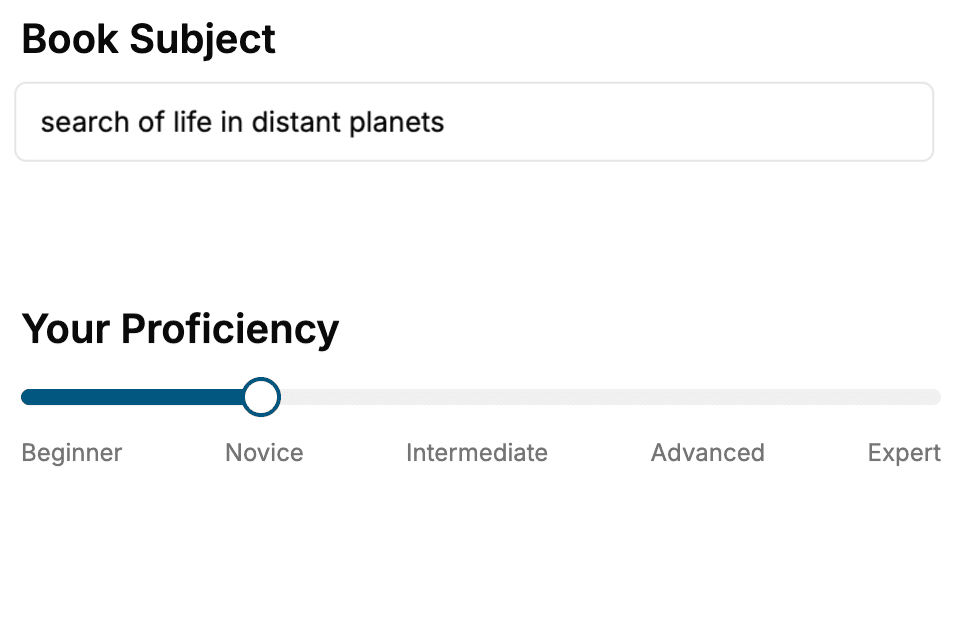
Select the focus of your England Travel Guide book and share your background
- 2. Personalize your book
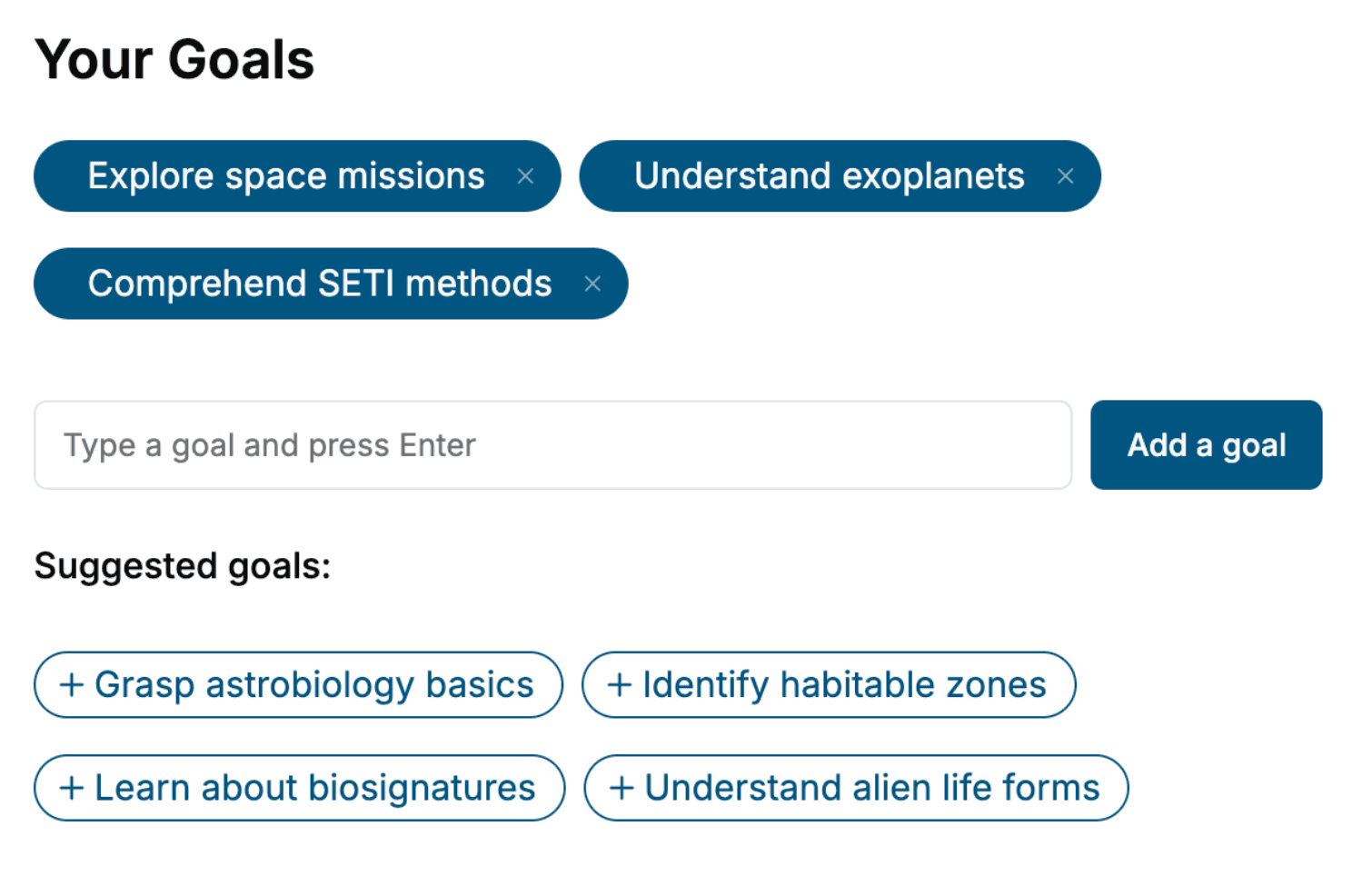
Specify your goals and choose sub-topics to include
- 3. Get your tailored book
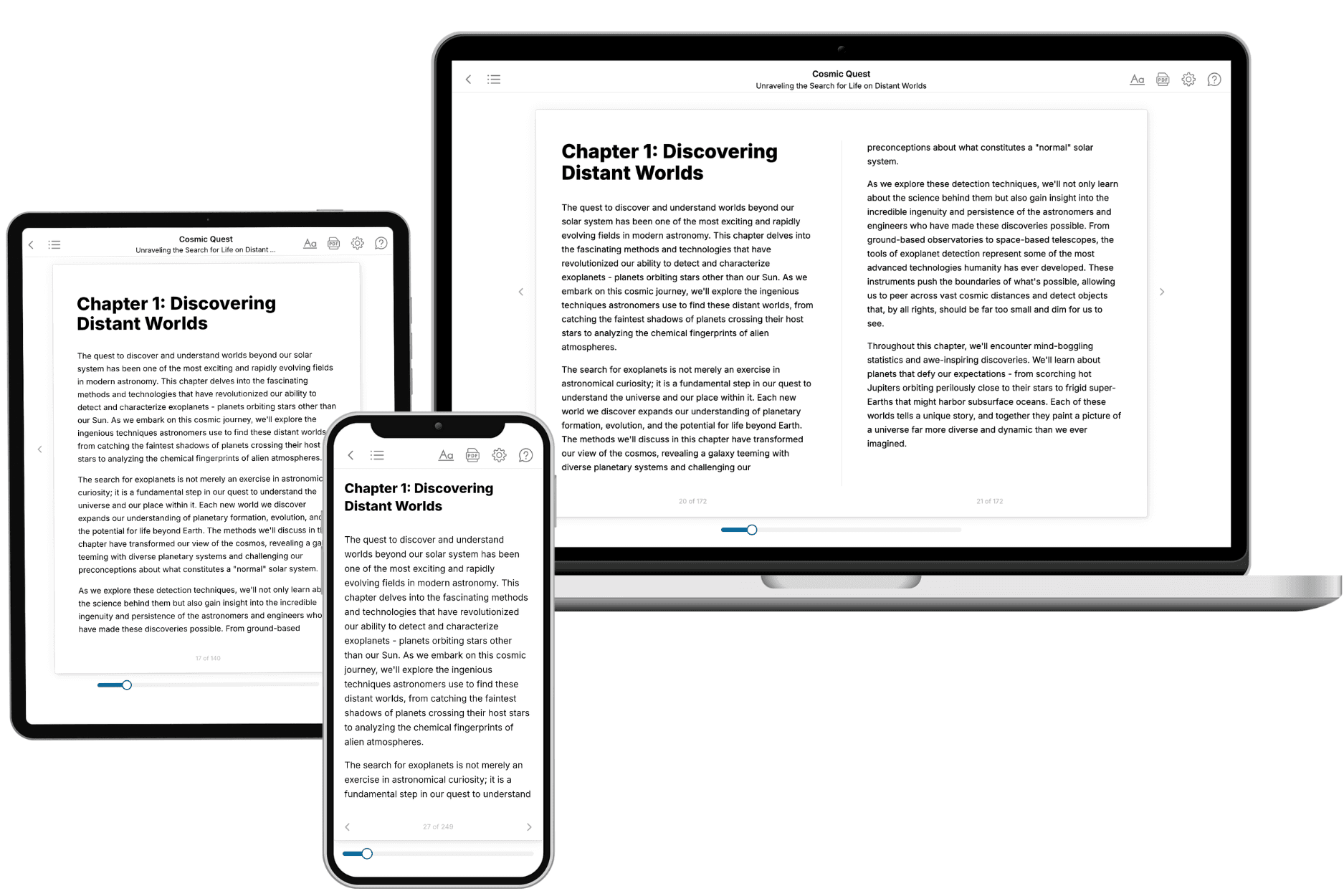
Your book is ready in 10 minutes. Read it online, download as EPUB or PDF, or send to Kindle.
Frequently asked questions
- What is TailoredRead?
TailoredRead creates complete, full-length nonfiction ebooks, written specifically for you. Tell us what you want to learn and why, and TailoredRead writes you a complete ebook on it, with charts, tables, and diagrams throughout. Read it online, on Kindle, or on any e-reader, or download it as a PDF or EPUB. Every book is written fresh the day you order it.
- How is the book tailored to me?
Before anything is written, you answer a few short questions about your goals, your background, and the topics you care about. Your book is then planned around your answers: written at your level, focused on your goals, and covering the topics you chose, instead of the one-size-fits-all book a store sells everyone.
- Will it read like generic AI content?
No. Your book isn't a chat transcript: it's planned chapter by chapter before a single word is written, told in a clear book voice, and explains ideas visually with charts, tables, and diagrams. After writing, every book goes through an editorial pass that polishes chapters so the book reads consistent from start to finish. Judge for yourself: browse thousands of sample books on our Explore Books page.
- How accurate is the content?
Our AI first checks whether your subject needs live research. Niche and fast-moving subjects are researched before writing, and the book plan and chapters are grounded in what it finds. After writing, every book goes through a quality pass that checks its facts and consistency, and researched books list their sources in a Notes section at the back.
- How long is the book?
You choose the length: Comprehensive (250-300 pages), Detailed (150-200 pages), Essential (70-100 pages), or Short (30-50 pages).
- Does the book include visuals?
Yes. Every book includes charts, tables, and diagrams: timelines, checklists, step-by-step guides, decision trees, comparison tables, matrices, and bar charts. A typical book includes dozens of these visual elements.
- Can I read it on Kindle? What formats can I download?
Yes. Every book can be read in our online reader or downloaded as a PDF or EPUB. The EPUB can be opened with Kindle, Apple Books, Kobo, and any e-reader. The Commercial and Author licenses also include an editable Word (DOCX) and Markdown download.
- How much does it cost?
About the price of a regular ebook. The exact price depends on your book's length and complexity, from $2 for the shortest books to $35 for the most comprehensive, and it's shown when you review your book, before you commit to anything. Each book is a one-time purchase, yours to keep, no subscription. Licenses that let you share, teach, or publish your book range from $35.99 to $49.99.
- Can I preview the book before purchasing?
Before you pay, you'll see what your book will cover: the title, a detailed description, the estimated length, and the complete chapter-by-chapter table of contents, so you know what you're getting before you decide. The full text itself is written after you purchase.
- How long does it take to create a book?
About 10 minutes. You can start reading the opening chapters while the rest is still being written.