Tom Yum Goong Mastery
The Complete Guide to Thailand's Most Iconic Shrimp Soup
What makes the difference between a bowl of hot broth with shrimp and an authentic Tom Yum Goong that makes your taste buds sing?
191 pages8 chaptersDec 23, 2025Thai Cooking
About this book
The answer lies in understanding the intricate balance of flavors, the quality of your ingredients, and the techniques that transform simple components into something extraordinary. This comprehensive guide takes you beyond basic recipes to reveal the secrets behind Thailand's most celebrated soup. You'll discover how to select the perfect shrimp, master the aromatic foundations that define the dish, and navigate regional variations that reflect Thailand's diverse culinary landscape. Whether you're recreating memories of street food stalls in Bangkok or exploring Pacific Rim cuisine in your own kitchen, this book provides the knowledge and confidence to prepare Tom Yum Goong that rivals your favorite Thai restaurants. Learn the cultural significance of each ingredient, understand the science behind flavor development, and explore creative variations that honor tradition while embracing modern cooking.
Table of contents
- IntroductionWhy Tom Yum Goong Matters, Your Journey to Mastery, How to Use This BookRead below
- Chapter 1: The Soul of Thai CuisineUnderstanding Thai Flavor Philosophy, The Five Essential Flavors, Tom Yum Goong's Place in Thai Culinary History
- Chapter 2: Essential Ingredients and Their RolesSelecting and Preparing the Perfect Shrimp, Lemongrass, Galangal, and Kaffir Lime Leaves, Thai Chilies and Managing Heat Levels, Coconut Milk, Fish Sauce, and Tamarind
- Chapter 3: Building Your Aromatic BaseThe Paste Method: Traditional Approach, The Infusion Method: Modern Flexibility, Creating the Perfect Broth Foundation
- Chapter 4: Mastering the Cooking TechniqueLayering Flavors Through Proper Sequencing, Timing and Temperature Control, Cooking Shrimp to Perfection, Balancing and Final Adjustments
- Chapter 5: Regional Variations and StylesBangkok's Urban Tom Yum Goong, Northern Thailand's Lighter Interpretations, Southern Thailand's Spicier Traditions
- Chapter 6: Tom Yum Goong in Pacific Rim CuisineUnderstanding Pacific Rim Cooking, Fusion Variations and Modern Interpretations, Pairing Tom Yum Goong with Other Pacific Rim Dishes
- Chapter 7: Troubleshooting and Common MistakesAddressing Flavor Imbalances, Fixing Texture and Consistency Problems, Working with Ingredient Substitutions, Avoiding Common Cooking Pitfalls
- Chapter 8: Recipes and VariationsThe Classic Tom Yum Goong Recipe, Creamy Tom Yum Goong with Coconut Milk, Clear Broth Tom Yum Goong, Quick Weeknight Version
- ConclusionYour Path to Tom Yum Goong Mastery, Continued Exploration and Experimentation
- Glossary of Thai Cooking Terms
- Further Reading and Resources
Introduction
The first time you taste authentic Tom Yum Goong, something remarkable happens. Your palate awakens to a symphony of flavors that seem impossible to exist in harmony—fiery heat from Thai chilies, bright sourness from lime and tamarind, aromatic complexity from lemongrass and galangal, and the sweet brininess of perfectly cooked shrimp. This isn't just soup; it's an experience that captures the essence of Thai cuisine in a single bowl. For many people, that first encounter becomes a culinary obsession, a flavor memory they chase through countless restaurant visits and kitchen experiments.
Tom Yum Goong represents more than Thailand's most famous soup—it embodies a sophisticated approach to flavor that has captivated food lovers worldwide. The dish demonstrates how Thai cooks have mastered the art of balancing five fundamental tastes: spicy, sour, salty, sweet, and umami. This balance isn't accidental or intuitive; it's the result of centuries of culinary refinement passed down through generations. Understanding this philosophy transforms Tom Yum Goong from a recipe you follow into a technique you master, opening doors to countless variations and adaptations.
Yet despite its popularity in Thai restaurants across the globe, Tom Yum Goong remains intimidating for home cooks. The ingredient list includes unfamiliar items with difficult pronunciations. The cooking process seems mysterious, with aromatics added at specific moments and adjustments made by taste rather than measurement. Many attempts at home result in disappointment—a soup that tastes flat, overly sour, or simply like hot water with shrimp floating in it. This book exists to bridge that gap between restaurant excellence and home cooking reality, providing you with the knowledge, techniques, and confidence to create authentic Tom Yum Goong in your own kitchen.
Your journey through these pages will take you beyond simple recipes into the deeper understanding that separates competent cooking from true mastery. You'll learn not just what ingredients to use, but why each component matters and how they interact to create complexity. You'll discover the cultural context that shaped this dish and the regional variations that reflect Thailand's diverse culinary landscape. Most importantly, you'll develop the skills to taste, adjust, and perfect your soup, adapting it to your preferences while maintaining the authentic character that makes Tom Yum Goong special.
Why Tom Yum Goong Matters
Tom Yum Goong occupies a unique position in the global culinary landscape. It's simultaneously a humble street food and an elegant restaurant dish, a comfort food for Thai families and an exotic adventure for international diners. This duality reflects the dish's remarkable versatility and its ability to showcase Thai cooking principles at every level of sophistication. When you master Tom Yum Goong, you're not just learning one recipe—you're gaining insight into an entire culinary tradition that values balance, freshness, and aromatic complexity above all else.
The dish serves as a perfect gateway into Thai cuisine for several compelling reasons. First, it introduces you to essential Thai ingredients that appear throughout the cuisine: lemongrass, galangal, kaffir lime leaves, Thai chilies, fish sauce, and tamarind. Learning to work with these aromatics in Tom Yum Goong prepares you for countless other Thai dishes. Second, the soup teaches fundamental Thai cooking techniques, particularly the art of building layered flavors through sequential ingredient addition and the practice of adjusting seasoning by taste rather than rigid measurement. These skills transfer directly to other Thai preparations.
Beyond its educational value, Tom Yum Goong offers practical benefits for home cooks exploring Pacific Rim cuisine. The soup comes together relatively quickly compared to many complex dishes, making it accessible for weeknight cooking once you understand the technique. The ingredient list, while initially unfamiliar, consists of items that store well and serve multiple purposes in your pantry. A stalk of lemongrass, a knob of galangal, and a handful of kaffir lime leaves can transform numerous dishes beyond Tom Yum Goong, making your investment in these ingredients worthwhile.
The cultural significance of Tom Yum Goong extends beyond Thailand's borders into the broader context of Southeast Asian cuisine. The dish represents Thailand's position at the crossroads of Asian culinary traditions, incorporating influences from Chinese, Indian, and indigenous Thai cooking. Understanding Tom Yum Goong helps you appreciate how regional cuisines interact and influence each other, particularly relevant as you explore Pacific Rim cooking. The soup demonstrates how local ingredients and traditional techniques create distinctive flavors that define a cuisine's identity.
From a flavor perspective, Tom Yum Goong challenges and expands your palate in ways that few other dishes can match. The interplay of heat, sourness, and aromatic complexity creates a taste experience that's simultaneously stimulating and satisfying. The soup's bright, clean flavors contrast sharply with the rich, heavy soups common in Western cuisine, offering a refreshing alternative that feels lighter while delivering intense satisfaction. This flavor profile has influenced modern cooking worldwide, appearing in fusion dishes and inspiring chefs to explore similar balances in their own culinary traditions.
The health aspects of Tom Yum Goong deserve attention as well. The soup's foundation consists of aromatic herbs and spices known for their beneficial properties: lemongrass aids digestion, galangal has anti-inflammatory effects, and chilies boost metabolism. The broth-based preparation keeps the dish relatively light, while the shrimp provides lean protein. Unlike cream-based soups, Tom Yum Goong delivers intense flavor without heavy fats, making it a satisfying option that aligns with health-conscious eating. These qualities have contributed to the dish's popularity beyond traditional Thai communities.
Perhaps most importantly, Tom Yum Goong matters because it brings joy. The soup's vibrant flavors, beautiful presentation, and aromatic appeal create a dining experience that engages all your senses. Preparing Tom Yum Goong connects you to a rich culinary tradition while allowing creative expression through variations and adjustments. Sharing a pot of homemade Tom Yum Goong with family or friends creates memorable moments around the table. This combination of cultural significance, culinary education, and pure enjoyment makes mastering Tom Yum Goong a worthwhile pursuit for any serious home cook.
Your Journey to Mastery
Mastering Tom Yum Goong follows a progression that mirrors how Thai cooks traditionally learn their craft—through understanding ingredients, practicing techniques, and developing your palate. This journey doesn't require years of study or professional training, but it does demand attention to detail and willingness to taste, adjust, and refine. Your path begins with familiarizing yourself with unfamiliar ingredients, progresses through learning fundamental techniques, and culminates in the ability to create balanced, delicious soup by instinct rather than strict recipe adherence.
The first stage of your journey involves building ingredient knowledge. You'll learn to identify fresh lemongrass by its firm stalks and citrus aroma, distinguish galangal from its cousin ginger by its pink-tinged skin and sharper flavor, and select kaffir lime leaves that release intense fragrance when torn. This sensory education forms the foundation of authentic Tom Yum Goong. You'll discover where to source these ingredients, how to store them properly, and what substitutions work when authentic items aren't available. This knowledge transforms shopping from a frustrating scavenger hunt into a confident selection process.
As you progress, you'll develop technical skills that define competent Thai cooking. You'll learn two distinct methods for building the aromatic base—the traditional paste method that creates intense, concentrated flavor, and the infusion method that offers more flexibility and control. You'll practice the crucial technique of cooking shrimp just until they turn pink and curl, avoiding the rubbery texture that plagues overcooked seafood. You'll master the art of layering flavors, understanding which ingredients go into the pot first and which get added at the end to preserve their fresh, bright character.
The middle phase of your journey focuses on developing your palate and learning to balance the five essential flavors. This skill separates adequate Tom Yum Goong from exceptional versions. You'll learn to taste your soup critically, identifying which flavor needs adjustment—more lime juice for sourness, additional fish sauce for saltiness, a touch of sugar for sweetness, or extra chilies for heat. This process requires practice and attention, but it's the most important skill you'll develop. Once you can taste and adjust confidently, you'll never need to follow a recipe exactly again.
Your journey includes exploring regional variations that demonstrate Tom Yum Goong's diversity. You'll discover how Bangkok's urban version differs from the lighter preparations of northern Thailand and the fiery interpretations of the south. Each variation teaches you something about Thai cuisine's regional diversity and gives you options for adapting the soup to your preferences. Some days you might crave the creamy richness of Tom Yum Goong with coconut milk; other times, the clean, clear broth version appeals more. Understanding these variations gives you flexibility and keeps the dish interesting.
The advanced stage of mastery involves creative exploration while maintaining authentic character. You'll learn how Tom Yum Goong fits into the broader context of Pacific Rim cuisine, discovering fusion possibilities that honor Thai traditions while incorporating complementary ingredients from neighboring regions. You might experiment with adding mushrooms for earthiness, incorporating different proteins beyond shrimp, or adjusting the soup's consistency to suit different serving contexts. This creative phase represents true mastery—the ability to innovate while respecting the dish's essential nature.
Throughout this journey, you'll encounter challenges and setbacks. Your first attempt might taste too sour or not spicy enough. You might overcook the shrimp or struggle to find fresh galangal. These difficulties are normal and expected; they're part of the learning process. This book provides troubleshooting guidance for common problems, helping you understand what went wrong and how to fix it. Each mistake teaches you something valuable about the dish, building your intuition and deepening your understanding. Embrace these learning moments rather than viewing them as failures.
The timeline for achieving mastery varies by individual, but most home cooks can prepare excellent Tom Yum Goong after making it three to five times. Your first attempt familiarizes you with the process and ingredients. Your second or third attempt allows you to focus on technique and timing. By your fourth or fifth preparation, you'll start developing the intuitive understanding that characterizes mastery. Continue practicing, and Tom Yum Goong will become a reliable dish in your repertoire, something you can prepare confidently for family dinners or when entertaining guests who appreciate bold, authentic flavors.
How to Use This Book
This book follows a logical progression designed to build your knowledge and skills systematically. However, it's also structured to serve as a reference you can return to when specific questions arise. Depending on your current skill level and learning style, you might read straight through from beginning to end, or you might jump to specific chapters that address your immediate needs. Both approaches work, though reading the early chapters provides important context that makes later sections more meaningful and easier to understand.
The opening chapters establish foundational knowledge essential for authentic Tom Yum Goong. Chapter 1 explores Thai flavor philosophy and the historical context that shaped this dish. This cultural and conceptual framework helps you understand why Tom Yum Goong tastes the way it does and what you're trying to achieve when you cook it. Chapter 2 provides detailed information about essential ingredients—what they are, where to find them, how to select quality items, and how to store them properly. These chapters might seem theoretical, but they provide the knowledge base that makes practical cooking more successful and intuitive.
The middle chapters focus on technique and execution. Chapter 3 explains how to build the aromatic base using two different methods, giving you options based on your available time and ingredients. Chapter 4 walks through the complete cooking process, explaining timing, temperature control, and the crucial skill of balancing flavors. These chapters contain the practical, hands-on information you'll reference most frequently as you cook. Read them carefully, and consider keeping the book open in your kitchen during your first few attempts, referring to specific sections as you work through each step.
Later chapters expand your understanding and capabilities. Chapter 5 explores regional variations, showing you how Tom Yum Goong changes across Thailand and giving you options for adapting the dish to your preferences. Chapter 6 places Tom Yum Goong in the context of Pacific Rim cuisine, offering fusion possibilities and pairing suggestions. Chapter 7 provides troubleshooting guidance for common problems—reference this chapter when something goes wrong or when you want to understand how to fix a specific issue. Chapter 8 presents complete recipes for different Tom Yum Goong styles, from classic preparations to quick weeknight versions.
Throughout the book, you'll find specific elements designed to enhance your learning:
- Practical examples that illustrate concepts with concrete scenarios and specific details
- Step-by-step processes that break down complex techniques into manageable actions
- Troubleshooting tips that address common problems and their solutions
- Variation suggestions that show how to adapt recipes to different preferences and situations
- Cultural context that deepens your appreciation for the dish's significance
- Ingredient alternatives that help when authentic items aren't available
The book's approach emphasizes understanding over rote recipe following. Rather than simply providing measurements and instructions, each chapter explains the reasoning behind techniques and the principles that guide decision-making. This approach requires more initial effort but pays dividends in long-term mastery. Once you understand why you're adding ingredients in a specific order or how to recognize when flavors are balanced, you can adapt and improvise confidently. You'll be able to adjust recipes based on available ingredients, scale portions up or down, and troubleshoot problems independently.
For your first reading, consider this approach: Read Chapters 1 and 2 to build foundational knowledge about Thai cuisine and essential ingredients. Then read Chapters 3 and 4 while preparing your first batch of Tom Yum Goong, following the classic recipe in Chapter 8. This combination of reading and doing reinforces learning and helps you connect theoretical knowledge with practical experience. After your first successful preparation, explore Chapters 5 and 6 to discover variations and broader applications. Keep Chapter 7 bookmarked for reference when problems arise.
As you gain experience, you'll find yourself returning to specific sections for different purposes. You might reference the ingredient chapter when shopping for supplies, consult the technique chapter when trying a new preparation method, or review the troubleshooting section when something doesn't taste quite right. The glossary at the back provides quick definitions of Thai cooking terms, while the resources section points you toward additional learning opportunities. This book is designed to grow with you, remaining useful as you progress from beginner to confident practitioner.
Finally, approach this journey with patience and curiosity. Tom Yum Goong rewards attention to detail and willingness to taste, adjust, and refine. Your first attempt might not match your favorite restaurant's version, but each preparation will improve your skills and deepen your understanding. Embrace the learning process, celebrate small victories, and don't be discouraged by setbacks. The goal isn't perfection on your first try—it's steady progress toward mastery. With the knowledge in this book and consistent practice, you'll soon be preparing Tom Yum Goong that rivals any restaurant, adapted to your personal preferences and made with confidence in your own kitchen.
This is the end of the free sample. The full book has 8 chapters.
Want this book written for you?
Tell us your goals and background, and get your own version of this book, tailored by AI to you.


Benefits of AI-tailored books
- Read one book, not ten:
- all the Thai Cooking knowledge you need, gathered into a single book.
- Save days of learning:
- tell us your goals, choose your topics, and the whole book is built around them.
- Learn effortlessly:
- Thai Cooking book written for your specific background and expertise.
- Understand at a glance:
- includes charts, tables, timelines, checklists, decision trees, and more.
- Stay current:
- written the day you order it, not years ago.
- Trust what you read:
- every book is checked for accuracy, with real research when your subject needs it.
Create your unique book in 3 steps
- 1. Select your focus
Select the focus of your Thai Cooking book and share your background
- 2. Personalize your book
Specify your goals and choose sub-topics to include
- 3. Get your tailored book
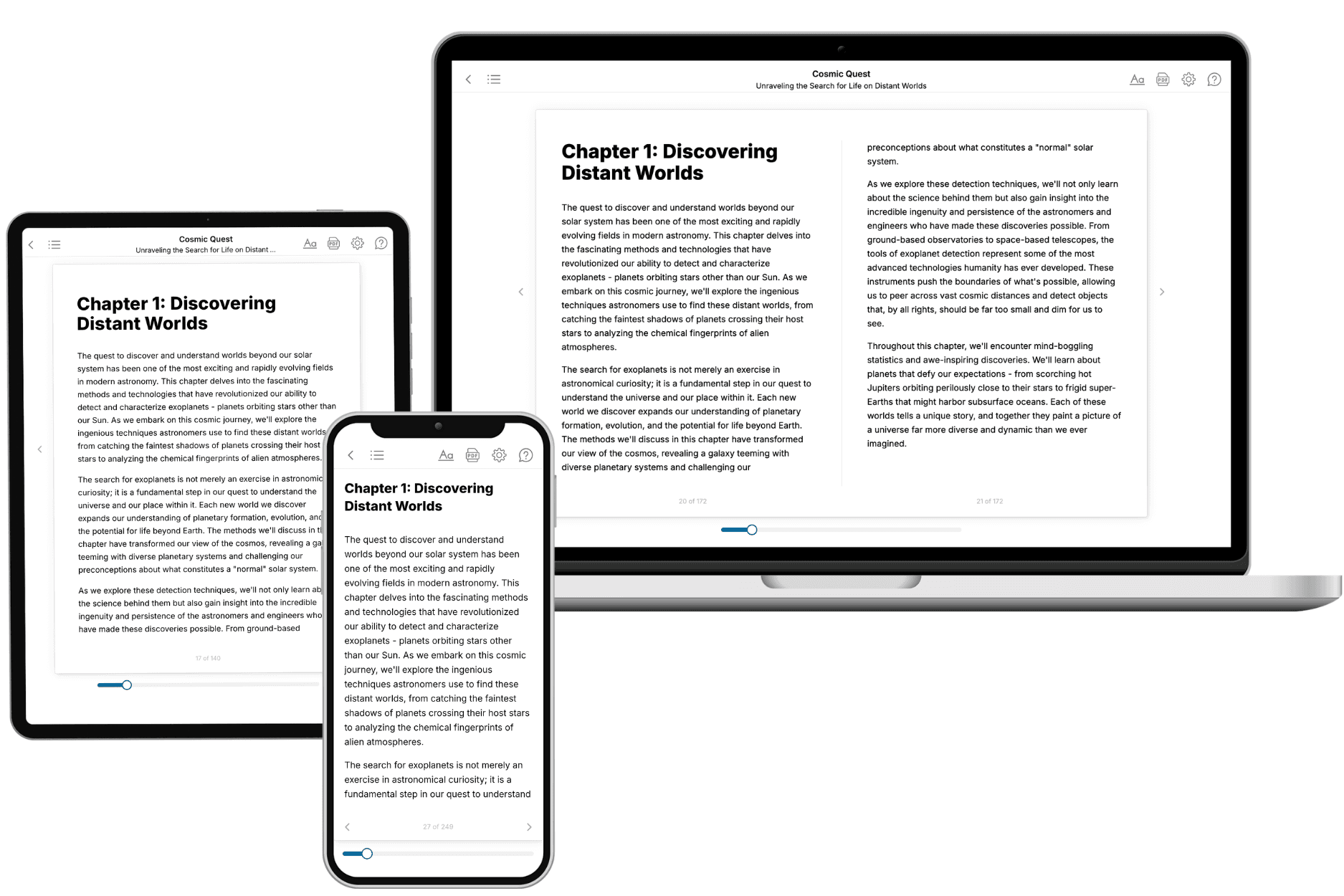
Your book is ready in 10 minutes. Read it online, download as EPUB or PDF, or send to Kindle.
Frequently asked questions
- What is TailoredRead?
TailoredRead creates complete, full-length nonfiction ebooks, written specifically for you. Tell us what you want to learn and why, and TailoredRead writes you a complete ebook on it, with charts, tables, and diagrams throughout. Read it online, on Kindle, or on any e-reader, or download it as a PDF or EPUB. Every book is written fresh the day you order it.
- How is the book tailored to me?
Before anything is written, you answer a few short questions about your goals, your background, and the topics you care about. Your book is then planned around your answers: written at your level, focused on your goals, and covering the topics you chose, instead of the one-size-fits-all book a store sells everyone.
- Will it read like generic AI content?
No. Your book isn't a chat transcript: it's planned chapter by chapter before a single word is written, told in a clear book voice, and explains ideas visually with charts, tables, and diagrams. After writing, every book goes through an editorial pass that polishes chapters so the book reads consistent from start to finish. Judge for yourself: browse thousands of sample books on our Explore Books page.
- How accurate is the content?
Our AI first checks whether your subject needs live research. Niche and fast-moving subjects are researched before writing, and the book plan and chapters are grounded in what it finds. After writing, every book goes through a quality pass that checks its facts and consistency, and researched books list their sources in a Notes section at the back.
- How long is the book?
You choose the length: Comprehensive (250-300 pages), Detailed (150-200 pages), Essential (70-100 pages), or Short (30-50 pages).
- Does the book include visuals?
Yes. Every book includes charts, tables, and diagrams: timelines, checklists, step-by-step guides, decision trees, comparison tables, matrices, and bar charts. A typical book includes dozens of these visual elements.
- Can I read it on Kindle? What formats can I download?
Yes. Every book can be read in our online reader or downloaded as a PDF or EPUB. The EPUB can be opened with Kindle, Apple Books, Kobo, and any e-reader. The Commercial and Author licenses also include an editable Word (DOCX) and Markdown download.
- How much does it cost?
About the price of a regular ebook. The exact price depends on your book's length and complexity, from $2 for the shortest books to $35 for the most comprehensive, and it's shown when you review your book, before you commit to anything. Each book is a one-time purchase, yours to keep, no subscription. Licenses that let you share, teach, or publish your book range from $35.99 to $49.99.
- Can I preview the book before purchasing?
Before you pay, you'll see what your book will cover: the title, a detailed description, the estimated length, and the complete chapter-by-chapter table of contents, so you know what you're getting before you decide. The full text itself is written after you purchase.
- How long does it take to create a book?
About 10 minutes. You can start reading the opening chapters while the rest is still being written.