The Traveler's Guide to Middle Eastern Cuisine
Discover Authentic Flavors, Regional Traditions, and Culinary Stories Across the Middle East
Traveling through the Middle East becomes infinitely richer when you understand the food.
222 pages11 chaptersDec 8, 2025Middle East Travel
About this book
This guide takes you beyond tourist menus and into the heart of Middle Eastern culinary traditions, revealing how geography, history, and culture shape what people eat across the region. You'll discover the essential spices and ingredients that define Middle Eastern cooking, explore the signature dishes of each country, and learn where to find the most authentic food experiences—from bustling street markets to family-run restaurants. Whether you're planning a trip, cooking at home, or simply curious about the region's food culture, you'll gain practical knowledge about regional variations, cooking techniques, and the stories behind beloved dishes. This book connects food to place, helping you appreciate not just what you eat, but why it matters to the people who prepare and share it.
Table of contents
- IntroductionWhy Food Matters in Travel, The Diversity of Middle Eastern Cuisine, How to Use This GuideRead below
- Chapter 1: The Foundations of Middle Eastern CookingEssential Spices and Seasonings, Core Ingredients You'll Find Everywhere, Understanding Regional Flavor Profiles
- Chapter 2: The Levantine Kitchen: Syria, Lebanon, Palestine, and JordanThe Heart of Mediterranean Influence, Signature Dishes and Regional Specialties, The Art of Mezze and Shared Plates, Where to Eat and What to Order
- Chapter 3: Turkish and Eastern Mediterranean TraditionsTurkish Culinary Heritage and Ottoman Influence, Kebabs, Breads, and Grilled Specialties, Regional Variations Across Turkey
- Chapter 4: Persian and Iranian CuisineThe Philosophy of Persian Cooking, Rice Dishes and Aromatic Stews, Hospitality and the Persian Table
- Chapter 5: Arabian Peninsula and Gulf CuisineTrade Routes and Global Influences, Rice, Seafood, and Spiced Traditions, Bedouin Heritage and Desert Cooking
- Chapter 6: North African Connections: Egypt and BeyondEgyptian Staples and Street Food Culture, Distinctive Spice Blends and Flavor Combinations, Nile Valley Traditions and Modern Cairo
- Chapter 7: Vegetarian and Plant-Based TraditionsVegetable Dishes and Legume-Based Meals, Religious and Cultural Significance of Plant-Based Foods, Navigating Vegetarian Options While Traveling
- Chapter 8: Street Food and Market ExperiencesThe Culture of Street Food and Casual Eating, Navigating Spice Souks and Food Markets, Food Safety and Eating Confidently on the Street, Iconic Street Foods You Must Try
- Chapter 9: Cooking Techniques and Kitchen SkillsTraditional Cooking Methods and Equipment, Flavor-Building Techniques and Layering, Adapting Recipes for Your Home Kitchen
- Chapter 10: Beverages, Desserts, and Sweet TraditionsTraditional Beverages and Coffee Culture, Desserts, Pastries, and Sweet Treats, Tea, Hospitality, and Social Rituals
- Chapter 11: Planning Your Culinary JourneyResearch and Preparation Before You Travel, Food Tours, Cooking Classes, and Immersive Experiences, Connecting with Locals Through Food
- ConclusionFood as a Bridge to Understanding, Continuing Your Culinary Exploration
- Further Reading and Resources
Introduction
Food is the most immediate and intimate way to understand a place. When you sit down to eat in the Middle East, you're not just tasting ingredients and spices—you're experiencing centuries of history, trade routes that connected continents, and the daily rhythms of family life. A bowl of lentil soup in Cairo tells a different story than one in Tehran. The way bread is baked in a village in Jordan reflects traditions passed down through generations. Every dish carries meaning, and every meal offers an opportunity to connect with the people and cultures that created it.
The Middle East spans an enormous geographic and cultural territory, from the Mediterranean coast to the Persian Gulf, from the mountains of Turkey to the deserts of Arabia. This diversity creates one of the world's most varied and sophisticated culinary landscapes. Yet many travelers experience only a narrow slice of this richness, often limited to hotel restaurants or tourist-oriented establishments that serve generic versions of regional dishes. This guide exists to help you move beyond those limitations and discover the authentic food experiences that make travel through the Middle East truly memorable.
Understanding Middle Eastern cuisine requires more than just knowing what to order. It means recognizing how geography shapes ingredients, how history influences cooking methods, and how cultural values like hospitality and community transform eating into something far more significant than simple sustenance. When you grasp these connections, every meal becomes more meaningful. You'll understand why certain spices appear together, why specific dishes are served at particular times, and why food is so central to social life throughout the region. This knowledge transforms you from a passive consumer into an engaged participant in one of humanity's oldest and most vibrant food cultures.
This introduction sets the foundation for your culinary journey through the Middle East. You'll discover why food matters so deeply in travel, explore the remarkable diversity that defines Middle Eastern cuisine, and learn how to use this guide effectively whether you're planning a trip, cooking at home, or simply deepening your appreciation for this extraordinary culinary tradition. The goal is not to make you an expert overnight, but to give you the tools and context you need to eat well, choose wisely, and connect authentically with the food and people you encounter.
Why Food Matters in Travel
Travel guidebooks often treat food as a practical necessity or a pleasant diversion between sightseeing activities. But in the Middle East, this approach misses something fundamental. Food is not separate from culture—it is culture made tangible and shareable. When a family invites you to their table, they're offering more than a meal. They're sharing their values, their history, and their identity. The dishes they serve, the way they prepare them, and the rituals surrounding the meal all communicate important information about who they are and what matters to them. Missing these cues means missing much of what makes the region distinctive and compelling.
Consider the concept of hospitality, which holds profound significance throughout the Middle East. Offering food to guests is not merely polite—it's a moral obligation rooted in ancient traditions of desert survival and religious teachings. When someone serves you tea or insists you eat more, they're enacting values that have shaped social life in the region for millennia. Understanding this context changes how you receive their generosity. You're not just accepting refreshment; you're participating in a cultural exchange that predates modern borders and political divisions. This awareness creates opportunities for genuine connection that transcend language barriers and cultural differences.
Food also provides access to places and experiences that remain invisible to conventional tourism. A neighborhood bakery where locals line up for fresh bread each morning reveals daily rhythms that hotels never capture. A family-run restaurant serving one or two dishes perfected over decades demonstrates dedication to craft that contrasts sharply with tourist-oriented establishments. Street vendors who've occupied the same corner for years become landmarks in their communities, their food intertwined with local memory and identity. These experiences don't appear in standard guidebooks, but they offer the most authentic encounters with how people actually live.
The practical benefits of food knowledge extend beyond cultural appreciation. Knowing what to order helps you avoid tourist traps and overpriced mediocrity. Understanding regional specialties ensures you don't miss dishes that locals consider essential. Recognizing quality ingredients and proper preparation techniques allows you to distinguish between authentic cooking and shortcuts taken for convenience. These skills save money, improve your meals, and increase your confidence navigating unfamiliar food environments. You'll eat better, spend less, and gain access to experiences that remain hidden from less informed travelers.
Food literacy also creates conversation opportunities that other topics cannot match. Asking about a dish's preparation, complimenting a specific flavor, or expressing interest in local ingredients demonstrates respect and curiosity that people appreciate. These conversations often lead to recommendations, invitations, and insights that transform your understanding of a place. A simple question about spices might result in a tour of a family's kitchen, an introduction to their favorite market vendor, or an invitation to a home-cooked meal. Food provides common ground that politics, religion, and other sensitive topics often cannot.
Perhaps most importantly, food memories endure long after other travel experiences fade. The taste of perfectly grilled kebabs in Istanbul, the aroma of fresh bread in a Lebanese mountain village, or the complex flavors of a Persian stew remain vivid years later. These sensory memories anchor your understanding of places and create emotional connections that photographs and souvenirs cannot replicate. When you later cook a dish at home or encounter similar flavors elsewhere, those memories resurface, bringing the places and people you encountered back to life. Food becomes a bridge between past experiences and present moments, keeping your travels alive in daily life.
The Middle East's current political complexities make cultural understanding more important than ever. Food offers a way to engage with the region that transcends headlines and stereotypes. When you focus on what people eat, how they cook, and why certain dishes matter to them, you encounter human stories that complicate simplistic narratives. You discover that people everywhere care about feeding their families well, preserving traditions, and sharing good meals with friends. These universal concerns create empathy and understanding that abstract political discussions rarely achieve. Food humanizes places that news coverage often reduces to conflict zones or exotic destinations.
The Diversity of Middle Eastern Cuisine
The term "Middle Eastern cuisine" encompasses such extraordinary variety that using it as a single category almost seems misleading. The food of coastal Lebanon differs dramatically from mountain villages just miles inland. Turkish cuisine varies significantly between Istanbul, the Aegean coast, and the southeastern border regions. Iranian cooking in Tehran bears little resemblance to dishes from the Caspian coast or the southern Gulf ports. Even within single countries, regional variations reflect different climates, agricultural products, historical influences, and cultural traditions. Understanding this diversity is essential to appreciating what makes each area's food distinctive and meaningful.
Geography shapes cuisine in fundamental ways throughout the region. Coastal areas from Turkey to Oman feature abundant seafood, olive oil, and Mediterranean vegetables. Mountain regions rely on preserved foods, dairy products, and heartier dishes suited to cold winters. Desert areas developed cooking methods that maximize scarce water and fuel while preserving food in extreme heat. River valleys like the Nile and Tigris-Euphrates produced agricultural abundance that supported complex urban cuisines. These geographic factors created distinct culinary traditions that persist despite modern transportation and refrigeration making ingredients more widely available.
Historical trade routes left lasting marks on regional cuisines that remain visible today. The Silk Road brought spices, cooking techniques, and ingredients from Asia into Persian and Turkish cooking. Maritime trade connected the Arabian Peninsula with India, East Africa, and Southeast Asia, introducing flavors and methods that distinguish Gulf cuisine from Levantine traditions. Ottoman expansion spread Turkish culinary influences across a vast empire while simultaneously absorbing local traditions from conquered territories. These historical exchanges created layers of influence that make Middle Eastern cuisine remarkably sophisticated and varied.
Religious and cultural factors add another dimension to regional diversity. Islamic dietary laws influence food throughout the region, but their interpretation and application vary considerably. Christian and Jewish communities maintained distinct culinary traditions that enriched the broader food culture, particularly in the Levant. Seasonal religious observances like Ramadan, Easter, and Passover created special dishes and cooking traditions that remain important regardless of individual religious observance. Understanding these cultural contexts helps you appreciate why certain foods appear at specific times and why some dishes carry significance beyond their ingredients and flavors.
The distinction between urban and rural food traditions creates additional variation within regions. Cities developed sophisticated restaurant cultures, elaborate dishes for special occasions, and fusion cuisines that blended multiple influences. Rural areas preserved older cooking methods, relied more heavily on local ingredients, and maintained traditions that urban areas often abandoned. Village bread baked in communal ovens tastes different from commercial bakery products. Home-cooked stews using traditional techniques develop flavors that restaurant versions rarely match. These differences mean that comprehensive food exploration requires experiencing both urban and rural food environments.
Modern political borders often obscure older cultural and culinary connections that make more sense than current national divisions. The Levantine region—encompassing Syria, Lebanon, Palestine, and Jordan—shares more culinary commonality than any of these countries shares with more distant areas. Kurdish cuisine spans multiple modern nations but maintains distinctive characteristics wherever Kurdish communities exist. Bedouin food traditions cross desert borders that colonial powers drew on maps. Understanding these cultural regions helps you recognize patterns and connections that national boundaries obscure, making the cuisine's logic more apparent.
Economic factors also influence regional food diversity in ways that travelers should understand. Wealthy Gulf states import ingredients from around the world and support elaborate restaurant scenes that differ markedly from more modest establishments in less affluent areas. Economic pressures have changed traditional food systems, with industrial production replacing artisanal methods in many contexts. Yet economic constraints have also preserved traditional cooking in areas where expensive modern conveniences remain unaffordable. These economic realities shape what you'll encounter and help explain why similar dishes vary in quality and authenticity across different locations.
Climate variations create seasonal differences that affect what's available and what people prefer eating at different times of year. Summer heat throughout much of the region makes light, refreshing dishes more appealing, while winter cold in mountain areas calls for warming stews and hearty breads. Seasonal produce determines what appears in markets and on menus, with spring vegetables, summer fruits, and autumn harvests each bringing distinctive ingredients. Understanding these seasonal patterns helps you appreciate why certain dishes appear at specific times and why locals might recommend different foods depending on when you visit. Eating seasonally also ensures you experience ingredients at their peak quality.
The diversity of Middle Eastern cuisine means that generalizations often mislead more than they inform. Statements like "Middle Eastern food is spicy" or "Middle Eastern cuisine is meat-heavy" ignore enormous variation across the region. Some areas favor bold, complex spice blends while others prefer subtle seasoning. Vegetarian dishes form the foundation of daily eating in many communities despite the region's reputation for grilled meats. Rice dominates some areas while bread serves as the primary staple elsewhere. Approaching the region with awareness of this diversity prevents disappointment when your expectations don't match reality and opens you to discovering unexpected flavors and traditions.
How to Use This Guide
This guide is organized to serve multiple purposes depending on your needs and interests. If you're planning travel to specific countries, you can focus on the regional chapters that cover your destinations, learning about signature dishes, where to find authentic food, and what to order. If you're interested in cooking Middle Eastern food at home, the chapters on ingredients, spices, and cooking techniques provide the foundation you need to recreate authentic flavors. If you simply want to deepen your understanding of Middle Eastern food culture, reading straight through offers a comprehensive overview of the region's culinary landscape. The structure allows you to use the book as a reference guide, a travel companion, or a cover-to-cover exploration of the cuisine.
The early chapters establish foundational knowledge that applies throughout the region. Understanding essential spices, core ingredients, and basic flavor profiles helps you recognize patterns and make informed choices regardless of where you travel. These chapters explain not just what ingredients are used, but why they matter and how they work together to create distinctive flavors. This knowledge proves valuable whether you're shopping in a spice market, reading a menu, or attempting to recreate dishes at home. Even experienced cooks and frequent travelers often discover new information in these foundational chapters that changes how they understand Middle Eastern cuisine.
The regional chapters form the heart of the guide, exploring the distinctive cuisines of different areas in depth. Each chapter examines how geography, history, and culture shape local food traditions, then identifies signature dishes and explains where to find authentic versions. These chapters include practical information about what to order, how to recognize quality, and what to expect in different dining contexts. The regional organization reflects actual culinary patterns rather than simply following political borders, helping you understand cultural connections that transcend modern nations. Reading these chapters before visiting specific areas prepares you to eat well and make informed choices.
Specialized chapters address topics that apply across regions but deserve focused attention. The vegetarian and plant-based chapter recognizes that Middle Eastern cuisine offers extraordinary meat-free options that often get overlooked. The street food chapter acknowledges that some of the best food experiences happen outside formal restaurants. The cooking techniques chapter provides skills that apply regardless of which regional cuisine interests you most. These thematic chapters complement the regional coverage by exploring aspects of Middle Eastern food culture that don't fit neatly into geographic categories but significantly impact your food experiences.
Throughout the guide, you'll find specific examples, detailed descriptions, and practical advice rather than vague generalizations. When discussing a dish, the text explains what it should taste like, what ingredients define authentic versions, and how to distinguish quality preparations from mediocre ones. When recommending where to eat, the guidance focuses on types of establishments and what to look for rather than specific restaurant names that may close or change. This approach provides knowledge you can apply in various situations rather than information that becomes outdated quickly. The goal is teaching you to evaluate and choose rather than simply following a list of recommendations.
The guide assumes you have moderate familiarity with Middle Eastern cuisine but want to deepen your knowledge significantly. You probably know what hummus and falafel are, but you may not understand regional variations or how to identify superior versions. You might have eaten kebabs but not know the differences between Turkish, Persian, and Arab preparations. You've likely encountered pita bread without understanding the variety of breads used throughout the region. The content builds on this intermediate foundation, adding depth, context, and practical skills that transform casual familiarity into genuine understanding. Advanced cooks and experienced travelers will find new information, while those newer to the cuisine receive enough context to follow along.
Practical considerations receive attention throughout the guide because understanding food culture means little if you can't apply that knowledge effectively. Food safety information helps you eat street food confidently without unnecessary anxiety. Market navigation advice enables you to shop for ingredients and interact with vendors productively. Menu reading guidance helps you order dishes you'll actually enjoy rather than choosing blindly. These practical elements ensure the guide serves real-world needs rather than just providing interesting cultural information. The combination of cultural context and practical advice makes the guide useful whether you're traveling, cooking, or simply learning.
The guide encourages active engagement rather than passive consumption of information. Questions throughout prompt you to think about your own preferences, experiences, and goals. Suggestions for experiments and explorations invite you to test ideas and develop your own understanding. The approach assumes you'll bring your own curiosity and judgment to food experiences rather than simply following instructions. This active learning approach helps you develop skills and knowledge that extend beyond the specific information provided, enabling you to continue learning and discovering long after you finish reading.
Use the guide as a starting point rather than a comprehensive encyclopedia. Middle Eastern cuisine is too vast and varied for any single book to cover completely. Regional variations, family recipes, and local specialties number in the thousands. New restaurants open, food trends evolve, and culinary traditions continue developing. The guide provides a solid foundation and framework for understanding, but your own experiences, conversations, and discoveries will add layers of knowledge that no book can provide. Think of this as equipping you for exploration rather than eliminating the need for it. The best food experiences come from combining informed preparation with openness to unexpected discoveries.
Finally, approach Middle Eastern cuisine with respect for the people and cultures that created it. Food traditions represent accumulated wisdom, cultural values, and historical experiences that deserve appreciation rather than casual appropriation. When you cook Middle Eastern dishes, acknowledge their origins. When you eat in Middle Eastern restaurants, recognize the labor and skill involved. When you travel in the region, understand that you're a guest in someone else's home. This respectful approach enriches your experiences, creates better interactions with people you meet, and honors the significance that food holds in Middle Eastern cultures. The cuisine offers extraordinary pleasures and insights, but only when approached with the seriousness and respect it deserves.
This is the end of the free sample. The full book has 11 chapters.
Want this book written for you?
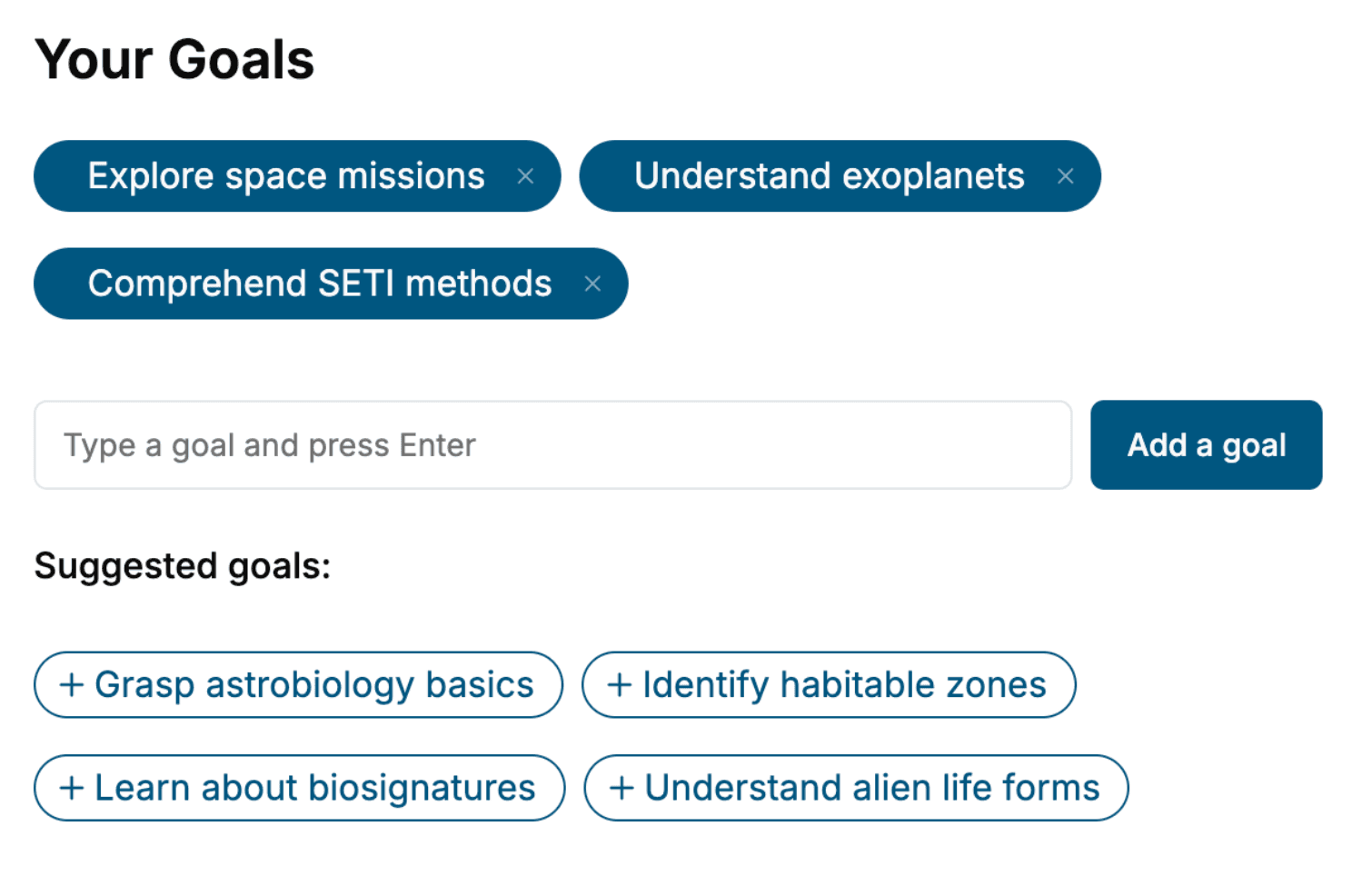
Tell us your goals and background, and get your own version of this book, tailored by AI to you.


Benefits of AI-tailored books
- Read one book, not ten:
- all the Middle East Travel knowledge you need, gathered into a single book.
- Save days of learning:
- tell us your goals, choose your topics, and the whole book is built around them.
- Learn effortlessly:
- Middle East Travel book written for your specific background and expertise.
- Understand at a glance:
- includes charts, tables, timelines, checklists, decision trees, and more.
- Stay current:
- written the day you order it, not years ago.
- Trust what you read:
- every book is checked for accuracy, with real research when your subject needs it.
Create your unique book in 3 steps
- 1. Select your focus
Select the focus of your Middle East Travel book and share your background
- 2. Personalize your book
Specify your goals and choose sub-topics to include
- 3. Get your tailored book
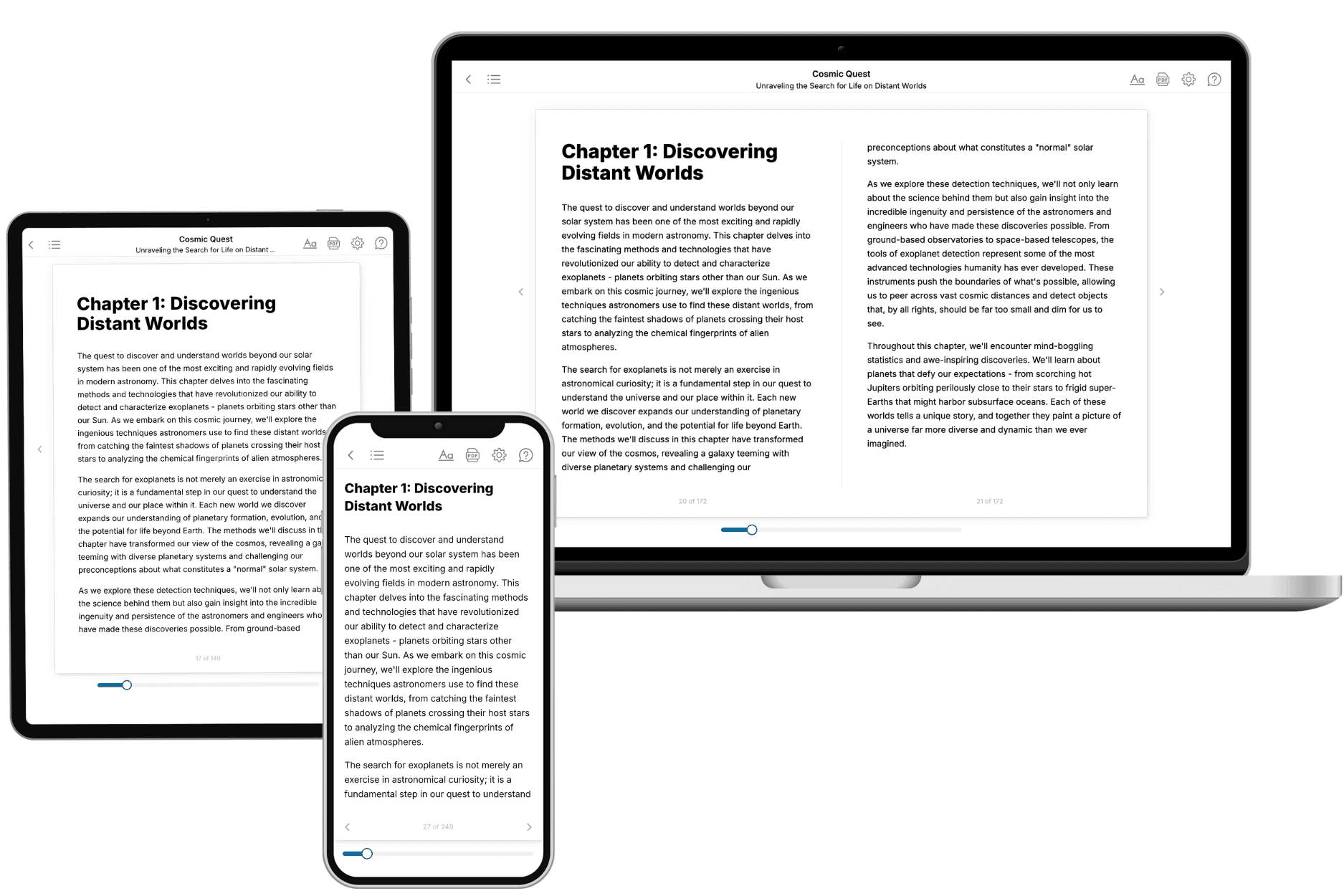
Your book is ready in 10 minutes. Read it online, download as EPUB or PDF, or send to Kindle.

Frequently asked questions
- What is TailoredRead?
TailoredRead creates complete, full-length nonfiction ebooks, written specifically for you. Tell us what you want to learn and why, and TailoredRead writes you a complete ebook on it, with charts, tables, and diagrams throughout. Read it online, on Kindle, or on any e-reader, or download it as a PDF or EPUB. Every book is written fresh the day you order it.
- How is the book tailored to me?
Before anything is written, you answer a few short questions about your goals, your background, and the topics you care about. Your book is then planned around your answers: written at your level, focused on your goals, and covering the topics you chose, instead of the one-size-fits-all book a store sells everyone.
- Will it read like generic AI content?
No. Your book isn't a chat transcript: it's planned chapter by chapter before a single word is written, told in a clear book voice, and explains ideas visually with charts, tables, and diagrams. After writing, every book goes through an editorial pass that polishes chapters so the book reads consistent from start to finish. Judge for yourself: browse thousands of sample books on our Explore Books page.
- How accurate is the content?
Our AI first checks whether your subject needs live research. Niche and fast-moving subjects are researched before writing, and the book plan and chapters are grounded in what it finds. After writing, every book goes through a quality pass that checks its facts and consistency, and researched books list their sources in a Notes section at the back.
- How long is the book?
You choose the length: Comprehensive (250-300 pages), Detailed (150-200 pages), Essential (70-100 pages), or Short (30-50 pages).
- Does the book include visuals?
Yes. Every book includes charts, tables, and diagrams: timelines, checklists, step-by-step guides, decision trees, comparison tables, matrices, and bar charts. A typical book includes dozens of these visual elements.
- Can I read it on Kindle? What formats can I download?
Yes. Every book can be read in our online reader or downloaded as a PDF or EPUB. The EPUB can be opened with Kindle, Apple Books, Kobo, and any e-reader. The Commercial and Author licenses also include an editable Word (DOCX) and Markdown download.
- How much does it cost?
About the price of a regular ebook. The exact price depends on your book's length and complexity, from $2 for the shortest books to $35 for the most comprehensive, and it's shown when you review your book, before you commit to anything. Each book is a one-time purchase, yours to keep, no subscription. Licenses that let you share, teach, or publish your book range from $35.99 to $49.99.
- Can I preview the book before purchasing?
Before you pay, you'll see what your book will cover: the title, a detailed description, the estimated length, and the complete chapter-by-chapter table of contents, so you know what you're getting before you decide. The full text itself is written after you purchase.
- How long does it take to create a book?
About 10 minutes. You can start reading the opening chapters while the rest is still being written.