The Ultimate Greenhouse Mastery
A Comprehensive Guide to Building, Automating, and Cultivating Your Dream Plant Paradise
Embark on an extraordinary journey into the world of greenhouse cultivation with "The Ultimate Greenhouse Mastery." This comprehensive guide is tailored for passionate home gardeners ready to elevate their skills and create a thriving, year-round plant paradise.
284 pages14 chaptersOct 27, 2024GardeningCreated by Jessica
About this book
From designing your own greenhouse to mastering climate control and nurturing rare species, this book covers it all. Dive deep into cutting-edge techniques like LED grow light optimization, automated systems, and space-saving designs that will transform your greenhouse into a high-tech haven for plants. Learn the secrets of soil composition, nutrient management, and organic fertilizers to give your plants the best possible foundation for growth. Discover the fascinating world of plant physiology and how to use this knowledge to your advantage, from manipulating plant hormones to hacking photosynthesis for optimal yields. Whether you're looking to propagate succulents, cultivate tropical plants, or experiment with tissue culture, "The Ultimate Greenhouse Mastery" provides you with the knowledge and confidence to succeed. With a focus on sustainability, you'll also learn about water conservation methods, companion planting, and how to harness geothermal energy for heating. By the end of this book, you'll have all the tools you need to create and manage a spectacular, efficient, and productive greenhouse that will be the envy of every plant enthusiast.
Table of contents
- IntroductionThe Greenhouse Revolution, What You'll Learn, Getting Started on Your Greenhouse Journey, The Importance of Greenhouses in Modern HorticultureRead below
- Chapter 1: Greenhouse BasicsTypes of Greenhouses, Choosing the Right Materials, Location and Orientation, Size and Space Considerations, Understanding Greenhouse Structures
- Chapter 2: DIY Greenhouse DesignPlanning Your Greenhouse, Foundation and Flooring Options, Frame Construction Techniques, Selecting and Installing Covering Materials, Designing Effective Ventilation Systems
- Chapter 3: Mastering Climate ControlTemperature Regulation Techniques, Humidity Management Strategies, Optimizing Air Circulation, CO2 Enrichment Methods, Adapting to Seasonal Changes
- Chapter 4: Lighting Systems for Optimal GrowthMaximizing Natural Light, Understanding LED Grow Lights, Light Spectrums and Plant Growth, Manipulating Photoperiods, Implementing Supplemental Lighting
- Chapter 5: Soil Composition and NutritionUnderstanding Different Soil Types, Soil Amendments and Improvements, Plant Nutrient Requirements, Organic Fertilizers and Their Benefits, Composting Techniques for Greenhouses
- Chapter 6: Water Management and ConservationEfficient Irrigation Systems, Water Quality and Treatment, Implementing Drip Irrigation, Water Recycling and Collection, Misting Systems for Humidity Control
- Chapter 7: Advanced Plant Propagation TechniquesSeed Starting Methods, Propagation from Cuttings, Grafting Techniques, Introduction to Tissue Culture, Seed Saving and Storage
- Chapter 8: Maximizing Space EfficiencyVertical Gardening Systems, Creating Hanging Gardens, Tiered Shelving and Benches, Companion Planting Strategies, Crop Rotation in Limited Spaces
- Chapter 9: Cultivating Exotic and Rare PlantsTropical Plant Care, Desert and Succulent Cultivation, Orchid Care and Propagation, Growing Carnivorous Plants, Rare Species Conservation
- Chapter 10: Plant Health and Stress ManagementDisease Prevention and Control, Integrated Pest Management, Plant Diagnostics and Troubleshooting, Understanding Plant Stress Factors, Plant Recovery Techniques
- Chapter 11: Greenhouse Automation and TechnologyAutomated Climate Control Systems, Automating Irrigation, Automated Lighting Control, Sensors and Monitoring Systems, Data Collection and Analysis
- Chapter 12: Advanced Greenhouse TechniquesIntroduction to Hydroponics, Aquaponics Systems, Exploring Aeroponics, Biochar Applications in Greenhouses, Harnessing Mycorrhizal Networks
- Chapter 13: Understanding Plant ScienceBasics of Plant Physiology, Photosynthesis and Light Utilization, Plant Hormones and Growth Regulation, Nutrient Uptake and Transport, Plant Responses to Environmental Stimuli
- Chapter 14: Sustainable Greenhouse PracticesEnergy Efficiency Measures, Incorporating Renewable Energy Sources, Waste Reduction and Recycling, Organic Growing Methods, Promoting Biodiversity in the Greenhouse
- ConclusionThe Future of Greenhouse Cultivation, Embracing Continuous Learning
- Glossary
- Further Reading and Resources
Introduction
Welcome to "The Ultimate Greenhouse Mastery," a comprehensive guide designed to transform your passion for gardening into a year-round adventure of cultivating exotic and rare plants. This book is your gateway to creating a thriving plant paradise, harnessing the power of advanced greenhouse techniques, and unlocking the secrets of optimal plant growth. Whether you're a seasoned gardener looking to expand your horizons or an enthusiastic beginner ready to dive into the world of greenhouse cultivation, this guide will equip you with the knowledge and skills to turn your horticultural dreams into reality.
In the pages that follow, we'll embark on an extraordinary journey through the intricate world of greenhouse design, construction, and management. We'll explore cutting-edge technologies, delve into the science of plant growth, and uncover innovative techniques that will revolutionize your approach to gardening. From mastering climate control to optimizing lighting systems, from understanding soil composition to implementing sustainable practices, this book covers every aspect of greenhouse cultivation in detail.
As we progress through the chapters, you'll gain insights into advanced propagation methods, space-efficient growing techniques, and the nuances of cultivating exotic species. We'll also dive into the fascinating realm of plant science, helping you understand the physiological processes that drive plant growth and how to manipulate these to your advantage. By the end of this book, you'll have the confidence and expertise to create and manage a spectacular, efficient, and productive greenhouse that will be the envy of every plant enthusiast.
So, let's begin this exciting journey into the world of greenhouse mastery. Get ready to transform your gardening skills, expand your plant collection, and create a thriving oasis that defies seasons and pushes the boundaries of what's possible in home horticulture.
The Greenhouse Revolution
The concept of greenhouse cultivation has come a long way since its humble beginnings. What started as simple structures to protect plants from harsh weather has evolved into sophisticated, climate-controlled environments that allow gardeners to grow an astonishing variety of plants year-round, regardless of their local climate. This revolution in greenhouse technology and techniques has opened up a world of possibilities for plant enthusiasts, allowing them to cultivate species that were once considered impossible to grow outside their native habitats.
The modern greenhouse revolution is characterized by a perfect blend of traditional horticultural knowledge and cutting-edge technology. Today's greenhouses are marvels of engineering and botanical science, incorporating advanced materials, automated systems, and precise environmental controls. These advancements have not only expanded the range of plants that can be grown but have also significantly increased yields, improved plant health, and made greenhouse cultivation more sustainable and energy-efficient.
One of the most exciting aspects of this revolution is the democratization of greenhouse technology. What was once the domain of large-scale commercial operations or botanical gardens is now accessible to home gardeners. Compact, efficient designs and more affordable materials mean that even those with limited space can enjoy the benefits of greenhouse cultivation. This accessibility has sparked a renewed interest in gardening, particularly among urban dwellers and those living in areas with challenging climates.
The greenhouse revolution has also played a crucial role in conservation efforts. By providing controlled environments, greenhouses allow for the propagation and preservation of rare and endangered plant species. This has become increasingly important in the face of habitat loss and climate change, with greenhouses serving as living gene banks for botanical diversity. Home gardeners are now able to participate in these conservation efforts, growing and preserving plant species that might otherwise be at risk of extinction.
Another significant aspect of the greenhouse revolution is the focus on sustainability. Modern greenhouse designs incorporate energy-efficient systems, water conservation techniques, and even renewable energy sources. This shift towards eco-friendly practices not only reduces the environmental impact of greenhouse cultivation but also makes it more cost-effective for gardeners in the long run. The integration of sustainable practices in greenhouse cultivation aligns perfectly with the growing global awareness of environmental issues and the desire for more sustainable living practices.
The greenhouse revolution has also been driven by advancements in lighting technology. The development of highly efficient LED grow lights has been a game-changer, allowing gardeners to provide optimal light conditions for their plants regardless of natural sunlight availability. These lights can be tailored to specific plant needs, mimicking natural light cycles and even boosting growth during shorter winter days. This technology has made it possible to grow light-hungry plants in areas that were previously unsuitable, expanding the possibilities for greenhouse cultivation even further.
In the realm of climate control, the greenhouse revolution has brought about sophisticated systems that can maintain ideal growing conditions with minimal human intervention. Automated ventilation, heating, and cooling systems work in concert to create perfect microclimates for different plant species. Humidity control, CO2 enrichment, and even automated irrigation systems ensure that plants receive exactly what they need to thrive. These advancements have not only improved plant growth and health but have also made greenhouse management more accessible to those who may not have the time for constant manual adjustments.
The revolution in greenhouse cultivation has also been marked by a shift in growing methods. Hydroponic and aquaponic systems, once considered niche or experimental, are now becoming mainstream in greenhouse settings. These soilless growing techniques offer numerous advantages, including water conservation, faster growth rates, and the ability to grow plants in spaces where traditional soil-based cultivation would be impossible. As these methods continue to evolve and become more accessible, they're opening up new possibilities for greenhouse gardeners to experiment with different crops and growing styles.
Perhaps one of the most exciting aspects of the greenhouse revolution is the way it has fostered a community of passionate growers and innovators. Social media platforms and online forums have created spaces where greenhouse enthusiasts can share knowledge, troubleshoot problems, and showcase their successes. This global community has accelerated the spread of information and techniques, allowing individual gardeners to benefit from collective experience and expertise. It has also led to a culture of experimentation and innovation, with home gardeners often at the forefront of developing new growing techniques or adapting commercial methods for small-scale use.
As we stand on the cusp of further technological advancements, the future of greenhouse cultivation looks brighter than ever. Emerging technologies like artificial intelligence and machine learning are beginning to be applied to greenhouse management, promising even more precise control and optimization of growing conditions. Vertical farming techniques are being integrated into greenhouse designs, maximizing space efficiency and yields. And ongoing research into plant genetics and growth factors continues to push the boundaries of what's possible in controlled environment agriculture.
In conclusion, the greenhouse revolution represents a exciting convergence of tradition and innovation in the world of horticulture. It has transformed greenhouse cultivation from a specialized practice into an accessible and rewarding hobby for gardeners of all levels. As you embark on your greenhouse journey, you're not just building a structure to grow plants – you're joining a movement that's redefining our relationship with nature and our ability to cultivate beauty and sustenance in any environment. The chapters that follow will guide you through every aspect of this revolution, empowering you to create your own thriving greenhouse ecosystem and join the ranks of passionate growers who are pushing the boundaries of what's possible in plant cultivation.
What You'll Learn
"The Ultimate Greenhouse Mastery" is designed to be your comprehensive guide to all aspects of greenhouse cultivation. Throughout this book, you'll gain a wealth of knowledge that will transform you from an enthusiastic gardener into a skilled greenhouse cultivator. Let's take a closer look at the key areas we'll be exploring and the valuable skills you'll acquire on this journey.
First and foremost, we'll dive deep into the fundamentals of greenhouse design and construction. You'll learn about the various types of greenhouses, from simple cold frames to sophisticated geodesic domes, and understand the pros and cons of each. We'll explore the critical factors to consider when choosing materials, such as light transmission, insulation properties, and durability. You'll gain the knowledge to select the perfect location for your greenhouse, taking into account factors like sunlight exposure, wind patterns, and accessibility. By the end of these sections, you'll have the confidence to design and build a greenhouse that perfectly suits your needs and environment.
A significant portion of the book is dedicated to mastering climate control within your greenhouse. You'll learn the intricacies of temperature regulation, humidity management, and air circulation – the three pillars of a healthy greenhouse environment. We'll explore both passive and active methods of climate control, from strategic ventilation to high-tech automated systems. You'll understand how to create and maintain microclimates within your greenhouse, allowing you to grow a diverse range of plants with different environmental needs. This knowledge will empower you to cultivate plants from various climates, extending your growing season and expanding your horticultural horizons.
Lighting is a crucial aspect of greenhouse cultivation, and we'll cover this topic in depth. You'll learn how to maximize natural light through proper greenhouse orientation and design. We'll also delve into the world of artificial lighting, with a focus on LED grow lights. You'll gain an understanding of light spectrums and their effects on plant growth, enabling you to create optimal lighting conditions for different plant species and growth stages. By mastering lighting techniques, you'll be able to boost plant productivity and even manipulate flowering cycles.
Soil composition and plant nutrition form the foundation of successful greenhouse cultivation, and we'll explore these topics thoroughly. You'll learn about different soil types and how to create custom soil mixes tailored to specific plant needs. We'll cover organic and inorganic fertilizers, composting techniques, and how to implement sustainable nutrient management practices. You'll gain the skills to diagnose and correct nutrient deficiencies, ensuring your plants always have the optimal balance of nutrients for healthy growth.
Water management is another critical aspect of greenhouse cultivation that we'll address in detail. You'll learn about efficient irrigation systems, including drip irrigation and automated watering solutions. We'll explore water quality issues and treatment methods to ensure your plants receive the best possible water. You'll also gain knowledge about water conservation techniques and how to implement water recycling systems in your greenhouse. These skills will not only benefit your plants but also contribute to more sustainable gardening practices.
Advanced plant propagation techniques form a significant part of this book. You'll learn various methods of propagation, from seed starting and cutting propagation to more advanced techniques like grafting and tissue culture. We'll explore the science behind these methods and provide step-by-step guides to help you master each technique. This knowledge will allow you to expand your plant collection, preserve rare species, and even create unique plant varieties.
Space efficiency is crucial in greenhouse cultivation, and we'll cover numerous strategies to maximize your growing area. You'll learn about vertical gardening systems, tiered shelving, and hanging gardens. We'll explore companion planting strategies and crop rotation techniques that not only save space but also promote plant health and soil fertility. These skills will enable you to create a highly productive greenhouse, regardless of its size.
For those interested in exotic and rare plants, we've dedicated an entire chapter to their cultivation. You'll learn the specific care requirements for tropical plants, desert succulents, orchids, and even carnivorous plants. We'll explore the challenges of growing these species and provide solutions to common problems. This section will equip you with the knowledge to create the perfect conditions for these unique plants, allowing you to build a diverse and fascinating plant collection.
Plant health and stress management are crucial skills for any greenhouse gardener, and we'll cover these topics extensively. You'll learn about common plant diseases and pests, and how to prevent and manage them using integrated pest management techniques. We'll explore plant diagnostics, helping you identify and address issues before they become serious problems. You'll gain an understanding of various plant stress factors and learn techniques to help your plants recover from stress and thrive.
As we move into more advanced topics, you'll learn about greenhouse automation and technology. We'll explore automated climate control systems, sensors, and monitoring equipment that can take your greenhouse management to the next level. You'll gain an understanding of data collection and analysis, allowing you to make informed decisions based on precise environmental data. This knowledge will help you create a highly efficient, low-maintenance greenhouse system.
We'll also delve into advanced greenhouse techniques like hydroponics, aquaponics, and aeroponics. You'll learn the principles behind these soilless growing methods and how to implement them in your greenhouse. We'll explore cutting-edge practices like biochar applications and the use of mycorrhizal networks to enhance plant growth. These advanced techniques will open up new possibilities for your greenhouse cultivation and allow you to push the boundaries of what's possible in controlled environment agriculture.
Throughout the book, we'll ground our practical advice in plant science, helping you understand the 'why' behind the 'how'. You'll gain insights into plant physiology, photosynthesis, plant hormones, and how plants respond to environmental stimuli. This scientific understanding will enhance your ability to care for your plants and troubleshoot issues effectively.
Finally, we'll explore sustainable greenhouse practices, including energy efficiency measures, renewable energy integration, and waste reduction strategies. You'll learn how to make your greenhouse not just productive, but also environmentally friendly and cost-effective to run.
By the time you finish this book, you'll have gained a comprehensive understanding of greenhouse cultivation, from basic principles to advanced techniques. You'll have the knowledge and skills to design, build, and manage a thriving greenhouse ecosystem, cultivate a wide range of plants, and implement cutting-edge horticultural practices. Whether your goal is to grow exotic ornamentals, produce fresh vegetables year-round, or contribute to plant conservation efforts, "The Ultimate Greenhouse Mastery" will provide you with the tools and knowledge to succeed in your greenhouse endeavors.
Getting Started on Your Greenhouse Journey
Embarking on your greenhouse journey is an exciting venture that promises to transform your gardening experience. As you prepare to dive into the world of controlled environment horticulture, it's important to approach this new adventure with the right mindset and preparation. This section will guide you through the initial steps of your greenhouse journey, helping you lay a solid foundation for success.
First and foremost, it's crucial to assess your goals and expectations. Ask yourself what you hope to achieve with your greenhouse. Are you looking to extend your growing season for vegetables? Do you want to cultivate exotic tropical plants? Or perhaps you're interested in propagating rare species? Your goals will significantly influence the type of greenhouse you need, its size, and the equipment you'll require. Take some time to reflect on your aspirations and write them down. This will not only help you make informed decisions as you progress but will also serve as a source of motivation as you work towards realizing your greenhouse dreams.
Once you've clarified your goals, the next step is to evaluate your available resources. This includes not just your budget, but also the space you have available, the amount of time you can dedicate to greenhouse management, and your current level of gardening knowledge. Be realistic about these factors – it's better to start small and expand later than to overcommit and become overwhelmed. Remember, greenhouse cultivation is a journey, and like any journey, it's best to start with manageable steps.
With your goals and resources in mind, start researching different greenhouse options. This book will provide you with comprehensive information on various greenhouse types, but it's also beneficial to look at real-world examples. Visit local garden centers or botanical gardens with greenhouses. If possible, connect with other greenhouse enthusiasts in your area or through online forums. Seeing different greenhouse setups in person and talking to experienced growers can provide valuable insights and inspiration for your own project.
As you begin planning your greenhouse, consider the local climate and regulations. Your greenhouse design and equipment needs will vary depending on whether you live in a cold, temperate, or hot climate. Research local building codes and zoning laws to ensure your greenhouse project complies with all regulations. Some areas may require permits for greenhouse construction, especially for larger structures. It's always better to be informed about these requirements from the start to avoid complications later.
While you're in the planning phase, start educating yourself about the plants you want to grow. Each plant species has specific requirements for light, temperature, humidity, and nutrients. Understanding these needs will help you design a greenhouse environment that can support your desired plants. This knowledge will also be crucial when you start setting up your climate control and irrigation systems. Don't hesitate to dive deep into plant biology and horticulture – the more you understand about plant physiology, the better equipped you'll be to create optimal growing conditions.
As you prepare to build or set up your greenhouse, start collecting the necessary tools and equipment. Basic gardening tools are a must, but you might also need specialized equipment depending on your greenhouse design and the plants you intend to grow. This could include items like soil testing kits, hygrometers, thermometers, and pH meters. If you're planning to use hydroponics or other advanced growing systems, you'll need to acquire the appropriate equipment for these as well. Building your toolkit gradually will help spread out the costs and ensure you have everything you need when you're ready to start planting.
One often overlooked aspect of getting started with greenhouse cultivation is preparing yourself mentally for the learning curve ahead. Greenhouse gardening, while immensely rewarding, can also be challenging. There will be successes and failures, moments of joy when a rare plant blooms, and times of frustration when things don't go as planned. Embrace this journey with patience and a willingness to learn. Every challenge is an opportunity to gain new knowledge and skills. Cultivate a mindset of curiosity and experimentation – some of the most exciting discoveries in horticulture have come from gardeners who weren't afraid to try new things.
As you begin this journey, consider starting a greenhouse journal. This can be a physical notebook or a digital document where you record your plans, observations, and experiences. Note down the plants you're growing, their progress, any issues you encounter, and the solutions you try. This journal will become an invaluable resource as you gain experience, allowing you to track what works and what doesn't in your specific greenhouse environment. It can also be a wonderful way to document your greenhouse journey, capturing the growth not just of your plants, but of your skills and knowledge as a greenhouse cultivator.
Don't underestimate the importance of creating a support network as you start your greenhouse journey. Join local gardening clubs or online communities focused on greenhouse cultivation. These groups can be excellent sources of advice, encouragement, and even plant exchanges. Sharing your experiences and learning from others can greatly enrich your greenhouse journey and help you avoid common pitfalls. Remember, every expert greenhouse grower was once a beginner, and most are happy to share their knowledge with enthusiastic newcomers.
As you prepare to delve into the world of greenhouse cultivation, take some time to familiarize yourself with sustainable gardening practices. Even if your immediate focus is on getting your greenhouse up and running, keeping sustainability in mind from the start will benefit you in the long run. Consider how you can incorporate energy-efficient systems, water conservation methods, and organic growing practices into your greenhouse plan. Not only will this reduce your environmental impact, but it can also lead to healthier plants and lower operating costs over time.
Finally, as you embark on this exciting journey, remember to enjoy the process. Greenhouse cultivation is not just about the end results – the lush plants, beautiful flowers, or bountiful harvests. It's also about the joy of nurturing life, the satisfaction of creating a thriving ecosystem, and the continuous learning and growth that comes with it. Take time to appreciate the small miracles that happen in your greenhouse every day, from seeds sprouting to flowers unfurling. Let your greenhouse become not just a place for growing plants, but a space for personal growth, relaxation, and connection with nature.
With these considerations in mind, you're well-prepared to begin your greenhouse journey. The chapters that follow will provide you with in-depth knowledge and practical skills to turn your greenhouse dreams into reality. Remember, every expert gardener started as a beginner, and with patience, persistence, and the guidance provided in this book, you're well on your way to becoming a skilled greenhouse cultivator. Welcome to the wonderful world of greenhouse mastery – your adventure in year-round gardening starts now!
The Importance of Greenhouses in Modern Horticulture
Greenhouses have become an integral part of modern horticulture, playing a crucial role in both commercial agriculture and home gardening. Their importance extends far beyond simply providing a warm place for plants to grow – greenhouses are at the forefront of innovation in plant cultivation, contributing significantly to food security, conservation efforts, and sustainable growing practices. In this section, we'll explore the multifaceted importance of greenhouses in today's world and why mastering greenhouse cultivation is more relevant than ever.
One of the primary importance of greenhouses lies in their ability to extend growing seasons. In many parts of the world, the outdoor growing season is limited by cold temperatures, frost, or extreme heat. Greenhouses provide a controlled environment where plants can thrive regardless of outdoor conditions, allowing for year-round cultivation. This capability has profound implications for food production, enabling farmers and gardeners to grow fresh produce throughout the year. For home gardeners, this means enjoying homegrown tomatoes in the middle of winter or starting seedlings long before the last frost has passed. On a larger scale, greenhouse cultivation helps stabilize food supplies, reducing dependence on imports and contributing to local food security.
Greenhouses also play a vital role in water conservation, an increasingly important consideration in many parts of the world facing water scarcity. In a well-designed greenhouse, water use can be carefully controlled and optimized. Techniques such as drip irrigation, water recycling systems, and humidity management allow growers to use water much more efficiently than in outdoor cultivation. Some advanced greenhouse systems can use up to 90% less water than traditional field agriculture to produce the same yield. This water efficiency not only helps conserve a precious resource but also makes greenhouse cultivation viable in arid regions where outdoor gardening would be challenging or impossible.
Another crucial aspect of greenhouse importance is their role in plant conservation and biodiversity preservation. Many rare and endangered plant species are threatened in their natural habitats due to climate change, habitat destruction, or over-harvesting. Greenhouses provide safe environments where these plants can be cultivated and studied, contributing to conservation efforts. Botanical gardens and research institutions use greenhouses to maintain living collections of rare plants, conduct research, and develop propagation techniques. Even home greenhouse enthusiasts can participate in these conservation efforts by cultivating rare or endangered species, helping to preserve plant diversity for future generations.
Greenhouses are also at the forefront of sustainable and organic growing practices. The controlled environment of a greenhouse allows for precise management of pests and diseases without relying heavily on chemical pesticides. Integrated Pest Management (IPM) techniques, which focus on prevention and biological controls, are often more effective in greenhouse settings. Many greenhouse growers are adopting organic methods, using beneficial insects for pest control and organic fertilizers for plant nutrition. These practices not only produce healthier plants and food but also have less environmental impact compared to conventional agricultural methods.
In the realm of scientific research, greenhouses are invaluable tools. They provide controlled environments where researchers can study plant growth, test new cultivation techniques, and conduct experiments on plant responses to various environmental factors. This research is crucial for advancing our understanding of plant biology and developing more efficient and sustainable growing methods. Greenhouses are also used in the development of new plant varieties, including those with improved yield, disease resistance, or nutritional content. This work is essential for addressing global challenges such as food security and adapting agriculture to changing climatic conditions.
The importance of greenhouses extends to education as well. They serve as living laboratories where students can learn about plant biology, ecology, and sustainable growing practices. Many schools and universities maintain greenhouses as part of their educational facilities, providing hands-on learning experiences for students. For the general public, greenhouses in botanical gardens and public parks offer opportunities to experience and learn about plants from diverse ecosystems, fostering an appreciation for plant diversity and the importance of conservation.
In urban environments, greenhouses are becoming increasingly important as part of the urban agriculture movement. Rooftop greenhouses and vertical farming systems are allowing fresh produce to be grown in the heart of cities, reducing transportation costs and carbon emissions associated with food distribution. These urban greenhouses not only provide fresh, locally-grown food but also contribute to greening urban spaces, improving air quality, and creating community focal points for education about food and sustainability.
Greenhouses are also playing a significant role in the development of closed-loop agricultural systems. In these systems, waste products from one part of the system become inputs for another, mimicking natural ecosystems. For example, aquaponic greenhouses combine fish farming with hydroponic plant cultivation, creating a symbiotic system where fish waste provides nutrients for the plants, and the plants filter the water for the fish. These innovative systems represent a more sustainable approach to food production, maximizing resource efficiency and minimizing waste.
The importance of greenhouses in modern horticulture is further underscored by their potential in space exploration and extraterrestrial colonization. As humanity looks towards establishing long-term presence on the Moon or Mars, greenhouses will be essential for providing food and oxygen for astronauts. Research into controlled environment agriculture for space applications is driving innovations that have applications back on Earth, such as highly efficient lighting systems and techniques for growing plants in challenging environments.
From an economic perspective, greenhouse cultivation has opened up new opportunities in agriculture and horticulture. It has enabled the production of high-value crops in regions where they couldn't traditionally be grown, creating new markets and income streams. For small-scale farmers and home gardeners, greenhouses can provide a means of income diversification, allowing for the production of specialty crops or out-of-season produce that commands premium prices.
In conclusion, the importance of greenhouses in modern horticulture cannot be overstated. They are not just tools for growing plants, but catalysts for innovation in agriculture, key players in conservation efforts, and essential components of sustainable food systems. As we face global challenges such as climate change, population growth, and resource scarcity, the role of greenhouses in providing solutions becomes ever more critical. For home gardeners, mastering greenhouse cultivation is not just about improving your gardening skills – it's about participating in a broader movement towards more sustainable, efficient, and innovative approaches to plant cultivation. As you embark on your greenhouse journey, remember that you're not just building a structure for plants, but contributing to a vital aspect of modern horticulture that has far-reaching implications for our planet and our future.
This is the end of the free sample. The full book has 14 chapters.
Want this book written for you?
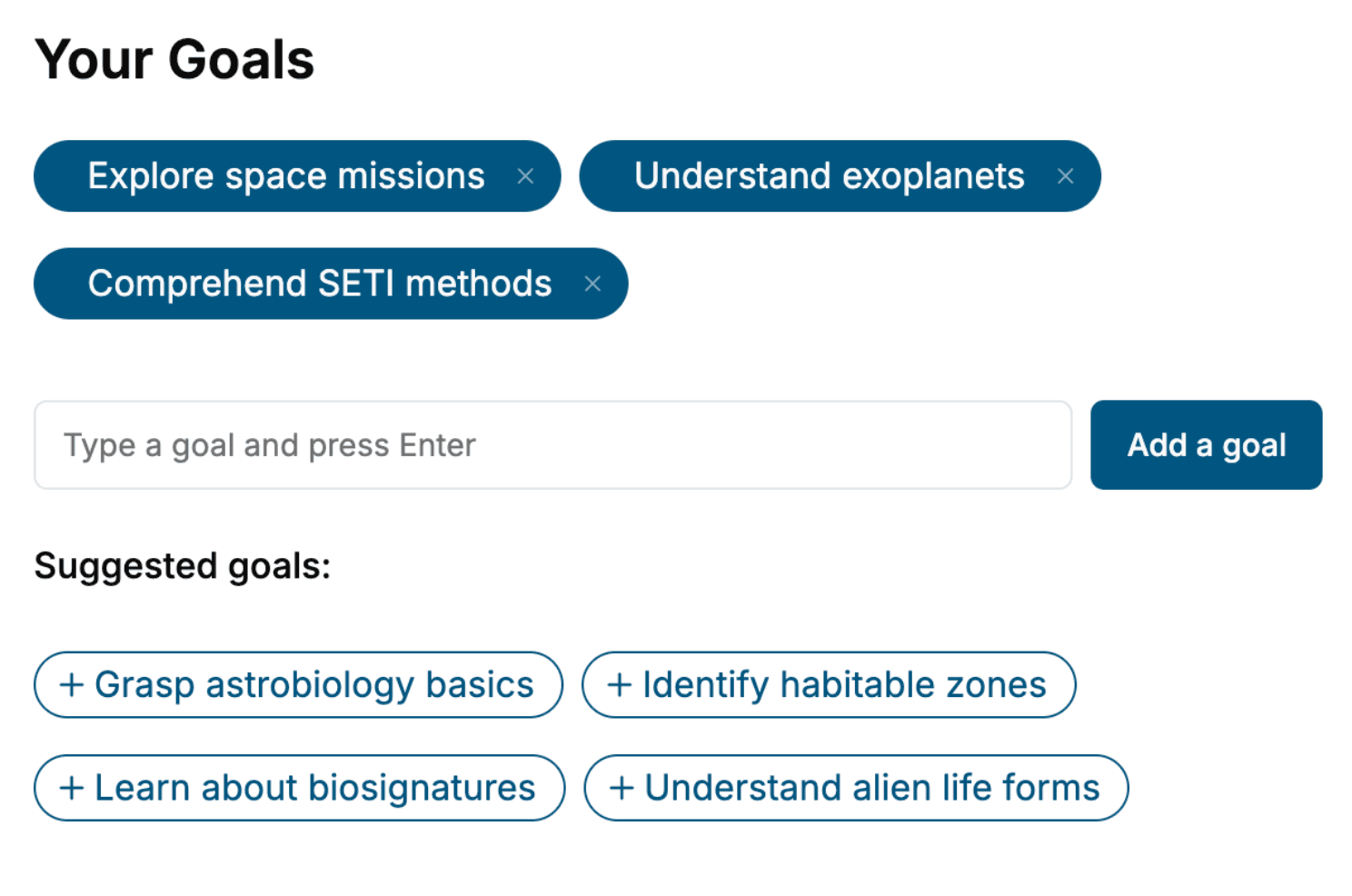
Tell us your goals and background, and get your own version of this book, tailored by AI to you.


Benefits of AI-tailored books
- Read one book, not ten:
- all the Gardening knowledge you need, gathered into a single book.
- Save days of learning:
- tell us your goals, choose your topics, and the whole book is built around them.
- Learn effortlessly:
- Gardening book written for your specific background and expertise.
- Understand at a glance:
- includes charts, tables, timelines, checklists, decision trees, and more.
- Stay current:
- written the day you order it, not years ago.
- Trust what you read:
- every book is checked for accuracy, with real research when your subject needs it.
Create your unique book in 3 steps
- 1. Select your focus
Select the focus of your Gardening book and share your background
- 2. Personalize your book
Specify your goals and choose sub-topics to include
- 3. Get your tailored book
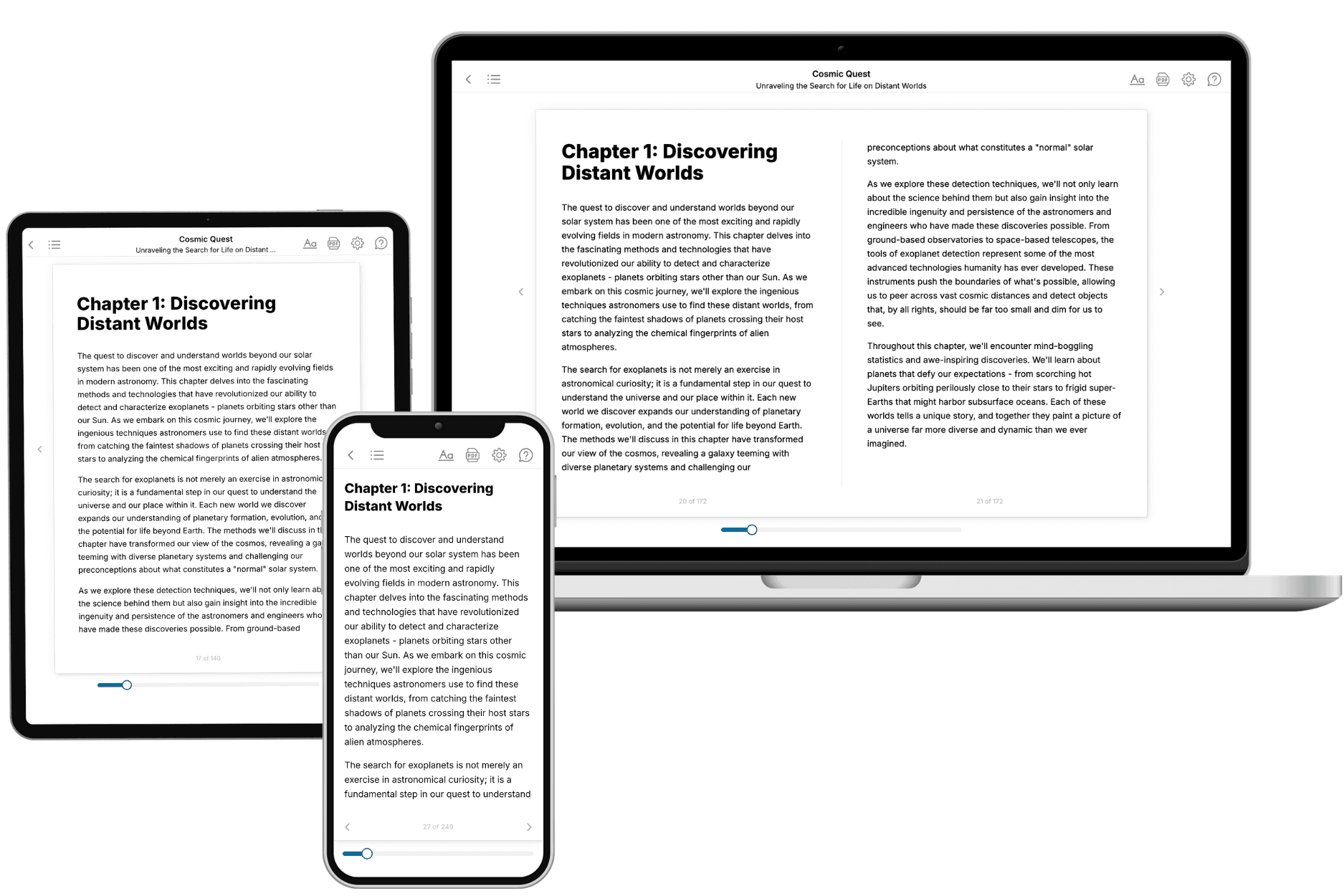
Your book is ready in 10 minutes. Read it online, download as EPUB or PDF, or send to Kindle.

Frequently asked questions
- What is TailoredRead?
TailoredRead creates complete, full-length nonfiction ebooks, written specifically for you. Tell us what you want to learn and why, and TailoredRead writes you a complete ebook on it, with charts, tables, and diagrams throughout. Read it online, on Kindle, or on any e-reader, or download it as a PDF or EPUB. Every book is written fresh the day you order it.
- How is the book tailored to me?
Before anything is written, you answer a few short questions about your goals, your background, and the topics you care about. Your book is then planned around your answers: written at your level, focused on your goals, and covering the topics you chose, instead of the one-size-fits-all book a store sells everyone.
- Will it read like generic AI content?
No. Your book isn't a chat transcript: it's planned chapter by chapter before a single word is written, told in a clear book voice, and explains ideas visually with charts, tables, and diagrams. After writing, every book goes through an editorial pass that polishes chapters so the book reads consistent from start to finish. Judge for yourself: browse thousands of sample books on our Explore Books page.
- How accurate is the content?
Our AI first checks whether your subject needs live research. Niche and fast-moving subjects are researched before writing, and the book plan and chapters are grounded in what it finds. After writing, every book goes through a quality pass that checks its facts and consistency, and researched books list their sources in a Notes section at the back.
- How long is the book?
You choose the length: Comprehensive (250-300 pages), Detailed (150-200 pages), Essential (70-100 pages), or Short (30-50 pages).
- Does the book include visuals?
Yes. Every book includes charts, tables, and diagrams: timelines, checklists, step-by-step guides, decision trees, comparison tables, matrices, and bar charts. A typical book includes dozens of these visual elements.
- Can I read it on Kindle? What formats can I download?
Yes. Every book can be read in our online reader or downloaded as a PDF or EPUB. The EPUB can be opened with Kindle, Apple Books, Kobo, and any e-reader. The Commercial and Author licenses also include an editable Word (DOCX) and Markdown download.
- How much does it cost?
About the price of a regular ebook. The exact price depends on your book's length and complexity, from $2 for the shortest books to $35 for the most comprehensive, and it's shown when you review your book, before you commit to anything. Each book is a one-time purchase, yours to keep, no subscription. Licenses that let you share, teach, or publish your book range from $35.99 to $49.99.
- Can I preview the book before purchasing?
Before you pay, you'll see what your book will cover: the title, a detailed description, the estimated length, and the complete chapter-by-chapter table of contents, so you know what you're getting before you decide. The full text itself is written after you purchase.
- How long does it take to create a book?
About 10 minutes. You can start reading the opening chapters while the rest is still being written.