About this book
For many psychotherapists, pornography addiction has become a catch-all phrase, yet the clinical picture is more nuanced. This book offers a careful, evidence-informed guide for professionals who want to think precisely about problematic pornography use and compulsive sexual behavior. It begins with the contested science behind addiction models, reward circuitry, and dopamine, then turns to the diagnostic distinctions that matter in practice. From there, it moves into the working tools of the therapy room: cognitive behavioral therapy, acceptance and commitment therapy, motivational interviewing, shame-informed care, and mindfulness for urges. You will find practical approaches to relapse prevention, high-risk situation mapping, and the co-occurring conditions that shape treatment. The book also examines outcome measurement, the 2025 psychotherapy meta-analysis and its methodological limits, peer support, and the ethical responsibilities of working with sexuality. Written for clinicians who value rigor and humility alike, it aims to strengthen your judgment rather than replace it.
Table of contents
- IntroductionWhy the label pornography addiction matters clinically, Scope and intended readers of this book, How to read the evidence with appropriate cautionRead below
- Chapter 1: The Diagnostic LandscapeDSM-5-TR and ICD-11 positions compared, Problematic pornography use versus compulsive sexual behavior disorder, Why frequency alone does not establish a disorder
- Chapter 2: The Addiction Model DebateArguments for and against an addiction framework, Impulse-control and compulsivity alternatives, Reward circuitry research and its limits
- Chapter 3: Dopamine, Reward, and Compulsive UseDopamine as a learning and prediction signal, Cue reactivity and the experience of craving, Translating neuroscience findings into clinical practice
- Chapter 4: Shame, Moral Incongruence, and Sexual BehaviorHow shame can sustain the cycle of compulsive use, Assessing moral incongruence without pathologizing values, Shame-informed therapy approaches in session
- Chapter 5: Cognitive Behavioral Therapy for Compulsive Sexual BehaviorFunctional analysis of triggers, urges, and use, Cognitive restructuring for distorted beliefs about use, Behavioral strategies and stimulus control in CBT
- Chapter 6: Mindfulness, Acceptance, and Commitment ApproachesMindfulness practices for riding out urges, Acceptance and commitment therapy values and defusion, Evidence and limits of ACT for PPU
- Chapter 7: Motivational Interviewing and AmbivalenceCore motivational interviewing skills applied to PPU, Techniques for exploring ambivalence about change, Rolling with resistance without confrontation
- Chapter 8: Relapse Prevention and High-Risk Situation MappingMapping high-risk situations and warning signs, Building a practical relapse prevention plan, Modifying the digital environment to reduce risk
- Chapter 9: Co-Occurring Conditions in Compulsive UseDepression, anxiety, and compulsive use patterns, ADHD, impulsivity, and treatment considerations, Trauma and its role in compulsive sexual behavior
- Chapter 10: Treatment Planning, Measurement, and Ethical PracticeA structured framework for treatment planning, Outcome measures and clinical assessment scales, Peer support, twelve-step dynamics, and ethical practice
- ConclusionHolding clinical uncertainty with rigor and humility, Next steps for your clinical practice
- Further Reading and Resources
- Glossary
Introduction
A client sits across from you and says they think they have a pornography addiction. They describe watching several hours a week, feeling disgusted afterward, and promising themselves each time that it was the last time. Before the session ends, you already face a quiet clinical decision: do you adopt their language, challenge it, or sit with it while you gather more information? That small moment, repeated across thousands of consulting rooms, is the starting point for this book. The words a client brings into the room are rarely neutral, and the words a clinician chooses to use back carry real weight for how treatment unfolds.
This book was written for psychotherapists who already carry clinical experience and want a structured, evidence-informed way to think about problematic pornography use and compulsive sexual behavior. It does not try to settle every scientific argument in this field, because many of those arguments are genuinely unresolved among researchers. Instead, it tries to give a working framework: one that respects the limits of current evidence while still offering practical tools for assessment, formulation, and treatment. The chapters move from diagnostic clarity, through the contested science of addiction and reward, into shame, therapeutic technique, relapse prevention, co-occurring conditions, and finally measurement and ethics.
Three ideas run underneath everything that follows. First, Problematic Pornography Use and Compulsive Sexual Behaviour Disorder are clinical constructs with specific boundaries, not simply clinical synonyms for a popular phrase. Second, assessing a client well means looking past how often they watch pornography and toward how much control they have lost and how much the pattern is interfering with their life. Third, the research base supporting treatment approaches has grown but remains young, so confident claims about what works
should be handled carefully. These three ideas return again and again across the chapters, and this introduction sets up why each one matters before the book gets into mechanism and technique.
None of this is an argument that distress around pornography use is imaginary or unimportant. Clients who come to therapy with this concern are often suffering a great deal, caught between behavior they cannot seem to control and a sense of who they want to be. The purpose of precise language and cautious evidence reading is not to minimize that suffering. It is to make sure the help offered actually matches the problem in front of you, rather than matching a cultural script about addiction that may or may not fit a given client's situation.
Why the label pornography addiction matters clinically
Pornography addiction
is a phrase clients bring with them, usually absorbed from media, support forums, religious communities, or popular self-help material. It carries strong intuitive appeal because it maps onto a familiar story: a substance or behavior hijacks the brain, control is lost, and recovery requires abstinence. That story is emotionally coherent and often matches how distressed clients describe their own experience. The trouble is that this label is not a diagnosis recognized in the DSM-5-TR or ICD-11, the two major classification systems clinicians rely on for shared clinical language. When a client uses the word addiction,
they are naming a felt experience, not citing a formal clinical category.
This gap between popular language and formal diagnosis is not a minor technicality. A diagnostic label shapes what a clinician looks for, what treatment approach feels logical, and what a client expects recovery to look like. If a clinician accepts the addiction frame uncritically, the natural next step is often an abstinence-based model borrowed from substance use treatment, complete with ideas like relapse as catastrophic failure or total avoidance as the only acceptable goal. That model may fit some clients well. It may also impose an unnecessarily rigid, shame-amplifying structure onto someone whose actual pattern looks more like difficulty with impulse control under stress, or distress rooted in conflict between behavior and personal values.
Consider two clients who both say the same sentence in an initial session: I'm addicted to porn and I need to quit completely.
One has a pattern of escalating use that displaces sleep, work, and relationships, alongside repeated failed attempts to cut back despite real negative consequences. The other watches pornography a few times a month, well within what most people would consider an unremarkable pattern, but feels intense guilt because the behavior conflicts with religious or relationship values they hold strongly. Both clients used the word addiction.
Only one of them presents a picture resembling a compulsive, impairing pattern. Treating them identically because of the shared label would miss what each of them actually needs.
The diagnostic chapter ahead works through how DSM-5-TR and ICD-11 actually frame related constructs, and how Problematic Pornography Use and Compulsive Sexual Behaviour Disorder differ in scope and criteria. For now, the point is narrower: the label a client arrives with is clinical data to explore, not a diagnosis to confirm. Part of early assessment work is gently separating the felt sense of I am addicted
from the behavioral and functional evidence that would support a formal compulsive pattern. That separation is often, in itself, therapeutically useful, because it opens space for a client to describe their experience without immediately locking into the most catastrophic available narrative.
There is also a professional dimension to getting this right. Clinicians who casually adopt pornography addiction
as though it were an established diagnosis risk overstating what the field actually knows, and risk passing that overstatement on to clients as settled fact. Precision here is a form of respect, both for the scientific process and for the client sitting across from you. It allows you to validate distress fully while staying honest about where the evidence stands, which turns out to be a more stable foundation for treatment than borrowing certainty the field does not yet have.
Scope and intended readers of this book
This book assumes a reader who already holds a working clinical foundation: a practicing psychotherapist, likely with graduate training and supervised experience, who is comfortable with standard psychotherapeutic concepts and wants to apply them to a specific presenting concern. It is not an introductory text on what therapy is or how to run a first session. Instead, it functions as a focused clinical reference, something to pull off the shelf before a difficult case, after a confusing consultation, or while building a treatment plan for a client whose pornography use has become a central concern in their life.
The chapters are organized to move from foundational understanding toward applied technique. The diagnostic landscape and addiction model debate chapters establish the conceptual ground: what is formally recognized, what remains contested, and why that matters before any intervention begins. The dopamine and shame chapters then turn to mechanism, translating neuroscience and psychological theory into something usable in a session rather than leaving it as abstract science. From there, the book moves through specific therapeutic modalities, cognitive behavioral therapy, mindfulness and acceptance-based approaches, and motivational interviewing, each treated as a toolset rather than a complete standalone cure.
Later chapters address the parts of practice that often get less attention in training: building a relapse prevention plan grounded in real high-risk situation mapping, recognizing how depression, anxiety, ADHD, and trauma interact with compulsive patterns, and choosing outcome measures that actually track meaningful change. The final chapter on treatment planning and ethics ties these threads together into something resembling a full clinical workflow, from intake through measurement to the ethical questions raised by peer support and twelve-step involvement. The structure is meant to let you read cover to cover once, then return to individual chapters as a given case demands.
What this book does not attempt is also worth stating plainly. It does not offer a single manualized protocol presented as the definitive answer for every client. It does not settle the ongoing scientific debate about whether compulsive pornography use is best understood through a behavioral addiction lens or an impulse-control disorder lens, because that debate remains open among researchers and is explored directly in its own chapter rather than resolved here. It also does not provide guidance on diagnosing or managing crises outside the scope of problematic pornography use itself, such as unrelated severe mental illness, though it does address common co-occurring conditions as they interact with compulsive sexual behavior.
The reader this book is written for is someone who already knows that good clinical work rarely comes from a single rigid algorithm. Instead, it comes from holding several frameworks at once, CBT's structure, ACT's flexibility, motivational interviewing's respect for ambivalence, and choosing what fits a particular client at a particular moment. That is the spirit in which each technical chapter is written: as an addition to your existing clinical judgment, not a replacement for it. The goal is a fuller toolkit and a sharper diagnostic eye, applied by a clinician who remains the one making the final call in the room.
Because pornography use intersects with sexuality, relationships, religion, and identity, this book also assumes a reader comfortable holding value-neutral ground on a topic many clients approach with strong moral feeling. The chapter on moral incongruence addresses this directly, but it is worth flagging early: effective work here depends on separating a client's values from a diagnostic judgment about disorder. A clinician who conflates the two, in either direction, either dismissing genuine distress or pathologizing a client's beliefs, will struggle to build the kind of trust this work requires.
How to read the evidence with appropriate caution
The research base on treating problematic pornography use has grown meaningfully in recent years, and a recent psychotherapy meta-analysis pooling multiple studies reported improvement in outcomes across the treatments it reviewed.[1] That is genuinely encouraging news for clinicians looking for direction. At the same time, the same body of work flagged a high risk of bias across the included studies and called for more rigorous trials going forward. Holding both facts together, real signal of improvement alongside real methodological weakness, is the posture this book asks you to take throughout, rather than leaning fully into either optimism or skepticism.
Risk of bias in this context usually means a mix of familiar problems: small sample sizes, lack of blinding, inconsistent comparison groups, reliance on self-report measures that can be influenced by social desirability, and variation in how improvement
was even defined from one study to the next. None of these problems mean the findings are false. They mean the findings are less certain than a headline summary might suggest, and that a given result might shrink, disappear, or look different once better-controlled research is done. A clinician reading a positive meta-analysis should ask not just did it work
but how confident can I be, and for whom.
A useful habit when reading any treatment study in this field is to ask a short set of questions before adjusting practice based on it. Was the comparison group a true control, a waitlist, or another active treatment? Was improvement measured with a validated, specific tool or a general self-report of satisfaction? Did the study report on compulsive, high-impairment pornography use, or a broader and vaguer population of people simply concerned about their habits? Were effects measured right after treatment ended, or followed up months later? Each of these shapes how much weight a finding should carry in an actual treatment plan.
The following checklist captures that habit in a form you can return to whenever new research on PPU or CSBD treatment crosses your desk.
Questions to ask before trusting a PPU treatment study
- Is the comparison group a genuine control, waitlist, or active alternative treatment?
- Are outcomes measured with a validated clinical tool rather than a vague self-report?
- Is the sample defined by compulsive, impairing use rather than general concern about use?
- Are results reported with follow-up data, not just immediately after treatment ends?
- Does the study disclose its own risk of bias and sample size limitations?
- Could the reported effect be explained by non-specific factors like therapist attention or expectation?
This caution is not an argument for therapeutic paralysis. Clients in front of you need help now, and waiting for a perfect evidence base before offering structured, thoughtful treatment would serve no one. The approaches detailed in later chapters, CBT-based functional analysis and stimulus control, cognitive defusion and urge surfing from acceptance-based work, motivational interviewing for ambivalence, all rest on reasonable clinical logic and partial evidentiary support, even where large definitive trials are still missing. The goal is to apply them with appropriate confidence, track outcomes honestly using the outcome measures covered later, and stay willing to adjust course when a particular client's data tells you something different than the general literature predicted.
One further caution deserves mention before moving into the body of the book. Evidence about treatment efficacy should never be used to retroactively diagnose a client. A finding that CBT helps reduce distress in people with high-impairment compulsive pornography use says nothing about whether any particular client, watching pornography at any particular frequency, has a disorder at all. Frequency alone, as later chapters detail at length, is not diagnostic. Keeping that boundary clear, between what the research says about treating a defined clinical population and what it says about diagnosing an individual client, protects against one of the most common errors in this field: treating a behavior as inherently pathological simply because studies exist on treating people who find it distressing and hard to control.
With that posture in mind, the book turns next to mapping the diagnostic landscape itself: what DSM-5-TR and ICD-11 actually say, how Problematic Pornography Use and CSBD relate to each other, and why distinguishing them carefully from the outset shapes every assessment and treatment decision that follows.
Notes
Introduction
- 1. 2025 psychotherapy meta-analysis of PPU treatment outcomes
This is the end of the free sample. The full book has 10 chapters.
Want this book written for you?
Tell us your goals and background, and get your own version of this book, tailored by AI to you.


Benefits of AI-tailored books
- Read one book, not ten:
- all the knowledge you need, gathered into a single book.
- Save days of learning:
- tell us your goals, choose your topics, and the whole book is built around them.
- Learn effortlessly:
- a book written for your specific background and expertise.
- Understand at a glance:
- includes charts, tables, timelines, checklists, decision trees, and more.
- Stay current:
- written the day you order it, not years ago.
- Trust what you read:
- every book is checked for accuracy, with real research when your subject needs it.

Create your unique book in 3 steps
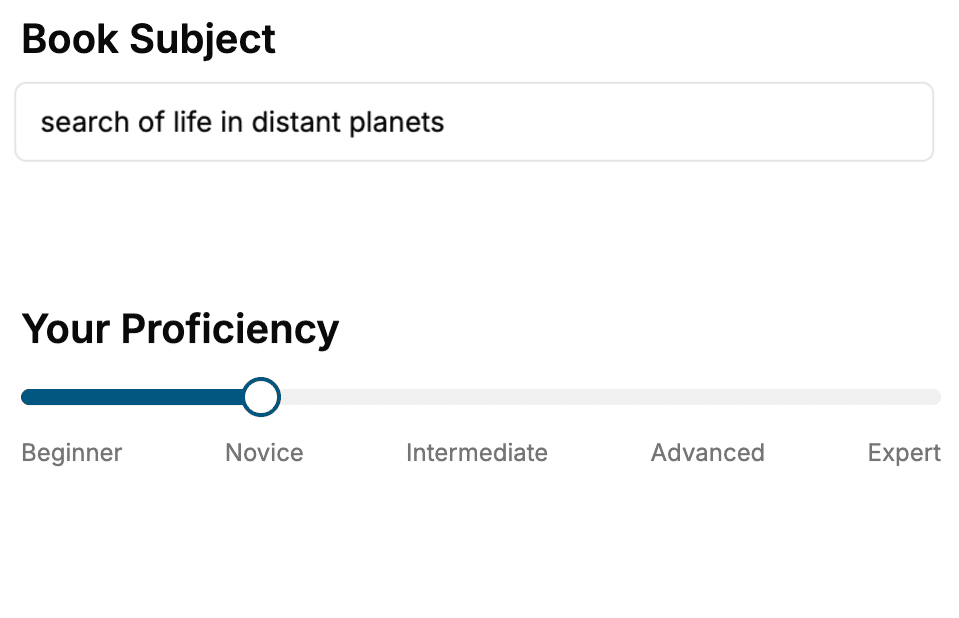
- 1. Pick a subject
Select what you want to learn and share your background
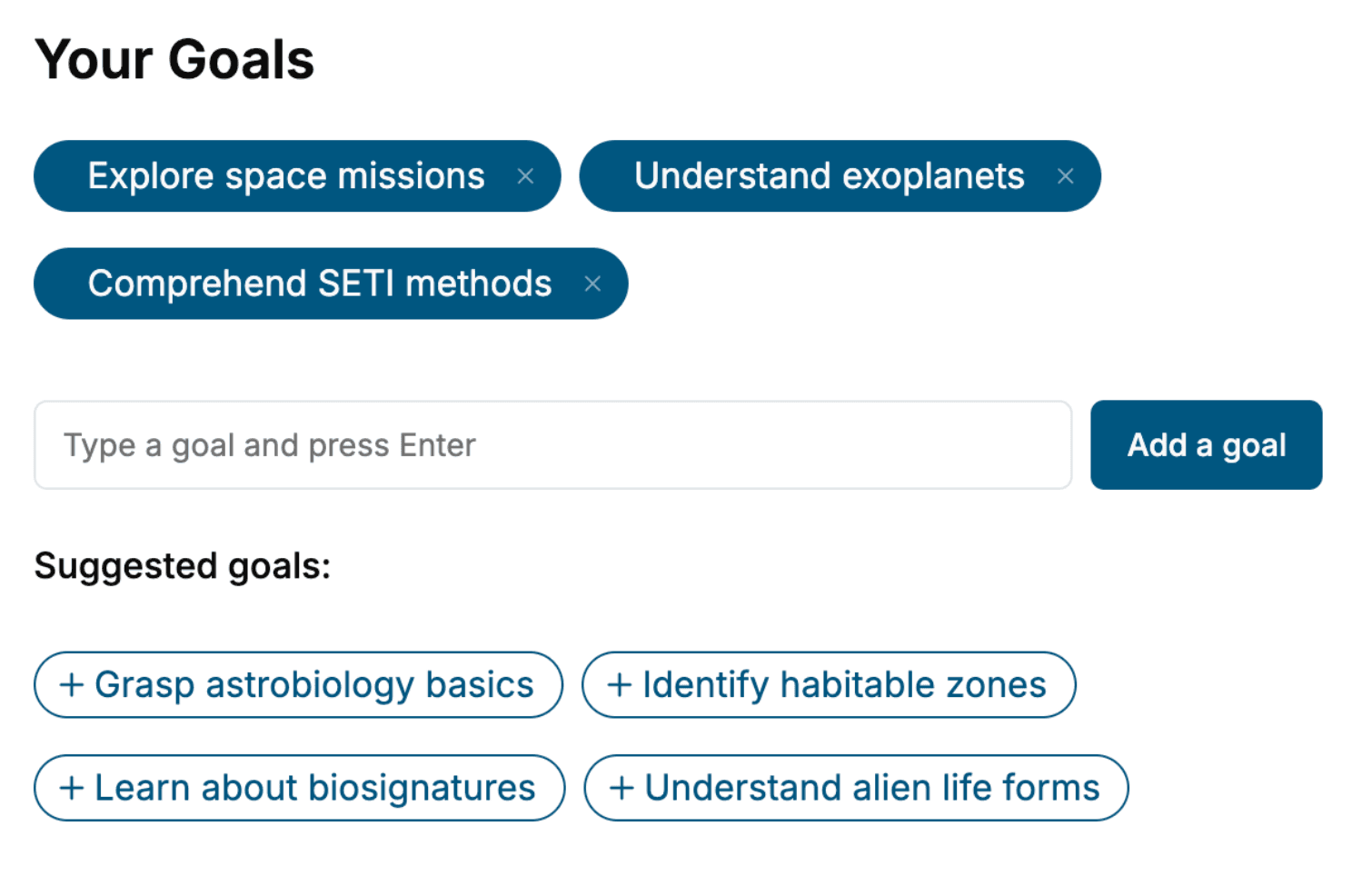
- 2. Personalize your book
Specify your goals and choose sub-topics to include
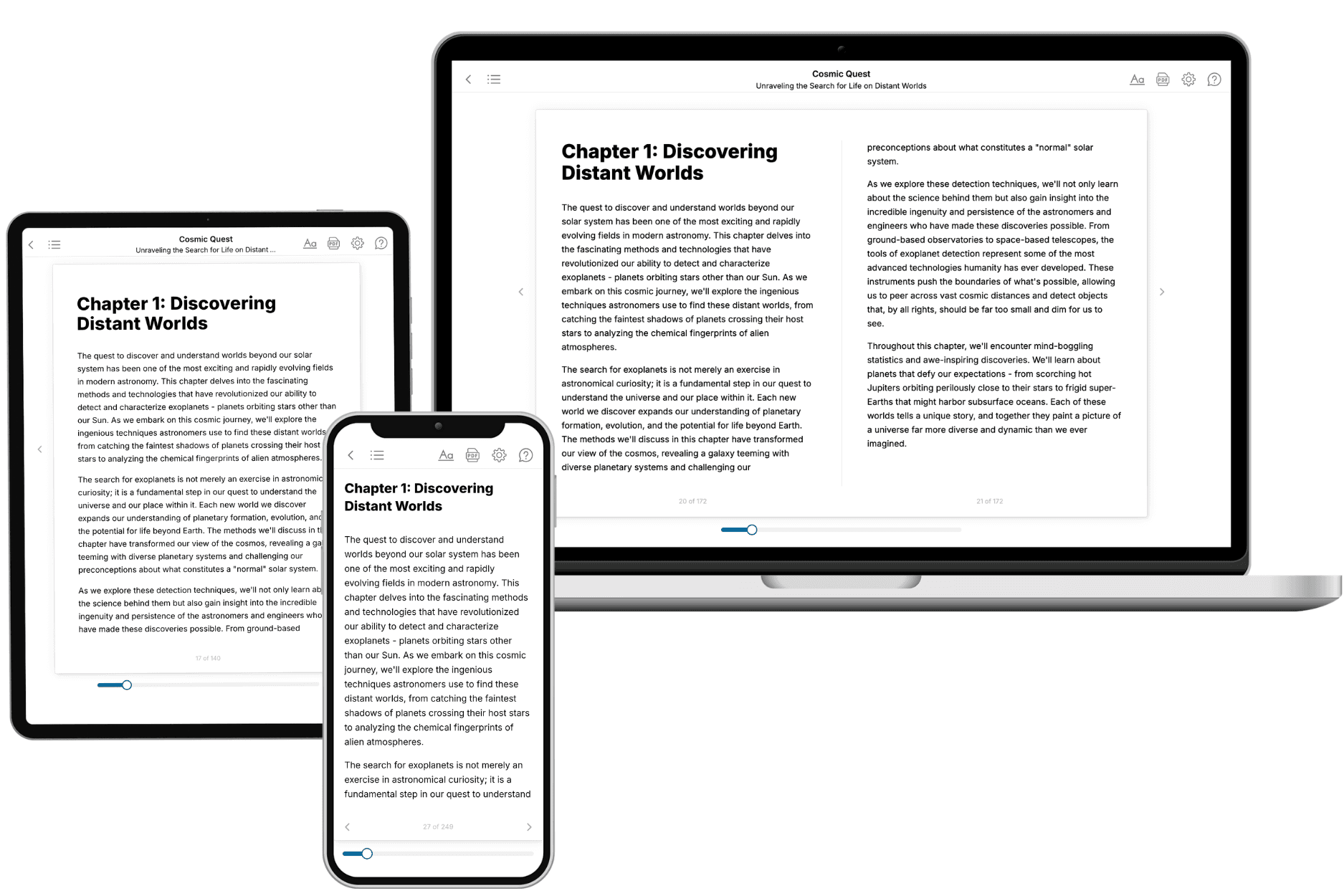
- 3. Get your tailored book
Your book is ready in 10 minutes. Read it online, download as EPUB or PDF, or send to Kindle.
Frequently asked questions
- What is TailoredRead?
TailoredRead creates complete, full-length nonfiction ebooks, written specifically for you. Tell us what you want to learn and why, and TailoredRead writes you a complete ebook on it, with charts, tables, and diagrams throughout. Read it online, on Kindle, or on any e-reader, or download it as a PDF or EPUB. Every book is written fresh the day you order it.
- How is the book tailored to me?
Before anything is written, you answer a few short questions about your goals, your background, and the topics you care about. Your book is then planned around your answers: written at your level, focused on your goals, and covering the topics you chose, instead of the one-size-fits-all book a store sells everyone.
- Will it read like generic AI content?
No. Your book isn't a chat transcript: it's planned chapter by chapter before a single word is written, told in a clear book voice, and explains ideas visually with charts, tables, and diagrams. After writing, every book goes through an editorial pass that polishes chapters so the book reads consistent from start to finish. Judge for yourself: browse thousands of sample books on our Explore Books page.
- How accurate is the content?
Our AI first checks whether your subject needs live research. Niche and fast-moving subjects are researched before writing, and the book plan and chapters are grounded in what it finds. After writing, every book goes through a quality pass that checks its facts and consistency, and researched books list their sources in a Notes section at the back.
- How long is the book?
You choose the length: Comprehensive (250-300 pages), Detailed (150-200 pages), Essential (70-100 pages), or Short (30-50 pages).
- Does the book include visuals?
Yes. Every book includes visual elements such as timelines, checklists, step-by-step guides, decision trees, comparison tables, and matrices, and many include bar charts. A typical book includes dozens of these visual elements.
- Can I read it on Kindle? What formats can I download?
Yes. Every book can be read in our online reader or downloaded as a PDF or EPUB. The EPUB can be opened with Kindle, Apple Books, Kobo, and any e-reader. The Commercial and Author licenses also include an editable Word (DOCX) and Markdown download.
- How much does it cost?
About the price of a regular ebook. The exact price depends on your book's length and complexity, from $2 for the shortest books to $35 for the most comprehensive, and it's shown when you review your book, before you commit to anything. Each book is a one-time purchase, yours to keep, no subscription. Licenses that let you share, teach, or publish your book range from $35.99 to $49.99.
- Can I preview the book before purchasing?
Before you pay, you'll see what your book will cover: the title, a detailed description, the estimated length, and the complete chapter-by-chapter table of contents, so you know what you're getting before you decide. The full text itself is written after you purchase.
- How long does it take to create a book?
About 10 minutes. You can start reading the opening chapters while the rest is still being written.