Unmasking Munchausen
A Comprehensive Guide to Understanding and Addressing Factitious Disorders
Dive deep into the complex world of Munchausen Syndrome with "Unmasking Munchausen: A Comprehensive Guide to Understanding and Addressing Factitious Disorders." This insightful book offers a thorough exploration of one of the most perplexing psychological conditions in modern psychiatry.
269 pages13 chaptersDec 1, 2024Mental Conditions
About this book
You'll journey through the intricate landscape of Munchausen Syndrome, from its historical context to the latest research findings. Discover the underlying psychological mechanisms, learn to recognize the subtle signs and symptoms, and gain valuable insights into the challenges of diagnosis and treatment. This book doesn't just present facts; it equips you with the knowledge and tools to approach Munchausen Syndrome with empathy and effectiveness. You'll explore case studies, examine ethical considerations, and learn about the impact of this disorder on healthcare systems and society at large. Whether you're a mental health professional, a medical practitioner, or a curious mind in the field of psychology, this book will enhance your understanding and ability to address this complex disorder.
Table of contents
- IntroductionOverview of Munchausen Syndrome, Importance of Understanding Factitious Disorders, Structure of the BookRead below
- Chapter 1: Historical Context of Munchausen SyndromeOrigin of the Name, Early Documented Cases, Evolution of the Concept, Historical Approaches to Treatment
- Chapter 2: Defining Munchausen SyndromeDiagnostic Criteria, Subtypes and Related Disorders, Differential Diagnosis, Prevalence and Demographics
- Chapter 3: Psychological MechanismsUnderlying Motivations, Cognitive Processes, Emotional Factors, Associated Personality Traits
- Chapter 4: Signs and SymptomsPhysical Manifestations, Behavioral Indicators, Psychological Symptoms, Red Flags for Healthcare Providers
- Chapter 5: Diagnosis and Its ChallengesThe Diagnostic Process, Diagnostic Tools and Techniques, Risks of Misdiagnosis, Ethical Considerations in Diagnosis
- Chapter 6: Impact and ConsequencesPersonal Consequences for the Individual, Impact on Family and Relationships, Burden on Healthcare Systems, Societal Implications
- Chapter 7: Treatment ApproachesPsychotherapy Techniques, Behavioral Interventions, Medication Management, Multidisciplinary Treatment Approach
- Chapter 8: Case Studies and Clinical ExamplesClassic Munchausen Cases, Unusual Presentations, Treatment Outcomes and Prognosis, Lessons Learned from Clinical Examples
- Chapter 9: Ethical ConsiderationsPatient Autonomy and Informed Consent, Confidentiality Issues, Mandatory Reporting and Legal Obligations, Ethical Dilemmas in Treatment
- Chapter 10: Munchausen Syndrome by ProxyDefinition and Characteristics, Detection and Intervention, Child Protection Considerations, Long-term Effects on Victims
- Chapter 11: Munchausen Syndrome in the Digital AgeOnline Factitious Disorders, Impact of Social Media, Cybermunchausen and Virtual Communities, Digital Detection and Intervention Strategies
- Chapter 12: Guidance for Healthcare ProfessionalsRecognizing the Signs, Best Practices for Documentation, Effective Communication Strategies, Self-care for Healthcare Providers
- Chapter 13: Current Research and Future DirectionsNeurobiological Studies, Innovations in Treatment, Prevention Strategies, Future Research Directions
- ConclusionKey Takeaways, Future Outlook
- Glossary
- Further Reading
Introduction
Welcome to "Unmasking Munchausen: A Comprehensive Guide to Understanding and Addressing Factitious Disorders." This book is designed to provide you, as a psychology professional or student, with an in-depth exploration of Munchausen Syndrome, one of the most intriguing and challenging psychological disorders in modern psychiatry. Throughout this comprehensive guide, you will gain valuable insights into the complex world of factitious disorders, enhancing your understanding and equipping you with the knowledge necessary to approach these cases with both empathy and effectiveness.
Munchausen Syndrome, named after the infamous Baron von Münchhausen, a historical figure known for his elaborate and often exaggerated tales, represents a fascinating yet troubling aspect of human behavior. This disorder, characterized by the intentional feigning or self-inducing of illness for psychological gain, poses significant challenges for mental health professionals, medical practitioners, and healthcare systems alike. As you delve into the pages of this book, you will uncover the intricate layers of Munchausen Syndrome, from its historical context to the latest research findings, and explore the multifaceted approaches to diagnosis, treatment, and management.
The importance of understanding factitious disorders cannot be overstated in the field of psychology and healthcare. These conditions not only have profound implications for the individuals affected but also present unique ethical dilemmas and challenges for healthcare providers. By gaining a comprehensive understanding of Munchausen Syndrome, you will be better equipped to recognize its subtle manifestations, differentiate it from other related disorders, and implement effective intervention strategies. This knowledge is crucial in an era where the boundaries between physical and mental health are increasingly blurred, and the impact of digital technology has created new avenues for the expression of factitious behaviors.
As we embark on this journey of discovery, it is essential to approach the subject with an open mind and a commitment to evidence-based practice. The field of factitious disorders is continually evolving, with new research shedding light on the underlying psychological mechanisms and potential treatment approaches. This book aims to provide you with the most up-to-date information, drawing from a wide range of sources including clinical studies, case reports, and expert opinions. By synthesizing this wealth of knowledge, we hope to offer a balanced and comprehensive view of Munchausen Syndrome that will enhance your professional practice and contribute to better outcomes for those affected by this complex disorder.
Overview of Munchausen Syndrome
Munchausen Syndrome, classified as a factitious disorder in the Diagnostic and Statistical Manual of Mental Disorders (DSM-5), is a complex psychological condition characterized by the deliberate production or feigning of physical or psychological symptoms. Individuals with this disorder intentionally create, exaggerate, or induce symptoms of illness or injury, often leading to extensive medical evaluations, treatments, and even unnecessary surgical procedures. The key distinguishing feature of Munchausen Syndrome is that these behaviors are driven by an internal motivation to assume the "sick role," rather than external incentives such as financial gain or avoiding legal responsibilities, which would be more characteristic of malingering.
The presentation of Munchausen Syndrome can vary widely, making it a challenging disorder to identify and diagnose. Patients may fabricate symptoms, manipulate laboratory tests, or even inflict harm upon themselves to produce physical signs of illness. The range of feigned or induced conditions is vast, spanning from common ailments to rare and exotic diseases. This diversity in presentation often leads to a complex medical odyssey, with patients frequently moving from one healthcare provider or facility to another, a behavior known as "peregrination" or "doctor shopping." This nomadic approach to seeking medical care not only complicates diagnosis but also poses significant risks to the patient's health due to unnecessary treatments and procedures.
Understanding the psychological underpinnings of Munchausen Syndrome is crucial for effective intervention. While the exact etiology remains unclear, several theories have been proposed to explain the development of this disorder. Some researchers suggest that early childhood experiences, particularly those involving neglect, abuse, or significant medical events, may contribute to the development of Munchausen Syndrome. Others point to underlying personality disorders, particularly borderline personality disorder, as potential contributing factors. The common thread among these theories is the idea that individuals with Munchausen Syndrome are seeking attention, care, and a sense of identity through their assumed role as a patient.
The impact of Munchausen Syndrome extends far beyond the individual patient. Healthcare systems bear a significant burden, both in terms of financial costs and resource allocation. The deceptive nature of the disorder can lead to frustration and burnout among healthcare providers, potentially affecting the quality of care for other patients. Moreover, the ethical dilemmas posed by Munchausen Syndrome – balancing patient autonomy with the duty to prevent harm – create complex challenges for medical professionals and mental health practitioners alike.
Recent years have seen an evolution in our understanding of factitious disorders, including the recognition of new manifestations such as "Munchausen by Internet" or "Digital Munchausen Syndrome." These online variants involve individuals fabricating illnesses or traumatic experiences in virtual communities, seeking attention and support through digital platforms. This digital dimension adds another layer of complexity to the diagnosis and management of factitious disorders, highlighting the need for continued research and adaptation of clinical approaches in our increasingly connected world.
As we delve deeper into the intricacies of Munchausen Syndrome throughout this book, it is important to maintain a compassionate perspective. Despite the frustration and challenges these cases can present, it is crucial to remember that individuals with Munchausen Syndrome are suffering from a genuine mental health condition. Their behaviors, while deceptive, are symptoms of underlying psychological distress. By fostering a deeper understanding of this disorder, we can work towards more effective detection, intervention, and treatment strategies, ultimately improving outcomes for those affected by Munchausen Syndrome and related factitious disorders.
Importance of Understanding Factitious Disorders
The study and comprehension of factitious disorders, particularly Munchausen Syndrome, are of paramount importance in the fields of psychology, psychiatry, and general medicine. These disorders represent a unique intersection of physical and mental health, challenging our understanding of illness behavior and the patient-provider relationship. As a psychology professional or student, gaining a deep understanding of factitious disorders is crucial for several reasons, each of which underscores the significance of this complex area of mental health.
Firstly, the prevalence and impact of factitious disorders on healthcare systems cannot be overstated. While exact figures are difficult to determine due to the deceptive nature of these conditions, studies suggest that factitious disorders may affect between 0.5% to 2% of hospital inpatients, with higher rates in certain specialties[1]. The financial burden on healthcare systems is substantial, with unnecessary investigations, treatments, and hospitalizations consuming valuable resources. By developing a better understanding of factitious disorders, healthcare professionals can improve early detection and intervention, potentially reducing the strain on medical resources and ensuring that these are directed towards patients with genuine medical needs.
Secondly, the ethical considerations surrounding factitious disorders present unique challenges that require careful navigation. The principle of patient autonomy, a cornerstone of medical ethics, is put to the test when dealing with individuals who intentionally deceive healthcare providers. Balancing the respect for patient autonomy with the ethical obligation to prevent harm creates complex dilemmas for healthcare professionals. Understanding the nuances of factitious disorders is essential for developing ethical frameworks that can guide decision-making in these challenging cases, ensuring that patients receive appropriate care while minimizing potential harm.
Thirdly, the psychological mechanisms underlying factitious disorders offer valuable insights into human behavior and the complex interplay between mind and body. By studying Munchausen Syndrome and related disorders, we gain a deeper understanding of the power of suggestion, the placebo effect, and the profound influence of psychological factors on physical health. This knowledge has broader implications for our understanding of psychosomatic disorders, illness behavior, and the mind-body connection, potentially informing approaches to a wide range of psychological and medical conditions.
Furthermore, the study of factitious disorders highlights the importance of interdisciplinary collaboration in healthcare. Effective management of Munchausen Syndrome requires cooperation between mental health professionals, medical specialists, and healthcare administrators. By fostering a comprehensive understanding of these disorders among all healthcare professionals, we can promote more effective communication and collaboration, leading to improved patient outcomes and more efficient use of healthcare resources.
The evolving landscape of factitious disorders in the digital age adds another layer of importance to their study. The emergence of "Munchausen by Internet" and other online manifestations of factitious behavior presents new challenges for detection and intervention. Understanding these digital variants is crucial for developing strategies to address factitious disorders in online communities and social media platforms, where the potential for harm extends beyond the individual to affect entire virtual support networks.
Moreover, the study of factitious disorders contributes significantly to our understanding of the nature of deception and its psychological underpinnings. This knowledge has applications beyond the clinical setting, informing fields such as forensic psychology, social psychology, and even areas like cybersecurity and fraud detection. By unraveling the complex motivations and behaviors associated with factitious disorders, we gain insights into human deception that can be applied in various contexts.
Lastly, understanding factitious disorders is crucial for destigmatizing mental health conditions and promoting empathy in healthcare settings. Despite the frustration these cases can cause, it is essential to recognize that individuals with Munchausen Syndrome are suffering from a genuine psychological disorder. By fostering a deeper understanding of the underlying psychological mechanisms and motivations, we can promote more compassionate and effective approaches to treatment, moving away from punitive or dismissive attitudes that may exacerbate the condition.
In conclusion, the importance of understanding factitious disorders extends far beyond their clinical management. It encompasses ethical considerations, resource allocation in healthcare, interdisciplinary collaboration, and broader insights into human behavior and deception. As we delve deeper into the complexities of Munchausen Syndrome throughout this book, keep in mind that each new piece of knowledge contributes to a more comprehensive and nuanced understanding of human psychology and the intricate relationship between mind and body. This understanding is not only academically fascinating but also practically essential for improving patient care, advancing psychological research, and addressing the unique challenges posed by factitious disorders in our modern healthcare landscape.
Structure of the Book
"Unmasking Munchausen: A Comprehensive Guide to Understanding and Addressing Factitious Disorders" is structured to provide you with a logical and comprehensive exploration of Munchausen Syndrome and related factitious disorders. The book is organized into chapters that progressively build your understanding, starting from the foundational concepts and historical context, moving through clinical aspects, and culminating in current research and future directions. This structure is designed to ensure that you gain a thorough and well-rounded understanding of the subject matter, regardless of your current level of expertise in factitious disorders.
The journey begins with a historical perspective in Chapter 1, "Historical Context of Munchausen Syndrome." This chapter traces the origins of the disorder's name, explores early documented cases, and examines how the concept of factitious disorders has evolved over time. Understanding this historical context is crucial for appreciating the complexities of Munchausen Syndrome and how our understanding of it has developed. You'll gain insights into the early approaches to treatment and how these have shaped current practices, providing a solid foundation for the more detailed explorations that follow.
Chapter 2, "Defining Munchausen Syndrome," delves into the clinical definition of the disorder. Here, you'll explore the diagnostic criteria as outlined in the DSM-5, understand the various subtypes of factitious disorders, and learn about related conditions. This chapter also addresses the challenges of differential diagnosis and provides information on the prevalence and demographics of Munchausen Syndrome. By the end of this chapter, you'll have a clear understanding of what constitutes Munchausen Syndrome and how it is distinguished from other related disorders.
The psychological underpinnings of Munchausen Syndrome are explored in depth in Chapter 3, "Psychological Mechanisms." This chapter examines the underlying motivations, cognitive processes, and emotional factors that contribute to the development and maintenance of factitious behaviors. You'll also learn about the personality traits commonly associated with Munchausen Syndrome, providing a comprehensive picture of the psychological profile of individuals with this disorder.
Chapter 4, "Signs and Symptoms," offers a detailed look at how Munchausen Syndrome manifests clinically. This includes physical manifestations, behavioral indicators, and psychological symptoms. Importantly, this chapter also provides guidance on recognizing red flags that may indicate the presence of factitious behavior, which is crucial for early detection and intervention.
The challenges of diagnosing Munchausen Syndrome are addressed in Chapter 5, "Diagnosis and Its Challenges." This chapter walks you through the diagnostic process, introduces various diagnostic tools and techniques, and discusses the risks of misdiagnosis. It also delves into the ethical considerations that come into play during the diagnostic process, preparing you for the complex decision-making often required in these cases.
Chapter 6, "Impact and Consequences," broadens the perspective to examine the wider implications of Munchausen Syndrome. You'll explore the personal consequences for individuals with the disorder, the impact on their families and relationships, the burden on healthcare systems, and the broader societal implications. This chapter underscores the far-reaching effects of factitious disorders and the importance of effective intervention.
The book then moves into practical aspects of management with Chapter 7, "Treatment Approaches." Here, you'll learn about various psychotherapy techniques, behavioral interventions, and medication management strategies used in treating Munchausen Syndrome. The chapter emphasizes the importance of a multidisciplinary approach to treatment, reflecting the complex nature of the disorder.
Chapter 8, "Case Studies and Clinical Examples," brings the theoretical knowledge to life through real-world examples. You'll examine classic Munchausen cases, unusual presentations, and treatment outcomes. This chapter provides valuable insights into the practical application of the concepts discussed earlier in the book and offers lessons learned from clinical experience.
The ethical dimensions of managing Munchausen Syndrome are explored in depth in Chapter 9, "Ethical Considerations." This chapter addresses issues of patient autonomy, informed consent, confidentiality, and the legal obligations of healthcare providers. It also delves into the ethical dilemmas often encountered in the treatment of factitious disorders, providing a framework for navigating these complex situations.
Chapter 10 is dedicated to "Munchausen Syndrome by Proxy," a related but distinct form of factitious disorder that involves caregivers fabricating or inducing illness in those under their care, typically children. This chapter covers the definition and characteristics of this severe form of abuse, detection and intervention strategies, child protection considerations, and the long-term effects on victims.
The book then turns to contemporary issues with Chapter 11, "Munchausen Syndrome in the Digital Age." This chapter explores how factitious disorders manifest online, the impact of social media, and the phenomenon of "Cybermunchausen." It also discusses strategies for digital detection and intervention, reflecting the evolving nature of factitious behaviors in our increasingly connected world.
Practical guidance for healthcare professionals is provided in Chapter 12, "Guidance for Healthcare Professionals." This chapter offers strategies for recognizing signs of factitious behavior, best practices for documentation, effective communication strategies, and importantly, self-care advice for healthcare providers dealing with these challenging cases.
The book concludes with Chapter 13, "Current Research and Future Directions," which examines ongoing neurobiological studies, innovations in treatment, prevention strategies, and potential avenues for future research. This forward-looking chapter ensures that you are up-to-date with the latest developments in the field and aware of the directions in which our understanding of factitious disorders may evolve.
Following the main chapters, you'll find a comprehensive glossary of terms, providing quick reference to key concepts, and a curated list of further reading materials for those wishing to delve deeper into specific aspects of Munchausen Syndrome and factitious disorders.
This carefully structured approach ensures that by the end of the book, you will have gained a comprehensive understanding of Munchausen Syndrome, from its historical roots to its contemporary manifestations, and from theoretical concepts to practical management strategies. The book is designed to be both a thorough academic resource and a practical guide, suitable for in-depth study or as a reference in clinical practice. As you progress through the chapters, you'll find that each section builds upon the last, creating a cohesive and comprehensive exploration of this complex and fascinating disorder.
Notes
Introduction
- 1. C. Bass and P. Halligan, "Factitious disorders and malingering," The Lancet, 2014
This is the end of the free sample. The full book has 13 chapters.
Want this book written for you?
Tell us your goals and background, and get your own version of this book, tailored by AI to you.


Benefits of AI-tailored books
- Read one book, not ten:
- all the Mental Conditions knowledge you need, gathered into a single book.
- Save days of learning:
- tell us your goals, choose your topics, and the whole book is built around them.
- Learn effortlessly:
- Mental Conditions book written for your specific background and expertise.
- Understand at a glance:
- includes charts, tables, timelines, checklists, decision trees, and more.
- Stay current:
- written the day you order it, not years ago.
- Trust what you read:
- every book is checked for accuracy, with real research when your subject needs it.
Create your unique book in 3 steps
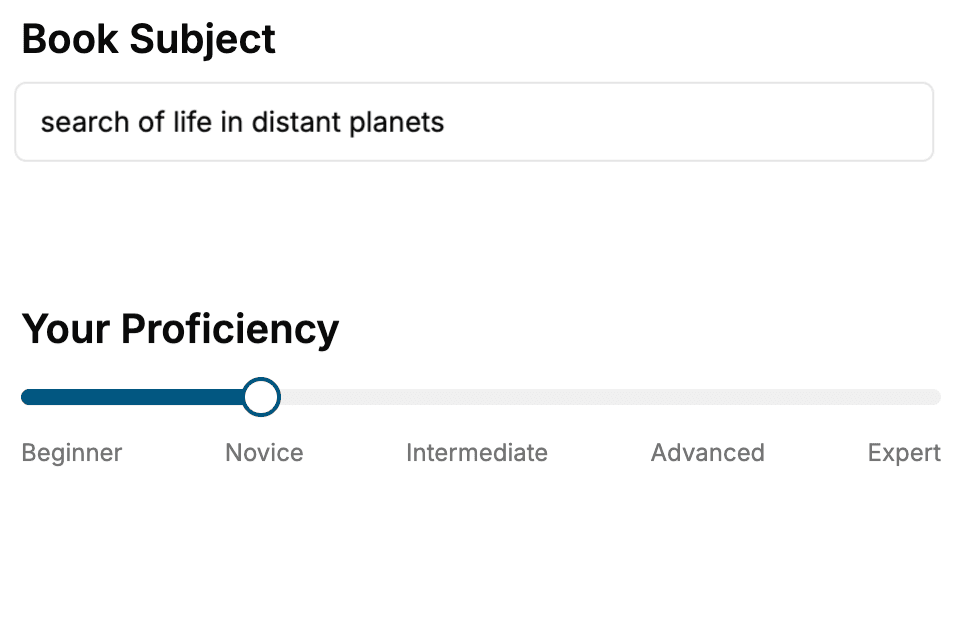
- 1. Select your focus
Select the focus of your Mental Conditions book and share your background
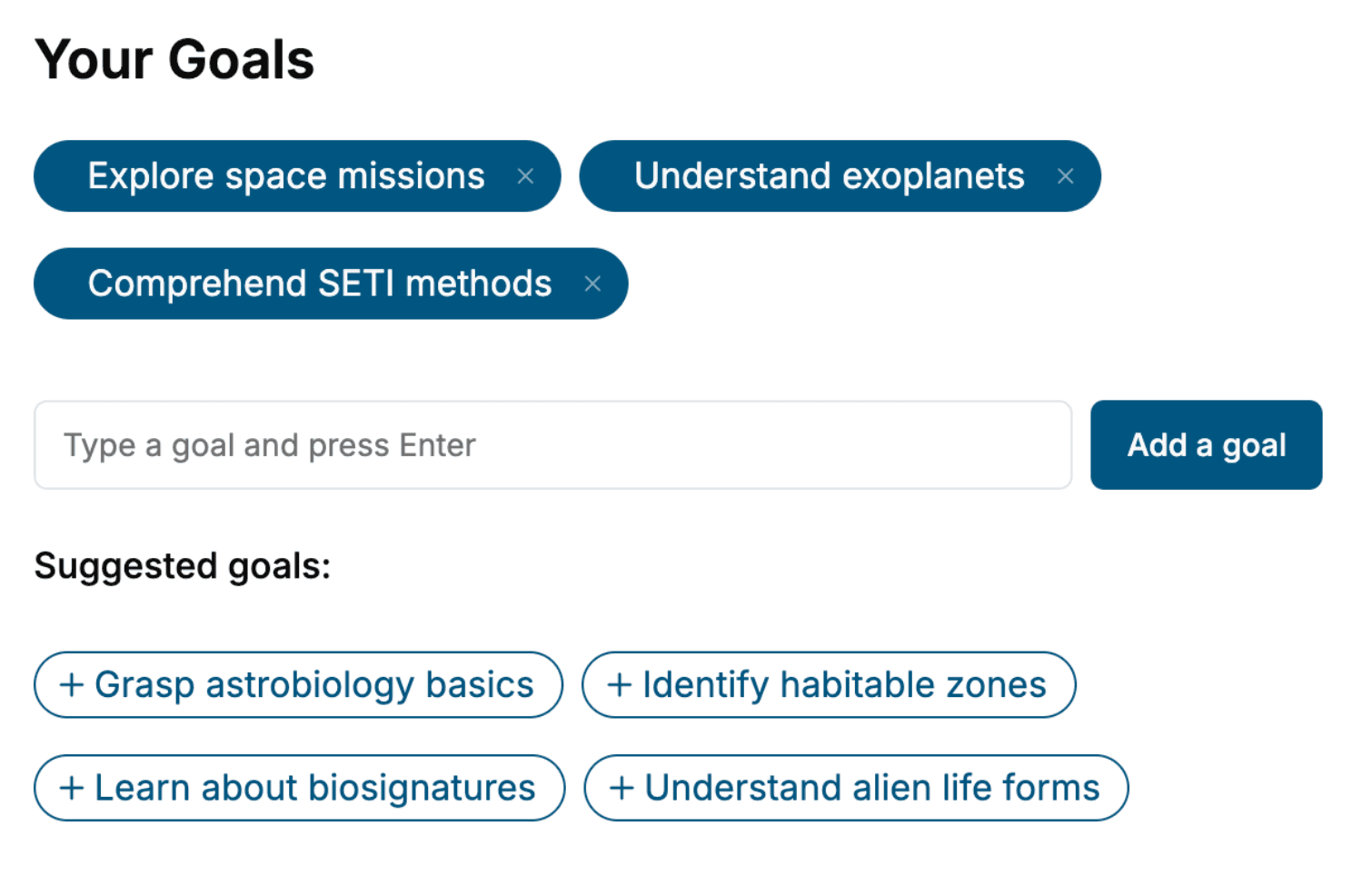
- 2. Personalize your book
Specify your goals and choose sub-topics to include
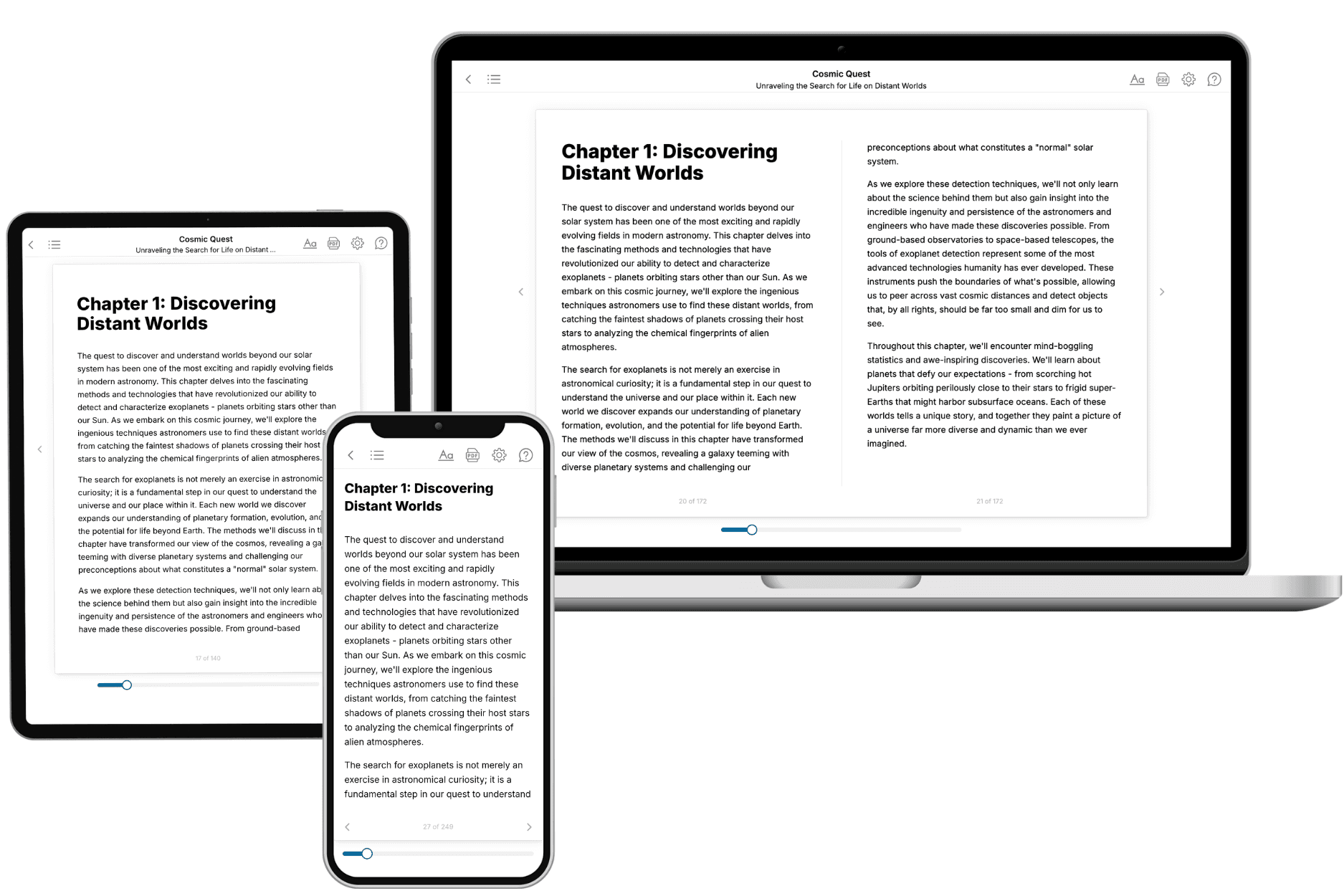
- 3. Get your tailored book
Your book is ready in 10 minutes. Read it online, download as EPUB or PDF, or send to Kindle.
Frequently asked questions
- What is TailoredRead?
TailoredRead creates complete, full-length nonfiction ebooks, written specifically for you. Tell us what you want to learn and why, and TailoredRead writes you a complete ebook on it, with charts, tables, and diagrams throughout. Read it online, on Kindle, or on any e-reader, or download it as a PDF or EPUB. Every book is written fresh the day you order it.
- How is the book tailored to me?
Before anything is written, you answer a few short questions about your goals, your background, and the topics you care about. Your book is then planned around your answers: written at your level, focused on your goals, and covering the topics you chose, instead of the one-size-fits-all book a store sells everyone.
- Will it read like generic AI content?
No. Your book isn't a chat transcript: it's planned chapter by chapter before a single word is written, told in a clear book voice, and explains ideas visually with charts, tables, and diagrams. After writing, every book goes through an editorial pass that polishes chapters so the book reads consistent from start to finish. Judge for yourself: browse thousands of sample books on our Explore Books page.
- How accurate is the content?
Our AI first checks whether your subject needs live research. Niche and fast-moving subjects are researched before writing, and the book plan and chapters are grounded in what it finds. After writing, every book goes through a quality pass that checks its facts and consistency, and researched books list their sources in a Notes section at the back.
- How long is the book?
You choose the length: Comprehensive (250-300 pages), Detailed (150-200 pages), Essential (70-100 pages), or Short (30-50 pages).
- Does the book include visuals?
Yes. Every book includes charts, tables, and diagrams: timelines, checklists, step-by-step guides, decision trees, comparison tables, matrices, and bar charts. A typical book includes dozens of these visual elements.
- Can I read it on Kindle? What formats can I download?
Yes. Every book can be read in our online reader or downloaded as a PDF or EPUB. The EPUB can be opened with Kindle, Apple Books, Kobo, and any e-reader. The Commercial and Author licenses also include an editable Word (DOCX) and Markdown download.
- How much does it cost?
About the price of a regular ebook. The exact price depends on your book's length and complexity, from $2 for the shortest books to $35 for the most comprehensive, and it's shown when you review your book, before you commit to anything. Each book is a one-time purchase, yours to keep, no subscription. Licenses that let you share, teach, or publish your book range from $35.99 to $49.99.
- Can I preview the book before purchasing?
Before you pay, you'll see what your book will cover: the title, a detailed description, the estimated length, and the complete chapter-by-chapter table of contents, so you know what you're getting before you decide. The full text itself is written after you purchase.
- How long does it take to create a book?
About 10 minutes. You can start reading the opening chapters while the rest is still being written.