Unraveling Grief
A Multidimensional Exploration of Loss, Coping, and Resilience
In "Unraveling Grief: A Multidimensional Exploration of Loss, Coping, and Resilience," readers embark on a profound journey through the complex landscape of human grief.
331 pages17 chaptersSep 20, 2024Psychology
About this book
This comprehensive guide offers a unique blend of academic rigor and compassionate insight, making it an invaluable resource for students, researchers, and anyone seeking a deeper understanding of grief. The book delves into the multifaceted nature of grief, examining its psychological, sociological, and cultural dimensions. From the stages of grief to the intricacies of grief-related dreams, from the impact of loss on self-identity to the role of grief in art and music, this work leaves no stone unturned. It offers a thorough analysis of grief theories, explores grief across different demographics and life stages, and examines how grief manifests in families and societies at large. With its accessible yet authoritative tone, "Unraveling Grief" provides readers with the tools to analyze grief narratives, understand cultural norms surrounding loss, and explore the symbolism and metaphors associated with mourning. It also addresses contemporary issues such as collective trauma and the portrayal of grief in media, offering a timely and relevant perspective on these crucial topics. Whether you're writing a research paper, studying the subject academically, or simply seeking to understand your own experiences with loss, this book offers invaluable insights and strategies. By the final page, readers will not only have gained a comprehensive understanding of grief but will also be equipped with coping strategies and a newfound appreciation for human resilience in the face of loss.
Table of contents
- IntroductionOverview of Grief, Purpose and Structure of the Book, The Importance of Understanding GriefRead below
- Chapter 1: Foundations of GriefDefining Grief, Types of Grief, Theories of Grief, Stages of Grief
- Chapter 2: Grief Across the LifespanChildhood Grief, Adolescent Grief, Adult Grief, Grief in the Elderly
- Chapter 3: Psychological Aspects of GriefEmotional Responses to Grief, Cognitive Processes in Grief, Behavioral Changes During Grief, Attachment Theory and Grief
- Chapter 4: Grief and Self-ConceptIdentity Changes After Loss, Reconstructing Self-Narrative, Role Transitions in Grief, Post-Loss Growth and Transformation
- Chapter 5: Grief-Related DreamsTypes of Grief Dreams, Interpreting Grief Dreams, Dreams as a Coping Mechanism, Research on Grief and Dreams
- Chapter 6: Symbolism and Metaphors in GriefCultural Symbols of Grief, Personal Symbols and Meanings, Common Grief Metaphors, Using Symbols in Grief Therapy
- Chapter 7: Grief in SocietyCultural Norms and Expectations, Grief Rituals and Practices, Social Support Systems, Grief Taboos and Stigmas
- Chapter 8: Collective Grief and TraumaGrief in Mass Tragedies, Grief for Cultural Losses, Community Healing Processes, The Role of Media in Collective Grief
- Chapter 9: Familial Grief DynamicsGrief in Family Systems, Intergenerational Grief Transmission, Sibling Grief, Loss of a Parent
- Chapter 10: Gender and GriefGendered Expectations in Mourning, Masculine Grief Patterns, Feminine Grief Patterns, Gender Differences in Seeking Support
- Chapter 11: Anticipatory GriefDefining Anticipatory Grief, The Process of Anticipatory Grieving, Coping with Anticipated Loss, Supporting Those Experiencing Anticipatory Grief
- Chapter 12: Complicated GriefDefining Complicated Grief, Risk Factors for Complicated Grief, Treatment Approaches for Complicated Grief, Current Research on Complicated Grief
- Chapter 13: Grief in Art and LiteratureGrief in Visual Arts, Grief in Literature, Grief Poetry, Grief Memoirs
- Chapter 14: Grief in MusicGrief in Song Lyrics, Grief in Musical Composition, Music Therapy for Grief, Cultural Music and Mourning
- Chapter 15: Grief in MediaGrief Portrayals in Film, Grief Narratives in Television, Grief in News Media, Grief and Social Media
- Chapter 16: Coping with GriefEffective Coping Strategies, Grief Journaling, Grief Support Groups, When to Seek Professional Help
- Chapter 17: Researching GriefResearch Methods in Grief Studies, Ethical Considerations in Grief Research, Current Trends in Grief Research, Future Directions for Grief Studies
- ConclusionKey Takeaways, Future Perspectives on Grief
- Glossary
- Further Reading
Introduction
Grief is a universal human experience, a profound and complex emotional response to loss that touches every individual at some point in their lives. It is a journey that can be as unique as the person experiencing it, shaped by personal experiences, cultural backgrounds, and societal norms. In this introduction, we embark on an exploration of grief, setting the stage for a comprehensive examination of its multifaceted nature, its impact on individuals and societies, and the various ways in which humans navigate this challenging terrain.
As we delve into the depths of grief, we will uncover its many layers, from the deeply personal to the broadly societal. We will examine how grief manifests across different life stages, explore its psychological underpinnings, and investigate its representation in art, literature, and media. This journey will take us through the corridors of human emotion, cognition, and behavior, offering insights into how grief shapes our identities, influences our dreams, and impacts our relationships.
Throughout this book, we will draw upon a rich tapestry of research, case studies, and cultural perspectives to provide a nuanced understanding of grief. Our exploration will not only encompass the traditional views of grief associated with death but will also extend to other forms of loss, including the loss of relationships, opportunities, and even abstract concepts like hope or identity. By broadening our perspective, we aim to provide a comprehensive view of grief that resonates with the diverse experiences of our readers.
Overview of Grief
Grief, in its essence, is a natural response to loss. It is a complex amalgamation of emotions, thoughts, and physical sensations that can overwhelm an individual, reshaping their world in profound ways. While often associated with the death of a loved one, grief can arise from various types of losses, including the end of a relationship, the loss of a job, or even the loss of a cherished dream or expectation. The experience of grief is deeply personal, influenced by a myriad of factors including cultural background, personal history, and the nature of the loss itself.
Historically, grief has been conceptualized in various ways. Early theories, such as Elisabeth Kübler-Ross's five stages of grief (denial, anger, bargaining, depression, and acceptance), provided a framework for understanding the grieving process[1]. While these stages have been widely recognized, contemporary research has shown that grief is not a linear process and that individuals may experience these stages in different orders, or not at all. Modern perspectives on grief acknowledge its non-linear nature and the potential for individuals to oscillate between different emotional states.
The manifestation of grief can vary widely among individuals. Some may experience intense emotional pain, while others might feel numb or disconnected. Physical symptoms such as fatigue, changes in appetite, and sleep disturbances are common. Cognitively, grief can impact concentration, decision-making abilities, and memory. Behaviorally, individuals might withdraw from social interactions, seek out reminders of the lost person or object, or engage in activities to honor their memory.
Cultural factors play a significant role in shaping the grief experience. Different societies have diverse norms and rituals surrounding loss and mourning. For instance, some cultures encourage open expressions of grief, while others value stoicism and private mourning. These cultural expectations can significantly influence how individuals express and process their grief, as well as the support they receive from their community.
Recent research has expanded our understanding of grief to include concepts such as continuing bonds, where the bereaved maintain a connection with the deceased, and meaning-making, where individuals strive to find purpose or understanding in their loss[2]. These perspectives highlight the potential for growth and transformation through the grieving process, challenging the notion that the goal of grief is to 'move on' or 'let go'.
The duration and intensity of grief can vary greatly. While some individuals may find their grief easing over time, others may experience prolonged or complicated grief, where intense grief symptoms persist and interfere with daily functioning. Recognizing the diversity in grief experiences is crucial for providing appropriate support and interventions when needed.
As we delve deeper into the subject of grief throughout this book, we will explore these various aspects in greater detail, providing a comprehensive understanding of the grief experience and its impact on individuals and societies. This overview sets the stage for our journey through the landscape of grief, preparing us to examine its many facets with empathy, curiosity, and scholarly rigor.
Purpose and Structure of the Book
The purpose of this book is to provide a comprehensive, multidimensional exploration of grief, offering readers a deep and nuanced understanding of this universal human experience. Our aim is to bridge the gap between academic research and practical insight, creating a resource that is both intellectually rigorous and emotionally resonant. This book is designed to serve as a valuable tool for students, researchers, professionals working in fields related to grief and loss, and individuals seeking to understand their own experiences with grief.
In crafting this work, we have drawn upon a wide range of disciplines, including psychology, sociology, anthropology, neuroscience, and cultural studies. This interdisciplinary approach allows us to examine grief from multiple angles, providing a holistic view that encompasses the biological, psychological, social, and cultural dimensions of the grieving process. By integrating diverse perspectives, we aim to challenge simplistic notions of grief and offer a more complex, nuanced understanding that reflects the true nature of human loss and mourning.
The structure of this book has been carefully designed to guide readers through the multifaceted landscape of grief in a logical and engaging manner. We begin with foundational concepts, establishing a solid understanding of what grief is and how it has been conceptualized throughout history. From there, we explore grief across the human lifespan, examining how the experience of loss changes and evolves as individuals move through different life stages.
Subsequent chapters delve into specific aspects of grief, including its psychological components, its impact on identity and self-concept, and its manifestation in dreams and symbolic representations. We also examine grief through various cultural and societal lenses, exploring how different communities and societies approach loss and mourning. This includes an examination of collective grief and trauma, familial grief dynamics, and the intersection of grief with gender and cultural expectations.
The book also addresses specific types of grief, such as anticipatory grief and complicated grief, providing in-depth explorations of these experiences and their implications. We then turn our attention to the representation of grief in various forms of artistic expression, including visual art, literature, music, and media. These chapters offer insight into how grief is portrayed and processed through creative outlets, and how these portrayals both reflect and shape societal understandings of loss.
In the latter part of the book, we focus on practical aspects of grief, including coping strategies, support systems, and therapeutic approaches. We also include a chapter on researching grief, providing guidance for those who wish to contribute to the academic study of this field. The book concludes with a synthesis of key insights and a look towards future directions in grief research and understanding.
Throughout the book, we have incorporated a variety of elements to enhance the reader's understanding and engagement with the material. These include:
- Case studies and real-life examples that illustrate key concepts and provide concrete applications of theoretical ideas.
- Research highlights that showcase important studies and findings in the field of grief research.
- Cultural spotlights that examine grief practices and beliefs from diverse societies around the world.
- Reflective questions and exercises that encourage readers to engage more deeply with the material and apply concepts to their own experiences or observations.
- Quotes from grief literature, both academic and personal, that offer additional perspectives and insights.
Each chapter is designed to stand alone as a comprehensive exploration of its topic, while also contributing to the overall narrative arc of the book. This structure allows readers to approach the material in a way that best suits their needs and interests, whether that means reading from cover to cover or focusing on specific areas of interest.
By providing this comprehensive exploration of grief, we hope to achieve several key objectives:
- To deepen readers' understanding of the complex nature of grief and its impact on individuals and societies.
- To challenge simplistic or outdated notions about grief and promote a more nuanced, culturally sensitive approach to understanding and supporting those who are grieving.
- To highlight the potential for growth, resilience, and transformation that can emerge from the grief experience.
- To provide practical insights and strategies for coping with grief, both for those experiencing loss and for those supporting others through the grieving process.
- To inspire further research and exploration in the field of grief studies, contributing to the ongoing evolution of our understanding of this fundamental human experience.
As we embark on this journey through the landscape of grief, we invite readers to approach the material with an open mind and heart. While the subject matter can be challenging and emotionally charged, it also offers profound opportunities for insight, growth, and connection. By deepening our understanding of grief, we not only equip ourselves to navigate our own experiences of loss but also enhance our capacity for empathy and support towards others in their times of need.
The Importance of Understanding Grief
Understanding grief is of paramount importance in our increasingly complex and interconnected world. As a universal human experience, grief touches every individual, family, and community, shaping our personal narratives and collective consciousness. The study and comprehension of grief extend far beyond academic interest; it has profound implications for personal well-being, social cohesion, and professional practice across numerous fields. In this section, we will explore the multifaceted importance of understanding grief, highlighting its relevance to individuals, societies, and various professional domains.
At the individual level, a deeper understanding of grief can be transformative. Grief is often a disorienting and overwhelming experience, leaving individuals feeling isolated and struggling to make sense of their emotions. By gaining knowledge about the grief process, individuals can better navigate their own experiences of loss. This understanding can provide a framework for interpreting their emotions, validating their experiences, and recognizing that their reactions, however intense or prolonged, are normal responses to loss. As noted by grief researcher Kenneth J. Doka, "Understanding grief can normalize the experience, helping mourners realize that their thoughts, feelings, and reactions are not unusual or pathological."[3]
Moreover, understanding grief can empower individuals to seek appropriate support and develop effective coping strategies. It can help them recognize when their grief might be becoming complicated or when professional help might be beneficial. This knowledge can be particularly crucial in a society where grief is often misunderstood or minimized, leading many to feel pressured to 'move on' or 'get over it' prematurely. By understanding the complex and non-linear nature of grief, individuals can give themselves permission to grieve in their own way and at their own pace.
On a societal level, a comprehensive understanding of grief is essential for fostering empathy, compassion, and support within communities. When societies have a nuanced grasp of grief, they are better equipped to create supportive environments for those experiencing loss. This can manifest in various ways, from more compassionate workplace policies to more inclusive social norms around mourning and remembrance. As grief researcher Phyllis R. Silverman points out, "A society that understands grief is one that can better support its members through times of loss, leading to stronger, more resilient communities."[4]
Understanding grief is also crucial for addressing collective traumas and societal losses. In an era marked by global challenges such as pandemics, climate disasters, and social upheavals, societies frequently face collective grief experiences. A deeper understanding of grief can inform public responses to these events, shaping everything from memorial practices to public health initiatives. It can help leaders and policymakers craft more sensitive and effective responses to collective tragedies, fostering healing and resilience on a community-wide scale.
In the professional realm, a comprehensive understanding of grief is indispensable across numerous fields. For mental health professionals, including psychologists, counselors, and social workers, a nuanced grasp of grief is fundamental to providing effective support and interventions to clients experiencing loss. This knowledge enables them to distinguish between normal grief reactions and more complicated forms of grief that may require specialized treatment approaches.
Healthcare professionals, including doctors, nurses, and palliative care specialists, also benefit immensely from a deep understanding of grief. This knowledge enhances their ability to support patients and families facing terminal illnesses or dealing with sudden losses. It can inform more compassionate and holistic approaches to end-of-life care and bereavement support. As noted in a study by the Journal of Pain and Symptom Management, "Healthcare providers with a strong understanding of grief processes are better equipped to provide compassionate care and support to patients and families throughout the illness trajectory and into bereavement."[5]
In the field of education, understanding grief is crucial for teachers and school counselors who often encounter students dealing with loss. This knowledge can help educators create supportive classroom environments, recognize signs of grief in students, and provide appropriate interventions or referrals when necessary. It can also inform curriculum development, potentially leading to the inclusion of grief and loss education in schools, better preparing young people for the inevitable experiences of loss they will face in life.
For professionals in fields such as law enforcement, emergency services, and disaster response, understanding grief is essential for dealing with individuals and communities in crisis situations. This knowledge can inform more sensitive and effective approaches to notifying families of deaths, supporting survivors of tragedies, and managing the emotional aftermath of disasters.
In the realm of policy and law, a comprehensive understanding of grief can influence the development of more compassionate and effective policies related to bereavement leave, support services, and end-of-life care. It can also inform legal decisions in cases involving loss and trauma, leading to more just and empathetic outcomes.
Furthermore, understanding grief is vital for advancing research in various fields. In psychology and neuroscience, studying grief can provide insights into emotional processing, memory, and the brain's response to loss. In sociology and anthropology, examining grief across cultures can deepen our understanding of social bonds, rituals, and cultural practices. In public health, understanding grief can inform strategies for addressing the health impacts of loss and bereavement on individuals and populations.
As we navigate an increasingly complex world, the importance of understanding grief only grows. In an era of global connectivity, where news of losses and tragedies from around the world reaches us instantly, having a framework for understanding and processing grief becomes ever more crucial. Moreover, as societies grapple with collective losses such as environmental degradation or cultural shifts, the ability to recognize and address collective grief becomes increasingly important.
In conclusion, understanding grief is not merely an academic pursuit but a vital component of human experience and social functioning. It empowers individuals to navigate their own losses, enables societies to support their grieving members, and equips professionals across various fields to provide more effective and compassionate services. As we delve deeper into the multifaceted nature of grief throughout this book, we invite readers to consider the far-reaching implications of this understanding, both in their personal lives and in their broader social and professional contexts. By deepening our collective comprehension of grief, we can foster more resilient individuals, more compassionate communities, and a society better equipped to face the inevitable challenges of loss and change.
Notes
Introduction
- 1. E. Kübler-Ross, On Death and Dying, Macmillan, 1969
- 2. R. A. Neimeyer, Meaning reconstruction & the experience of loss, American Psychological Association, 2001
- 3. K. J. Doka, Grief is a Journey, Atria Books, 2016
- 4. P. R. Silverman, Never Too Young to Know, Oxford University Press, 2000
- 5. D. L. Wiegand and others, "Families' Experiences of Grief in the Intensive Care Unit," Journal of Pain and Symptom Management, 2015
This is the end of the free sample. The full book has 17 chapters.
Want this book written for you?
Tell us your goals and background, and get your own version of this book, tailored by AI to you.


Benefits of AI-tailored books
- Read one book, not ten:
- all the Psychology knowledge you need, gathered into a single book.
- Save days of learning:
- tell us your goals, choose your topics, and the whole book is built around them.
- Learn effortlessly:
- Psychology book written for your specific background and expertise.
- Understand at a glance:
- includes charts, tables, timelines, checklists, decision trees, and more.
- Stay current:
- written the day you order it, not years ago.
- Trust what you read:
- every book is checked for accuracy, with real research when your subject needs it.
Create your unique book in 3 steps
- 1. Select your focus
Select the focus of your Psychology book and share your background
- 2. Personalize your book
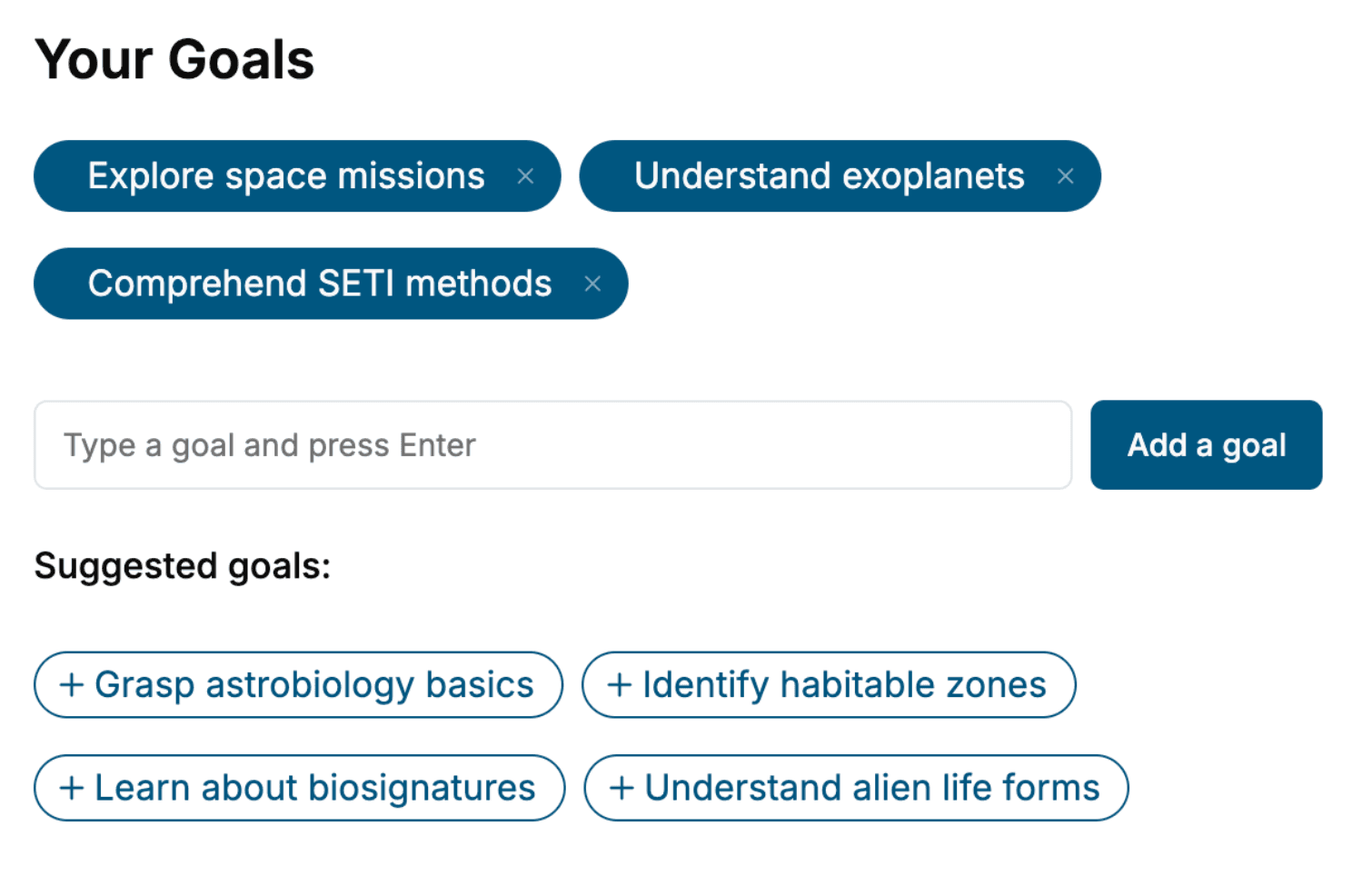
Specify your goals and choose sub-topics to include
- 3. Get your tailored book
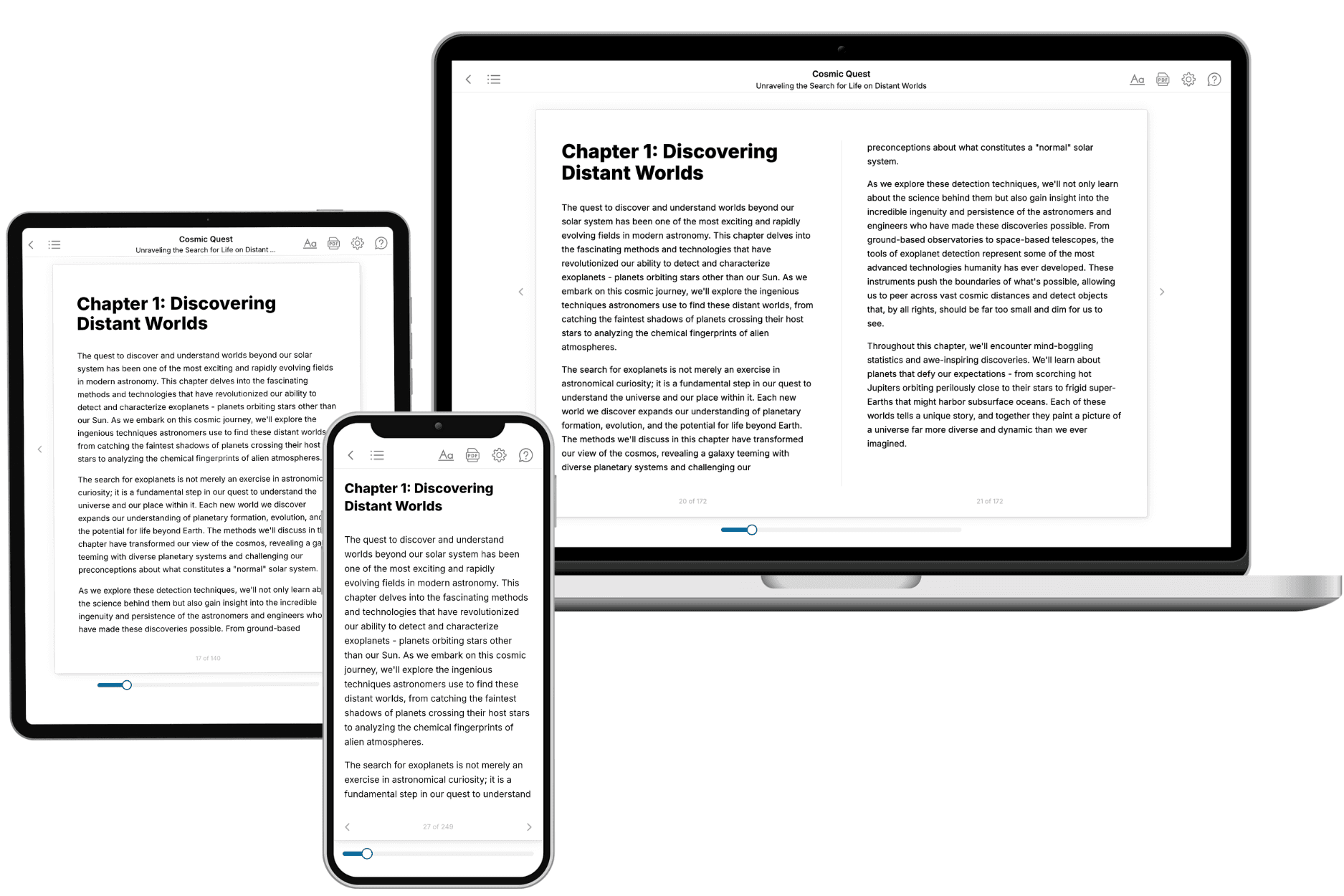
Your book is ready in 10 minutes. Read it online, download as EPUB or PDF, or send to Kindle.

Frequently asked questions
- What is TailoredRead?
TailoredRead creates complete, full-length nonfiction ebooks, written specifically for you. Tell us what you want to learn and why, and TailoredRead writes you a complete ebook on it, with charts, tables, and diagrams throughout. Read it online, on Kindle, or on any e-reader, or download it as a PDF or EPUB. Every book is written fresh the day you order it.
- How is the book tailored to me?
Before anything is written, you answer a few short questions about your goals, your background, and the topics you care about. Your book is then planned around your answers: written at your level, focused on your goals, and covering the topics you chose, instead of the one-size-fits-all book a store sells everyone.
- Will it read like generic AI content?
No. Your book isn't a chat transcript: it's planned chapter by chapter before a single word is written, told in a clear book voice, and explains ideas visually with charts, tables, and diagrams. After writing, every book goes through an editorial pass that polishes chapters so the book reads consistent from start to finish. Judge for yourself: browse thousands of sample books on our Explore Books page.
- How accurate is the content?
Our AI first checks whether your subject needs live research. Niche and fast-moving subjects are researched before writing, and the book plan and chapters are grounded in what it finds. After writing, every book goes through a quality pass that checks its facts and consistency, and researched books list their sources in a Notes section at the back.
- How long is the book?
You choose the length: Comprehensive (250-300 pages), Detailed (150-200 pages), Essential (70-100 pages), or Short (30-50 pages).
- Does the book include visuals?
Yes. Every book includes charts, tables, and diagrams: timelines, checklists, step-by-step guides, decision trees, comparison tables, matrices, and bar charts. A typical book includes dozens of these visual elements.
- Can I read it on Kindle? What formats can I download?
Yes. Every book can be read in our online reader or downloaded as a PDF or EPUB. The EPUB can be opened with Kindle, Apple Books, Kobo, and any e-reader. The Commercial and Author licenses also include an editable Word (DOCX) and Markdown download.
- How much does it cost?
About the price of a regular ebook. The exact price depends on your book's length and complexity, from $2 for the shortest books to $35 for the most comprehensive, and it's shown when you review your book, before you commit to anything. Each book is a one-time purchase, yours to keep, no subscription. Licenses that let you share, teach, or publish your book range from $35.99 to $49.99.
- Can I preview the book before purchasing?
Before you pay, you'll see what your book will cover: the title, a detailed description, the estimated length, and the complete chapter-by-chapter table of contents, so you know what you're getting before you decide. The full text itself is written after you purchase.
- How long does it take to create a book?
About 10 minutes. You can start reading the opening chapters while the rest is still being written.