Voices of French Canada
The History, Culture, and Identity of Francophones Shaping a Nation
Discover the rich and complex history of Francophones in Canada—a story that has fundamentally shaped the nation's identity, politics, and culture.
207 pages9 chaptersEnglishDec 25, 2025Canadian History
About this book
This comprehensive guide takes you through centuries of French-Canadian experience, from early colonial settlement through the modern era, revealing how Francophone communities have navigated conquest, cultural preservation, and social change. You'll explore the pivotal moments that defined French-Canadian identity, understand the language debates that continue to influence Canadian policy, and learn about the remarkable contributions Francophones have made to politics, arts, literature, and society. Beyond Quebec's borders, you'll discover thriving French-speaking communities across Canada and the unique challenges they face. Whether you're interested in understanding Canada's founding cultures, exploring the roots of contemporary political tensions, or appreciating the depth of Francophone influence on Canadian life, this book provides the context and insights needed to grasp one of Canada's most important and often misunderstood communities.
Table of contents
- IntroductionWhy Francophones Matter to Canadian History, What This Book Covers, How to Use This BookRead below
- Chapter 1: The French Colonial FoundationEarly French Exploration and Settlement, Building New France: Society and Culture, Daily Life in French Colonial Canada
- Chapter 2: The Conquest and Its AftermathThe Seven Years' War and British Victory, The Quebec Act: Accommodation and Survival, Forging Identity After Conquest
- Chapter 3: Nation-Building and ConfederationFrancophone Perspectives on Confederation, Francophones in the Early Dominion, Building Cultural and Religious Institutions
- Chapter 4: The Quiet Revolution and Modern QuebecThe Quiet Revolution: Transformation and Modernization, Language as Politics: Bill 101 and Beyond, Redefining Quebec Identity in Modern Times
- Chapter 5: Francophones Beyond QuebecThe Acadian Experience and Resilience, Franco-Ontarians and Other Provincial Communities, Challenges and Opportunities in Francophone Diaspora
- Chapter 6: Language, Rights, and National UnityOfficial Bilingualism: Policy and Practice, Language Decline and Preservation Efforts, Language Debates and National Tensions
- Chapter 7: Francophone Contributions to Canadian CultureLiterature, Film, and Visual Arts, Music, Theater, and Performance, Philosophy, Journalism, and Intellectual Life
- Chapter 8: Political Leadership and InfluenceEarly Francophone Political Leaders, The Trudeau Era and Federal Politics, Contemporary Francophone Political Influence
- Chapter 9: Contemporary Challenges and the FutureDemographic Shifts and Population Trends, Immigration and Cultural Integration, The Future of Francophone Canada
- ConclusionThe Enduring Legacy of Francophones in Canada, Moving Forward Together
- Glossary
- Further Reading and Resources
Introduction
Canada's story cannot be told without understanding the profound influence of its Francophone communities. From the earliest European settlements along the St. Lawrence River to the vibrant French-speaking neighborhoods of modern Montreal, Ottawa, and Moncton, Francophones have shaped the nation's character, politics, and culture in ways that extend far beyond language alone. Their experiences—marked by exploration, colonization, conquest, survival, and renewal—form one of the central narratives of Canadian history. Yet for many, this story remains incomplete or misunderstood, reduced to simplified accounts of language debates or political tensions that miss the richness and complexity of Francophone contributions to the nation.
Understanding Francophone history means grappling with fundamental questions about Canadian identity itself. What does it mean to be Canadian in a country founded by two European colonial powers? How have French-speaking communities maintained their distinct culture while participating in a predominantly English-speaking North America? Why do language rights continue to generate passionate debate more than 150 years after Confederation? These questions don't have simple answers, but exploring them reveals the intricate tapestry of compromise, conflict, creativity, and coexistence that defines Canada. The Francophone experience illuminates broader themes of minority rights, cultural preservation, federalism, and national unity that remain relevant today.
This book invites you to explore the multifaceted history of Francophones in Canada with fresh eyes. Whether you're seeking to understand the historical roots of contemporary political debates, appreciate the cultural achievements of French-Canadian artists and thinkers, or simply learn more about a community that has profoundly influenced the nation's development, you'll find a comprehensive and accessible guide to this essential aspect of Canadian history. The journey begins with colonial settlement and extends to present-day challenges, revealing how Francophone communities have continuously adapted, resisted, and thrived across more than four centuries.
The Francophone presence in Canada predates the country itself by more than two centuries. When Samuel de Champlain established Quebec City in 1608, he laid the foundation for a society that would develop its own distinct character, institutions, and identity. New France grew into a complex colonial society with its own social hierarchies, economic systems, and cultural expressions. Even after the British conquest of 1760, French-speaking communities didn't disappear or assimilate—instead, they negotiated, adapted, and found ways to preserve their language, religion, and traditions. This resilience in the face of conquest and demographic pressure represents one of the remarkable stories of cultural survival in North American history.
Why Francophones Matter to Canadian History
Francophones have been central to every major chapter of Canadian history, from exploration and colonization through Confederation and into the modern era. Their influence extends far beyond Quebec's borders, shaping national institutions, political structures, and cultural expressions across the country. Understanding why Francophones matter requires recognizing that Canada's founding was not simply a British colonial project but rather a complex negotiation between two European colonial powers and the Indigenous peoples who inhabited the land. The French colonial presence established patterns of settlement, trade, and cultural development that would fundamentally shape the nation's trajectory. Without appreciating this Francophone dimension, any understanding of Canadian history remains incomplete and distorted.
The political architecture of modern Canada reflects Francophone influence at its core. The federal system adopted at Confederation in 1867 was designed partly to accommodate French-Canadian concerns about cultural and linguistic survival within a predominantly English-speaking country. Provincial jurisdiction over education and civil law allowed Quebec to maintain institutions that protected French language and culture. The concept of duality—the idea that Canada comprises two founding peoples with distinct languages and cultures—has shaped constitutional debates, language policy, and national identity for more than 150 years. Even Canadians who don't speak French live in a country whose political structures and national symbols reflect this fundamental duality.
Francophone contributions to Canadian culture have enriched the nation's artistic and intellectual life immeasurably. French-Canadian literature, from the early poetry of Octave Crémazie to the novels of Gabrielle Roy and Michel Tremblay, has explored themes of identity, survival, and social change with distinctive voices. Quebec cinema has gained international recognition for its innovative storytelling and visual style. Musicians from Félix Leclerc to Céline Dion have achieved both national and international success. Beyond the arts, Francophone journalists, philosophers, and public intellectuals have contributed vital perspectives to Canadian public discourse. These cultural achievements don't simply represent a separate French-Canadian tradition—they form an integral part of Canada's broader cultural landscape.
The Francophone experience illuminates broader questions about minority rights, cultural preservation, and pluralism that resonate beyond Canada's borders. How can linguistic and cultural minorities maintain their distinctiveness within larger political units? What rights should minorities have to preserve their language and institutions? How can diverse communities coexist within a single nation-state? Canada's ongoing negotiation of these questions—through official bilingualism, language legislation, and constitutional arrangements—offers insights relevant to multicultural societies worldwide. The successes and failures of Canadian language policy provide lessons for other countries grappling with linguistic diversity and minority rights.
Understanding Francophone history also means confronting uncomfortable truths about power, conquest, and cultural survival. The British conquest of New France in 1760 created a situation where a French-speaking Catholic majority in Quebec found itself under British Protestant rule, eventually becoming a minority within a larger Canadian federation. This historical experience of conquest and minority status has profoundly shaped Francophone political consciousness and continues to influence debates about Quebec's place in Canada. Recognizing this historical context helps explain why language and cultural issues generate such passionate responses and why questions of identity and autonomy remain politically salient in Quebec and other Francophone communities.
The Francophone presence has shaped Canada's relationship with the wider world in distinctive ways. Quebec's connections to France and the broader Francophonie—the global community of French-speaking nations—have given Canada additional diplomatic and cultural channels beyond its Commonwealth ties. French-Canadian missionaries, explorers, and traders established relationships with Indigenous peoples and opened territories that would eventually become part of Canada. The French language has served as a bridge to international organizations and multilateral forums. This international dimension of Francophone identity adds another layer to Canada's global engagement and reinforces the country's bilingual character on the world stage.
Finally, Francophones matter because their story is fundamentally intertwined with the stories of all Canadians. The history of French-English relations, language debates, and cultural accommodation has shaped national institutions and political culture in ways that affect everyone. The Canadian Charter of Rights and Freedoms includes language rights that emerged from decades of Francophone advocacy. Federal bilingualism policies have created employment opportunities and shaped government services. Even Canadians who never interact with Francophone communities live in a country whose character has been molded by the Francophone presence. Understanding this influence means understanding Canada itself more deeply and completely.
What This Book Covers
This book provides a comprehensive exploration of Francophone history in Canada, organized chronologically and thematically to help you understand both the historical development and contemporary significance of French-speaking communities. The narrative begins with early French exploration and colonial settlement, tracing the establishment of New France and the development of a distinct French-Canadian society. You'll learn about the social structures, economic activities, and cultural practices that characterized colonial life, as well as the relationships between French settlers and Indigenous peoples. This foundation is essential for understanding how Francophone identity took shape and why certain cultural patterns and institutions became so deeply rooted.
The book examines the pivotal moment of the British conquest and its long-term consequences for Francophone communities. This section explores how French Canadians navigated life under British rule, the accommodations made through legislation like the Quebec Act of 1774, and the strategies communities developed to preserve their language, religion, and legal traditions. You'll discover how the conquest created a distinctive political consciousness among Francophones and established patterns of cultural survival that would persist for centuries. Understanding this period is crucial for grasping why language and cultural preservation became such central concerns for Francophone communities and why these issues continue to resonate today.
A substantial portion of the book addresses the Confederation period and the place of Francophones in the new Canadian nation. You'll explore the debates surrounding Confederation from Francophone perspectives, the compromises that made union possible, and the challenges French-speaking communities faced in the early decades of the Dominion. This section examines how Francophones participated in nation-building while simultaneously working to protect their distinct identity within the federal structure. The development of cultural and religious institutions during this period receives particular attention, as these organizations became crucial vehicles for maintaining Francophone identity and community cohesion.
The Quiet Revolution of the 1960s represents a watershed moment in Francophone history, and the book devotes considerable attention to this transformative period. You'll learn how Quebec society modernized rapidly, secularized, and developed a new sense of national identity distinct from traditional French-Canadian nationalism. The emergence of the sovereignty movement, the implementation of language legislation like Bill 101, and the redefinition of Quebec identity in contemporary terms all receive thorough treatment. This section helps explain how modern Quebec emerged from its traditional past and why language politics became so central to Quebec's political landscape in the late twentieth century.
Recognizing that Francophone history extends far beyond Quebec's borders, the book includes substantial coverage of Acadian communities in the Maritime provinces and Francophone populations in Ontario, Manitoba, and other provinces. You'll discover the unique histories and challenges of these communities, which often face different circumstances than Quebec Francophones. The Acadian experience, marked by deportation, return, and cultural renaissance, receives particular attention. Understanding these diverse Francophone communities reveals the complexity of French-Canadian identity and the varied strategies different communities have employed to maintain their language and culture in predominantly English-speaking environments.
Language policy and rights form a major theme throughout the book, with dedicated sections examining official bilingualism, language legislation, and ongoing debates about language preservation. You'll learn about the development of federal bilingualism policy under Pierre Trudeau, the implementation of language laws in Quebec and other provinces, and the constitutional entrenchment of language rights. The book also addresses the challenges of language decline in some Francophone communities and the various initiatives undertaken to promote French language use and transmission. These sections provide context for understanding contemporary language debates and the tensions that sometimes arise between different visions of Canadian bilingualism.
The book celebrates Francophone contributions to Canadian culture, politics, and society through dedicated chapters on literature, arts, music, and political leadership. You'll encounter major figures in French-Canadian cultural life, from early writers and artists to contemporary creators who have achieved national and international recognition. The political influence of Francophone leaders, from George-Étienne Cartier through Pierre Trudeau to contemporary figures, receives thorough examination. These sections demonstrate that Francophone contributions extend across all domains of Canadian life and have enriched the nation's cultural and political landscape immeasurably.
Finally, the book addresses contemporary challenges facing Francophone communities and considers future prospects. Demographic trends, immigration patterns, linguistic assimilation, and generational change all pose challenges to Francophone vitality in various regions. You'll explore how communities are responding to these challenges through education initiatives, cultural programming, and political advocacy. The book concludes by considering what the future might hold for Francophone Canada and how the relationship between Francophone and Anglophone communities might evolve in coming decades. This forward-looking perspective helps you understand not just where Francophones have been, but where they might be heading.
How to Use This Book
This book is designed to be accessible to readers with moderate knowledge of Canadian history while providing sufficient depth and detail to enhance your understanding significantly. You don't need to be an expert on Canadian history or Francophone culture to benefit from this book—the narrative provides necessary context and explanation throughout. However, if you have some familiarity with basic Canadian history, you'll be able to connect the Francophone story to broader national narratives more easily. The book assumes you're genuinely interested in understanding Francophone contributions and experiences rather than simply seeking superficial facts, and it rewards careful reading with nuanced insights into complex historical and cultural dynamics.
The chronological organization allows you to read the book straight through from beginning to end, following the development of Francophone communities from colonial times to the present. This approach provides the most comprehensive understanding of how Francophone identity evolved over time and how earlier periods shaped later developments. Reading chronologically helps you see connections between different eras and understand how historical experiences influenced contemporary attitudes and political positions. If you're new to Francophone history or want a complete overview, reading from start to finish is the recommended approach. The narrative builds progressively, with later chapters assuming familiarity with material covered earlier.
Alternatively, you can use the book as a reference work, consulting specific chapters that address topics of particular interest. Each chapter is relatively self-contained, with sufficient context provided to make sense of the material even if you haven't read previous chapters. If you're primarily interested in contemporary language politics, you might start with the chapters on the Quiet Revolution and language rights. If Acadian history fascinates you, you can turn directly to the chapter on Francophones beyond Quebec. The detailed table of contents and chapter summaries help you locate specific topics quickly. This selective approach works well if you're researching particular aspects of Francophone history or want to deepen your knowledge in specific areas.
Throughout the book, you'll encounter various features designed to enhance your understanding and engagement with the material:
- Historical context boxes provide background information on events, institutions, or concepts that might be unfamiliar
- Biographical sketches introduce you to significant Francophone figures and their contributions
- Primary source excerpts offer direct access to historical voices and perspectives
- Statistical data and demographic information illustrate trends and changes over time
- Discussion questions at the end of each chapter encourage deeper reflection on themes and issues
- Suggested readings point you toward additional resources for further exploration
Pay particular attention to the recurring themes that appear throughout the book, as these provide conceptual threads connecting different periods and topics. The tension between cultural preservation and adaptation appears repeatedly, from the post-conquest period through contemporary debates about immigration and integration. Questions of minority rights and political accommodation recur in different forms across centuries. The relationship between language and identity emerges as a constant concern for Francophone communities. By tracking these themes across chapters, you'll develop a deeper understanding of the continuities and changes in Francophone experience. Consider keeping notes on how these themes manifest in different contexts and how they evolve over time.
The book includes a comprehensive glossary of terms related to Francophone history and culture. Many concepts don't translate easily between French and English, and some terms carry specific historical or cultural connotations that might not be immediately apparent. When you encounter unfamiliar terms, consult the glossary for definitions and context. Understanding terminology is particularly important for grasping political and cultural debates, where specific words often carry significant weight. Terms like survivance, maîtres chez nous, and distinct society have particular meanings within Francophone political discourse that the glossary explains. Familiarizing yourself with this vocabulary will enhance your comprehension throughout the book.
Consider engaging with the material actively rather than passively absorbing information. Ask yourself questions as you read: How do the experiences described compare to those of other linguistic or cultural minorities? What factors explain why Francophone communities succeeded in maintaining their language and culture when many other minority groups did not? How do historical experiences shape contemporary political attitudes? What lessons might Francophone history offer for addressing cultural diversity in other contexts? Active engagement with these questions will deepen your understanding and help you connect the material to broader issues of cultural pluralism, minority rights, and national identity.
The book's conclusion synthesizes major themes and considers the enduring legacy of Francophones in Canada, but don't wait until the end to reflect on significance and meaning. After each chapter, take time to consider what you've learned and how it connects to your existing knowledge of Canadian history. Think about how the chapter's content relates to contemporary issues and debates. Consider discussing the material with others—whether in a book club, classroom setting, or informal conversation. Francophone history raises important questions about identity, rights, and coexistence that benefit from dialogue and multiple perspectives. Your understanding will deepen through reflection and discussion.
Finally, use this book as a starting point for further exploration rather than a definitive final word on Francophone history. The suggested readings at the end of each chapter and the comprehensive bibliography point you toward additional resources, including primary sources, academic studies, memoirs, and cultural works. Consider exploring Francophone literature, film, and music to gain additional perspectives on the experiences and worldviews discussed in the book. If possible, visit Francophone communities and historic sites to experience the living culture and heritage firsthand. This book aims to open doors to understanding, but the richest learning comes from continued engagement with Francophone culture and history beyond these pages.
This is the end of the free sample. The full book has 9 chapters.
Want this book written for you?
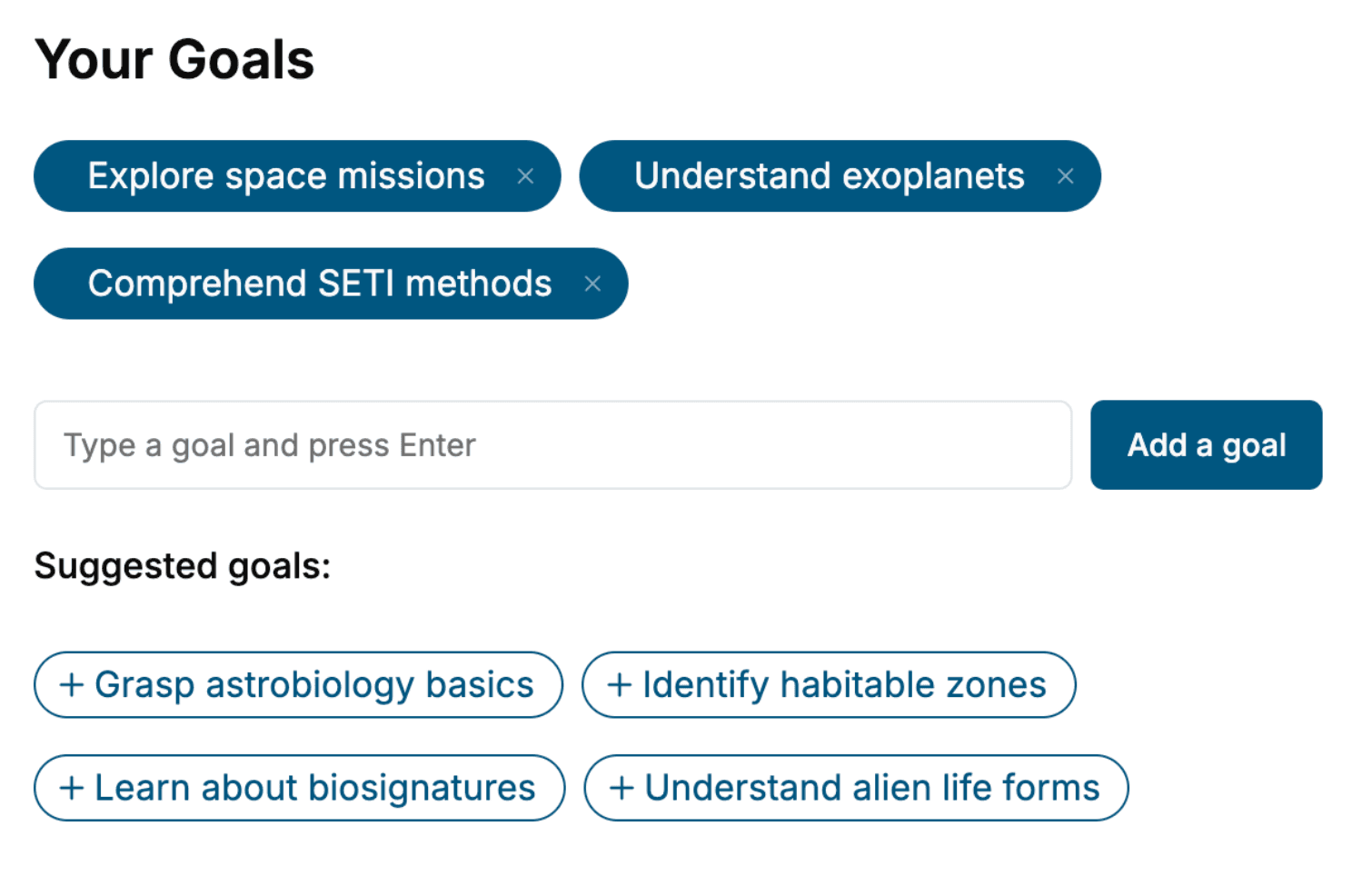
Tell us your goals and background, and get your own version of this book, tailored by AI to you.


Benefits of AI-tailored books
- Read one book, not ten:
- all the Canadian History knowledge you need, gathered into a single book.
- Save days of learning:
- tell us your goals, choose your topics, and the whole book is built around them.
- Learn effortlessly:
- Canadian History book written for your specific background and expertise.
- Understand at a glance:
- includes charts, tables, timelines, checklists, decision trees, and more.
- Stay current:
- written the day you order it, not years ago.
- Trust what you read:
- every book is checked for accuracy, with real research when your subject needs it.
Create your unique book in 3 steps
- 1. Select your focus
Select the focus of your Canadian History book and share your background
- 2. Personalize your book
Specify your goals and choose sub-topics to include
- 3. Get your tailored book
Your book is ready in 10 minutes. Read it online, download as EPUB or PDF, or send to Kindle.

Frequently asked questions
- What is TailoredRead?
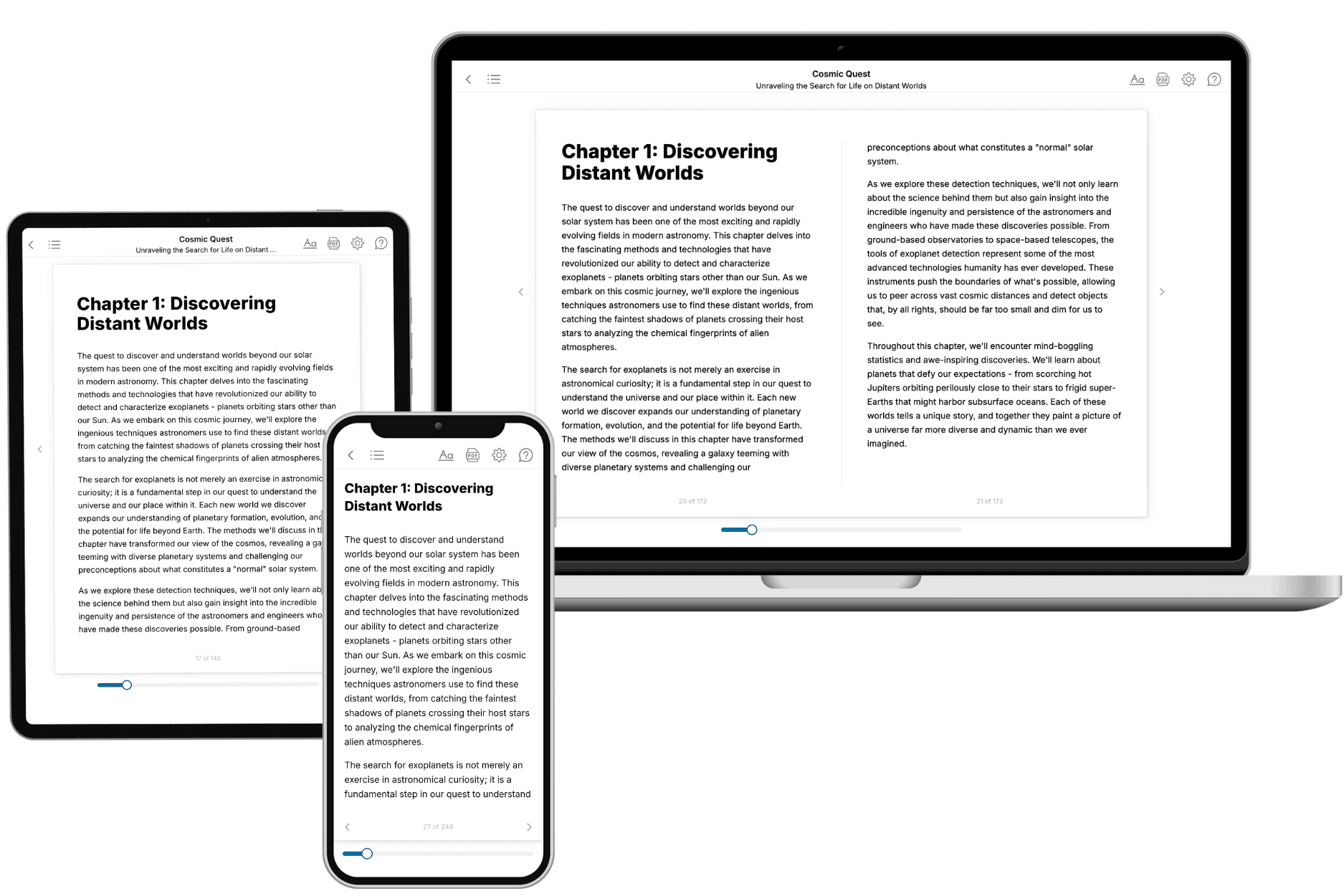
TailoredRead creates complete, full-length nonfiction ebooks, written specifically for you. Tell us what you want to learn and why, and TailoredRead writes you a complete ebook on it, with charts, tables, and diagrams throughout. Read it online, on Kindle, or on any e-reader, or download it as a PDF or EPUB. Every book is written fresh the day you order it.
- How is the book tailored to me?
Before anything is written, you answer a few short questions about your goals, your background, and the topics you care about. Your book is then planned around your answers: written at your level, focused on your goals, and covering the topics you chose, instead of the one-size-fits-all book a store sells everyone.
- Will it read like generic AI content?
No. Your book isn't a chat transcript: it's planned chapter by chapter before a single word is written, told in a clear book voice, and explains ideas visually with charts, tables, and diagrams. After writing, every book goes through an editorial pass that polishes chapters so the book reads consistent from start to finish. Judge for yourself: browse thousands of sample books on our Explore Books page.
- How accurate is the content?
Our AI first checks whether your subject needs live research. Niche and fast-moving subjects are researched before writing, and the book plan and chapters are grounded in what it finds. After writing, every book goes through a quality pass that checks its facts and consistency, and researched books list their sources in a Notes section at the back.
- How long is the book?
You choose the length: Comprehensive (250-300 pages), Detailed (150-200 pages), Essential (70-100 pages), or Short (30-50 pages).
- Does the book include visuals?
Yes. Every book includes charts, tables, and diagrams: timelines, checklists, step-by-step guides, decision trees, comparison tables, matrices, and bar charts. A typical book includes dozens of these visual elements.
- Can I read it on Kindle? What formats can I download?
Yes. Every book can be read in our online reader or downloaded as a PDF or EPUB. The EPUB can be opened with Kindle, Apple Books, Kobo, and any e-reader. The Commercial and Author licenses also include an editable Word (DOCX) and Markdown download.
- How much does it cost?
About the price of a regular ebook. The exact price depends on your book's length and complexity, from $2 for the shortest books to $35 for the most comprehensive, and it's shown when you review your book, before you commit to anything. Each book is a one-time purchase, yours to keep, no subscription. Licenses that let you share, teach, or publish your book range from $35.99 to $49.99.
- Can I preview the book before purchasing?
Before you pay, you'll see what your book will cover: the title, a detailed description, the estimated length, and the complete chapter-by-chapter table of contents, so you know what you're getting before you decide. The full text itself is written after you purchase.
- How long does it take to create a book?
About 10 minutes. You can start reading the opening chapters while the rest is still being written.