Warehouse Wizardry
Mastering Inventory Control and Optimization for Peak Performance
Picture a warehouse where inventory flows seamlessly, costs are minimized, and efficiency is maximized.
83 pages4 chaptersJun 3, 2025Warehouse Management
About this book
This isn't just a dream – it's the reality that awaits you with the knowledge and strategies presented in "Warehouse Wizardry." In today's fast-paced business environment, effective inventory control and warehouse optimization are crucial for staying competitive. This book offers a comprehensive guide to transforming your warehouse operations, whether you're a seasoned professional or new to the field. You'll discover cutting-edge techniques for streamlining processes, leveraging technology, and making data-driven decisions that will revolutionize your approach to inventory management. From implementing Just-In-Time (JIT) inventory systems to harnessing the power of RFID and barcode technology, "Warehouse Wizardry" covers every aspect of modern inventory control. You'll learn how to design optimal warehouse layouts, integrate Warehouse Management Systems (WMS), and automate key processes to reduce errors and increase productivity. With a focus on practical, actionable strategies, this book equips you with the tools to tackle common challenges like stockouts, slow inventory turnover, and inefficient picking processes. Prepare to elevate your understanding of warehouse operations and gain the confidence to implement transformative changes. "Warehouse Wizardry" is your key to unlocking the full potential of your inventory management systems and achieving unprecedented levels of efficiency in your warehouse.
Table of contents
- Chapter 1: Foundations of Inventory ControlUnderstanding Inventory Basics, The Importance of Effective Inventory Control, Key Metrics for Inventory PerformanceRead below
- Chapter 2: Technologies for Inventory TrackingRFID Systems: Revolutionizing Inventory Tracking, Barcode Scanning: Enhancing Accuracy and Speed, WMS Integration: Centralizing Inventory Data
- Chapter 3: Advanced Inventory Management StrategiesImplementing Just-In-Time (JIT) Inventory, ABC Analysis for Inventory Prioritization, Cycle Counting for Continuous Accuracy
- Chapter 4: Warehouse Layout and Process OptimizationPrinciples of Efficient Warehouse Layout Design, Optimizing Picking and Packing Processes
- Conclusion
Chapter 1: Foundations of Inventory Control
In the dynamic world of warehouse management, mastering the foundations of inventory control is crucial for achieving operational excellence and maintaining a competitive edge. This chapter delves into the core concepts, principles, and metrics that form the bedrock of effective inventory management. By understanding these fundamentals, you'll be well-equipped to navigate the complexities of modern warehouse operations and implement strategies that drive efficiency, reduce costs, and optimize your inventory processes.
Understanding Inventory Basics
At its core, inventory refers to the goods and materials a company holds for the ultimate purpose of resale, production, or utilization. In the context of warehouse management, inventory encompasses a wide range of items, from raw materials and work-in-progress to finished goods ready for distribution. Understanding the nature and purpose of your inventory is the first step towards effective control and optimization.
Inventory serves several critical functions within a business. Primarily, it ensures that customer demand can be met promptly, acting as a buffer against fluctuations in supply and demand. This buffer helps maintain customer satisfaction by reducing the likelihood of stockouts and lost sales. Additionally, inventory allows businesses to take advantage of economies of scale in purchasing and production, potentially leading to cost savings. However, holding inventory also comes with associated costs, including storage, handling, insurance, and the risk of obsolescence or damage.
The types of inventory you manage will depend on your business model and industry. For manufacturing companies, inventory typically includes raw materials, work-in-progress (WIP), and finished goods. Retailers primarily deal with finished goods inventory, while wholesalers might handle a mix of both. Understanding the specific characteristics and requirements of each inventory type is crucial for implementing appropriate control measures.
One fundamental concept in inventory management is the inventory cycle. This cycle describes the flow of goods from the point of purchase or production to the point of sale or use. The cycle typically consists of four main stages: purchasing, receiving, storing, and selling or using the inventory. Each stage presents unique challenges and opportunities for optimization. For instance, the purchasing stage involves decisions about order quantities and timing, while the storage stage focuses on efficient warehouse layout and stock organization.
Another key aspect of inventory basics is understanding the various costs associated with inventory. These can be broadly categorized into ordering costs, holding costs, and stockout costs. Ordering costs include expenses related to placing and receiving orders, such as administrative costs and transportation fees. Holding costs encompass the expenses of storing and maintaining inventory, including warehouse rent, utilities, insurance, and the opportunity cost of tied-up capital. Stockout costs arise when demand cannot be met due to insufficient inventory, resulting in lost sales and potential damage to customer relationships.
Balancing these costs is at the heart of inventory management. The goal is to maintain sufficient inventory to meet customer demand while minimizing the total cost of inventory. This balance is often referred to as the Economic Order Quantity (EOQ), a concept we'll explore in more depth later in this book. Understanding the trade-offs between these different cost categories is crucial for making informed decisions about inventory levels and replenishment strategies.
In the context of warehouse management, it's also essential to understand the concept of inventory turnover. This metric measures how quickly inventory is sold and replaced over a given period. A high inventory turnover ratio generally indicates efficient inventory management, as it suggests that goods are not sitting idle in the warehouse for extended periods. However, extremely high turnover might also indicate potential stockouts, so finding the right balance is key.
As you delve deeper into inventory management, you'll encounter various inventory valuation methods, such as First-In-First-Out (FIFO), Last-In-First-Out (LIFO), and weighted average cost. These methods determine how the cost of inventory is calculated and reported on financial statements. While the choice of method may seem like an accounting technicality, it can have significant implications for tax liability, profitability reporting, and inventory control strategies.
Understanding these inventory basics lays the groundwork for more advanced inventory control techniques. As you progress through this book, you'll build upon these fundamental concepts to develop a comprehensive approach to inventory management that aligns with your business goals and operational realities. Remember, effective inventory control is not just about managing stock levels; it's about optimizing the entire flow of goods through your warehouse to maximize efficiency, minimize costs, and meet customer demand effectively.
The Importance of Effective Inventory Control
Effective inventory control is the linchpin of successful warehouse management and plays a pivotal role in the overall success of a business. It's not merely about keeping track of stock levels; it's a strategic function that impacts multiple aspects of your operations, from customer satisfaction to financial performance. In this section, we'll explore the multifaceted importance of inventory control and how it can drive competitive advantage in today's fast-paced business environment.
At its most fundamental level, effective inventory control ensures that you have the right products in the right quantities at the right time. This alignment is crucial for meeting customer demand promptly and efficiently. In an era where customers expect quick delivery and high product availability, the ability to fulfill orders accurately and swiftly can be a significant differentiator. Studies have shown that stockouts can lead to lost sales and, more critically, lost customers. According to a retail study by IHL Group, retailers worldwide lose approximately $1 trillion annually due to stockouts[1]. By implementing robust inventory control measures, you can minimize stockouts, enhance customer satisfaction, and build long-term loyalty.
From a financial perspective, inventory control is crucial for optimizing working capital and improving cash flow. Inventory represents a significant investment for most businesses, tying up capital that could potentially be used elsewhere. Excessive inventory levels can strain cash flow and increase holding costs, while insufficient inventory can lead to lost sales and dissatisfied customers. Effective inventory control helps strike the right balance, ensuring that capital is not unnecessarily tied up in excess stock while maintaining sufficient inventory to meet demand. This optimization can have a substantial impact on a company's financial health and ability to invest in growth opportunities.
Inventory control also plays a critical role in cost management. Holding inventory incurs various costs, including storage, handling, insurance, and the risk of obsolescence or damage. These carrying costs typically range from 20% to 30% of the inventory value annually[2]. By implementing effective inventory control strategies, you can reduce these costs significantly. For instance, Just-In-Time (JIT) inventory systems, which we'll explore in detail later, can dramatically reduce holding costs by aligning inventory receipts closely with production or sales needs. Moreover, accurate inventory control helps prevent overstocking, which can lead to markdowns or write-offs of obsolete stock, directly impacting profitability.
In the realm of operational efficiency, effective inventory control is indispensable. It streamlines warehouse operations by optimizing space utilization, reducing the time and effort spent on inventory counts, and improving picking and packing processes. For example, implementing ABC analysis (which we'll discuss in a later chapter) can help prioritize inventory management efforts, focusing resources on the most critical items. This approach not only improves efficiency but also enhances accuracy in inventory records, reducing discrepancies and the associated costs of reconciliation.
Effective inventory control also provides valuable data and insights that can inform strategic decision-making. By tracking inventory levels, turnover rates, and demand patterns, you can gain a deeper understanding of your business dynamics. This data can help in forecasting demand more accurately, optimizing procurement processes, and identifying trends or issues before they become significant problems. In an age where data-driven decision-making is increasingly crucial, the insights derived from robust inventory control systems can provide a competitive edge.
Furthermore, in industries with strict regulatory requirements or quality control standards, effective inventory control is essential for compliance and risk management. It enables better traceability of products, which is crucial in cases of recalls or quality issues. For businesses in sectors like pharmaceuticals, food and beverage, or electronics, the ability to track inventory accurately throughout the supply chain is not just a operational advantage but often a regulatory requirement.
The importance of inventory control extends to supplier relationships as well. With accurate inventory data and forecasts, you can work more collaboratively with suppliers, potentially negotiating better terms based on more predictable order patterns. This can lead to improved supply chain efficiency, reduced lead times, and potentially lower costs. Moreover, effective inventory control can help identify and address supplier performance issues, such as late deliveries or quality problems, more quickly and systematically.
In the context of sustainability and environmental responsibility, effective inventory control plays a crucial role. By optimizing inventory levels and reducing waste, businesses can minimize their environmental footprint. This includes reducing the energy consumption associated with storing excess inventory, minimizing the disposal of obsolete or expired products, and optimizing transportation through more efficient order management. As consumers and stakeholders increasingly prioritize sustainability, demonstrating efficient resource use through effective inventory control can enhance brand reputation and appeal.
Lastly, in an era of increasing market volatility and disruptions, effective inventory control provides resilience and adaptability. The COVID-19 pandemic starkly illustrated the importance of agile inventory management in responding to sudden shifts in demand and supply chain disruptions. Businesses with robust inventory control systems were better positioned to navigate these challenges, quickly adjusting their stock levels and sourcing strategies to meet changing market conditions.
In conclusion, the importance of effective inventory control cannot be overstated. It's a multifaceted function that impacts virtually every aspect of a business, from customer satisfaction and financial performance to operational efficiency and strategic decision-making. As you progress through this book, keep in mind that mastering inventory control is not just about managing stock levels—it's about creating a responsive, efficient, and resilient operation that can drive competitive advantage in today's dynamic business landscape.
Key Metrics for Inventory Performance
To effectively manage and optimize your inventory control processes, it's crucial to have a clear understanding of the key metrics that measure inventory performance. These metrics provide valuable insights into the efficiency of your inventory management, highlight areas for improvement, and help you make data-driven decisions. In this section, we'll explore the most important inventory performance metrics, their significance, and how to use them to enhance your warehouse operations.
Inventory Turnover Ratio is one of the most fundamental metrics in inventory management. It measures how many times your inventory is sold and replaced over a specific period, typically a year. The formula for inventory turnover is Cost of Goods Sold (COGS) divided by Average Inventory. A higher turnover ratio generally indicates efficient inventory management, as it suggests that you're selling goods quickly and not tying up excess capital in inventory. However, an extremely high ratio might also indicate potential stockouts. The optimal turnover ratio varies by industry, but as a general benchmark, a ratio between 5 and 10 is considered good for many businesses[3]. To improve this metric, focus on accurate demand forecasting, optimizing order quantities, and implementing efficient inventory replenishment strategies.
Days Sales of Inventory (DSI), also known as Days Inventory Outstanding (DIO), is closely related to the inventory turnover ratio. It measures the average number of days it takes to sell your inventory. The formula is (Average Inventory / Cost of Goods Sold) × 365 days. A lower DSI indicates that you're selling inventory more quickly, which is generally positive. However, like the turnover ratio, the optimal DSI depends on your industry and business model. For instance, a grocery store might aim for a DSI of 30 days or less, while a luxury car dealership might have a much higher DSI. Monitoring this metric over time can help you identify trends in your inventory efficiency and make adjustments to your purchasing and sales strategies accordingly.
Gross Margin Return on Investment (GMROI) is a profitability ratio that measures the return on investment in inventory. It's calculated by dividing the gross margin by the average inventory cost. This metric helps you understand how much profit you're generating for each dollar invested in inventory. A higher GMROI indicates that you're getting a better return on your inventory investment. To improve this metric, focus on optimizing your pricing strategy, negotiating better terms with suppliers, and managing your inventory mix to focus on higher-margin items.
Stockout Rate is a critical metric that measures the frequency of stockouts, or instances when an item is out of stock when there is customer demand. It's typically expressed as a percentage of total SKUs or total order lines. A high stockout rate can lead to lost sales, customer dissatisfaction, and potentially long-term damage to customer relationships. According to a study by IHL Group, retailers lose about 4.1% of their annual revenue due to stockouts[4]. To reduce stockouts, focus on improving demand forecasting accuracy, implementing safety stock policies, and using real-time inventory tracking systems.
Carrying Cost of Inventory is another crucial metric that measures the total cost of holding inventory over a specific period. It includes costs such as storage, insurance, taxes, depreciation, and opportunity cost of capital. Typically, carrying costs are expressed as a percentage of the total inventory value. Industry averages suggest that carrying costs can range from 20% to 30% of inventory value annually[5]. To optimize this metric, focus on reducing excess inventory, improving warehouse layout efficiency, and implementing Just-In-Time (JIT) inventory strategies where appropriate.
Order Fill Rate, also known as Perfect Order Rate, measures the percentage of orders that are filled completely and accurately on the first shipment. This metric is crucial for customer satisfaction and operational efficiency. A high fill rate indicates that you're consistently meeting customer expectations and minimizing the costs associated with returns, reshipments, and customer service interventions. To improve your fill rate, focus on accurate inventory tracking, efficient picking processes, and robust quality control measures.
Inventory Accuracy is a measure of how closely your recorded inventory matches the actual physical inventory. It's typically measured through regular cycle counts or annual physical inventories. High inventory accuracy is crucial for reliable operations, accurate financial reporting, and effective decision-making. According to a study by Wasp Barcode Technologies, 46% of small businesses either don't track inventory or use manual methods, leading to inaccuracies[6]. To improve inventory accuracy, consider implementing barcode or RFID systems, regular cycle counting procedures, and automated inventory management software.
Inventory Shrinkage Rate measures the loss of inventory due to factors such as theft, damage, errors, or supplier fraud. It's calculated as the difference between the recorded inventory and the actual inventory, divided by the recorded inventory value. According to the National Retail Federation, inventory shrink cost retailers $61.7 billion in 2019, representing 1.62% of sales[7]. To reduce shrinkage, focus on implementing robust security measures, improving inventory handling procedures, and conducting regular audits.
Average Age of Inventory is a metric that measures how long, on average, items remain in inventory before being sold. This metric is particularly important for businesses dealing with perishable goods or products subject to obsolescence. A high average age of inventory can indicate slow-moving stock, potentially leading to increased carrying costs and the risk of write-offs. To optimize this metric, consider implementing First-In-First-Out (FIFO) inventory management, regularly reviewing and adjusting your product mix, and using dynamic pricing strategies for older inventory.
Inventory to Sales Ratio compares the value of your inventory to your sales over a specific period. This ratio helps you understand if you're holding too much or too little inventory relative to your sales volume. A high ratio might indicate overstocking, while a low ratio could suggest potential stockouts. The optimal ratio varies by industry, but tracking this metric over time can help you identify trends and adjust your inventory management strategies accordingly.
While these metrics provide valuable insights individually, it's important to consider them holistically to get a comprehensive view of your inventory performance. No single metric tells the whole story, and improvements in one area may sometimes come at the expense of another. For example, aggressively reducing inventory levels to improve turnover might lead to increased stockouts if not managed carefully.
To effectively use these metrics, establish baseline measurements for your current performance, set realistic improvement targets, and regularly monitor progress. Consider implementing a dashboard that provides real-time visibility into these key metrics, allowing you to quickly identify and respond to trends or issues.
Remember that the relevance and importance of specific metrics may vary depending on your industry, business model, and strategic priorities. Tailor your focus to the metrics that align most closely with your business goals and operational challenges. By consistently tracking and analyzing these key inventory performance metrics, you'll be well-equipped to make data-driven decisions that optimize your inventory control processes, reduce costs, and enhance overall operational efficiency.
Notes
Chapter 1: Foundations of Inventory Control
- 1. IHL Group, Retailers and the Ghost Economy: $1.75 Trillion Reasons to be Afraid, 2015
- 2. REM Associates, Inventory Carrying Costs, 2021
- 3. Investopedia, Inventory Turnover, 2021
- 4. IHL Group, Out-of-Stock, Out-of-Luck: How Retailers Alienate Customers and Lose Billions Due to Poor Inventory Practices, 2018
- 5. REM Associates, Inventory Carrying Costs, 2021
- 6. Wasp Barcode Technologies, State of Small Business Report, 2017
- 7. National Retail Federation, National Retail Security Survey, 2020
This is the end of the free sample. The full book has 4 chapters.
Want this book written for you?
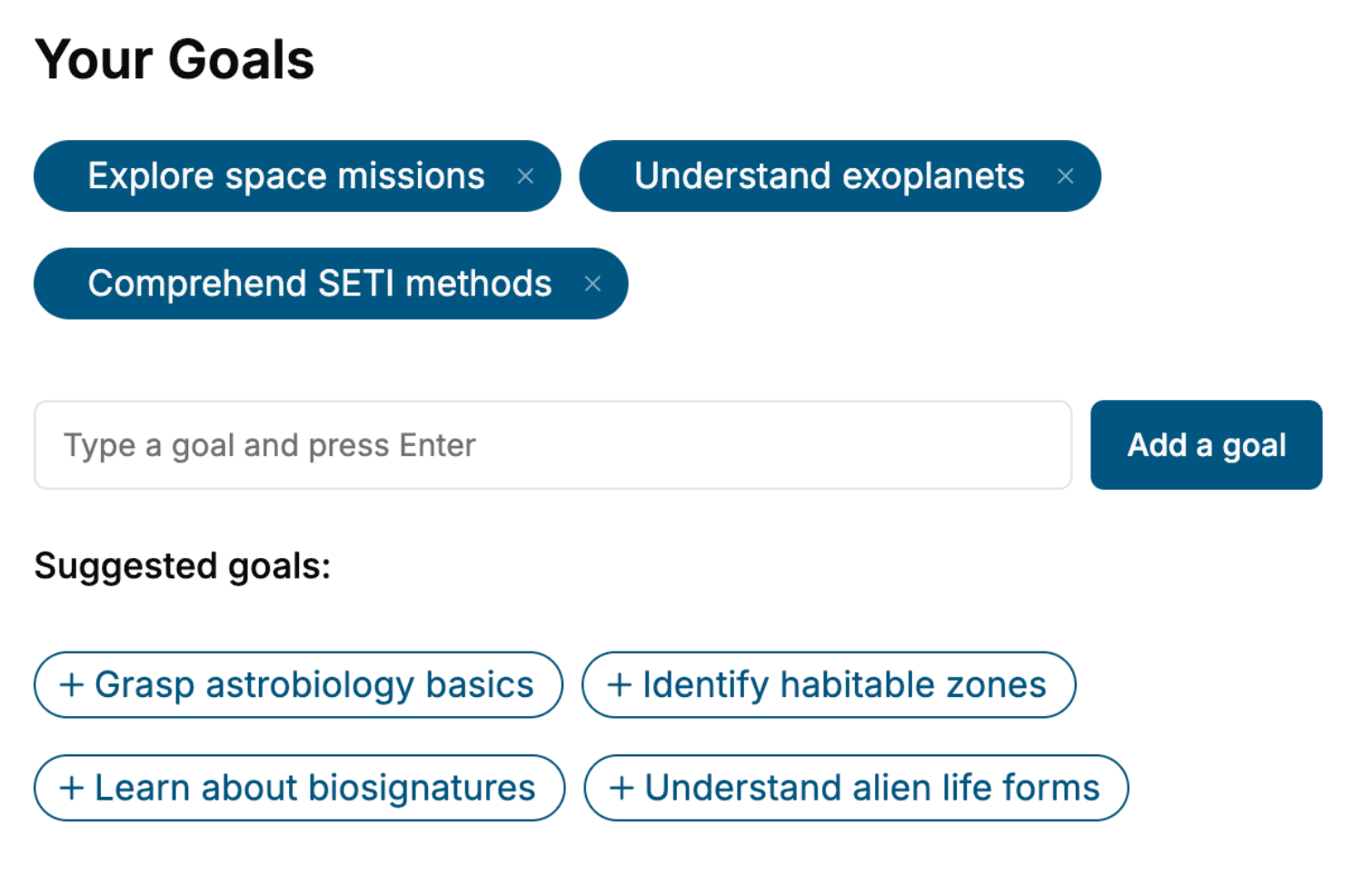
Tell us your goals and background, and get your own version of this book, tailored by AI to you.


Benefits of AI-tailored books
- Read one book, not ten:
- all the Warehouse Management knowledge you need, gathered into a single book.
- Save days of learning:
- tell us your goals, choose your topics, and the whole book is built around them.
- Learn effortlessly:
- Warehouse Management book written for your specific background and expertise.
- Understand at a glance:
- includes charts, tables, timelines, checklists, decision trees, and more.
- Stay current:
- written the day you order it, not years ago.
- Trust what you read:
- every book is checked for accuracy, with real research when your subject needs it.
Create your unique book in 3 steps
- 1. Select your focus
Select the focus of your Warehouse Management book and share your background
- 2. Personalize your book
Specify your goals and choose sub-topics to include
- 3. Get your tailored book
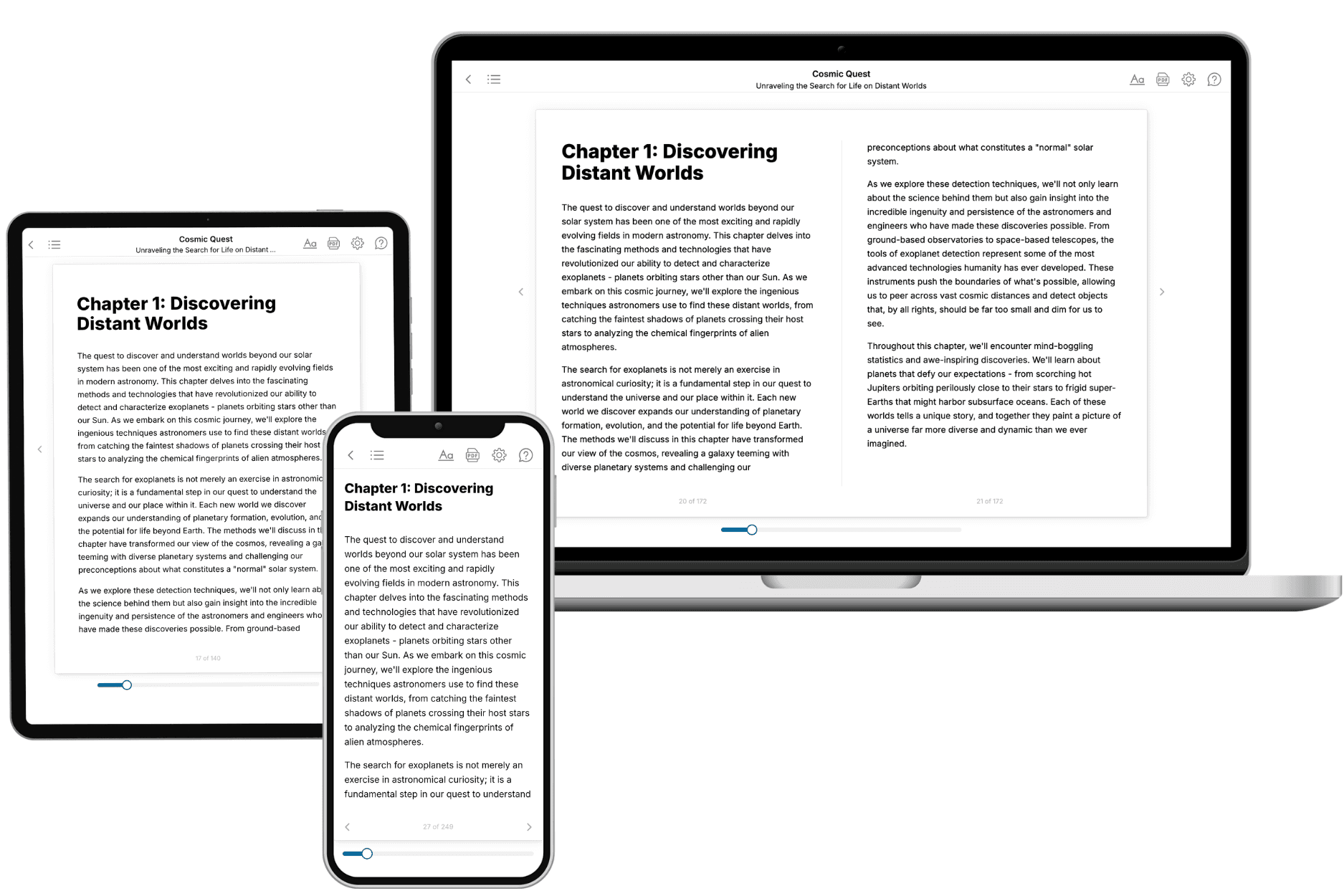
Your book is ready in 10 minutes. Read it online, download as EPUB or PDF, or send to Kindle.

Frequently asked questions
- What is TailoredRead?
TailoredRead creates complete, full-length nonfiction ebooks, written specifically for you. Tell us what you want to learn and why, and TailoredRead writes you a complete ebook on it, with charts, tables, and diagrams throughout. Read it online, on Kindle, or on any e-reader, or download it as a PDF or EPUB. Every book is written fresh the day you order it.
- How is the book tailored to me?
Before anything is written, you answer a few short questions about your goals, your background, and the topics you care about. Your book is then planned around your answers: written at your level, focused on your goals, and covering the topics you chose, instead of the one-size-fits-all book a store sells everyone.
- Will it read like generic AI content?
No. Your book isn't a chat transcript: it's planned chapter by chapter before a single word is written, told in a clear book voice, and explains ideas visually with charts, tables, and diagrams. After writing, every book goes through an editorial pass that polishes chapters so the book reads consistent from start to finish. Judge for yourself: browse thousands of sample books on our Explore Books page.
- How accurate is the content?
Our AI first checks whether your subject needs live research. Niche and fast-moving subjects are researched before writing, and the book plan and chapters are grounded in what it finds. After writing, every book goes through a quality pass that checks its facts and consistency, and researched books list their sources in a Notes section at the back.
- How long is the book?
You choose the length: Comprehensive (250-300 pages), Detailed (150-200 pages), Essential (70-100 pages), or Short (30-50 pages).
- Does the book include visuals?
Yes. Every book includes visual elements such as timelines, checklists, step-by-step guides, decision trees, comparison tables, and matrices, and many include bar charts. A typical book includes dozens of these visual elements.
- Can I read it on Kindle? What formats can I download?
Yes. Every book can be read in our online reader or downloaded as a PDF or EPUB. The EPUB can be opened with Kindle, Apple Books, Kobo, and any e-reader. The Commercial and Author licenses also include an editable Word (DOCX) and Markdown download.
- How much does it cost?
About the price of a regular ebook. The exact price depends on your book's length and complexity, from $2 for the shortest books to $35 for the most comprehensive, and it's shown when you review your book, before you commit to anything. Each book is a one-time purchase, yours to keep, no subscription. Licenses that let you share, teach, or publish your book range from $35.99 to $49.99.
- Can I preview the book before purchasing?
Before you pay, you'll see what your book will cover: the title, a detailed description, the estimated length, and the complete chapter-by-chapter table of contents, so you know what you're getting before you decide. The full text itself is written after you purchase.
- How long does it take to create a book?
About 10 minutes. You can start reading the opening chapters while the rest is still being written.