Watergate Unraveled
The Scandal That Shook America's Foundation
Dive deep into one of the most pivotal moments in American political history with "Watergate Unraveled: The Scandal That Shook America's Foundation." This compelling narrative takes you on a journey through the intricate web of events that led to President Richard Nixon's downfall and forever changed the landscape of U.S. politics.
284 pages13 chaptersNov 30, 2024United States History
About this book
From the shadowy beginnings of the break-in at the Democratic National Committee headquarters to the explosive revelations that captivated a nation, you'll gain a nuanced understanding of the Watergate Scandal's far-reaching consequences. Explore the roles of key figures, the relentless pursuit of truth by journalists and investigators, and the constitutional crisis that ensued. "Watergate Unraveled" offers a balanced and thorough examination of this watershed moment, shedding light on its impact on public trust, political accountability, and the checks and balances of American democracy. Whether you're a history buff or simply curious about this defining chapter in U.S. history, this book provides the context and analysis you need to grasp the full significance of Watergate and its enduring legacy in American politics and culture.
Table of contents
- IntroductionA Brief Overview of the Watergate Scandal, The Historical Context of 1970s America, Structure and Approach of the BookRead below
- Chapter 1: The Prelude to WatergateThe Nixon Presidency: Early Years, The Political Climate of the Early 1970s, Campaign Strategies and Dirty Tricks, The Creation of the White House Plumbers Unit
- Chapter 2: The Break-InPlanning the Watergate Operation, The Events of June 17, 1972, Initial Reactions and Cover-Up Attempts, The Burglars: Who Were They?
- Chapter 3: The Cover-Up BeginsThe White House's Initial Response, Hush Money and Obstruction of Justice, Attempts to Involve the CIA, Early Investigations and Roadblocks
- Chapter 4: The Role of the MediaWoodward and Bernstein: The Washington Post Investigation, Deep Throat: The Secret Informant, Other Media Outlets and Their Contributions, Shaping Public Perception Through Reporting
- Chapter 5: The Senate Watergate HearingsThe Formation of the Ervin Committee, Key Testimonies and Revelations, John Dean's Explosive Testimony, The Hearings' Impact on Public Opinion
- Chapter 6: The Saturday Night MassacreThe Appointment of Archibald Cox, The Subpoena for the White House Tapes, The Firing of Cox, Richardson, and Ruckelshaus, A Constitutional Crisis Unfolds
- Chapter 7: The Smoking GunThe Revelation of the White House Taping System, The Supreme Court's Ruling on Executive Privilege, The Damning June 23 Tape, The Collapse of Nixon's Credibility
- Chapter 8: Impeachment and ResignationThe House Judiciary Committee's Impeachment Inquiry, The Articles of Impeachment, Nixon's Final Days in Office, The Resignation Speech and Its Aftermath
- Chapter 9: Key Players in the Watergate SagaNixon's Inner Circle: Haldeman, Ehrlichman, and Mitchell, The Investigators: Sirica, Cox, and Jaworski, The Whistleblowers: Dean, Butterfield, and Others, Key Politicians: Howard Baker, Sam Ervin, and Peter Rodino
- Chapter 10: The Legal AftermathConvictions and Sentences, Ford's Pardon of Nixon: Controversy and Consequences, Legal Reforms in the Wake of Watergate, The Evolution of the Special Prosecutor Law
- Chapter 11: The Political Impact of WatergateThe 1974 Midterm Elections: A Democratic Landslide, Campaign Finance Reform, Redefining Executive Power and Privilege, Party Realignment and the Rise of the New Right
- Chapter 12: The Cultural Legacy of WatergateThe Erosion of Public Trust in Government, The Transformation of Investigative Journalism, Watergate in Popular Culture: Films, Books, and More, The '-gate' Suffix: Watergate's Impact on Political Discourse
- Chapter 13: Lessons and Relevance for TodayThe Enduring Importance of Checks and Balances, The Role of Media in a Healthy Democracy, Ethics in Politics: Progress and Challenges, Echoes of Watergate in Contemporary Politics
- ConclusionThe Enduring Legacy of Watergate, The Resilience of American Democracy
- AppendixComprehensive Watergate Timeline, Key Documents and Transcripts
- GlossaryKey Terms and Concepts
- Further ReadingRecommended Books and Articles
Introduction
The Watergate scandal stands as one of the most pivotal moments in American political history, a complex tapestry of events that shook the very foundations of the United States government and forever altered the nation's political landscape. This introduction aims to provide you with a comprehensive overview of the scandal, set the historical context in which it unfolded, and outline the structure of this book. As we embark on this journey through one of the most tumultuous periods in American politics, you will gain insights into the intricate web of deceit, the power of investigative journalism, and the resilience of democratic institutions that ultimately prevailed.
The Watergate scandal is not merely a tale of a botched burglary or a president's fall from grace. It is a story that encompasses the abuse of power at the highest levels of government, the tenacity of journalists in pursuit of truth, and the strength of a constitutional system designed to check executive overreach. As we delve into the details of this watershed moment, you will come to understand how a seemingly minor break-in at the Democratic National Committee headquarters in the Watergate office complex in Washington, D.C., on June 17, 1972, unraveled into a constitutional crisis that led to the first and only resignation of a sitting U.S. president.
Throughout this book, we will explore the key players, the clandestine operations, the cover-up attempts, and the relentless investigations that characterized the Watergate era. You will witness how the scandal unfolded, from its origins in the paranoid politics of the Nixon White House to its dramatic conclusion in August 1974. Along the way, we will examine the role of institutions such as the press, Congress, and the judiciary in uncovering the truth and holding those in power accountable. The Watergate scandal serves as a testament to the importance of the separation of powers and the vital role of checks and balances in the American system of government.
A Brief Overview of the Watergate Scandal
The Watergate scandal derives its name from the Watergate complex in Washington, D.C., where the Democratic National Committee (DNC) headquarters was located. On June 17, 1972, five men were caught breaking into the DNC offices, setting in motion a chain of events that would ultimately lead to President Richard Nixon's resignation. What initially appeared to be a simple burglary soon revealed itself to be part of a much larger campaign of political espionage and sabotage conducted by Nixon's reelection committee.
As investigations into the break-in progressed, it became clear that the burglars had connections to high-ranking officials in the Nixon administration. The White House's attempts to cover up its involvement in the break-in and subsequent illegal activities only served to deepen the scandal. Nixon and his aides engaged in a series of actions designed to obstruct justice, including the payment of hush money to the burglars, the destruction of evidence, and attempts to use the CIA to impede the FBI's investigation.
The scandal gained momentum in 1973 when the Senate established a special committee to investigate the Watergate affair. Televised hearings captivated the nation as key witnesses, including former White House Counsel John Dean, provided damning testimony implicating the president and his closest advisors. The revelation of a secret White House taping system by Alexander Butterfield in July 1973 proved to be a turning point in the investigation. The existence of these tapes led to a protracted legal battle over executive privilege, culminating in a unanimous Supreme Court decision ordering Nixon to release the recordings.
The "smoking gun" tape, recorded on June 23, 1972, just days after the break-in, revealed Nixon's direct involvement in the cover-up. This revelation led to a collapse of political support for the president. Facing certain impeachment and conviction, Nixon announced his resignation on August 8, 1974, becoming the first and only U.S. president to resign from office. The Watergate scandal resulted in 69 government officials being charged and 48 being found guilty, including Nixon's top advisors.
The aftermath of Watergate led to significant reforms in campaign finance, government ethics, and the special prosecutor law. It also had a profound impact on public trust in government institutions and the way the media covers politics. The suffix "-gate" has since become shorthand for political scandals, a lasting linguistic legacy of this tumultuous period in American history.
As we delve deeper into the intricacies of the Watergate scandal in the following chapters, you will gain a nuanced understanding of how this event reshaped American politics and continues to influence public discourse on executive power, political ethics, and the role of the press in a democratic society. The lessons of Watergate remain relevant today, serving as a cautionary tale about the dangers of unchecked power and the importance of accountability in government.
The Historical Context of 1970s America
To fully appreciate the significance of the Watergate scandal, it is crucial to understand the historical context in which it unfolded. The early 1970s was a period of profound social and political upheaval in the United States, characterized by deep divisions over the Vietnam War, civil rights, and the direction of the country. This era was marked by a growing distrust in government institutions, a legacy of the turbulent 1960s that saw assassinations of prominent leaders, urban unrest, and an increasingly unpopular war in Southeast Asia.
The Vietnam War, which had begun in the 1960s, continued to be a source of national discord. Anti-war protests had become a common feature of American life, with millions of citizens taking to the streets to voice their opposition to the conflict. The release of the Pentagon Papers in 1971, which revealed that the government had misled the public about the extent and nature of U.S. involvement in Vietnam, further eroded public trust in official narratives. This atmosphere of skepticism and disillusionment provided fertile ground for the investigative journalism that would prove crucial in unraveling the Watergate scandal.
The civil rights movement, which had achieved significant legislative victories in the previous decade, continued to push for social and economic equality. The assassination of Dr. Martin Luther King Jr. in 1968 had left a void in leadership and sparked riots in cities across the country. As the 1970s dawned, issues of racial justice remained at the forefront of national discourse, contributing to the polarized political climate. The emergence of the women's rights movement and the environmental movement added new dimensions to the social landscape, challenging traditional power structures and demanding change.
Economically, the United States was entering a period of stagflation – a combination of high inflation and economic stagnation. The 1973 oil crisis, triggered by an OPEC embargo, would exacerbate these economic woes, leading to long lines at gas stations and a sense of vulnerability in a nation accustomed to abundance. This economic uncertainty added to the general sense of malaise and discontentment that permeated American society.
In the realm of foreign policy, the early 1970s saw significant shifts. President Nixon's policy of détente with the Soviet Union and his historic opening to China represented a new approach to Cold War diplomacy. These initiatives, while generally popular, also raised concerns among some about America's standing in the world and the balance of global power. The complex geopolitical landscape provided a backdrop to the domestic political maneuvering that would ultimately lead to Watergate.
The media landscape was also undergoing significant changes. Television had become the dominant source of news for most Americans, with the evening news broadcasts wielding considerable influence over public opinion. The Vietnam War had been the first "television war," bringing graphic images of conflict into American living rooms. This new media environment would play a crucial role in the unfolding of the Watergate scandal, as televised congressional hearings captivated the nation and investigative journalism took center stage.
It was in this context of social unrest, political polarization, and media transformation that Richard Nixon won the presidency in 1968 and was re-elected in 1972. Nixon's political career had been marked by controversy and a sense of persecution by his enemies, real and perceived. His presidency was characterized by a combination of significant foreign policy achievements and a deeply paranoid and secretive approach to domestic politics. The latter would ultimately lead to the abuses of power that constituted the Watergate scandal.
Understanding this historical context is essential for grasping the full significance of Watergate. The scandal did not occur in a vacuum but was rather the culmination of long-standing tensions and trends in American society. It reflected the deep divisions of the era and the growing cynicism about government institutions. At the same time, the resolution of the scandal through constitutional means demonstrated the resilience of American democracy in the face of a severe test.
As we proceed through the chapters of this book, you will see how the events of Watergate both reflected and shaped the historical moment in which they occurred. The scandal's legacy continues to influence American politics and society, serving as a touchstone for discussions about executive power, political ethics, and the role of the press in a democracy. By examining Watergate within its historical context, we gain not only a deeper understanding of the scandal itself but also valuable insights into the enduring challenges and strengths of the American political system.
Structure and Approach of the Book
This book is designed to provide you with a comprehensive and engaging exploration of the Watergate scandal, its key players, and its lasting effects on American politics and society. The structure of the book is carefully crafted to guide you through the complex web of events, personalities, and consequences that make up this pivotal moment in U.S. history. By following this structure, you will gain a nuanced understanding of how a "third-rate burglary" evolved into a constitutional crisis that forever changed the American political landscape.
We begin with "The Prelude to Watergate," which sets the stage by examining the early years of the Nixon presidency, the political climate of the early 1970s, and the campaign strategies that would ultimately lead to the creation of the White House Plumbers unit. This background is crucial for understanding the motivations and mindset that drove the actions at the heart of the scandal. You will gain insights into the paranoia and ruthlessness that characterized Nixon's approach to politics and how these traits set the stage for the abuses of power that would follow.
The narrative then moves to "The Break-In," detailing the planning and execution of the Watergate operation, the events of June 17, 1972, and the initial reactions and cover-up attempts. This chapter provides a detailed account of the burglary itself and introduces you to the key figures involved in this pivotal event. You will learn about the backgrounds of the burglars and the immediate aftermath of their arrest, setting the stage for the cover-up that would ultimately bring down the Nixon presidency.
As we progress through "The Cover-Up Begins," "The Role of the Media," and "The Senate Watergate Hearings," you will witness the unraveling of the conspiracy and the relentless pursuit of truth by journalists, investigators, and politicians. These chapters delve into the intricate details of the White House's efforts to obstruct justice, the groundbreaking investigative reporting of Woodward and Bernstein, and the dramatic revelations that emerged during the televised Senate hearings. You will gain an appreciation for the crucial role played by a free press and the importance of congressional oversight in uncovering executive wrongdoing.
The book then explores the constitutional crisis that emerged through chapters on "The Saturday Night Massacre" and "The Smoking Gun." These sections examine the legal battles over executive privilege, the firing of Special Prosecutor Archibald Cox, and the damning evidence contained in the White House tapes. You will come to understand the profound challenges that Watergate posed to the American system of government and how the institutions of democracy responded to this unprecedented situation.
The climax of the Watergate saga is covered in "Impeachment and Resignation," which details the final days of the Nixon presidency and the historic resignation that followed. This chapter provides a gripping account of the political and personal drama that unfolded as Nixon's support crumbled and he faced the prospect of becoming the first president removed from office through impeachment.
Following the chronological narrative, the book shifts to a more analytical approach. "Key Players in the Watergate Saga" offers in-depth profiles of the individuals who shaped the scandal, from Nixon's inner circle to the investigators and whistleblowers who exposed the truth. "The Legal Aftermath" examines the convictions, pardons, and legal reforms that followed in Watergate's wake, providing insights into the long-term impact on the American legal system.
"The Political Impact of Watergate" and "The Cultural Legacy of Watergate" explore the far-reaching consequences of the scandal on American politics, media, and society. These chapters analyze how Watergate transformed campaign finance laws, redefined the limits of executive power, and fundamentally altered the relationship between the American public and their government. You will gain an understanding of how the scandal continues to shape political discourse and public perceptions of government institutions to this day.
The book concludes with "Lessons and Relevance for Today," which draws connections between the Watergate era and contemporary political challenges. This final chapter encourages you to reflect on the enduring lessons of Watergate and their applicability to current issues of executive power, political ethics, and the role of the media in a healthy democracy.
Throughout the book, you will find that each chapter is enriched with primary source quotations, expert analyses, and references to scholarly works that provide depth and context to the narrative. Sidebars and feature boxes highlight key concepts, introduce important figures, and explore interesting tangents related to the main story. The use of timelines, maps, and other visual aids helps to clarify the complex sequence of events and relationships between key players.
By structuring the book in this way, we aim to provide you with a comprehensive understanding of the Watergate scandal that is both chronologically coherent and thematically rich. As you progress through the chapters, you will not only learn about the events as they unfolded but also gain insights into the broader historical, political, and cultural contexts that made Watergate such a transformative moment in American history. This approach allows for a nuanced exploration of the scandal's causes, progression, and lasting impact, enabling you to draw meaningful connections between the past and the present.
This is the end of the free sample. The full book has 13 chapters.
Want this book written for you?
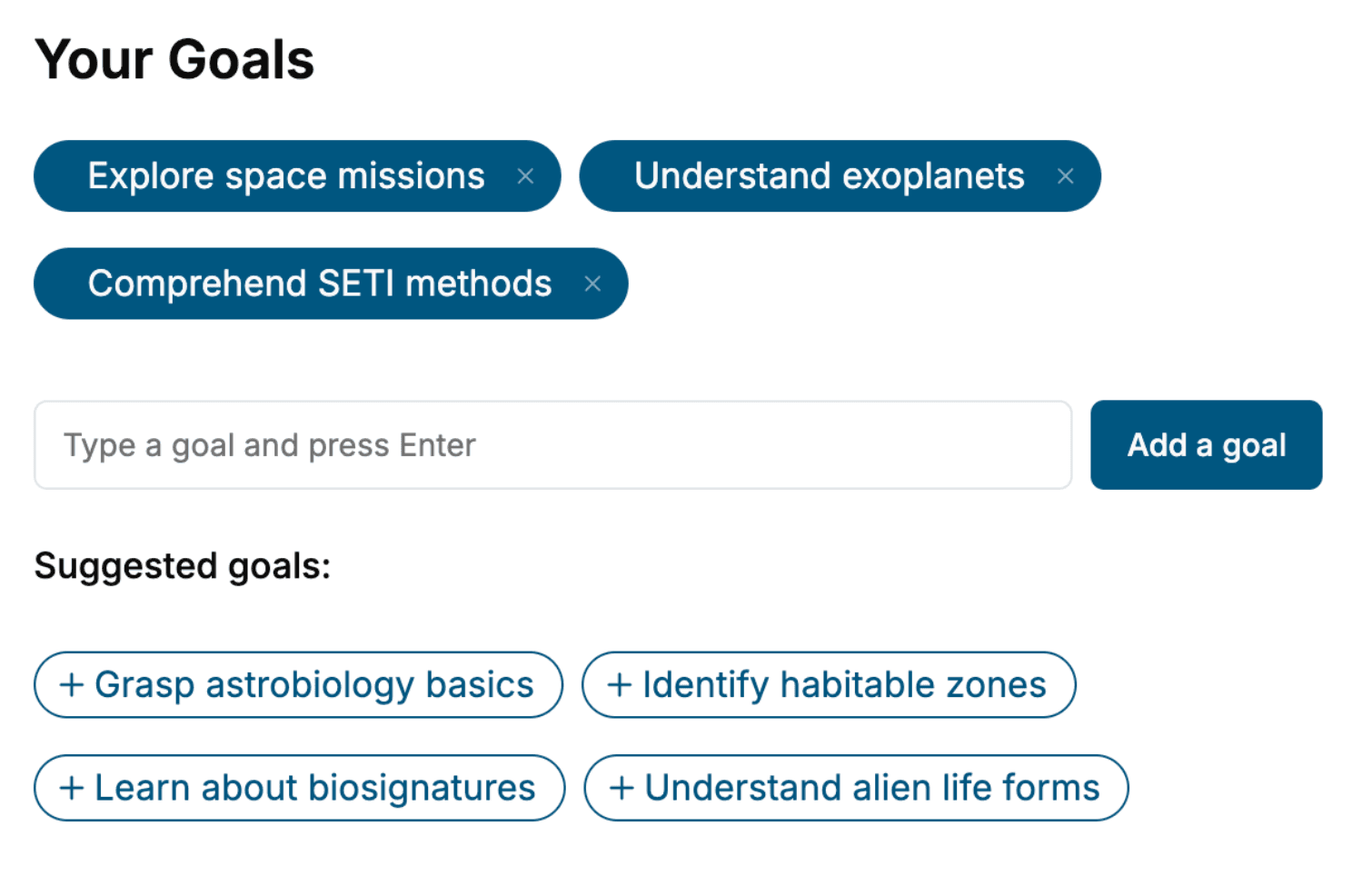
Tell us your goals and background, and get your own version of this book, tailored by AI to you.


Benefits of AI-tailored books
- Read one book, not ten:
- all the United States History knowledge you need, gathered into a single book.
- Save days of learning:
- tell us your goals, choose your topics, and the whole book is built around them.
- Learn effortlessly:
- United States History book written for your specific background and expertise.
- Understand at a glance:
- includes charts, tables, timelines, checklists, decision trees, and more.
- Stay current:
- written the day you order it, not years ago.
- Trust what you read:
- every book is checked for accuracy, with real research when your subject needs it.
Create your unique book in 3 steps
- 1. Select your focus
Select the focus of your United States History book and share your background
- 2. Personalize your book
Specify your goals and choose sub-topics to include
- 3. Get your tailored book
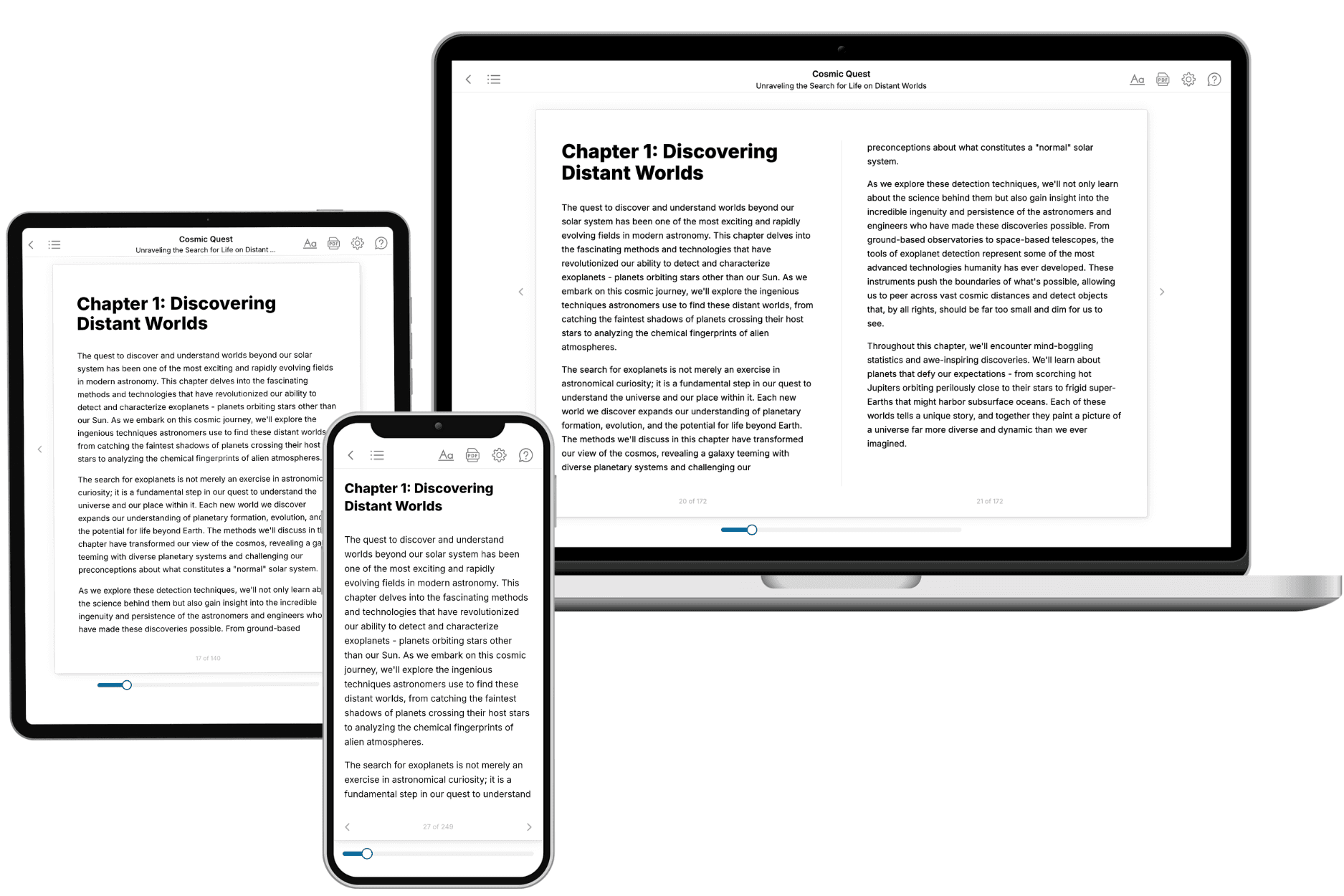
Your book is ready in 10 minutes. Read it online, download as EPUB or PDF, or send to Kindle.

Frequently asked questions
- What is TailoredRead?
TailoredRead creates complete, full-length nonfiction ebooks, written specifically for you. Tell us what you want to learn and why, and TailoredRead writes you a complete ebook on it, with charts, tables, and diagrams throughout. Read it online, on Kindle, or on any e-reader, or download it as a PDF or EPUB. Every book is written fresh the day you order it.
- How is the book tailored to me?
Before anything is written, you answer a few short questions about your goals, your background, and the topics you care about. Your book is then planned around your answers: written at your level, focused on your goals, and covering the topics you chose, instead of the one-size-fits-all book a store sells everyone.
- Will it read like generic AI content?
No. Your book isn't a chat transcript: it's planned chapter by chapter before a single word is written, told in a clear book voice, and explains ideas visually with charts, tables, and diagrams. After writing, every book goes through an editorial pass that polishes chapters so the book reads consistent from start to finish. Judge for yourself: browse thousands of sample books on our Explore Books page.
- How accurate is the content?
Our AI first checks whether your subject needs live research. Niche and fast-moving subjects are researched before writing, and the book plan and chapters are grounded in what it finds. After writing, every book goes through a quality pass that checks its facts and consistency, and researched books list their sources in a Notes section at the back.
- How long is the book?
You choose the length: Comprehensive (250-300 pages), Detailed (150-200 pages), Essential (70-100 pages), or Short (30-50 pages).
- Does the book include visuals?
Yes. Every book includes charts, tables, and diagrams: timelines, checklists, step-by-step guides, decision trees, comparison tables, matrices, and bar charts. A typical book includes dozens of these visual elements.
- Can I read it on Kindle? What formats can I download?
Yes. Every book can be read in our online reader or downloaded as a PDF or EPUB. The EPUB can be opened with Kindle, Apple Books, Kobo, and any e-reader. The Commercial and Author licenses also include an editable Word (DOCX) and Markdown download.
- How much does it cost?
About the price of a regular ebook. The exact price depends on your book's length and complexity, from $2 for the shortest books to $35 for the most comprehensive, and it's shown when you review your book, before you commit to anything. Each book is a one-time purchase, yours to keep, no subscription. Licenses that let you share, teach, or publish your book range from $35.99 to $49.99.
- Can I preview the book before purchasing?
Before you pay, you'll see what your book will cover: the title, a detailed description, the estimated length, and the complete chapter-by-chapter table of contents, so you know what you're getting before you decide. The full text itself is written after you purchase.
- How long does it take to create a book?
About 10 minutes. You can start reading the opening chapters while the rest is still being written.