The Wedding Party Photo Guide
Capture Authentic Moments and Create Lasting Memories
Most wedding party photos end up looking stiff, awkward, or forgettable—posed smiles that don't capture the real joy and connection of the moment.
222 pages11 chaptersJul 13, 2026Wedding Photography
About this book
The problem isn't your camera or your subjects; it's the approach. This guide teaches you how to capture authentic, beautiful photos of your wedding party that actually reflect the relationships and emotions of your celebration. You'll learn practical techniques for directing people naturally, mastering the unique lighting challenges of wedding venues, composing shots that tell a story, and editing photos that enhance rather than distort reality. Whether you're a friend helping document the day, a family member with a good camera, or a couple planning your wedding, this book provides the strategies, settings, and mindset shifts you need to create photos you'll treasure for decades.
Table of contents
- IntroductionWhy Wedding Party Photos Matter, What You'll Learn in This Guide, How to Use This BookRead below
- Chapter 1: The Foundation: Understanding Wedding Party PhotographyBeyond Posed Portraits: Capturing Authentic Moments, The Psychology of Comfort in Front of the Camera, Technical Excellence Meets Emotional Authenticity
- Chapter 2: Pre-Wedding Planning and CommunicationBuilding Your Shot List and Timeline, Communicating Expectations with Your Wedding Party, Scouting Locations and Planning for Lighting, Creating Backup Plans for Unexpected Situations
- Chapter 3: Camera Settings and Technical FundamentalsMastering Exposure and Aperture for Wedding Venues, Shutter Speed: Freezing Action and Capturing Movement, ISO Management in Variable Lighting Conditions, Focus Techniques for Sharp, Professional Results
- Chapter 4: Mastering Wedding Venue LightingNatural Light Strategies Throughout the Day, Overcoming Indoor Venue Lighting Challenges, Using Flash and Off-Camera Lighting Effectively, Capturing the Golden Hour and Sunset Moments
- Chapter 5: Composition and Visual StorytellingRule of Thirds and Strategic Framing, Creating Depth and Layered Compositions, Telling Stories Through Visual Sequences
- Chapter 6: Directing Your Wedding Party NaturallyBuilding Rapport and Trust with Your Subjects, Posing Techniques That Look Natural and Relaxed, Managing Group Dynamics and Large Party Photos, Capturing Candid Moments While Staying Prepared
- Chapter 7: Getting Ready and Preparation MomentsDocumenting the Getting Ready Process, Capturing Detail Shots and Styling Elements, Capturing Emotional Moments Before the Ceremony
- Chapter 8: Ceremony and Formal Party PhotosPositioning Yourself for Optimal Ceremony Shots, Creating Stunning Formal Party Portraits, Capturing Raw Emotions During the Ceremony, Documenting Recessional and Exit Moments
- Chapter 9: Reception and Celebration PhotographyCapturing Cocktail Hour Candids and Interactions, Photographing Dancing and Celebration Moments, Documenting Toasts, Speeches, and Reactions, Capturing Late-Night Energy and Authentic Joy
- Chapter 10: Post-Processing and Editing Your PhotosEstablishing an Efficient Editing Workflow, Color Correction and Creating Visual Consistency, Enhancing Photos While Maintaining Authenticity, Batch Editing Techniques for Large Photo Sets
- Chapter 11: Troubleshooting Common ChallengesDealing with Difficult Lighting Situations, Managing Difficult Subjects and Personalities, Technical Failures and Recovery Strategies
- ConclusionDeveloping Your Unique Vision, Continuous Learning and Improvement
- Further Reading and Resources
Introduction
Think about the last wedding photos you looked at. Were they the stiff, everyone-line-up-and-smile portraits where half the group looks like they're waiting for a dentist appointment? Or were they the ones that made you laugh, made you tear up a little, and made you feel like you were actually there? The difference between those two types of photos rarely comes down to the camera used or even the technical skill of the person holding it. It comes down to approach, preparation, and understanding what wedding party photography is really about.
Wedding party photos are among the most looked-at images from any celebration. They get printed, framed, shared, and passed down. They sit on mantlepieces and in albums that grandchildren will flip through decades from now. Yet despite their importance, they're also among the most commonly botched photos at any wedding. The reasons are predictable: rushed timelines, awkward posing, poor lighting, nervous subjects, and a photographer who's more focused on checking boxes than capturing genuine moments. This guide exists to change that.
Whether you're a friend or family member who's been handed a camera and asked to help document the day, or a couple trying to understand what makes great wedding party photos so you can communicate better with your photographer, this book gives you a practical, honest, and thorough roadmap. You'll find technical guidance, psychological insight, real-world strategies, and the kind of specific, actionable advice that actually makes a difference when you're standing in a dimly lit reception hall with 200 people around you and the first dance about to start.
The approach here is grounded in one core belief: the best wedding party photos are honest. They capture real relationships, real emotions, and real moments. Technical skill matters enormously, and this guide covers it in depth. But technique is always in service of something bigger, which is the story of the people in the frame and the celebration they're sharing. Keep that in mind as you work through every chapter, and you'll be well ahead of most people who pick up a camera at a wedding.
Why Wedding Party Photos Matter
There's a reason couples spend significant portions of their wedding budget on photography. According to a survey by The Knot, photography consistently ranks as one of the top two or three most important wedding investments for couples, with many reporting they wish they had spent more on it after the fact.[1] The flowers will wilt. The cake will be eaten. The music will fade. But the photos remain, and the wedding party photos in particular carry a specific kind of weight that solo portraits of the couple simply can't replicate.
Wedding party photos document relationships. They show the best friend who flew in from across the country, the sibling who gave a toast that made everyone cry, the college roommates who haven't all been in the same room in years. These images are proof that on one specific day, all of these people gathered together to celebrate something meaningful. That's not a small thing. Decades from now, those photos will be the primary visual record of who was there and how they felt about being there.
There's also a practical dimension that's easy to overlook. Wedding party photos serve as a kind of social document. They get shared widely, tagged on social media, printed for family members, and used in anniversary slideshows. A photo that captures genuine warmth and connection between people does something that a stiff, posed group shot simply cannot: it communicates the emotional reality of the day. When someone who couldn't attend the wedding sees a photo of the bridesmaids laughing together during the getting-ready process, they feel connected to the event in a way that a formal lineup photo never achieves.
It's also worth acknowledging what's at stake emotionally. For many couples, the wedding party represents their closest relationships outside of their immediate family. These are the people who showed up, who helped plan, who gave speeches, and who danced until the venue kicked everyone out. Capturing those people well, in photos that reflect who they actually are and how they actually feel, is a form of respect and gratitude. A blurry, poorly lit, or emotionally flat photo of someone who matters deeply to the couple is a missed opportunity that can't be recovered.
Research on memory and photography suggests that photos don't just document memories; they actively shape them.[2] The images people look at most frequently become the dominant version of their memory of an event. This means that a great wedding party photo doesn't just capture a moment; it becomes the moment in the minds of everyone who sees it. That's a significant responsibility, and it's one worth taking seriously.
Finally, consider the practical reality that most weddings have a mix of professional photographers and well-meaning amateurs with good cameras. Even when a professional is present, they can't be everywhere at once. The candid shot of the groomsmen joking around before the ceremony, the quiet moment between the maid of honor and the bride while her veil is being adjusted, the flower girl spinning in circles during cocktail hour: these moments often happen away from the professional's lens. Understanding how to capture them well, regardless of your experience level, means the full story of the day gets told.
The best wedding party photos don't just show what people looked like on the day. They show how people felt, who they were to each other, and why the celebration mattered. That's the standard worth aiming for.
What You'll Learn in This Guide
This guide is organized to take you from foundational understanding through to practical execution and post-processing. It doesn't assume you're a professional photographer, but it does assume you're serious about getting good results. Each chapter builds on the previous one, so reading straight through will give you the most complete picture. That said, the book is also designed to be a practical reference you can return to before and during the wedding day itself.
Here's a clear overview of what each major section covers:
- Foundation and mindset (Chapter 1): Understanding what separates authentic wedding party photography from generic posed portraits, including the psychology of making subjects feel comfortable in front of a camera.
- Pre-wedding planning (Chapter 2): Building shot lists, communicating with the wedding party, scouting locations, and creating backup plans for when things go sideways.
- Technical fundamentals (Chapters 3 and 4): Camera settings, exposure, focus techniques, and a thorough breakdown of how to handle the unique and often challenging lighting conditions found in wedding venues.
- Composition and storytelling (Chapter 5): How to frame shots, create visual depth, and build sequences of images that tell a coherent story rather than just documenting isolated moments.
- Directing people (Chapter 6): Practical techniques for posing and directing your wedding party in ways that look natural, relaxed, and genuine rather than stiff and performative.
- Moment-by-moment coverage (Chapters 7, 8, and 9): Specific strategies for the getting-ready process, ceremony, formal portraits, and reception, each of which presents its own distinct challenges and opportunities.
- Post-processing (Chapter 10): Editing workflows, color correction, and how to enhance photos without over-processing them into something that no longer looks real.
- Troubleshooting (Chapter 11): Solutions for the most common problems, from difficult lighting and uncooperative subjects to equipment failures and timeline chaos.
One thing this guide does differently from many photography books is that it treats the human element as seriously as the technical one. Knowing your camera settings matters. But knowing how to make a nervous groomsman laugh naturally, or how to position yourself to catch the moment a bridesmaid sees the bride for the first time, matters just as much. Both dimensions get equal attention here.
You'll also find this guide is honest about the limits of what any single approach can guarantee. Weddings are unpredictable. Timelines slip. Weather changes. People don't always cooperate. The goal isn't to give you a rigid formula but to build your judgment and adaptability so that when things don't go according to plan, you still come away with photos worth keeping.
Throughout the chapters, you'll find specific examples drawn from common wedding scenarios, practical checklists and frameworks you can use directly, and clear explanations of the reasoning behind each recommendation. The goal is not just to tell you what to do but to help you understand why, so you can make smart decisions in situations this book couldn't have anticipated.
By the time you finish this guide, you should be able to walk into any wedding environment with a clear plan, the technical knowledge to handle whatever lighting and conditions you encounter, the interpersonal skills to direct your subjects naturally, and the editing knowledge to bring your photos to their full potential. That's a significant set of skills, and this book is designed to help you build all of them in a logical, practical sequence.
How to Use This Book
The most effective way to use this guide depends on where you are in the wedding timeline and what your current skill level looks like. There are three main scenarios most readers fall into, and each calls for a slightly different approach to the material.
If the wedding is several weeks or months away, read the book straight through from beginning to end. This gives you the full picture before you start making decisions about shot lists, equipment, and communication with the wedding party. Then go back and work through the planning chapters (especially Chapter 2) in detail, using the frameworks provided to build your specific plan for the event. Revisit the technical chapters (3 and 4) with your actual camera in hand, practicing the settings and techniques in real environments before the wedding day arrives.
If the wedding is coming up very soon, prioritize in this order:
- Chapter 2 (planning and shot lists) so you have a clear game plan
- Chapter 6 (directing people naturally) since this is where most amateur photographers struggle most visibly
- Chapter 4 (lighting) because venue lighting is the most common technical challenge
- The specific moment chapters (7, 8, 9) that apply to your role on the day
- Chapter 11 (troubleshooting) so you're prepared for common problems
If you're a couple planning your wedding rather than someone who will be actively photographing it, the most valuable chapters are 2 (so you understand what good planning looks like and can have informed conversations with your photographer), 6 (so you understand how to prepare your wedding party to be photographed), and 8 (so you know what to expect during formal portrait sessions and how to make them go smoothly). The technical chapters are still worth reading because they'll help you evaluate your photographer's work and communicate your preferences more clearly.
Throughout the book, pay special attention to the practical frameworks and checklists. These are designed to be used directly, not just read once and forgotten. Consider printing out the shot list template from Chapter 2 and the pre-wedding communication checklist and actually working through them for your specific event. The difference between reading about preparation and actually doing it is enormous.
Also worth noting: this guide uses specific camera settings and technical recommendations throughout. These are given as starting points and common best practices, not as rigid rules. Every wedding venue is different, every camera system behaves slightly differently, and every lighting situation has its own variables. The goal is to give you a strong foundation of understanding so you can adapt intelligently, not to give you a set of numbers to follow blindly. When a recommended setting doesn't produce the result you expect, the explanations in the technical chapters should help you understand why and what to adjust.
Finally, don't underestimate the value of practice before the wedding day. If you have access to the venue beforehand, visit it at the same time of day the wedding will take place and shoot in the actual lighting conditions. If you can't visit the venue, find similar environments and practice there. Shoot portraits of friends or family members to practice your directing techniques. The more comfortable you are with your equipment and your approach before the wedding, the more mental bandwidth you'll have on the day itself to focus on the moments that matter.
Wedding party photography rewards preparation more than almost any other type of photography. The day moves fast, emotions run high, and there are no second chances for most of the moments you'll be trying to capture. But with the right foundation, the right plan, and the right mindset, you can walk away from the day with a collection of photos that genuinely reflect the joy, connection, and meaning of the celebration. That's what this guide is here to help you do.
A note on equipment: this guide is written to be useful regardless of what camera system you're using. Whether you're shooting with a professional mirrorless system, a mid-range DSLR, or even a high-end smartphone, the principles of light, composition, timing, and human connection apply equally. Specific technical recommendations are given for interchangeable-lens cameras, but the underlying concepts translate across all platforms.
This is the end of the free sample. The full book has 11 chapters.
Want this book written for you?
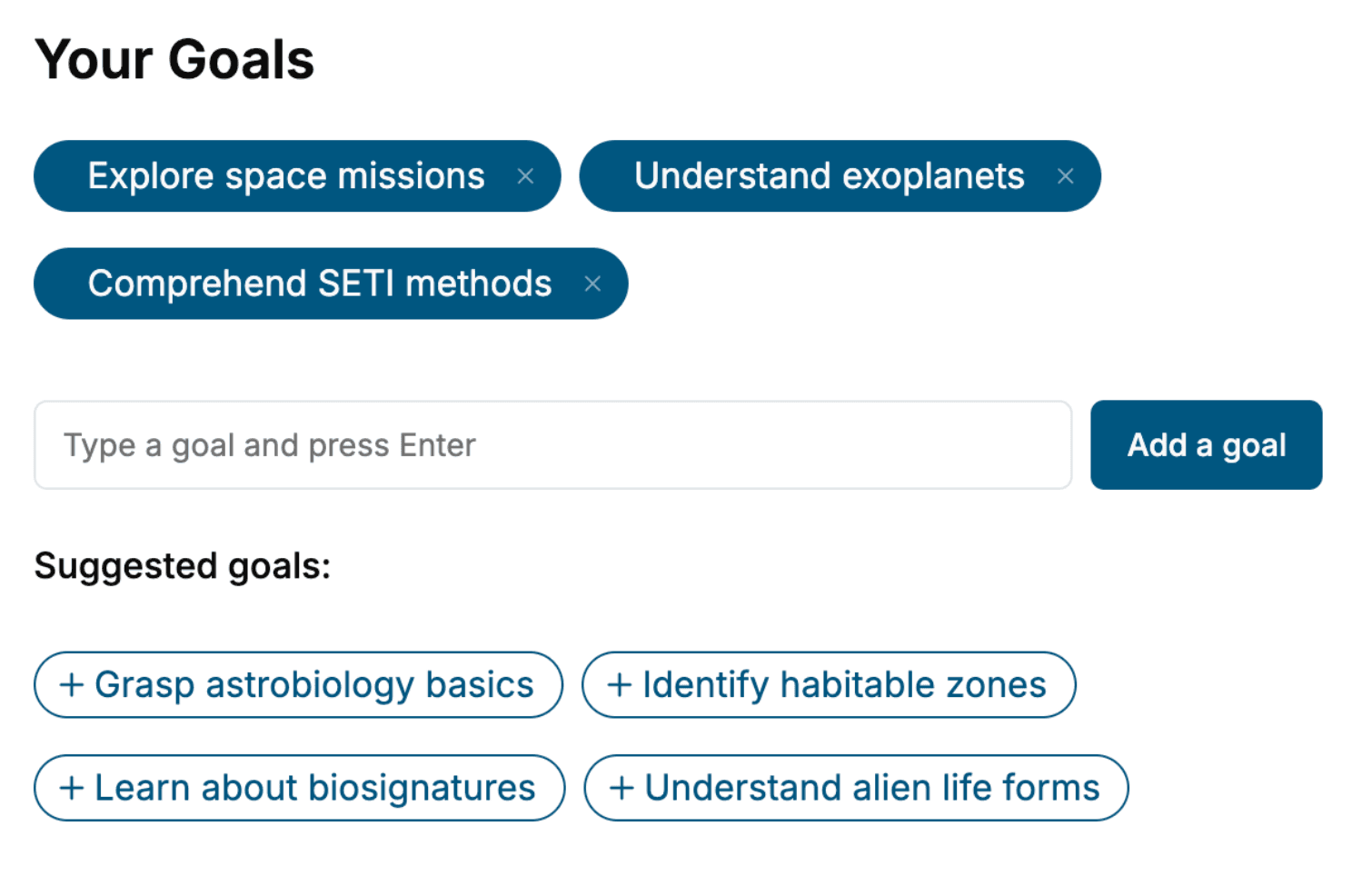
Tell us your goals and background, and get your own version of this book, tailored by AI to you.


Benefits of AI-tailored books
- Read one book, not ten:
- all the Wedding Photography knowledge you need, gathered into a single book.
- Save days of learning:
- tell us your goals, choose your topics, and the whole book is built around them.
- Learn effortlessly:
- Wedding Photography book written for your specific background and expertise.
- Understand at a glance:
- includes charts, tables, timelines, checklists, decision trees, and more.
- Stay current:
- written the day you order it, not years ago.
- Trust what you read:
- every book is checked for accuracy, with real research when your subject needs it.
Create your unique book in 3 steps
- 1. Select your focus
Select the focus of your Wedding Photography book and share your background
- 2. Personalize your book
Specify your goals and choose sub-topics to include
- 3. Get your tailored book
Your book is ready in 10 minutes. Read it online, download as EPUB or PDF, or send to Kindle.

Frequently asked questions
- What is TailoredRead?
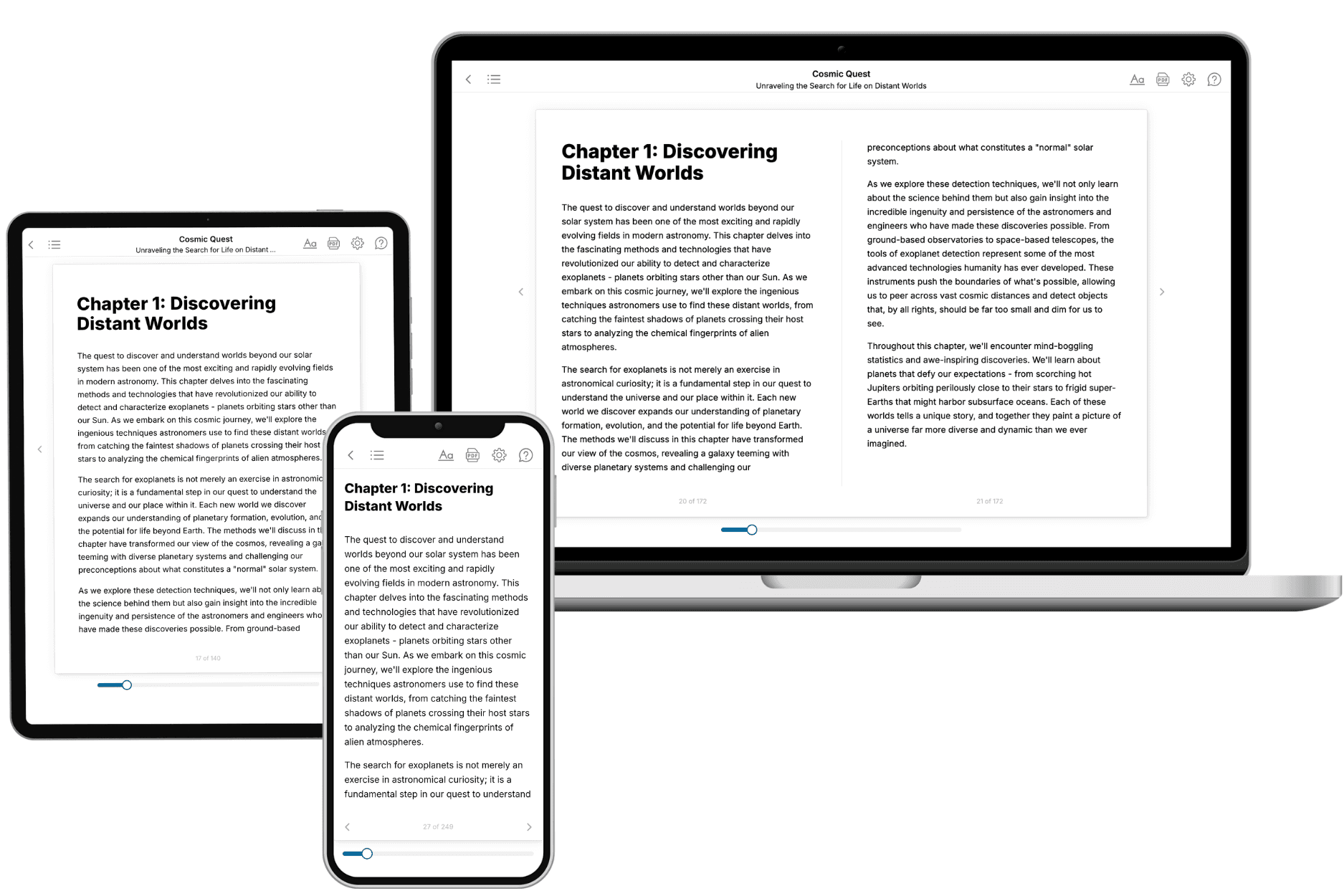
TailoredRead creates complete, full-length nonfiction ebooks, written specifically for you. Tell us what you want to learn and why, and TailoredRead writes you a complete ebook on it, with charts, tables, and diagrams throughout. Read it online, on Kindle, or on any e-reader, or download it as a PDF or EPUB. Every book is written fresh the day you order it.
- How is the book tailored to me?
Before anything is written, you answer a few short questions about your goals, your background, and the topics you care about. Your book is then planned around your answers: written at your level, focused on your goals, and covering the topics you chose, instead of the one-size-fits-all book a store sells everyone.
- Will it read like generic AI content?
No. Your book isn't a chat transcript: it's planned chapter by chapter before a single word is written, told in a clear book voice, and explains ideas visually with charts, tables, and diagrams. After writing, every book goes through an editorial pass that polishes chapters so the book reads consistent from start to finish. Judge for yourself: browse thousands of sample books on our Explore Books page.
- How accurate is the content?
Our AI first checks whether your subject needs live research. Niche and fast-moving subjects are researched before writing, and the book plan and chapters are grounded in what it finds. After writing, every book goes through a quality pass that checks its facts and consistency, and researched books list their sources in a Notes section at the back.
- How long is the book?
You choose the length: Comprehensive (250-300 pages), Detailed (150-200 pages), Essential (70-100 pages), or Short (30-50 pages).
- Does the book include visuals?
Yes. Every book includes visual elements such as timelines, checklists, step-by-step guides, decision trees, comparison tables, and matrices, and many include bar charts. A typical book includes dozens of these visual elements.
- Can I read it on Kindle? What formats can I download?
Yes. Every book can be read in our online reader or downloaded as a PDF or EPUB. The EPUB can be opened with Kindle, Apple Books, Kobo, and any e-reader. The Commercial and Author licenses also include an editable Word (DOCX) and Markdown download.
- How much does it cost?
About the price of a regular ebook. The exact price depends on your book's length and complexity, from $2 for the shortest books to $35 for the most comprehensive, and it's shown when you review your book, before you commit to anything. Each book is a one-time purchase, yours to keep, no subscription. Licenses that let you share, teach, or publish your book range from $35.99 to $49.99.
- Can I preview the book before purchasing?
Before you pay, you'll see what your book will cover: the title, a detailed description, the estimated length, and the complete chapter-by-chapter table of contents, so you know what you're getting before you decide. The full text itself is written after you purchase.
- How long does it take to create a book?
About 10 minutes. You can start reading the opening chapters while the rest is still being written.