Whale Watching in Provincetown
Your Complete Guide to Spotting Whales and Marine Life in Cape Cod's Premier Destination
Experience the majesty of whales in their natural habitat with this comprehensive guide to whale watching in Provincetown, Massachusetts.
191 pages9 chaptersAug 16, 2026Whale Watching
About this book
Whether you're a first-time visitor or a seasoned nature enthusiast, you'll discover everything needed to plan a successful and responsible whale watching adventure. Learn which whale species inhabit Cape Cod waters, when they're most active, and how to identify them during your encounter. Explore detailed information about reputable tour operators, vessel types, and what to expect on the water. Understand the science behind whale behavior, migration patterns, and the ecosystem that makes Provincetown a premier destination. This guide covers practical essentials like what to bring, how to prepare for ocean conditions, and tips for photography and observation. You'll also discover how to combine whale watching with other Cape Cod attractions for a complete vacation experience. With insider knowledge about seasonal variations, weather considerations, and responsible wildlife viewing practices, you'll maximize your chances of unforgettable marine encounters while supporting conservation efforts.
Table of contents
- IntroductionWhy Provincetown is the Premier Whale Watching Destination, What to Expect from This Guide, Planning Your Whale Watching AdventureRead below
- Chapter 1: Whale Species of Cape Cod WatersHumpback Whales: The Acrobats of the Ocean, Finback Whales: The Speedsters, Minke Whales: The Curious Visitors, Right Whales: The Endangered Giants
- Chapter 2: Seasonal Patterns and MigrationSpring: The Awakening (April-May), Summer: Peak Season (June-August), Fall: The Transition (September-October), Winter: Off-Season Opportunities (November-March)
- Chapter 3: Choosing the Right Tour OperatorComparing Provincetown Tour Companies, Understanding Different Vessel Types, Tour Duration and Distance Options, Booking Your Tour: Timing and Reservations
- Chapter 4: Understanding Whale Behavior and BiologyFeeding Behaviors and Bubble Netting, Communication and Social Structures, Identifying Whales: Key Features and Markings, Intelligence and Personality in Whales
- Chapter 5: Practical Preparation and What to BringDressing for Ocean Conditions, Essential Items and Supplies, Health and Safety Considerations, Photography and Observation Equipment
- Chapter 6: The Broader Marine EcosystemDolphins and Porpoises of Cape Cod, Seals and Other Marine Mammals, Seabirds and Their Significance, Understanding the Ocean Food Web
- Chapter 7: Responsible Whale Watching PracticesConservation Ethics and Marine Protection, Federal Regulations and Guidelines, Minimizing Your Impact on Marine Life, Supporting Whale Research and Conservation
- Chapter 8: Weather, Ocean Conditions, and TimingReading Weather Forecasts and Ocean Conditions, Understanding Sea State and Wave Height, Optimal Times of Day for Whale Watching, Dealing with Cancellations and Rescheduling
- Chapter 9: Combining Whale Watching with Cape Cod ExperiencesExploring Provincetown's Vibrant Town Center, Beaches and Coastal Walks, Museums, Galleries, and Cultural Venues, Dining and Accommodation Options
- ConclusionCreating Lasting Memories, Planning Future Whale Watching Adventures
- Additional Resources and References
Introduction
Boats leaving MacMillan Pier in Provincetown reach the feeding grounds at the edge of Stellwagen Bank in well under an hour, often closer to thirty minutes depending on where the whales are working that day. That short run matters more than it might seem. Many whale watching ports along the East Coast require two or three hours of travel each way before passengers even reach water where whales regularly feed. Provincetown sits at the tip of Cape Cod, closer to that underwater plateau than almost anywhere else on the Atlantic seaboard, which means more time watching whales and less time simply getting there.
Provincetown was not always a whale watching town. For much of the eighteenth and nineteenth centuries, it was a whaling port, sending ships out to hunt the same animals visitors now travel across the country to observe. That history has not disappeared. It shows up in the town's museums, its harbor architecture, and the stories passed down by families who once made their living at sea. The shift from hunting whales to watching them reflects a broader change in how coastal communities relate to the ocean, and Provincetown has become a model for how that relationship can support both a local economy and a fragile marine population.
This guide exists to help you turn a single boat trip into a well-prepared, well-informed experience. Whale watching rewards preparation. Knowing when whales are most active, what a fluke print on the water surface means, or why a boat might change course mid-tour all shape how much you get out of the day. None of this requires a science background. It requires a clear explanation, delivered before you step onto the dock rather than while you are already on the water trying to figure out what everyone else seems to already know.
Some readers picked up this book after already booking a tour and want to know what to expect. Others are still deciding whether Provincetown is the right destination at all, or which month to visit for the best chance of seeing a Humpback Whale breach. Both approaches are covered here, from the basic case for choosing this stretch of Massachusetts coastline to the fine details of what to pack and how to interpret a weather forecast the morning of departure.
Why Provincetown is the Premier Whale Watching Destination
Stellwagen Bank is the reason Provincetown works so well for whale watching. It is a raised underwater plateau roughly the size of a large county, sitting where the seafloor rises sharply from deep ocean water. That change in depth pushes cold, nutrient-rich water upward, feeding blooms of plankton that in turn feed schools of Sand Lance and swarms of Copepods. Whales follow that food, and because the bank sits so close to the tip of Cape Cod, Provincetown boats reach it faster than vessels departing from almost any other port on the East Coast.
Distance changes everything about a whale watching trip. A boat leaving Boston Harbor might spend two hours reaching Stellwagen Bank and two hours returning, leaving a narrow window for actual whale activity in the middle of a long day. Provincetown's geography flips that ratio. Because the town sits at the very end of the Cape, closer to the bank than the mainland ports to its west, a typical tour spends far more of its scheduled time actually searching for and observing whales rather than simply traveling to reach them.
That proximity translates into sighting consistency that few other regions can match. Reputable Provincetown operators report whale sightings on the vast majority of their trips during Peak Season, a level of reliability tied directly to how close the boats operate to a feeding ground that multiple whale species depend on year after year. Consistency does not mean guarantees, since these are wild animals following food and instinct rather than a schedule. It does mean the odds favor the visitor far more here than at ports with longer transit times and less productive feeding grounds nearby.
Stellwagen Bank was designated a National Marine Sanctuary in 1992, a protection status that has helped preserve the feeding ground's productivity even as commercial and recreational boat traffic around it has grown[1]. That designation restricts certain fishing and industrial activity in the area, which indirectly benefits whale watching by keeping the food web intact. Provincetown's tour industry grew alongside that protection, and the two now depend on each other in a way that is unusual among wildlife tourism destinations.
The variety of species visible from Provincetown adds another layer to its reputation. Because Stellwagen Bank supports different prey types and feeding strategies, it draws the Humpback Whale, Finback Whale, Minke Whale, and occasionally the North Atlantic Right Whale within the same general range of water. Few whale watching regions anywhere in the world offer a realistic chance at four distinct species within a single boat trip. Each species behaves differently on the surface, which keeps repeat visits interesting even for people who have already seen a Humpback Whale breach on a previous trip.
Provincetown's town identity reinforces its position as a whale watching hub rather than treating it as an afterthought. Naturalists trained in marine biology staff most tours, tour companies coordinate with researchers tracking individual whales by Fluke Markings, and local businesses have built an entire visitor economy around the assumption that people come to town specifically for the water. That infrastructure did not happen by accident. It reflects decades of tour operators, scientists, and town officials treating whale watching as a long-term asset rather than a passing tourist attraction.
Consider a visitor comparing three options for a New England whale watching trip: a tour from Boston, one from Plymouth, and one from Provincetown. The Boston and Plymouth trips involve longer travel times to reach the same general feeding grounds near Stellwagen Bank. The Provincetown option reaches similar or better waters in a fraction of the time, often with a higher density of naturalist expertise on board given the town's concentration of experienced operators. Geography alone does not decide where to book, but it tilts the decision heavily in Provincetown's favor for anyone prioritizing time on the water over time in transit.
None of this means other departure points lack value, and some travelers may have practical reasons to choose them based on where they are staying. But for a trip built specifically around maximizing contact with whales in their natural feeding behavior, Provincetown combines geographic advantage, ecological richness, and industry experience in a way that is difficult to replicate elsewhere on the Atlantic coast.
What to Expect from This Guide
This guide moves in the order a real trip unfolds, starting with the animals themselves and ending with how to fill the rest of a Cape Cod vacation once the boat returns to dock. Each section builds on the one before it, so a beginner reading start to finish will accumulate the same working knowledge that a seasoned whale watcher picks up after several seasons of trips. Sections can also stand alone, useful for anyone who already has a tour booked and wants to jump straight to packing lists or behavior cues without reading everything that comes before it.
The early chapters focus on the whales themselves. One section walks through how to distinguish a Humpback Whale from a Finback Whale or Minke Whale at a glance, while another lays out when each species is most likely to appear across the calendar year. A separate section explains the science behind what whales are doing when they surface, dive, or interact with each other, giving context that turns a random splash into a recognizable behavior with a name and a purpose.
Several chapters address the logistics that turn a good idea into a well-executed trip. One covers how to evaluate and choose among Provincetown's tour operators based on boat type, tour length, and group size. Another walks through what to wear and bring on board, since ocean conditions differ sharply from what a typical inland vacation requires. A further section explains how weather and sea conditions affect a scheduled trip, including what happens when conditions force a cancellation or reschedule.
Whale watching in Provincetown involves more than whales. A dedicated section introduces the dolphins, seals, and seabirds that share these waters, along with the food web connecting all of them back to the same nutrient-rich upwelling that draws the whales themselves. Readers who assumed whale watching meant staring at open water waiting for one animal type will find a far busier ecosystem than expected, one worth understanding on its own terms.
Responsible viewing gets its own focused treatment as well. Federal rules under the Marine Mammal Protection Act and NOAA Whale-Watching Regulations shape how close boats can approach whales and how operators are expected to behave around them[2]. Understanding these rules helps explain why a boat captain might pull back from an animal rather than approach closer, a decision driven by law and conservation ethics rather than caution alone.
The final stretch of the book steps back from the water and looks at Provincetown as a destination in its own right. Whale watching pairs naturally with the town's restaurants, galleries, beaches, and historic sites, and a dedicated section maps out how to build those pieces into a single trip. A vacation built entirely around one three-hour boat tour leaves a lot of Cape Cod unexplored, and this guide treats the whale watching trip as the centerpiece of a larger visit rather than the only reason to come.
Throughout the guide, practical detail takes priority over abstract description. Instead of a general statement that whales migrate seasonally, later sections lay out which months bring which species and how that should shape a travel date. Instead of vague advice to dress warmly, a later section explains layering strategies suited specifically to open-water boat conditions. The goal throughout is a guide that can be used the week before a trip, not just read once and set aside.
Planning Your Whale Watching Adventure
Trip planning for whale watching in Provincetown starts with a single decision: choosing a travel window. Whale activity is not evenly distributed across the year, and later chapters break down exactly which months favor which species. As a starting point, most visitors aiming for the broadest mix of species and the most consistent sightings should target the stretch from late spring through early fall, when Peak Season conditions bring the highest concentration of feeding whales to Stellwagen Bank.
Once a general travel window is set, build in flexibility rather than locking every day to a single planned activity. Ocean conditions can shift a scheduled tour by a few hours or a full day, and a trip built around one rigid whale watching slot leaves little room to adjust if weather intervenes. A practical approach looks like this:
- Book a multi-day stay in or near Provincetown rather than a single-day visit, giving at least one buffer day for weather-related rescheduling.
- Reserve a tour slot early in the stay rather than on the final day, so a cancellation still leaves room to rebook before departure.
- Check the tour operator's stated rain check or rebooking policy before paying, since policies vary between companies.
Accommodation choices affect how smoothly the rest of the trip runs. Staying within walking distance of MacMillan Pier removes the stress of parking or driving to an early departure time, since many tours leave in the morning to take advantage of calmer water and more predictable whale activity. Visitors staying farther out in Cape Cod, closer to Wellfleet or Truro, should factor in extra travel time and account for Provincetown's limited and often expensive parking during peak summer weekends.
Booking timelines matter more than many first-time visitors expect. Provincetown's whale watching industry draws heavy demand during July and August, and popular tour slots on Naturalist-Led Tour departures can sell out days or weeks in advance during that stretch. A visitor planning a summer trip benefits from booking a tour slot as soon as travel dates are confirmed, rather than waiting until arrival in town to check availability at the pier.
Consider a family of four planning a five-day Cape Cod trip in mid-July. Booking a whale watching tour for day two of the stay, rather than day five, leaves three additional days to rebook if the original slot gets canceled due to fog or high wind. That same family checking availability only after arriving in town might find every morning departure booked solid, leaving only a late afternoon slot with rougher typical sea conditions.
Budgeting for the trip should account for more than the tour ticket price alone. Parking fees, meals near the harbor, and optional add-ons like priority boarding or extended tour packages all affect the total cost of a whale watching day. Comparing ticket prices across Provincetown's tour operators without considering these additional costs can lead to an inaccurate sense of which option actually offers the best value for a given budget.
First-time visitors sometimes assume any single tour guarantees a memorable encounter, then feel disappointed if a particular trip yields only distant sightings. Setting realistic expectations up front, understanding that these are wild animals rather than a scheduled show, makes the experience more enjoyable regardless of outcome. A trip that includes two tours scheduled on different days, rather than one, meaningfully increases the odds of witnessing more dramatic behavior like a full breach or close approach.
With a travel window chosen, accommodations booked near the harbor, and at least one buffer day built into the schedule, the framework for a successful trip is already in place before a single wave is crossed. The chapters that follow fill in the details behind each of these decisions, starting with the whales themselves and the traits that make each species distinct on the water.
This is the end of the free sample. The full book has 9 chapters.
Want this book written for you?
Tell us your goals and background, and get your own version of this book, tailored by AI to you.


Benefits of AI-tailored books
- Read one book, not ten:
- all the Whale Watching knowledge you need, gathered into a single book.
- Save days of learning:
- tell us your goals, choose your topics, and the whole book is built around them.
- Learn effortlessly:
- Whale Watching book written for your specific background and expertise.
- Understand at a glance:
- includes charts, tables, timelines, checklists, decision trees, and more.
- Stay current:
- written the day you order it, not years ago.
- Trust what you read:
- every book is checked for accuracy, with real research when your subject needs it.
Create your unique book in 3 steps
- 1. Select your focus
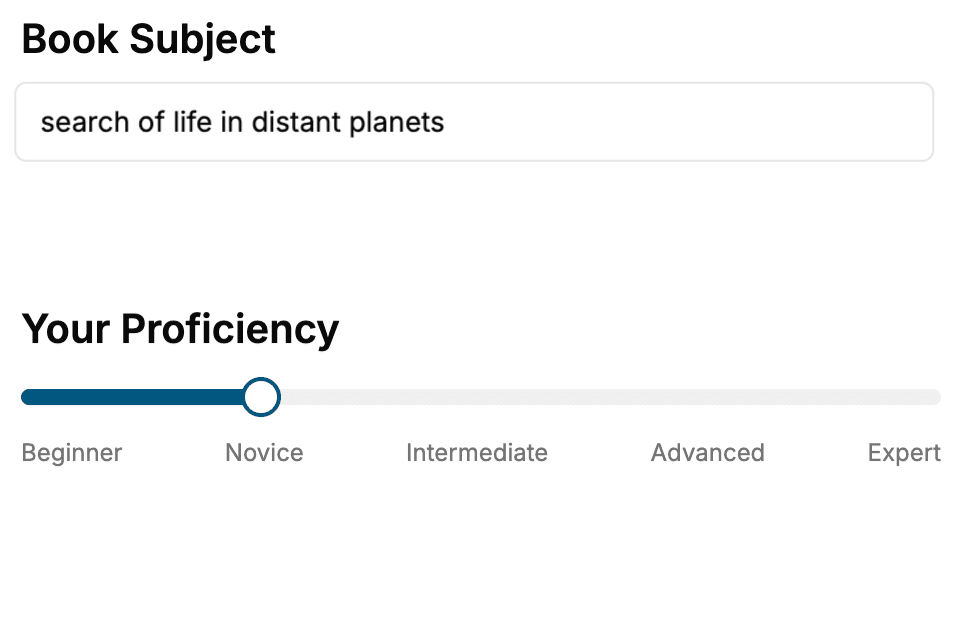
Select the focus of your Whale Watching book and share your background
- 2. Personalize your book
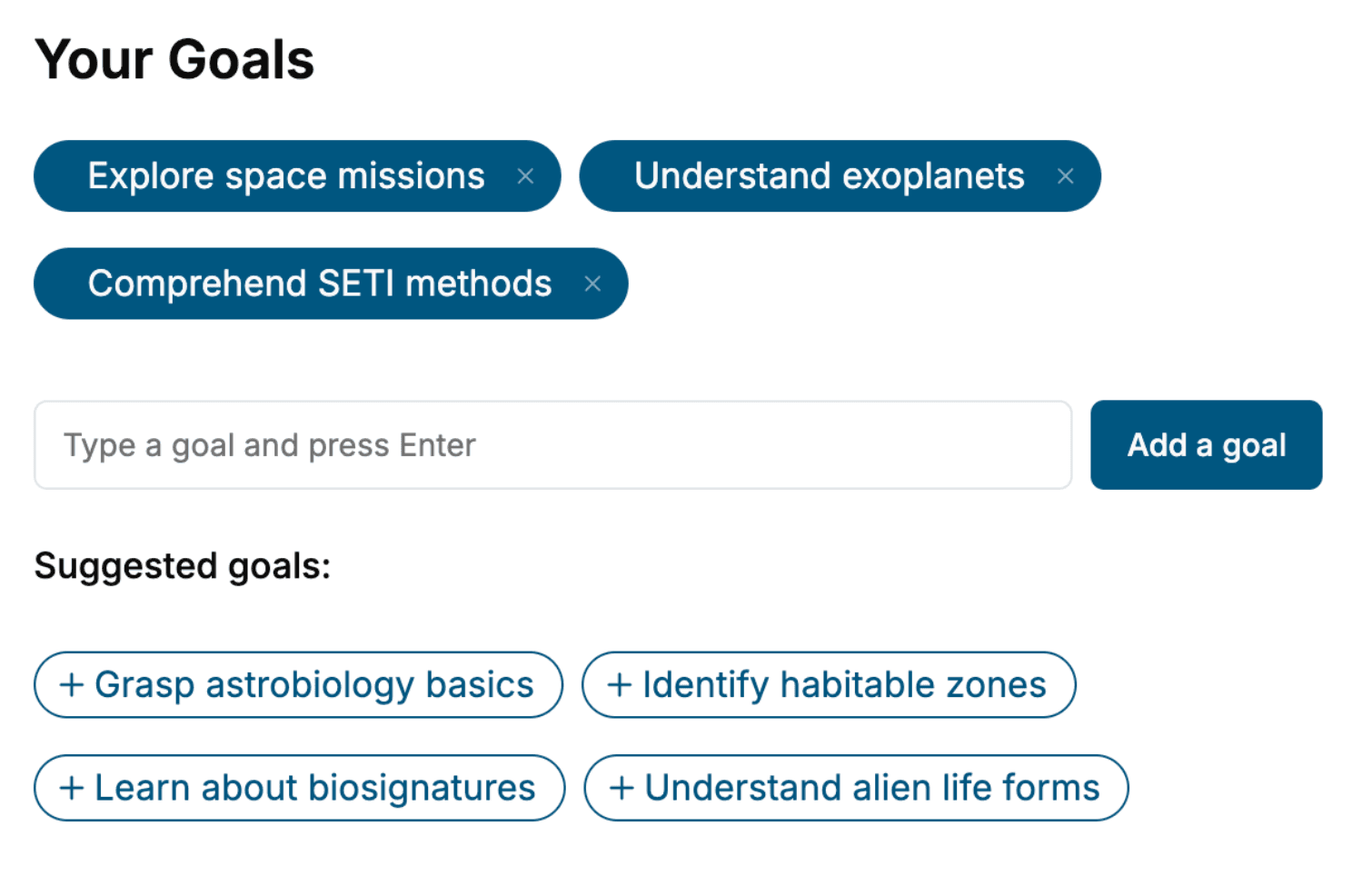
Specify your goals and choose sub-topics to include
- 3. Get your tailored book
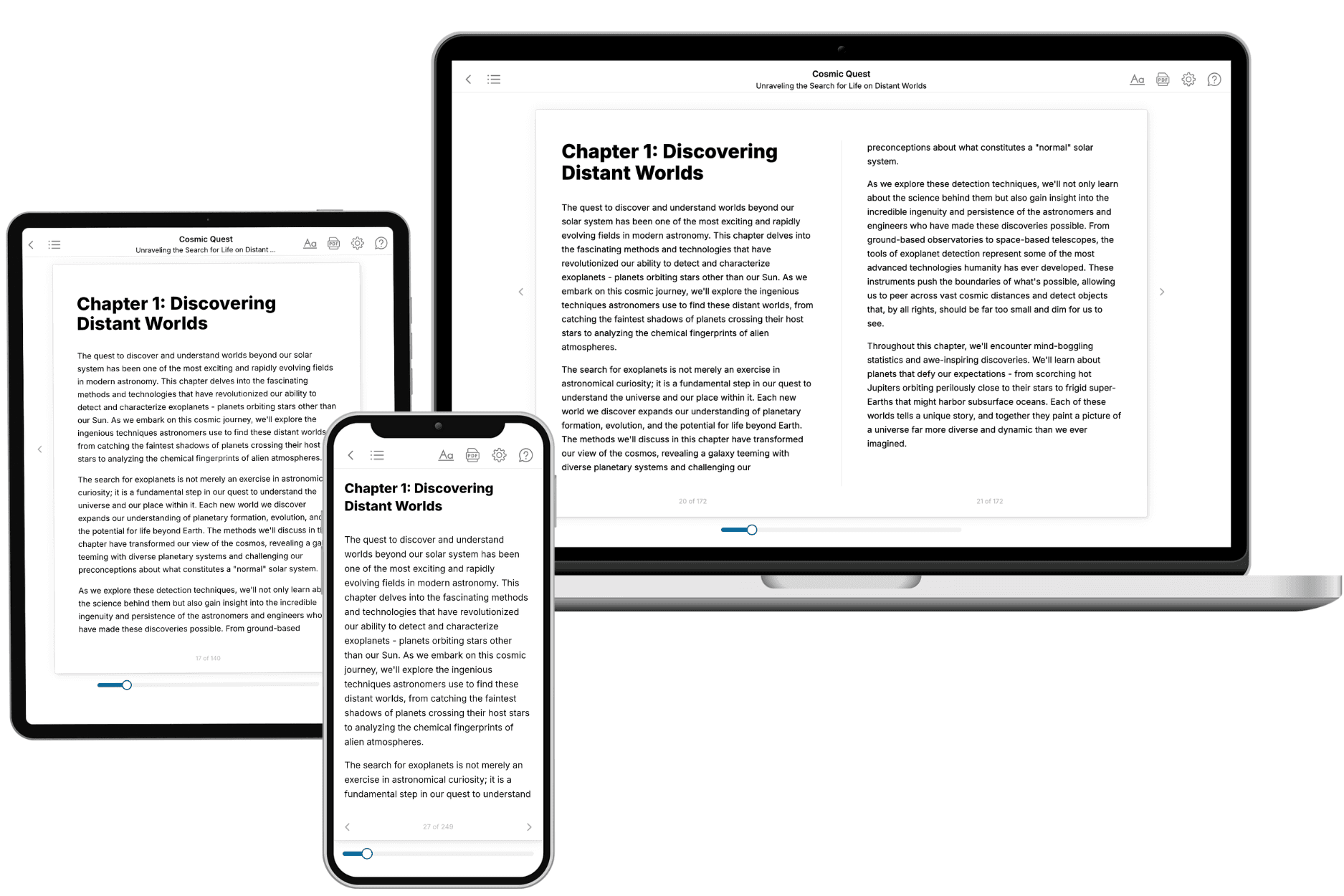
Your book is ready in 10 minutes. Read it online, download as EPUB or PDF, or send to Kindle.
Frequently asked questions
- What is TailoredRead?
TailoredRead creates complete, full-length nonfiction ebooks, written specifically for you. Tell us what you want to learn and why, and TailoredRead writes you a complete ebook on it, with charts, tables, and diagrams throughout. Read it online, on Kindle, or on any e-reader, or download it as a PDF or EPUB. Every book is written fresh the day you order it.
- How is the book tailored to me?
Before anything is written, you answer a few short questions about your goals, your background, and the topics you care about. Your book is then planned around your answers: written at your level, focused on your goals, and covering the topics you chose, instead of the one-size-fits-all book a store sells everyone.
- Will it read like generic AI content?
No. Your book isn't a chat transcript: it's planned chapter by chapter before a single word is written, told in a clear book voice, and explains ideas visually with charts, tables, and diagrams. After writing, every book goes through an editorial pass that polishes chapters so the book reads consistent from start to finish. Judge for yourself: browse thousands of sample books on our Explore Books page.
- How accurate is the content?
Our AI first checks whether your subject needs live research. Niche and fast-moving subjects are researched before writing, and the book plan and chapters are grounded in what it finds. After writing, every book goes through a quality pass that checks its facts and consistency, and researched books list their sources in a Notes section at the back.
- How long is the book?
You choose the length: Comprehensive (250-300 pages), Detailed (150-200 pages), Essential (70-100 pages), or Short (30-50 pages).
- Does the book include visuals?
Yes. Every book includes charts, tables, and diagrams: timelines, checklists, step-by-step guides, decision trees, comparison tables, matrices, and bar charts. A typical book includes dozens of these visual elements.
- Can I read it on Kindle? What formats can I download?
Yes. Every book can be read in our online reader or downloaded as a PDF or EPUB. The EPUB can be opened with Kindle, Apple Books, Kobo, and any e-reader. The Commercial and Author licenses also include an editable Word (DOCX) and Markdown download.
- How much does it cost?
About the price of a regular ebook. The exact price depends on your book's length and complexity, from $2 for the shortest books to $35 for the most comprehensive, and it's shown when you review your book, before you commit to anything. Each book is a one-time purchase, yours to keep, no subscription. Licenses that let you share, teach, or publish your book range from $35.99 to $49.99.
- Can I preview the book before purchasing?
Before you pay, you'll see what your book will cover: the title, a detailed description, the estimated length, and the complete chapter-by-chapter table of contents, so you know what you're getting before you decide. The full text itself is written after you purchase.
- How long does it take to create a book?
About 10 minutes. You can start reading the opening chapters while the rest is still being written.