When Baby Arrives Early
A Comprehensive Guide to Understanding, Managing, and Navigating Premature Birth
Many expectant parents assume premature birth won't happen to them—until it does.
207 pages9 chaptersJul 8, 2026Neonatology
About this book
When a baby arrives weeks or months early, families face a whirlwind of medical decisions, unfamiliar terminology, and emotional uncertainty. This guide cuts through the confusion by explaining what premature birth actually means, why it happens, and what to expect in the NICU and beyond. You'll learn how to recognize warning signs during pregnancy, understand the medical interventions that save premature infants' lives, and navigate the complex journey of caring for a baby born too soon. Whether you're facing a high-risk pregnancy, have recently delivered prematurely, or simply want to be prepared, this book provides the practical knowledge and emotional support you need. Discover how modern medicine has transformed outcomes for premature babies, what complications to watch for, and how to advocate effectively for your child's care during this critical time.
Table of contents
- IntroductionWhy This Book Matters, How to Use This Guide, What You'll LearnRead below
- Chapter 1: Understanding Premature BirthDefining Prematurity: Gestational Age and Categories, How Common Is Premature Birth?, Why Gestational Age Matters for Outcomes
- Chapter 2: Causes and Risk FactorsMaternal Infections and Inflammation, Placental Problems and Complications, Maternal Health Conditions, Lifestyle and Environmental Factors
- Chapter 3: Recognizing Warning Signs During PregnancyVaginal Bleeding and Fluid Loss, Abdominal Pain and Contractions, Other Warning Signs to Monitor
- Chapter 4: Medical Interventions to Prevent or Delay Premature BirthCorticosteroids and Fetal Lung Development, Tocolytics, Antibiotics, and Other Medications, Bed Rest, Hospitalization, and Monitoring
- Chapter 5: The NICU: What to ExpectUnderstanding the Neonatal Intensive Care Unit, Equipment, Monitors, and Technology, The NICU Care Team and Their Roles
- Chapter 6: Common Complications in Premature InfantsRespiratory Distress Syndrome and Breathing Support, Feeding Challenges and Nutritional Support, Infection Risks and Immune System Development, Temperature Regulation and Jaundice
- Chapter 7: Long-Term Effects and Developmental OutcomesNeurological Development and Brain Health, Chronic Lung Disease and Other Conditions, Developmental Milestones and Growth Tracking
- Chapter 8: Emotional and Psychological Support for ParentsNavigating the Emotional Journey, Communicating with Your Medical Team, Finding Support and Building Your Network
- Chapter 9: Preparing to Go Home and BeyondDischarge Planning and Home Preparation, Home Care, Equipment, and Medications, Follow-Up Care and Early Intervention Services
- ConclusionMoving Forward with Confidence
- Glossary of Medical Terms
- Additional Resources and Support Organizations
Introduction
No one plans for their baby to arrive early. Most expectant parents spend their pregnancies imagining a full-term delivery, a healthy newborn placed in their arms, and a straightforward journey home. But for roughly one in ten families, that plan changes without warning. A premature birth can happen to anyone, regardless of age, health history, or how carefully a pregnancy has been managed. When it does happen, the experience can feel disorienting, frightening, and deeply isolating, especially when the medical world suddenly speaks a language you've never had to learn before.
Premature birth, defined as delivery before 37 weeks of gestation, is one of the leading causes of infant mortality and long-term health complications worldwide. Yet despite how common it is, many parents arrive at the hospital with little to no preparation for what lies ahead. The beeping monitors, the unfamiliar equipment, the medical terminology, and the sheer uncertainty of not knowing how your baby will fare can make an already emotional situation feel completely overwhelming. That gap between what parents know and what they need to know is exactly what this book was written to close.
This guide was built on a foundation of evidence-based medicine and practical experience. It draws on current research in neonatology, obstetrics, and developmental pediatrics to give you accurate, up-to-date information. But it also recognizes that you are not just looking for clinical facts. You are looking for clarity, reassurance, and a sense of direction during one of the most challenging experiences a family can face. Every chapter in this book is designed to give you both: the medical knowledge you need and the practical guidance to use it effectively.
Whether you are currently pregnant and facing a high-risk situation, have recently delivered prematurely, or simply want to be prepared for the unexpected, this book is for you. It does not assume you have a medical background. It does not bury important information in jargon. It speaks plainly, explains clearly, and always keeps your real-world needs at the center. From understanding what gestational age means for your baby's health, to navigating the NICU, to preparing for life after discharge, every section of this guide is designed to help you move forward with greater confidence and less fear.
Why This Book Matters
Premature birth affects approximately 15 million babies every year around the world, according to the World Health Organization.[1] In the United States alone, about 1 in 10 babies is born prematurely, making it one of the most common pregnancy complications families face. Despite these numbers, public awareness of premature birth remains surprisingly low. Many people know the word "premature" but have little understanding of what it actually means for a baby's health, development, or survival.
The consequences of that knowledge gap are real. Parents who don't recognize the warning signs of preterm labor may delay seeking care, losing precious hours when early intervention could make a significant difference. Parents who don't understand what happens in a neonatal intensive care unit may feel helpless and unable to advocate for their child. And parents who aren't prepared for the long-term developmental journey ahead may miss early intervention opportunities that could meaningfully improve their child's outcomes. Information, in this context, is not just helpful. It is genuinely protective.
Modern medicine has transformed what premature birth means for survival and long-term health. Babies born at 28 weeks today have survival rates that would have seemed impossible just a few decades ago. Advances in respiratory support, nutritional science, infection control, and developmental care have dramatically shifted the landscape. But those advances only benefit families who understand how to access them, how to communicate with their care team, and how to participate actively in their baby's treatment. This book exists to make that participation possible.
There is also an emotional dimension to premature birth that rarely gets the attention it deserves. The psychological impact on parents, including grief, anxiety, guilt, and post-traumatic stress, is well-documented in the research literature.[2] Yet many families navigate the NICU experience without adequate emotional support or even a basic understanding of why they feel the way they do. This book addresses that dimension directly, because caring for a premature baby requires caring for the whole family, not just the infant in the incubator.
Finally, this book matters because premature birth does not end at discharge. The journey continues through developmental follow-up appointments, early intervention services, school readiness assessments, and sometimes ongoing medical management for conditions like chronic lung disease or neurological differences. Families who understand this longer arc are better equipped to navigate it. They ask better questions, seek the right specialists, and recognize milestones and setbacks in context. That kind of informed engagement makes a measurable difference in outcomes over time.
The goal here is not to frighten you or overwhelm you with worst-case scenarios. The goal is to give you an honest, complete, and compassionate picture of what premature birth involves, so that whatever situation you face, you face it with knowledge rather than fear. Knowledge does not eliminate uncertainty, but it does make uncertainty far more manageable.
A note on perspective: Throughout this book, the focus is on equipping you with accurate information and practical tools. Every family's experience with premature birth is unique. The information here is meant to inform and support your conversations with your healthcare team, not to replace them. Always work closely with your medical providers when making decisions about your pregnancy or your baby's care.
How to Use This Guide
This book is designed to be useful in multiple ways, depending on where you are in your journey. Some people will read it cover to cover during a high-risk pregnancy, building a comprehensive understanding before delivery. Others will arrive at it after a premature birth has already happened, searching for specific answers in a moment of urgency. Both approaches are completely valid, and the book is structured to support both.
The chapters follow a logical progression, moving from the basics of what premature birth is, through causes and warning signs, into medical interventions, NICU care, complications, long-term development, and finally, going home. If you are reading this during pregnancy, following that sequence will give you the most complete picture. Each chapter builds on the one before it, so concepts introduced early will be referenced and expanded later in the book.
If you are in the middle of a NICU experience right now and need immediate information, here is a quick reference guide to the most relevant chapters:
- Just delivered prematurely and entering the NICU: Start with Chapter 5 (The NICU: What to Expect) and Chapter 6 (Common Complications in Premature Infants).
- Trying to understand your baby's diagnosis or condition: Chapter 6 covers the most common medical complications in detail.
- Feeling overwhelmed or struggling emotionally: Chapter 8 (Emotional and Psychological Support for Parents) is written specifically for this moment.
- Preparing for discharge: Chapter 9 (Preparing to Go Home and Beyond) walks through everything you need to know before leaving the hospital.
- Worried about your baby's long-term development: Chapter 7 (Long-Term Effects and Developmental Outcomes) addresses this in depth.
Throughout the book, you will find key terms highlighted in bold when they are first introduced. These terms are also collected in the Glossary at the back of the book, so if you encounter an unfamiliar word during a medical conversation, you can look it up quickly. Medical terminology can feel like a barrier, but it doesn't have to be. Once you understand what words like gestational age, surfactant, or apnea of prematurity actually mean, they become tools rather than obstacles.
Each chapter also includes practical takeaways and, where relevant, specific questions you can bring to your healthcare team. These are not meant to replace professional medical advice. They are meant to help you have more productive, informed conversations with the doctors and nurses caring for your baby. Research consistently shows that parents who actively engage with their care team, ask questions, and understand the reasoning behind medical decisions tend to report better experiences and feel more confident in their child's care.[3]
The Additional Resources section at the back of the book lists reputable organizations, support groups, and online communities that can provide ongoing help beyond what any single book can offer. These include national organizations focused on premature birth, parent support networks, and resources for developmental follow-up. Building a support network is one of the most important things you can do during this journey, and those resources are a good place to start.
One more thing worth saying clearly: this book does not present a single "right" experience of premature birth. Families come to this situation from different backgrounds, with different babies, different medical circumstances, and different emotional responses. The information here is meant to be broadly applicable, but your specific situation will always require individualized guidance from your healthcare team. Use this book as a foundation, not a formula.
What You'll Learn
This guide covers the full arc of premature birth, from the earliest warning signs during pregnancy all the way through the developmental journey of the first years of life. Here is a clear overview of what each part of the book addresses, so you know exactly what to expect and where to find what you need.
Chapter 1: Understanding Premature Birth lays the groundwork by explaining what premature birth actually means in medical terms. You will learn how gestational age is measured, how prematurity is categorized (from late preterm at 34 to 36 weeks all the way to extremely preterm at under 28 weeks), and why those distinctions matter enormously for your baby's health and care needs. This chapter also puts premature birth in statistical context, helping you understand how common it is and how outcomes have changed over time.
Chapters 2 and 3 focus on causes, risk factors, and warning signs. Chapter 2 explores the medical and lifestyle factors that increase the risk of premature birth, including maternal infections, placental complications, chronic health conditions, and environmental exposures. Understanding these factors helps you identify what may be relevant to your own situation and what conversations to have with your provider. Chapter 3 then turns to the warning signs that should prompt immediate medical attention, including vaginal bleeding, fluid leakage, unusual abdominal pain, and changes in fetal movement.
Chapter 4 covers the medical interventions used to prevent or delay premature birth when warning signs appear. This includes a detailed explanation of corticosteroid injections, which are one of the most important tools in modern neonatal medicine for improving lung development in premature babies. You will also learn about tocolytic medications used to slow or stop contractions, the role of antibiotics in certain situations, and when hospitalization and monitoring become necessary.
Chapters 5 and 6 take you inside the NICU. Chapter 5 describes the physical environment, the equipment you will encounter, and the roles of the various specialists on the care team. Chapter 6 goes deeper into the specific medical complications that premature infants commonly face, including:
- Respiratory Distress Syndrome (RDS) and the breathing support used to treat it
- Feeding challenges and how nutritional needs are met when a baby cannot yet breastfeed or bottle-feed
- Infection risks and how the NICU team works to protect an immature immune system
- Temperature regulation and the management of jaundice, one of the most common conditions in newborns
Chapter 7 addresses the longer-term picture, covering neurological development, the risk of chronic lung disease, and how developmental milestones are tracked differently for premature babies using corrected age rather than chronological age. This chapter is particularly important for parents preparing for the months and years after NICU discharge, when the focus shifts from survival to thriving.
Chapter 8 is dedicated entirely to the emotional and psychological experience of parents. It covers the grief and anxiety that often accompany premature birth, strategies for communicating effectively with your medical team, and how to find and build a support network. This chapter also addresses the specific challenges of bonding with a baby in the NICU, a process that looks different from what most parents expect but is no less powerful or meaningful.
Chapter 9 prepares you for the transition home. Discharge from the NICU is a milestone that brings both relief and new anxiety. This chapter walks through discharge planning, the home equipment and medications some babies require, and the follow-up care schedule that will guide your baby's development in the months ahead. It also introduces early intervention services, which are publicly funded programs in the United States designed to support children with developmental delays or disabilities from birth through age three.[4]
By the time you finish this book, you will have a working understanding of the medical landscape of premature birth, a practical toolkit for navigating the NICU and beyond, and a clearer sense of what to expect at each stage of your baby's journey. You will know the right questions to ask, the warning signs to watch for, and the resources available to support your family. Most importantly, you will know that you are not alone in this experience, and that with the right information and support, families do get through it, and their babies do thrive.
Premature birth is not the end of the story. For millions of families, it is the beginning of one of the most profound journeys they will ever take. This book is here to walk that journey with you, one clear, honest step at a time.
Notes
Introduction
- 1. World Health Organization, Preterm birth fact sheet, WHO.int, 2023
- 2. R. J. Shaw and others, "The relationship between acute stress disorder and posttraumatic stress disorder in the neonatal intensive care unit," Psychosomatics, 2006
- 3. B. M. Melnyk and others, "Reducing premature infants' length of stay and improving parents' mental health outcomes with the COPE NICU program," Nursing Research, 2006
- 4. U.S. Department of Education, Individuals with Disabilities Education Act (IDEA): Part C Early Intervention Program, IDEA.ed.gov, 2023
This is the end of the free sample. The full book has 9 chapters.
Want this book written for you?
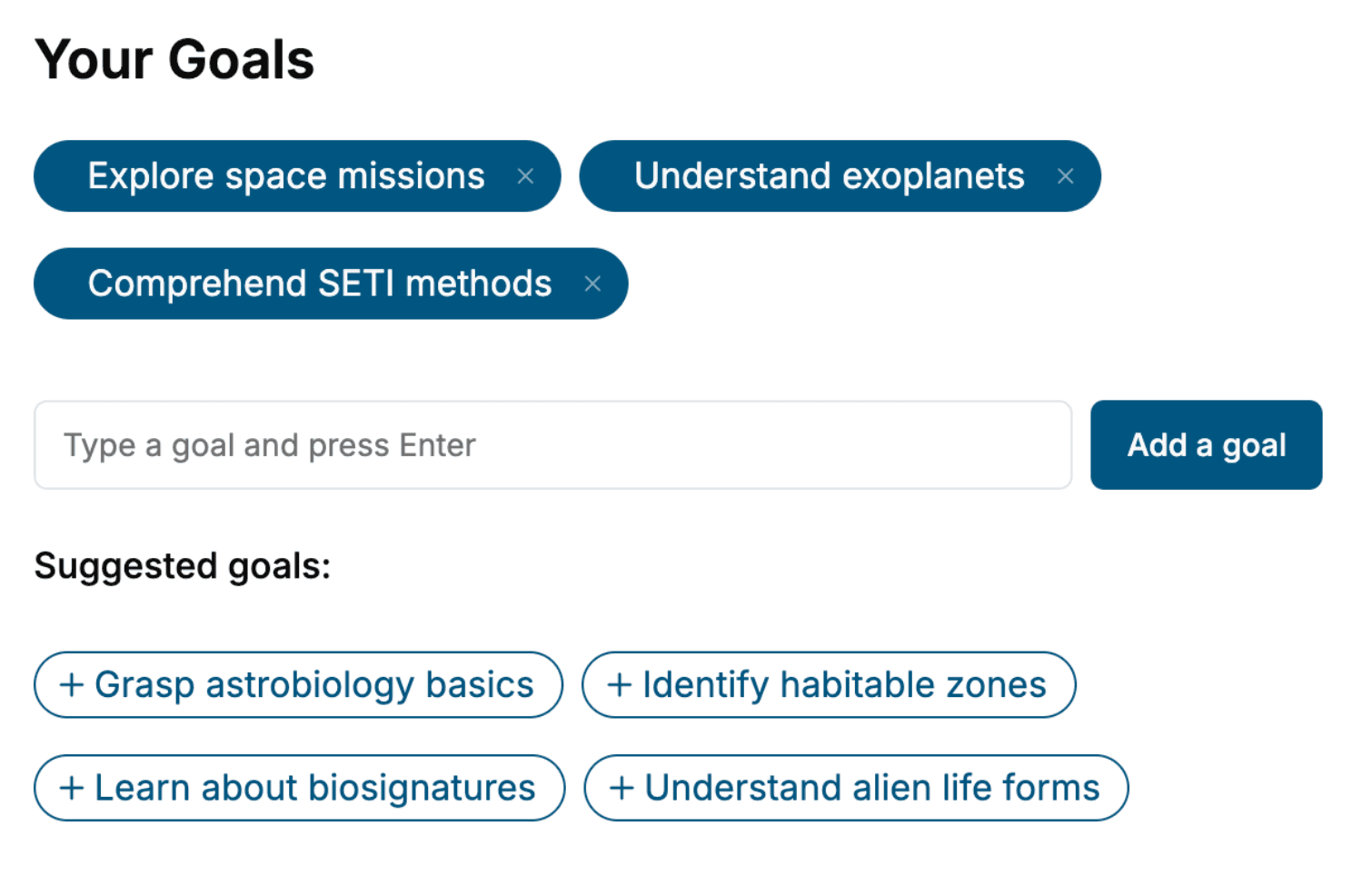
Tell us your goals and background, and get your own version of this book, tailored by AI to you.


Benefits of AI-tailored books
- Read one book, not ten:
- all the Neonatology knowledge you need, gathered into a single book.
- Save days of learning:
- tell us your goals, choose your topics, and the whole book is built around them.
- Learn effortlessly:
- Neonatology book written for your specific background and expertise.
- Understand at a glance:
- includes charts, tables, timelines, checklists, decision trees, and more.
- Stay current:
- written the day you order it, not years ago.
- Trust what you read:
- every book is checked for accuracy, with real research when your subject needs it.
Create your unique book in 3 steps
- 1. Select your focus
Select the focus of your Neonatology book and share your background
- 2. Personalize your book
Specify your goals and choose sub-topics to include
- 3. Get your tailored book
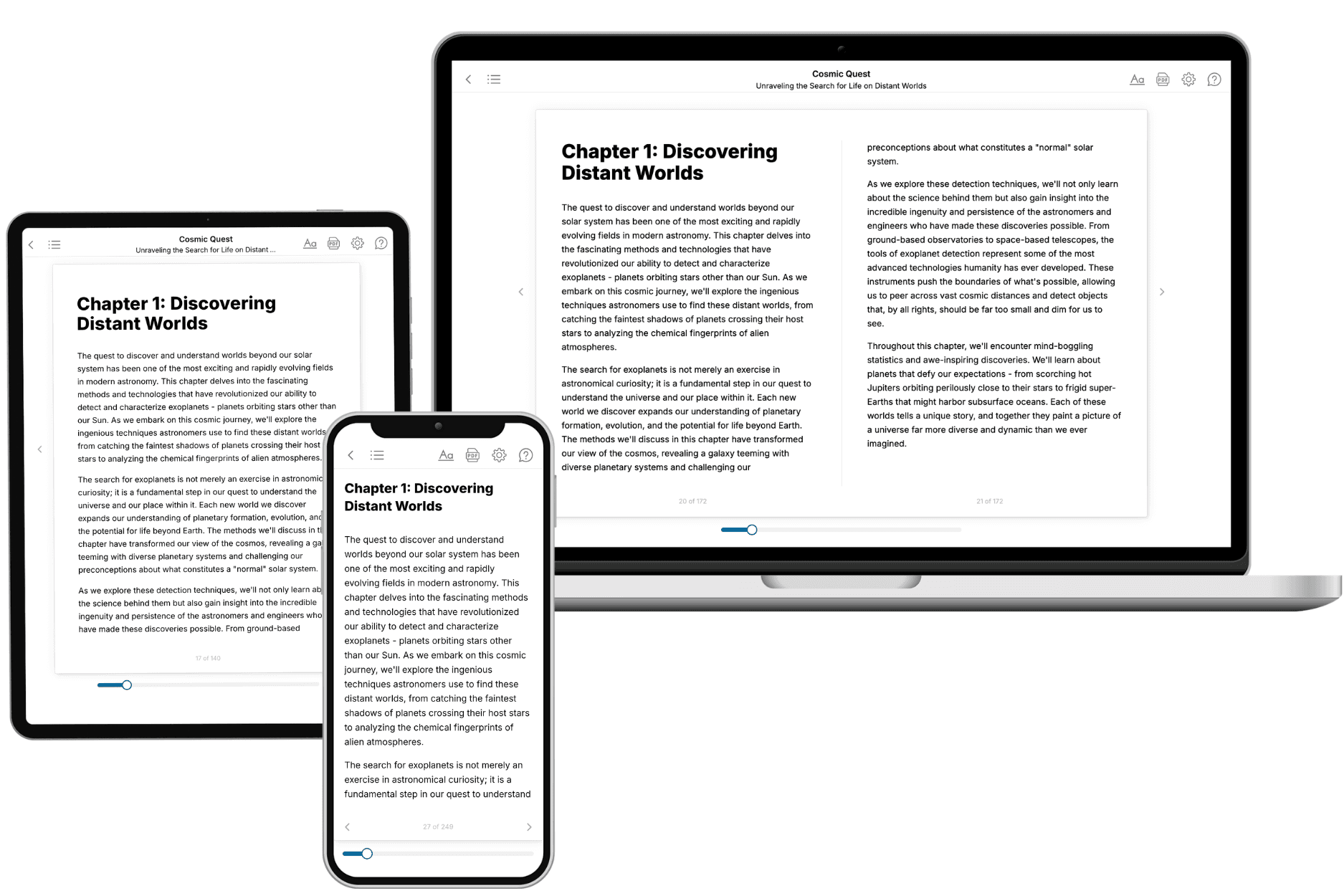
Your book is ready in 10 minutes. Read it online, download as EPUB or PDF, or send to Kindle.

Frequently asked questions
- What is TailoredRead?
TailoredRead creates complete, full-length nonfiction ebooks, written specifically for you. Tell us what you want to learn and why, and TailoredRead writes you a complete ebook on it, with charts, tables, and diagrams throughout. Read it online, on Kindle, or on any e-reader, or download it as a PDF or EPUB. Every book is written fresh the day you order it.
- How is the book tailored to me?
Before anything is written, you answer a few short questions about your goals, your background, and the topics you care about. Your book is then planned around your answers: written at your level, focused on your goals, and covering the topics you chose, instead of the one-size-fits-all book a store sells everyone.
- Will it read like generic AI content?
No. Your book isn't a chat transcript: it's planned chapter by chapter before a single word is written, told in a clear book voice, and explains ideas visually with charts, tables, and diagrams. After writing, every book goes through an editorial pass that polishes chapters so the book reads consistent from start to finish. Judge for yourself: browse thousands of sample books on our Explore Books page.
- How accurate is the content?
Our AI first checks whether your subject needs live research. Niche and fast-moving subjects are researched before writing, and the book plan and chapters are grounded in what it finds. After writing, every book goes through a quality pass that checks its facts and consistency, and researched books list their sources in a Notes section at the back.
- How long is the book?
You choose the length: Comprehensive (250-300 pages), Detailed (150-200 pages), Essential (70-100 pages), or Short (30-50 pages).
- Does the book include visuals?
Yes. Every book includes charts, tables, and diagrams: timelines, checklists, step-by-step guides, decision trees, comparison tables, matrices, and bar charts. A typical book includes dozens of these visual elements.
- Can I read it on Kindle? What formats can I download?
Yes. Every book can be read in our online reader or downloaded as a PDF or EPUB. The EPUB can be opened with Kindle, Apple Books, Kobo, and any e-reader. The Commercial and Author licenses also include an editable Word (DOCX) and Markdown download.
- How much does it cost?
About the price of a regular ebook. The exact price depends on your book's length and complexity, from $2 for the shortest books to $35 for the most comprehensive, and it's shown when you review your book, before you commit to anything. Each book is a one-time purchase, yours to keep, no subscription. Licenses that let you share, teach, or publish your book range from $35.99 to $49.99.
- Can I preview the book before purchasing?
Before you pay, you'll see what your book will cover: the title, a detailed description, the estimated length, and the complete chapter-by-chapter table of contents, so you know what you're getting before you decide. The full text itself is written after you purchase.
- How long does it take to create a book?
About 10 minutes. You can start reading the opening chapters while the rest is still being written.