Whitewater Rafting in the North Cascades
Your Complete Guide to Rivers, Rapids, and Adventure in Washington's Most Scenic Wilderness
What separates an unforgettable whitewater adventure from a dangerous mistake?
222 pages11 chaptersJul 25, 2026Water Sports
About this book
The answer lies in preparation, knowledge, and respect for the river. This comprehensive guide takes you beyond basic rafting instruction to master the North Cascades' most exciting whitewater destinations. Whether you're planning your first Class III rapid or tackling technical Class IV sections, you'll discover detailed river-by-river breakdowns, seasonal timing strategies, and insider tips from experienced paddlers. Learn how to read water conditions, select appropriate routes for your skill level, navigate permit systems, and pack efficiently for multi-day expeditions. This book combines practical safety protocols with the local expertise you need to confidently explore Washington's most spectacular wilderness rivers. From the Skagit's powerful flows to the Sauk's technical challenges, you'll gain the knowledge to make smart decisions, minimize risks, and maximize the pure joy of paddling through some of North America's most breathtaking scenery.
Table of contents
- IntroductionWhy the North Cascades?, What You'll Learn in This Guide, How to Use This Book, Our Safety-First PhilosophyRead below
- Chapter 1: Understanding Whitewater Rafting FundamentalsThe Basics of Whitewater Rafting, Decoding River Classifications: Class I Through Class V, Essential Whitewater Terminology
- Chapter 2: The North Cascades Region: Geography and RiversOverview of the North Cascades Landscape, Major River Systems and Watersheds, Access Points and Regional Logistics
- Chapter 3: Seasonal Conditions and Water LevelsSeasonal Water Level Patterns, Reading Water Conditions and Flow Data, Weather Impacts on River Safety
- Chapter 4: Essential Safety Skills and ProtocolsSwimming and Self-Rescue Techniques, Group Communication and Coordination, Recognizing and Avoiding River Hazards
- Chapter 5: Equipment Selection and MaintenanceChoosing the Right Raft Type, Personal Protective Equipment and Gear, Equipment Maintenance and Inspection
- Chapter 6: Beginner-Friendly Rivers: Class I and IIThe Lower Skagit River, The Snoqualmie River, Planning Your First Beginner Trip
- Chapter 7: Intermediate Challenges: Class III RiversThe Sauk River: Technical Precision, The Nooksack River: Scenic Challenges, Skills Development for Class III Paddling
- Chapter 8: Advanced Expeditions: Class IV and V RiversThe Upper Skagit River: Expert Territory, The White Chuck River: Technical Mastery, Preparation and Training for Advanced Runs
- Chapter 9: Multi-Day Expeditions and Trip PlanningLogistics and Permits for Multi-Day Trips, Packing and Camp Management, Managing Group Dynamics on Extended Trips
- Chapter 10: Environmental Stewardship and Local RegulationsLeave No Trace Principles on the Water, Permits, Regulations, and Access Rules, Protecting the North Cascades Ecosystem
- Chapter 11: Physical Conditioning and Mental PreparationTraining and Physical Conditioning, Mental Preparation and Fear Management, Injury Prevention and Recovery
- ConclusionYour Next Adventure Awaits
- Appendix: Quick Reference ResourcesRiver Outfitters and Local Contacts, Flow Monitoring and Weather Resources, Glossary of Whitewater Terms
Introduction
The North Cascades hold some of the most dramatic river corridors in North America. Glaciated peaks feed dozens of rivers that drop through old-growth forest, carved basalt canyons, and braided gravel bars before reaching the lowlands of western Washington. The Skagit, the Sauk, the Nooksack, the White Chuck — each one has its own personality, its own seasonal rhythm, and its own set of demands on the paddler who wants to run it well. For anyone drawn to whitewater, this region is genuinely hard to match.
Rafting these rivers is not simply about physical ability. The paddlers who thrive here are the ones who understand what they're getting into before they ever reach the Put-In. They've checked the USGS Stream Gauge, they know what a Snowmelt Runoff Cycle does to flow volumes in late May, and they've thought carefully about whether their group's skills match the Gradient and character of the run they've chosen. That kind of preparation is what separates a great day on the water from a dangerous one.
This guide was built around that idea. Whether you're stepping up from guided floats to your first self-guided Class III run, or you're an experienced paddler looking to unlock the Upper Skagit's technical Class IV sections, the goal here is the same: give you the specific, honest, practical knowledge you need to make good decisions on North Cascades rivers. That means river-by-river detail, seasonal timing guidance, safety protocols grounded in real whitewater conditions, and a clear-eyed look at what each run actually requires.
The North Cascades are not a forgiving environment for the underprepared. Cold water temperatures, remote access, rapidly changing weather, and powerful flows during peak runoff demand genuine respect. But for paddlers who do the work — who build their skills progressively, read conditions carefully, and travel with capable partners — these rivers offer experiences that are genuinely extraordinary. The scenery alone is worth the effort. The paddling makes it unforgettable.
Why the North Cascades?
Washington State has no shortage of rivers, but the North Cascades concentrate an unusual density of quality whitewater within a relatively compact geographic area. Within a two-hour drive of Seattle, you can access everything from gentle Class I floats suitable for families to committing Class IV–V runs that challenge expert paddlers. That range is rare, and it makes the region genuinely useful for paddlers at every stage of development.
The rivers here are fed by one of the most heavily glaciated mountain ranges in the contiguous United States.[1] That glacial contribution, combined with heavy Pacific precipitation, produces reliable flows across a long season. The Snowmelt Runoff Cycle typically peaks in late spring and early summer, but many rivers remain paddleable well into fall. Understanding that seasonal rhythm is one of the first skills this guide will help you develop.
Beyond the water itself, the setting is exceptional. The Riparian Ecosystem along rivers like the Sauk and the lower Skagit supports bald eagles, black bears, salmon, and old-growth forest that has remained largely intact. Paddling through this landscape is a different experience from running rivers in more developed corridors. The wilderness feels immediate and real, which adds both to the appeal and to the responsibility every paddler carries.
The North Cascades also offer a logical progression path. A paddler can start on the Lower Skagit's Class I–II sections, build technical skills on the Sauk's Class III water, and eventually work toward the Upper Skagit's demanding Class IV runs — all within the same regional ecosystem. That progression is built into the structure of this guide, so you can use it as a long-term roadmap rather than a single-trip reference.
Local outfitter infrastructure is solid. Guided trips, gear rentals, shuttle services, and paddling clinics are available through several established operators in the region. For paddlers who are still building confidence or who want to scout unfamiliar rivers with experienced guides before running them independently, those resources are genuinely valuable. The guide points you toward them where relevant.
Finally, the North Cascades reward repeat visits in a way that few regions do. Rivers change character dramatically between seasons, between years, and even between weeks depending on precipitation and snowpack. A run you know well at 2,000 Cubic Feet per Second (CFS) becomes a different proposition at 4,500 CFS. That variability keeps experienced paddlers engaged and coming back, and it's one of the reasons this region has such a devoted local paddling community.
What You'll Learn in This Guide
This guide covers the full arc of knowledge a paddler needs to run North Cascades rivers safely and confidently. It starts with the foundational concepts — the River Classification System, core whitewater vocabulary, and the mechanics of how rivers behave — and builds toward specific river-by-river guidance, multi-day expedition planning, and the physical and mental preparation that advanced paddling demands.
On the technical side, you'll develop a working understanding of how to read flow data from USGS Stream Gauges, how to interpret what Gradient and river character mean for difficulty, and how seasonal patterns like Rain-on-Snow Events affect conditions on short notice. These aren't abstract concepts. They're the practical tools you use every time you decide whether to launch or stay home.
Safety is woven throughout every chapter rather than isolated in a single section. You'll learn to recognize hazards like Strainers, Hydraulics, Undercut Rocks, and Foot Entrapment situations before you encounter them on the water. You'll understand the Defensive Swimming Position, how to use a Throw Bag effectively, and how Group Dynamics affect decision-making under pressure. The Scout-or-Run Decision framework gets detailed attention because it's one of the most consequential judgment calls in whitewater paddling.
The river chapters are the practical core of the guide. Each major river section includes:
- A character description covering typical flow ranges, Gradient, and overall difficulty
- Seasonal timing guidance tied to the Optimal Paddling Window for that specific run
- Key hazards and the specific features that demand attention
- Put-In and Take-Out logistics, including access road conditions and parking
- Permit requirements and any regulations specific to that Watershed
- Skill prerequisites and honest assessments of who the run is appropriate for
Equipment selection and maintenance get dedicated coverage because gear failures on remote rivers have serious consequences. You'll learn how to choose between raft types, how to fit a Personal Flotation Device (PFD) correctly, how to pack Dry Bags efficiently for multi-day trips, and how to inspect your equipment before every launch. These aren't glamorous topics, but they matter enormously in practice.
The physical conditioning and mental preparation chapters address something most rafting guides skip entirely. Paddling demanding whitewater is physically taxing, and injuries — particularly to the Rotator Cuff and lower back — are common among paddlers who haven't built the right foundation. The guide provides specific training frameworks and addresses the mental side of paddling, including how to use Visualization techniques before running challenging rapids and how to manage fear productively rather than letting it drive poor decisions.
Environmental stewardship closes the loop. The North Cascades' rivers are protected under a patchwork of federal and state regulations, and Leave No Trace (LNT) practice on the water requires specific adaptations from the land-based version most outdoor enthusiasts already know. Understanding those requirements isn't just about compliance — it's about being the kind of paddler who leaves these rivers better than they found them.
How to Use This Book
The guide is organized to work in two different ways depending on where you are in your paddling development. If you're relatively new to self-guided whitewater or unfamiliar with the North Cascades specifically, reading straight through from the fundamentals chapters to the river-specific sections will give you the most complete foundation. If you're an experienced paddler who already has solid whitewater skills, you can move directly to the river chapters and use the earlier sections as reference material when specific questions come up.
The chapter on whitewater fundamentals establishes the vocabulary and conceptual framework that the rest of the guide builds on. Terms like Eddy, Ferry Angle, Eddy Hopping, and Portage appear throughout the river chapters without re-explanation, so spending time with that foundational material pays dividends later. If you already know these concepts well, a quick skim will confirm you're working from the same definitions this guide uses.
The seasonal conditions chapter deserves careful attention regardless of your experience level. North Cascades rivers are particularly sensitive to snowpack, precipitation timing, and temperature swings. A run that's ideal in mid-June can be dangerously high two weeks earlier or too low to float by late August. The framework for reading USGS Stream Gauge data and interpreting flow forecasts is practical and immediately applicable — use it every time you're planning a trip, not just when conditions seem uncertain.
For trip planning purposes, a useful sequence looks like this:
- Identify the river and section that matches your current skill level using the river chapters
- Check the seasonal timing guidance to confirm you're planning within the Optimal Paddling Window
- Verify current flow data against the recommended CFS ranges for that run
- Review the hazard descriptions and Scout-or-Run Decision considerations for key rapids
- Confirm permit requirements and access logistics using the relevant chapter and appendix resources
- Run through the equipment checklist and ensure your gear is inspected and ready
The appendix contains quick-reference resources including outfitter contacts, flow monitoring links, and a glossary of whitewater terms. These are designed for field use — the kind of information you want to be able to find quickly when you're at the Put-In and need to confirm a detail. Bookmarking or tabbing those pages before your first trip is worth the thirty seconds it takes.
Cross-references throughout the guide point you toward related concepts in other chapters rather than repeating information. When the Sauk River chapter mentions that Rain-on-Snow Events can spike flows dramatically, it points you to the seasonal conditions chapter for the full explanation of how to monitor and respond to that risk. Following those cross-references when a topic is new to you will deepen your understanding considerably.
One practical note on the river descriptions: flow conditions, access roads, permit requirements, and regulations change over time. The information here reflects conditions as accurately as possible, but always verify current details with the relevant land management agency before your trip. The appendix lists the key contacts for each river system. A five-minute phone call or website check before a major trip is a small investment against the frustration of arriving at a closed access road or a river running at twice the recommended flow.
Our Safety-First Philosophy
Whitewater rafting carries real risk. Cold water, powerful hydraulics, remote locations, and the speed at which situations can escalate mean that mistakes on the river have consequences that mistakes in many other outdoor activities don't. Acknowledging that honestly is not meant to discourage anyone — it's the starting point for building the kind of judgment that keeps paddlers safe over a long career on the water.
The safety philosophy embedded in this guide rests on a few core principles. The first is that preparation is not optional. Checking flow data, scouting unfamiliar rapids, confirming your group's skills match the run, and carrying appropriate safety equipment are not suggestions for cautious paddlers. They're baseline practices for anyone on moving water. The chapters on safety skills and hazard recognition give you the specific tools to execute that preparation effectively.
The second principle is that the Scout-or-Run Decision should always default to scouting when there's genuine uncertainty. Portaging a rapid you're not confident about is not a failure. It's a demonstration of the judgment that experienced paddlers develop over years on the water. The guide treats Portage as a legitimate and often correct choice, not a last resort. Some of the most respected paddlers in the North Cascades community are also the most willing to walk around a rapid that doesn't feel right on a given day.
Group communication is the third pillar. Most serious whitewater accidents involve a breakdown in group coordination — someone runs a rapid before the group is ready, a swimmer isn't spotted quickly, a Throw Bag isn't deployed in time because the thrower wasn't in position. The guide covers specific communication protocols and pre-trip group agreements that address these failure points directly. These conversations feel unnecessary until the moment they're not.
The river doesn't care about your experience level, your equipment budget, or how many times you've run a similar section somewhere else. It responds to physics, not credentials. Respect that, and the North Cascades will reward you with some of the finest paddling in the country.
The guide also takes a clear position on skill progression. Running water above your current ability level — even with experienced paddlers in the group — puts everyone at risk. A swimmer in Class IV water requires a rescue response that taxes the entire group. The river chapters include honest skill prerequisites, and those assessments are meant to be taken seriously. The progression from Class II to Class III to Class IV is not just about courage or fitness. It requires specific technical skills that take time and practice to develop reliably under pressure.
Cold water deserves special emphasis in the North Cascades context. Even in summer, many rivers here run at temperatures that can cause cold shock and impair swimming ability within minutes of immersion.[2] A wet suit or dry suit is not optional gear on many of these runs — it's a survival tool. The equipment chapter covers thermal protection in detail, including how to assess whether conditions on a given day require more protection than you'd normally carry.
Finally, the safety-first philosophy extends to knowing when to call a trip off entirely. Weather changes, unexpected flow spikes from upstream precipitation, a group member who isn't feeling well, equipment that fails inspection — any of these can be legitimate reasons to postpone a run. The guide encourages building that flexibility into your trip planning from the start. Having a backup plan, a lower-commitment alternative run, or simply the willingness to turn around is a mark of experience, not timidity. The river will be there next weekend. The goal is to make sure you are too.
This is the end of the free sample. The full book has 11 chapters.
Want this book written for you?
Tell us your goals and background, and get your own version of this book, tailored by AI to you.


Benefits of AI-tailored books
- Read one book, not ten:
- all the Water Sports knowledge you need, gathered into a single book.
- Save days of learning:
- tell us your goals, choose your topics, and the whole book is built around them.
- Learn effortlessly:
- Water Sports book written for your specific background and expertise.
- Understand at a glance:
- includes charts, tables, timelines, checklists, decision trees, and more.
- Stay current:
- written the day you order it, not years ago.
- Trust what you read:
- every book is checked for accuracy, with real research when your subject needs it.
Create your unique book in 3 steps
- 1. Select your focus
Select the focus of your Water Sports book and share your background
- 2. Personalize your book
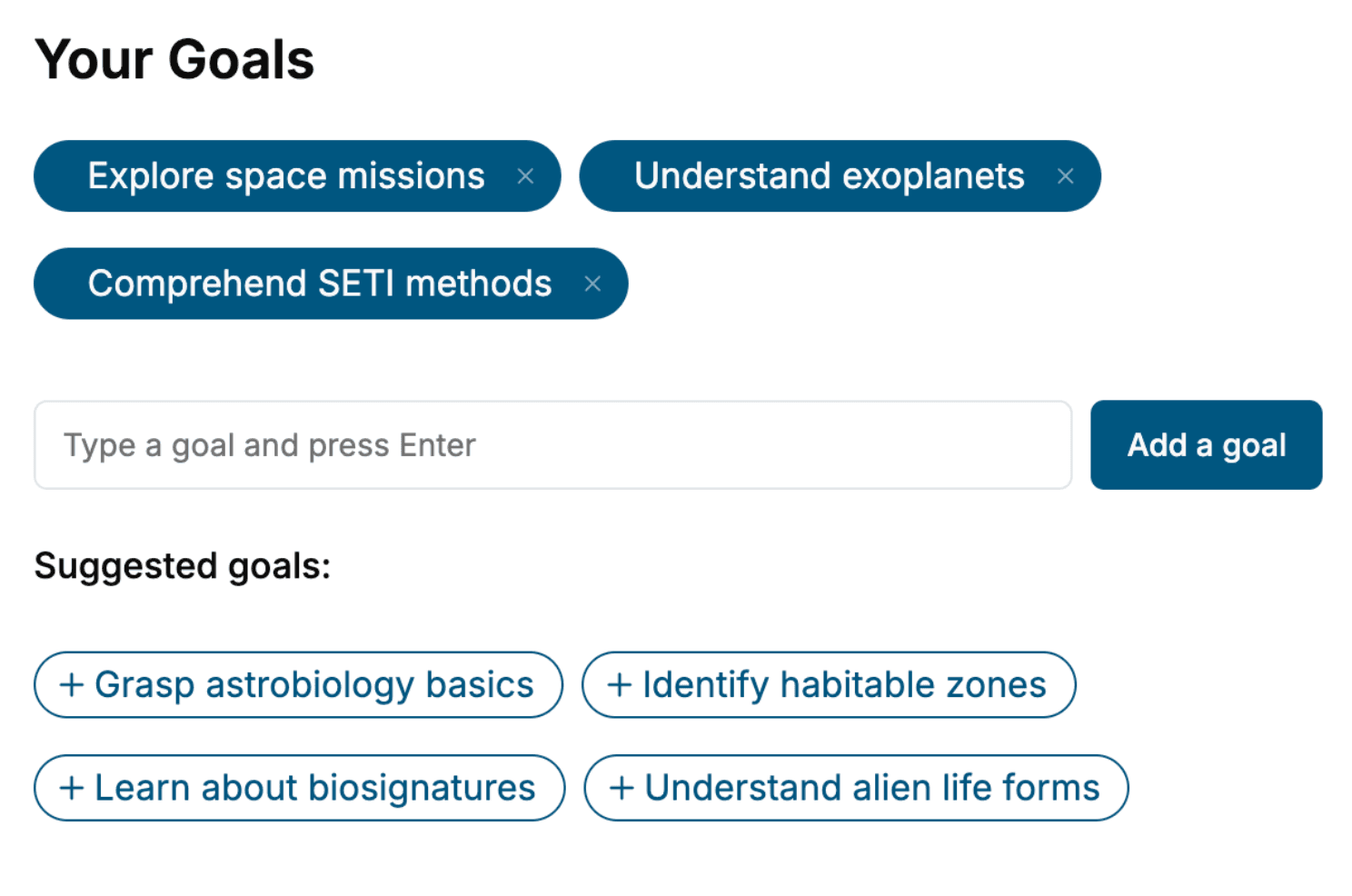
Specify your goals and choose sub-topics to include
- 3. Get your tailored book
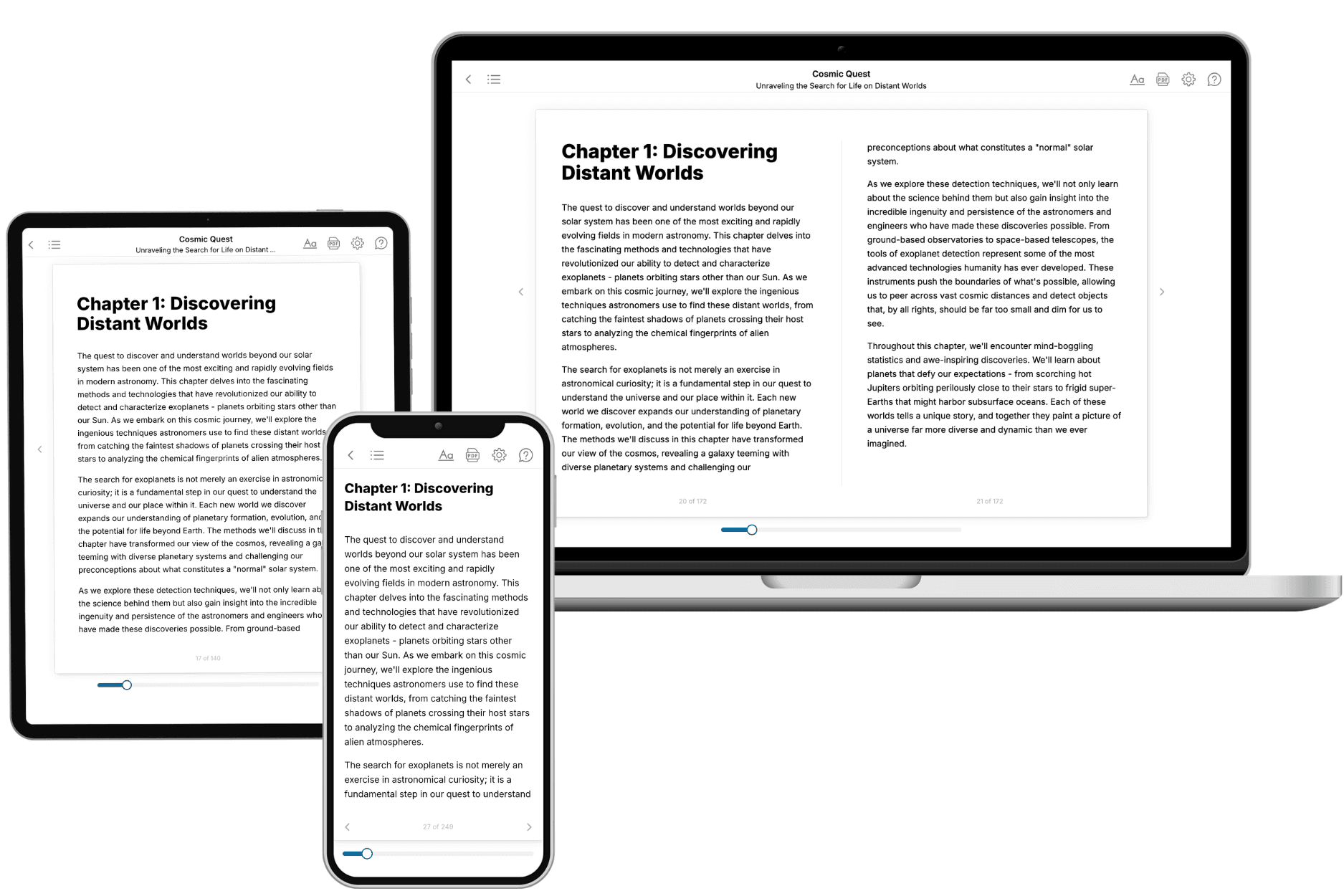
Your book is ready in 10 minutes. Read it online, download as EPUB or PDF, or send to Kindle.

Frequently asked questions
- What is TailoredRead?
TailoredRead creates complete, full-length nonfiction ebooks, written specifically for you. Tell us what you want to learn and why, and TailoredRead writes you a complete ebook on it, with charts, tables, and diagrams throughout. Read it online, on Kindle, or on any e-reader, or download it as a PDF or EPUB. Every book is written fresh the day you order it.
- How is the book tailored to me?
Before anything is written, you answer a few short questions about your goals, your background, and the topics you care about. Your book is then planned around your answers: written at your level, focused on your goals, and covering the topics you chose, instead of the one-size-fits-all book a store sells everyone.
- Will it read like generic AI content?
No. Your book isn't a chat transcript: it's planned chapter by chapter before a single word is written, told in a clear book voice, and explains ideas visually with charts, tables, and diagrams. After writing, every book goes through an editorial pass that polishes chapters so the book reads consistent from start to finish. Judge for yourself: browse thousands of sample books on our Explore Books page.
- How accurate is the content?
Our AI first checks whether your subject needs live research. Niche and fast-moving subjects are researched before writing, and the book plan and chapters are grounded in what it finds. After writing, every book goes through a quality pass that checks its facts and consistency, and researched books list their sources in a Notes section at the back.
- How long is the book?
You choose the length: Comprehensive (250-300 pages), Detailed (150-200 pages), Essential (70-100 pages), or Short (30-50 pages).
- Does the book include visuals?
Yes. Every book includes charts, tables, and diagrams: timelines, checklists, step-by-step guides, decision trees, comparison tables, matrices, and bar charts. A typical book includes dozens of these visual elements.
- Can I read it on Kindle? What formats can I download?
Yes. Every book can be read in our online reader or downloaded as a PDF or EPUB. The EPUB can be opened with Kindle, Apple Books, Kobo, and any e-reader. The Commercial and Author licenses also include an editable Word (DOCX) and Markdown download.
- How much does it cost?
About the price of a regular ebook. The exact price depends on your book's length and complexity, from $2 for the shortest books to $35 for the most comprehensive, and it's shown when you review your book, before you commit to anything. Each book is a one-time purchase, yours to keep, no subscription. Licenses that let you share, teach, or publish your book range from $35.99 to $49.99.
- Can I preview the book before purchasing?
Before you pay, you'll see what your book will cover: the title, a detailed description, the estimated length, and the complete chapter-by-chapter table of contents, so you know what you're getting before you decide. The full text itself is written after you purchase.
- How long does it take to create a book?
About 10 minutes. You can start reading the opening chapters while the rest is still being written.