Ethical Foundation for Everyday Life Choices
Virtue, consequences, duty and care theories applied to real dilemmas
You face ethical decisions every day—from small choices about honesty and fairness to larger questions about your responsibilities to others and society.
207 pages10 chaptersDec 18, 2025Ethics
About this book
Yet most people navigate these moments without a clear moral compass, relying instead on intuition, cultural norms, or whatever feels right in the moment. This book changes that by guiding you through the major ethical frameworks that philosophers have developed over centuries, then showing you how to build your own coherent moral system. You'll explore virtue ethics, consequentialism, deontology, care ethics, and contemporary approaches, discovering how each offers unique insights into what makes an action right or wrong. More importantly, you'll learn practical strategies for applying these frameworks to real dilemmas—at work, in relationships, and in your community. By the end, you'll have the tools to make decisions aligned with your deepest values, engage thoughtfully with people who see ethics differently, and live with greater moral clarity and confidence.
Table of contents
- IntroductionWhy Ethics Matters in Your Life, Beyond Intuition: The Case for Intentional Ethics, How to Use This Book, What You'll DiscoverRead below
- Chapter 1: The Foundations of Moral ThinkingWhat Is Ethics and Why Does It Differ from Morality?, Understanding Moral Disagreement, Ethical Frameworks as Decision-Making Tools
- Chapter 2: Virtue Ethics: Becoming a Person of CharacterThe Ancient Roots of Virtue Ethics, Virtues, Vices, and the Golden Mean, Cultivating Virtue Through Practice and Habit, Virtue Ethics in Contemporary Life
- Chapter 3: Consequentialism: Ethics of OutcomesThe Core Principle: Actions Are Judged by Results, Utilitarianism and the Greatest Good, The Challenge of Measuring and Predicting Consequences, Strengths and Limitations of Consequentialist Thinking
- Chapter 4: Deontology: Ethics of Duties and RulesThe Foundation of Duty-Based Morality, Kant's Categorical Imperative and Universal Principles, Rights, Responsibilities, and Moral Absolutes, When Duties Conflict: Navigating Deontological Dilemmas
- Chapter 5: Care Ethics and Relational MoralityThe Emergence of Care Ethics, Ethics Rooted in Relationships and Context, Practicing Care in Your Relationships and Community, Balancing Care with Justice and Impartiality
- Chapter 6: Integrating Multiple FrameworksComparing Virtue, Consequentialist, Deontological, and Care Approaches, Building Your Hybrid Ethical Framework, Choosing the Right Framework for Different Situations
- Chapter 7: Moral Psychology: Why We Make the Choices We DoCognitive Biases That Distort Moral Judgment, Rationalization and Self-Deception, Moral Licensing and the Illusion of Ethical Balance, The Interplay Between Emotion and Reason in Ethics
- Chapter 8: Ethical Decision-Making in PracticeA Practical Framework for Ethical Decisions, Navigating Common Workplace and Personal Dilemmas, Identifying Stakeholders and Their Interests, Making and Implementing Your Decision
- Chapter 9: Ethics in Relationships and CommunityHonesty, Trust, and Integrity in Relationships, Engaging Across Moral Disagreement, Your Ethical Responsibilities to Your Community
- Chapter 10: Contemporary Ethical ChallengesEthics in the Digital Age, Environmental Ethics and Sustainability, Justice, Inequality, and Systemic Ethics, Emerging Ethical Frontiers
- ConclusionYour Ongoing Ethical Journey, Living with Integrity and Purpose
- Further Reading and Resources
Introduction
Every day, you make dozens of decisions that carry moral weight. Some are small: whether to tell a white lie to spare someone's feelings, whether to return the extra change a cashier mistakenly gave you, or how to respond when a colleague takes credit for your work. Others are larger: whether to stay in a job that conflicts with your values, how to balance your own needs against those of aging parents, or what responsibilities you have toward people suffering in distant places. These moments arrive without warning, demanding answers when you may not have a clear sense of what the right answer even looks like.
Most people navigate these ethical crossroads using a patchwork of intuitions, cultural norms, religious teachings, and gut feelings. This approach works reasonably well for routine situations where social consensus is strong. But when you face genuinely difficult dilemmas—when values conflict, when the stakes are high, or when people you respect disagree about the right course of action—intuition alone often leaves you uncertain, inconsistent, or vulnerable to rationalization. You might make one choice on Monday and a contradictory choice on Friday, not because the situations differ meaningfully, but because you lack a coherent framework for thinking through moral questions.
This book offers a different path. It invites you to build a personal ethical framework—a structured approach to moral reasoning that reflects your deepest values while remaining flexible enough to address the complexity of real life. You'll explore the major philosophical traditions that have shaped moral thinking for centuries, from Aristotle's virtue ethics to Kant's duty-based morality to contemporary care ethics. More importantly, you'll learn how to apply these frameworks to actual decisions, developing practical wisdom that goes beyond abstract theory. By the end, you'll have tools for making choices that align with who you want to be, for engaging productively with people who see ethics differently, and for living with greater moral clarity and confidence.
The goal isn't to turn you into a philosopher or to prescribe a single "correct" ethical system. Rather, it's to help you think more deliberately about the values that guide your life, to recognize the ethical dimensions of everyday choices, and to develop a coherent approach to moral reasoning that serves you in moments of uncertainty. Ethics isn't just an academic subject—it's the foundation of how you treat others, how you make decisions under pressure, and ultimately, how you construct a meaningful life.
Why Ethics Matters in Your Life
Ethics shapes your life in ways both visible and invisible. The most obvious impact appears in your relationships. When you keep promises, tell the truth, and treat others with respect, you build trust—the foundation of every meaningful connection. When you break commitments, deceive people, or act selfishly, you erode that trust, sometimes irreparably. Your reputation, your friendships, your family bonds, and your professional relationships all rest on the ethical choices you make day after day. People remember not just what you accomplish, but how you treat them in moments when integrity costs something.
Beyond relationships, your ethical framework determines how you respond to challenges and opportunities. Consider a common workplace scenario: you discover that your company is cutting corners in ways that could harm customers, but speaking up might jeopardize your career. Your response to this situation reveals your ethical priorities. Do you prioritize loyalty to your employer, concern for potential victims, your own financial security, or adherence to professional standards? Different ethical frameworks suggest different answers, and the choice you make will shape not only the immediate outcome but also your sense of self-worth and integrity.
Ethics also influences your broader life choices in profound ways. Your career path, your consumption habits, your political engagement, and your use of time and resources all reflect moral commitments, whether you've examined them consciously or not. When you choose a profession, you're not just selecting a way to earn money—you're deciding how to contribute to society and what role you want to play in the world. When you decide how much to donate to charity, how to balance work and family, or whether to speak up about injustice, you're making statements about what matters most to you.
The stakes extend beyond your individual life. Your ethical choices ripple outward, affecting communities and institutions. When you participate in systems that harm others—even passively—you bear some responsibility for those harms. When you challenge unfair practices, support ethical businesses, or model integrity in your community, you contribute to positive change. Research in behavioral economics shows that ethical behavior is contagious: when people observe others acting with integrity, they're more likely to do the same[1]. Your choices matter not just for their direct effects, but for the norms they reinforce or challenge.
Perhaps most importantly, ethics determines whether you can live with yourself. Psychological research consistently shows that people who violate their own moral standards experience guilt, shame, and diminished self-respect, even when their actions go undetected by others[2]. Conversely, living according to your values—even when it's difficult—generates a sense of integrity and self-respect that no external reward can provide. The philosopher Bernard Williams called this "moral integrity": the alignment between your actions and your deepest commitments. Without this alignment, success feels hollow and accomplishments ring false.
Yet despite ethics' central importance, most people give surprisingly little conscious thought to their moral framework. They inherit values from family and culture, absorb norms from their social environment, and make decisions based on what feels right in the moment. This approach has significant limitations:
- Inconsistency: Without a coherent framework, you may make contradictory choices in similar situations, leading to confusion and regret
- Vulnerability to pressure: When you haven't clarified your values, you're more easily swayed by social pressure, authority figures, or short-term incentives
- Difficulty with complex dilemmas: Intuition works poorly when values conflict or when situations are genuinely ambiguous
- Rationalization: Without clear principles, you're more likely to justify self-serving choices that violate your deeper values
- Inability to explain yourself: When others question your decisions, you struggle to articulate your reasoning beyond "it felt right"
Building an intentional ethical framework addresses these limitations. It doesn't eliminate difficult choices or guarantee perfect decisions, but it provides structure for moral reasoning, consistency across situations, and language for explaining your choices to yourself and others. It transforms ethics from something that happens to you into something you actively practice and refine. This shift from passive to active moral agency represents one of the most important developmental steps you can take as a thinking person.
The need for ethical clarity has never been more urgent. You live in an era of unprecedented complexity, where your choices have far-reaching consequences you may never directly observe. The products you buy connect you to global supply chains involving workers you'll never meet. Your data and attention feed algorithms that shape public discourse. Your consumption patterns contribute to environmental changes that will affect future generations. Traditional ethical intuitions evolved for small-scale societies where you could see the direct effects of your actions. They often fail in a globalized, technologically mediated world where cause and effect are separated by vast distances and time scales.
Beyond Intuition: The Case for Intentional Ethics
Moral intuition—that immediate sense of right and wrong—is a powerful force. When you see someone being bullied, you don't need to consult ethical theories to know it's wrong. When a friend needs help, you feel pulled to assist without calculating consequences. These intuitive responses reflect deep-seated values and often guide you well in straightforward situations. However, relying exclusively on intuition has serious drawbacks that become apparent when you examine how moral intuitions actually work.
Research in moral psychology reveals that intuitions are heavily influenced by factors that have nothing to do with ethics. Your moral judgments shift depending on whether you're hungry, tired, or in a good mood[3]. They're affected by how questions are framed, by vivid examples versus statistical information, and by whether potential victims are identifiable individuals or anonymous groups. You're more likely to judge an action as wrong if it involves direct physical contact than if it achieves the same outcome through indirect means. These influences have nothing to do with the actual moral content of decisions, yet they powerfully shape your intuitive responses.
Intuitions also reflect the particular culture and historical moment you inhabit. Practices that seem obviously wrong to you—slavery, denying women the vote, criminalizing homosexuality—seemed obviously right to most people in other times and places. Their moral intuitions were just as strong as yours, yet pointed in opposite directions. This doesn't mean all moral views are equally valid, but it does suggest that intuition alone can't distinguish between genuine moral insight and culturally conditioned prejudice. You need some way to critically examine your intuitions, to ask whether they reflect timeless principles or merely the assumptions of your particular social context.
Perhaps most problematically, intuitions often conflict with each other, leaving you paralyzed or forcing you to choose arbitrarily. Consider a classic dilemma: you can save five people by diverting a runaway trolley onto a track where it will kill one person. Most people's intuition says this is acceptable—five lives outweigh one. But now imagine you can save those same five people by pushing a large person off a bridge into the trolley's path. Most people's intuition says this is wrong, even though the numbers are identical. Your intuitions pull in opposite directions, and you need some framework beyond intuition to resolve the conflict.
Intentional ethics doesn't mean abandoning intuition. Your immediate moral responses often contain wisdom, reflecting values you've internalized through experience and reflection. The goal is to subject those intuitions to examination, to understand where they come from and whether they align with principles you can defend upon reflection. This process involves several key steps:
- Identifying your intuitive responses: Notice what your gut tells you in various situations
- Examining the sources: Ask where these intuitions come from—family, culture, religion, personal experience
- Testing for consistency: Check whether you apply the same principles across similar cases
- Considering alternatives: Explore how different ethical frameworks would approach the situation
- Reaching reflective equilibrium: Adjust both your principles and your intuitions until they cohere
This reflective process reveals something important: ethics isn't just about following rules or calculating outcomes. It's about developing practical wisdom—what Aristotle called phronesis. Practical wisdom involves knowing which principles apply in which situations, how to balance competing values, and when exceptions to general rules are justified. You can't reduce this wisdom to an algorithm or decision tree. It requires judgment, experience, and ongoing reflection on your choices and their consequences.
Building an intentional ethical framework also helps you recognize and resist common moral pitfalls. Rationalization—the process of inventing justifications for choices you've already made for other reasons—becomes harder when you've committed to clear principles. Moral licensing—the tendency to behave less ethically after doing something good—becomes more visible when you're paying attention to patterns in your behavior. Cognitive biases that distort moral judgment become easier to spot and correct when you have frameworks for thinking systematically about ethical questions.
The alternative to intentional ethics isn't neutrality or freedom from moral commitments. It's unconscious ethics—making choices based on unexamined assumptions, social pressure, and situational factors you don't recognize. When you don't deliberately choose your ethical framework, you still have one; it's just cobbled together from various sources and applied inconsistently. Intentional ethics means taking responsibility for your moral commitments, examining them critically, and refining them through experience and reflection.
This doesn't require becoming a moral philosopher or spending hours analyzing every decision. Most choices can still rely on intuition and habit, especially once you've developed good habits through practice. But for significant decisions, for situations where intuitions conflict, and for moments when you're unsure what the right course of action is, having a framework provides invaluable guidance. It's like the difference between navigating by feel versus having a map and compass. Most of the time, you can find your way by feel. But when you're lost or facing unfamiliar terrain, tools for navigation become essential.
How to Use This Book
This book is structured to guide you through a progressive journey of ethical development. It begins with foundational concepts, explores major philosophical frameworks, examines the psychology of moral decision-making, and concludes with practical applications to contemporary challenges. You can read it straight through for a comprehensive education in ethics, or you can focus on particular chapters that address your most pressing questions. However you approach it, the goal is active engagement rather than passive reading.
The early chapters introduce you to different ethical frameworks—virtue ethics, consequentialism, deontology, and care ethics. Each framework offers a distinct lens for thinking about moral questions. Virtue ethics asks what kind of person you should become. Consequentialism focuses on outcomes and consequences. Deontology emphasizes duties, rights, and universal principles. Care ethics highlights relationships and context. None of these frameworks is complete on its own, but each illuminates aspects of moral life that others might miss. Your task isn't to choose one and reject the others, but to understand how each works and when each might be most useful.
As you read about each framework, try applying it to real situations from your own life. Think about a recent ethical dilemma you faced—perhaps a conflict between honesty and kindness, between personal ambition and loyalty to others, or between competing responsibilities. How would a virtue ethicist approach this situation? What would a consequentialist recommend? How would a deontologist analyze it? This comparative process helps you see that moral disagreements often stem from different frameworks rather than different facts or bad intentions. It also helps you identify which frameworks resonate most strongly with your own values and intuitions.
The middle chapters examine moral psychology and practical decision-making. Understanding how your mind actually works when making ethical choices is crucial for improving those choices. You'll learn about cognitive biases that distort moral judgment, about the interplay between emotion and reason, and about common pitfalls like rationalization and moral licensing. This self-knowledge is essential for ethical development. You can't correct biases you don't recognize, and you can't resist temptations you don't understand.
Throughout the book, you'll encounter examples, case studies, and thought experiments. These aren't just illustrations—they're opportunities for practice. Pause when you encounter a dilemma and work through it yourself before reading the analysis. Notice your initial intuition, then systematically apply different frameworks. Consider stakeholders and consequences. Identify relevant principles and duties. Think about what virtues are at stake. This active engagement builds the practical wisdom that makes ethical frameworks useful rather than merely interesting.
The later chapters address specific domains where ethical challenges commonly arise: relationships, workplace situations, community engagement, and contemporary issues like technology and environmental ethics. These chapters show how abstract frameworks translate into concrete guidance for real-world situations. They also acknowledge the messiness of actual ethical life, where perfect solutions rarely exist and where you must often choose between imperfect options while accepting uncertainty about outcomes.
As you work through the book, consider keeping an ethics journal. Record dilemmas you face, how you think through them, what choices you make, and how those choices turn out. Over time, patterns will emerge. You'll notice which frameworks you naturally gravitate toward, which situations challenge you most, and where your actions diverge from your stated values. This self-awareness is invaluable for ethical growth. It transforms abstract learning into personal development.
You might also benefit from discussing the ideas and examples with others. Ethics is inherently dialogical—it develops through conversation and debate. Find a friend, family member, or colleague willing to engage with these questions. Discuss the case studies, share your own dilemmas, and explore how different frameworks lead to different conclusions. These conversations serve multiple purposes:
- They expose you to perspectives you might not have considered
- They force you to articulate and defend your reasoning
- They reveal assumptions you didn't know you were making
- They build skills for engaging productively across moral disagreement
- They create accountability for living according to your values
Don't expect to finish this book with all your ethical questions answered. Ethics isn't a subject you master once and then apply mechanically. It's an ongoing practice that evolves as you gain experience, as circumstances change, and as you encounter new challenges. The frameworks and tools you'll learn provide structure for this lifelong practice, but they don't eliminate the need for judgment, wisdom, and ongoing reflection. Think of this book as providing a foundation and a set of tools, not a complete blueprint for every situation you'll face.
What You'll Discover
By engaging seriously with this book, you'll develop several interconnected capacities that together constitute ethical maturity. First, you'll gain conceptual clarity about ethics itself—what it is, how it differs from related concepts like law and etiquette, and why moral disagreements are so persistent and difficult to resolve. This clarity helps you navigate conversations about values without talking past people or mistaking empirical disagreements for moral ones. You'll understand that when someone reaches a different ethical conclusion than you do, they're not necessarily ignorant, irrational, or immoral—they may simply be applying a different framework or weighing values differently.
Second, you'll develop a rich vocabulary for moral reasoning. Instead of vague appeals to what's "right" or "wrong," you'll be able to articulate specific principles, identify relevant virtues, analyze consequences systematically, and recognize duties and rights. This vocabulary isn't just academic jargon—it's a set of tools for thinking more precisely about complex situations. When you can name the ethical dimensions of a dilemma, you can address them more effectively. When you can distinguish between different types of moral considerations, you can weigh them more thoughtfully.
Third, you'll learn to recognize the ethical dimensions of situations that might initially seem morally neutral. Many choices that appear purely practical or strategic actually involve significant moral content. How you manage your time reflects priorities about what matters. How you communicate reflects commitments to honesty and respect. How you spend money reflects values about justice and responsibility. Developing ethical awareness means seeing these moral dimensions and taking them seriously in your decision-making, rather than treating ethics as a separate domain that only applies to dramatic dilemmas.
Fourth, you'll build practical skills for ethical decision-making. You'll learn systematic approaches for analyzing dilemmas, identifying stakeholders, considering alternatives, and implementing decisions. You'll develop strategies for managing situations where values conflict, where information is incomplete, or where all available options have significant downsides. These skills don't guarantee perfect choices, but they dramatically improve the quality of your moral reasoning and reduce the likelihood of decisions you'll later regret.
Fifth, you'll gain insight into your own moral psychology—the cognitive and emotional processes that shape your ethical judgments. You'll learn to recognize when you're rationalizing rather than reasoning, when biases are distorting your judgment, and when emotions are providing valuable moral information versus leading you astray. This self-knowledge is essential for ethical development. You can't improve your decision-making without understanding how you actually make decisions, including the systematic ways your thinking goes wrong.
Sixth, you'll develop greater consistency between your values and your actions. One of the most common sources of moral distress is the gap between who you want to be and how you actually behave. By clarifying your values, examining your choices, and building better decision-making habits, you can narrow this gap. This doesn't mean achieving perfection—everyone falls short of their ideals sometimes. But it does mean living with greater integrity, making choices you can defend upon reflection, and experiencing less guilt and regret about your actions.
Finally, you'll cultivate what might be called ethical confidence—not certainty that you're always right, but confidence in your ability to think through moral questions, to make defensible choices under uncertainty, and to learn from mistakes. This confidence comes from having frameworks to guide your thinking, from practice applying those frameworks to real situations, and from experience seeing how your choices play out over time. It's the confidence that comes from preparation and practice, not from arrogance or dogmatism.
These capacities develop gradually through engagement with ideas and practice applying them. You won't acquire them simply by reading about ethics any more than you'd become a skilled musician by reading about music theory. But just as music theory provides essential knowledge for musical development, ethical frameworks provide essential knowledge for moral development. The key is to move back and forth between theory and practice—learning frameworks, applying them to real situations, reflecting on the results, and refining your understanding based on experience.
The journey ahead is challenging but rewarding. Ethics asks difficult questions that don't have easy answers. It requires you to examine assumptions you may have never questioned, to consider perspectives that challenge your worldview, and to accept responsibility for choices you might prefer to avoid. But it also offers something invaluable: the possibility of living with greater clarity, integrity, and purpose. When you understand why you make the choices you make, when your actions align with your deepest values, and when you can engage thoughtfully with others across moral disagreement, you experience a kind of freedom and self-respect that no external achievement can provide.
This book invites you into that journey. It offers frameworks, tools, and guidance, but the work of building your ethical foundation is ultimately yours. The choices you make, the values you embrace, and the person you become through this process will be uniquely your own. What follows is an opportunity to think more deeply about questions that matter profoundly—questions about how to live, how to treat others, and what kind of person you want to be. Approach it with curiosity, humility, and a willingness to be challenged. The insights you gain will serve you for the rest of your life.
Notes
Introduction
- 1. F. Gino and others, "Contagion and differentiation in unethical behavior," Psychological Science, 2009
- 2. J. P. Tangney and others, "Moral emotions and moral behavior," Annual Review of Psychology, 2007
- 3. S. Danziger and others, "Extraneous factors in judicial decisions," Proceedings of the National Academy of Sciences, 2011
This is the end of the free sample. The full book has 10 chapters.
Want this book written for you?
Tell us your goals and background, and get your own version of this book, tailored by AI to you.


Benefits of AI-tailored books
- Read one book, not ten:
- all the Ethics knowledge you need, gathered into a single book.
- Save days of learning:
- tell us your goals, choose your topics, and the whole book is built around them.
- Learn effortlessly:
- Ethics book written for your specific background and expertise.
- Understand at a glance:
- includes charts, tables, timelines, checklists, decision trees, and more.
- Stay current:
- written the day you order it, not years ago.
- Trust what you read:
- every book is checked for accuracy, with real research when your subject needs it.
Create your unique book in 3 steps
- 1. Select your focus
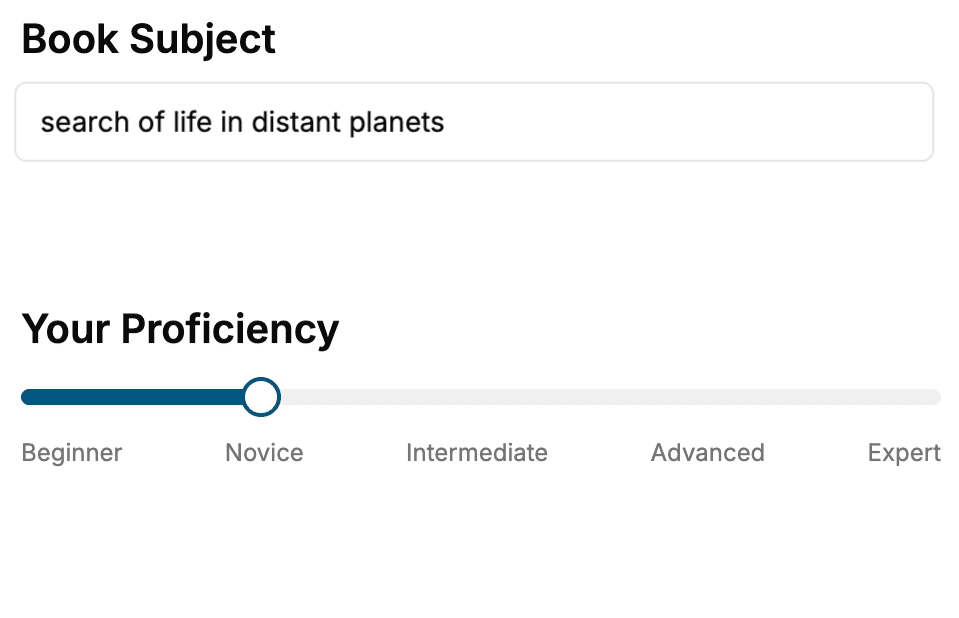
Select the focus of your Ethics book and share your background
- 2. Personalize your book
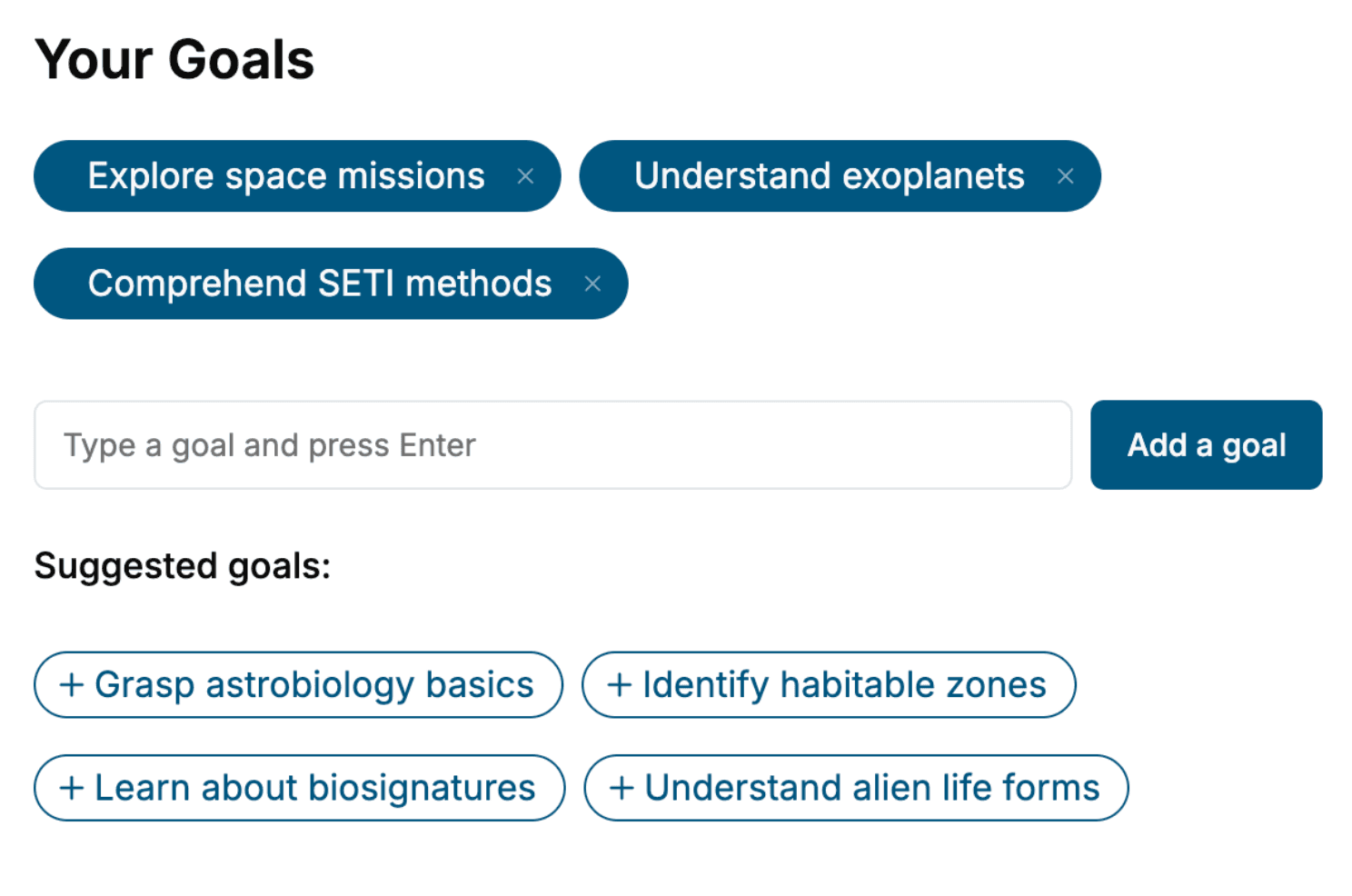
Specify your goals and choose sub-topics to include
- 3. Get your tailored book
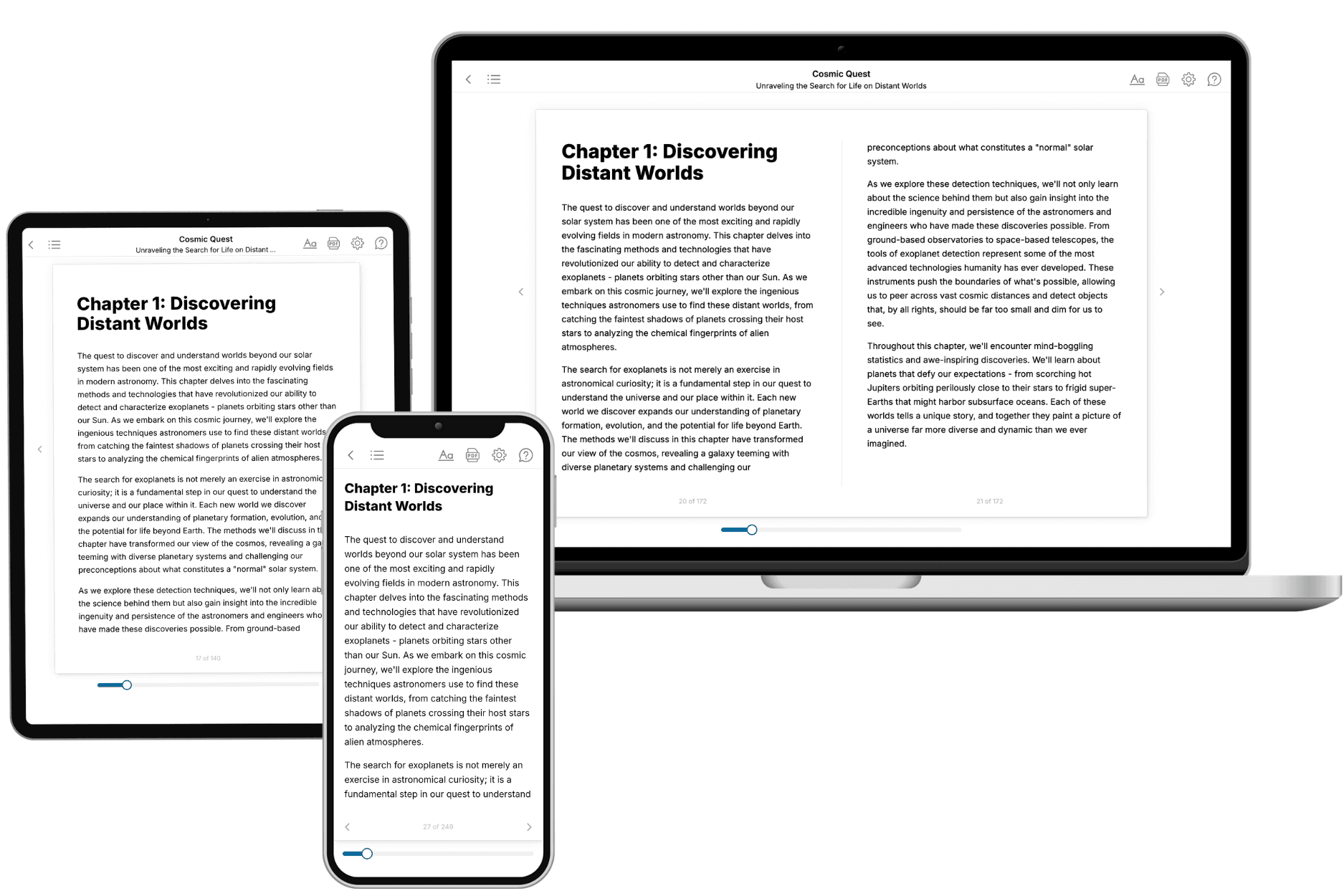
Your book is ready in 10 minutes. Read it online, download as EPUB or PDF, or send to Kindle.
Frequently asked questions
- What is TailoredRead?
TailoredRead creates complete, full-length nonfiction ebooks, written specifically for you. Tell us what you want to learn and why, and TailoredRead writes you a complete ebook on it, with charts, tables, and diagrams throughout. Read it online, on Kindle, or on any e-reader, or download it as a PDF or EPUB. Every book is written fresh the day you order it.
- How is the book tailored to me?
Before anything is written, you answer a few short questions about your goals, your background, and the topics you care about. Your book is then planned around your answers: written at your level, focused on your goals, and covering the topics you chose, instead of the one-size-fits-all book a store sells everyone.
- Will it read like generic AI content?
No. Your book isn't a chat transcript: it's planned chapter by chapter before a single word is written, told in a clear book voice, and explains ideas visually with charts, tables, and diagrams. After writing, every book goes through an editorial pass that polishes chapters so the book reads consistent from start to finish. Judge for yourself: browse thousands of sample books on our Explore Books page.
- How accurate is the content?
Our AI first checks whether your subject needs live research. Niche and fast-moving subjects are researched before writing, and the book plan and chapters are grounded in what it finds. After writing, every book goes through a quality pass that checks its facts and consistency, and researched books list their sources in a Notes section at the back.
- How long is the book?
You choose the length: Comprehensive (250-300 pages), Detailed (150-200 pages), Essential (70-100 pages), or Short (30-50 pages).
- Does the book include visuals?
Yes. Every book includes charts, tables, and diagrams: timelines, checklists, step-by-step guides, decision trees, comparison tables, matrices, and bar charts. A typical book includes dozens of these visual elements.
- Can I read it on Kindle? What formats can I download?
Yes. Every book can be read in our online reader or downloaded as a PDF or EPUB. The EPUB can be opened with Kindle, Apple Books, Kobo, and any e-reader. The Commercial and Author licenses also include an editable Word (DOCX) and Markdown download.
- How much does it cost?
About the price of a regular ebook. The exact price depends on your book's length and complexity, from $2 for the shortest books to $35 for the most comprehensive, and it's shown when you review your book, before you commit to anything. Each book is a one-time purchase, yours to keep, no subscription. Licenses that let you share, teach, or publish your book range from $35.99 to $49.99.
- Can I preview the book before purchasing?
Before you pay, you'll see what your book will cover: the title, a detailed description, the estimated length, and the complete chapter-by-chapter table of contents, so you know what you're getting before you decide. The full text itself is written after you purchase.
- How long does it take to create a book?
About 10 minutes. You can start reading the opening chapters while the rest is still being written.