Green Infrastructure
Building Resilient Communities Through Nature-Based Solutions
What if the solution to urban flooding, air pollution, and environmental degradation was already growing beneath your feet?
191 pages9 chaptersMay 6, 2026Green Infrastructure
About this book
Green infrastructure represents a fundamental shift in how we design cities and manage land—moving from concrete-dominated landscapes to systems that work with nature. This book explores how green infrastructure integrates ecological principles with practical land use planning to create communities that are more resilient, livable, and sustainable. You'll discover the science behind nature-based solutions, learn how successful projects have transformed neighborhoods and cities, and understand the practical steps needed to implement green infrastructure in your own community. From rain gardens and green roofs to restored wetlands and urban forests, this guide provides both the conceptual framework and actionable strategies for building a greener future. Whether you're a planner, developer, environmental professional, or concerned citizen, you'll gain the knowledge to advocate for and implement solutions that benefit both people and nature.
Table of contents
- IntroductionWhy Green Infrastructure Matters Now, Defining Green Infrastructure, How to Use This BookRead below
- Chapter 1: Foundations of Green InfrastructureEcological Principles and Natural Systems, Understanding the Hydrological Cycle, Urban Challenges and Environmental Impacts
- Chapter 2: Core Green Infrastructure TechnologiesGreen Roofs and Living Walls, Rain Gardens and Bioswales, Permeable Pavements and Surfaces, Urban Forests and Tree Canopy
- Chapter 3: Water Management and Stormwater SolutionsStormwater Challenges in Urban Areas, Detention and Retention Systems, Wetland Restoration and Creation
- Chapter 4: Land Use Planning and Green Infrastructure IntegrationPlanning Frameworks and Zoning, Site Assessment and Ecological Analysis, Mixed-Use Development and Green Corridors
- Chapter 5: Environmental and Community BenefitsAir Quality Improvement and Pollution Reduction, Urban Heat Island Mitigation, Biodiversity and Habitat Creation, Public Health and Quality of Life
- Chapter 6: Economic Viability and FinancingCost-Benefit Analysis and ROI, Financing Mechanisms and Funding Sources, Property Values and Economic Development
- Chapter 7: Design and Implementation StrategiesDesign Principles and Best Practices, Site-Specific Solutions and Adaptation, Construction and Long-Term Maintenance
- Chapter 8: Overcoming Barriers and Building SupportRegulatory and Policy Barriers, Stakeholder Engagement and Community Buy-In, Building Technical Capacity and Expertise
- Chapter 9: Climate Resilience and AdaptationClimate Change Impacts on Infrastructure, Building Resilience Through Green Infrastructure, Carbon Sequestration and Climate Mitigation
- ConclusionThe Future of Green Infrastructure, Your Role in Building Greener Communities
- Further Reading and Resources
Introduction
Picture a city block after a heavy rainstorm. In a conventional urban landscape, water rushes off rooftops, parking lots, and streets, overwhelming drainage pipes and spilling into basements and roads. Now picture the same block redesigned with trees lining the sidewalks, a rain garden tucked between buildings, and a green roof absorbing rainfall overhead. The water slows down, soaks in, and the street stays dry. That contrast captures the core promise of green infrastructure: working with nature instead of fighting it, and getting better results in the process.
For most of the twentieth century, cities were built on a simple philosophy: control nature, contain it, and move it out of the way as fast as possible. Stormwater got piped underground. Wetlands got filled. Trees got removed to make room for pavement. That approach worked well enough when cities were smaller and the climate was more predictable. But today, with urban populations growing, extreme weather events becoming more frequent, and aging infrastructure struggling to keep up, the limits of that philosophy are showing up in very costly ways. Flooded streets, heat waves, degraded water quality, and declining urban biodiversity are not isolated problems. They are symptoms of a deeper design failure.
Green infrastructure offers a different path. It draws on ecological science, hydrology, landscape design, and land use planning to create systems that manage environmental challenges while delivering real benefits to communities. It is not a single technology or a niche environmental trend. It is a comprehensive framework for rethinking how we build and manage the places where people live, work, and move. This book is your guide to understanding that framework, learning how it works in practice, and figuring out how to apply it where you are.
Whether you are a planner reviewing a zoning code, an engineer designing a drainage system, a developer evaluating a site, or a community member trying to understand why your neighborhood floods every spring, this book is written for you. The goal is not to overwhelm you with technical jargon or academic theory. The goal is to give you a clear, practical, and honest picture of what green infrastructure is, what it can do, and what it takes to make it work. The chapters ahead cover everything from the science of natural systems to the mechanics of financing, from design principles to community engagement. By the end, you will have both the knowledge and the confidence to contribute meaningfully to greener, more resilient communities.
Why Green Infrastructure Matters Now
The timing of this conversation could not be more important. Urban areas around the world are facing a convergence of pressures that conventional infrastructure simply was not designed to handle. Climate change is intensifying rainfall events, extending droughts, and pushing temperatures higher in cities that are already warmer than surrounding rural areas. At the same time, urban populations continue to grow, adding more impervious surfaces and more demand on systems that are already stretched thin. The result is a growing infrastructure gap that costs governments, businesses, and households billions of dollars every year.
The numbers tell a striking story. In the United States alone, the American Society of Civil Engineers estimates that the country needs to invest over $1 trillion in water infrastructure over the next two decades just to maintain current service levels.[1] Much of that aging infrastructure was built in the mid-twentieth century and was never designed to handle today's storm intensities or population densities. Green infrastructure does not replace all of that investment, but it can significantly reduce the burden by managing water at the source, before it ever reaches a pipe or a treatment plant.
Beyond the numbers, there is a public health dimension that is hard to ignore. Urban heat islands, where city temperatures run 2 to 10 degrees Fahrenheit higher than surrounding areas, contribute to heat-related illness and death, particularly among elderly residents and low-income communities with limited access to air conditioning.[2] Poor air quality linked to urban development patterns contributes to respiratory disease. Lack of green space is associated with higher rates of stress, anxiety, and depression. These are not abstract environmental concerns. They are everyday quality-of-life issues that green infrastructure directly addresses.
There is also an equity dimension worth naming early. Environmental burdens, including flooding, heat, pollution, and lack of green space, fall disproportionately on low-income communities and communities of color. These are often the same neighborhoods that were historically underinvested in, where trees were removed rather than planted, where parks were paved over rather than maintained, and where drainage infrastructure was built last and maintained least. Green infrastructure, when planned and implemented equitably, has the potential to reverse some of those patterns and deliver environmental benefits where they are needed most.
The urgency is also economic. Every dollar invested in green infrastructure generates measurable returns through reduced flooding damage, lower energy costs, improved property values, and avoided infrastructure spending. Philadelphia's landmark green infrastructure program, which committed to managing stormwater through green practices rather than building a new tunnel system, is projected to save the city over $1.2 billion compared to the conventional alternative while delivering significant co-benefits to neighborhoods across the city.[3] That kind of economic case is increasingly hard for decision-makers to ignore.
Finally, there is the matter of climate adaptation. The infrastructure decisions made in the next decade will shape how communities function for the next fifty to one hundred years. Building more concrete pipes and gray infrastructure locks communities into a rigid, expensive system that cannot adapt as conditions change. Green infrastructure, by contrast, is inherently adaptive. Living systems respond to changing conditions, evolve over time, and can be modified as needs shift. Investing in green infrastructure now is not just a smart environmental choice. It is a strategic investment in long-term community resilience.
A note on scale: Green infrastructure works at every scale, from a single rain barrel on a residential downspout to a regional network of restored wetlands and riparian buffers spanning thousands of acres. The principles are the same whether you are working on a backyard, a city block, or a watershed. That scalability is one of its greatest strengths.
Defining Green Infrastructure
The term "green infrastructure" gets used in a lot of different ways, and that can create confusion. Some people use it to mean any environmentally friendly building feature. Others use it specifically to describe stormwater management practices. Still others apply it to large-scale conservation networks. All of these uses have merit, but for the purposes of this book, a clear and consistent definition is essential. Green infrastructure refers to strategically planned and managed networks of natural and semi-natural systems, green spaces, and other environmental features that deliver a wide range of ecosystem services and quality-of-life benefits to people.
That definition has a few important components worth unpacking. First, green infrastructure is strategic. It is not just about preserving whatever nature happens to be left over after development. It involves deliberate planning, design, and management to achieve specific outcomes. Second, it includes both natural systems (forests, wetlands, rivers) and semi-natural or engineered systems (rain gardens, green roofs, bioswales) that mimic natural processes. Third, it is explicitly connected to human benefits. Green infrastructure is not just about nature for nature's sake. It is about the services that natural systems provide to communities.
It helps to contrast green infrastructure with what is often called gray infrastructure: the conventional built systems of pipes, tunnels, concrete channels, and treatment plants that have dominated urban development for the past century. Gray infrastructure is engineered to move water, waste, and other flows quickly and efficiently from one place to another. It works well under the conditions it was designed for, but it is expensive, inflexible, and often creates downstream problems by concentrating flows rather than dispersing them. Green infrastructure takes a different approach, slowing water down, spreading it out, and letting natural processes do the work of filtering, absorbing, and cycling it.
The core technologies covered in this book include a wide range of practices that can be applied at different scales and in different contexts:
- Green roofs and living walls: Vegetated surfaces on buildings that absorb rainfall, reduce heat, and improve air quality
- Rain gardens and bioswales: Planted depressions and channels that capture and filter stormwater runoff
- Permeable pavements: Porous surfaces that allow water to infiltrate rather than run off
- Urban trees and forests: Canopy cover that intercepts rainfall, shades surfaces, and sequesters carbon
- Wetlands and riparian buffers: Natural and restored water features that manage floods, filter pollutants, and support biodiversity
- Green corridors and parks: Connected networks of green space that provide habitat, recreation, and environmental services
Each of these technologies works best when it is part of a connected system rather than an isolated feature. A single rain garden on one property can manage a modest amount of runoff. A network of rain gardens, bioswales, and permeable surfaces across a neighborhood can fundamentally change how that neighborhood responds to rainfall. This systems-thinking perspective is central to effective green infrastructure planning, and it runs throughout every chapter of this book.
It is also worth distinguishing green infrastructure from related concepts that sometimes get used interchangeably. Low Impact Development (LID) is a site-scale design approach that emphasizes managing stormwater close to where it falls, and it overlaps significantly with green infrastructure. Nature-Based Solutions (NbS) is a broader term used internationally to describe actions that protect, restore, or manage natural ecosystems to address societal challenges. Sustainable Urban Drainage Systems (SUDS) is a term used primarily in the United Kingdom for drainage practices that mimic natural water management. All of these concepts share the same fundamental philosophy as green infrastructure, and you will encounter them in the literature and in practice. This book uses "green infrastructure" as the primary term while drawing on insights from all of these related frameworks.
One more distinction matters here: green infrastructure is not the same as "going green" in a general sense. It is not about solar panels, electric vehicles, or energy efficiency, though those are all valuable. Green infrastructure is specifically about using natural and nature-based systems to manage land, water, and environmental quality. That focus gives it a coherent identity and a clear set of tools, which makes it possible to plan, design, measure, and improve it in systematic ways.
Example in practice: When the city of Portland, Oregon, began replacing conventional curb-and-gutter drainage with a network of street-edge bioswales called "green streets," it was not just adding plants to the sidewalk. It was redesigning the entire stormwater management system for those blocks, reducing combined sewer overflows, improving water quality in local streams, and creating more attractive streetscapes in the process. That is green infrastructure working as a system.
How to Use This Book
This book is organized to take you from foundational concepts to practical implementation in a logical sequence. Each chapter builds on the ones before it, but the book is also designed so that you can navigate directly to the topics most relevant to your work or interests. If you are new to green infrastructure, reading from start to finish will give you the most complete picture. If you already have a solid grounding in the basics, you can jump to the chapters that address your specific needs.
Here is a brief overview of what each part of the book covers:
- Chapter 1 (Foundations): Covers the ecological and hydrological principles that underpin green infrastructure, and explains why urban development creates the environmental challenges that green infrastructure is designed to solve
- Chapter 2 (Core Technologies): Provides a detailed look at the main green infrastructure technologies, including how they work, where they perform best, and what their limitations are
- Chapter 3 (Water Management): Focuses specifically on stormwater, one of the most pressing urban environmental challenges, and explores how green infrastructure addresses it at multiple scales
- Chapter 4 (Land Use Planning): Examines how green infrastructure integrates with planning frameworks, zoning codes, and site design to become part of the built environment rather than an afterthought
- Chapter 5 (Benefits): Explores the full range of environmental and community benefits that green infrastructure delivers, from air quality and heat reduction to biodiversity and public health
- Chapter 6 (Economics): Addresses the financial side of green infrastructure, including cost-benefit analysis, financing mechanisms, and the relationship between green infrastructure and property values
- Chapter 7 (Design and Implementation): Provides practical guidance on designing and building green infrastructure projects, including maintenance considerations that are often overlooked
- Chapter 8 (Barriers and Support): Tackles the real-world obstacles that slow green infrastructure adoption, from regulatory hurdles to community skepticism, and offers strategies for overcoming them
- Chapter 9 (Climate Resilience): Connects green infrastructure to the broader challenge of climate adaptation and mitigation, showing how it fits into long-term resilience strategies
Throughout the book, you will find concrete examples drawn from real projects in cities and communities across the United States and internationally. These examples are not included just to make the content more interesting, though they do that. They are included because green infrastructure is fundamentally a practical discipline. The principles only become meaningful when you can see how they play out in real places, with real constraints, real budgets, and real communities. Pay attention to the examples. They carry as much insight as the explanatory text around them.
You will also find practical frameworks and checklists designed to help you apply what you are learning. These tools are not meant to be rigid formulas. Every site, every community, and every project is different, and good green infrastructure practice requires judgment and adaptation. But having a structured starting point makes it much easier to ask the right questions, identify the right solutions, and avoid common mistakes. Use these frameworks as guides, not as scripts.
A few things this book does not do are worth naming honestly. It does not provide engineering specifications or detailed construction drawings for specific green infrastructure practices. Those are available through technical manuals published by the EPA, state environmental agencies, and professional organizations, and references to those resources are included in the Further Reading section at the back of the book. This book also does not attempt to cover every green infrastructure technology or every possible application. The field is broad and evolving rapidly. The goal here is to give you a strong conceptual foundation and practical orientation that will help you engage productively with more specialized technical resources when you need them.
One of the most important things to keep in mind as you read is that green infrastructure is not a silver bullet. It works best as part of a comprehensive approach to land use and environmental management, not as a standalone fix. A rain garden cannot solve a flooding problem caused by decades of poor watershed management. A green roof cannot compensate for a city that has eliminated most of its tree canopy. Green infrastructure is most powerful when it is integrated into a broader strategy that addresses the underlying drivers of environmental degradation. That systems perspective is something this book returns to again and again, because it is the difference between green infrastructure that delivers lasting results and green infrastructure that looks good on paper but underperforms in practice.
Finally, this book is written with the conviction that the people who read it can make a real difference. The transition to greener, more resilient communities does not happen automatically. It happens because planners advocate for better codes, engineers design better systems, developers choose better practices, and community members demand better outcomes. Every chapter in this book is written with that agency in mind. The knowledge here is not just interesting. It is useful. And useful knowledge, in the hands of motivated people, is how things change.
How to get the most from this book: As you read, think about a specific place you know well, whether it is a neighborhood, a project site, a watershed, or a community. Use that place as a mental anchor for the concepts and examples you encounter. Ask yourself: How does this apply there? What would need to change? Who would need to be involved? That kind of active, place-based reading will make the material far more useful than passive absorption.
Notes
Introduction
- 1. American Society of Civil Engineers, 2021 Report Card for America's Infrastructure, ASCE, 2021
- 2. U.S. Environmental Protection Agency, Heat Island Effect, EPA Office of Atmospheric Programs, 2022
- 3. Philadelphia Water Department, Green City, Clean Waters: The City of Philadelphia's Program for Combined Sewer Overflow Control, Philadelphia Water Department, 2011
This is the end of the free sample. The full book has 9 chapters.
Want this book written for you?
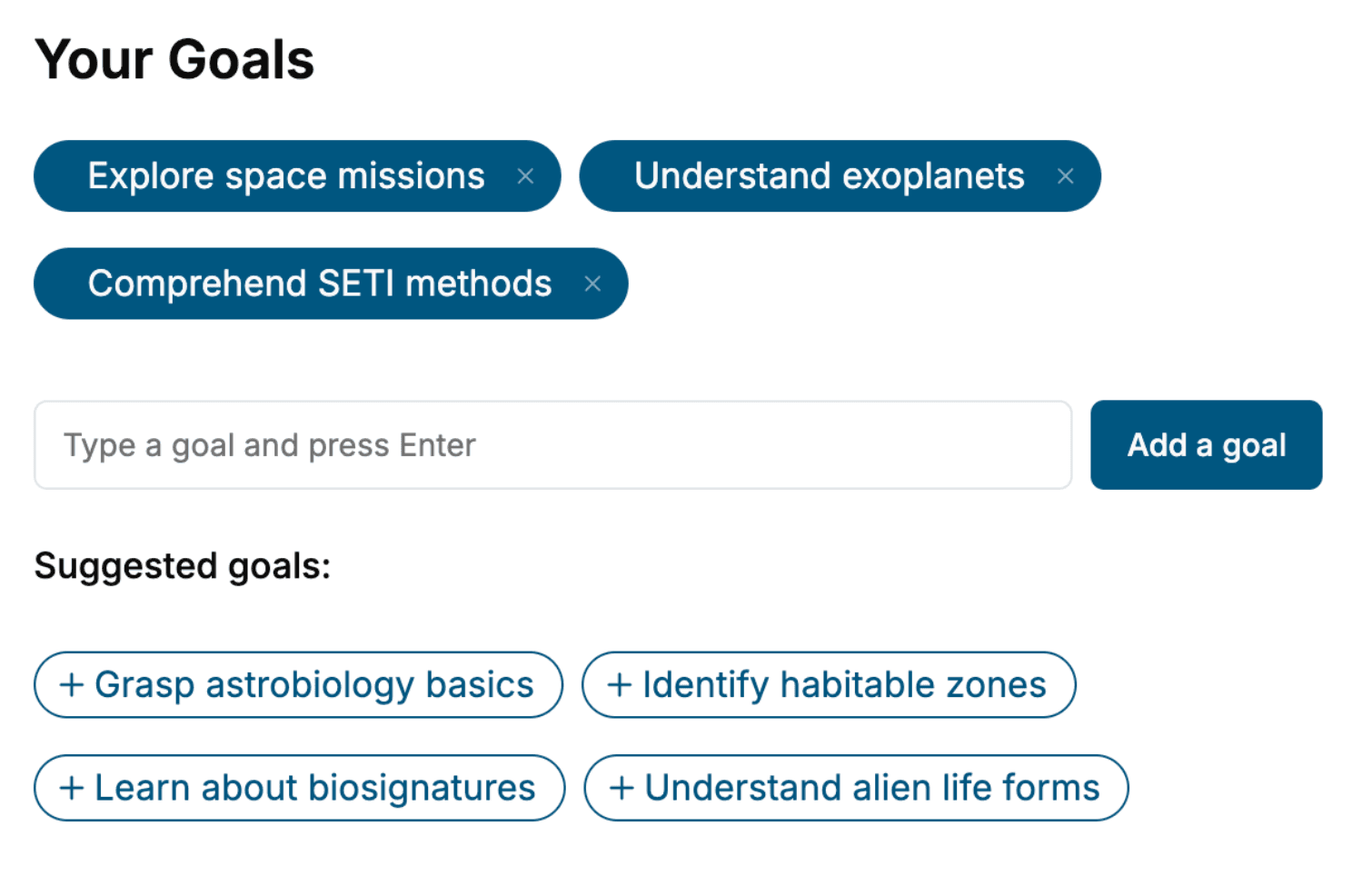
Tell us your goals and background, and get your own version of this book, tailored by AI to you.


Benefits of AI-tailored books
- Read one book, not ten:
- all the Green Infrastructure knowledge you need, gathered into a single book.
- Save days of learning:
- tell us your goals, choose your topics, and the whole book is built around them.
- Learn effortlessly:
- Green Infrastructure book written for your specific background and expertise.
- Understand at a glance:
- includes charts, tables, timelines, checklists, decision trees, and more.
- Stay current:
- written the day you order it, not years ago.
- Trust what you read:
- every book is checked for accuracy, with real research when your subject needs it.
Create your unique book in 3 steps
- 1. Select your focus
Select the focus of your Green Infrastructure book and share your background
- 2. Personalize your book
Specify your goals and choose sub-topics to include
- 3. Get your tailored book
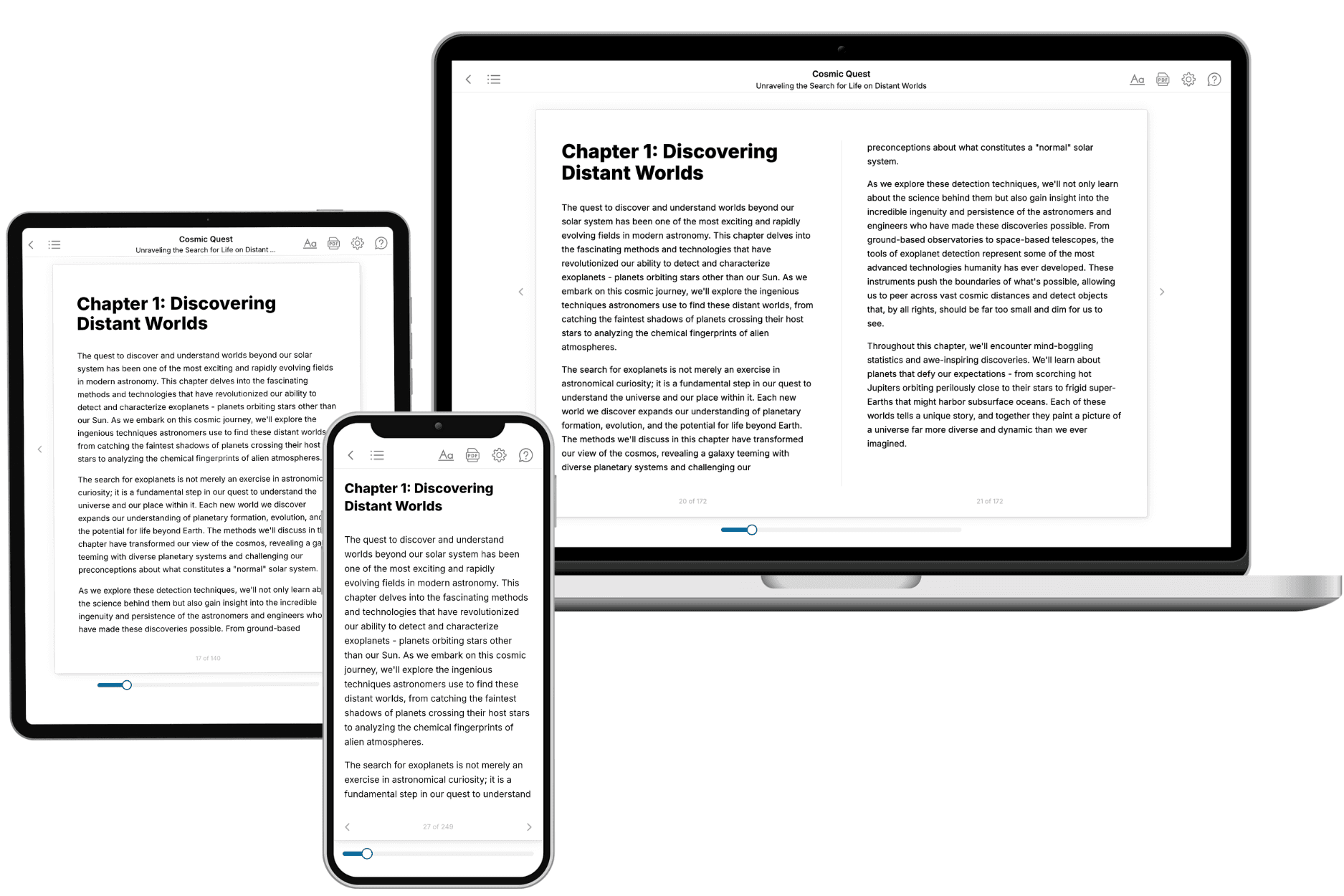
Your book is ready in 10 minutes. Read it online, download as EPUB or PDF, or send to Kindle.

Frequently asked questions
- What is TailoredRead?
TailoredRead creates complete, full-length nonfiction ebooks, written specifically for you. Tell us what you want to learn and why, and TailoredRead writes you a complete ebook on it, with charts, tables, and diagrams throughout. Read it online, on Kindle, or on any e-reader, or download it as a PDF or EPUB. Every book is written fresh the day you order it.
- How is the book tailored to me?
Before anything is written, you answer a few short questions about your goals, your background, and the topics you care about. Your book is then planned around your answers: written at your level, focused on your goals, and covering the topics you chose, instead of the one-size-fits-all book a store sells everyone.
- Will it read like generic AI content?
No. Your book isn't a chat transcript: it's planned chapter by chapter before a single word is written, told in a clear book voice, and explains ideas visually with charts, tables, and diagrams. After writing, every book goes through an editorial pass that polishes chapters so the book reads consistent from start to finish. Judge for yourself: browse thousands of sample books on our Explore Books page.
- How accurate is the content?
Our AI first checks whether your subject needs live research. Niche and fast-moving subjects are researched before writing, and the book plan and chapters are grounded in what it finds. After writing, every book goes through a quality pass that checks its facts and consistency, and researched books list their sources in a Notes section at the back.
- How long is the book?
You choose the length: Comprehensive (250-300 pages), Detailed (150-200 pages), Essential (70-100 pages), or Short (30-50 pages).
- Does the book include visuals?
Yes. Every book includes charts, tables, and diagrams: timelines, checklists, step-by-step guides, decision trees, comparison tables, matrices, and bar charts. A typical book includes dozens of these visual elements.
- Can I read it on Kindle? What formats can I download?
Yes. Every book can be read in our online reader or downloaded as a PDF or EPUB. The EPUB can be opened with Kindle, Apple Books, Kobo, and any e-reader. The Commercial and Author licenses also include an editable Word (DOCX) and Markdown download.
- How much does it cost?
About the price of a regular ebook. The exact price depends on your book's length and complexity, from $2 for the shortest books to $35 for the most comprehensive, and it's shown when you review your book, before you commit to anything. Each book is a one-time purchase, yours to keep, no subscription. Licenses that let you share, teach, or publish your book range from $35.99 to $49.99.
- Can I preview the book before purchasing?
Before you pay, you'll see what your book will cover: the title, a detailed description, the estimated length, and the complete chapter-by-chapter table of contents, so you know what you're getting before you decide. The full text itself is written after you purchase.
- How long does it take to create a book?
About 10 minutes. You can start reading the opening chapters while the rest is still being written.